Hashimoto’s Thyroiditis Diet: Foods That May Help and Foods to Limit
Medical note: This article discusses foods and researched botanicals. It does not claim to prevent, treat, or cure disease. Supplements are not a substitute for food, and studied amounts are not personal prescriptions.
People searching “Hashimoto’s thyroiditis diet foods that help or worsen” usually want practical kitchen rules around iodine, soy, fiber timing with levothyroxine, and whether gluten-free or selenium megadoses are required—not a claim that food rebuilds the thyroid or replaces prescribed hormone replacement. NIDDK describes Hashimoto’s disease as an autoimmune disorder that can cause hypothyroidism; the immune system makes antibodies that attack the thyroid so it cannot make enough thyroid hormones. MedlinePlus (chronic thyroiditis / Hashimoto disease) notes the condition often results in reduced thyroid function and is most often seen in middle-aged women. Kitchen habits support energy, stool regularity, and medicine absorption; they do not reverse autoimmune thyroid damage.
What this Hashimoto’s diet guide covers (and what it does not)
This guide is for adults living with Hashimoto’s thyroiditis who want evidence-aligned eating patterns while they follow endocrinology lab schedules and levothyroxine instructions. Anchors: NIDDK — Hashimoto’s Disease, MedlinePlus — Chronic thyroiditis (Hashimoto disease), MedlinePlus — Hypothyroidism, and Mayo Clinic — Hashimoto’s disease diagnosis and treatment.
NIDDK explains that treatment usually depends on whether hypothyroidism is present; levothyroxine replaces the hormone the thyroid no longer makes. Mayo Clinic similarly centers synthetic T-4 (levothyroxine) and monitoring TSH, and lists substances that may affect absorption—including soy products, high-fiber foods, iron supplements, calcium supplements, and certain antacids—often needing separation (commonly at least four hours) from the pill. NIDDK adds that grapefruit juice, espresso coffee, soy, and multivitamins with iron or calcium can affect absorption, and that taking medicine on an empty stomach (often 30–60 minutes before the first meal) can help. Food does not replace TSH testing or dose adjustments. Related reading: hypothyroidism diet guide and Hashimoto’s thyroiditis diet guide.
Evidence snapshot: Hashimoto’s diet claims vs public sources
| Claim people hope for | What public sources actually say | Confidence |
|---|---|---|
| “A special autoimmune diet cures Hashimoto’s” | NIDDK: treatment depends on hormone status; levothyroxine is the recommended way to treat hypothyroidism; researchers look at diet/supplements but no specific diet guidance is currently available | Strong: food is supportive only |
| “Everyone with Hashimoto’s must avoid all iodine forever” | NIDDK: people with autoimmune thyroid disorders may be sensitive to harmful effects from large iodine intakes (kelp/dulse/seaweed, iodine-rich medicines, iodine supplements); pregnant people still need enough iodine—ask your clinician | Moderate–strong: avoid excess seaweed/supplements without advice |
| “Selenium or vitamin D megadoses reverse antibodies” | NIDDK notes researchers are looking at vitamin D and selenium effects, but no specific guidance is currently available | Low for DIY megadoses |
| “Gluten-free eating is mandatory for Hashimoto’s” | NIDDK links higher chance of celiac disease as a comorbidity—not a universal gluten ban for all Hashimoto’s patients | Strong against one-size gluten bans; test before restricting |
| “Soy or fiber ‘destroys’ thyroid medicine permanently” | Mayo/NIDDK: timing/separation matters for absorption—not that one soy meal ruins lifelong care | Strong for timing habits |
Foods and patterns that may help with Hashimoto’s day to day
“May help” means supporting steadier energy, constipation-aware habits common in hypothyroidism, and reliable levothyroxine absorption—not a promise that food normalizes antibodies.
Consistent levothyroxine-friendly meal timing
- – Take levothyroxine exactly as prescribed—often morning on an empty stomach, 30–60 minutes before food (NIDDK).
- – Separate iron, calcium, soy-heavy meals, high-fiber boluses, and many antacids as your clinician advises (Mayo lists common interferents).
- – Keep the same brand/formulation habits your clinician approved; ask before pharmacy switches.
Balanced plates once hormones are being replaced
- – Emphasize vegetables, fruit, whole grains as tolerated, beans, eggs, fish, poultry, dairy or fortified alternatives—ordinary nutrient-dense patterns rather than extreme elimination.
- – Constipation is a common hypothyroid symptom (MedlinePlus/NIDDK lists). Gradual fiber with fluids—similar kitchen habits to constipation diet guide—may help comfort while labs stabilize.
Sensible iodine from ordinary food—not seaweed stacks
- – The thyroid uses iodine to make hormones, but NIDDK warns large amounts from kelp, dulse, other seaweeds, and iodine supplements may worsen hypothyroidism in autoimmune thyroid disease.
- – Use iodized salt only as your clinician frames overall sodium needs; do not add kelp tablets “for thyroid support.”
If celiac disease or other autoimmune overlap is confirmed
- – NIDDK notes higher likelihood of other autoimmune disorders including celiac disease. Confirmed celiac care follows a gluten-free medical diet—see celiac disease diet guide—not a casual trial based on thyroid antibodies alone.
Foods and habits that often worsen Hashimoto’s kitchen patterns
- – Seaweed snacks, kelp tablets, high-dose iodine cough syrups or supplements without clinician clearance (NIDDK).
- – Taking levothyroxine with espresso, grapefruit juice, soy shakes, iron, or calcium and skipping separation windows (NIDDK/Mayo).
- – Unsupervised “thyroid detox,” raw adrenal glandular stacks, or animal thyroid supplements sold online—Mayo notes concerns about unpredictable T4/T3 content in some natural extract products.
- – Extreme calorie restriction that worsens fatigue while waiting for dose optimization.
- – Assuming kitchen changes replace missed pills or ignored rising TSH.
- – Alcohol patterns that disrupt sleep and adherence when fatigue is already high.
“Limit” means reducing absorption conflicts and iodine excess risk—not blaming one restaurant meal for antibody titers.
Practical kitchen protocol: a Hashimoto’s diet week
1. Keep the medical spine first
Confirm levothyroxine dose/time, upcoming TSH check date, and which supplements you actually need. Put the pill where the morning empty-stomach habit is realistic.
2. Shopping list for thyroid-aware kitchens
Eggs; yogurt or milk; fish; poultry; beans; oats and other grains you tolerate; colorful produce; modest iodized salt if used; herbal tea or water instead of espresso at pill time; skip kelp chips and iodine megadose bottles unless prescribed.
3. Default plate template
- – Protein (eggs, fish, beans, poultry)
- – Produce
- – Carbohydrate you digest well
- – Pill timing respected before breakfast
4. Sample day (illustrative)
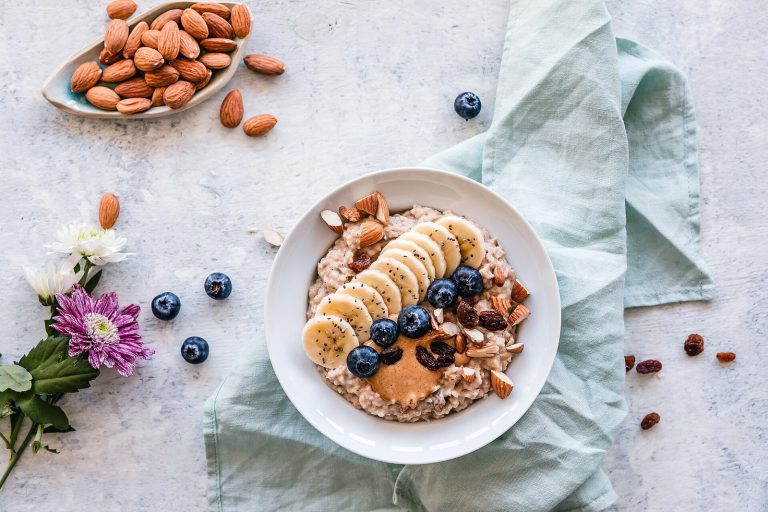
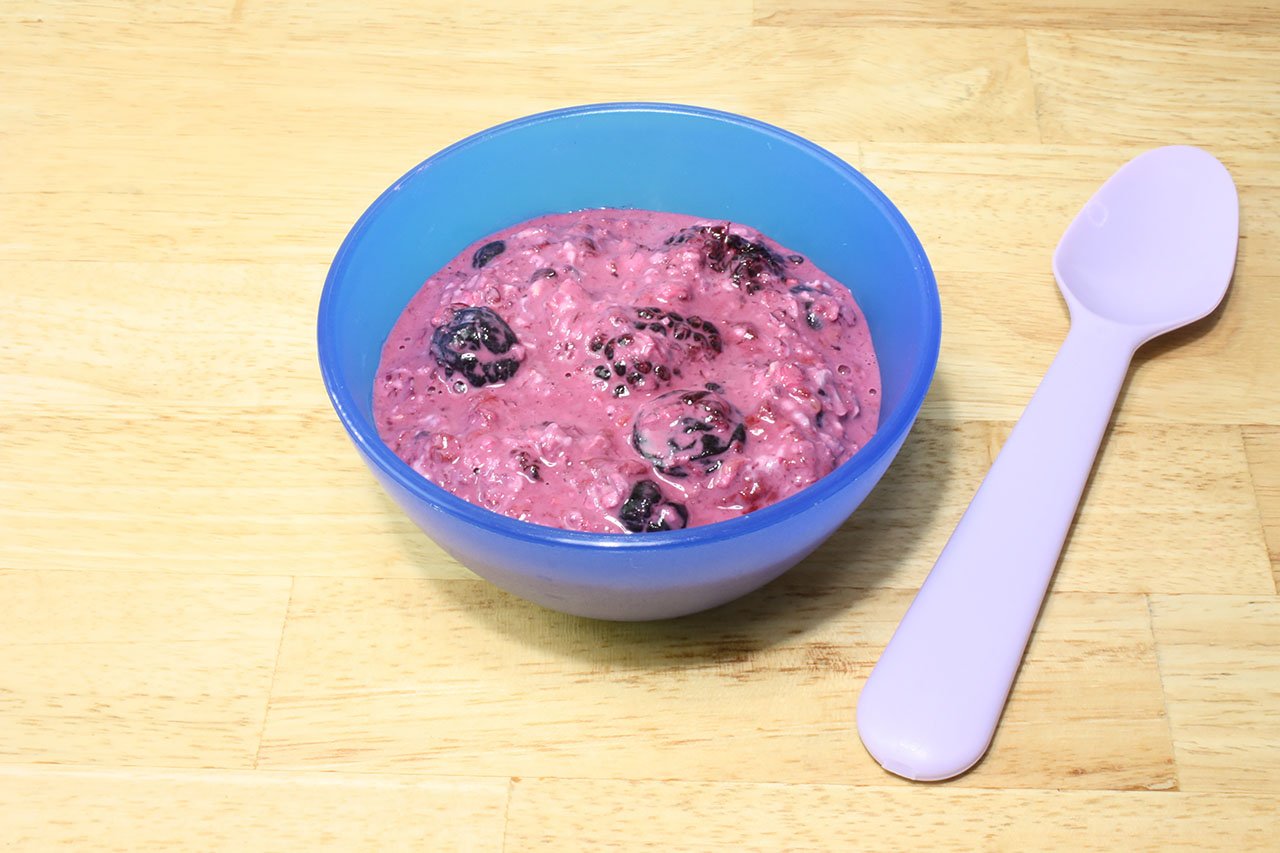
- – Morning: levothyroxine with water → wait → oatmeal with berries; later coffee if desired.
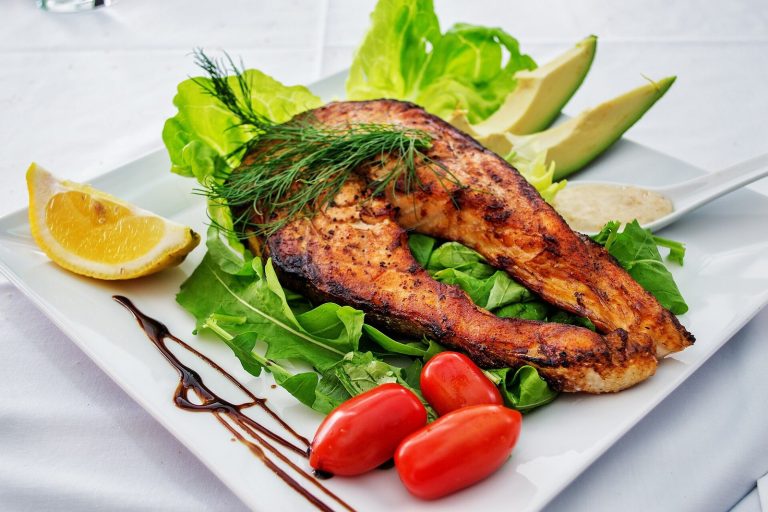
- – Lunch: grilled chicken salad; fruit.
- – Snack: yogurt; separate any calcium supplement hours from the morning pill.
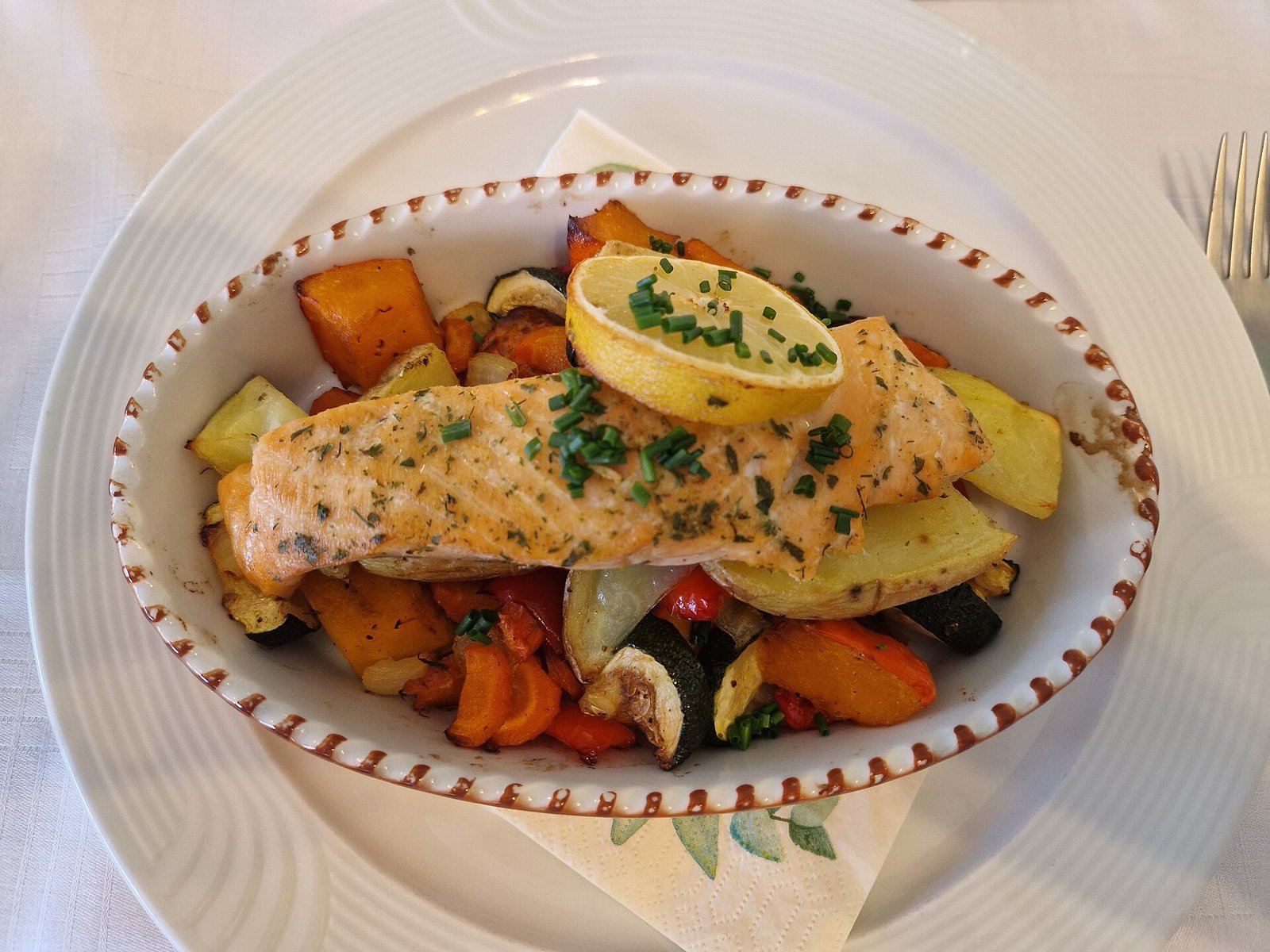
- – Dinner: baked salmon, vegetables, potato or rice.
- – Evening: review tomorrow’s pill routine—not a seaweed “thyroid tonic.”
5. Home setup tips
Keep iron/calcium on a different shelf from the morning thyroid pill; label “wait 30–60 minutes” on the coffee maker if that cue helps.
6. Pregnancy or planning pregnancy
NIDDK: pregnant people need enough iodine for the baby, and too much can also cause problems—individualize with obstetrics/endocrinology rather than internet dosing.
Safety, interactions, and who should ask a clinician first
- – Never stop or raise levothyroxine without advice—NIDDK warns excess thyroid hormone medicine can contribute to atrial fibrillation or osteoporosis risk.
- – Heart disease, osteoporosis risk, or arrhythmia history: dose errors matter more.
- – Confirmed celiac, IBD, or bariatric surgery: absorption quirks need specialist dietitian input.
- – Seek care for severe hypothyroid symptoms, neck swelling with breathing trouble, chest pain, or pregnancy-related thyroid questions urgently as advised by your team.
FAQ
Can diet replace levothyroxine for Hashimoto’s? No. NIDDK recommends levothyroxine when hypothyroidism is present; food supports daily living and absorption habits.
Should I go gluten-free automatically? Only with confirmed indications such as celiac disease. NIDDK lists celiac as a related autoimmune risk—not a blanket Hashimoto’s rule.
Are selenium supplements required? NIDDK says researchers are studying selenium and vitamin D, but no specific guidance is currently available—ask before supplementing.
Is iodized salt banned? The bigger NIDDK warning targets large iodine loads from seaweed and supplements. Ask your clinician about salt and prenatal vitamins if pregnant.
How is this different from a general hypothyroidism diet page? Overlap is large—see hypothyroidism diet guide—but Hashimoto’s adds autoimmune context, iodine-sensitivity cautions, and comorbidity screening themes (celiac and others).
How this differs from related OTCFood topics
This page is a Hashimoto’s-bound diet guide focused on iodine prudence, levothyroxine absorption timing, and realistic expectations about selenium/vitamin D research. It is not a Graves’ disease hyperthyroid protocol (hyperthyroidism diet guide), not a post-thyroidectomy surgical recovery twin (diet after thyroidectomy guide), and not a DIY antibody “reset.”
Medical disclaimer
Medical disclaimer: This article is for general information only. It is not medical advice, diagnosis, or a treatment plan. Care for Hashimoto’s thyroiditis depends on thyroid hormone levels, antibodies, pregnancy status, other autoimmune disease, and your clinician’s protocol. Talk with a clinician or registered dietitian before starting, stopping, or changing any eating plan, supplement, or medicine.