Female Infertility Diet: Foods That May Help and Foods to Limit
Medical note: This article discusses foods and researched botanicals. It does not claim to prevent, treat, or cure disease. Supplements are not a substitute for food, and studied amounts are not personal prescriptions.
People searching “female infertility diet foods that help or worsen” usually want a practical plate while they pursue testing—not a claim that food will force ovulation, unblock tubes, shrink endometriosis, or replace medicines, surgery, or assisted reproduction. MedlinePlus defines infertility as not being able to get pregnant after at least one year of trying (or six months if the woman is over age 35); repeated miscarriages are also called infertility. Most cases of infertility in women, MedlinePlus says, result from problems with producing eggs, including polycystic ovary syndrome (PCOS) and primary ovarian insufficiency. NICHD adds that many conditions can contribute, a case may have one cause, several causes, or none identified, and lifestyle factors such as nutrition, weight, exercise, stress, substance use, and medications can affect fertility. Kitchen patterns may help when weight, alcohol, or diet quality are part of the picture; they do not treat every cause.
What this female infertility diet guide covers (and what it does not)
This guide is for adults assigned female at birth who are trying to conceive or who have a clinician’s working diagnosis of infertility. Anchors: MedlinePlus — Female Infertility, NICHD — Infertility and Fertility, NICHD — Lifestyle and environmental factors, NICHD — Possible causes of female infertility, and ODS — Folate.
NICHD lists issues food cannot “clear”: failure to ovulate (about 40% of women with infertility issues), PCOS, primary ovarian insufficiency, thyroid and other endocrine disorders, endometriosis, fibroids or polyps, tubal blockage after infection, and implantation problems. MedlinePlus notes female factors, male factors, or no found cause each account for a large share of cases. Related reading: PCOS diet guide, endometriosis diet guide, uterine fibroids diet guide, hypothyroidism diet guide, obesity diet guide, insulin resistance diet guide, and folate deficiency diet guide.
Evidence snapshot: female infertility diet claims vs public sources
| Claim people hope for | What public sources actually say | Confidence |
|---|---|---|
| “A fertility diet replaces evaluation and treatment” | MedlinePlus: tests may identify problems; treatments may include medicines, surgery, or assisted reproductive technologies | Strong against food-as-cure |
| “Weight never matters if labs look ‘fine’” | NICHD: obesity plus PCOS—losing 5% of body weight greatly improves the likelihood of ovulation and pregnancy; being underweight is linked to ovarian dysfunction and infertility | Strong that both high and low weight can matter |
| “Folate supplements make you fertile” | ODS: all women and teen girls who could become pregnant should get 400 mcg of folic acid daily from supplements, fortified foods, or both, in addition to food folate, to help prevent neural tube defects—not as an ovulation medicine | Strong for pregnancy preparation; not a fertility drug |
| “Exercise more is always better” | NICHD: excessive exercise is known to affect ovulation and fertility in women | Moderate caution against extremes |
| “Smoking or heavy drinking is unrelated to getting pregnant” | NICHD: smoking tobacco, other tobacco products, marijuana, heavy drinking, and illegal drugs such as heroin and cocaine reduce fertility in both women and men | Strong to limit or stop these |
Foods and patterns that may help when you are trying to conceive
“May help” means supporting ovulation when weight or nutrient gaps are involved and preparing for a healthy pregnancy—not guaranteeing a positive test.
A weight-aware pattern, in the direction your clinician recommends
- – If you have obesity and PCOS, NICHD reports that a 5% weight loss greatly improves the likelihood of ovulation and pregnancy. That usually means a modest calorie deficit built from regular meals, not a juice cleanse. See PCOS diet guide and obesity diet guide.
- – If you are underweight or periods have become very light or absent, NICHD links being underweight with ovarian dysfunction. Restoring adequate calories, protein, and fats—rather than more restriction—belongs in that conversation.
- – Extreme “fertility fasting” or very high-volume exercise on top of low intake works against the NICHD caution on excessive exercise.
Folate-forward foods plus the official folic acid amount
ODS states adults need 400 mcg dietary folate equivalents daily (600 mcg DFE in pregnancy). Food folate comes from beef liver, asparagus, brussels sprouts, dark leafy greens, oranges, nuts, beans, and peas; folic acid is added to enriched bread, flour, pasta, rice, and many cereals. Separately, ODS says everyone who could become pregnant should get 400 mcg of folic acid daily from supplements, fortified foods, or both—even with an MTHFR variant—because about half of pregnancies are unplanned and early folic acid helps prevent neural tube defects.
An everyday balanced plate
Vegetables, fruits, beans or other proteins, whole or enriched grains, dairy or fortified alternatives, and unsaturated fats make it easier to meet folate and iron needs from food. ODS notes most people in the United States get enough folate, but teen girls, women 19–30, people with alcohol use disorder, and people with celiac disease or IBD may have more trouble (see celiac disease diet guide if malabsorption is an issue).
Foods and habits that often worsen female fertility chances
- – Heavy alcohol intake and other substance use—NICHD lists heavy drinking, tobacco, marijuana, and illegal drugs as fertility-reducing in women and men. If you might already be pregnant, ask your clinician about alcohol; official pregnancy guidance is separate from “weekend-only” habits.
- – Staying far above or far below a healthy weight without a plan, especially with PCOS or missing periods.
- – Very high-intensity training with low energy availability, which NICHD flags as able to affect ovulation.
- – Skipping folic acid while you could become pregnant, then relying only on a last-minute prenatal after a positive test—neural tube closure happens early (ODS).
- – High-dose folic acid on your own. ODS sets an adult upper limit of 1,000 mcg from supplements and fortified foods unless a clinician recommends more, and notes large amounts can hide a vitamin B12 deficiency.
- – Ignoring male-factor evaluation. MedlinePlus and NICHD both emphasize that male issues are about as common as female issues; changing only one partner’s groceries does not replace semen analysis when it is indicated.
“Limit” means reducing the lifestyle factors official pages name—not fearing every cup of coffee or every restaurant meal (NICHD’s lifestyle page does not set a universal caffeine ban).
Practical kitchen protocol: a female-infertility-aware week
1. Keep testing parallel to food changes
Ask whether you need ovulation assessment, thyroid tests, evaluation for PCOS, endometriosis, or fibroids, and whether a partner should be evaluated (MedlinePlus, NICHD). Diet supports some lifestyle factors; it does not replace those steps.
2. Shopping list
Leafy greens, beans, lentils, oranges, fortified breakfast cereal or enriched bread, yogurt or fortified milk, eggs, fish, poultry or tofu, oats, brown or white rice, nuts, and a standard prenatal or folic acid supplement if your clinician agrees.
3. Default plate template
- – Half vegetables and fruit (include a leafy or bean source of folate most days)
- – One-quarter protein
- – One-quarter grains, including some folic-acid–fortified staples
- – A calcium source you tolerate
- – Alcohol off the default list while you are trying to conceive, unless your clinician gave different personal advice
4. Sample day (illustrative)
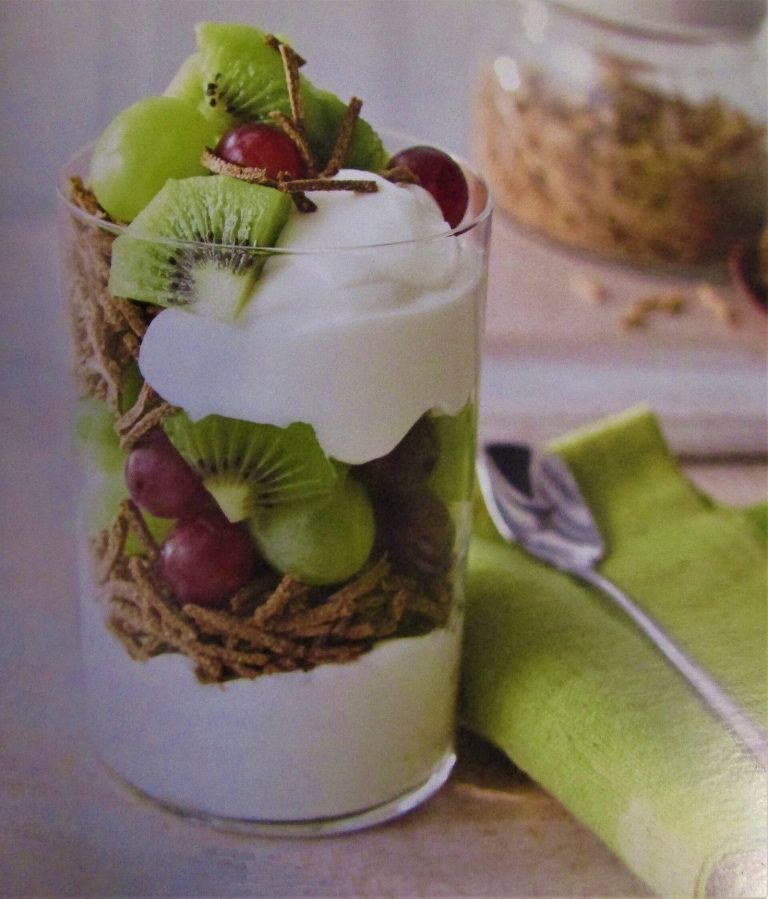
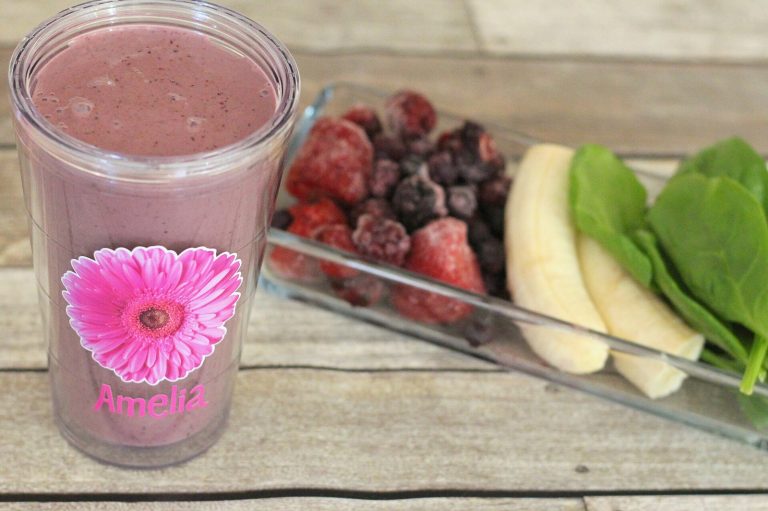
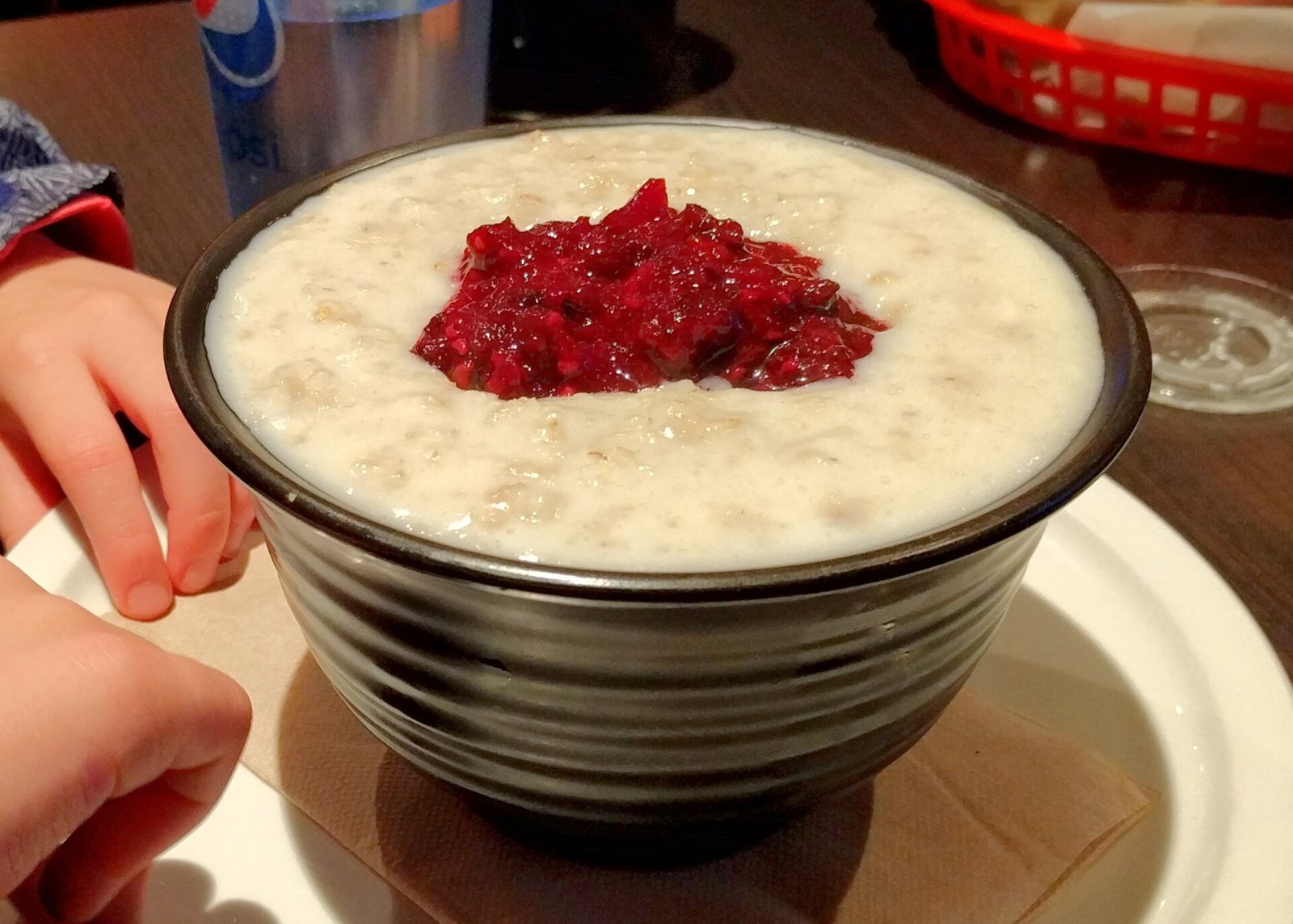
- – Breakfast: fortified cereal or oatmeal with milk and berries; take folic acid if that is your plan.
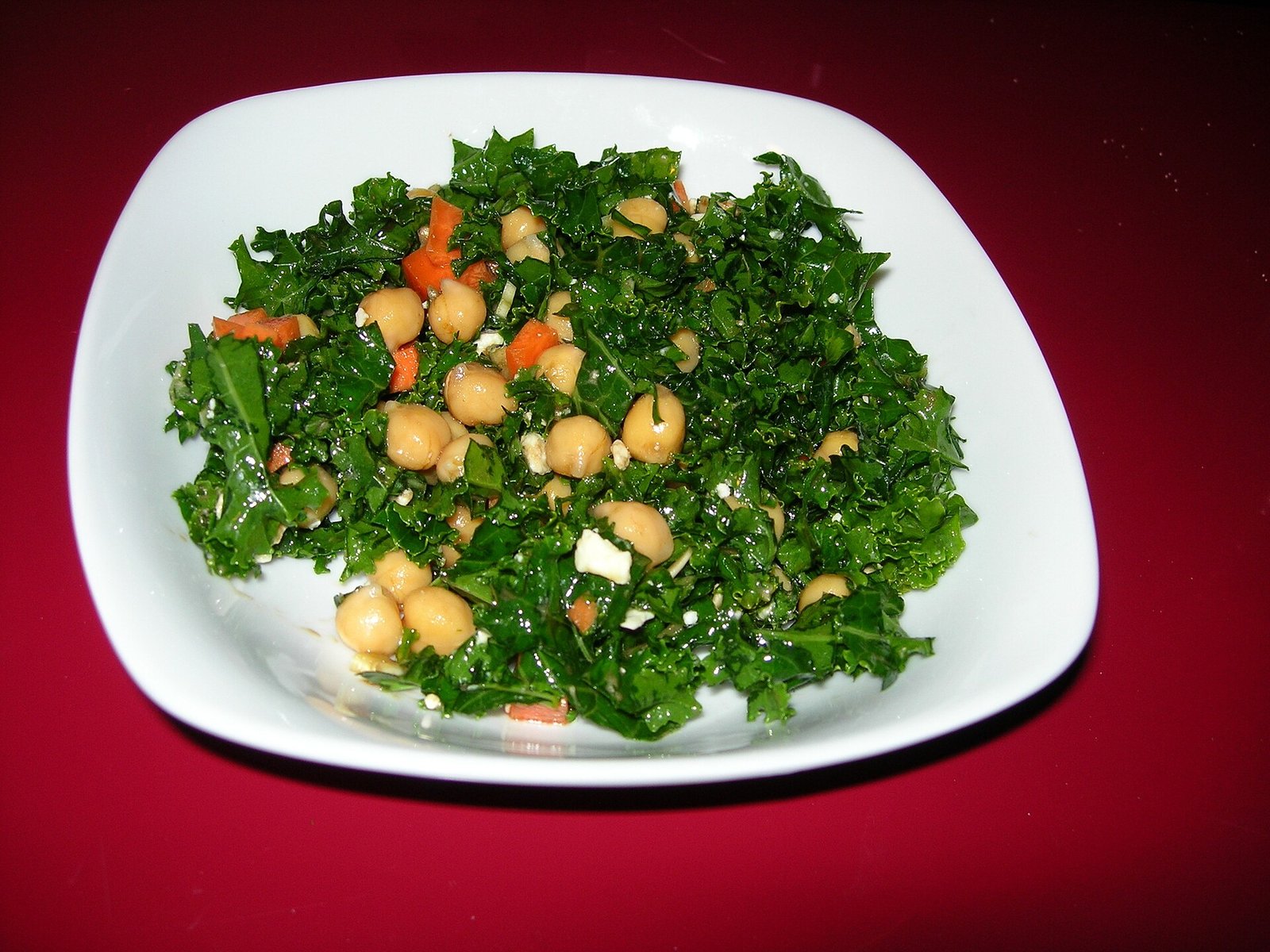
- – Lunch: a spinach-and-bean or lentil bowl with orange slices.
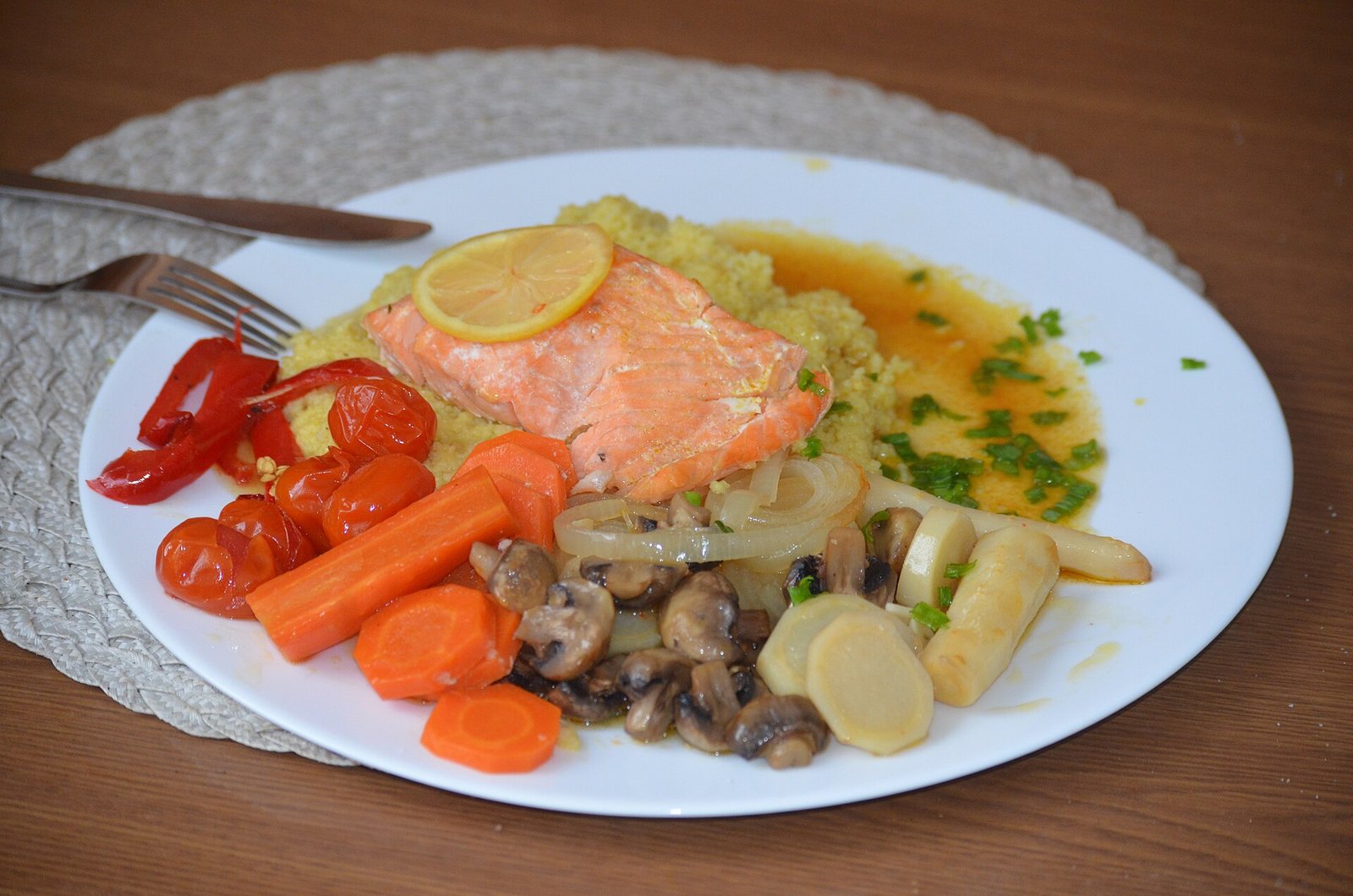
- – Dinner: fish or chicken, rice, and vegetables such as asparagus or greens.
- – If weight loss is the agreed goal: keep the same food groups with slightly smaller portions.
- – If weight restoration is the goal: add snacks (nuts, yogurt, fruit) and cooking oils.
5. When another diagnosis drives the menu
PCOS, endometriosis, fibroids, thyroid disease, and insulin resistance each have their own food nuances; use the internal guides above rather than stacking every internet rule at once.
Safety, interactions, and who should ask a clinician first
- – Age over 35 with six months of trying, or any age with irregular periods, known endometriosis, prior pelvic infection, or repeated miscarriage: see a clinician (MedlinePlus timing).
- – Folate supplements can interact with methotrexate used for cancer, and they can affect or be affected by some seizure medicines and sulfasalazine (ODS)—review your list.
- – Do not start high-dose vitamin A or herbal “fertility blends” on your own.
- – Pregnancy, liver disease, or a history of an eating disorder: personalized calorie and supplement advice matters more than a generic fertility menu.
- – If you have heavy periods, ask about iron; ODS lists higher iron needs for many women 19–50 and during pregnancy, but iron pills are not a DIY first step for everyone.
FAQ
Can losing or gaining weight help me get pregnant? It can help some people. NICHD links a 5% weight loss in women with obesity and PCOS to a better chance of ovulation and pregnancy, and links being underweight to ovarian dysfunction. Your starting point decides the direction.
Will folic acid treat infertility? No. ODS recommends 400 mcg of folic acid daily for anyone who could become pregnant to help prevent neural tube defects. That is pregnancy preparation, not an ovulation drug.
Is there one “fertility superfood”? Official pages emphasize overall nutrition, weight, and avoiding tobacco, heavy drinking, and drugs—not a single berry or seed.
Should I stop exercising? Not necessarily. NICHD warns that excessive exercise can affect ovulation. Moderate activity that leaves you enough energy to menstruate regularly is a different conversation.
Does my partner’s diet matter too? Yes, evaluation often includes both partners (MedlinePlus). NICHD also links male obesity, smoking, and heavy drinking with reduced fertility.
When should I see a doctor? After 12 months of regular unprotected intercourse, or after 6 months if you are older than 35, and sooner if periods are missing, cycles are very irregular, or you already know about a reproductive condition (MedlinePlus, NICHD).
How this differs from related OTCFood topics
This page is a female-infertility-bound diet guide focused on weight in both directions, folic acid for pregnancy preparation, and the lifestyle limits NICHD actually names. It is not a PCOS-only protocol, not an endometriosis page, and not a substitute for fertility evaluation or treatment.
Medical disclaimer
Medical disclaimer: This article is for general information only. It is not medical advice, diagnosis, or a treatment plan. Infertility care depends on age, ovulation, tubes, uterus, hormones, a partner’s evaluation, medicines, and your clinician’s judgment. Talk with a clinician or registered dietitian before starting, stopping, or changing any eating plan, supplement, or medicine. Seek care promptly for severe pelvic pain, heavy bleeding, or symptoms of pregnancy complications.