Bell’s Palsy Diet: Foods That May Help and Foods to Limit
Medical note: This article discusses foods and researched botanicals. It does not claim to prevent, treat, or cure disease. Supplements are not a substitute for food, and studied amounts are not personal prescriptions.
People searching “Bell’s palsy diet foods that help or worsen” usually want soft, easy-to-manage meals while one side of the face is weak—not a claim that food rewires the facial nerve the way timely steroids and eye protection can. The NHS describes Bell’s palsy as temporary weakness or lack of movement that usually affects one side of the face; treatment with steroids can help, and most people get better within 6 months. MedlinePlus notes many people improve, and most begin to get better within 2 weeks and recover completely within 3 to 6 months with or without treatment. Food does not replace urgent assessment to rule out stroke or early steroid decisions.
What this Bell’s palsy diet guide covers (and what it does not)
This guide is for adults in the acute or early recovery phase of Bell’s palsy who need practical eating and drinking strategies when chewing, drinking, and eye closure are impaired. Anchors: NHS — Bell’s palsy, MedlinePlus — Bell’s palsy, and MedlinePlus Medical Encyclopedia — Bell palsy.
NHS: get help ASAP because treatment is more effective if started early (within 72 hours); treatments may include a course of steroid medicine (sometimes with antivirals), eye drops/ointment, and taping the eye closed at bedtime. Call emergency services for face droop with arm weakness or speech trouble—those can be stroke signs, not “just Bell’s.” MedlinePlus encyclopedia: difficulty eating and drinking because food falls out of one side of the mouth; drooling; dry eye risk. Kitchen adaptations support nutrition and safety while medical care proceeds.
Evidence snapshot: Bell’s palsy diet claims vs public sources
| Claim people hope for | What public sources actually say | Confidence |
|---|---|---|
| “A special diet cures Bell’s palsy” | NHS/MedlinePlus center early steroids, eye care, and time; most recover over weeks to months | Strong: food is not a substitute |
| “Vitamin megadoses reverse facial nerve damage” | Public pages do not replace steroids with supplement protocols | Insufficient as a cure claim |
| “Soft foods speed nerve healing” | Soft textures may reduce choking and food spillage while weak (practical), not a proven nerve-regrowth diet | Moderate for comfort/safety only |
| “You can wait a week before seeing a doctor if you eat well” | NHS: early treatment (within 72 hours) is more effective | Strong: do not delay care |
| “Face droop with arm weakness is a diet issue” | NHS emergency: face droop plus arm/speech problems can be stroke—call emergency services | Strong: emergency first |
Foods and patterns that may help with Bell’s palsy day-to-day health
“May help” means safer chewing/swallowing, adequate calories, and easier drinking while facial muscles are weak—not curing the palsy.
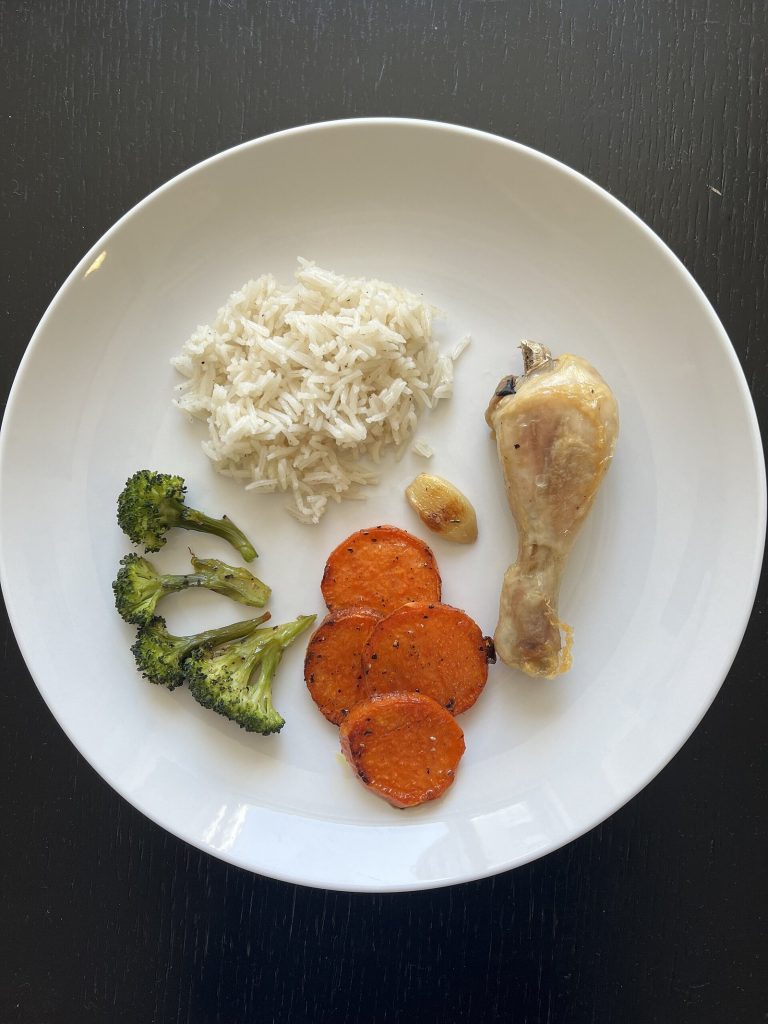
Soft, moist, easy-to-control textures
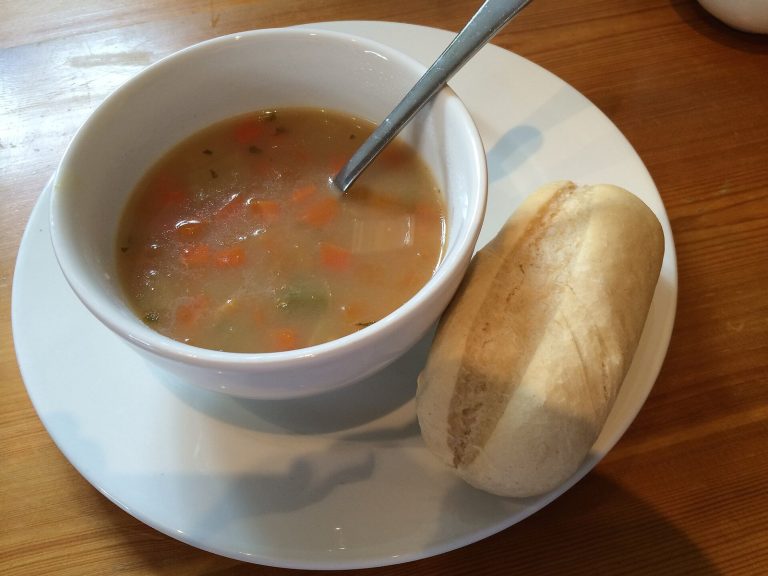
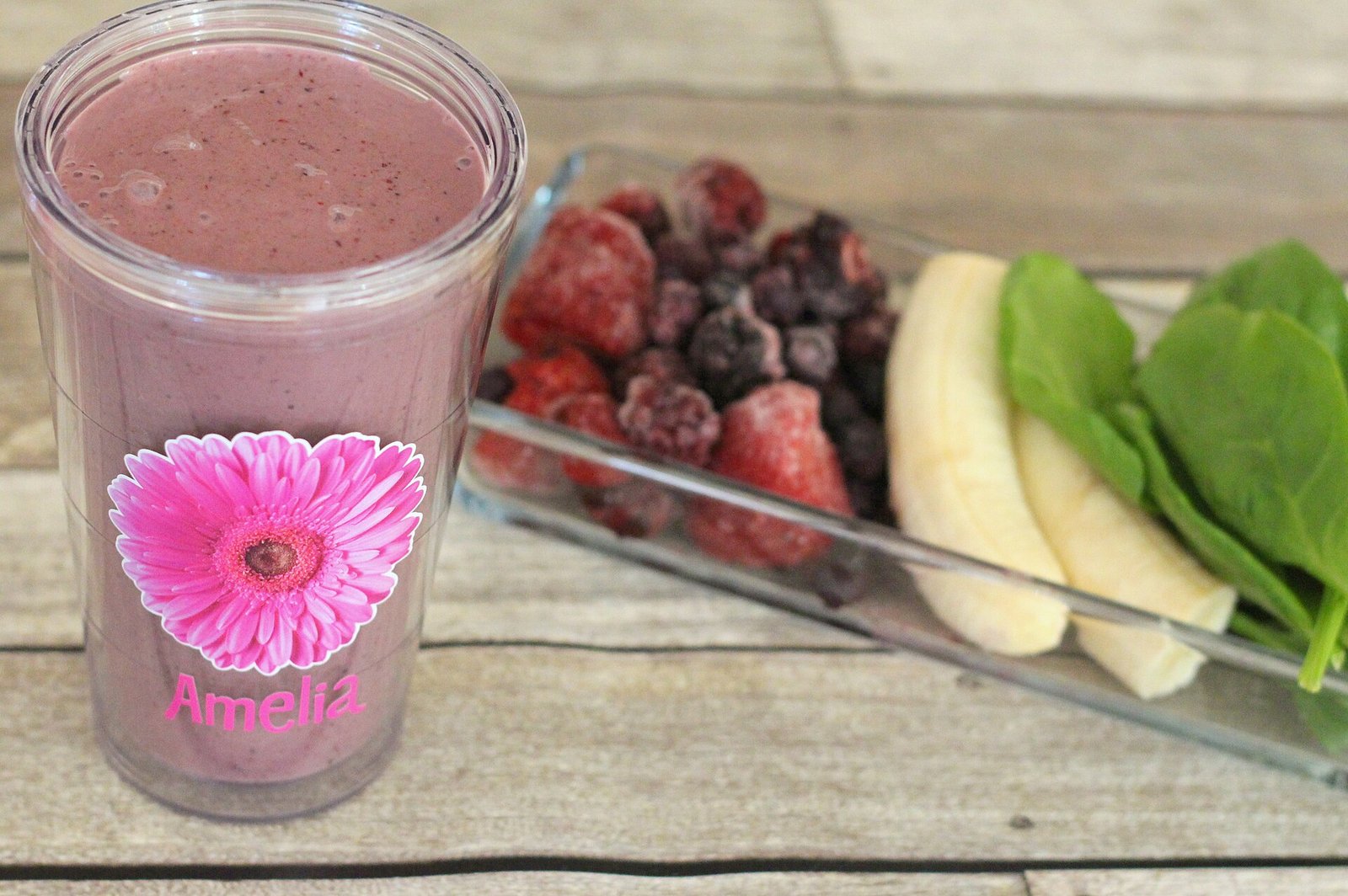
- – Smoothies with yogurt, banana, and berries; soft scrambled eggs; mashed potatoes or soft grains; tender fish; well-cooked vegetables; soups (warm, not scalding).
- – Cut food into small pieces; chew on the stronger side; take small sips; use a straw only if your clinician says it is safe for you.
- – MedlinePlus notes food falling from the weak side—use napkins, adaptive cups, and upright posture.
Protein and calories for recovery energy
- – Include yogurt, eggs, soft beans, ground meats, or protein-fortified smoothies so intake does not crash while chewing is hard—patterns similar to supportive kitchens in chronic fatigue syndrome diet guide when fatigue coexists.
- – If steroids raise appetite or blood sugar, pair carbs with protein and ask about glucose monitoring—see prediabetes diet guide themes if you have diabetes risk.
Hydration and eye-linked meal timing
- – Keep water nearby; dry mouth can accompany facial nerve issues (MedlinePlus lists dry mouth among possible symptoms).
- – Schedule eye drops around meals so you do not skip protection (NHS eye-care emphasis).
Gentle flavors first
- – Very spicy, extremely crunchy, or seedy foods may be harder to manage and irritate a dry eye if hands touch the face often—personal tolerance varies.
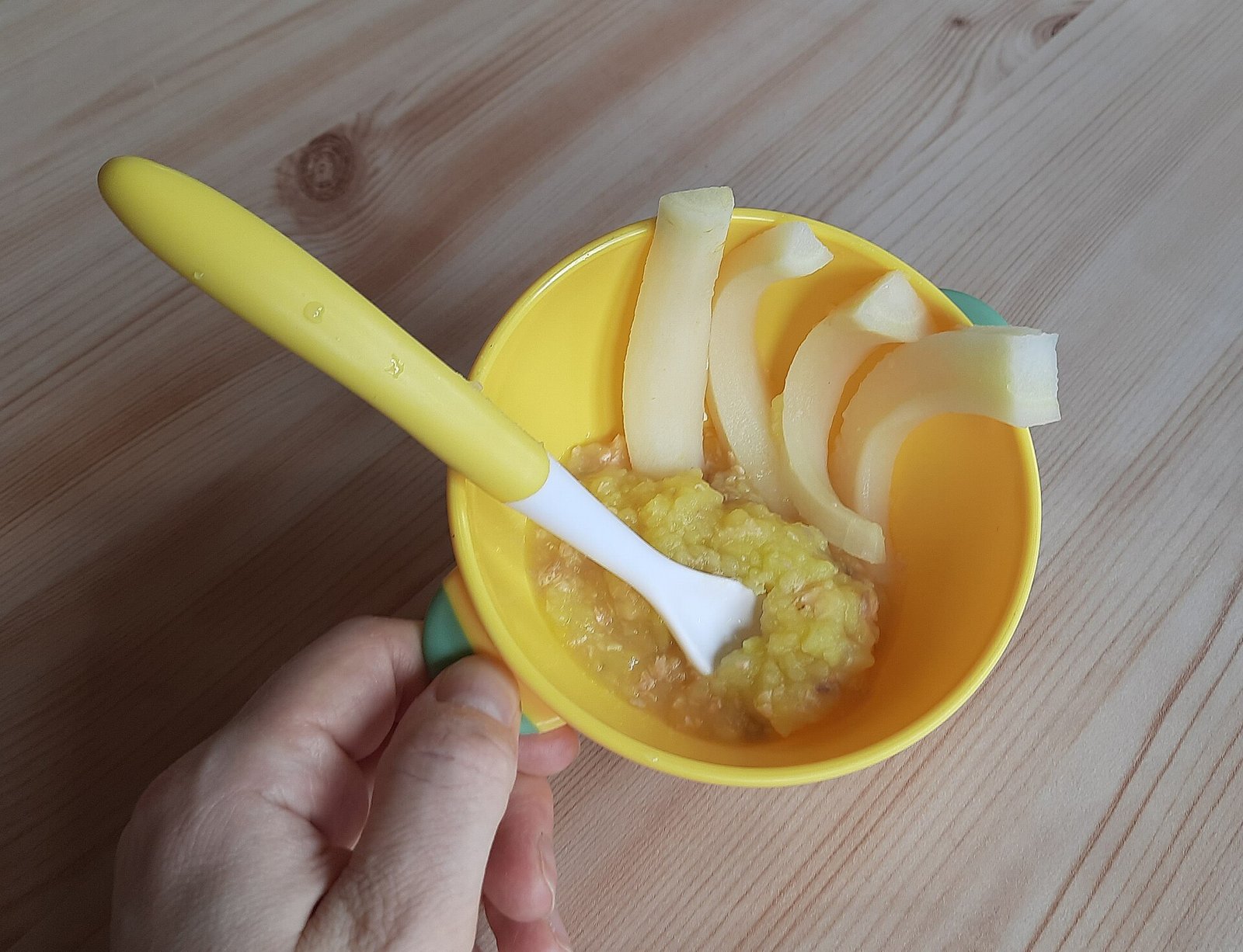
- – Soft fruit purees and yogurt bowls are practical breakfast defaults.
Foods and habits that often worsen Bell’s palsy kitchen patterns
- – Delaying medical care for “natural facial nerve diets.”
- – Dry, tough meats, whole nuts, or large hard bread chunks that are easy to pocket in the weak cheek or increase choking risk.
- – Very hot soups/drinks if sensation is altered—test temperature on the strong side.
- – Alcohol-heavy “stress relief” that disrupts sleep and medicine schedules.
- – Skipping calories until exhaustion—slows overall recovery stamina even though it does not “feed the nerve.”
- – Ignoring stroke red flags (arm weakness, speech difficulty with face droop)—NHS emergency advice.
“Limit” means reducing hard-to-manage textures and care delays—not lifelong food fear after recovery.
Practical kitchen protocol: a Bell’s palsy diet week
1. Keep the medical spine first
Seek care early; take steroids exactly as prescribed; protect the eye. Meal texture is supportive only.
2. Shopping list
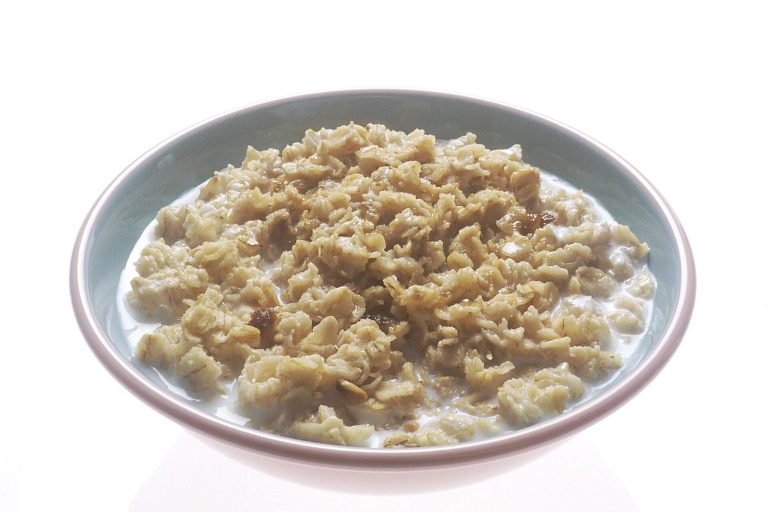
Greek yogurt; bananas, berries, mango; spinach for smoothies; soft oats; eggs; tender fish or minced poultry; ripe avocados; soups; mashed vegetables; olive oil; water and herbal tea.
3. Default soft-plate template
- – Smoothie or yogurt bowl for breakfast
- – Soft protein + moist carb + soft vegetable for lunch/dinner
- – Keep a cloth napkin on the weak side; sit upright
4. Sample day (illustrative)
- – Breakfast: spinach-berry-yogurt smoothie; soft banana.
- – Lunch: soft homemade mash bowl (potato/vegetable puree style) with tender protein mixed in; water.
- – Snack: mango banana yogurt smoothie or applesauce-style fruit.
- – Dinner: soft baked fish flakes with mashed vegetables and gravy or olive oil; herbal tea.
- – Evening: eye ointment/tape as directed; avoid late crunchy snacks that leave debris on the weak side.
5. Eating out
Choose mashed, minced, or saucy dishes; request extra napkins; avoid messy bones and shells; take leftovers if meals run long.
6. When stress eating patterns rise
Recovery stress is common (NHS notes mental health impact)—see anxiety diet guide for general stress-kitchen ideas without replacing medical therapy. If sleep suffers, insomnia diet guide habits may help routines.
7. Steroid-week kitchen notes
If you are on a short steroid course (NHS common pathway), expect increased appetite or thirst. Keep soft protein snacks ready so hunger does not default only to sugary drinks. Ask your clinician about blood-sugar checks if you have diabetes or prediabetes.
8. Social meals without isolation
Eating in public can feel embarrassing when food escapes the weak side. Practice at home with a mirror once, use a quiet seat, and remember most people improve over weeks to months per MedlinePlus timelines—temporary soft-food strategies are tools, not a permanent identity.
Safety, interactions, and who should ask a clinician first

- – Emergency: face droop with arm weakness or speech difficulty—treat as possible stroke until proven otherwise (NHS).
- – Eye cannot close: follow NHS eye-drop/ointment/taping advice to prevent corneal injury.
- – Steroid courses: discuss blood sugar, mood, and infection risk with your clinician; do not add unproven supplement stacks without asking.
- – Children, pregnancy, or recurrent facial palsy: specialist pathways.
- – Choking or repeated chest infections after meals: urgent swallowing evaluation.
FAQ
Can diet cure Bell’s palsy? No. Public sources emphasize timely medical treatment and natural recovery timelines. Soft diets support safe eating only.
Why start steroids so quickly? NHS: treatment is more effective if started early (within 72 hours). Do not wait on kitchen experiments.
When can I return to normal textures? As facial strength returns and your clinician or therapist agrees—progress gradually from smooth to soft to regular.
Do I need a gluten-free Bell’s diet? Not based on NHS/MedlinePlus Bell’s pages alone.
Can chewing gum “exercise” the face back? Ask your clinician or therapist before aggressive chewing drills; early priorities are medicines, eye protection, and safe nutrition—not DIY nerve workouts.
What if liquids spill from the weak lip? Try thicker liquids (smoothie texture), small sips, head slightly tilted toward the stronger side, and adaptive cups. Seek help if choking or coughing with every drink.
How this differs from related OTCFood topics
This page is a Bell’s palsy–bound diet guide focused on soft textures, safe drinking, and nutrition during facial weakness. It is not a stroke rehabilitation diet, not a migraine diet guide trigger plan, and not a chronic sinus diet—though eye dryness care remains medical, not culinary.
Medical disclaimer
Medical disclaimer: This article is for general information only. It is not medical advice, diagnosis, or a treatment plan. Bell’s palsy care depends on timely clinical assessment, eye protection, and prescribed medicines. Talk with a clinician before changing eating plans, supplements, or steroid courses. Seek emergency care for face droop with arm weakness, speech difficulty, severe headache, or sudden vision loss.