Uterine Fibroids Diet: Foods That May Help and Foods to Limit
Medical note: This article discusses foods and researched botanicals. It does not claim to prevent, treat, or cure disease. Supplements are not a substitute for food, and studied amounts are not personal prescriptions.
People searching “uterine fibroids diet foods that help or worsen” usually want kitchen steps that may support iron status during heavy periods and overall health—not a claim that food shrinks every fibroid, replaces medicines or procedures, or treats infertility on its own. MedlinePlus describes uterine fibroids as the most common noncancerous (benign) tumors in women of childbearing age. They are made of muscle cells and other tissues that grow in and around the wall of the uterus and often cause no symptoms. NICHD (Eunice Kennedy Shriver National Institute of Child Health and Human Development) says fibroids, or leiomyomas, can cause pain and abnormal uterine bleeding and that the only cure currently is hysterectomy, although other treatments exist. Mayo Clinic notes that fibroids are not cancer and almost never turn into cancer. Kitchen patterns may help with anemia risk, bowel comfort, and weight-related overall health; they do not replace gynecologic care.
What this uterine fibroids diet guide covers (and what it does not)
This guide is for adults with clinician-recognized uterine fibroids who want practical eating steps. Anchors: MedlinePlus — Uterine Fibroids, MedlinePlus — Uterine fibroids encyclopedia, MedlinePlus — Living with uterine fibroids, NICHD — Uterine Fibroids, Office on Women’s Health — Uterine fibroids, and Mayo Clinic — Uterine fibroids.
NICHD lists possible symptoms such as heavy or painful periods, anemia, bleeding between periods, pelvic pressure, frequent urination, pain during sex, lower-back pain, and reproductive or pregnancy complications. Many people have no symptoms and may not need treatment. Related reading: iron-deficiency anemia diet guide, endometriosis diet guide, fibroids diet guide, and PCOS diet guide.
Evidence snapshot: fibroids diet claims vs public sources
| Claim people hope for | What public sources actually say | Confidence |
|---|---|---|
| “A special diet shrinks or cures fibroids” | NICHD: the only current cure is hysterectomy, though other treatments exist. Mayo Clinic’s treatment page: some websites promote specific diet recommendations, herbal preparations, or similar alternatives, but so far there is no scientific evidence that these techniques help | Strong against food-as-cure |
| “Eating patterns are completely unrelated to fibroids” | Office on Women’s Health: eating a lot of red meat (for example, beef) and ham is linked with a higher risk of fibroids, and eating plenty of green vegetables seems to protect women from developing them. Mayo Clinic lists a diet higher in red meat and lower in green vegetables, fruit, and dairy, plus alcohol including beer, among factors that seem to raise risk | Moderate that associations exist; not proof that changing dinner dissolves existing fibroids |
| “Weight does not matter” | Office on Women’s Health: women who are overweight are at higher risk; for very heavy women the risk is two to three times greater than average. NICHD also lists obesity among risk factors. Mayo Clinic: staying at a healthy weight, exercising, and eating a balanced diet with plenty of fruits and vegetables might lower fibroid risk | Moderate for weight as a risk-associated factor |
| “Vitamin D or green tea is a proven treatment” | NICHD: a vitamin D deficiency may be associated with fibroids. MedlinePlus encyclopedia notes that vitamin D and green tea may help decrease fibroid size. Mayo Clinic still reports no scientific evidence that specific diet recommendations or herbal preparations treat fibroids. Do not megadose without a clinician | Limited / mixed; not a substitute for medical care |
| “Heavy bleeding is only a period nuisance” | Heavy bleeding can cause anemia (NICHD, Office on Women’s Health, Mayo Clinic). Iron supplements may be prescribed to prevent or treat anemia (MedlinePlus living-with page; Mayo Clinic; Office on Women’s Health) | Strong that iron status needs clinical attention |
Foods and patterns that may help with fibroids-related comfort
“May help” means supporting nutrition around heavy bleeding and overall health—not a guarantee that fibroids get smaller.
Iron-aware eating when periods are heavy
If bleeding is heavy, your clinician may check for anemia and prescribe iron (MedlinePlus; Mayo Clinic; Office on Women’s Health). Food sources of iron can support an eating pattern around that plan, but they do not replace prescribed iron when a clinician recommends it. Pair iron-containing meals with your clinician’s instructions; some people need a supplement because kitchen iron alone cannot keep up with blood loss. See iron-deficiency anemia diet guide.
Produce-forward, balanced patterns public sources mention
- – Office on Women’s Health links plenty of green vegetables with a pattern that seems to protect against developing fibroids.
- – Mayo Clinic’s prevention discussion: eat a balanced diet with plenty of fruits and vegetables, stay at a healthy weight, and get regular exercise. It might not be possible to prevent fibroids, and only a small percentage need treatment.
- – MedlinePlus living-with page: eat a balanced, healthy diet; maintaining a healthy weight helps overall health. Eating plenty of fiber can help keep you regular so you do not have to strain during bowel movements—useful if a fibroid causes constipation or pelvic pressure.
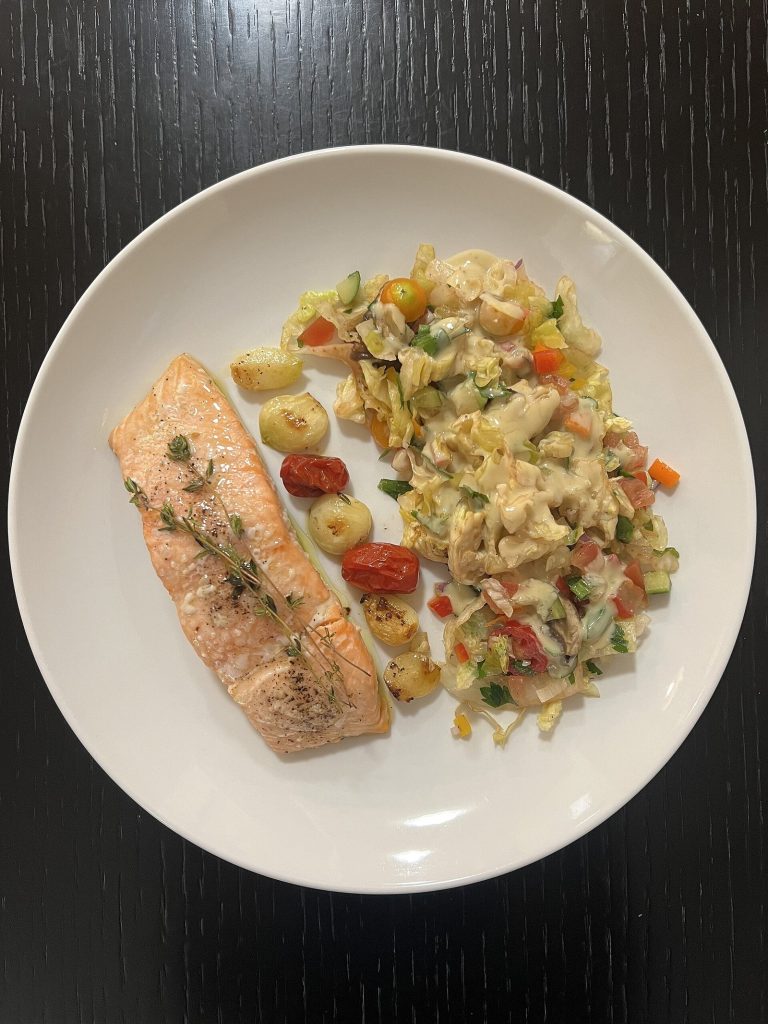
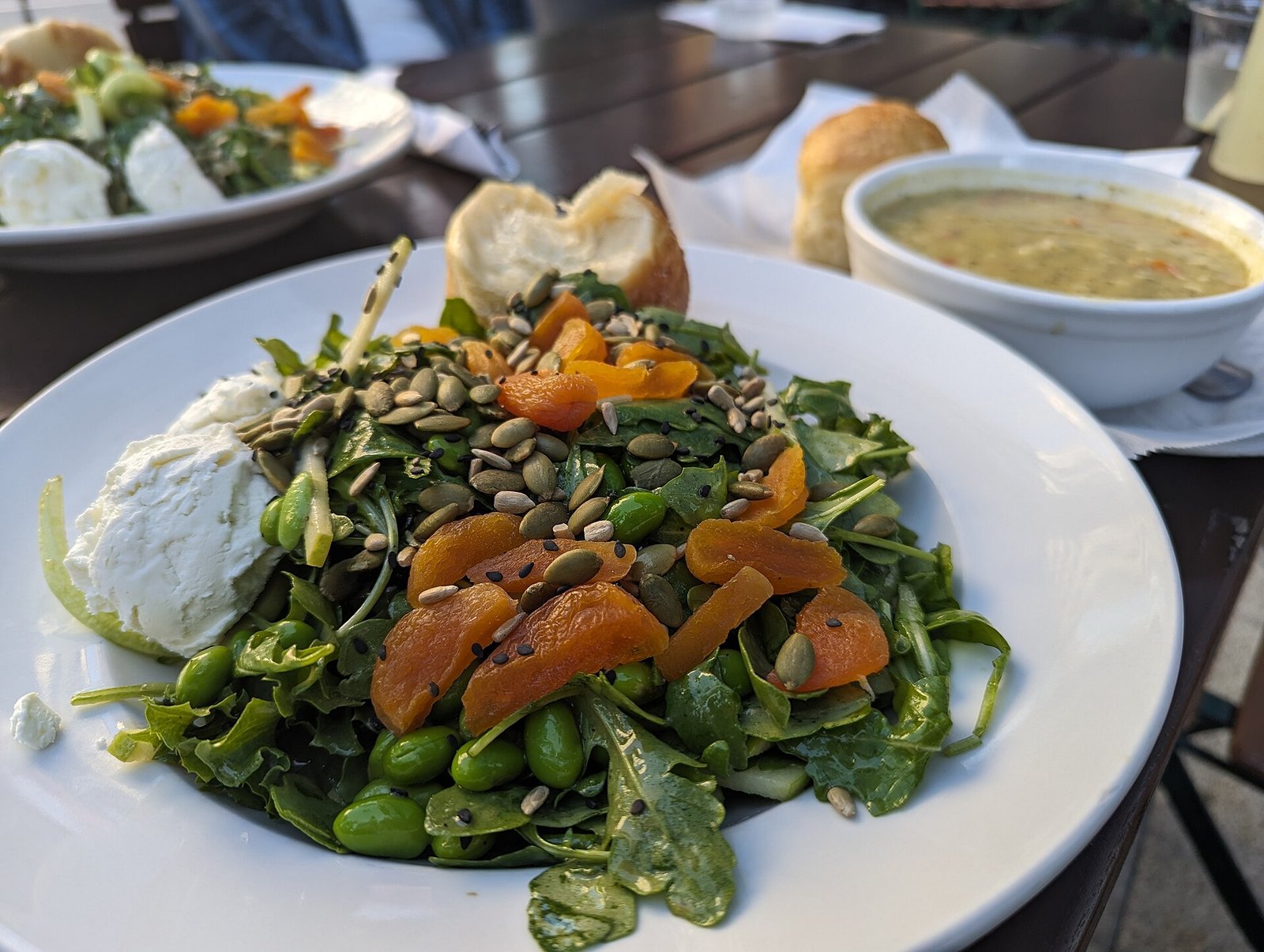
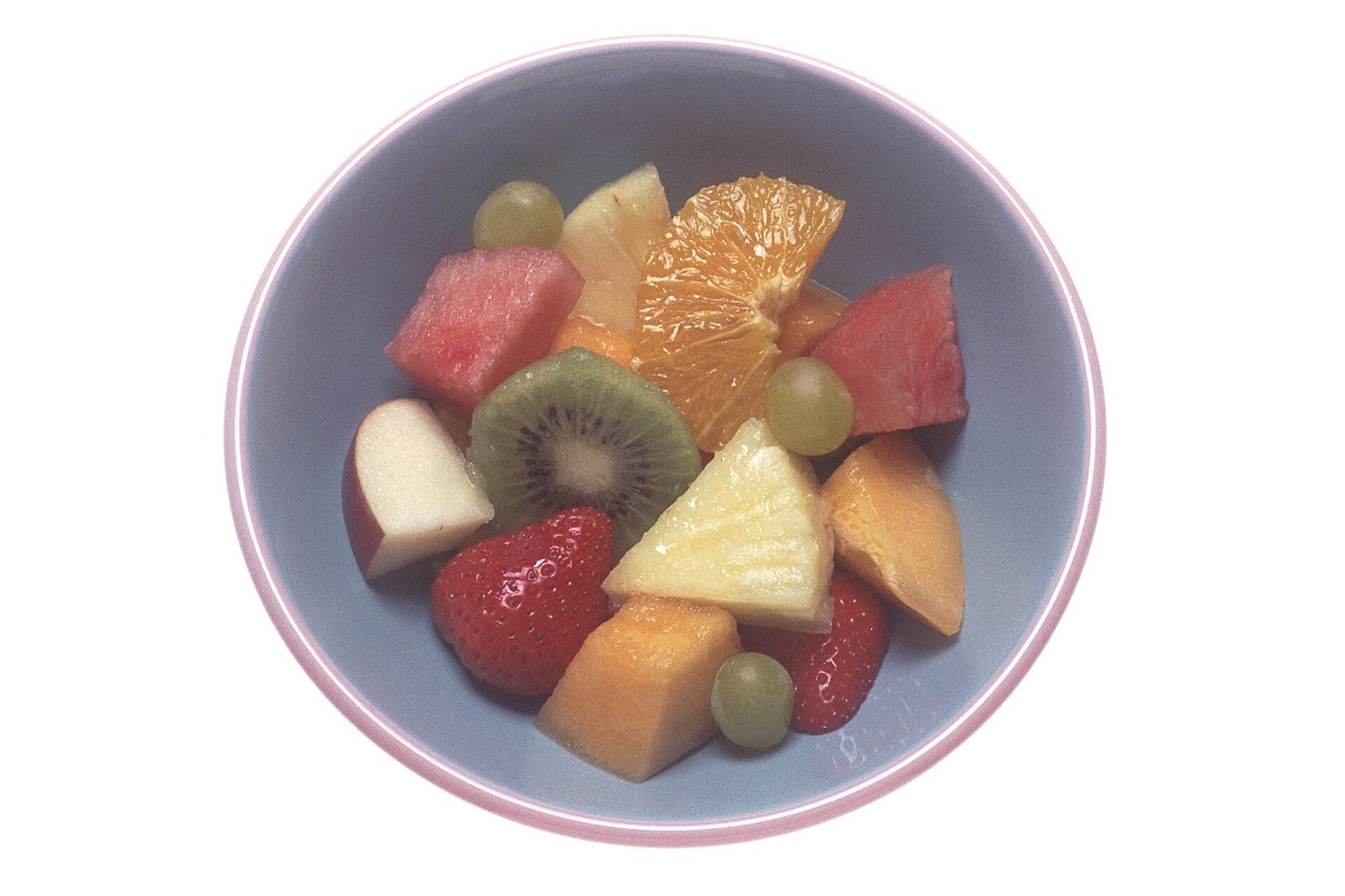
Practical foods that often fit those cues include leafy greens, other vegetables, fruit, beans and lentils, whole grains, low-fat or fat-free dairy if you use dairy, fish or other lean proteins, and unsweetened drinks. Related hormonal-transition reading: perimenopause diet guide and menopause diet guide.
Everyday comfort steps that are not “fibroid diets”
MedlinePlus suggests regular exercise to help blood flow, heat on the lower abdomen for cramps, and asking about stool softeners if prescribed iron causes constipation. These are comfort tools alongside medical therapy, not alternatives to it.
Foods and habits that are often limited or watched
- – Frequent red meat and ham as everyday defaults, because Office on Women’s Health links high intake with higher fibroid risk and Mayo Clinic lists a higher-red-meat, lower-produce pattern among risk-associated factors.
- – A low-vegetable, low-fruit pattern, the flip side of those same public-source associations.
- – Alcohol, including beer, which Mayo Clinic lists among factors that seem to raise fibroid risk.
- – Ignoring weight-related health if your clinician has identified overweight or obesity as part of your risk picture (Office on Women’s Health; NICHD).
- – Unsupervised megadoses of vitamin D, green tea extracts, or “fibroid detox” products. Mayo Clinic finds no scientific evidence that these alternative techniques treat fibroids, and concentrated supplements can interact with medicines.
- – Assuming pelvic pressure, heavy bleeding, or severe pain will wait for a grocery change. Mayo Clinic: seek care for pelvic pain that does not go away, heavy or painful periods that limit what you can do, bleeding between periods, trouble emptying the bladder, or ongoing tiredness and weakness that can signal anemia. Get medical care right away for severe vaginal bleeding or sudden sharp pelvic pain.
“Limit” means shifting the overall pattern—not a rule that one serving of beef causes a fibroid.
Practical kitchen protocol: a fibroids-aware week
1. Treat medical decisions as the main plan
Ask whether you need watchful waiting, medicines for bleeding or pain, iron testing, or a procedure. Diet supports comfort and nutrition while that plan proceeds.
2. Shopping list for produce-forward, iron-aware plates
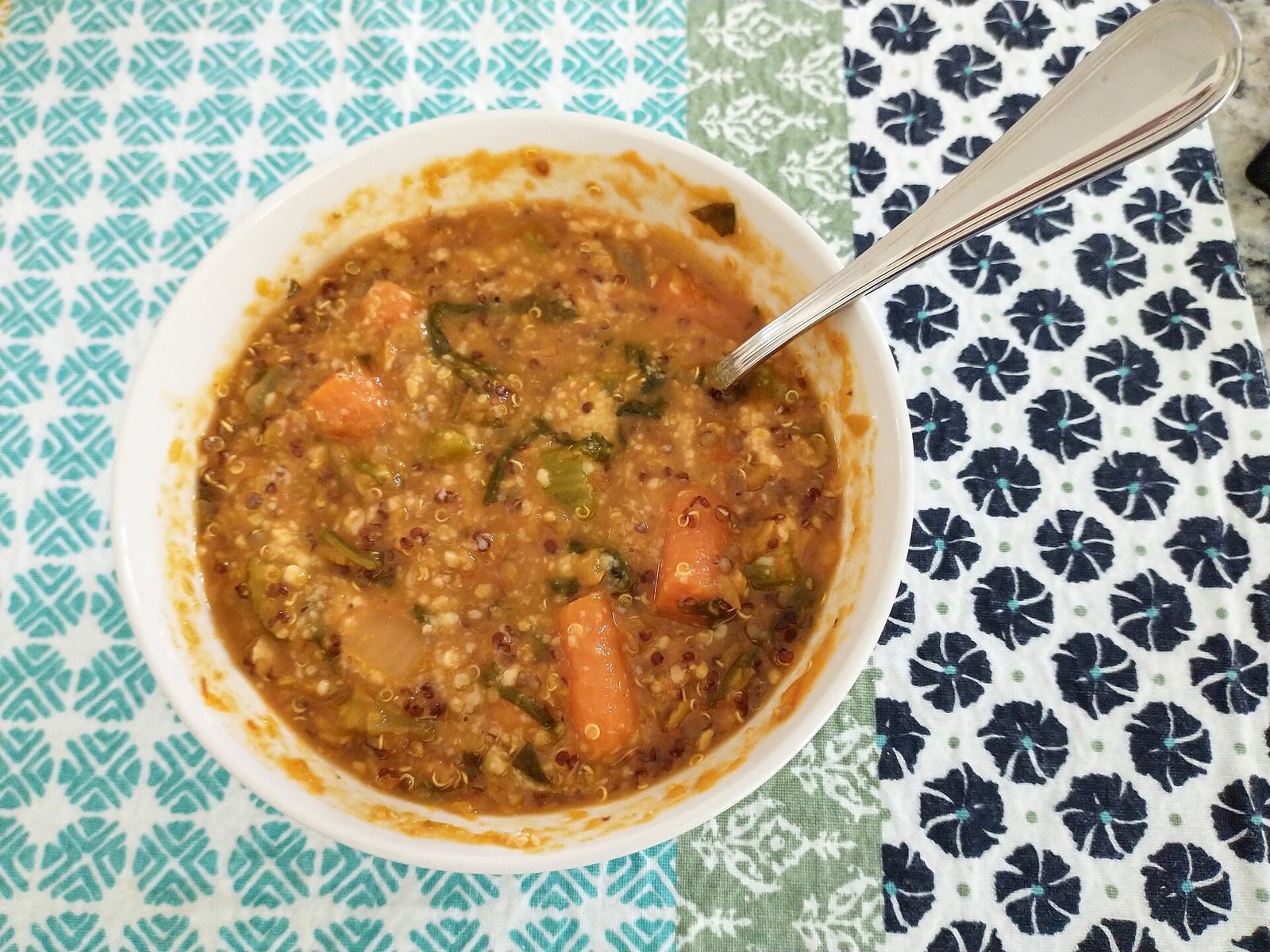
Leafy greens and other vegetables, fruit, beans, lentils, oats or other whole grains, fish or other lean proteins, dairy foods if you use them, and fiber-rich sides that help bowel regularity. If iron is prescribed, ask how to take it and how to handle constipation.
3. Default plate template
- – Half vegetables and fruit, including green vegetables most days
- – Quarter whole grains or beans
- – Quarter protein, rotating fish, legumes, eggs, or other options your clinician agrees with
- – Enough fiber and fluid to keep stools softer if pelvic pressure makes straining uncomfortable
4. Sample day (illustrative)
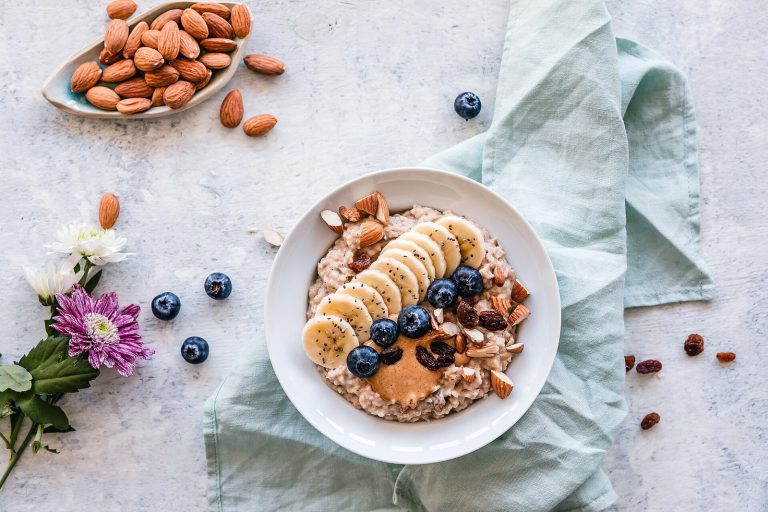
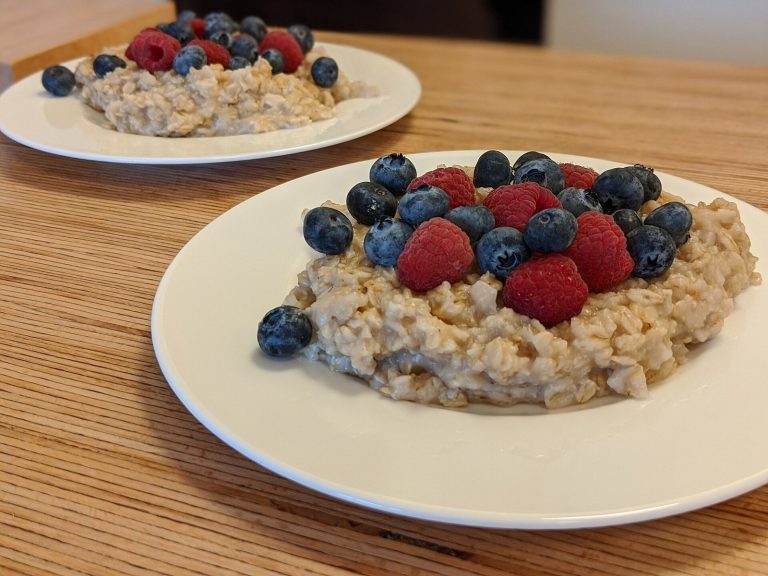
- – Breakfast: oatmeal with fruit; yogurt if you use dairy.
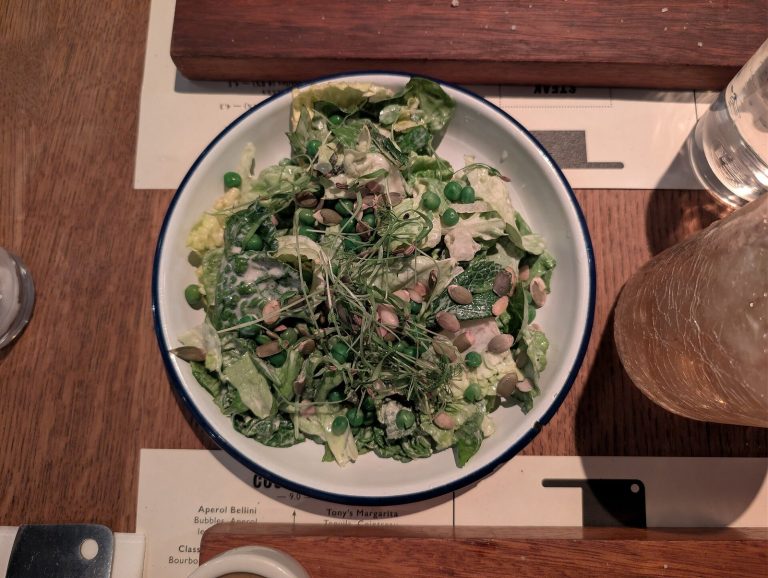
- – Lunch: a large salad with leafy greens, beans or lentils, and a whole-grain side.
- – Snack: fruit.
- – Dinner: fish or another lean protein, vegetables, and brown rice or potatoes.
- – If bleeding is heavy: follow your iron-supplement timing exactly; do not double doses to “catch up” without asking.
5. Track symptoms, not just recipes
Note period flow, clots, dizziness, shortness of breath, pelvic pressure, constipation, and how much work or exercise you can do. Bring that log to gynecology visits. Imaging and exam findings—not a food diary alone—guide treatment (MedlinePlus encyclopedia; Mayo Clinic).
6. Pregnancy or fertility questions
Some fibroids, especially submucosal fibroids, may affect fertility or pregnancy (Mayo Clinic; NICHD). Do not use restrictive “fibroid diets” while trying to conceive without clinician input.
Safety, interactions, and who should ask a clinician first
- – Severe bleeding, fainting, sudden sharp pelvic pain, or symptoms of severe anemia need prompt care (Mayo Clinic).
- – Take iron only as directed; MedlinePlus notes constipation and diarrhea are common with iron supplements.
- – Review NSAID pain relievers with your clinician if bleeding is already heavy.
- – Pregnancy, plans for pregnancy, or recent fertility treatment change which procedures and medicines are appropriate (Mayo Clinic).
- – Do not stop prescribed hormonal medicines because a new vegetable plan “felt natural.”
FAQ
Can changing my diet make fibroids disappear? Public sources do not describe food as a cure. NICHD says hysterectomy is currently the only cure, and other medical or procedural treatments may help symptoms. Mayo Clinic reports no scientific evidence that specific diet recommendations treat fibroids.
Why do some pages mention red meat and green vegetables? Office on Women’s Health links higher red meat and ham intake with higher risk and plenty of green vegetables with a pattern that seems protective. These are risk associations, not a proven shrink-a-fibroid protocol.
Do I need iron pills? Only if your clinician recommends them. Heavy bleeding can cause anemia, and iron may be prescribed to prevent or treat it (MedlinePlus, Mayo Clinic, Office on Women’s Health).
Should I take extra vitamin D or green tea extract? NICHD notes vitamin D deficiency may be associated with fibroids, and the MedlinePlus encyclopedia mentions vitamin D and green tea as possible size-related factors. That is not permission to megadose. Ask before starting concentrated supplements.
If I have no symptoms, do I still need a special diet? Many fibroids need no treatment (NICHD; Mayo Clinic). A balanced, produce-forward pattern still supports general health, but you do not need a restrictive “fibroid diet” without symptoms or clinician advice.
Medical disclaimer
Medical disclaimer: This article is for general information only. It is not medical advice, diagnosis, or a treatment plan. Fibroid care depends on size, location, bleeding, fertility goals, and your clinician’s judgment. Talk with a clinician or registered dietitian before starting, stopping, or changing any eating plan, supplement, or medicine. Seek urgent care for severe vaginal bleeding, sudden sharp pelvic pain, fainting, or severe weakness.