Celiac Disease Diet: Foods That May Help and Foods to Limit
Medical note: This article discusses foods and researched botanicals. It does not claim to prevent, treat, or cure disease. Supplements are not a substitute for food, and studied amounts are not personal prescriptions.
For celiac disease, the diet question has a clear answer: NIDDK (the NIH digestive diseases institute) says people with celiac disease need to remove foods and drinks that contain gluten—found in wheat, barley, rye, and triticale—for life. A strict gluten-free diet relieves symptoms for most people and gives the small intestine a chance to recover; the NHS says symptoms usually improve within weeks, although full recovery of the gut can take up to a few years. The hard part is not knowing what to avoid but spotting hidden gluten, preventing cross-contact, and still eating a balanced diet rich in fiber, iron, and calcium.
What this celiac disease diet guide covers (and what it does not)
This guide is for people diagnosed with celiac disease (coeliac disease in the UK), parents of children with celiac disease, and household cooks. Anchors: NIDDK — Eating, Diet, & Nutrition for Celiac Disease, NIDDK — Celiac Disease: Gluten-Free Diet and Follow-up, and NHS — Coeliac disease: gluten-free diet.
It is not advice to go gluten-free before testing. NIDDK is explicit: if you think you might have celiac disease, talk with your doctor about testing before you start a gluten-free diet, because avoiding gluten first can make test results inaccurate. It is also not a weight-loss plan—NIDDK notes researchers have found no evidence that a gluten-free diet promotes better health or weight loss for the general population.
Evidence snapshot: celiac disease diet claims vs public sources
| Claim people hope for | What public sources actually say | Confidence |
|---|---|---|
| “Cutting down on gluten is enough” | NHS: you must stop eating all sources of gluten for life; even a small amount, such as a spoonful of pasta, may cause very unpleasant symptoms | Strong |
| “Gluten-free labels are safe” | NIDDK/FDA rule: foods labeled “gluten-free” in the U.S. must contain less than 20 parts per million gluten, an amount too small to cause problems for most people with celiac disease; the NHS cites the same 20 ppm limit | Strong for labeled foods |
| “Oats are always off-limits” | NIDDK: research suggests most people with celiac disease can safely eat moderate amounts of oats, if they are gluten-free; the NHS notes a few people react to oat protein (avenin) | Moderate; individualize |
| “Packaged gluten-free foods are healthier” | NIDDK: some packaged gluten-free foods may be higher in fat and sugar, and an unplanned gluten-free diet may lack fiber, iron, and calcium | Moderate |
| “If symptoms continue, the diet failed” | NIDDK: in about 20 percent of people symptoms continue or return on a gluten-free diet—often from small hidden gluten, other conditions, or, rarely, refractory celiac disease | Moderate |
Foods that may help on a celiac disease diet (naturally gluten-free)
“May help” here means safe, nutrient-dense staples that make a gluten-free diet easier to sustain.
Naturally gluten-free staples (NIDDK, NHS)
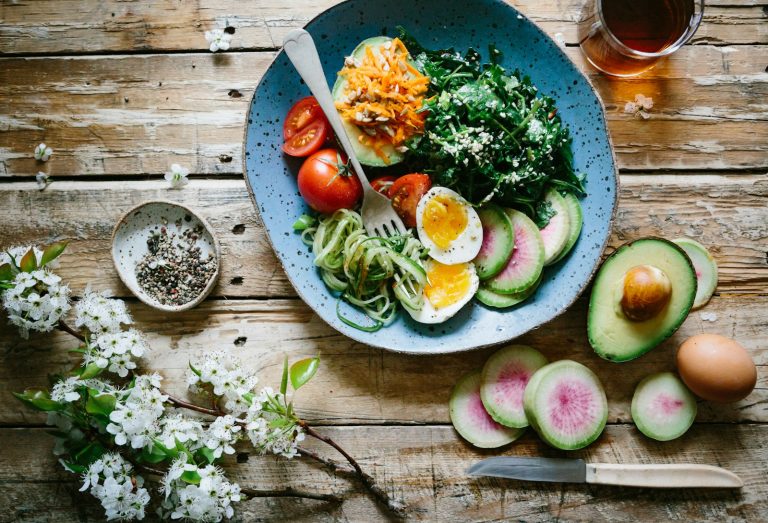
- – Meat, poultry, fish, and eggs—plain, not breaded or battered, and without gluten-containing seasonings or additives.
- – Fruits and vegetables—fresh, frozen, or canned without sauces.
- – Most dairy products, such as milk, cheese, and butter (NHS).
- – Potatoes, rice, and rice noodles.
- – Beans, lentils, nuts, and seeds.
Gluten-free grains and flours (NIDDK)
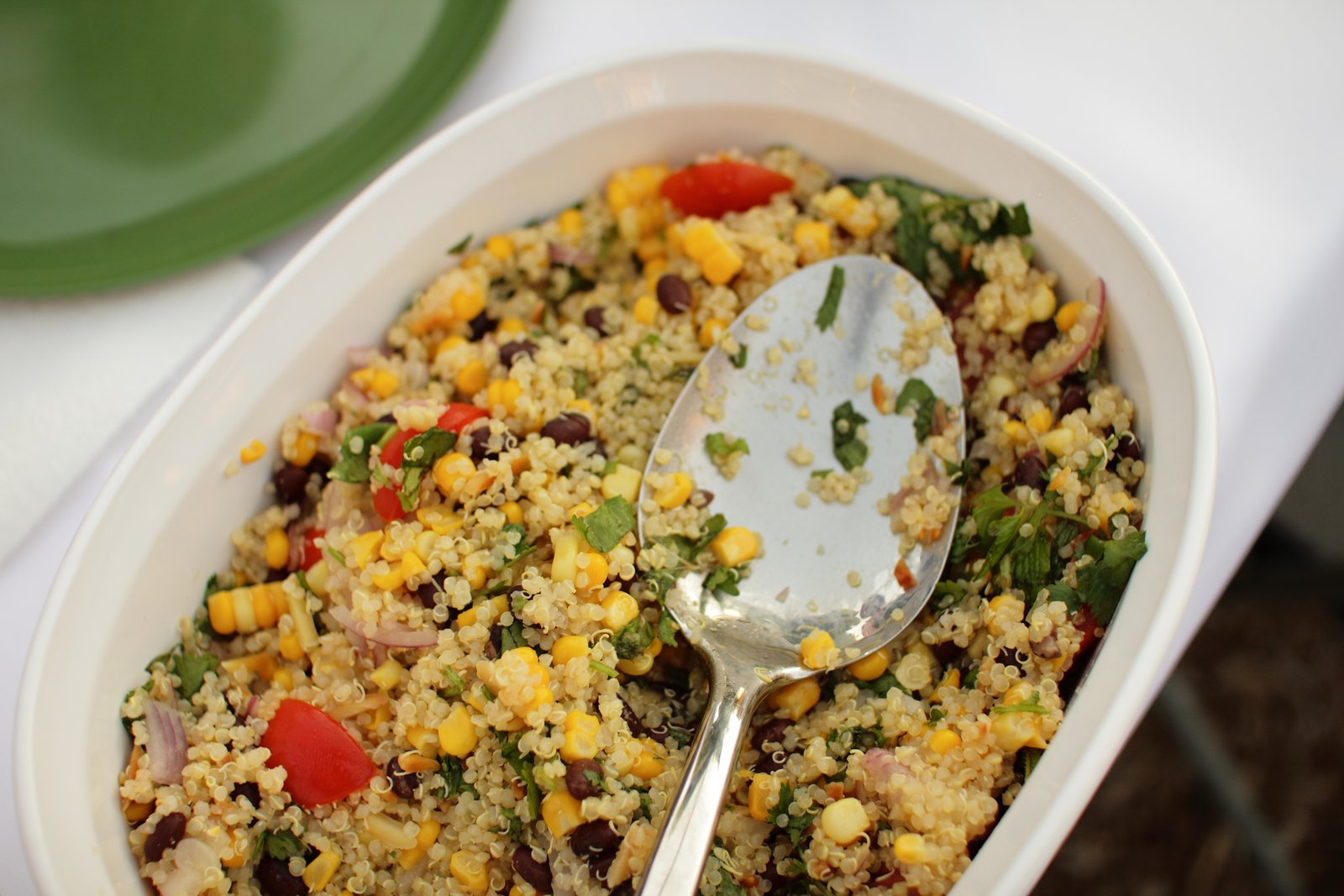
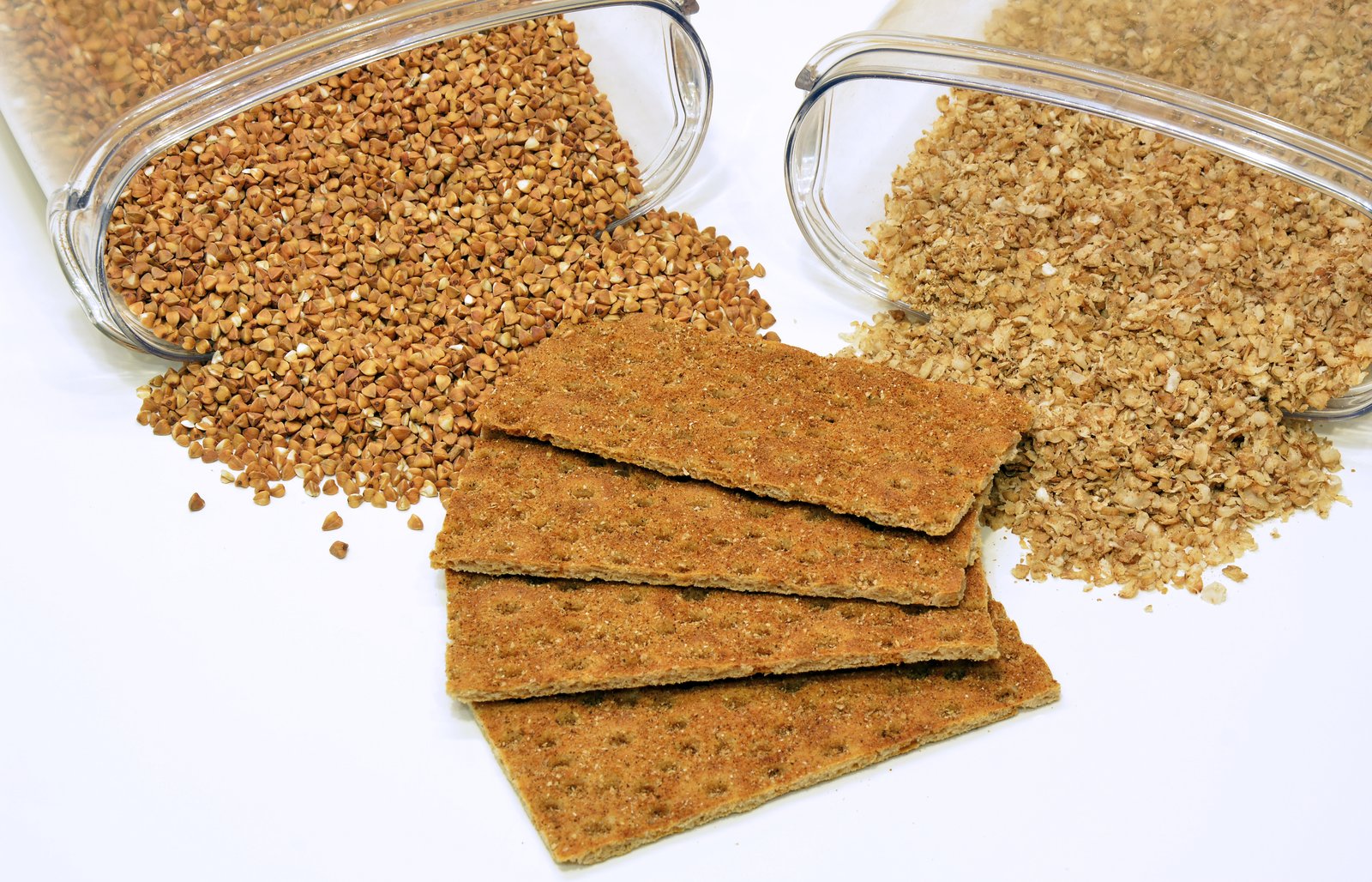
Flours and grains made from rice, corn, potatoes, soy, nuts, cassava, amaranth, quinoa, buckwheat, or beans are safe to eat. Despite its name, buckwheat is not wheat. Choose whole-grain versions such as brown rice, quinoa, and buckwheat when you can to replace fiber lost from wheat bread and cereals.
Gluten-free oats (with your clinician’s okay)
If your doctor or dietitian agrees, oats labeled gluten-free can add fiber. Cross-contact between oats and gluten grains is common, so NIDDK and the NHS both say regular oats are not safe.
Labeled gluten-free products
Gluten-free bread, pasta, and baked goods are widely sold. They tend to cost more (NIDDK), and some contain more fat and sugar, so use them as convenience foods rather than the whole diet.
Foods to limit or avoid with celiac disease (gluten sources)
For celiac disease, “limit” really means avoid unless the product is labeled gluten-free.
- – Wheat and its types: durum, emmer, semolina, spelt, farina, bulgur, couscous.
- – Barley, including malt, malt extract, malt vinegar, and brewer’s yeast.
- – Rye and triticale (a wheat-rye cross).
- – Everyday foods made from these grains: bread, pasta, cereals, crackers, biscuits, cakes, pastries, pies, baking mixes.
- – Gravies, sauces, soups, and salad dressings thickened with flour.
- – Drinks: beer, lager, ale, flavored liquors, and malt beverages may contain gluten.
- – Processed foods with hidden gluten: candy, condiments, hot dogs and sausages, ice cream—check for additives such as modified food starch, malt flavoring, preservatives, and stabilizers made from wheat (NIDDK).
Practical kitchen protocol: a celiac disease diet week
1. Learn label reading first
NIDDK suggests carefully reading labels for wheat, barley, rye, and ingredients made from them, and looking for gluten-free labeling. Two caveats from NIDDK: the FDA gluten-free rule does not cover foods regulated by the U.S. Department of Agriculture (meat, poultry, some egg products) or most alcoholic beverages. If you are not sure whether a food contains gluten, do not eat it; contact the manufacturer.
2. Set up a cross-contact-safe kitchen
Cross-contact can happen when foods are grown, processed, stored, prepared, or served. At home:
- – Keep a separate toaster, colander, and cutting board, or clean shared ones well.
- – Store gluten-free flours, bread, and spreads separately and label them.
- – Use squeeze bottles for butter, jam, and nut butter so crumbs do not get in.
- – Cook gluten-free food first when sharing pans and utensils.
3. Rebuild the nutrition you lost from wheat
Because a gluten-free diet may fall short on fiber, iron, and calcium (NIDDK):
- – Fiber: beans, lentils, quinoa, buckwheat, brown rice, vegetables, fruit, gluten-free oats if approved.
- – Iron: lean meat, fish, eggs, beans, and lentils.
- – Calcium: milk, yogurt, cheese, or fortified plant drinks.
Your doctor may test vitamin and mineral levels after diagnosis and may suggest supplements; the NHS mentions supplements such as iron if you have iron deficiency anaemia.
4. Shopping list default
Plain chicken, fish, eggs, canned beans and lentils, brown rice, rice noodles, quinoa, buckwheat groats, corn tortillas labeled gluten-free, potatoes, fresh and frozen vegetables, fruit, plain yogurt, cheese, milk, nuts, gluten-free oats (if approved), and tamari or soy sauce labeled gluten-free.
5. Sample day (illustrative)
- – Breakfast: gluten-free oats or buckwheat porridge with milk, berries, and seeds.
- – Lunch: quinoa salad with chickpeas, roasted vegetables, olive oil, and lemon.
- – Snack: yogurt and fruit, or a handful of nuts.
- – Dinner: baked fish, roasted potatoes, and steamed broccoli; fruit for dessert.
6. Eating out and social events
NIDDK suggests searching online for restaurants with gluten-free menus, calling ahead, telling the server you have celiac disease, asking how food is prepared, and speaking with the chef if needed. At gatherings, tell the host and bring a safe dish if you are unsure.
7. Non-food sources to check
Ask a pharmacist about ingredients in supplements and medicines—NIDDK says medicines are rare sources of gluten and usually contain too little to cause symptoms. Other products that may contain gluten include lipstick and lip balm, toothpaste and mouthwash, cosmetics, children’s modeling dough, and communion wafers.
Safety and who should talk to a doctor first
- – Do not go gluten-free before testing (NIDDK), and do not reintroduce gluten to “test” yourself without medical advice.
- – Ongoing or returning symptoms: keep a food journal and review it with your doctor and dietitian. NIDDK lists hidden gluten, irritable bowel syndrome, lactose intolerance, microscopic colitis, pancreas problems, and small intestinal bacterial overgrowth as possible causes; refractory celiac disease is rare but needs specialist care.
- – Bone health: NIDDK notes doctors may order a bone density test, and the NHS lists osteoporosis among complications of continued gluten exposure.
- – Dermatitis herpetiformis (an itchy gluten-related rash) may take 6 months to 2 years on a gluten-free diet to settle, and doctors may prescribe dapsone in the meantime (NIDDK).
- – Vaccinations: if celiac disease affects the spleen, the NHS says extra vaccines such as flu and pneumococcal may be advised.
- – Follow-up: expect regular reviews and blood antibody tests (NIDDK); the NHS offers an annual review.
- – Babies: the NHS advises not introducing gluten before 6 months of age.
FAQ
What can I eat with celiac disease? Plenty: plain meat, fish, eggs, dairy, fruits, vegetables, potatoes, rice, beans, nuts, and gluten-free grains such as quinoa, buckwheat, corn, and amaranth, plus products labeled gluten-free.
How strict does a celiac disease diet need to be? Very strict and lifelong. The NHS says even a small amount of gluten can cause symptoms, and regular gluten exposure raises the risk of complications such as osteoporosis.
Can people with celiac disease eat oats? Many can eat moderate amounts of oats labeled gluten-free, according to NIDDK, but talk with your doctor or dietitian first; a small number of people react even to uncontaminated oats (NHS).
How long until I feel better on a gluten-free diet? NIDDK says many people see symptoms improve within days to weeks; the NHS notes it can take up to a few years for the gut to fully recover.
Is a gluten-free diet healthier for everyone? No. NIDDK reports no evidence that a gluten-free diet promotes better health or weight loss for people without celiac disease or another gluten-related condition.
How this differs from related OTCFood topics
This is a disease-bound celiac disease diet guide centered on strict gluten avoidance. It differs from our IBS diet guide, where wheat may be reduced for FODMAP reasons rather than removed completely—and NIDDK notes IBS can occur alongside celiac disease. Because a gluten-free diet can run low on fiber and calcium, see our constipation diet guide for gradual fiber ideas and our osteoporosis diet guide for calcium and vitamin D foods.
Medical disclaimer
Medical disclaimer: This article is for general education only and is not medical advice or a personal care plan. Celiac disease must be diagnosed with medical testing and managed with your doctor and a registered dietitian. Do not start or stop a gluten-free diet, supplement, or medicine without professional guidance.