Heart Failure Diet: Foods That May Help and Foods to Limit
Medical note: This article discusses foods and researched botanicals. It does not claim to prevent, treat, or cure disease. Supplements are not a substitute for food, and studied amounts are not personal prescriptions.
People searching “heart failure diet foods that help or worsen” (often called congestive heart failure when fluid backs up) usually want a sodium-aware, fluid-aware grocery plan that works with medicines and clinic follow-up—not a claim that food cures heart failure or replaces diuretics, ACE inhibitors, beta blockers, devices, or cardiac rehab. MedlinePlus explains that heart failure means the heart can no longer pump oxygen-rich blood efficiently, so fluid can build up in the body. NHLBI states heart failure has no cure, but treatment can help people live longer, more active lives with fewer symptoms. CDC describes heart failure as a serious condition in which the heart cannot pump enough blood for the body’s needs. Kitchen changes may help limit fluid retention and support blood-pressure and weight goals; they never replace cardiology care.
What this heart failure diet guide covers (and what it does not)
This guide is for adults living with heart failure who need practical low-sodium patterns and fluid awareness while they follow their care team’s targets. Anchors: MedlinePlus — Heart failure, NHLBI — Heart Failure, and CDC — Heart Failure. Support pages used for diet detail: MedlinePlus patient instructions on fluids/diuretics and low-salt eating, and NHLBI treatment/living-with pages.
MedlinePlus notes providers may ask people to limit daily sodium to 1,500 to 2,300 mg, and may advise modifying fluids based on blood sodium and symptoms. NHLBI treatment guidance includes lowering sodium intake because salt may make fluid buildup worse, aiming for a healthy weight, regular activity as advised, avoiding or limiting alcohol as directed, and not smoking. Related reading: heart failure diet guide, hypertension diet guide, high blood pressure diet guide, diet after heart attack guide, and coronary artery disease diet guide.
Evidence snapshot: heart failure diet claims vs public sources
| Claim people hope for | What public sources actually say | Confidence |
|---|---|---|
| “A special diet cures heart failure” | NHLBI: heart failure has no cure; treatment (medicines, devices, lifestyle) can improve symptoms and activity | Strong against cure claims |
| “Salt restriction always means zero salt forever” | MedlinePlus: many people are asked to keep sodium around 1,500–2,300 mg/day—individualized by the provider, not a DIY absolute zero without guidance | Strong that targets are clinician-set |
| “Fluid limits are the same for everyone” | MedlinePlus: your provider monitors blood sodium and may advise how much fluid to drink; not every person has the same cup count | Strong that fluid plans are individualized |
| “NSAIDs are fine for everyday aches” | MedlinePlus: medicines such as ibuprofen and naproxen can cause the body to retain sodium and may worsen heart failure | Strong caution |
| “Home weight checks are optional” | MedlinePlus home-monitoring advice: weigh daily; contact the provider for gains of more than 2–3 pounds in a day or 5 pounds in a week | Strong as a standard self-check |
Foods and patterns that may help with heart failure day to day
“May help” means supporting less fluid retention and steadier energy alongside medicines—not a promise that one salad fixes pumping function.
Sodium-aware defaults (MedlinePlus low-salt guidance)
- – Buy fresh vegetables and fruits whenever possible—they are naturally low in sodium.
- – Prefer fresh meats, chicken or turkey, and fish; fresh or frozen vegetables and fruits without salty sauces.
- – Look for label words such as low-sodium, sodium-free, no salt added, sodium-reduced, or unsalted.
- – Season with pepper, garlic, herbs, and lemon instead of salt; use garlic and onion powder, not garlic and onion salt.
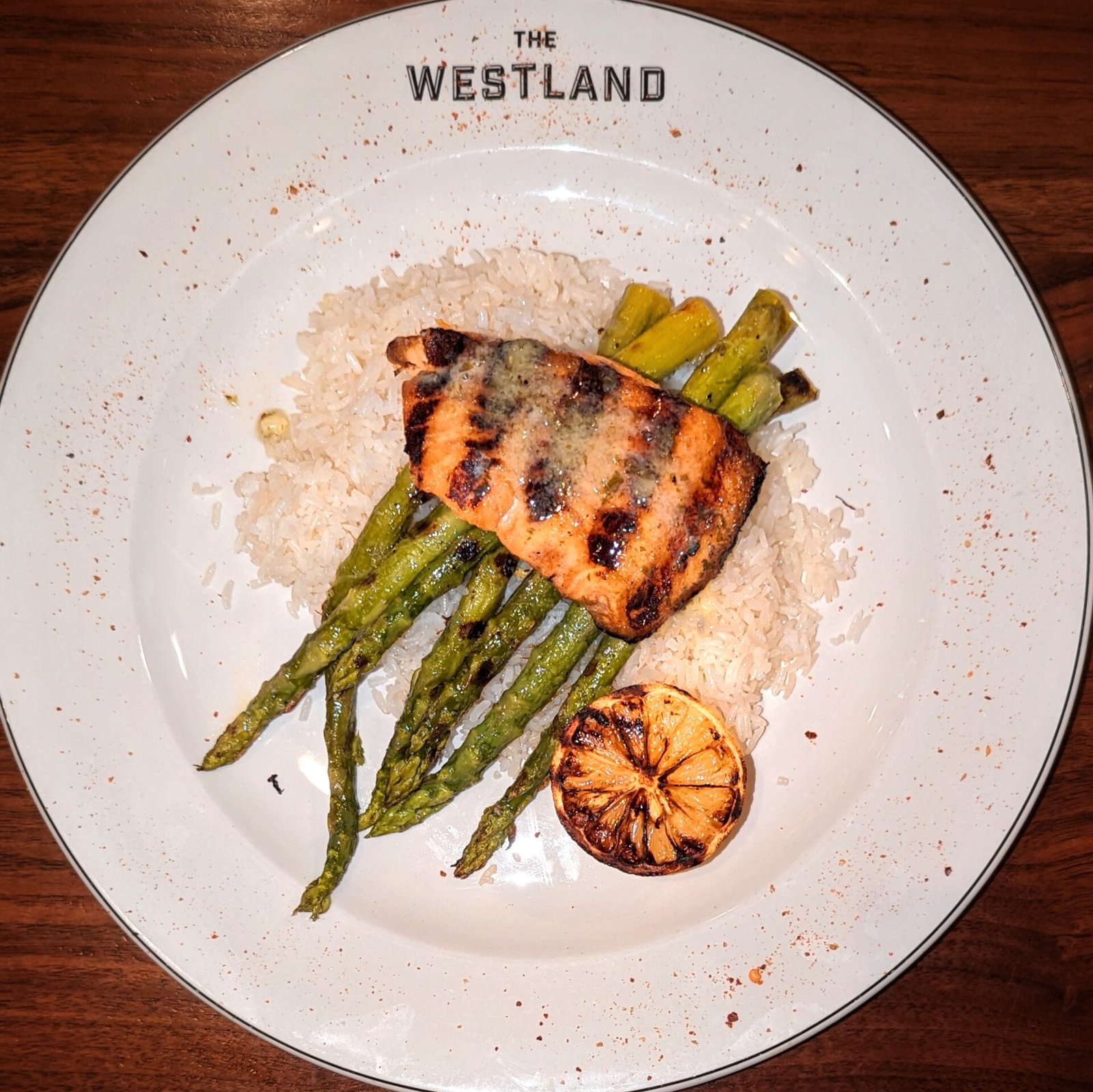
- – When eating out, stick to steamed, grilled, baked, boiled, or broiled foods without added salt, sauce, or cheese when possible.
Produce-forward, heart-aware plates
Build meals around vegetables, fruit, beans, whole grains as advised, and unsalted or lightly seasoned proteins. This pattern overlaps hypertension diet guide and high cholesterol diet guide themes without claiming to reverse heart failure.
Fluid and diuretic coordination
If your clinician sets a fluid limit, measure drinks, soups, and high-water foods as instructed. Take diuretics (“water pills”) the way you were told—MedlinePlus notes they make you urinate more often and that night dosing can disrupt sleep. Do not change doses based on kitchen blogs.
Daily weight as a kitchen feedback loop
Weigh yourself every morning on the same scale after using the bathroom and before eating, wearing similar clothing, and write the number down (MedlinePlus). Sudden jumps often mean fluid, not “mystery fat.”
Foods and habits that often worsen heart failure kitchen patterns
- – Processed and cured meats such as bacon, hot dogs, sausage, bologna, ham, and salami (MedlinePlus lists these as always high in salt).
- – Canned soups, salty snacks, most cheeses, bottled sauces, olives, pickles, sauerkraut, soy sauce, and many salad dressings unless labeled low-sodium.
- – Hidden salt in prepared, canned, and frozen foods—MedlinePlus emphasizes reading labels; under 140 mg sodium per serving is a useful “good” benchmark on that page.
- – Extra table salt and packaged spice blends that contain salt.
- – Alcohol beyond what your provider allows—NHLBI may recommend limiting or stopping; MedlinePlus heart-failure discharge-style advice often says not to drink alcohol.
- – NSAIDs for casual pain without asking the heart team (MedlinePlus sodium-retention warning).
- – Ignoring tight shoes, swelling, wet cough, or nighttime shortness of breath while only “trying a new diet.”
“Limit” means cutting the biggest sodium and fluid drivers—not banning every restaurant meal forever.
Practical kitchen protocol: a heart failure diet week
1. Get your personal numbers in writing
Ask for your sodium target (mg/day), any fluid limit, and the weight-gain threshold that should trigger a call. Do not copy a neighbor’s cup count.
2. Shopping list for lower-sodium cooking
Fresh or frozen plain vegetables; fruit; unsalted beans (or rinsed no-salt-added canned beans); oats and other whole grains; skinless poultry; fish; eggs; unsalted nuts if allowed; herbs, garlic, lemon, vinegar; olive oil in modest amounts if it fits your plan.
3. Label routine
Check milligrams of sodium per serving and servings per container. Ingredients list salt near the top? Put it back. Prefer products under about 140 mg sodium per serving when you can (MedlinePlus).
4. Sample day (illustrative; match your fluid/sodium orders)
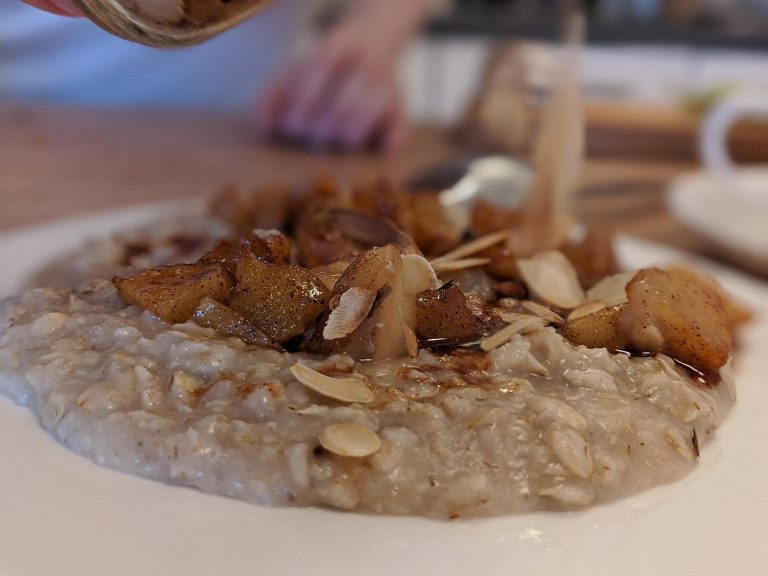
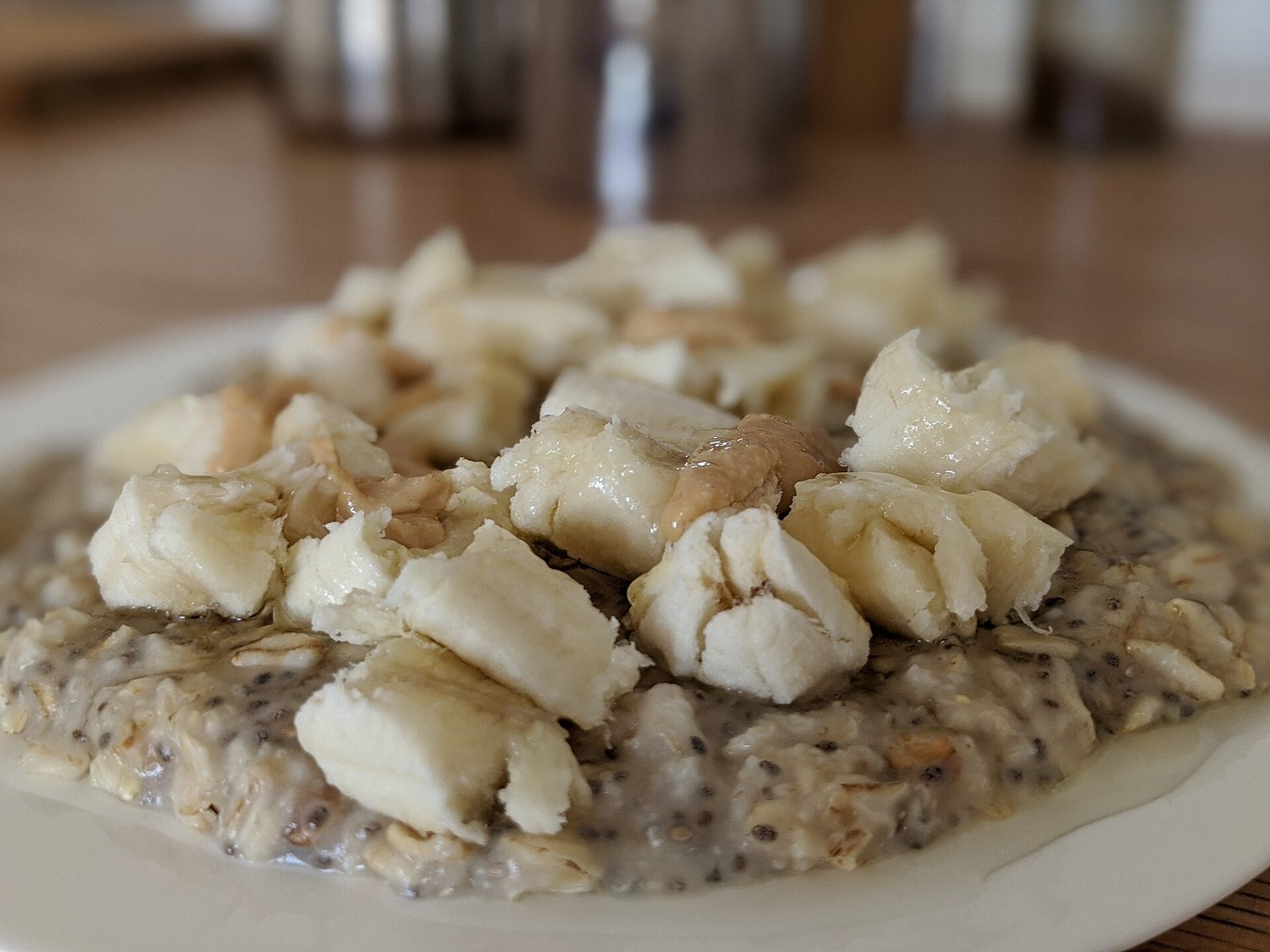
- – Breakfast: oatmeal cooked without salt; banana; water or allotted fluid.
- – Lunch: large salad with grilled unsalted chicken, oil-and-vinegar, fruit.
- – Snack: unsalted apple slices or carrot sticks if they fit fluid rules.
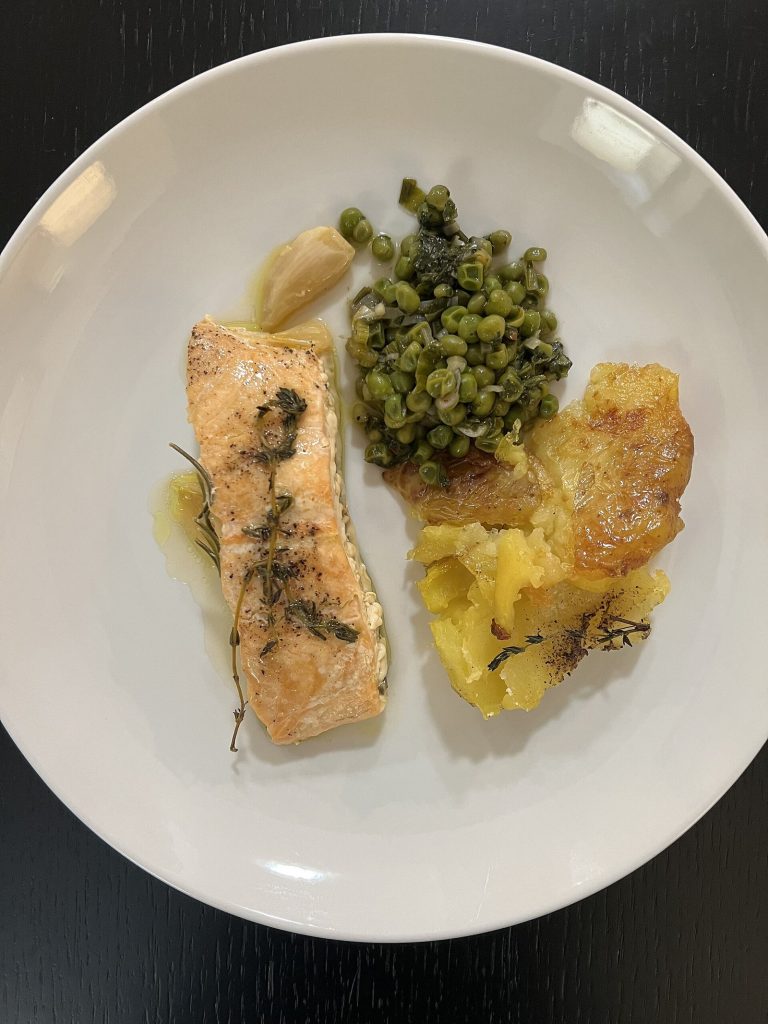
- – Dinner: baked fish, steamed vegetables, baked potato without salty toppings; herb seasoning.
- – Evening: skip late salty snacks; take medicines on schedule.
5. Eating out
Ask for no added salt; sauces on the side; grilled proteins; skip cheese-heavy appetizers and bottomless bread with salted butter when sodium is tight.
6. If appetite is poor
MedlinePlus-related recovery themes for heart patients often include small frequent meals. Prioritize protein and produce you tolerate; ask about dietitian referral—NHLBI notes dietitians may be part of the care team.
Safety, interactions, and who should ask a clinician first
- – Kidney disease, low blood sodium, or very high diuretic doses: fluid and salt rules can be nuanced—do not self-restrict water to extreme levels.
- – Salt substitutes: MedlinePlus warns many contain a lot of potassium and may be harmful with certain conditions or medicines—ask before switching.
- – Home water softeners add salt to water; MedlinePlus suggests limiting softened tap water and preferring bottled water if that applies.
- – Diabetes, sleep apnea, lung, kidney, or liver disease can worsen heart failure (NHLBI living-with page)—coordinate diets across teams.
- – Severe shortness of breath, chest pain, fainting, or confusion: seek emergency care per your action plan.
FAQ
Does diet cure congestive heart failure? No. NHLBI states heart failure has no cure. Food choices may help symptoms and fluid control alongside medical therapy.
How much sodium should I eat? Only your provider’s target counts. MedlinePlus commonly cites 1,500–2,300 mg/day as a range clinicians may use.
Why weigh myself every day? Sudden gains often reflect fluid. MedlinePlus advises calling for more than 2–3 pounds in a day or 5 pounds in a week (or the threshold your clinic gave you).
Are canned vegetables okay? Prefer fresh or frozen without sauce; if canned, choose no-salt-added and rinse when appropriate.
Can I use a salt substitute? Ask first—many are high in potassium (MedlinePlus).
How is this different from the other OTCFood heart-failure page? Overlap is intentional for search coverage; this page stresses congestive fluid symptoms, daily weight, and MedlinePlus/NHLBI/CDC anchors. Also see heart failure diet guide.
How this differs from related OTCFood topics
This page is a heart-failure–bound diet guide focused on sodium, fluid awareness, daily weight, and medicine-safe kitchen habits. It is not a heart-attack recovery protocol (diet after heart attack guide), not a stent-only guide (diet after coronary stent guide), and not a substitute for cardiology follow-up.
Medical disclaimer
Medical disclaimer: This article is for general information only. It is not medical advice, diagnosis, or a treatment plan. Heart failure care depends on ejection fraction, kidney function, medicines, devices, and your clinician’s judgment. Talk with a clinician or registered dietitian before starting, stopping, or changing any eating plan, fluid limit, salt substitute, or medicine. Seek emergency care for severe breathing trouble, chest pain, fainting, or any symptom your care team labeled as urgent.