Endometriosis Diet: Foods That May Help and Foods to Limit
Medical note: This article discusses foods and researched botanicals. It does not claim to prevent, treat, or cure disease. Supplements are not a substitute for food, and studied amounts are not personal prescriptions.
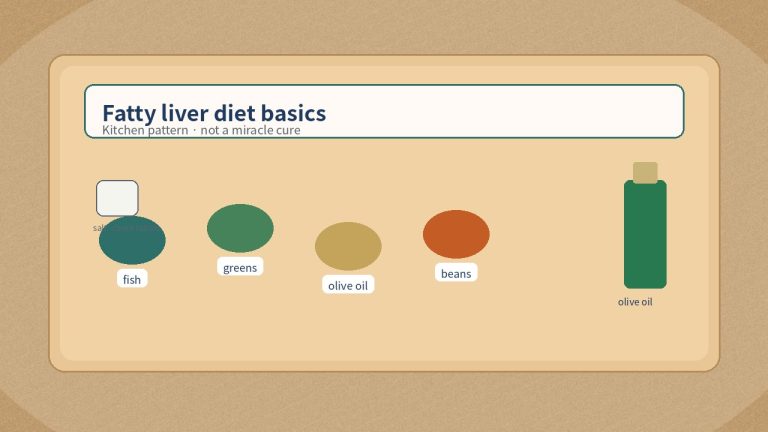
There is little high-quality evidence that any specific diet changes endometriosis itself, according to Endometriosis UK, but many people report that food changes help symptoms—especially bowel and bladder symptoms. The most consistently suggested pattern is a Mediterranean-style, whole-food diet (vegetables, fruit, beans, whole grains, nuts, seeds, olive oil, fish) with less red and processed meat, sugar, alcohol, and ultra-processed food, plus a food-and-symptom diary to find personal triggers. With heavy periods, iron-rich foods matter too. Diet supports comfort and wellbeing alongside the pain relief, hormonal options, and surgery your gynecology team may recommend.
What this endometriosis diet guide covers (and what it does not)
This guide is for people with diagnosed or suspected endometriosis and the partners or family members who cook with them. It draws on the WHO endometriosis fact sheet, the NHS endometriosis page, the University Hospital Southampton NHS factsheet Your diet and endometriosis, the Endometriosis UK booklet Diet and Complementary Therapies for Endometriosis, and the NIH ODS Iron fact sheet.
WHO estimates endometriosis affects about 10% (190 million) of reproductive-age women worldwide, with an average time to diagnosis of 4 to 12 years. The NHS describes tissue similar to the womb lining growing elsewhere—often the ovaries, fallopian tubes, and pelvic lining, sometimes the bladder or bowel. Symptoms include severe period pain, heavy periods, pelvic pain, pain when passing urine or stool, pain during or after sex, fatigue, and difficulty getting pregnant. Endometriosis UK is blunt that anyone claiming food can make endometriosis go away is making false claims. This page focuses on symptom-friendly eating, not on hormones, surgery, or fertility care.
Evidence snapshot: endometriosis diet claims vs public sources
| Claim people hope for | What public sources actually say | Confidence |
|---|---|---|
| “An anti-inflammatory diet helps endometriosis” | Endometriosis UK: the Mediterranean diet is nutrient-rich and recommended for everyone, so there is no harm in seeing if it helps; its anti-inflammatory effects may reduce pain, but high-quality evidence is limited | Low-to-moderate for symptoms |
| “Everyone with endometriosis should go gluten-free” | Endometriosis UK: no evidence for cutting out gluten completely unless you have coeliac disease; if you try it, do so with a dietitian because of low-fiber risk. (The UHS factsheet lists gluten among foods to limit—sources differ.) | Low |
| “Low-FODMAP fixes endo bloating” | Endometriosis UK: may offer some relief if you also have IBS or IBS-like symptoms, but there is no evidence for it in endometriosis specifically; use a registered dietitian | Low (symptom-specific) |
| “The autoimmune protocol (AIP) diet works” | Endometriosis UK: no evidence it helps endometriosis; very restrictive and not recommended | Not supported |
| “Some foods irritate bladder symptoms” | UHS factsheet: with painful bladder symptoms, limit acidic foods, alcohol, caffeinated or fizzy drinks, spicy foods, chocolate, and some fruits such as berries and tomatoes | Moderate for personal triggers |
| “Heavy periods can drain iron” | WHO: heavy bleeding from endometriosis can contribute to iron deficiency and fatigue; ODS lists women with heavy periods as at risk | Strong |
Foods and patterns that may help with endometriosis symptoms
“May help” here means a nourishing default that supports energy, gut comfort, and general health while you work with your clinicians.
Mediterranean-style basics (Endometriosis UK, UHS)
- – Colorful fruit: berries, oranges, cherries, plums, grapes, apples, pears (unless berries bother your bladder).
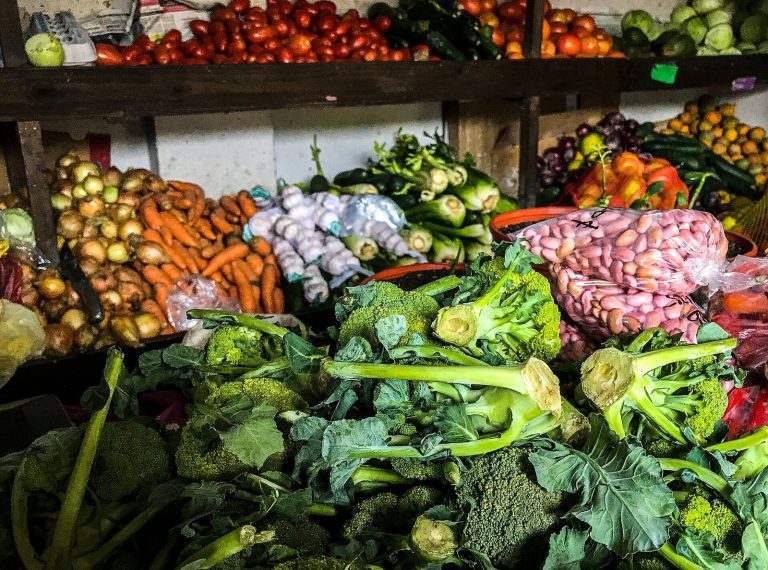
- – Vegetables, especially cruciferous vegetables and dark leafy greens—broccoli, cabbage, kale, spinach, bok choy, cauliflower.
- – Beans and legumes: chickpeas, lentils, black beans, kidney beans, soybeans.
- – Whole grains: oats, brown rice, quinoa, buckwheat, in moderate portions paired with protein and vegetables.
- – Nuts and seeds: walnuts, almonds, chia seeds, ground flaxseed, natural peanut butter.
- – Fish and seafood: salmon, herring, sardines, mackerel.
- – Eggs and lean poultry, plus olive oil as the main fat.
Gut-friendly additions
Endometriosis UK notes the gut microbiome is altered in people with endometriosis and suggests a diverse whole-food diet, optionally with fermented foods such as sauerkraut, kimchi, and kefir. It urges caution with probiotic supplements, which vary in quality.
Iron-supporting foods for heavy periods
ODS explains that meat, seafood, and poultry contain heme iron, which is absorbed better than the nonheme iron in plant foods, and that eating plant iron with vitamin C foods—citrus, strawberries, sweet peppers, tomatoes, broccoli—improves absorption. ODS lists 18 mg/day as the recommended iron intake for women aged 19–50.
Gentle drinks
The UHS factsheet suggests teas such as green tea, peppermint, and chamomile, and notes peppermint may help digestion after meals.
Foods and habits to limit with endometriosis
From the UHS factsheet and Endometriosis UK, consider cutting back on:
- – Alcohol and caffeine (coffee, cola).
- – Red and processed meats.
- – Deep-fried foods and saturated and trans fats.
- – High-sugar foods (sweets, desserts) and refined carbohydrates (white bread, pastry).
- – Ultra-processed foods—ready meals, crisps, cakes, biscuits, bacon, sugary breakfast cereals.
- – Dairy, for some people only—test it rather than assume.
- – Personal triggers: high-FODMAP foods if you have IBS-type symptoms; acidic, spicy, fizzy, or caffeinated drinks if you have bladder pain.
Endometriosis UK notes some evidence that eating a lot of gluten-heavy foods, red meat, alcohol, and caffeine might affect estrogen production, but says more research is needed. “Limit” means reduce and observe, not ban.
Practical kitchen protocol: an endometriosis diet month
1. Keep a food-and-symptom journal for four weeks
Both the UHS factsheet and Endometriosis UK recommend this. Log meals, drinks, bowel habits, bladder symptoms, pain scores, sleep, stress, and your cycle day. Patterns often line up with the cycle rather than a single food.
2. Match the strategy to your main symptom
- – IBS-type symptoms (bloating, constipation, diarrhea): UHS suggests an elimination approach—remove suspected foods for at least two weeks, then add them back slowly. A dietitian-led low-FODMAP plan is the structured version.
- – Bladder pain: trial reducing acidic foods, alcohol, caffeinated or fizzy drinks, spicy foods, chocolate, berries, and tomatoes.
- – Fatigue with heavy periods: prioritize iron-rich foods and ask your doctor about checking your iron levels.
3. Build a Mediterranean default plate
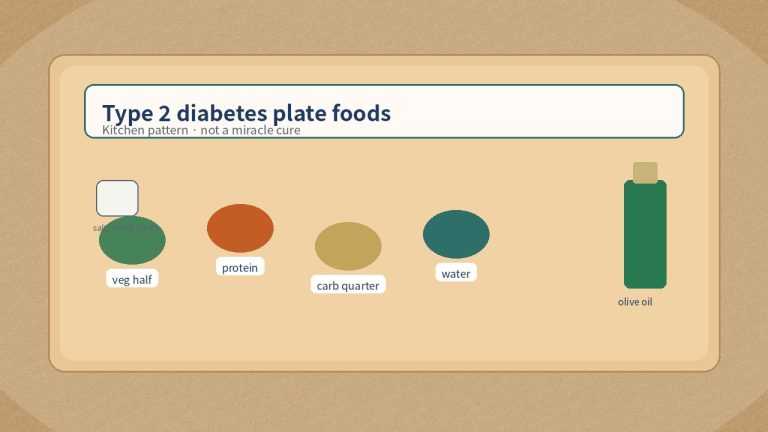
Half vegetables, a quarter beans or fish or poultry, a quarter whole grains, with olive oil, nuts, or seeds. Swap one red-meat meal a week for oily fish and another for a bean-based dish.
4. Batch-cook for flare days
Pain and fatigue make cooking hard. Freeze portions of lentil soup, chickpea curry, and salmon-and-vegetable traybakes so a nourishing meal is a microwave away.
5. Snack list (UHS examples)
A few unsalted nuts or seeds, a boiled egg, carrot sticks, cucumber or celery with hummus, a few berries, or a couple of squares of 70% dark chocolate.
6. Shopping list default
Frozen berries, oranges, apples, broccoli, spinach, kale, cabbage, canned chickpeas and lentils, oats, brown rice, quinoa, walnuts, chia seeds, ground flaxseed, eggs, salmon or sardines, skinless chicken, olive oil, plain yogurt or kefir, sauerkraut or kimchi, peppermint and chamomile tea.
7. Sample day (illustrative)
- – Breakfast: oats with chia seeds, walnuts, and berries (or orange slices if berries bother your bladder).
- – Lunch: chickpea and roasted-vegetable salad with olive oil and lemon.
- – Snack: a boiled egg and carrot sticks.
- – Dinner: baked salmon, steamed broccoli, and quinoa.
- – Evening: peppermint or chamomile tea.
8. Beyond the plate
UHS and Endometriosis UK also highlight sleep, stress reduction, and gentle exercise; WHO notes that physiotherapy and cognitive behavioral therapy can help reduce pain and improve quality of life.
Safety, red flags, and who should talk to a doctor first
- – See a GP (NHS) if you think you may have endometriosis, if symptoms affect daily life, work, or relationships, or if symptoms don’t improve with initial care.
- – Seek prompt care for very heavy bleeding (changing pads or tampons every 1–2 hours), chest pain, shortness of breath, or coughing up blood (NHS lists bleeding in the chest as a possible symptom), or sudden severe pelvic pain.
- – Iron supplements: ODS warns high doses can cause stomach upset, constipation, nausea, and vomiting; the adult upper limit is 45 mg/day unless prescribed. People with hemochromatosis should avoid iron and vitamin C supplements. Proton pump inhibitors may reduce iron absorption from food.
- – Herbal products: Endometriosis UK warns that Chinese herbal medicines and some supplements may interact with standard medicines or blood tests—tell your prescriber.
- – Restrictive diets: AIP and unsupervised gluten-free or low-FODMAP plans risk nutrient and fiber gaps; use a registered dietitian.
- – Trying to conceive: hormonal options may not be suitable (NHS), so discuss both diet and medicines with your gynecologist.
FAQ
What is the best diet for endometriosis? No diet is proven best, but a Mediterranean-style, whole-food pattern is the most commonly suggested option. Endometriosis UK says it is recommended for everyone, so there is no harm in seeing whether it helps your symptoms.
Should I cut out gluten for endometriosis? Endometriosis UK says there is no evidence for cutting out gluten completely unless you have coeliac disease. If you want to try it, do so with a dietitian to avoid low fiber intake.
What foods make endometriosis bloating worse? It varies. The UHS factsheet suggests an elimination approach with a diary for IBS-type symptoms, and Endometriosis UK says a dietitian-guided low-FODMAP diet may help if you also have IBS.
Can endometriosis cause low iron? Yes. WHO says heavy menstrual bleeding from endometriosis can contribute to iron deficiency and fatigue. ODS recommends 18 mg/day of iron for women aged 19–50; ask your doctor before starting a supplement.
Is caffeine bad for endometriosis? The UHS factsheet lists caffeine among foods to limit and as a possible bladder irritant. Try reducing it for a few weeks and watch your journal.
How this differs from related OTCFood topics
This page is a disease-bound endometriosis diet guide focused on symptom triggers, Mediterranean eating, and iron. If bowel symptoms dominate, our IBS diet guide explains low-FODMAP steps in detail. For another hormone-related condition with different priorities, see the PCOS diet guide, and if pain is wrecking your nights, the insomnia diet guide covers sleep-friendly food timing.
Medical disclaimer
Medical disclaimer: This article is for general information only and is not medical advice, diagnosis, or a care plan. Endometriosis symptoms and needs vary widely. Talk with your GP, gynecologist, or a registered dietitian before major diet changes or supplements, and seek prompt care for very heavy bleeding, chest symptoms, or sudden severe pain.