Cataracts Diet: Foods That May Help and Foods to Limit
Medical note: This article discusses foods and researched botanicals. It does not claim to prevent, treat, or cure disease. Supplements are not a substitute for food, and studied amounts are not personal prescriptions.
People searching “cataracts diet foods that help or worsen” usually want eating patterns that support overall eye health while they follow dilated-exam schedules and discuss surgery timing—not a claim that food clears a cloudy lens or replaces cataract surgery. The National Eye Institute (NEI) defines a cataract as a cloudy area in the lens that can blur vision, fade colors, worsen night vision, and increase glare. MedlinePlus notes cataracts are very common with aging; by age 80 more than half of Americans have a cataract or have had cataract surgery. Surgery is the treatment that removes a cataract; diet is supportive lifestyle care.
What this cataracts diet guide covers (and what it does not)
This guide is for adults with age-related cataracts or higher risk who want practical kitchen habits alongside eye-doctor care. Anchors: MedlinePlus — Cataract, NEI — Cataracts, and NEI prevention guidance on eye-healthy food choices, smoking, alcohol, and sun protection.
NEI lists higher risk with older age, diabetes, smoking, drinking too much alcohol, family history, prior eye injury or eye surgery, lots of sun exposure, and steroid medicines. Kitchen changes do not reverse an established cataract or substitute for UV eye protection. Related reading: cataract diet guide, diet after cataract surgery guide, macular degeneration diet guide, and dry eye diet guide.
Evidence snapshot: cataracts diet claims vs public sources
| Claim people hope for | What public sources actually say | Confidence |
|---|---|---|
| “Antioxidant pills dissolve cataracts” | NEI: surgery is how you get rid of a cataract; AREDS/AREDS2 formulas helped certain AMD patients but did not have an effect on cataract | Strong: supplements ≠ cataract cure |
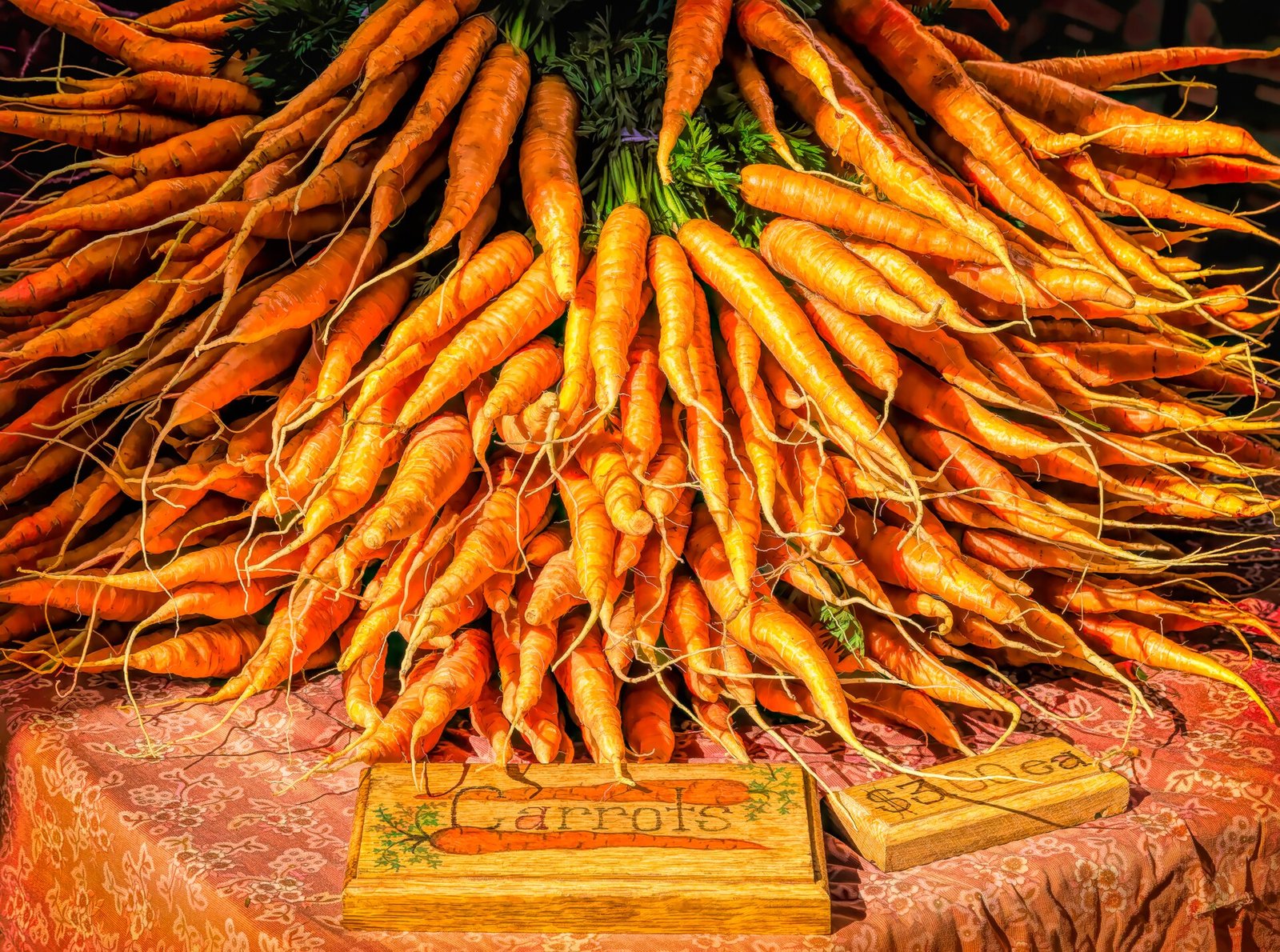
| “Eat carrots and you will never need surgery” | NEI encourages fruits, vegetables, leafy greens, nuts, and whole grains as eye-healthy choices; they do not reverse lens clouding | Strong: food supports habits, not lens clearing |
| “Smoking only hurts lungs, not eyes” | MedlinePlus/NEI list smoking as a cataract risk factor; NEI advises quitting | Strong: smoking matters for eyes |
| “Heavy alcohol is irrelevant to cataracts” | MedlinePlus/NEI list drinking too much alcohol among risk factors | Strong: limit heavy drinking |
| “AREDS2 is proven cataract prevention for everyone” | NEI AREDS/AREDS2 summary: those supplements did not affect cataract; omega-3 supplements likewise showed no cataract effect in that program | Strong: do not conflate AMD and cataract evidence |
Foods and patterns that may help with cataracts day to day
“May help” means supporting NEI-aligned eye-healthy eating and metabolic habits—not promising that produce softens an existing cataract.
Eye-healthy food pattern (NEI)
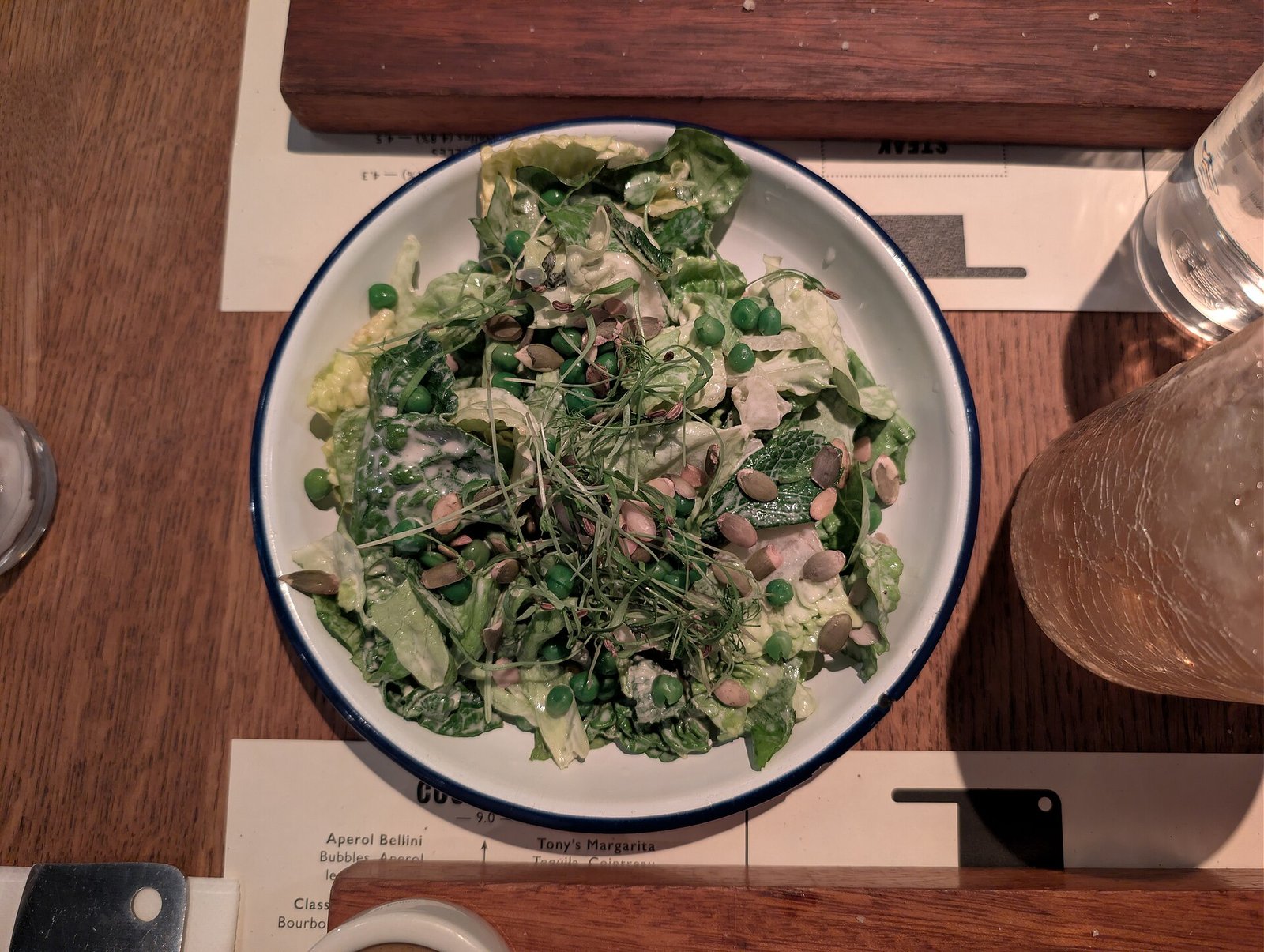
- – NEI prevention steps include making eye-healthy food choices: plenty of healthy foods such as fruits and vegetables, leafy greens, nuts, and whole grains.
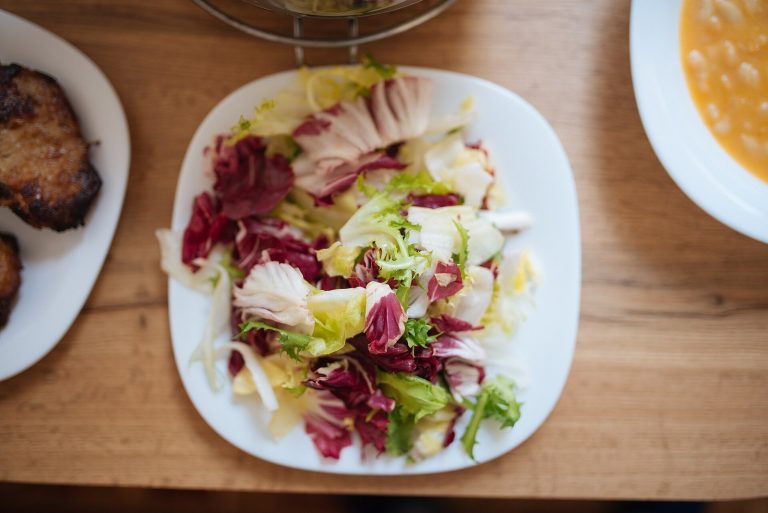
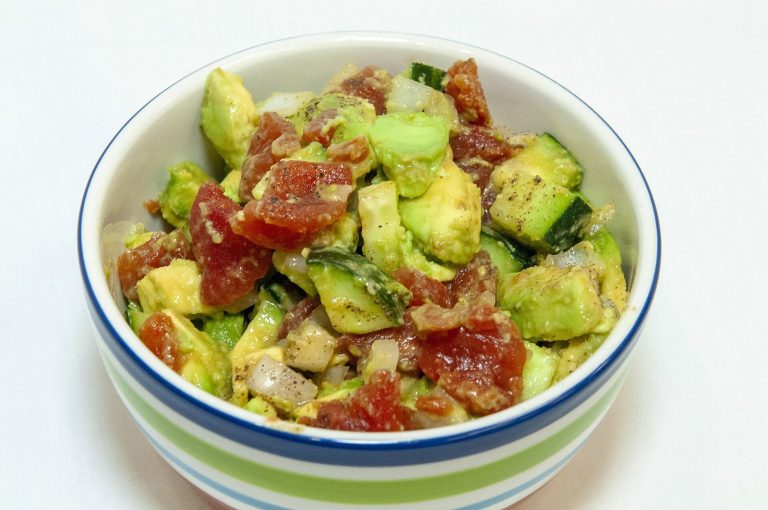
- – Build color on the plate: leafy greens, orange vegetables, berries, beans, and unsalted nuts as everyday defaults.
- – Pair produce with unsaturated fats (for example olive oil on salads) as part of an overall cardiometabolic pattern that also supports diabetes care when relevant. See type 2 diabetes diet guide and prediabetes diet guide.
Blood-sugar-aware plates if you have diabetes
- – Diabetes is a listed cataract risk factor (MedlinePlus/NEI). Steady carbohydrate patterns, fiber, and clinician-guided glucose care matter more than “eye superfoods.”
- – Prefer water or unsweetened drinks over sugar-sweetened beverages that spike glucose.
Protein and everyday cooking ease
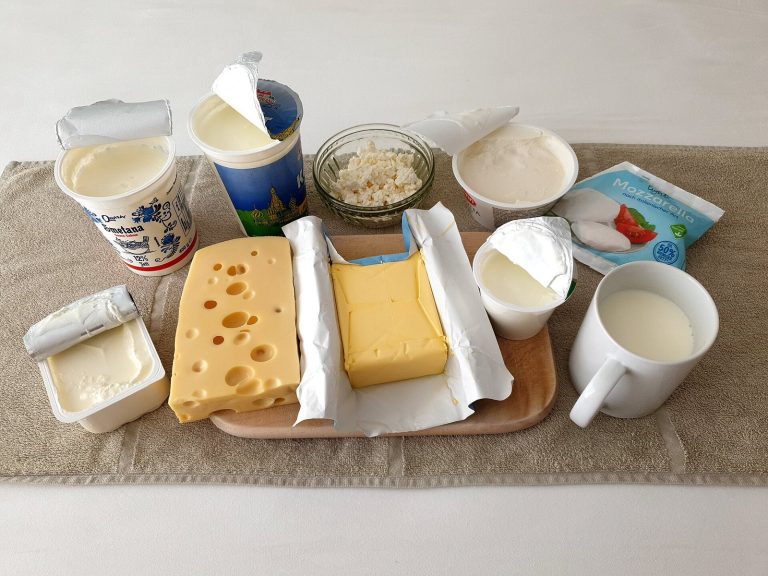
- – Eggs, fish, beans, yogurt, and poultry can anchor meals so vegetable sides are realistic when shopping energy is limited.
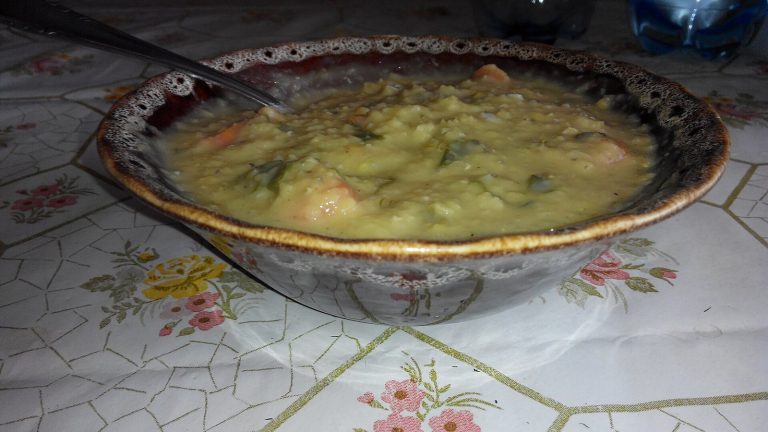
- – Soft cooked greens and soups help if dental issues make raw salads hard—nutrition still counts.
Kitchen habits that support the wider NEI prevention list
- – Pair diet with sunglasses and a brimmed hat outdoors, protective eyewear for risky tasks, and a quit-smoking plan if you smoke (NEI).
- – Keep routine dilated eye exams even when “diet is going well.”
Foods and habits that often worsen cataracts lifestyle patterns
- – Smoking (MedlinePlus/NEI risk factor)—no produce pattern cancels continued smoking.
- – Drinking too much alcohol (MedlinePlus/NEI risk factor).
- – Ultra-processed, low-produce patterns that leave little room for the fruits, vegetables, leafy greens, nuts, and whole grains NEI highlights.
- – Ignoring diabetes care while chasing cataract supplements.
- – Megadose antioxidant self-experiments marketed to “melt cataracts,” especially products confusing AREDS (AMD) with cataract treatment.
- – Skipping sun protection because you “eat enough carrots.”
- – Delaying surgery conversations when vision loss already interferes with driving, falls risk, or work—diet does not replace surgical timing decisions.
“Limit” means reducing risk behaviors and empty-calorie crowding—not blaming one dessert for lens aging.
Practical kitchen protocol: a cataracts-aware diet week
1. Keep the eye-care spine first
Confirm dilated-exam schedule, glasses updates, glare strategies, diabetes targets if applicable, steroid medicine questions, and when surgery discussion is appropriate. Food is adjunctive.
2. Shopping list for eye-healthy plates
Leafy greens (spinach, kale, romaine); broccoli and other crucifers; carrots and orange vegetables; berries and citrus; tomatoes; beans; nuts; whole grains; fish; olive oil; eggs; plain yogurt; water.
3. Default plate template
- – Large vegetable or salad portion
- – Whole grain or starchy vegetable
- – Lean protein
- – Fruit as dessert or snack
- – Nuts in controlled portions if calories allow
4. Sample day (illustrative)
- – Breakfast: oatmeal with berries and nuts; water.
- – Lunch: large green salad with chickpeas or tuna, olive oil, whole-grain bread; fruit.
- – Snack: carrot sticks or yogurt.
- – Dinner: fish or beans, roasted vegetables including orange vegetables, brown rice or potato; water.
- – Evening: limit heavy alcohol; protect sleep so morning glucose and driving focus stay steadier.
5. Label and supplement literacy
If you take an AREDS-style product for AMD under clinician advice, remember NEI: those formulas did not show a cataract benefit. Do not assume “eye vitamins” equal cataract prevention. Coordinate any high-dose vitamin A/beta-carotene products with smoking history (beta-carotene risk issues were highlighted in AREDS smoking guidance).
When reading supplement labels, separate marketing phrases like “supports vision” from outcomes NEI actually studied. For cataracts specifically, prioritize produce-forward meals, smoking cessation support, alcohol moderation, UV eyewear, and scheduled eye exams over megadose experiments. If budget is tight, grocery produce and sunglasses usually beat unused bottles of mixed antioxidants. Caregivers shopping for older adults can pre-wash greens, keep frozen mixed vegetables, and batch-cook bean soups so eye-healthy defaults stay easy on low-energy days.
6. After surgery is a different kitchen chapter
Post-cataract-surgery meal planning (soft foods, hydration, medicine timing) belongs with your surgeon—see diet after cataract surgery guide.
Safety, interactions, and who should ask a clinician first
- – Diabetes, chronic steroid use, or prior eye injury: keep medical follow-up; diet alone is not enough.
- – Smokers or former smokers: ask before any beta-carotene–containing megadose product.
- – Blood thinners or kidney disease: individualize supplements and high-oxalate greens with a clinician or dietitian.
- – Sudden vision loss, flashes, curtains, eye pain, or nausea with eye pain: urgent ophthalmic care—not a diet tweak.
- – Fall risk from glare or night vision changes: address home lighting and driving limits with your eye doctor.
FAQ
Can diet reverse a cataract? No. NEI states surgery is how you get rid of a cataract. Food supports overall eye-healthy habits.
Do I need AREDS2 for cataracts? NEI reports AREDS/AREDS2 supplements did not affect cataract. Those products are discussed for certain AMD situations—ask your eye doctor, and do not self-prescribe for cataracts.
Are leafy greens still worth it? Yes as part of NEI’s eye-healthy food pattern and general nutrition—even though they do not dissolve lens clouding.
Does smoking really matter if I eat well? Yes. Smoking is a listed risk factor; NEI encourages quitting with free support lines.
How is this different from the existing cataract diet page? See also cataract diet guide. This plural-slug guide restates NEI/MedlinePlus anchors with explicit AREDS-vs-cataract clarification and links to surgery recovery and macular degeneration sister pages.
What about alcohol? MedlinePlus/NEI list drinking too much alcohol as a risk factor—limit heavy intake as part of overall risk reduction.
How this differs from related OTCFood topics
This page is a cataracts-bound diet guide focused on NEI eye-healthy eating, smoking/alcohol risk reduction, and diabetes-aware plates. It is not a surgical protocol, not an AMD supplement worksheet, and not a substitute for ophthalmology care.
Medical disclaimer
Medical disclaimer: This article is for general information only. It is not medical advice, diagnosis, or a treatment plan. Cataract care depends on exam findings, visual needs, other eye diseases, medicines, and your eye surgeon’s judgment. Talk with a clinician or registered dietitian before starting, stopping, or changing any eating plan, supplement, or medicine. Seek urgent eye care for sudden vision changes, severe eye pain, or trauma.