Folate Deficiency Diet: Foods That May Help and Foods to Limit
Medical note: This article discusses foods and researched botanicals. It does not claim to prevent, treat, or cure disease. Supplements are not a substitute for food, and studied amounts are not personal prescriptions.
Folate is a B vitamin needed to make DNA and for cells to divide; folic acid is the form added to fortified foods and most supplements. NIH ODS says most people in the United States get enough folate, but deficiency can cause megaloblastic anemia with weakness, fatigue, trouble concentrating, irritability, headache, palpitations, and shortness of breath, plus mouth sores and changes in skin, hair, or nails. Adults generally need 400 mcg DFE daily; pregnancy needs 600 mcg DFE, and people who could become pregnant should get 400 mcg folic acid daily from supplements and/or fortified foods in addition to food folate. Diet helps restore intake; it does not replace clinician diagnosis or B12 evaluation—high folate can mask B12 deficiency anemia while nerve damage progresses.
What this folate deficiency diet guide covers (and what it does not)
This guide is for adults improving folate intake from foods and understanding fortification. It covers ODS food sources, DFE basics, upper limits, and interactions. It does not treat anemia without labs or replace prenatal care.
Anchors: NIH ODS — Folate Consumer Fact Sheet.
Evidence snapshot: folate diet claims vs public sources
| Claim people hope for | What public sources actually say | Confidence |
|---|---|---|
| “Leafy greens and beans help” | ODS: folate naturally in liver, asparagus, Brussels sprouts, dark leafy greens, oranges, nuts, beans, peas | Strong |
| “Fortified grains matter in the US” | FDA required folic acid in enriched grains since 1998; neural tube defects decreased | Strong |
| “More folic acid is always better” | Adult UL from supplements/fortified foods 1,000 mcg; high doses may hide B12 deficiency; cancer risk concerns at high doses in some contexts | Strong caution |
| “5-MTHF replaces prenatal folic acid advice” | ODS: people who could become pregnant should still get 400 mcg folic acid, not only 5-MTHF, even with MTHFR variants | Strong |
| “Food folate is harmful in excess” | ODS: food folate not harmful; UL applies to supplements/fortified sources | Strong |
Foods and patterns that may help
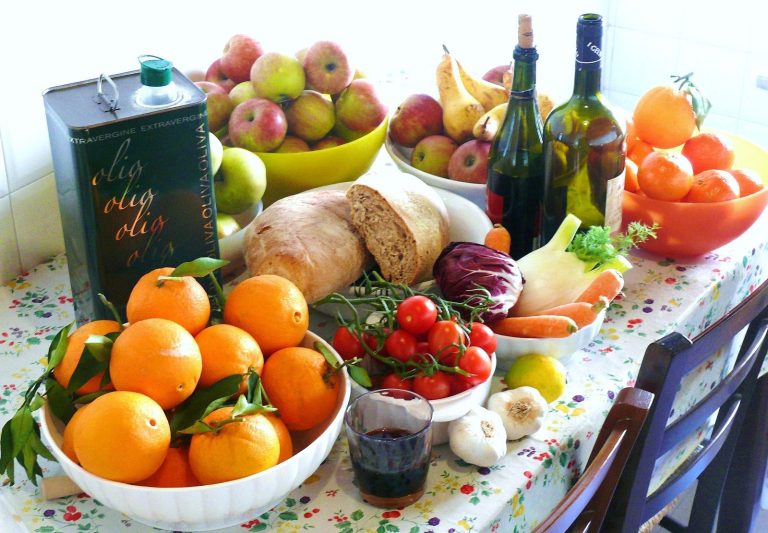
Naturally folate-rich foods (ODS)
- – Beef liver (also high in other nutrients—discuss frequency with your clinician)
- – Asparagus, Brussels sprouts, spinach, mustard greens, and other dark leafy vegetables
- – Oranges and orange juice
- – Peanuts, black-eyed peas, kidney beans, and other beans/peas
- – Nuts and peas more broadly
Folic acid–fortified foods (ODS)
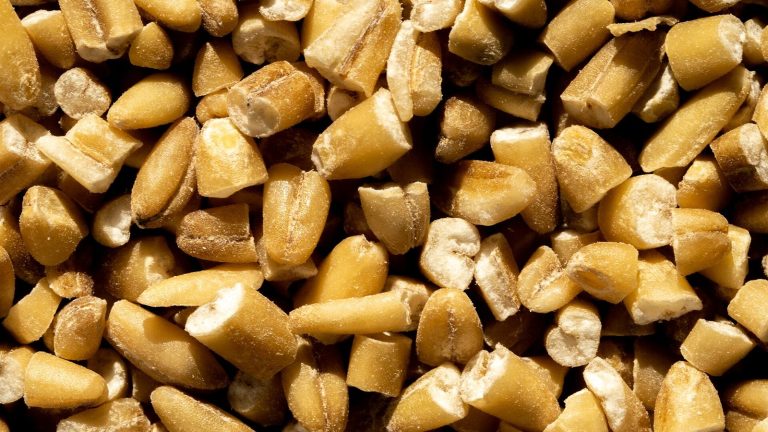
- – Enriched bread, flour, cornmeal, pasta, and rice
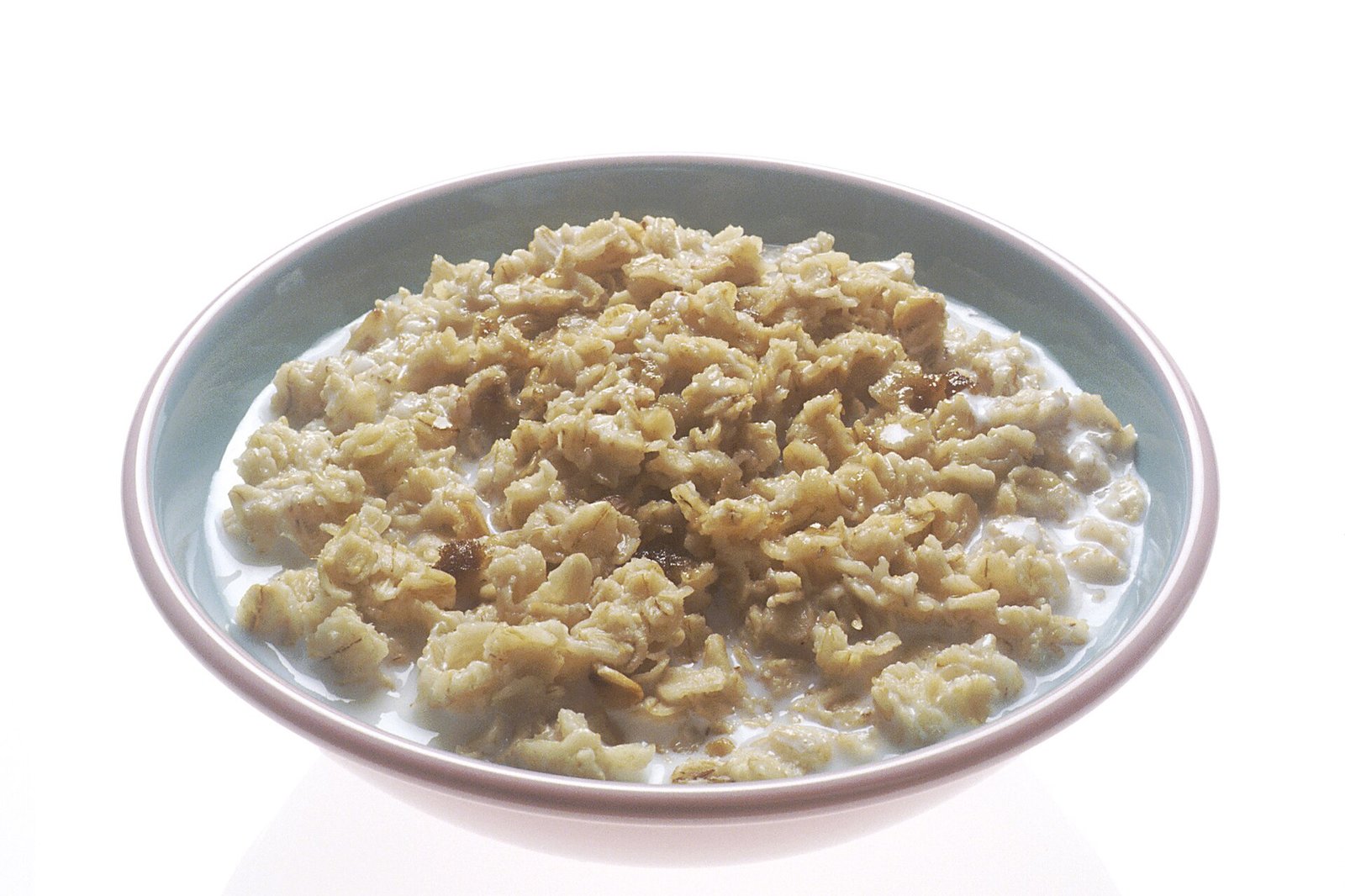
- – Fortified breakfast cereals
- – Fortified corn masa flour (tortillas, tamales)
Check labels for folic acid on the Nutrition Facts panel.
Practical plate pattern
One fortified grain serving + one legume or leafy green serving most days covers a large share of needs for many adults, especially combined with fruit.
Life-stage additions
If you could become pregnant: ODS recommends 400 mcg folic acid daily from supplements and/or fortified foods plus food folate. Pregnant people need higher total folate—follow prenatal care.
Foods and habits that worsen low folate status
- – Heavy alcohol use (ODS lists alcohol use disorder among groups more likely to have trouble getting enough)
- – Untreated malabsorption (celiac disease, IBD—ODS)
- – Relying only on highly restrictive diets that exclude fortified grains and legumes
- – Cooking leafy greens to death and discarding all cooking water every time without eating other folate sources (some folate is water-soluble/heat sensitive—vary prep: salads + quick steam)
Practical kitchen protocol: rebuilding folate intake
1. Confirm deficiency with a clinician
Ask about folate and vitamin B12 together. Do not mega-dose folic acid if B12 status is unknown.
2. Sample day (illustrative)
- – Breakfast: fortified breakfast cereal with milk; orange
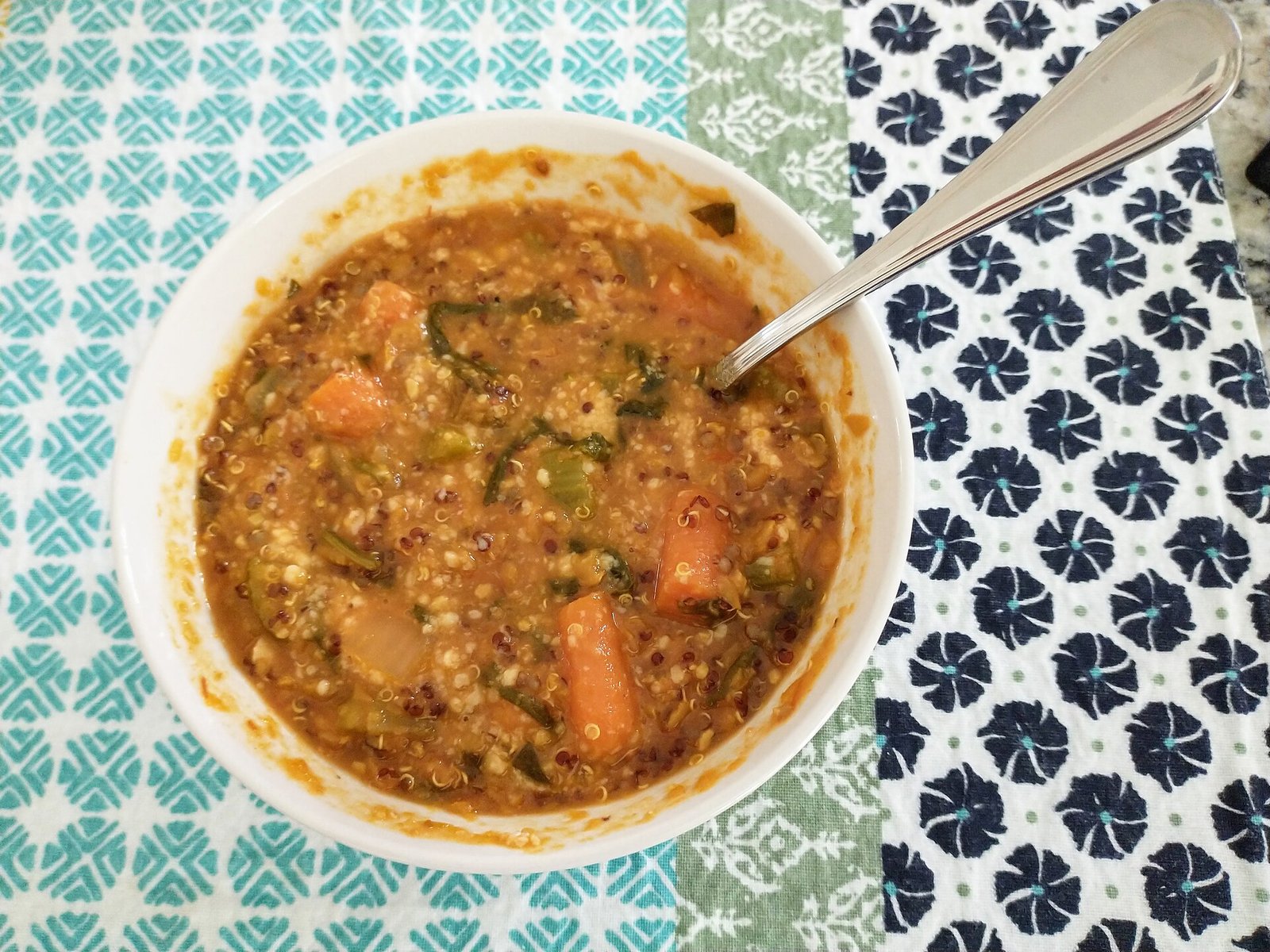
- – Lunch: lentil soup; spinach salad; whole-grain bread
- – Snack: peanuts or hummus with carrots
- – Dinner: bean chili or black-eyed peas; Brussels sprouts; enriched rice or corn tortillas
- – Liver occasionally if you eat it and your clinician agrees
3. Weekly staples list
Spinach, frozen mixed greens, canned beans, fortified cereal, oranges, peanuts, enriched pasta, asparagus when in season.
4. Supplements when used
Multivitamins and prenatal vitamins often contain folic acid. ODS notes methylfolate (5-MTHF) is also used; pregnancy-capable people still need folic acid per ODS guidance. Stay under the 1,000 mcg adult UL from supplements + fortified foods unless supervised.
5. Medicine interactions (ODS examples)
- – Methotrexate for cancer (folate interference issues—oncology directed)
- – Some antiseizure medicines alter folate levels
- – Sulfasalazine can reduce folate absorption
Always tell your clinician about supplements.
Safety, interactions, and when to get help
- – Correcting anemia symptoms belongs under medical care—seek evaluation for fatigue, palpitations, neurologic tingling (possible B12 issue), or pregnancy planning.
- – ODS warns large folate doses can correct anemia of B12 deficiency while allowing nerve damage to continue.
- – High-dose folic acid and cancer history: ODS advises caution especially with colorectal adenoma history—individualize with your clinician.
- – Neural tube defect prevention is about timely folic acid before and early in pregnancy, not about treating an existing pregnancy complication with random megadoses without obstetric advice.
Weekly prep for folate without improvising megadoses
Stock fortified cereal, frozen spinach, canned beans, oranges, and enriched pasta. Cook a double batch of lentil soup and freeze halves. If you could become pregnant, put your folic acid supplement next to your toothbrush and keep fortified grains in the rotation—ODS wants folic acid specifically, not food folate alone. Pair any anemia workup with B12 testing so you do not correct one lab while missing nerve risk. Limit alcohol, which ODS links to higher chances of inadequate folate status, and ask about medicines that alter folate before buying extra supplements.
Fortification history in one paragraph
Since 1998, U.S. enriched grain products have included folic acid, and ODS notes neural tube defect rates fell after fortification. That public-health success is why a bowl of fortified cereal plus beans can move the needle quickly for many adults—while pregnancy-capable people still need the explicit 400 mcg folic acid recommendation because food folate alone is not the same assurance.
Sample shopping list for folate rebuild weeks
Fortified cereal, spinach, asparagus or Brussels sprouts, lentils, black-eyed peas, oranges, peanuts, enriched bread or tortillas, and a standard multivitamin only if your clinician wants one. Keep the prenatal or folic acid bottle visible if pregnancy is possible.
Putting labs and diet in the same plan
Ask which folate and B12 tests were ordered and when to recheck after dietary changes or supplements. If you start fortified cereal and a prenatal-dose folic acid under guidance, note energy and mouth symptoms weekly. Do not combine multiple high-dose B-complex bottles that silently exceed the 1,000 mcg folic acid UL. Pregnancy planning deserves a dedicated prenatal visit—not only a grocery upgrade.
FAQ
How much folate do adults need? ODS: 400 mcg DFE daily for most adults; 600 mcg DFE in pregnancy; 500 mcg DFE while breastfeeding.
What foods are highest in folate? Dark leafy greens, asparagus, Brussels sprouts, legumes, oranges, peanuts, and beef liver; plus folic acid in enriched grains and fortified cereals.
Can I just take a big folic acid dose? Not without advice. Adult UL is generally 1,000 mcg from supplements/fortified foods; excess may mask B12 deficiency.
Does everyone in the US need a folate supplement? Most people get enough, ODS says, but pregnancy-capable people should get 400 mcg folic acid daily from fortified foods and/or supplements in addition to food folate. Deficiency risk rises with alcohol use disorder, malabsorption, and some gene/diet patterns.
Why do labels use mcg DFE? ODS explains dietary folate equivalents because folic acid from fortified foods and supplements is absorbed differently than food folate; 240 mcg folic acid can equal 400 mcg DFE in their example framing.
How this differs from related OTCFood topics
Folate pairs closely with vitamin B12 deficiency diet guide because the two deficiencies can look similar in the blood. Iron issues differ—see iron deficiency anemia diet guide. Pregnancy nutrition also intersects vitamin D deficiency diet guide for separate reasons.
Medical disclaimer
Medical disclaimer: This article is educational only and is not medical advice. Folate deficiency and anemia require clinical diagnosis. Do not start high-dose folic acid without checking B12 and clinician guidance, especially if you are pregnant, planning pregnancy, or have neurologic symptoms. Seek care for severe fatigue, chest pain, fainting, or pregnancy concerns.