Alcohol-Associated Liver Disease Diet: Foods That May Help and Foods to Limit
Medical note: This article discusses foods and researched botanicals. It does not claim to prevent, treat, or cure disease. Supplements are not a substitute for food, and studied amounts are not personal prescriptions.
People searching “alcohol-associated liver disease diet foods that help or worsen” usually want supportive meals while the liver is injured—not a claim that food repairs cirrhosis, “detoxes” the liver, or replaces alcohol treatment. MedlinePlus describes alcoholic liver disease as damage to the liver and its function due to alcohol abuse. It most often occurs after years of heavy drinking; over time, scarring and cirrhosis can occur, and cirrhosis is the final phase. Not every heavy drinker develops the disease, and the chance rises the longer you drink and the more alcohol you consume; women may develop the disease after less exposure than men. MedlinePlus’s steatotic liver disease page now uses the name alcohol-associated liver disease (ALD) for liver fat and injury caused by heavy alcohol use; the earlier names included alcoholic fatty liver disease. The public-source priority is to stop drinking alcohol. Food may help with malnutrition risk, sodium control, and infection precautions if cirrhosis is present; it does not replace alcohol treatment or medical care.
What this alcohol-associated liver disease diet guide covers (and what it does not)
This guide is for adults with clinician-recognized alcohol-associated liver disease, alcoholic hepatitis, or alcohol-related cirrhosis who want practical eating steps. It is not a home detox protocol. Anchors: MedlinePlus — Alcoholic liver disease, MedlinePlus — Steatotic liver disease, NIDDK — Eating, Diet, & Nutrition for Cirrhosis, NIDDK — Treatment for Cirrhosis, and MedlinePlus — Alcohol use disorder.
NIDDK says doctors treat alcohol-associated liver disease by recommending that people completely stop drinking alcohol and may refer them for alcohol treatment. MedlinePlus: if you have alcoholic liver disease, you should not drink any alcohol. Related reading: cirrhosis diet guide, NAFLD fatty liver diet guide, hepatitis C diet guide, and hepatitis B diet guide.
Evidence snapshot: ALD diet claims vs public sources
| Claim people hope for | What public sources actually say | Confidence |
|---|---|---|
| “The right foods can cure alcohol-associated liver disease” | NIDDK: doctors do not have treatments that cure cirrhosis and reverse liver damage, but treating the cause may slow damage. For ALD, that cause-focused step is completely stopping alcohol and considering alcohol treatment. Food is supportive | Strong against food-as-cure |
| “Moderate drinking is still fine once you ‘eat clean’” | MedlinePlus: if you have alcoholic liver disease, you should not drink any alcohol. Continued excessive drinking can shorten lifespan. NIDDK: you should completely stop drinking alcohol because it can cause more liver damage | Strong that abstinence is the priority |
| “People with liver disease should just eat less protein or starve the liver” | NIDDK: cirrhosis can lead to malnutrition; research suggests that 50% to 90% of people with cirrhosis have malnutrition. Care teams recommend enough calories and nutrients, especially protein, and smaller, more frequent meals rather than long stretches without food | Strong against unsupervised fasting or extreme restriction |
| “Sodium never matters” | MedlinePlus lifestyle steps include eating a healthy diet that is low in salt. NIDDK: your doctor may recommend limiting sodium in foods and drinks, especially when fluid buildup is a concern | Moderate that sodium limits are individualized |
| “Raw oysters or other raw seafood are a healthy liver food” | NIDDK: avoid raw or undercooked shellfish, fish, and meat, and unpasteurized milk and milk products, because bacteria or viruses from these foods may cause severe infections in people with cirrhosis | Strong caution if cirrhosis is present |
Foods and patterns that may help while medical care addresses alcohol-related injury
“May help” means supporting nutrition and comfort after alcohol is stopped—not healing scar tissue with groceries.
Stopping alcohol is the first nutrition decision
MedlinePlus lifestyle changes for alcoholic liver disease begin with: stop drinking alcohol; eat a healthy diet that is low in salt; talk with your provider about all medicines, including herbs, supplements, and over-the-counter products; and get recommended vaccines such as influenza, hepatitis A and B, pneumococcal pneumonia, and COVID-19. NIDDK likewise says people with cirrhosis should completely stop drinking alcohol because it can cause more liver damage. Alcohol use disorder is a medical condition (MedlinePlus AUD page) that may need medicines, counseling, and support groups—not willpower plus a salad.
Preventing malnutrition
NIDDK explains that cirrhosis symptoms such as nausea and vomiting may cause people to eat and drink less, and that a poorly working liver can make digestion and nutrient absorption harder. Meal plans vary with how severe cirrhosis is. A registered dietitian can help set calories and nutrients, especially protein. If you do not get enough nutrients, clinicians may recommend certain supplements—but talk with your doctor before taking any, including herbal products. NIDDK also says people with cirrhosis should avoid fasting too long; smaller, more frequent meals, eating every 3 or 4 hours while awake, and a snack before sleep or an early breakfast may help.
A simple supportive plate
When your clinician has not set other restrictions, a practical pattern is regular meals and snacks with enough protein and calories, vegetables and fruit you tolerate, whole grains if they sit well, and a lower-salt cooking style. This is support, not a cleanse. Related: autoimmune hepatitis diet guide and diet after liver transplant guide if those situations apply later.
Foods and habits that often worsen alcohol-associated liver disease
- – Any alcohol once ALD is diagnosed (MedlinePlus; NIDDK). There is no public-source “safe glass of wine” for this condition.
- – Long stretches without food if you have cirrhosis, because the body stores and uses energy differently (NIDDK).
- – High-sodium foods and drinks if your clinician has asked you to limit salt to help with fluid buildup (ascites or edema). Canned soups, deli meats, salty snacks, and restaurant meals are common sodium sources.
- – Raw or undercooked shellfish, fish, and meat, and unpasteurized milk products if you have cirrhosis (NIDDK).
- – Unreviewed herbs, “liver detox” teas, and high-dose supplements. MedlinePlus tells people with alcoholic liver disease to review all medicines and supplements with a provider. Some products advertised for the liver can add strain or interact with prescribed drugs.
- – Ignoring red-flag symptoms. MedlinePlus: get emergency help for abdominal or chest pain, new or suddenly worse abdominal swelling, fever over 101°F (38.3°C), diarrhea, new or worsening confusion, rectal bleeding, vomiting blood, blood in the urine, shortness of breath, vomiting more than once a day, or jaundice that is new or rapidly worse.
“Limit” means protecting an injured liver and lowering infection and fluid-overload risk—not a punishment diet.
Practical kitchen protocol: an ALD-supportive week
1. Put alcohol treatment beside the grocery list
Ask for a referral to alcohol treatment if you have not already received one (NIDDK). MedlinePlus points to support groups for alcohol use disorder or liver disease. Food cannot replace that step.
2. Shopping list for frequent, lower-salt, cooked meals
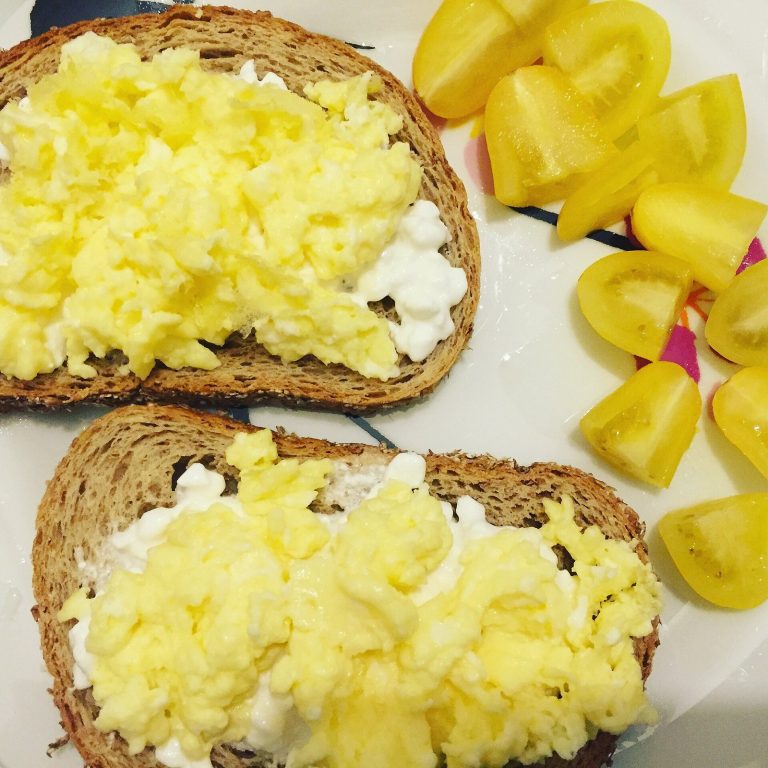
Eggs, yogurt if tolerated and pasteurized, tender fish or poultry that you will cook thoroughly, beans, oats, rice, bread, cooked vegetables, fruit, pasteurized milk or fortified alternatives, and herbs instead of extra salt. Skip raw oysters, undercooked seafood, and unpasteurized cheeses if you have cirrhosis.
3. Default plate and snack rhythm
- – Eat every 3 to 4 hours while awake if your clinician or dietitian agrees (NIDDK).
- – Include a protein source at most meals and a bedtime snack if nighttime fasting leaves you weak.
- – Keep meals smaller if large plates worsen nausea.
- – Cook meat, poultry, fish, and shellfish thoroughly; choose pasteurized dairy.
4. Sample day (illustrative)
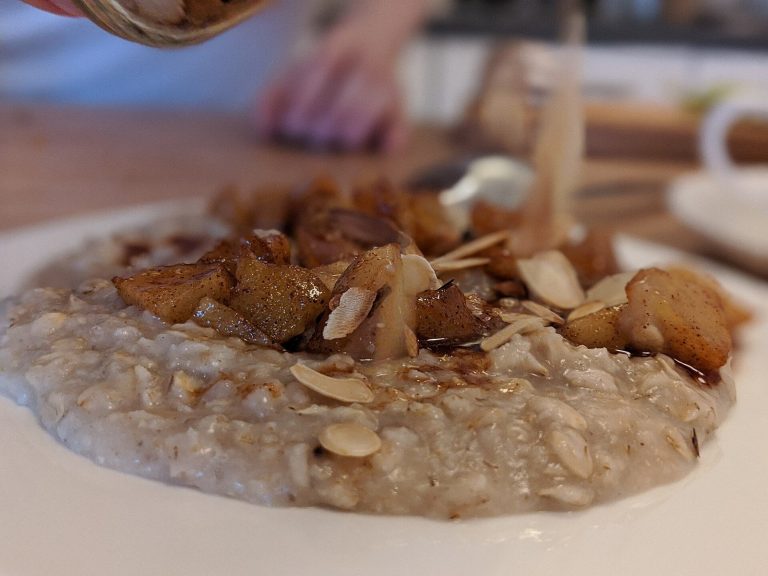
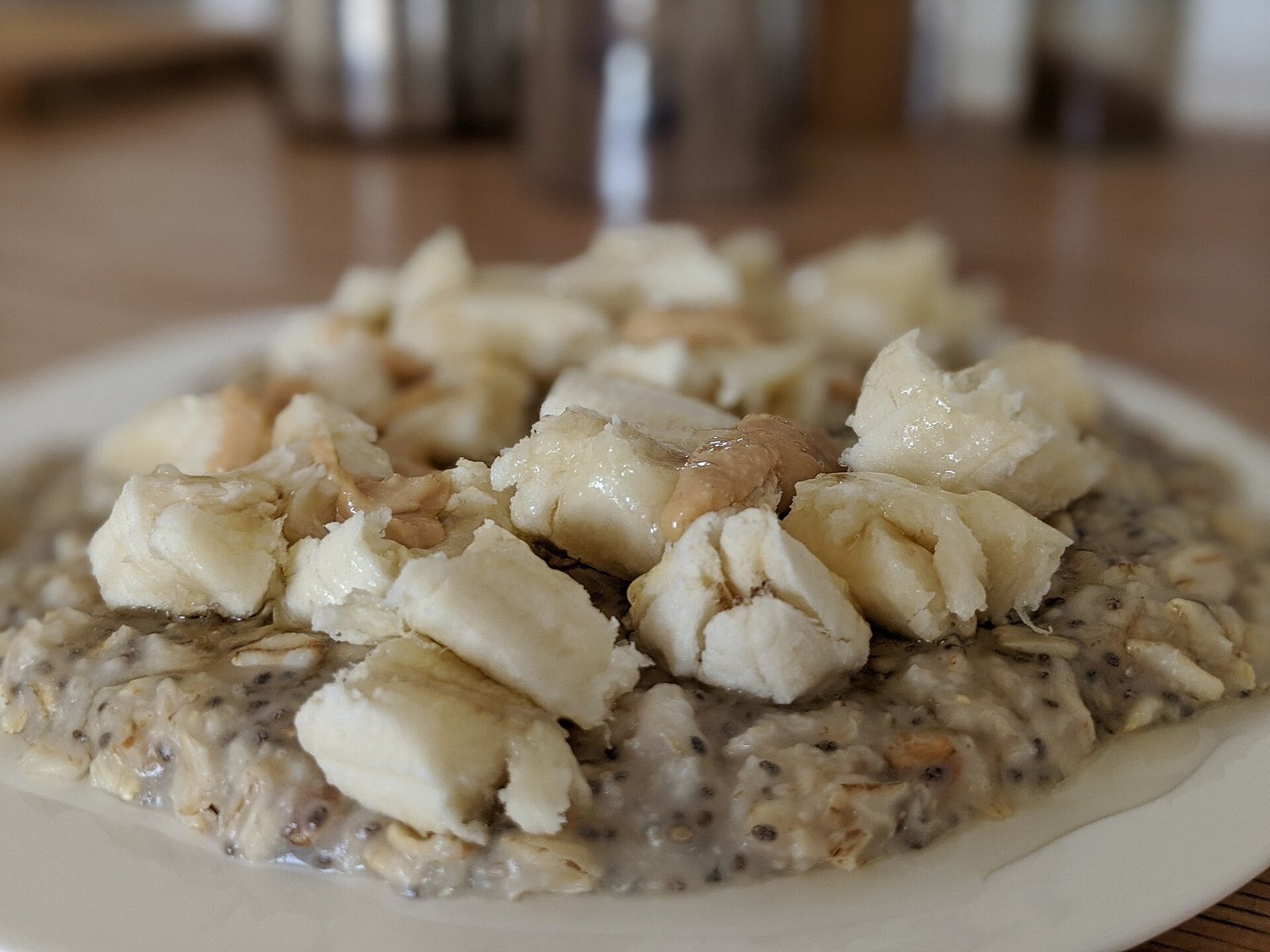
- – Breakfast: oatmeal with pasteurized milk or yogurt and fruit.
- – Mid-morning: a planned snack so you are not fasting.
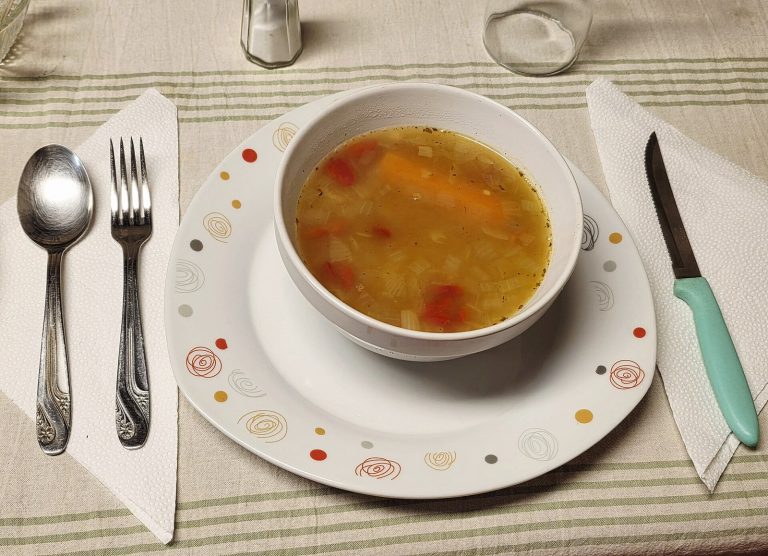
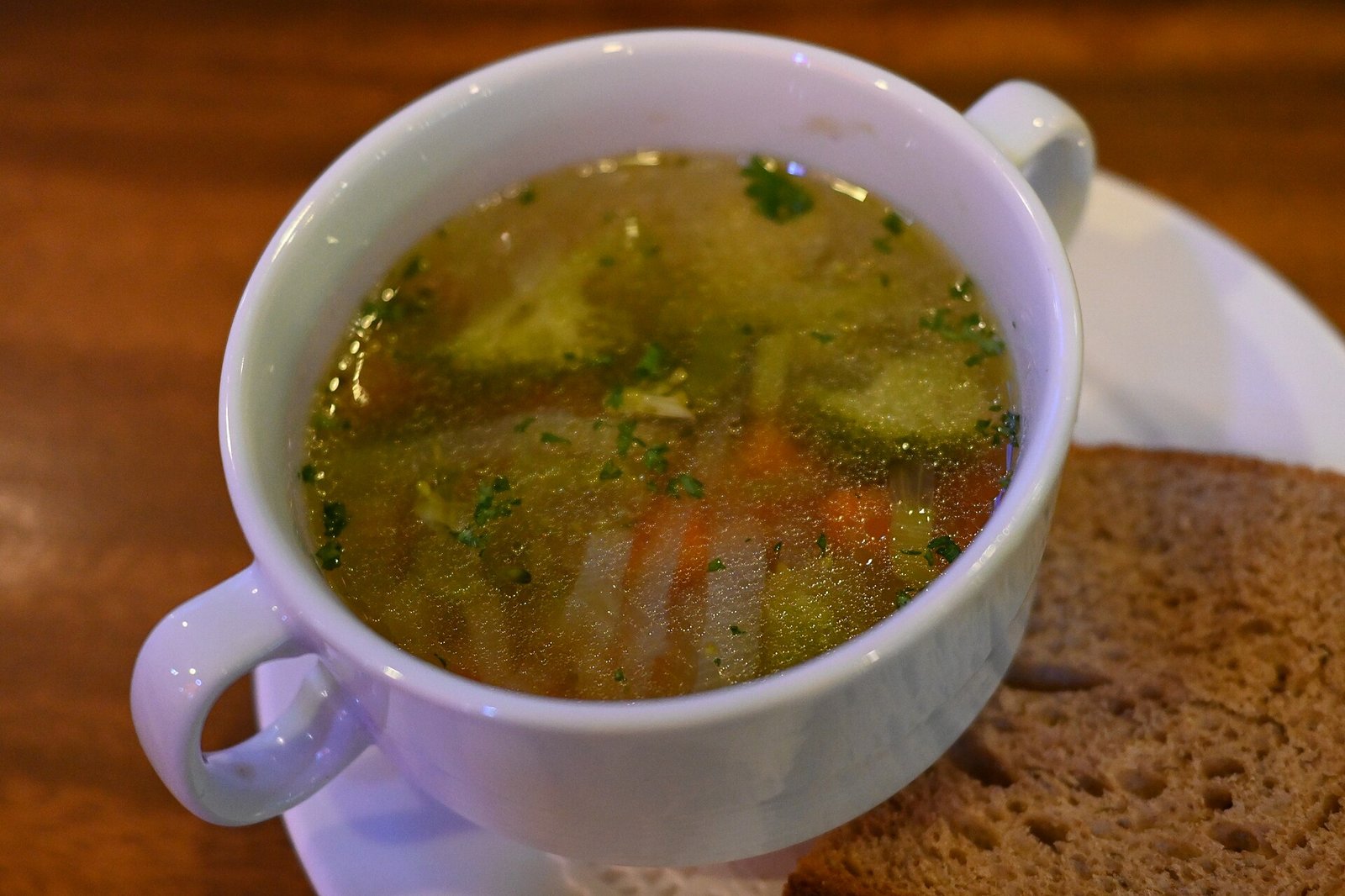
- – Lunch: lentil or vegetable soup made with little added salt, plus cooked protein and bread.
- – Afternoon: yogurt or eggs if tolerated.
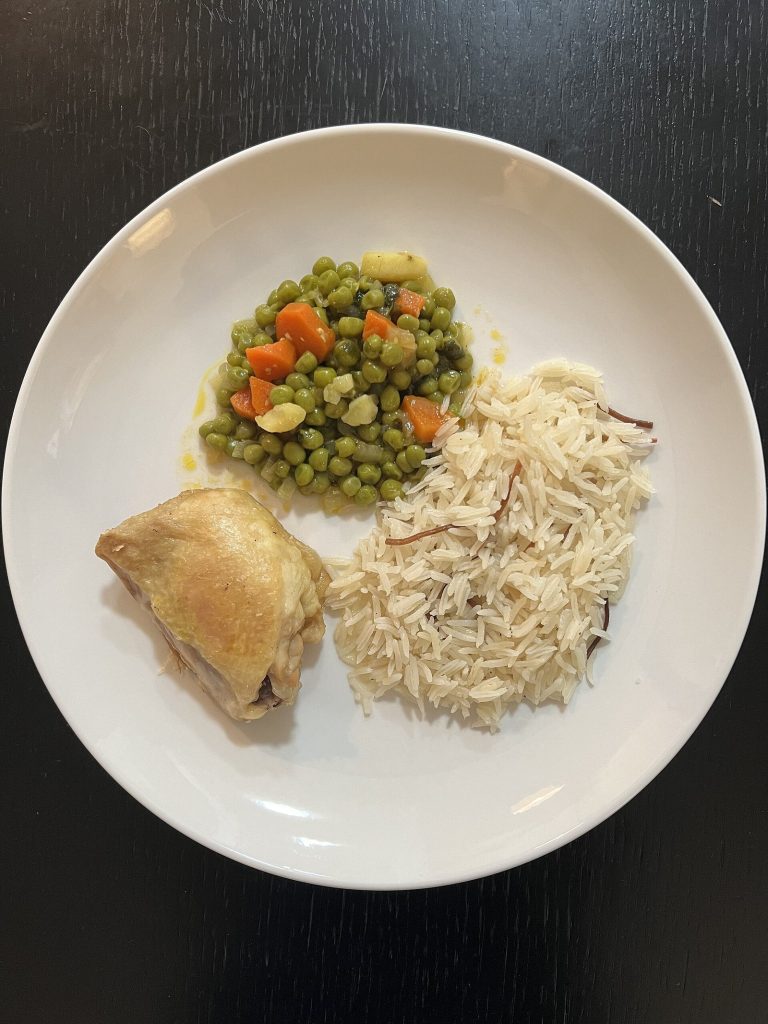
- – Dinner: baked fish or chicken, rice, and cooked vegetables, seasoned with herbs rather than extra salt.
- – Evening: a dietitian-approved snack; no alcohol.
5. If fluid buildup, confusion, or varices are present
Follow the specific sodium, fluid, and medicine plan from your liver team. Diuretics, procedures to remove abdominal fluid, or other treatments may be part of care (MedlinePlus). Do not invent a fluid restriction on your own.
6. Medicines and vaccines
Bring a full list of prescriptions, over-the-counter pain relievers, and supplements to each visit. MedlinePlus also recommends talking about vaccines for influenza, hepatitis A and B, pneumococcal disease, and COVID-19.
Safety, interactions, and who should ask a clinician first
- – Stopping heavy alcohol use can cause withdrawal, which is a medical issue—ask your clinician about supervised care rather than quitting in an unsafe setting if dependence is likely.
- – Acetaminophen, NSAIDs, and many supplements can be risky in liver disease; confirm every product.
- – New confusion, vomiting blood, black stools, fever, or rapidly worsening jaundice are emergencies (MedlinePlus).
- – MedlinePlus notes that liver transplantation for alcoholic liver disease is considered only in people who have completely avoided alcohol for 6 months—another reason food is not a shortcut around abstinence and medical evaluation.
- – Pregnancy, kidney problems, diabetes, or other liver diseases (including MASLD) need an individualized meal plan; do not copy a generic “liver cleanse.”
FAQ
Can diet reverse alcohol-associated liver disease? No public source describes food as a cure. MedlinePlus says the disease is treatable if caught before severe damage, but continued heavy drinking can shorten life, and severe damage may not return the liver to normal function. Stopping alcohol is the central step.
Is a little alcohol allowed on special occasions? MedlinePlus and NIDDK say people with this condition should not drink any alcohol because more liver damage can occur.
Why is malnutrition such a big issue? NIDDK reports that 50% to 90% of people with cirrhosis have malnutrition, both because symptoms reduce intake and because the liver handles nutrients differently. That is why enough calories and protein, plus shorter gaps between meals, are often recommended.
Are raw oysters dangerous? For people with cirrhosis, NIDDK advises avoiding raw or undercooked shellfish, fish, and meat because infections can be severe.
Do I need extra vitamins? Possibly, but only if your clinician recommends them. NIDDK says some people need supplements and that you should talk with your doctor before taking any, including herbal products.
Medical disclaimer
Medical disclaimer: This article is for general information only. It is not medical advice, diagnosis, or a treatment plan. Alcohol-associated liver disease care depends on how much liver damage is present, whether cirrhosis or complications exist, other conditions, and your clinician’s judgment. Talk with a clinician, addiction specialist, or registered dietitian before changing your eating plan, supplements, or medicines. Seek emergency care for vomiting blood, black stools, new confusion, high fever, severe abdominal swelling, or rapidly worsening jaundice.