Diet After Whipple Surgery: Foods That May Help and Foods to Limit
Medical note: This article discusses foods and researched botanicals. It does not claim to prevent, treat, or cure disease. Supplements are not a substitute for food, and studied amounts are not personal prescriptions.
People searching “diet after Whipple surgery foods that help or worsen” usually want kitchen habits that support digestion, weight stability, and enzyme timing after pancreaticoduodenectomy—not a claim that food rebuilds the pancreas, prevents cancer return, or replaces prescribed enzymes, insulin when needed, oncology follow-up, or a dietitian’s plan. MedlinePlus describes the Whipple procedure as the most common surgery for pancreatic cancer: the head of the pancreas, the gallbladder, part of the bile duct, part of the small intestine (duodenum), nearby lymph nodes, and sometimes part of the stomach are removed.
What this after-Whipple diet guide covers (and what it does not)
This guide is for adults recovering from Whipple / pancreaticoduodenectomy (or closely related pancreatic head resections) who want everyday eating patterns while they follow surgical discharge rules and specialist advice. Anchors: MedlinePlus — Surgery for pancreatic cancer, MedlinePlus — Surgery for pancreatic cancer discharge, NIDDK — Exocrine pancreatic insufficiency (EPI) eating, diet, and nutrition, NIDDK — EPI treatment, and NIDDK — Pancreatitis overview.
MedlinePlus discharge guidance says to check with a dietitian about foods to eat at home before leaving the hospital, notes you may need pancreatic enzymes and insulin if prescribed, and emphasizes high-protein, high-carbohydrate, lower-fat patterns with several small meals if fat digestion is difficult. NIDDK explains that EPI—when the small intestine cannot digest food normally because of pancreatic enzyme problems—can follow pancreatic surgery and is treated with pancreatic enzyme replacement therapy (PERT) plus lifestyle changes, not kitchen “detoxes.” This page is not an oncology protocol and does not claim food cures pancreatic disease—see also exocrine pancreatic insufficiency diet guide, diet after pancreatectomy guide, and pancreatitis diet guide.
Evidence snapshot: after-Whipple diet claims vs public sources
| Claim people hope for | What public sources actually say | Confidence |
|---|---|---|
| “Food alone replaces pancreatic enzymes after Whipple” | MedlinePlus and NIDDK: enzymes are prescribed when needed; PERT is taken with meals/snacks per clinician instructions | Strong: food supports, enzymes are medical when indicated |
| “High-fat fortifying meals always rebuild weight faster” | MedlinePlus discharge: trouble digesting fat is common; favor protein and carbohydrates with lower fat, and use small frequent meals | Strong: greasy boluses often backfire early |
| “Skipping fluids rests the gut after surgery” | Recovery education commonly stresses steady fluids for fatigue and nausea prevention—confirm your own fluid goals with your team | Strong: under-drinking often worsens recovery comfort |
| “Herbal pancreas cleanses reverse enzyme need” | NIDDK treats EPI with PERT and lifestyle changes (including avoiding alcohol and quitting smoking); unprescribed cleanses are not a substitute | Strong: ask before any supplement stack |
| “Kitchen changes replace chemo, surveillance, or diabetes care” | MedlinePlus frames surgery within broader cancer and metabolic follow-up; diet is supportive fueling | Strong: specialty care remains primary |
Foods and patterns that may help after Whipple day to day
“May help” means supporting calorie and protein intake and limiting greasy triggers while enzymes are titrated—not a promise that food shortens hospital stays or prevents recurrence.
Small, frequent meals instead of three huge plates
- – MedlinePlus discharge notes it may be easier to eat several small meals during the day.
- – Soft, spaced snacks often feel easier than three heavy plates while the stomach and duodenum are adapting.
- – Related dumping-style symptoms after stomach or duodenal changes are discussed in our dumping syndrome diet guide page as a comfort frame only—your surgeon’s list wins.
Protein- and carbohydrate-forward plates with moderated fat
- – MedlinePlus: try foods high in protein and carbohydrates and low in fat when fat digestion is hard.
- – Practical proteins: eggs, fish, poultry, lean meat, tofu, Greek yogurt, cottage cheese, beans if tolerated, and oral nutrition drinks when your clinician or dietitian recommends them.
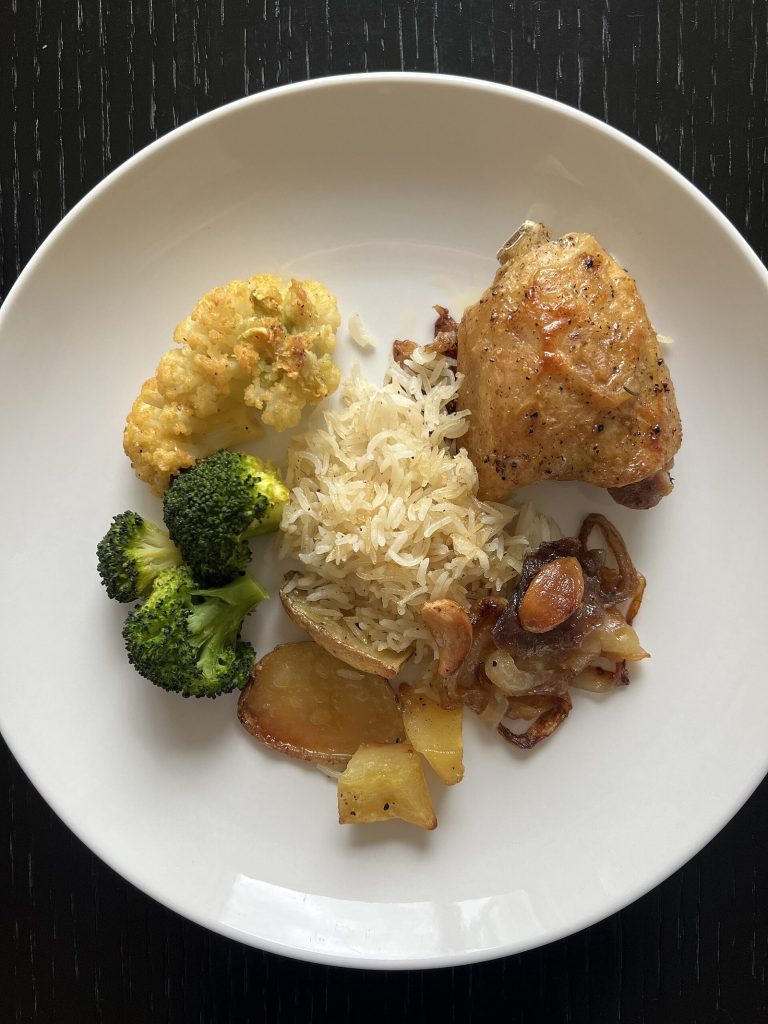
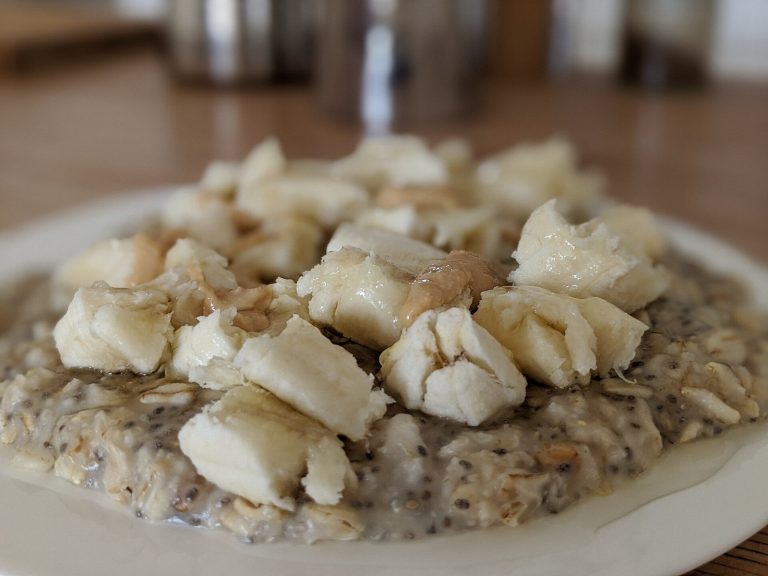
- – Soft starches (rice, potatoes, oatmeal, toast, noodles) often feel easier early than huge fried sides.
Enzyme timing when PERT is prescribed
- – NIDDK: PERT involves enzyme pills taken during meals or snacks to help digestion; follow the exact dosing and timing your clinician gives.
- – Keep a simple journal of foods, enzyme doses, stool pattern, weight, and glucose readings if diabetes care applies, then review it with your team—similar tracking ideas appear in chronic pancreatitis diet guide.
Fluids, calorie-containing drinks, and gradual produce
- – Sip fluids between meals if large cups with food worsen fullness.
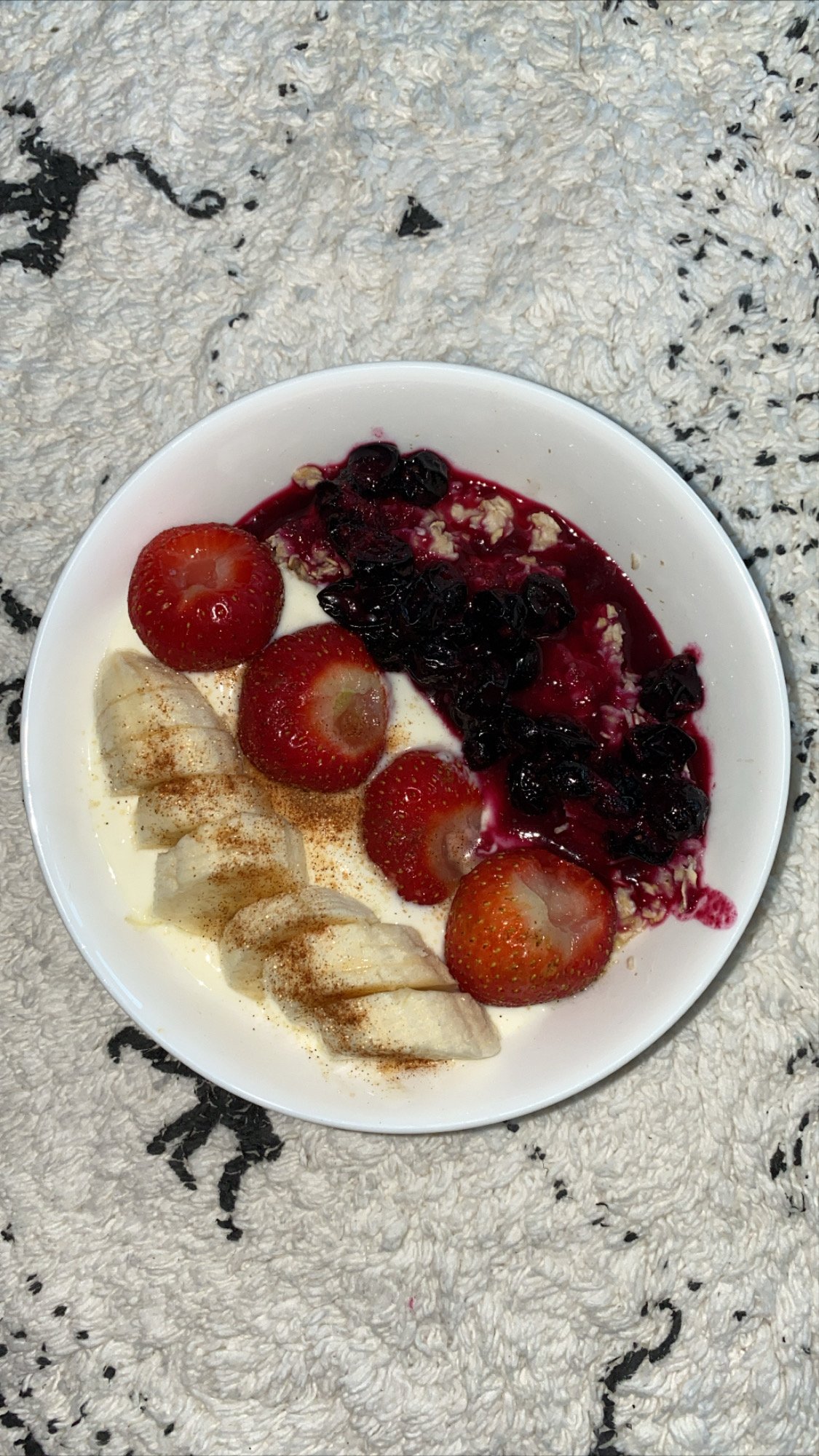
- – Soft cooked vegetables, peeled fruit, and bananas are common early bridges.
- – Advance textures only as your dietitian and surgeon allow.
Practical energy when nausea and fatigue dominate
- – Dry bites before liquids sometimes sit better on a nauseated stomach—ask your team what fits your medicines.
- – Batch-cook soft proteins and freeze portions so helpers can reheat without heavy lifting while activity limits apply (MedlinePlus: avoid lifting more than about 10–15 pounds until cleared).
Foods and habits that often worsen after-Whipple kitchen patterns
- – Large greasy, fried, or very high-fat meals that worsen steatorrhea, bloating, and cramping while enzyme dosing is still being adjusted.
- – Alcohol, which NIDDK lists among lifestyle changes to avoid with EPI and which can undermine healing, glucose control, and medicine plans.
- – Skipping prescribed enzymes or taking them hours away from food when your instructions say to take them with meals/snacks.
- – Huge fluid boluses with every bite if they make you feel full before you finish protein.
- – Unprescribed “pancreas detox,” liver flushes, or bleeding-risk herb stacks taken without telling oncology and surgical teams.
- – Expecting kitchen changes to fix fever, wound problems, jaundice, gray stools, uncontrolled diarrhea, inability to eat or drink, chest pain, or severe shortness of breath—MedlinePlus lists these among reasons to contact your surgeon.
“Limit” means reducing habits that undermine digestion and recovery fueling—not that one restaurant meal defines success.
Practical kitchen protocol: an after-Whipple diet week
1. Keep the medical spine first
Confirm wound care, lifting and driving limits, glucose monitoring if insulin was started, oncology follow-up, and the exact PERT schedule. Put enzymes where you will see them at every meal.
2. Shopping list for enzyme-aware, lower-grease kitchens
Eggs; Greek yogurt or cottage cheese; milk or alternatives if appropriate; canned tuna/salmon in water; pre-cooked chicken or turkey; tofu; soft cheeses if tolerated; oats and rice; potatoes; bananas and soft fruit; cooked carrots/zucchini; olive oil in small measured amounts; oral nutrition drinks only if recommended.
3. Default plate template (when appetite allows)
- – A solid protein portion you can finish
- – An easy starch
- – Soft vegetables or fruit
- – Modest added fat from olive oil, nut butters in small amounts, or avocado only as tolerated with enzymes
- – Season mildly; sit upright for meals
4. Sample day (illustrative—not a personal prescription)
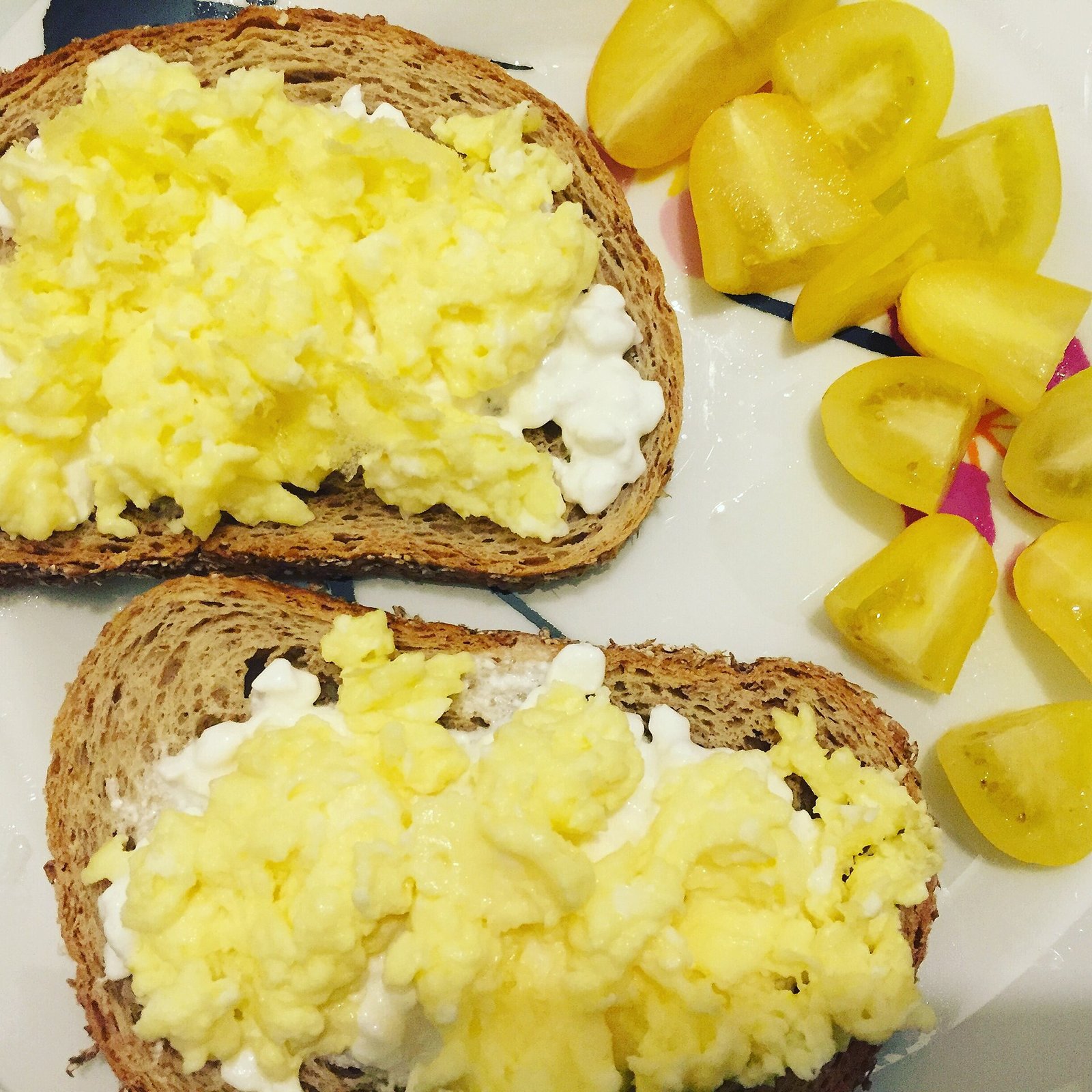
- – Breakfast: scrambled eggs and toast; banana; enzymes with the meal if prescribed; water sipped.
- – Mid-morning: Greek yogurt or an oral nutrition drink if advised.
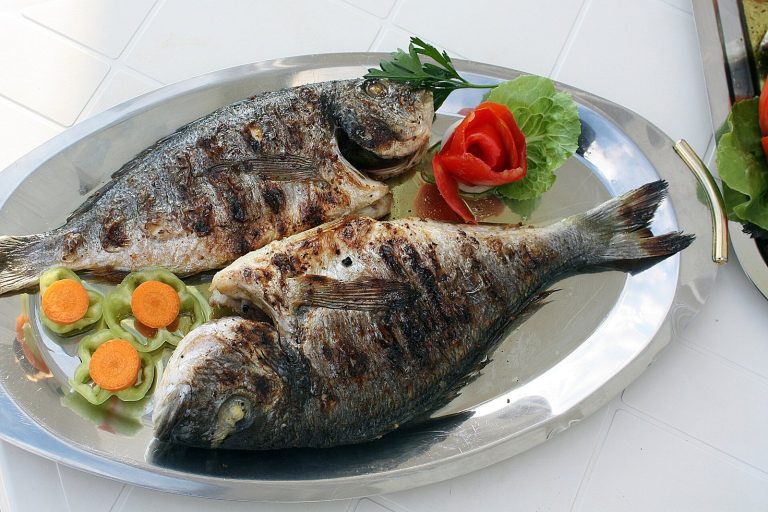
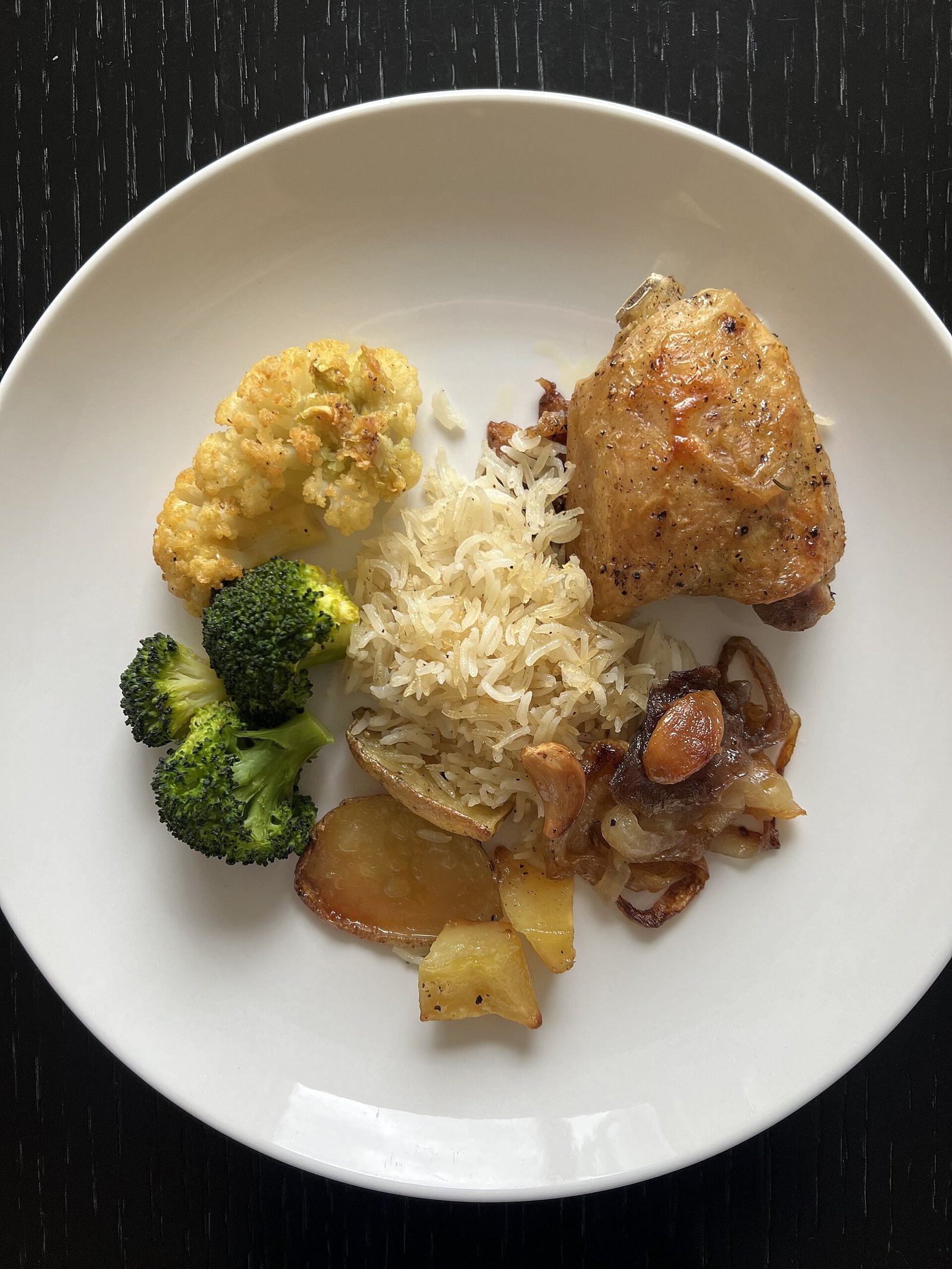
- – Lunch: baked fish or chicken, rice, soft cooked carrots; enzymes as directed.
- – Afternoon: cottage cheese or hummus with crackers; fluid between snacks.
- – Dinner: turkey or tofu, potato, cooked zucchini; enzymes as directed.
- – Evening: light snack if night fasting worsens symptoms; avoid alcohol.
5. Eating out
Choose grilled or baked proteins, skip deep-fried appetizers, ask for sauces on the side, and bring enzymes if prescribed. Confirm portion size so you can finish protein without a greasy overload.
6. When diarrhea, weight loss, or glucose swings dominate
Food journals support conversations with your surgeon, dietitian, and endocrinology team; they do not replace dose changes or medical evaluation. Sister pages such as pancreatitis recovery diet guide and short bowel syndrome diet guide expand related digestion frames without replacing your Whipple-specific plan.
Safety, interactions, and who should ask a clinician first
- – Pancreatic enzyme therapy or insulin: follow exact timing; do not invent megadoses.
- – Fat-soluble vitamin supplements (A, D, E, K): NIDDK notes they may be recommended for EPI complications—ask before self-starting.
- – NSAIDs such as ibuprofen or naproxen: MedlinePlus discharge says not to take them unless directed by your surgeon because they may increase bleeding.
- – Recent abdominal surgery: respect lifting limits before heavy grocery bags or cast-iron pans.
- – Call urgently for fever ≥101°F (38.3°C), wound drainage that is thick/colored, jaundice, gray stools, inability to eat or drink, uncontrolled diarrhea, hard breathing, or persistent cough (MedlinePlus discharge).
FAQ
Can diet reverse the need for enzymes after Whipple? No. When EPI is present, NIDDK frames PERT and lifestyle changes as medical care. Food patterns support comfort and nutrition.
Should I eat very high-fat meals to gain weight faster? Usually not early on. MedlinePlus notes fat digestion trouble is common and recommends higher protein and carbohydrate with lower fat plus small frequent meals.
Is alcohol okay in small amounts during recovery? NIDDK recommends avoiding alcohol with EPI. Ask your oncology and surgical teams before any alcohol.
How soon can I cook normally? MedlinePlus says most people resume many regular activities in 6 to 8 weeks, with earlier lifting and strain limits. Follow your own discharge sheet.
Do I need a dietitian if I already cook healthy food? Yes, if offered. MedlinePlus specifically advises checking with a dietitian before leaving the hospital about home foods.
How is this different from the older Whipple-procedure diet page? Shared enzyme-aware logic—see diet after Whipple procedure guide—with the same MedlinePlus pancreatic surgery discharge nutrition themes.
How this differs from related OTCFood topics
This page is an after-Whipple surgery–bound diet guide focused on small frequent meals, moderated fat, and enzyme timing. It is not a chemotherapy schedule, not a diabetes dosing manual, and not a substitute for surgical red-flag care.
Medical disclaimer
Medical disclaimer: This article is for general information only. It is not medical advice, diagnosis, or a treatment plan. Care after Whipple surgery depends on the extent of resection, enzymes, insulin, oncology treatments, and other conditions. Talk with a clinician or registered dietitian before starting, stopping, or changing any eating plan, supplement, or medicine. Seek urgent care for fever, wound problems, jaundice, gray stools, inability to eat or drink, severe shortness of breath, or other emergency symptoms listed by your surgical team.