Microscopic Colitis Diet: Foods That May Help and Foods to Limit
Medical note: This article discusses foods and researched botanicals. It does not claim to prevent, treat, or cure disease. Supplements are not a substitute for food, and studied amounts are not personal prescriptions.
People searching “microscopic colitis diet foods that help or worsen” usually want practical kitchen patterns that may ease watery diarrhea—not a claim that food heals colon lining inflammation the way clinician-guided medicines and evaluation can. The National Institute of Diabetes and Digestive and Kidney Diseases (NIDDK) describes microscopic colitis as a chronic inflammatory bowel disease (IBD) in which abnormal immune reactions cause inflammation of the inner lining of the colon. Unlike Crohn’s disease and ulcerative colitis, doctors can see that inflammation only under a microscope. The most common symptom is chronic, watery, nonbloody diarrhea; other symptoms can include night diarrhea, abdominal pain, urgency, fecal incontinence, weight loss, and fatigue. Two types—lymphocytic colitis and collagenous colitis—look different under the microscope but share the same symptoms and treatment approaches.
What this microscopic colitis diet guide covers (and what it does not)
This guide is for adults who already have a clinician diagnosis of microscopic colitis (or are working through evaluation) and want food-and-drink patterns that NIDDK says may help diarrhea comfort. Anchors: NIDDK — Microscopic Colitis and related NIDDK sections on treatment and eating, diet, and nutrition.
NIDDK is clear: scientists have not yet discovered dietary changes that heal microscopic colitis. Diet changes are supportive for diarrhea and for overlapping problems such as lactose intolerance or celiac disease. Medicines most often treat microscopic colitis effectively; kitchen habits do not replace budesonide or other prescribed therapy, medicine reviews, or smoking cessation when advised. This page is not a ulcerative colitis diet guide or Crohn’s disease diet guide protocol—those IBD patterns differ clinically, including cancer-risk framing that NIDDK says does not apply the same way to microscopic colitis.
Evidence snapshot: microscopic colitis diet claims vs public sources
| Claim people hope for | What public sources actually say | Confidence |
|---|---|---|
| “A special diet heals microscopic colitis” | NIDDK: scientists have not discovered dietary changes that heal microscopic colitis | Strong: food is supportive only |
| “Diet alone replaces budesonide or other medicines” | NIDDK: medicines most often treat microscopic colitis effectively; diet may help improve diarrhea symptoms | Strong: meds first when prescribed |
| “Cutting caffeine, alcohol, or artificial sweeteners always remits disease” | NIDDK may recommend limiting alcohol, artificial sweeteners, and caffeine depending on symptoms—individualized | Moderate for symptom comfort; not a cure map |
| “Gluten-free or dairy-free diets are mandatory for everyone” | NIDDK: limit gluten if you have celiac disease; limit milk products if you have lactose intolerance | Strong for overlap conditions; not universal |
| “Smoking does not matter if you eat well” | NIDDK lists smoking as a risk factor and may recommend quitting smoking as part of treatment | Strong: smoke-free habits support care |
Foods and patterns that may help with microscopic colitis day-to-day comfort
“May help” means supporting hydration, steadier stools, and nutrition while you follow gastroenterology advice—not a promise to reverse microscopic inflammation.
Fluids and electrolyte-aware hydration
- – Chronic watery diarrhea can lead to dehydration and weight loss—NIDDK lists these among complications when diarrhea is severe.
- – Prefer water and oral fluids your clinician accepts; replace fluids regularly rather than waiting until you feel lightheaded.
- – If diarrhea is frequent, ask your care team about oral rehydration options rather than relying on sugary sodas alone.
Softer, lower-irritant meal patterns during flares
- – Smaller, more frequent meals may be easier than large high-fat plates when urgency is high.
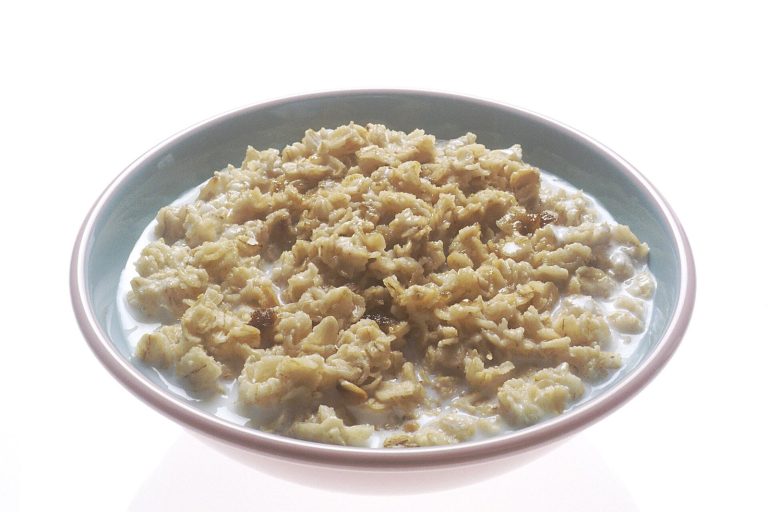
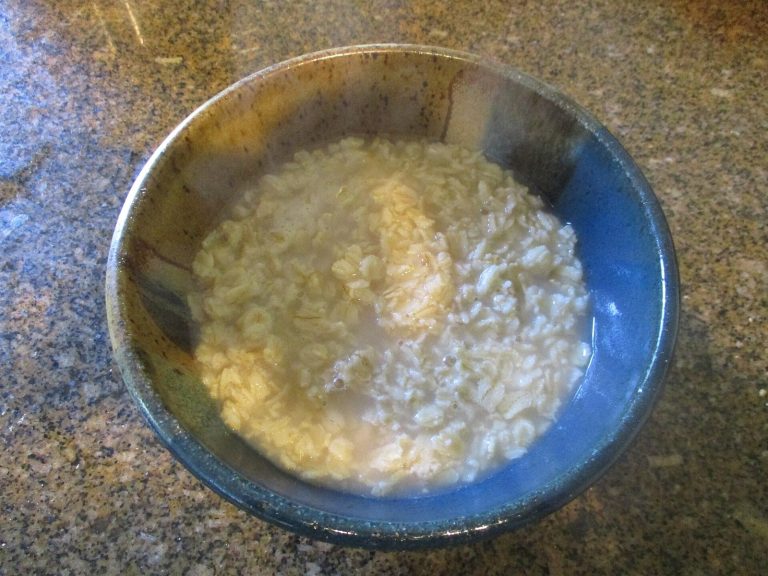
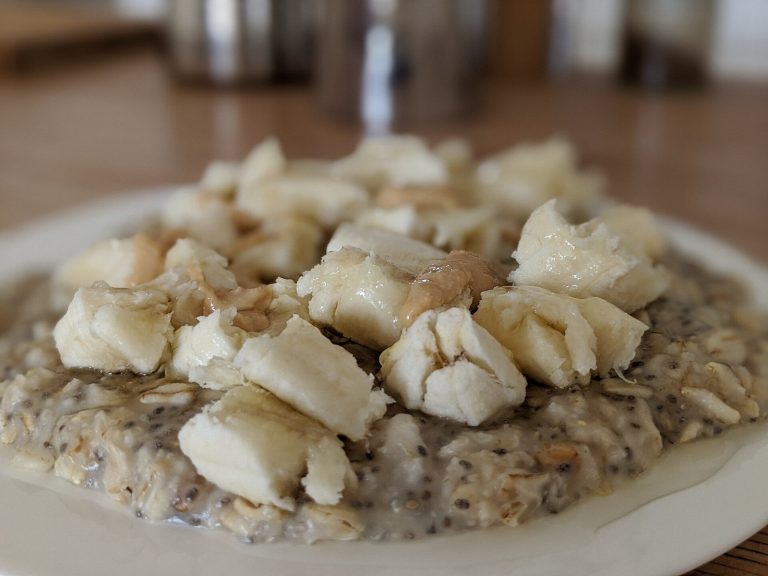
- – Many people do better with cooked vegetables, ripe bananas, oats, rice, potatoes, eggs, lean poultry, and yogurt if lactose is tolerated—practical comfort foods, not a disease-specific “protocol” invented here.
- – Keep a short food-and-symptom journal (what you ate, when diarrhea worsened) to share with your clinician or dietitian, similar to NIDDK advice for chronic diarrhea triggers.
Address overlapping digestive conditions honestly
- – NIDDK notes that some people with microscopic colitis also have immune-related disorders such as celiac disease, thyroid disorders, type 1 diabetes, psoriasis, or rheumatoid arthritis.
- – If celiac disease is confirmed, a gluten-free pattern is medical nutrition therapy—see celiac disease diet guide.
- – If lactose intolerance is present, limiting milk and milk products may reduce diarrhea—see lactose intolerance diet guide.
- – IBS-like urgency can coexist; kitchen pacing tips in IBS diet guide may help comfort without equating IBS and microscopic colitis.
Supportive nutrition when appetite dips
- – Prioritize protein and calories you can keep down so weight loss does not accelerate.
- – Discuss vitamin and mineral status with your clinician if diarrhea has been long-standing; do not self-prescribe megadoses.
Foods and habits that often worsen microscopic colitis kitchen patterns
- – Alcohol, caffeine, and artificial sweeteners—NIDDK may recommend limiting or avoiding these to help diarrhea symptoms.
- – High-fat fried meals and large simple-sugar drinks—NIDDK’s general diarrhea nutrition page lists high-fat foods and large amounts of simple sugars among items that can worsen diarrhea.
- – Continuing smoking—NIDDK links smoking with higher risk and younger onset; quitting is part of treatment advice when you smoke.
- – Ignoring medicine links—NSAIDs, PPIs, SSRIs, HRT/oral contraceptives, beta blockers, and statins have been linked to increased risk; never stop prescribed medicines without clinician guidance, but do ask for a review.
- – Assuming fiber supplements or “colon cleanses” are cures—NIDDK does not present miracle fiber protocols as healing therapy for microscopic colitis.
- – Skipping clinician follow-up during remission–relapse cycles—symptoms can remit and relapse; diet experiments alone are not a substitute for care.
“Limit” means reducing habits that often worsen watery stools—not that one coffee defines your prognosis.
Practical kitchen protocol: a microscopic colitis diet week
1. Keep the medical spine first
Confirm your diagnosis path (colonoscopy with biopsies), current medicines (often budesonide or other agents), and any plan to adjust medicines linked with symptoms. Put smoking-cessation support on the calendar if relevant.
2. Shopping list for diarrhea-comfort kitchens
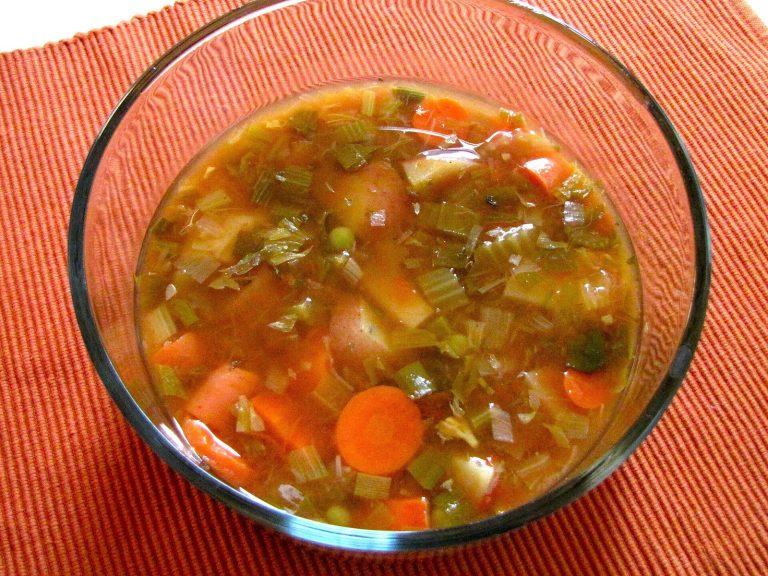
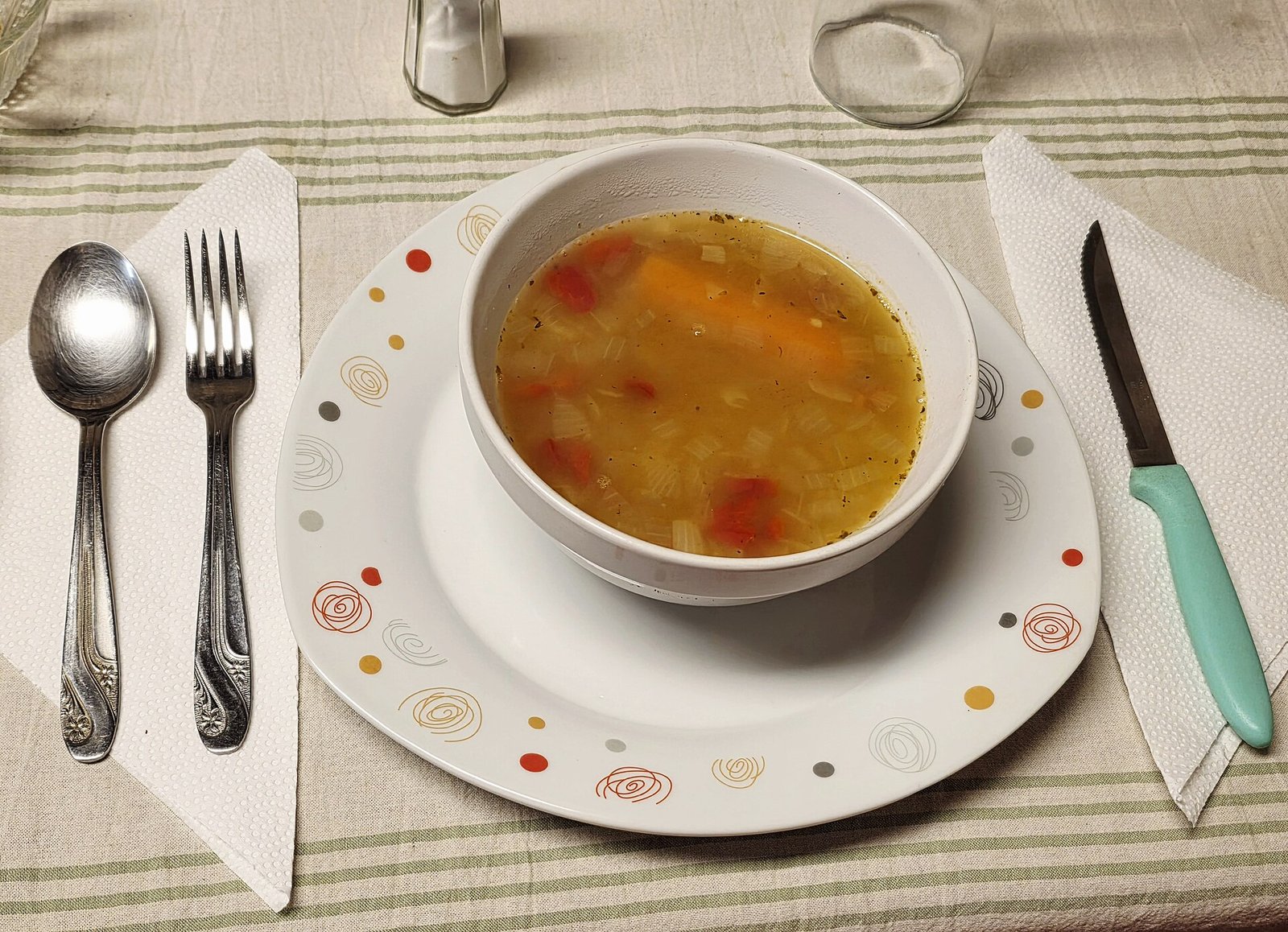
Water as default; oral rehydration products if advised; oats and rice; bananas and cooked carrots; eggs; lean chicken or fish; potatoes; lactose-free milk or fortified alternatives if needed; gluten-free staples only if celiac disease is confirmed; broth-based soups.
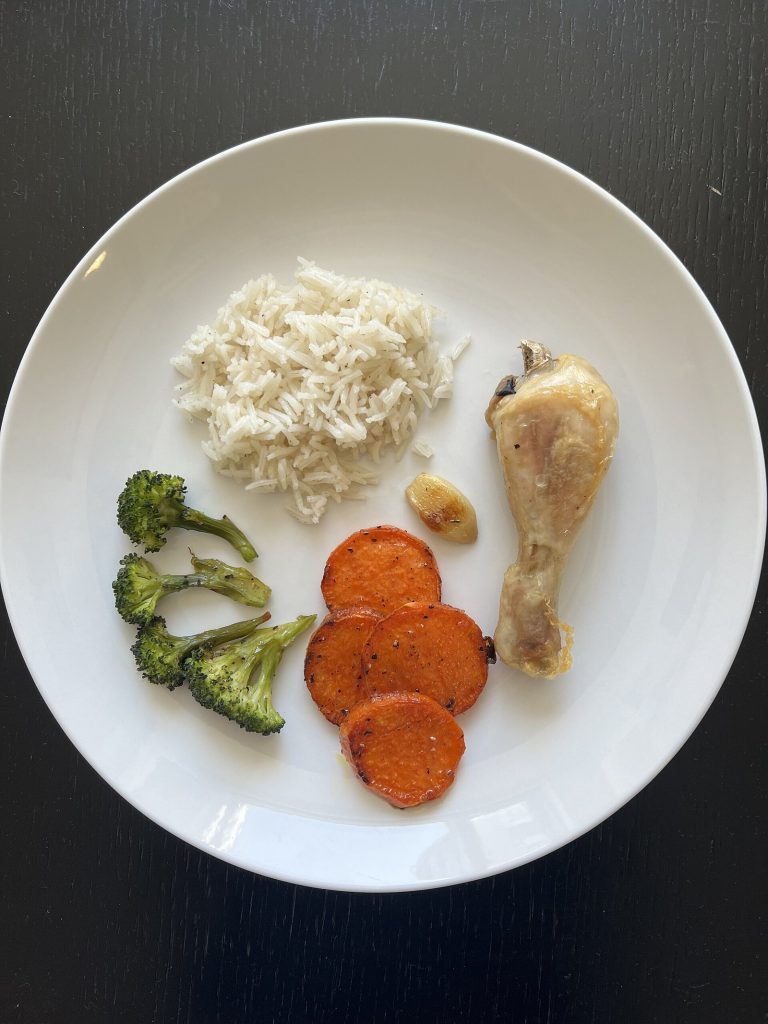
3. Default plate template (when appetite allows)
- – Half soft vegetables and fruit
- – Quarter easy starches
- – Quarter lean protein
- – Season mildly; separate fluids beside the plate rather than chugging large sugary beverages with meals
4. Sample day (illustrative)
- – Breakfast: oatmeal with banana; water or lactose-free milk if appropriate.
- – Lunch: chicken and rice soup; cooked carrots; water.
- – Snack: yogurt if tolerated, or lactose-free alternative; banana.
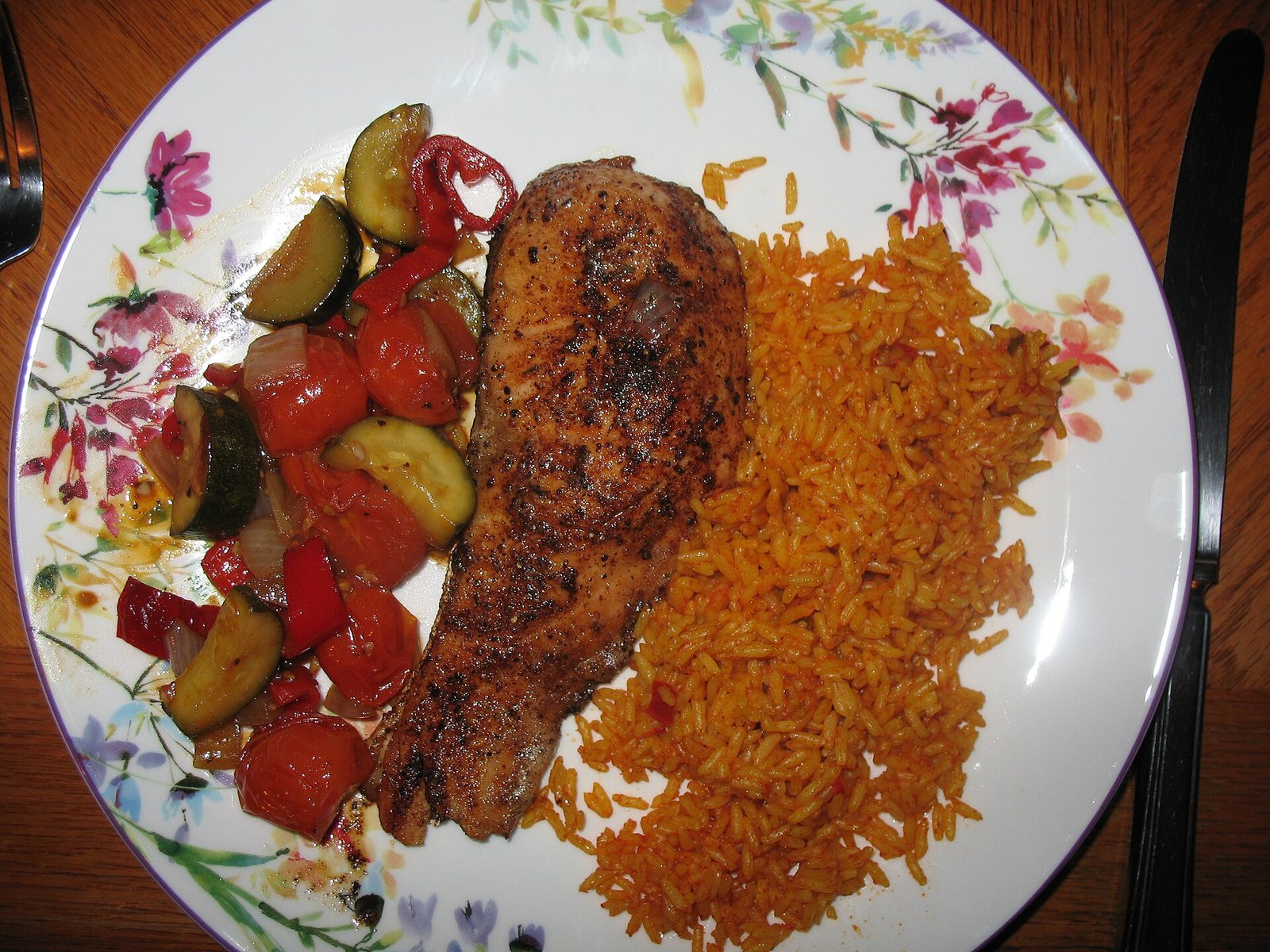
- – Dinner: baked fish or tofu, mashed potato, zucchini; herbal tea without excess caffeine.
- – Night: avoid large alcohol servings; note any nocturnal diarrhea for your clinician.
5. Travel and work tips
Map bathroom access on flare days; pack safe snacks; do not rely on “detox teas.” If incontinence is part of your picture, discuss practical supports with your care team—food alone will not solve urgency.
6. When other IBD or gut pages apply
Use this page for microscopic-colitis-bound framing. For ulcerative colitis or Crohn’s disease kitchen contexts, see ulcerative colitis diet guide and Crohn’s disease diet guide.
Safety, interactions, and who should ask a clinician first
- – Severe dehydration, dizziness, fainting, bloody stools, high fever, or sudden severe abdominal pain needs urgent care—not another grocery experiment.
- – Pregnant people, older adults, and anyone immunocompromised need individualized plans.
- – Do not stop budesonide, biologics, immunosuppressants, or other prescribed IBD medicines based on diet blogs.
- – Bile acid binders or antidiarrheals belong in clinician plans; they can interact with other medicines and nutrients.
- – Unintentional weight loss warrants medical review for complications or overlapping disease.
FAQ
Can a microscopic colitis diet heal the colon lining? No. NIDDK states scientists have not discovered dietary changes that heal microscopic colitis. Diet may help diarrhea comfort.
Should everyone go gluten-free? Only if you have celiac disease or another clinician-directed reason. NIDDK ties gluten limits to celiac overlap, not automatic microscopic colitis therapy.
Do I need to cut all dairy forever? NIDDK suggests limiting milk products if you have lactose intolerance. Tolerance varies; test with guidance rather than permanent extremes.
Will quitting smoking help more than cutting coffee? NIDDK includes quitting smoking among treatment recommendations when you smoke. Caffeine limits may help diarrhea for some people, but smoke cessation is a stronger public-health priority in this disease context.
Is microscopic colitis the same as ulcerative colitis? No. Both are IBD, but microscopic colitis is diagnosed microscopically, usually features watery nonbloody diarrhea, and per NIDDK does not increase colon cancer risk the way other IBDs can.
How this differs from related OTCFood topics
This page is a microscopic-colitis-bound diet guide focused on diarrhea comfort, NIDDK-aligned food limits, smoking cessation, and medicine adherence. It is not a ulcerative colitis or Crohn’s treatment plan and not a claim that kitchen changes replace gastroenterology care.
Medical disclaimer
Medical disclaimer: This article is for general information only. It is not medical advice, diagnosis, or a treatment plan. Microscopic colitis care depends on disease activity, medicines, overlapping conditions, and complications such as dehydration. Talk with a clinician or registered dietitian before starting, stopping, or changing any eating plan, supplement, or medicine. Seek urgent care for severe dehydration, bloody stools, high fever, or severe abdominal pain.