Autoimmune Hepatitis Diet: Foods That May Help and Foods to Limit
Medical note: This article discusses foods and researched botanicals. It does not claim to prevent, treat, or cure disease. Supplements are not a substitute for food, and studied amounts are not personal prescriptions.
People searching “autoimmune hepatitis diet foods that help or worsen” usually want kitchen habits that support overall nutrition and bone health while they take prescribed immune-suppressing medicines—not a claim that food stops the immune system from attacking the liver, or that “liver detox” teas replace hepatology care. NIDDK defines autoimmune hepatitis (AIH) as a chronic disease in which the immune system attacks the liver, causing inflammation and liver damage; without treatment it may progress toward complications such as cirrhosis.
What this autoimmune hepatitis diet guide covers (and what it does not)
This guide is for adults with clinician-diagnosed autoimmune hepatitis who want practical eating patterns alongside corticosteroids, other immunosuppressants when prescribed, lab monitoring, and hepatology follow-up. Anchors: NIDDK — Autoimmune hepatitis, NIDDK — Eating, diet, & nutrition for AIH, and ODS — Vitamin D.
NIDDK’s eating page states researchers have not found that eating, diet, and nutrition play a role in causing or preventing autoimmune hepatitis; people with AIH should eat a healthy, well-balanced diet, which remains important if cirrhosis develops. Long-term corticosteroids can lead to loss of bone density; doctors may recommend calcium and vitamin D supplements to help prevent osteoporosis—follow your clinician’s type and dose. Kitchen changes do not replace ALT/AST monitoring, medicine tapers, or transplant evaluation when needed. Related liver kitchen context: cirrhosis diet guide and NAFLD fatty liver diet guide (different diseases; overlapping “balanced plate” themes only).
Evidence snapshot: AIH diet claims vs public sources
| Claim people hope for | What public sources actually say | Confidence |
|---|---|---|
| “A special liver diet causes or prevents AIH” | NIDDK: researchers have not found diet causes or prevents AIH | Strong against causal diet myths |
| “Food replaces corticosteroids/immunosuppressants” | NIDDK: medicines that suppress the immune system are the usual treatment; labs guide response | Strong: medicines primary |
| “Herbal liver cleanses reverse AIH inflammation” | Not supported on NIDDK AIH diet pages; many herbals can harm the liver | Strong: avoid DIY detox claims |
| “Calcium/vitamin D foods cancel all steroid bone risk alone” | NIDDK: clinicians may recommend calcium and vitamin D supplements during steroid therapy; food helps but follow medical dosing | Moderate for food + prescribed plan |
| “If enzymes normalize, diet cured AIH” | NIDDK: falling ALT/AST can signal medicine response/remission; relapse monitoring continues | Strong: labs reflect medical therapy |
Foods and patterns that may help with AIH day to day
“May help” means supporting a balanced diet, bone-aware nutrition during steroid courses, and avoiding alcohol and risky herbals—not a promise that food induces remission.
A healthy, well-balanced pattern (NIDDK baseline)
- – Emphasize vegetables, fruits, whole grains, beans, nuts/seeds as appropriate, and lean proteins in portions that fit your labs and complications status.
- – If cirrhosis is present, follow cirrhosis-specific clinician/dietitian guidance—see cirrhosis diet guide—including any protein, sodium, or fluid instructions that differ from general healthy-eating slogans.
Calcium- and vitamin D–aware habits during steroid therapy
- – NIDDK links long-term corticosteroids with osteopenia/osteoporosis risk and notes possible calcium and vitamin D supplements.
- – Food sources: dairy or fortified alternatives, canned fish with bones, leafy greens for calcium (ODS calcium sheet); fortified milk, fatty fish, egg yolks, and fortified cereals for vitamin D (ODS vitamin D sheet).
- – Related pages: calcium deficiency diet guide, vitamin D deficiency diet guide, osteoporosis diet guide.
Protein adequacy unless restricted for a complication
- – Maintain steady protein across meals for overall nutrition unless your hepatology team has set limits for a specific complication.
- – Soft, easy meals help on fatigue days: eggs, yogurt, fish, tofu, lentils.
Alcohol avoidance as a liver-safety default
- – Even when public AIH pages emphasize medicines over special diets, alcohol is a direct hepatotoxin for many people with chronic liver disease—ask your clinician for a clear personal rule (often complete avoidance).
- – Skip “liver flush” alcohol-containing tonics marketed online.
Medicine-friendly meal timing
- – Take corticosteroids and immunosuppressants exactly as prescribed with food if directed; do not skip meals in ways that worsen steroid-related stomach upset without asking about protective strategies.
Foods and habits that often worsen AIH kitchen patterns
- – Alcohol when your clinician advises avoidance.
- – Unprescribed herbal “liver detox,” high-dose green tea extract, or multi-ingredient cleanses that can injure the liver.
- – Extreme raw-juice fasts that undercut protein and calcium during steroid months.
- – Self-stopping immunosuppressants because a blog promised food-induced remission.
- – Ignoring jaundice worsening, confusion, swelling of the abdomen, black stools, or vomiting blood—those are clinical emergencies.
- – Megadose vitamin A or unvetted supplement stacks without hepatology clearance.
“Limit” means reducing hepatotoxic and bone-neglecting habits—not forever banning favorite foods that fit a balanced pattern.
Practical kitchen protocol: an AIH diet week
1. Keep the medical spine first
Confirm medicine names/doses, lab schedule, vaccine and infection precautions your team mentions while immunosuppressed, and whether calcium/vitamin D supplements are prescribed. Put a pill-meal routine on your calendar.
2. Shopping list
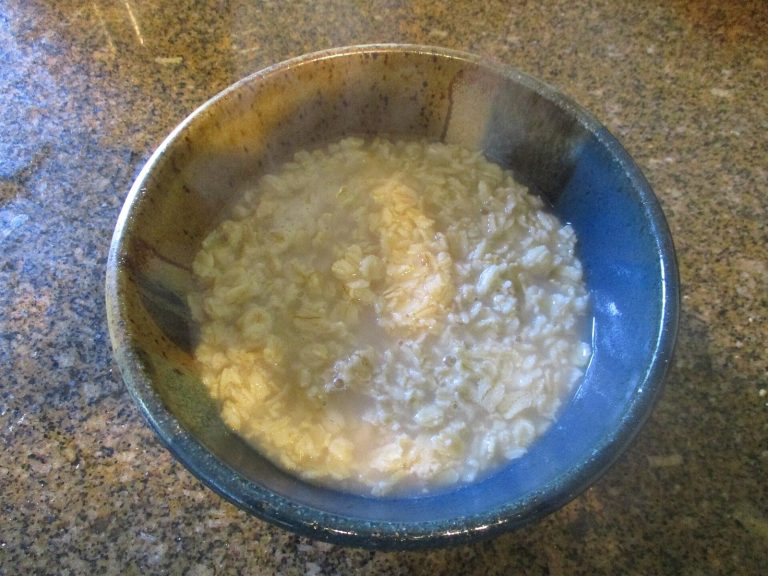
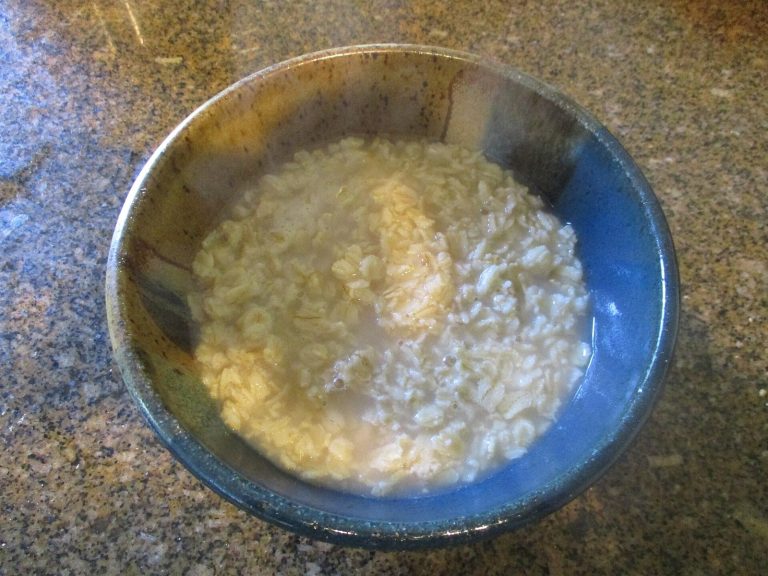
Milk/yogurt/fortified plant milks; leafy greens; canned salmon; eggs; tofu/beans; oats; colorful vegetables and fruit; olive oil; fatty fish if you eat it; whole grains; oral nutrition drinks only if a dietitian recommends them during poor appetite.
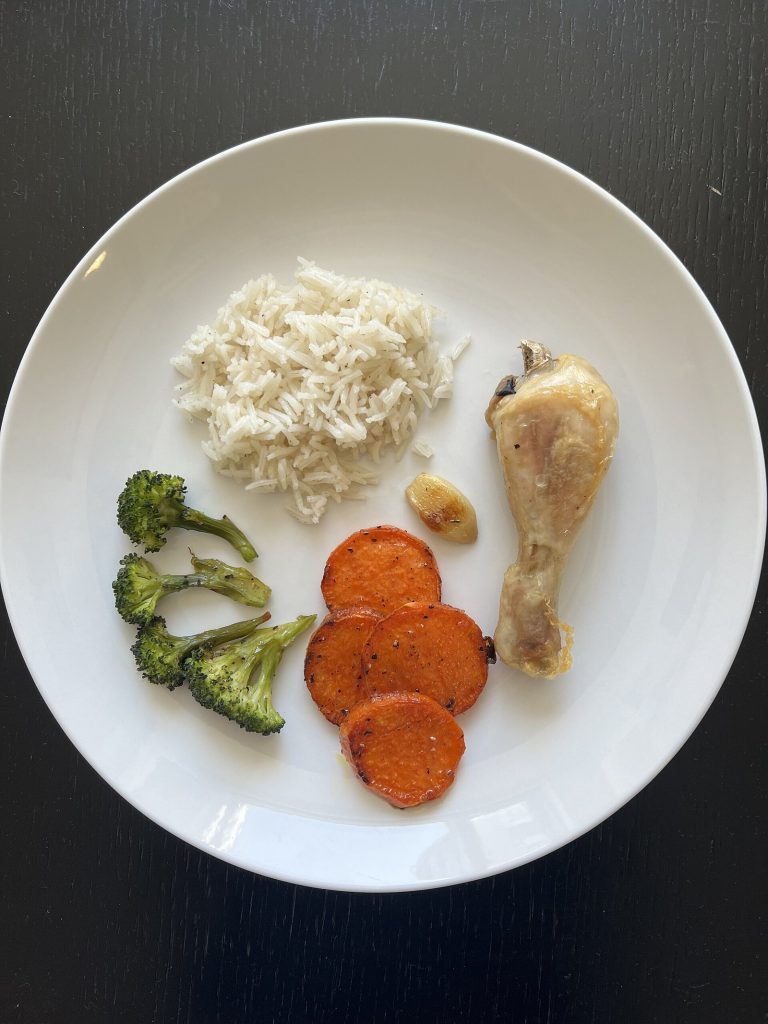
3. Default plate template
- – Half produce
- – Quarter protein
- – Quarter fiber-containing starch
- – Calcium-containing food at least twice daily unless contraindicated
- – Zero alcohol if that is your clinical plan
4. Sample day (illustrative)
- – Breakfast: fortified cereal with milk; berries; water.
- – Lunch: lentil and vegetable bowl; yogurt.
- – Snack: cheese or fortified soy yogurt; fruit.
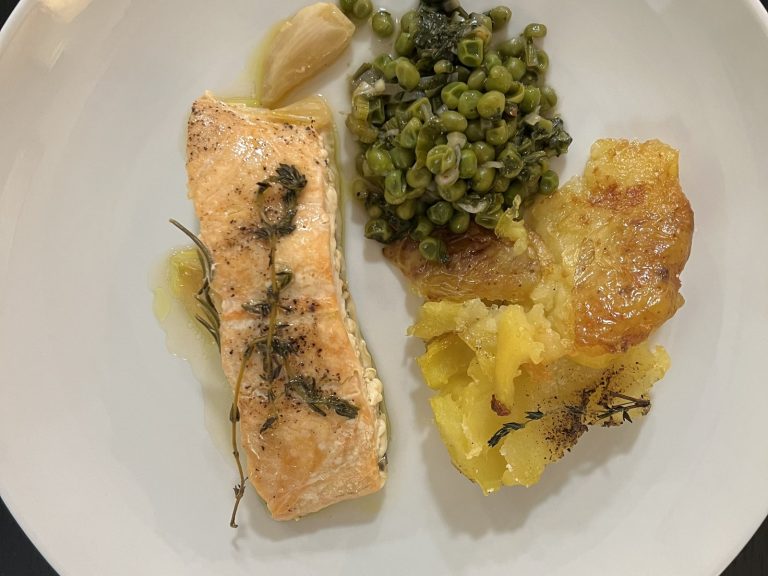
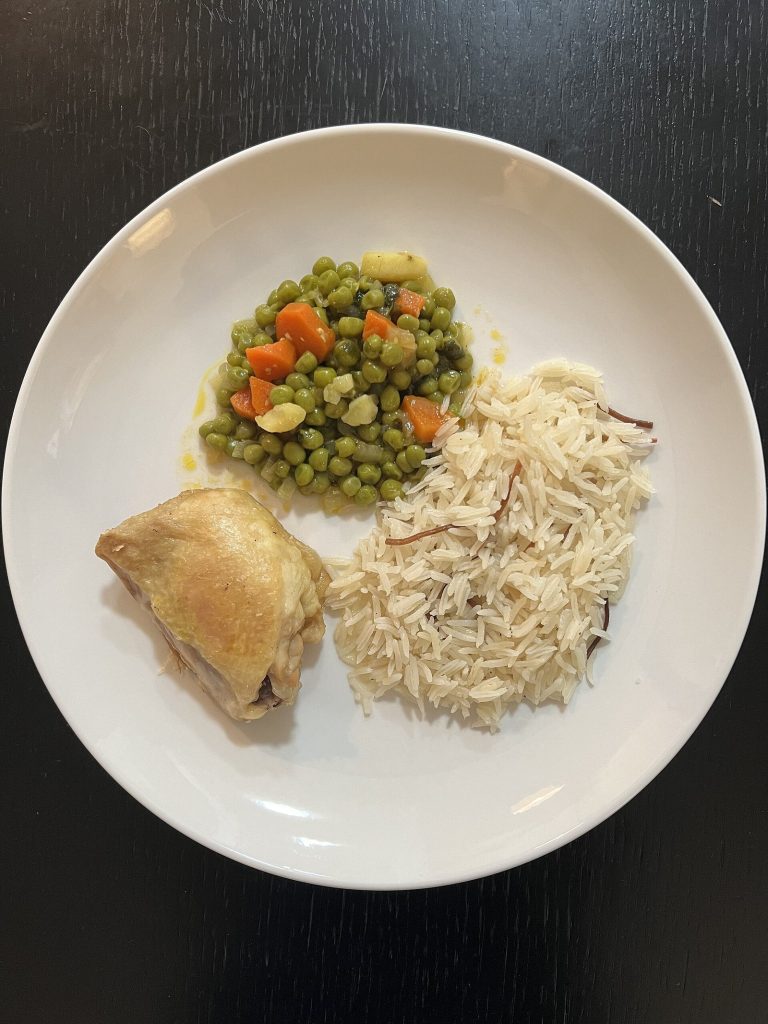
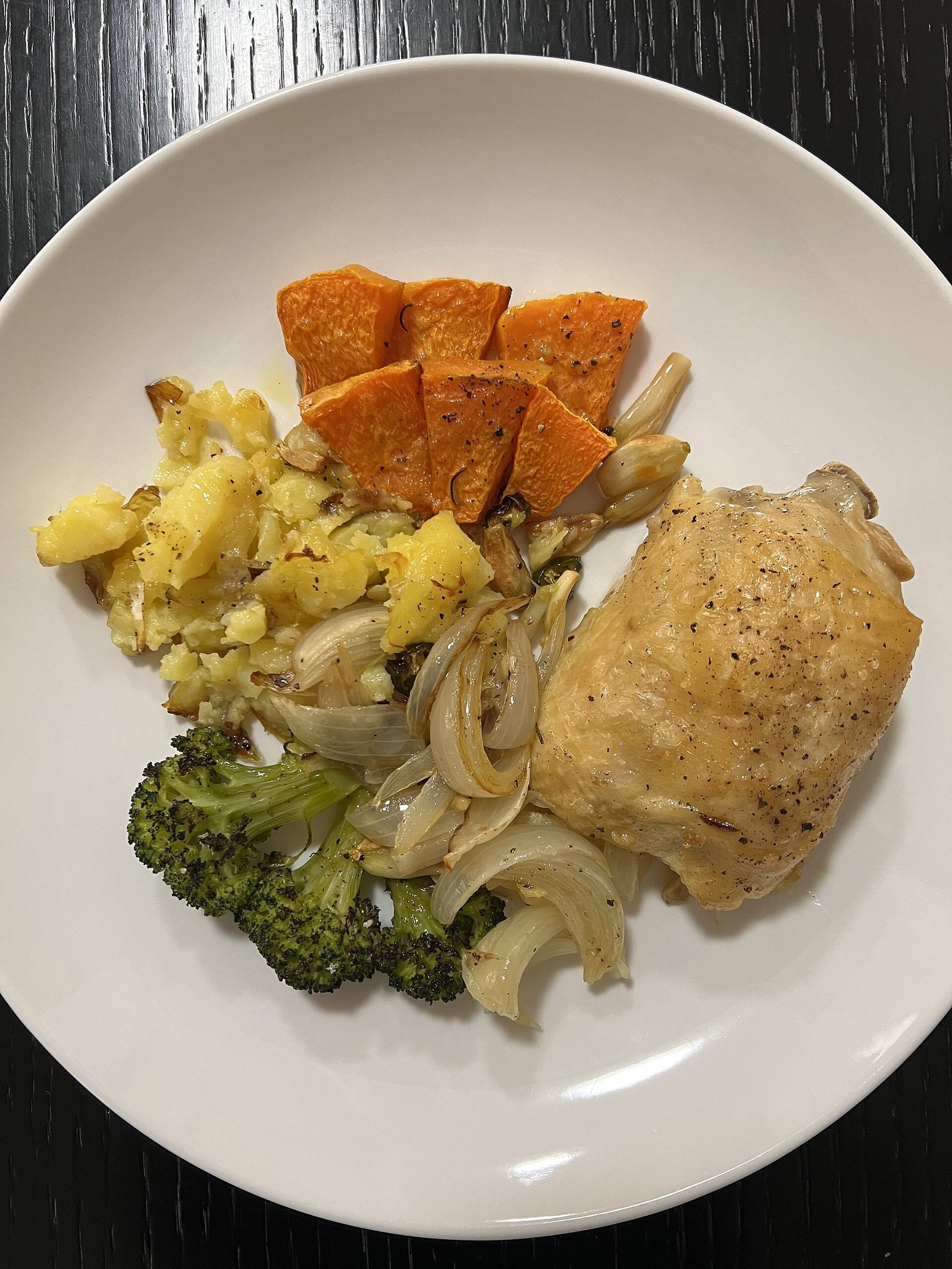
- – Dinner: baked salmon or tofu, rice, broccoli; milk if fitting.
- – Evening: take prescribed calcium/D only as directed—do not double up food plus pills beyond instructions.
5. Fatigue-day shortcuts
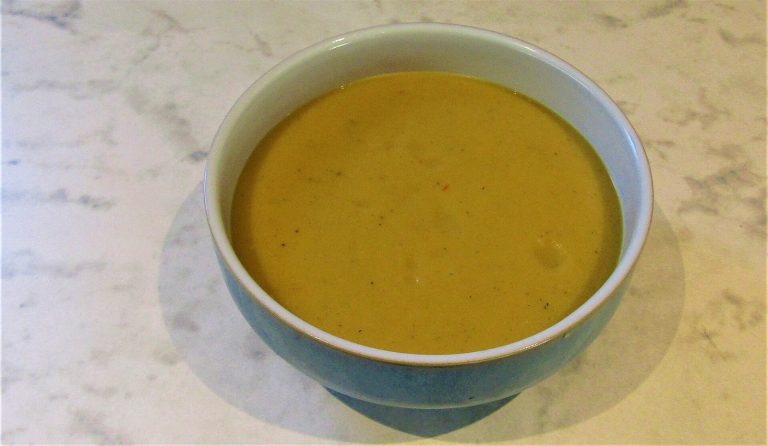
Batch soups; keep frozen vegetables; accept help with shopping; prioritize protein snacks over elaborate recipes.
6. If cirrhosis or transplant evaluation enters the picture
Shift to specialty diet teaching from your hepatology/dietitian team; general AIH “balanced diet” language becomes more specific (sodium, protein timing, texture). Use cirrhosis diet guide as adjacent reading only.
Safety, interactions, and who should ask a clinician first
- – Kidney stones, high blood calcium, or granulomatous disease: do not self-add high-dose vitamin D/calcium.
- – Diabetes on steroids: coordinate carbohydrate distribution with glucose monitoring.
- – Other autoimmune conditions sharing kitchen concerns: treat each diagnosis with its own clinical plan—AIH medicines remain liver-specific.
- – Pregnancy planning while on immunosuppressants: specialist counseling before diet-only experiments.
- – Signs of liver failure or GI bleeding: emergency care, not kitchen changes.
- – Grapefruit or other food-drug interactions: ask your pharmacist about your specific immunosuppressant.
FAQ
Can diet cause or prevent autoimmune hepatitis? NIDDK states researchers have not found that eating, diet, and nutrition play a role in causing or preventing AIH. Focus on balanced eating and medicine adherence.
Do I need a “liver cleanse”? No. NIDDK AIH nutrition guidance points to a healthy diet and bone-supportive calcium/vitamin D when steroids are used—not herbal detox protocols.
Why calcium and vitamin D? Long-term corticosteroids can reduce bone density. NIDDK notes doctors may recommend calcium and vitamin D supplements; ODS fact sheets explain food sources and general needs. Follow your prescribed doses.
If my ALT and AST normalize, can I eat anything and stop medicines? Remission is a medical state defined with labs and clinician judgment. NIDDK describes careful dose reduction and monitoring for relapse—do not self-discontinue therapy based on appetite alone.
Is AIH diet the same as NAFLD diet? No. NAFLD pages often emphasize weight and metabolic patterns (NAFLD fatty liver diet guide); AIH care centers immunosuppression. Both value overall healthy eating and alcohol caution when advised.
How this differs from related OTCFood topics
This page is an autoimmune-hepatitis-bound diet guide emphasizing NIDDK’s “no causal diet” message, balanced plates, steroid-era bone nutrition, and avoiding hepatotoxic DIY remedies. It is not a transplant nutrition manual, not a viral hepatitis protocol, and not a substitute for hepatology medicines.
Medical disclaimer
Medical disclaimer: This article is for general information only. It is not medical advice, diagnosis, or a treatment plan. Autoimmune hepatitis care depends on biopsy and serology findings, medicine response, complications such as cirrhosis, and your hepatology team’s protocol. Talk with a clinician or registered dietitian before starting, stopping, or changing any eating plan, supplement, or medicine. Seek urgent care for confusion, severe abdominal swelling, vomiting blood, black stools, yellowing that worsens suddenly, or trouble breathing.