Hepatitis B Diet: Foods That May Help and Foods to Limit
Medical note: This article discusses foods and researched botanicals. It does not claim to prevent, treat, or cure disease. Supplements are not a substitute for food, and studied amounts are not personal prescriptions.
People searching “hepatitis B diet foods that help or worsen” usually want liver-aware eating while medical care addresses the virus—not a claim that food clears hepatitis B, replaces antivirals when prescribed, or “detoxes” the liver. MedlinePlus defines hepatitis as liver inflammation and explains that hepatitis B is a viral infection that can be acute or chronic. CDC describes hepatitis B as a vaccine-preventable liver infection spread through infected blood and body fluids, with acute illness lasting weeks to months and chronic infection that can lead to serious liver problems if untreated. NIDDK states hepatitis B causes liver inflammation and damage and answers “What should I eat and drink if I have hepatitis B?” with healthy foods and drinks, weight awareness because obesity can add NAFLD/MASLD risk on top of hepatitis B, and avoiding alcohol because it can cause more liver damage. Kitchen habits may help protect the liver from extra injury; they do not eradicate HBV.
What this hepatitis B diet guide covers (and what it does not)
This guide is for adults with clinician-recognized acute or chronic hepatitis B who want practical food and alcohol guidance. Anchors: MedlinePlus — Hepatitis B, CDC — Hepatitis B Basics, and NIDDK — Hepatitis B.
CDC estimates about 640,000 adults in the U.S. have chronic hepatitis B and notes about 1 in 2 people with hepatitis B do not know they are infected—screening and medical follow-up matter more than any “liver cleanse” menu. Related reading: hepatitis C diet guide, NAFLD fatty liver diet guide, autoimmune hepatitis diet guide, and diet after liver transplant guide.
Evidence snapshot: hepatitis B diet claims vs public sources
| Claim people hope for | What public sources actually say | Confidence |
|---|---|---|
| “A liver cleanse diet cures hepatitis B” | Public pages describe vaccine prevention, monitoring, and medical treatment—not food cures | Strong against cure claims |
| “Healthy eating and weight care may reduce extra liver stress” | NIDDK: choose healthy foods/drinks; obesity can increase NAFLD/MASLD risk that can increase liver damage in people with hepatitis B | Moderate for supportive nutrition |
| “Alcohol is optional if labs look okay” | NIDDK: avoid drinking alcohol because it can cause more liver damage | Strong alcohol avoidance message |
| “Diet replaces antiviral therapy” | MedlinePlus/CDC/NIDDK frame care around diagnosis, monitoring, and clinician-directed treatment for chronic disease | Strong against diet-as-antiviral |
| “Supplements are automatically liver-safe” | Not supported as a general rule; many products can harm the liver—ask a clinician/pharmacist | Strong caution (ask first) |
Foods and patterns that may help with hepatitis B nutrition support
“May help” means supporting overall health and limiting additional liver injury—not clearing the virus.
NIDDK’s core eating message
- – Choose healthy foods and drinks
- – Talk with your doctor about healthy eating and maintaining a healthy weight
- – Avoid alcohol
Practical patterns clinicians often encourage for general liver health (supportive, not curative)
- – Regular meals built from vegetables, fruits, whole grains, beans, and lean proteins you tolerate
- – Adequate protein if your clinician has not restricted it for advanced liver disease complications
- – Steady hydration with non-alcoholic fluids unless you were given fluid limits for another condition
- – Weight management that is gradual if overweight—coordinate with your clinician because NAFLD/MASLD can add damage risk (NIDDK)
Vaccination and household safety are not “diet,” but they belong in the same care conversation
MedlinePlus and CDC emphasize vaccination to prevent infection and steps to avoid spreading HBV through blood and body fluids. Food handling for hepatitis B is not the fecal–oral story of hepatitis A; still practice ordinary kitchen hygiene.
Foods and habits that often worsen liver stress with hepatitis B
- – Alcohol—NIDDK’s direct instruction is to avoid it because of additional liver damage.
- – Unsupervised weight-loss supplements, “detox teas,” and multi-ingredient herb blends that can injure the liver—verify every product with your clinician.
- – Highly ultra-processed, sugar-heavy patterns that drive weight gain when excess weight is contributing to fatty liver overlap (NIDDK NAFLD/MASLD caution).
- – Ignoring medicine and monitoring plans while chasing juice fasts—chronic HBV needs clinical follow-up (CDC/MedlinePlus).
- – Sharing razors, toothbrushes, or needles—not a food issue, but CDC risk lists matter more than kale quantity for transmission prevention.
“Limit” means removing alcohol and risky supplements first—not a permanent fear of flavorful food.
Practical kitchen protocol: a hepatitis B–aware week
1. Confirm your clinical plan
Ask whether you need antivirals, how often to check viral load and liver tests, and whether you have fibrosis/cirrhosis that changes protein, sodium, or fluid guidance.
2. Shopping list for supportive plates
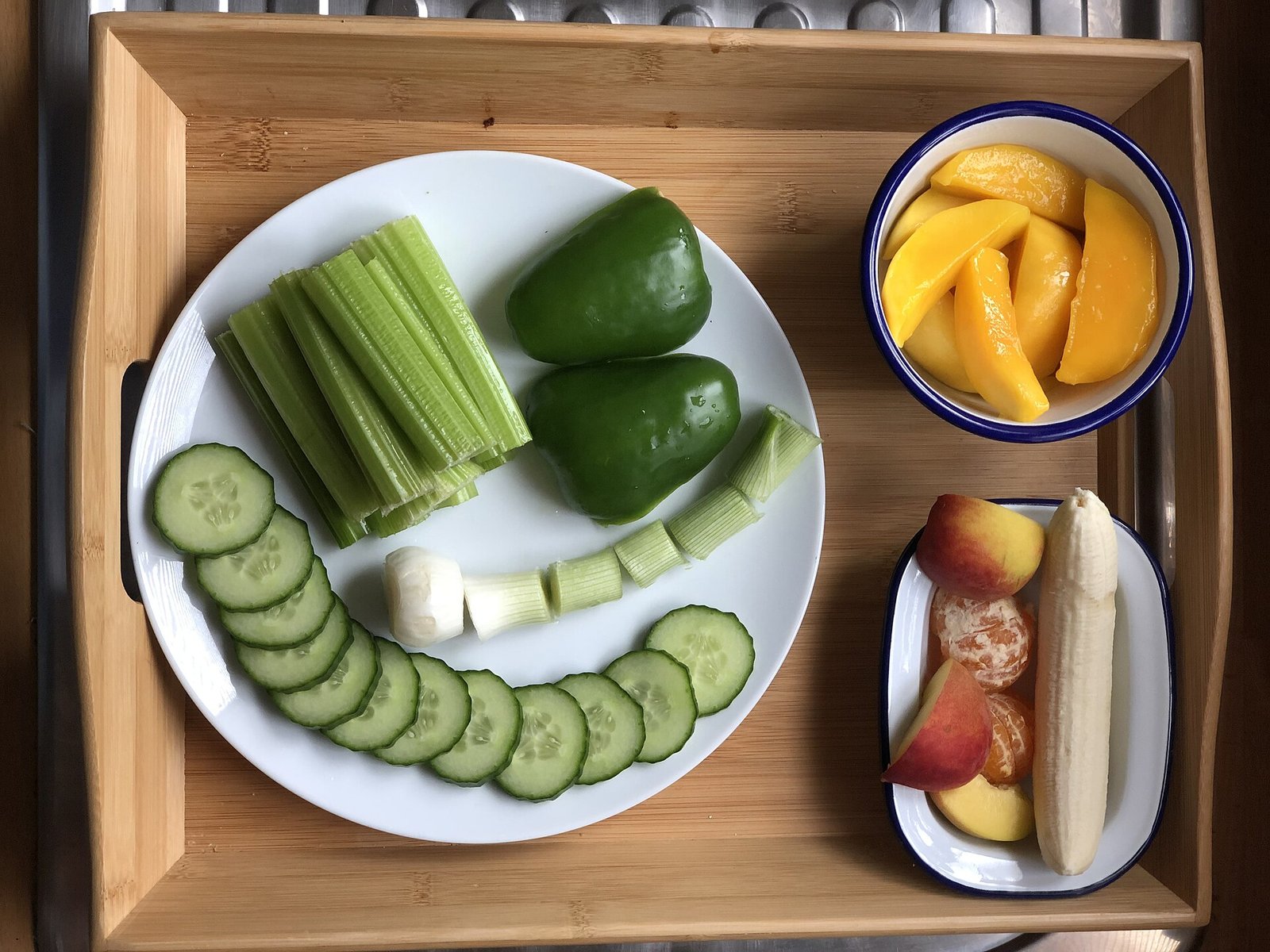
Leafy greens, mixed vegetables, fruit, oats, brown rice, beans, lentils, fish, eggs, skinless poultry, yogurt or fortified alternatives, olive oil in modest amounts, herbs/spices, and alcohol-free drinks.
3. Default plate template
- – Half vegetables
- – Quarter lean protein
- – Quarter whole grains or starchy vegetables
- – Zero alcohol
- – Skip “liver detox” megadoses
4. Sample day (illustrative)
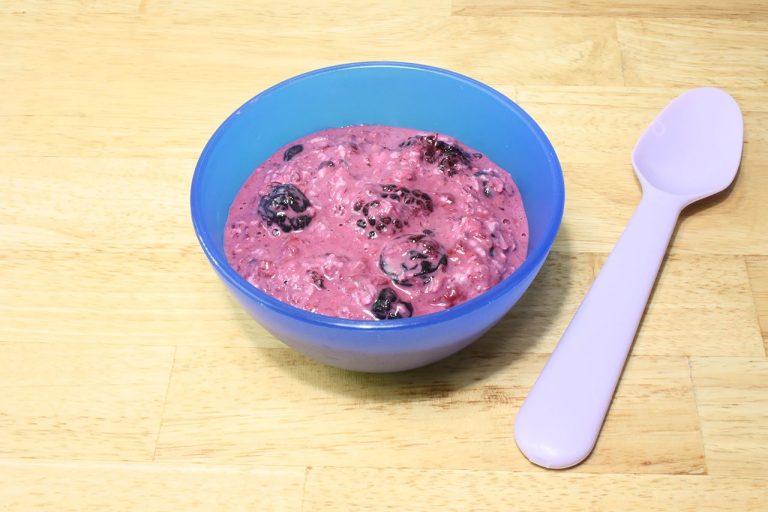
- – Breakfast: oatmeal with fruit.
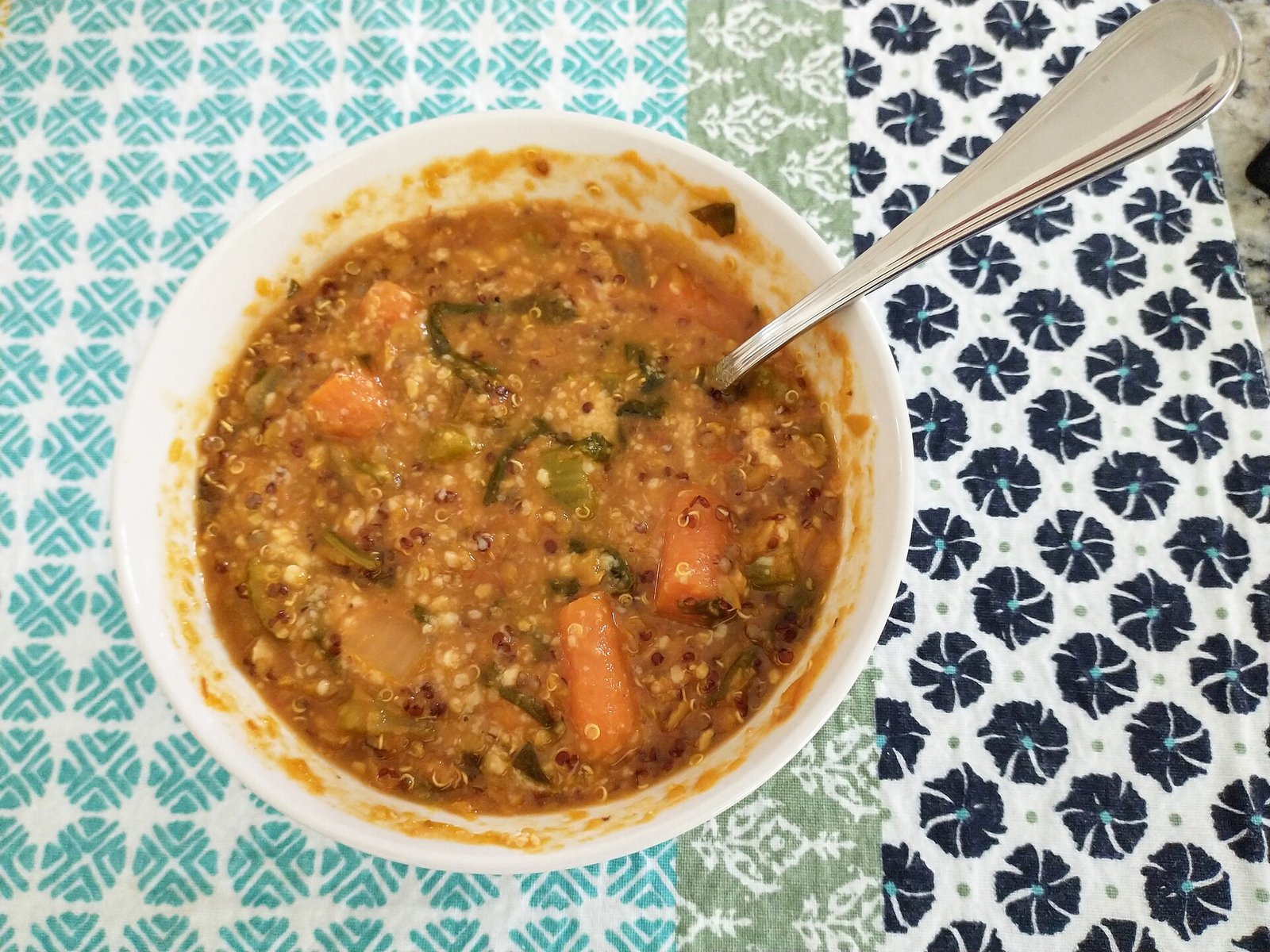
- – Lunch: lentil soup and a vegetable side.
- – Snack: yogurt or fruit.
- – Dinner: baked fish, brown rice, cooked greens.
- – Evening: herbal tea or water—not beer, wine, or spirits.
5. If fatty liver is also present
Prioritize clinician-guided weight and metabolic care; see NAFLD fatty liver diet guide.
6. If you also have hepatitis C or HIV
Co-infection changes monitoring and medicines—use specialist guidance; food still cannot replace antivirals. See hepatitis C diet guide for HCV-specific diet context.
Day-to-day energy when appetite is low
Acute hepatitis B can leave adults feeling fatigued or nauseated (MedlinePlus notes many people have few symptoms, but others feel unwell). If appetite drops, use smaller frequent meals: toast or rice, bananas or applesauce, eggs or yogurt if tolerated, and broth-based soups—still skipping alcohol. Return toward a fuller balanced plate as nausea settles and your clinician confirms labs are being monitored.
Household kitchen practicalities (transmission vs food myths)
Hepatitis B spreads through blood and body fluids (CDC/MedlinePlus), not through casual sharing of serving spoons the way some people imagine. Still: do not share razors, nail clippers, or toothbrushes; cover cuts; and follow clinician advice about partners and household vaccination. Keep the focus on alcohol-free, weight-aware eating rather than extreme “antiviral juices.”
Safety, interactions, and who should ask a clinician first
- – New jaundice, swelling of legs/abdomen, confusion, vomiting blood, or black stools: urgent care.
- – Pregnancy and hepatitis B: obstetric and liver specialists guide care; nutrition still alcohol-free.
- – Cirrhosis or portal hypertension: you may need sodium, protein, or fluid instructions that differ from generic “healthy eating.”
- – Cancer chemotherapy or immune-suppressing drugs: NIDDK notes research interest in preventing hepatitis B reactivation—tell every clinician you have HBV.
- – Do not start iron, vitamin A megadoses, or herbal blends without checking liver safety.
FAQ
Will a special diet cure hepatitis B? No. Public health pages focus on vaccination, monitoring, and medical treatment—not food cures.
Why is alcohol singled out? NIDDK: alcohol can cause more liver damage in people with hepatitis B.
Do I need a low-protein diet? Only if your clinician prescribes it for complications of advanced liver disease. Many people without those complications keep normal protein foods.
Can I take milk thistle or detox teas? Ask first. “Natural” products can still harm the liver or interact with medicines.
Does healthy weight really matter with HBV? NIDDK: obesity can increase NAFLD/MASLD risk, which can increase liver damage in people who have hepatitis B.
Is hepatitis B spread by sharing food? CDC frames spread through blood and body fluids, not casual food sharing like hepatitis A pathways—but never share razors, needles, or blood-contaminated items.
How this differs from related OTCFood topics
This page is a hepatitis B–bound diet guide focused on alcohol avoidance, healthy-weight support against NAFLD overlap, and rejecting detox-cure marketing. It is not an antiviral protocol, not a cirrhosis diet manual, and not a transplant nutrition plan (see diet after liver transplant guide if that applies).
Medical disclaimer
Medical disclaimer: This article is for general information only. It is not medical advice, diagnosis, or a treatment plan. Hepatitis B care depends on viral status, liver damage, medicines, pregnancy plans, and your clinician’s judgment. Talk with a clinician or registered dietitian before changing eating plans, supplements, or medicines. Seek urgent care for confusion, vomiting blood, black stools, severe abdominal swelling, or sudden jaundice with severe illness.