Epilepsy Diet: Foods That May Help and Foods to Limit
Medical note: This article discusses foods and researched botanicals. It does not claim to prevent, treat, or cure disease. Supplements are not a substitute for food, and studied amounts are not personal prescriptions.
People searching “epilepsy diet foods that help or worsen” usually want practical meal habits that may support seizure management alongside prescribed care—not a claim that food cures epilepsy, stops every seizure, or replaces antiseizure medicine. MedlinePlus describes epilepsy as a brain disorder that causes recurring seizures when clusters of nerve cells send the wrong signals, and it states there is no cure, though medicines can control seizures for most people. When medicines are not working well, MedlinePlus notes that surgery or implanted devices such as vagus nerve stimulators may help, and that special diets can help some children with epilepsy. CDC estimates about 2.9 million U.S. adults had active epilepsy in 2021. Kitchen changes may help reduce some reported triggers; they do not replace a neurologist’s plan.
What this epilepsy diet guide covers (and what it does not)
This guide is for people with clinician-recognized epilepsy who want meal-regularity, hydration, alcohol, and medically supervised diet information. Anchors: MedlinePlus — Epilepsy, CDC — Epilepsy Basics, CDC — Treatment of Epilepsy, and NINDS — Epilepsy and Seizures. Ketogenic-diet details below come from those NINDS and CDC pages (the older MedlinePlus encyclopedia page 007088 was not available).
This is not first-aid advice or permission to start a strict ketogenic diet on your own. CDC says medicines work for about 2 in 3 people with epilepsy, and that other options include surgery, seizure devices, and a special diet. Related reading: migraine diet guide, insomnia diet guide, sleep apnea diet guide, and stroke recovery diet guide.
Evidence snapshot: epilepsy diet claims vs public sources
| Claim people hope for | What public sources actually say | Confidence |
|---|---|---|
| “One everyday diet cures epilepsy” | MedlinePlus: there is no cure for epilepsy; medicines can control seizures for most people | Strong against food-as-cure |
| “A homemade keto diet is a safe DIY replacement for medicine” | CDC: the ketogenic diet is a strict high-fat, low-carbohydrate diet, typically used in children whose seizures will not stop, prescribed by a clinician and monitored by a dietitian | Strong that medical supervision is required |
| “Special diets never matter” | MedlinePlus: special diets can help some children with epilepsy. NINDS: a ketogenic diet is sometimes used for medication-resistant epilepsies and can reduce seizures for some people, especially children | Moderate that supervised dietary therapy may help selected people |
| “Skipping meals or drinking alcohol will not affect seizures” | NINDS lists seizure triggers that can provoke seizures in people who are susceptible, including drinking alcohol or alcohol withdrawal, dehydration or missing meals, sleep deprivation, and stress | Strong that those triggers are publicly listed |
| “If medicine is prescribed, food habits no longer matter” | CDC: taking medicine as prescribed is the most important thing you can do to prevent seizures. NINDS still flags dehydration, missed meals, alcohol, and poor sleep as triggers | Strong that medicine comes first and meal habits still matter |
Foods and patterns that may help with epilepsy meal planning
“May help” here means supporting regular meals, hydration, and—only when a clinician prescribes it—medically supervised dietary therapy. It is not a guarantee of fewer seizures.
Everyday plates that support regularity
NINDS lists dehydration or missing meals as seizure triggers. A practical pattern many epilepsy teams encourage is simply not running on empty:
- – Regular meals and snacks so long gaps without food are uncommon
- – Steady non-alcoholic fluids across the day, especially in heat or after activity
- – Balanced plates with a protein source, a carbohydrate you tolerate, and vegetables or fruit so energy is less boom-and-bust
- – Enough total food if antiseizure medicines upset your appetite—ask your clinician before using any supplement to “make up for” missed meals
When a clinician discusses ketogenic dietary therapy
NINDS describes a high-fat, high-protein, very low-carbohydrate ketogenic diet that induces ketosis, meaning the body shifts toward breaking down fats instead of carbohydrates. The diet can be hard to maintain, and one side effect is a buildup of uric acid in the blood, which can lead to kidney stones. CDC adds that it is typically used in children whose seizures will not stop and that it is prescribed and dietitian-monitored. If your team recommends this path, expect carefully measured foods, ask how carbohydrate-containing medicines will be handled, and plan nutrition follow-up rather than copying a social-media template.
Sleep, stress, and the kitchen
NINDS reports that sleep disorders are common among people with epilepsy and that sleep deprivation is a powerful seizure trigger. It recommends consistent bed and wake times and avoiding big meals within a few hours of bedtime. Stress is the most commonly reported seizure trigger in surveys NINDS cites. See insomnia diet guide if evenings are the weak point.
Foods and habits that often worsen seizure risk or make daily management harder
- – Alcohol and alcohol withdrawal. NINDS lists both among seizure triggers, which is why many clinicians ask people with epilepsy to limit or avoid alcohol.
- – Missing meals or becoming dehydrated. Same NINDS trigger list. Long workdays without lunch, heavy sweating without fluids, or “saving calories” by skipping breakfast can work against seizure stability.
- – Sleep disruption from late caffeine, huge late dinners, or untreated sleep apnea. NINDS flags sleep deprivation; overlapping sleep-breathing problems are covered in sleep apnea diet guide.
- – Starting a strict high-fat, very low-carbohydrate diet without an epilepsy team. CDC and NINDS both frame ketogenic therapy as prescribed and monitored. Unsupervised versions can miss nutrients and raise kidney-stone concerns NINDS describes.
- – Stopping antiseizure medicine because you changed your diet. CDC says you should not skip or stop seizure medicine without talking to your provider; suddenly stopping might cause withdrawal symptoms, including life-threatening seizures.
- – Ignoring a new seizure pattern. CDC says if seizures continue while taking medicine, tell your health care provider right away.
“Limit” means reducing listed triggers and unsafe DIY diets—not a lifelong ban on every enjoyable food for every person with epilepsy.
Practical kitchen protocol: an epilepsy-aware week
1. Keep medicine first, food second
CDC states that taking your medicine as prescribed is the most important thing you can do to prevent seizures. Pair doses with food only if your clinician said that helps tolerance, and never let a kitchen change become a reason to miss a dose.
2. Build a “no-skipped-meal” shopping list
Keep easy foods on hand: eggs, yogurt, oats, rice, potatoes, bread, canned beans, frozen vegetables, fruit, a nut or seed butter if safe for you, and bottled water. The goal is something you can assemble quickly after a short night.
3. Default plate template
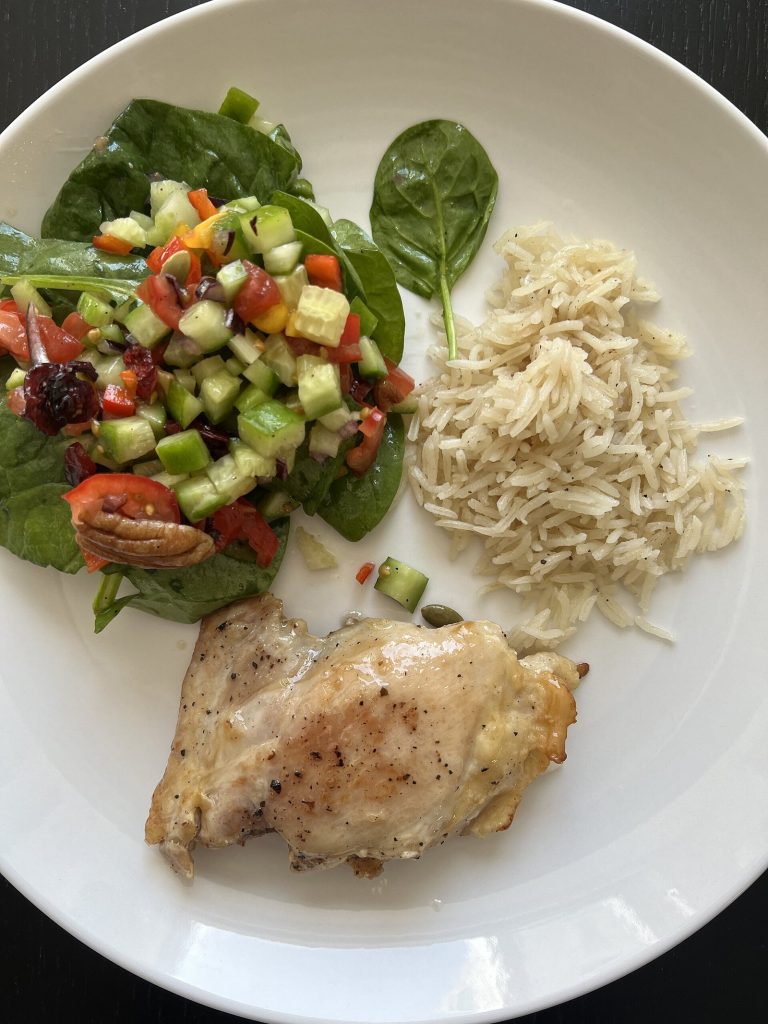
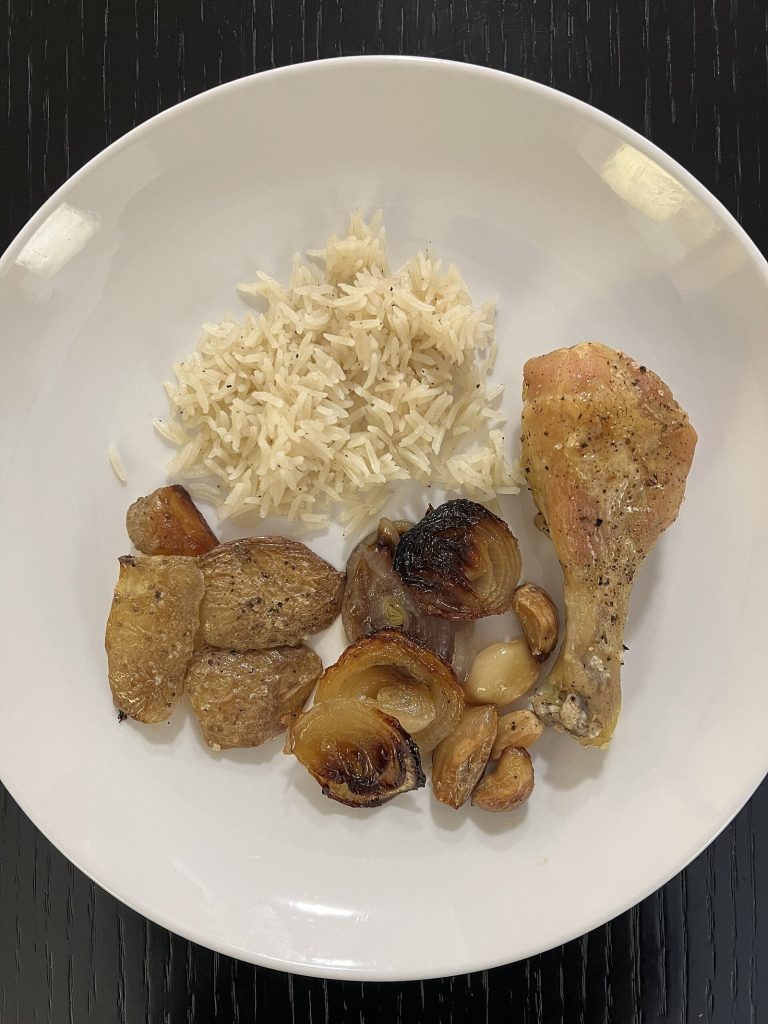
- – One quarter lean protein (eggs, fish, poultry, beans, tofu)
- – One quarter familiar starch (rice, potato, oats, whole-grain bread)
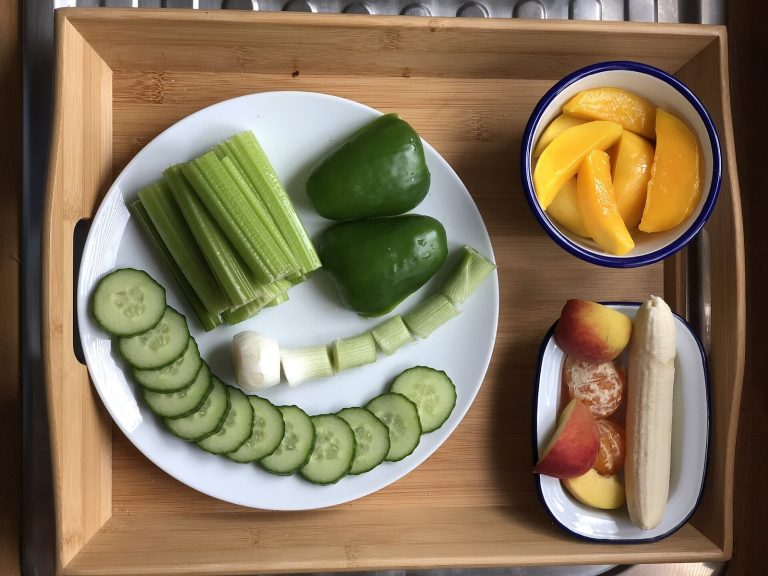
- – Half vegetables or fruit
- – Water or another non-alcoholic drink
- – If a ketogenic plan was prescribed, follow that calculated plan instead of this general template
4. Sample day (illustrative, not a ketogenic prescription)
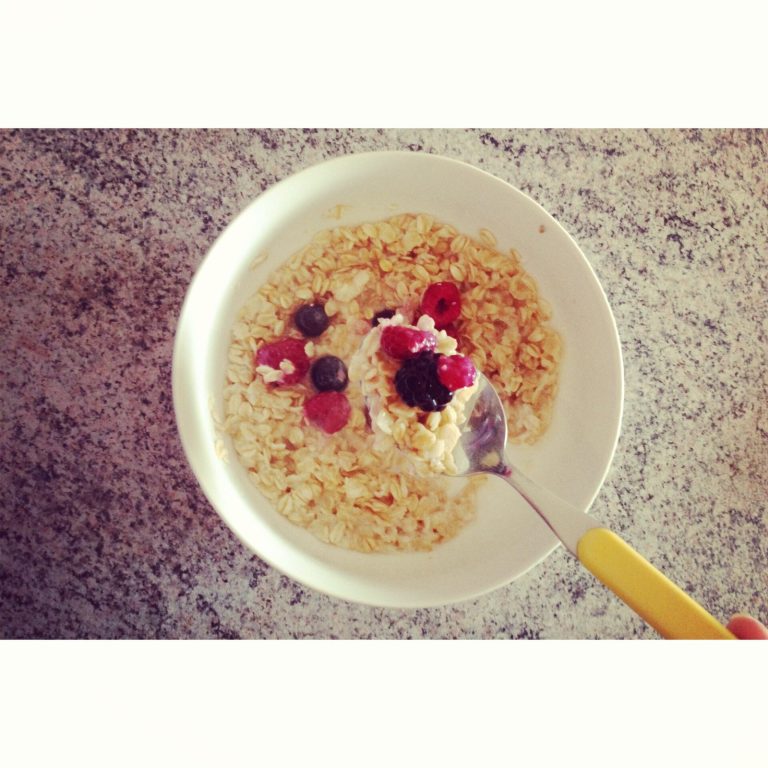
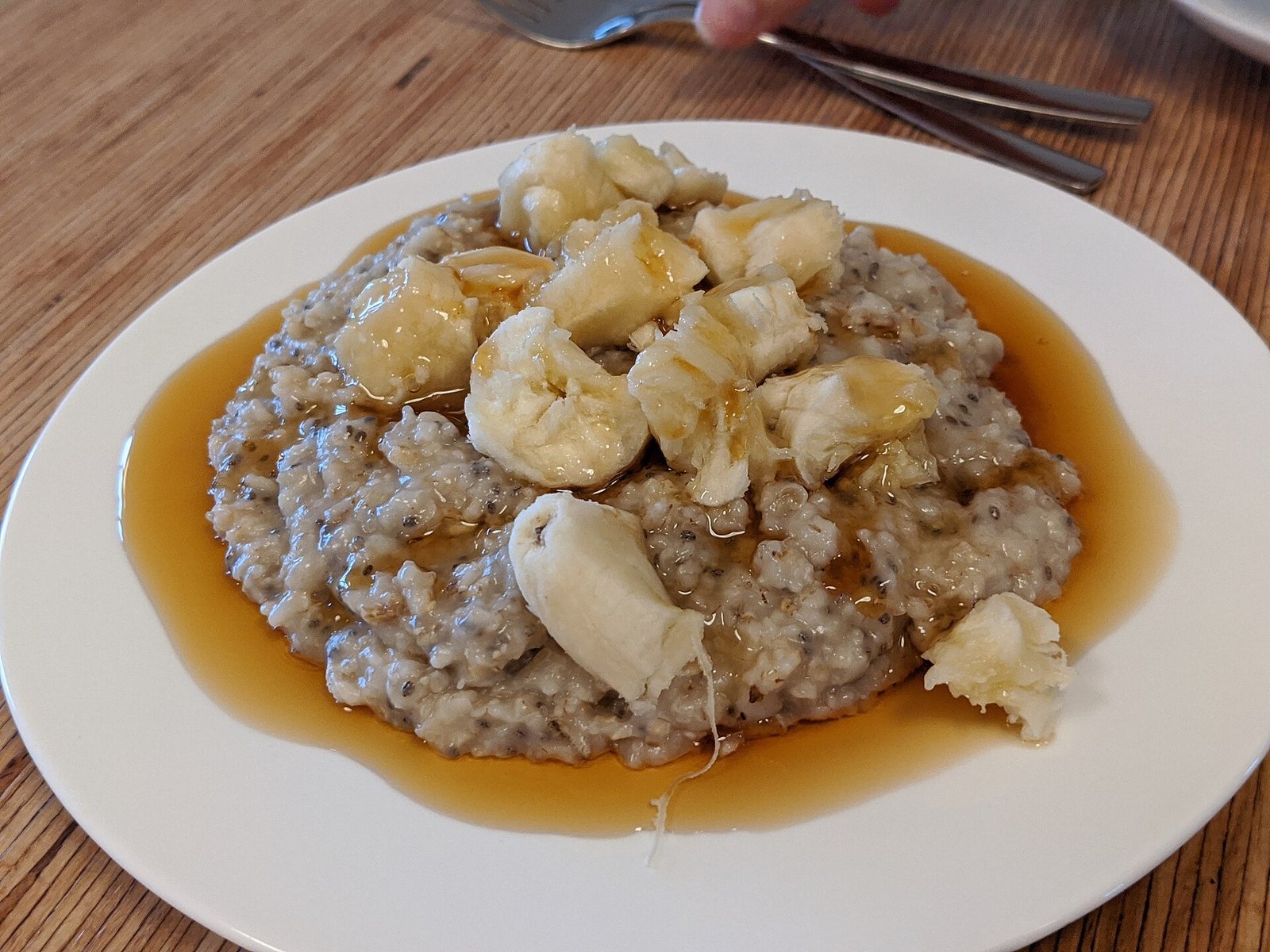
- – Breakfast: oatmeal with milk or a fortified soy drink and banana; morning medicine with the meal if instructed
- – Lunch: rice bowl with chicken or beans, cooked vegetables, and fruit
- – Afternoon snack: yogurt and a handful of nuts, or cheese and crackers, so you do not arrive home empty
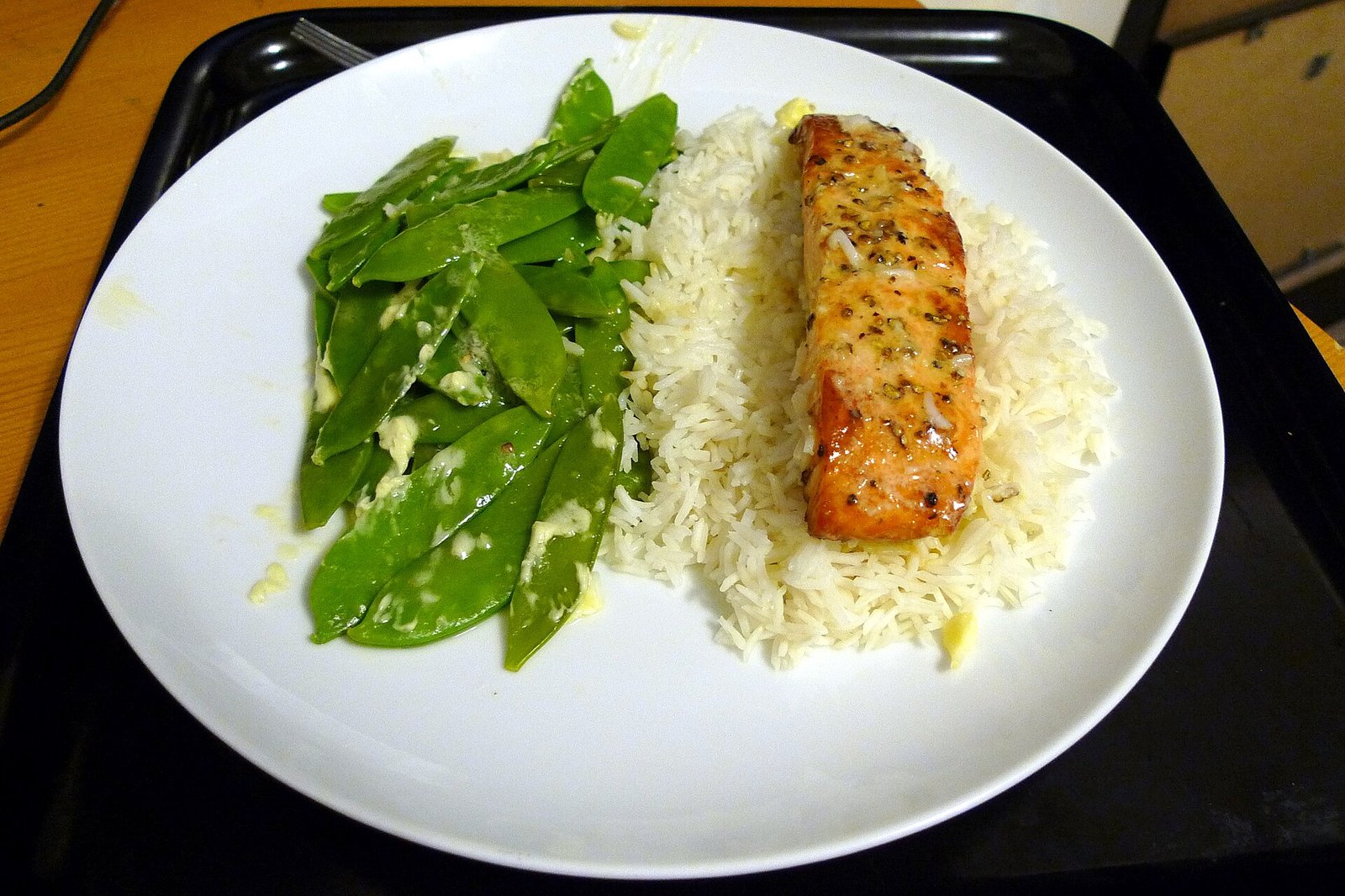
- – Dinner: baked fish or tofu, potatoes, and a salad or cooked greens, finished at least a few hours before bed (NINDS advises avoiding big meals close to bedtime)
- – Evening: no alcohol; consistent bedtime
5. If migraines or poor sleep overlap
See migraine diet guide and insomnia diet guide if those issues overlap—still get the correct diagnosis.
6. Travel and sick days
Pack snacks and extra medicine when you travel. If vomiting or poor intake lasts more than a short period, call the prescribing team.
Safety, interactions, and who should ask a clinician first
- – A seizure lasting over five minutes, or repeated seizures without full recovery, is a medical emergency (NINDS describes this as status epilepticus).
- – CDC: do not skip or suddenly stop antiseizure medicine.
- – NINDS: some antiseizure medicines can interact with other drugs, including hormonal birth control, and some are harmful in pregnancy—review plans with your clinician. Ask about folic acid if pregnancy is possible.
- – Ketogenic dietary therapy: ask about kidney-stone risk, nutrient gaps, and carbohydrate-containing medicine formulations (NINDS).
- – Children, older adults, and anyone with kidney, liver, or eating-disorder history need supervision before a highly restrictive diet.
- – Driving, swimming, and similar activities follow your clinician’s seizure-free guidance, not a food rule.
FAQ
Can food cure epilepsy? No. MedlinePlus states there is no cure for epilepsy. Medicines control seizures for most people; surgery, devices, or special diets may be options when medicines are not enough.
Should I start a ketogenic diet after reading about it online? Not on your own. CDC describes the ketogenic diet as prescribed and monitored, typically for children whose seizures will not stop. NINDS adds that the diet is hard to maintain and needs nutrient monitoring, with kidney stones as one possible side effect.
Does skipping breakfast really matter? NINDS lists dehydration or missing meals among seizure triggers. Regular meals are a low-risk habit worth protecting even when you are not on a special diet.
Is alcohol ever fine? NINDS lists drinking alcohol, or alcohol withdrawal, as triggers. Ask your neurologist for personal limits rather than testing this on a weekend.
Do I still need medicine if my diet is carefully planned? Yes unless your clinician changes the plan. CDC says taking medicine as prescribed is the most important thing you can do to prevent seizures, and suddenly stopping can be dangerous.
When should I see an epilepsy specialist? CDC recommends seeing a neurologist or epileptologist if seizures are not controlled with medicine or side effects are difficult.
How this differs from related OTCFood topics
This page is an epilepsy-bound diet guide focused on meal regularity, hydration, alcohol caution, sleep-adjacent kitchen habits, and medically supervised ketogenic therapy as public sources describe it. It is not a migraine-only trigger list, not a general insomnia guide, and not a substitute for seizure first aid or medication management.
Medical disclaimer
Medical disclaimer: This article is for general information only. It is not medical advice, diagnosis, or a treatment plan. Epilepsy care depends on seizure type, cause, medicines, other conditions, and your clinician’s judgment. Talk with a neurologist or registered dietitian experienced in epilepsy before starting, stopping, or changing any eating plan, supplement, or medicine. Seek emergency care for a seizure lasting more than five minutes, repeated seizures without recovery, trouble breathing, serious injury, or a first-time seizure.