Postherpetic Neuralgia Diet: Foods That May Help and Foods to Limit
Medical note: This article discusses foods and researched botanicals. It does not claim to prevent, treat, or cure disease. Supplements are not a substitute for food, and studied amounts are not personal prescriptions.
People searching “postherpetic neuralgia diet foods that help or worsen” usually want kitchen habits that may support energy, sleep, and medicine tolerance while living with lingering nerve pain after shingles—not a claim that food regenerates nerves, clears varicella-zoster virus, or replaces pain medicines, antivirals (in the acute phase), or vaccination. CDC states that the most common shingles complication is long-term nerve pain called postherpetic neuralgia (PHN), which occurs where the rash was even after skin clears and can last months or years. About 10% to 18% of people with shingles experience PHN; risk rises with age. MedlinePlus notes PHN is more likely in people age 60 or older and ranges from mild to very severe.
What this postherpetic neuralgia diet guide covers (and what it does not)
This guide is for adults whose shingles rash has crusted or cleared but who still have burning, stabbing, or sensitive-skin pain in the same dermatome, and for caregivers planning easy meals on high-pain days. Anchors: MedlinePlus — Shingles, MedlinePlus Medical Encyclopedia — Shingles, CDC — About shingles, and CDC — Shingles symptoms and complications.
CDC recommends recombinant zoster vaccine (Shingrix) for eligible adults to help prevent shingles and related complications including PHN—food is not a vaccine substitute. Face or eye involvement needs urgent eye care because vision loss is a known risk. Related reading for the blister phase and broader nerve-pain kitchens: shingles recovery diet guide, shingles diet guide, peripheral neuropathy diet guide, and trigeminal neuralgia diet guide.
Evidence snapshot: postherpetic neuralgia diet claims vs public sources
| Claim people hope for | What public sources actually say | Confidence |
|---|---|---|
| “A special diet cures PHN” | CDC/MedlinePlus frame PHN as nerve injury after shingles; antivirals (early), pain care, and vaccination are clinical pillars—not culinary cures | Strong: food is supportive only |
| “Avoiding arginine foods stops nerve pain” | Public CDC/MedlinePlus patient pages do not present amino-acid kitchen bans as standard PHN treatment | Strong against folk cure lists |
| “Lysine or detox teas replace pain medicines” | CDC lists antivirals for acute illness and pain relief strategies; not unregulated “nerve repair” products | Strong |
| “Skipping meals reduces inflammation enough to end PHN” | Under-eating worsens fatigue and medicine side effects for many people living with chronic pain | Moderate–strong to keep fueling |
| “Diet replaces Shingrix for future protection” | CDC vaccine recommendations are separate from meals | Strong |
Foods and patterns that may help while living with PHN
“May help” means supporting hydration, soft protein, bowel comfort if pain medicines slow the gut, and steadier sleep-linked evenings—not a promise that plates erase neuropathic pain.
Soft, reliable protein on high-pain days
- – Burning skin and poor sleep often blunt appetite. Small servings of eggs, yogurt, soft tofu, baked fish, shredded poultry in broth, cottage cheese, or well-cooked beans may help meet protein without long cooking sessions.
- – Keep pre-prepped options in the fridge so flare evenings still get a plate.
Fluids paired with meals (skip alcohol as a pain tool)
- – Nonalcoholic fluids with and between meals may help if opioids, reduced mobility, or prior fever left you under-hydrated.
- – Alcohol can disrupt sleep architecture and interact with many pain or nerve medicines—ask your clinician before any drinks; most people do better without it while doses are being titrated.
Gentle fiber for medicine-related constipation risk
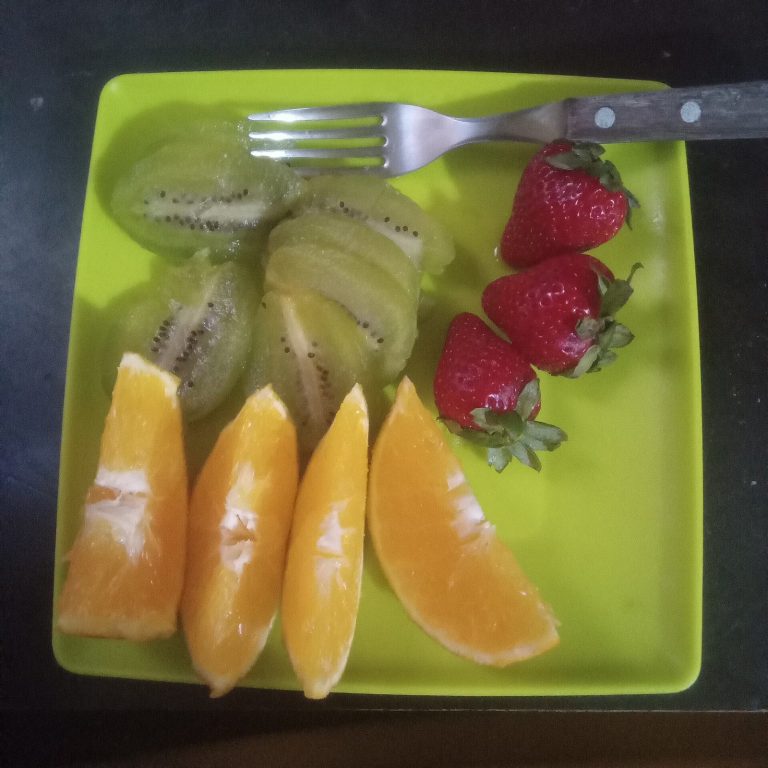
- – Constipating pain regimens plus less walking harden stools. Soft oats, banana, stewed fruit, cooked vegetables, kiwi, and adequate fluid may help—see constipation diet guide.
- – Increase fiber gradually; sudden bran megadoses can worsen gas and abdominal discomfort.
Familiar carbohydrate anchors for energy and mood
- – Soft rice, oatmeal, toast, potatoes, or noodles can be easier than fried plates when nausea or low appetite lingers after the acute illness (CDC lists upset stomach among possible shingles symptoms).
- – Pair carbohydrate with protein to limit crashes that tempt only sugary drinks.
Sleep-supportive evening patterns
- – Heavy late alcohol, giant caffeine late in the day, and huge spicy meals can worsen sleep for people who are sensitive—poor sleep often amplifies pain perception.
- – Prefer earlier dinners, steady protein plus soft fiber, and a calm evening routine; general sleep-food reading only: foods and botanicals for sleep guide—not a substitute for prescribed neuropathic pain care.
Overall produce-forward pattern as a practical chassis
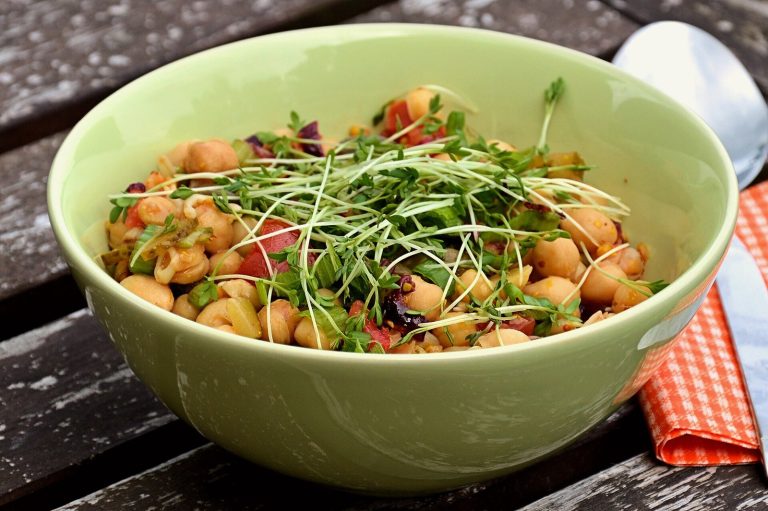
- – Vegetables, fruit, legumes, nuts if chewing is comfortable, olive oil, and fish create a Mediterranean-style pattern that supports general health while medicines do the pain work.
- – Stay consistent rather than chasing “anti-nerve-pain” miracle juices.
Foods and habits that often worsen PHN kitchen patterns
- – Alcohol used as self-medication for nerve pain, which can worsen sleep and medicine safety.
- – All-day sugary drinks with almost no protein, leaving energy unstable on already exhausting pain days.
- – Ultra-low-fiber snack patterns while on constipating medicines.
- – Unregulated “nerve regenerating” detox teas or megadose supplements marketed as PHN cures.
- – Skipping breakfast and lunch, then overeating at night when pain finally eases enough to cook.
- – Ignoring eye pain, vision change, hearing change, or facial weakness while focusing only on kitchen tweaks—those need urgent clinical review.
- – Expecting diet alone to replace vaccination for future zoster risk in eligible adults (CDC).
“Limit” means reducing personal sleep wreckers and under-fueling—not permanent bans on every favorite food.
Practical kitchen protocol: a PHN-supportive week
1. Pain–meal–sleep log for two weeks
Note pain scores, medicines and timing, what you ate, bowel movements, alcohol, caffeine, and sleep quality. Share with your clinician when adjusting therapy.
2. Shopping list for low-effort fueling
Eggs; yogurt; soft tofu; canned fish in water; oats; bananas; frozen vegetables; rice; potatoes; whole-grain bread; nut butters if tolerated; broth; herbal caffeine-free tea; bottled water; ready-washed greens for better days.
3. Default plate template
- – Soft protein portion
- – Soft cooked vegetable or fruit
- – Gentle starch
- – Fluid at the table
- – Fiber–fluid pairing if on constipating medicines
4. Sample day (illustrative)
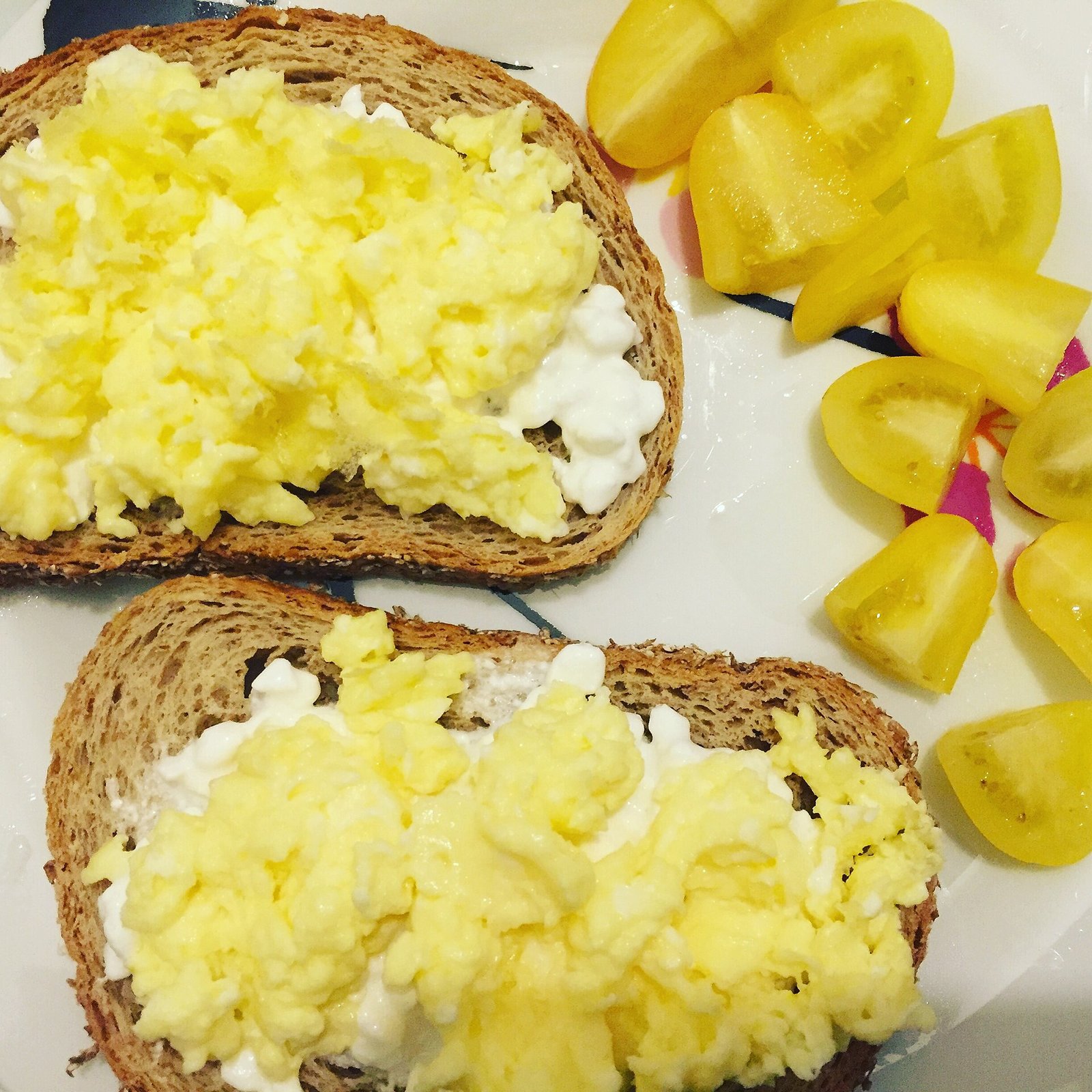
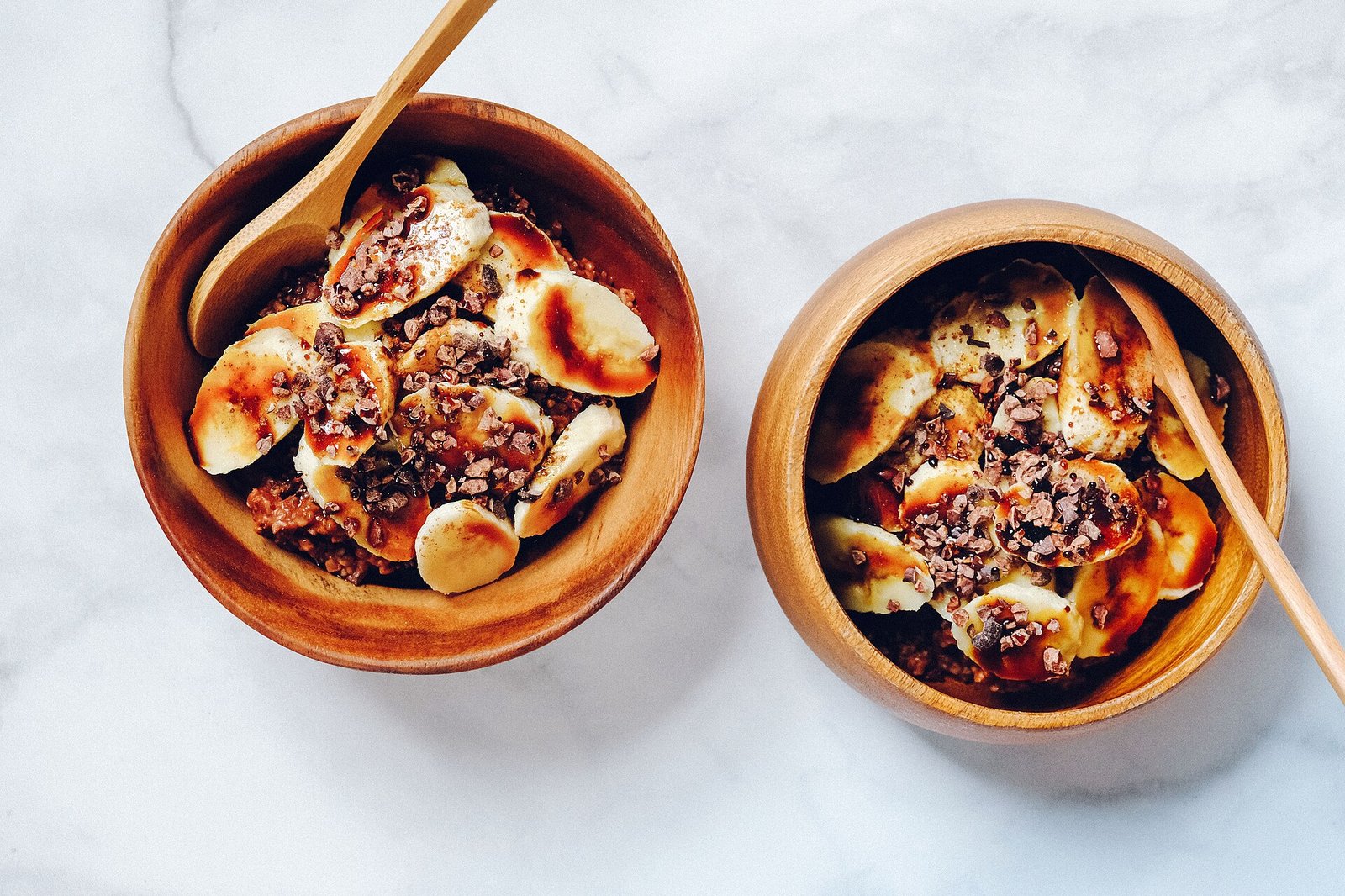
- – Breakfast: scrambled eggs on toast or oatmeal with banana; water.
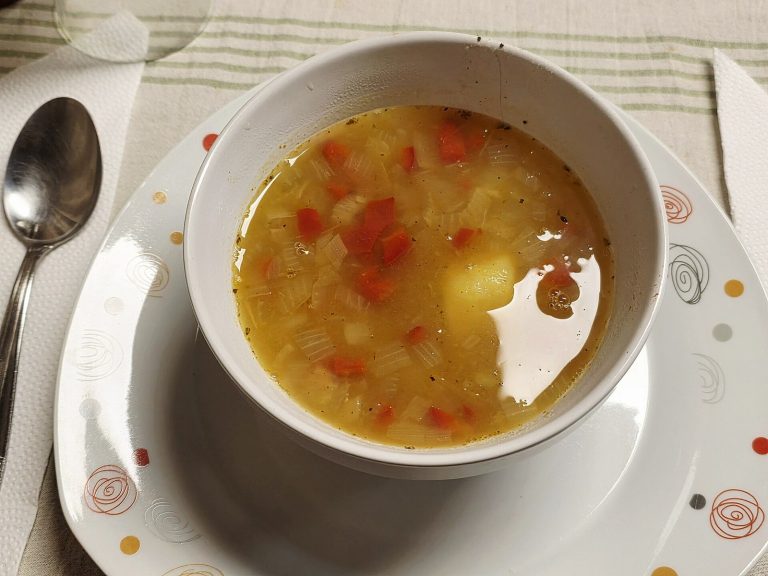
- – Lunch: chicken-and-rice soup or yogurt bowl with soft fruit; water.
- – Snack: cottage cheese or a ripe pear if chewing is OK.
- – Dinner: baked fish or tofu, soft vegetables, potato; water.
- – Evening: caffeine-free herbal tea if you like; skip alcohol while pain medicines are active unless cleared.
5. Eating out
Choose simple grilled or steamed items; ask for sauces on the side; bring a written list of medicines that interact with alcohol; leave early if seating or noise worsens allodynia.
6. When pain dominates intake
Ask about oral nutrition supplements, meal-delivery options, or caregiver help. Persistent inability to eat, drink, or sleep needs clinical review—not another elimination diet.
Safety, interactions, and who should ask a clinician first
- – On gabapentinoids, antidepressants used for nerve pain, opioids, or topical lidocaine/capsaicin: review alcohol and sedating supplements with a pharmacist.
- – Diabetes, kidney disease, or heart failure: individualize fluid, potassium, and protein.
- – Facial or eye-area PHN: ophthalmology follow-up remains essential.
- – Depression, anxiety, or thoughts of self-harm driven by chronic pain: seek mental-health and pain-clinic support promptly.
- – Eligible for Shingrix but unvaccinated: discuss timing with your clinician—kitchen changes do not replace immunization.
FAQ
Can diet cure postherpetic neuralgia? No. CDC and MedlinePlus describe PHN as persistent nerve pain after shingles. Food may help you stay nourished and sleep-ready while medical care continues.
Should I follow a strict arginine-avoidance diet? Public CDC/MedlinePlus shingles pages do not present that as standard PHN care. Focus on fueling, fiber–fluid balance, and clinician-guided medicines.
How is this different from a shingles recovery diet page? shingles recovery diet guide centers the crusting-to-early-recovery window; this page centers months of nerve pain after the rash, constipation risk from pain regimens, and vaccine messaging for future protection.
Does vaccination still matter after I already have PHN? Ask your clinician. CDC vaccine guidance aims to prevent shingles and complications; individual timing after an episode is a clinical decision.
Can spicy food make nerve pain worse? Some people find strong spices uncomfortable near oral or facial allodynia; others do not. Use a short personal trial, not a lifelong ban, unless your clinician advises otherwise.
What if I cannot cook because clothing hurts? Prioritize no-cook proteins, delivery soups, and caregiver help; tell your clinician that pain is blocking basic nutrition.
How this differs from related OTCFood topics
This page is a postherpetic neuralgia–bound diet guide for chronic post-shingles nerve pain. It is not an antiviral dosing protocol, not a topical capsaicin tutorial, and not a substitute for pain medicine or ophthalmology care.
Medical disclaimer
Medical disclaimer: This article is for general information only. It is not medical advice, diagnosis, or a treatment plan. PHN care depends on pain severity, eye/ear involvement, immune status, medicines, and your clinician’s judgment. Talk with a clinician or registered dietitian before starting, stopping, or changing any eating plan, supplement, or medicine. Seek urgent care for vision loss, severe facial weakness, fever with spreading redness, inability to keep fluids down, or thoughts of self-harm.