Trigeminal Neuralgia Diet: Foods That May Help and Foods to Limit
Medical note: This article discusses foods and researched botanicals. It does not claim to prevent, treat, or cure disease. Supplements are not a substitute for food, and studied amounts are not personal prescriptions.
People searching “trigeminal neuralgia diet foods that help or worsen” usually want softer, less trigger-prone meals around the face—not a claim that food stops electric facial pain the way prescribed anticonvulsants or surgery can. The National Institute of Neurological Disorders and Stroke (NINDS) describes trigeminal neuralgia (TN, tic douloureux) as sudden attacks of severe facial pain involving the trigeminal (fifth cranial) nerve. Attacks often last seconds (up to about two minutes) and may repeat many times a day. Common pain triggers include vibration or contact with the cheek, shaving, washing the face, brushing teeth, nose blowing, eating, drinking, talking, or wind. Food texture and chewing load matter for comfort; food does not replace medication or neurosurgical options.
What this trigeminal neuralgia diet guide covers (and what it does not)
This guide is for adults diagnosed with classic, secondary, or idiopathic TN who want practical kitchen strategies while they follow Neurology or neurosurgery care. Anchors: NINDS — Trigeminal Neuralgia, NINDS headache/facial-pain overview pages, and clinician-guided anticonvulsants (carbamazepine, oxcarbazepine, and others), baclofen, botulinum toxin A in selected cases, and surgical options such as microvascular decompression or rhizotomy when medicines fail.
NINDS: TN is more common over age 50 and in women; secondary TN (about 15% of cases) can relate to multiple sclerosis, tumor, or vascular malformation and is more often younger or bilateral. Ordinary painkillers such as aspirin, ibuprofen, or opioids are usually not helpful for TN—so “anti-inflammatory diets” are not a substitute for nerve-pain medicines. Sudden new facial weakness, vision change, or progressive neurological deficits need urgent evaluation.
Evidence snapshot: trigeminal neuralgia diet claims vs public sources
| Claim people hope for | What public sources actually say | Confidence |
|---|---|---|
| “A special diet cures TN” | NINDS: first-line care is medication; surgery if medicines fail or side effects are intolerable | Strong: food is not a substitute |
| “Soft foods heal the trigeminal nerve” | Eating/drinking can trigger attacks; softer textures may reduce mechanical triggers during flares | Moderate for comfort; not nerve repair |
| “Vitamin therapy replaces carbamazepine” | NINDS lists complementary approaches (including nutritional therapy) as variable adjuncts, usually with medicines | Strong: do not stop anticonvulsants for vitamins alone |
| “NSAIDs or opioids are enough with diet” | NINDS: common pain relievers and opioids are usually not helpful for TN | Strong: use clinician-prescribed TN medicines |
| “If pain pauses, diet alone is enough” | TN often remits and returns; progressive cases can become near-constant | Strong: keep Neurology follow-up |
Foods and patterns that may help with trigeminal neuralgia day-to-day comfort
“May help” means reducing chewing shock, extreme temperatures, and wind-exposed outdoor sipping habits that often trigger attacks—not reversing nerve compression.
Texture and temperature defaults during active flares (NINDS trigger list)
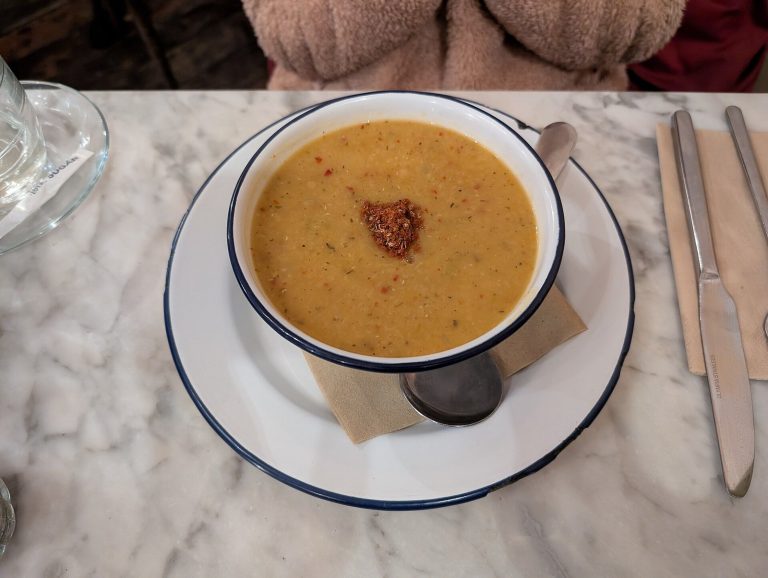
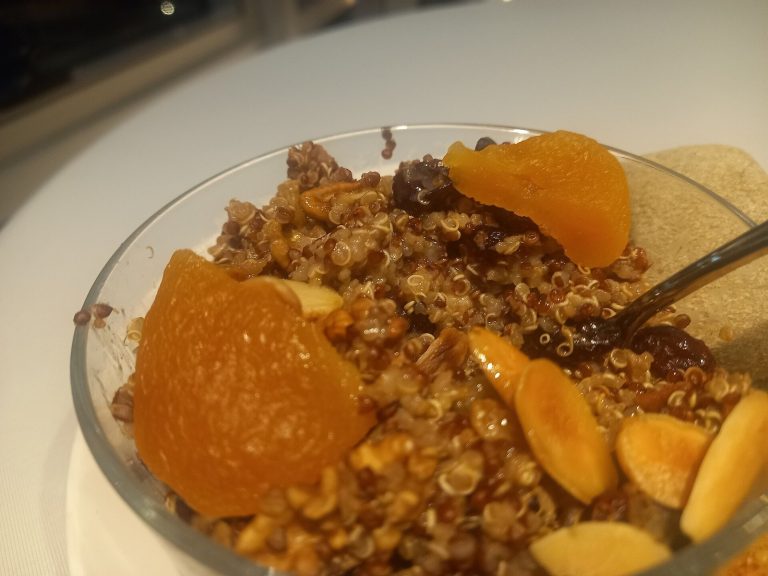
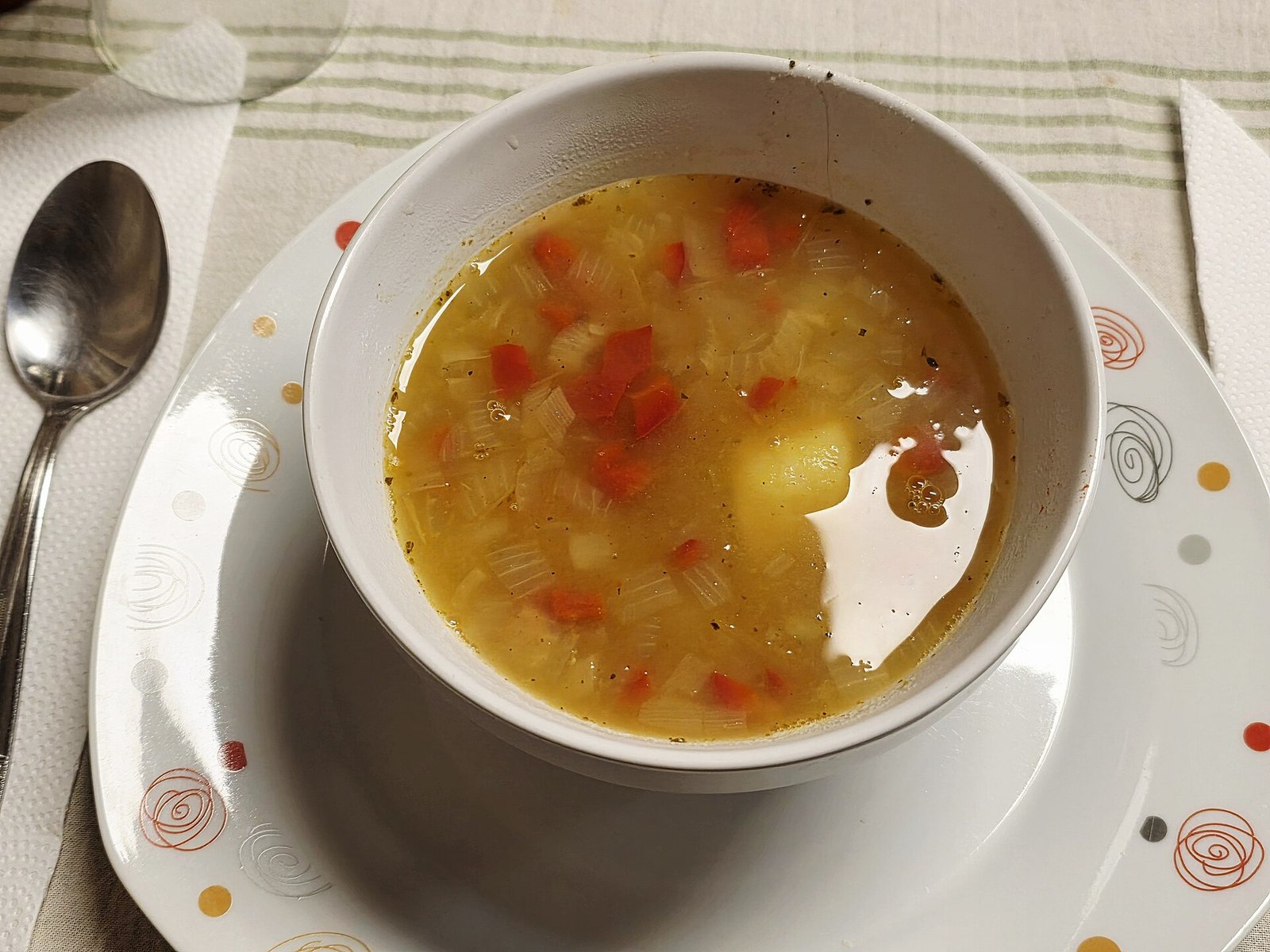
- – Prefer soft, moist foods: yogurt, scrambled eggs, well-cooked cereals, soups (lukewarm), mashed vegetables, soft fish, smoothies sipped carefully.
- – Avoid very hard, crunchy, or chewy items (hard crusts, raw nuts, tough meats, ice chewing) when light touch to the cheek already triggers pain.
- – Keep foods lukewarm rather than ice-cold or piping hot if temperature extremes provoke attacks for you—personal journals matter.
- – Cut food small; chew on the less painful side when your clinician agrees that is safe for dental health.
Nutrition that supports overall neuropathic-pain self-care
- – Maintain protein and calories even when chewing is scary—undernutrition worsens fatigue on anticonvulsants.
- – If secondary TN relates to multiple sclerosis, coordinate overall eating patterns with your MS team and our multiple sclerosis diet guide guide without claiming MS diets fix TN.
- – Steady hydration with room-temperature water may be easier than gulping ice water outdoors in wind—wind is a listed NINDS trigger.
Meal timing around medicines
- – Take anticonvulsants exactly as prescribed; ask whether doses need food. Skipping doses to “eat clean” is not a TN strategy.
- – Pair kitchen calm with sleep and stress habits discussed in migraine diet guide and anxiety diet guide only as general supports—TN remains a neuropathic facial-pain disorder.
Foods and habits that often worsen trigeminal neuralgia kitchen patterns
- – Hard, crunchy, or prolonged chewing tasks during flare windows (bagels, jerky, unpopped popcorn kernels, ice).
- – Very cold drinks or ice cream if cold stimuli trigger your V2/V3 branches.
- – Eating outdoors in wind without face protection when wind is a known trigger for you.
- – Stopping carbamazepine/oxcarbazepine for herbal “nerve healers,” megavitamins, or detox juices—NINDS complementary list is adjunctive, not replacement.
- – Relying on ibuprofen or opioids alone—NINDS notes these are usually not helpful for TN.
- – Ignoring progressive bilateral pain or new neurological signs that may suggest secondary causes needing imaging.
“Limit” means reducing mechanical and thermal triggers—not lifelong blandness after remission.
Practical kitchen protocol: a trigeminal neuralgia diet week
1. Keep the medical spine first
List your anticonvulsant schedule, rescue plans, and surgical follow-up next to meals. NINDS: surgery is considered when medicines fail or side effects (cognitive change, fatigue, marrow suppression, allergy, and others) are intolerable.
2. Shopping list for flare-friendly soft plates
Greek yogurt, cottage cheese, eggs, silken tofu, ripe bananas, avocados, well-cooked oats, soft rice, mashed sweet potato, flaky fish, ground poultry, blended soups, smooth nut butters (thin), olive oil, room-temperature water.
3. Default soft-plate template
- – Soft protein + cooked vegetable puree or very tender pieces
- – Soft starch (oatmeal, soft rice, mashed potato)
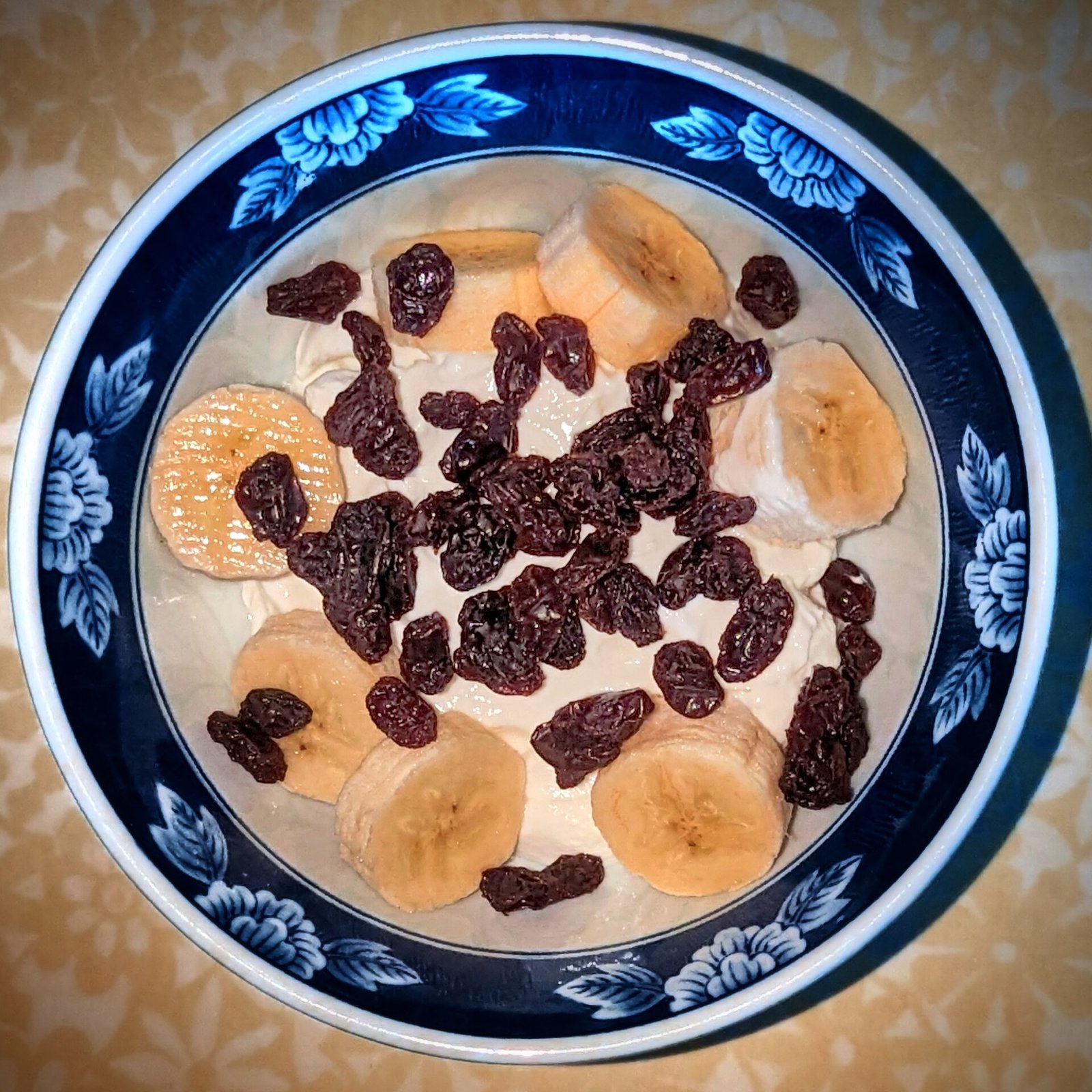
- – Moist fruit (banana, stewed fruit) rather than hard raw apples if chewing hurts
- – Season gently; avoid extreme spicy heat if it irritates your oral mucosa during flares
4. Sample day (illustrative soft day)
- – Breakfast: scrambled eggs and oatmeal; lukewarm tea or water.
- – Lunch: blended vegetable soup with soft fish flakes; yogurt.
- – Snack: banana smoothie (not ice-packed if cold triggers you).
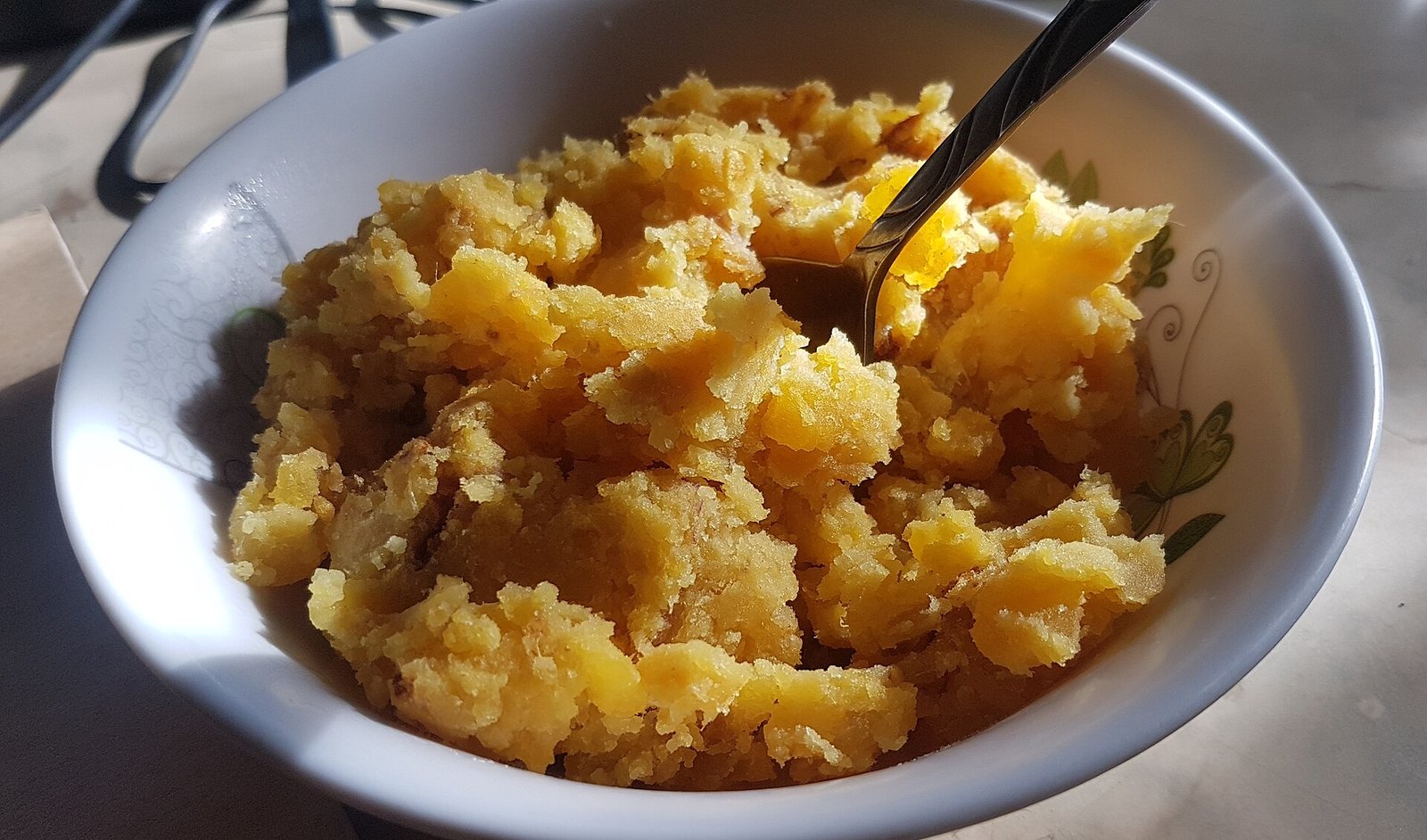
- – Dinner: soft baked fish, mashed sweet potato, well-cooked spinach.
- – Evening: medicines on schedule; avoid late hard snacks.
5. Eating out
Ask for soft preparations, sauces on the side if extreme spice bothers you, and skip crunchy garnishes; request room-temperature water.
6. Remission days
Gradually reintroduce firmer textures as pain allows—sudden max-crunch challenges are unnecessary tests of the nerve.
Safety, interactions, and who should ask a clinician first
- – TN medicines and surgical decisions belong with Neurology/neurosurgery—diet is supportive comfort care only.
- – Carbamazepine and related drugs have important interactions, blood-test monitoring needs, and side-effect profiles—ask before adding supplements.
- – Secondary TN workup (MRI) is clinical; diet does not replace imaging when indicated.
- – After rhizotomy or other procedures, numbness and eating safety plans should come from your surgical team.
- – Pregnancy, breastfeeding, or planned anesthesia: review all supplements.
- – If facial pain overlaps headache diagnoses, see also tension headache diet guide for general kitchen context—still not a TN medicine substitute.
FAQ
Can a trigeminal neuralgia diet reverse nerve compression? No. NINDS frames care as medicines first, then surgery options for selected people. Soft foods may reduce eating-related triggers only.
Why don’t ibuprofen or opioids help my TN pain? NINDS states common pain-relieving medicines and opioids are usually not helpful for TN; anticonvulsants that block pain signaling are typically used instead.
Are nutritional therapy and vitamins enough? NINDS lists nutritional therapy among complementary approaches with varying success, usually combined with medicines—not as monotherapy.
Should I go completely liquid forever? No. Use soft textures during flares; liberalize as remissions allow with dental and clinician guidance.
Does MS change the diet advice? Secondary TN can relate to MS. Coordinate with your MS and facial-pain teams; kitchen tips remain comfort-focused, not disease-modifying claims.
How this differs from related OTCFood topics
This page is a trigeminal-neuralgia-bound diet guide focused on soft textures and trigger-aware eating beside anticonvulsant care. It is not a migraine diet guide migraine elimination protocol, not a general multiple sclerosis diet guide MS lifestyle page, and not a dental surgery recovery menu—though softer plates often help when facial allodynia is high.
Medical disclaimer
Medical disclaimer: This article is for general information only. It is not medical advice, diagnosis, or a treatment plan. Trigeminal neuralgia care depends on neurological exam, imaging when indicated, medication response, and sometimes neurosurgery. Talk with a clinician or registered dietitian before starting, stopping, or changing any eating plan, supplement, or TN medicine. Seek urgent care for new neurological deficits, intolerable medicine side effects, or rapidly worsening bilateral facial pain.