Vitamin C Deficiency Diet: Foods That May Help and Foods to Limit
Medical note: This article discusses foods and researched botanicals. It does not claim to prevent, treat, or cure disease. Supplements are not a substitute for food, and studied amounts are not personal prescriptions.
People searching “vitamin C deficiency diet foods that help or worsen” usually want food-first ways to correct low ascorbic acid—not megadose myths that replace medical care for scurvy. The NIH Office of Dietary Supplements (ODS) explains that vitamin C (ascorbic acid) acts as an antioxidant, helps make collagen for wound healing, improves absorption of iron from plant foods, and supports normal immune function. Frank deficiency is uncommon in the United States and Canada, but intakes below about 10 mg/day for many weeks can cause scurvy—fatigue, gum inflammation, skin spots, joint pain, poor wound healing, corkscrew hairs, depression, bleeding gums, tooth loosening, and anemia. Scurvy can be fatal if not addressed. Food patterns readily meet needs for most people; extreme megadoses are not required and can cause harm.
What this vitamin C deficiency diet guide covers (and what it does not)
This guide is for adults with low dietary vitamin C, smoking-related higher needs, or clinician-confirmed deficiency who want ODS-aligned food sources. Anchors: ODS — Vitamin C (Consumer), iron-absorption context, and clinician care for malabsorption or scurvy.
ODS adult recommendations: 90 mg/day for men and 75 mg/day for women; smokers need an extra 35 mg/day. Upper limit for adults from all sources is 2,000 mg/day; higher intakes can cause diarrhea, nausea, and stomach cramps. People with hemochromatosis should be cautious with high-dose vitamin C because it can worsen iron overload—see hemochromatosis diet guide.
Evidence snapshot: vitamin C diet claims vs public sources
| Claim people hope for | What public sources actually say | Confidence |
|---|---|---|
| “Vitamin C megadoses cure infections better than food” | ODS: regular supplements do not clearly prevent colds for most people; may slightly shorten colds; starting after symptoms begin does not appear helpful | Moderate for modest cold symptom effects; not scurvy-level claims |
| “Supplements prevent cancer like fruit does” | ODS: high fruit/vegetable vitamin C intakes associate with lower risk of some cancers; supplements do not show the same protection | Strong distinction food pattern vs pills |
| “IV-style oral megadoses reverse scurvy faster than oranges” | Scurvy follows prolonged very low intake; clinicians treat deficiency medically—food sources are excellent for prevention and mild low intake | Strong: get medical care for scurvy |
| “More is always safer” | Adult UL 2,000 mg; GI side effects; hemochromatosis risk; possible chemo/radiation and statin+niacin interactions | Strong: respect UL and disease context |
| “Cooking destroys all vitamin C so supplements are mandatory” | ODS: storage and cooking reduce content; steaming/microwaving may lessen losses; many top sources are eaten raw | Moderate: mix raw and gently cooked produce |
Foods and patterns that may help correct low vitamin C intake
“May help” means emphasizing ODS food sources and smoking cessation support—not promising immune “shields.”
ODS top food sources
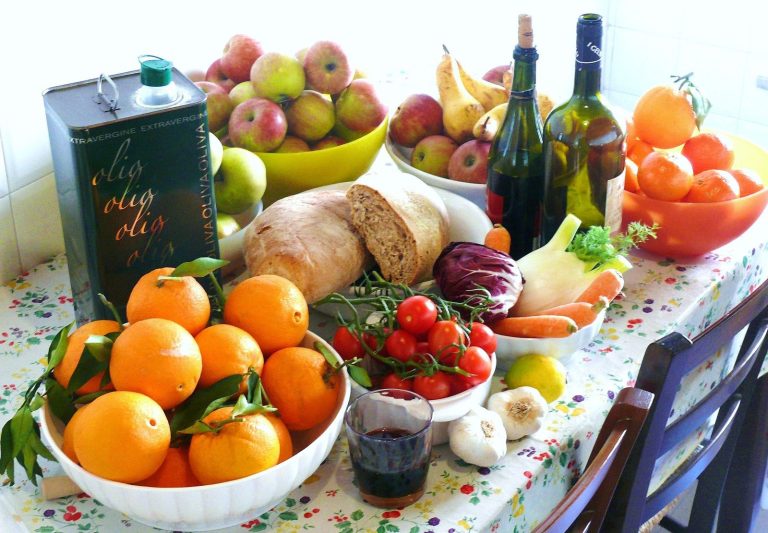
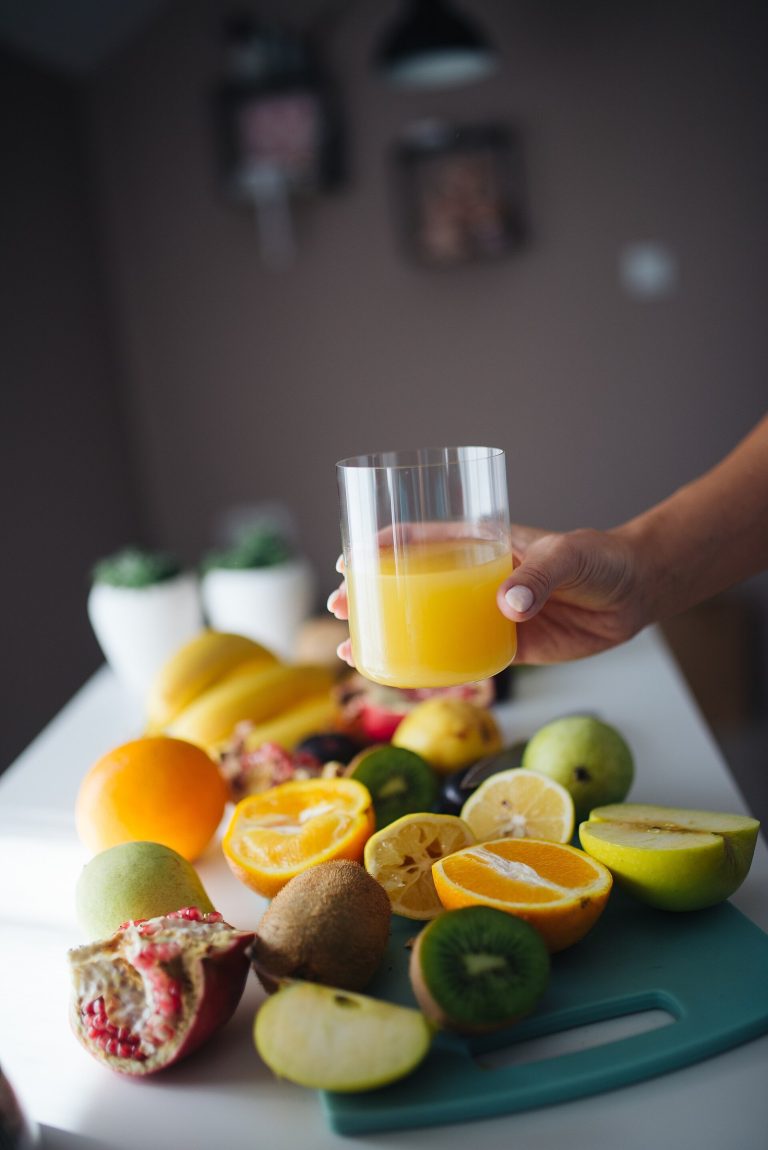
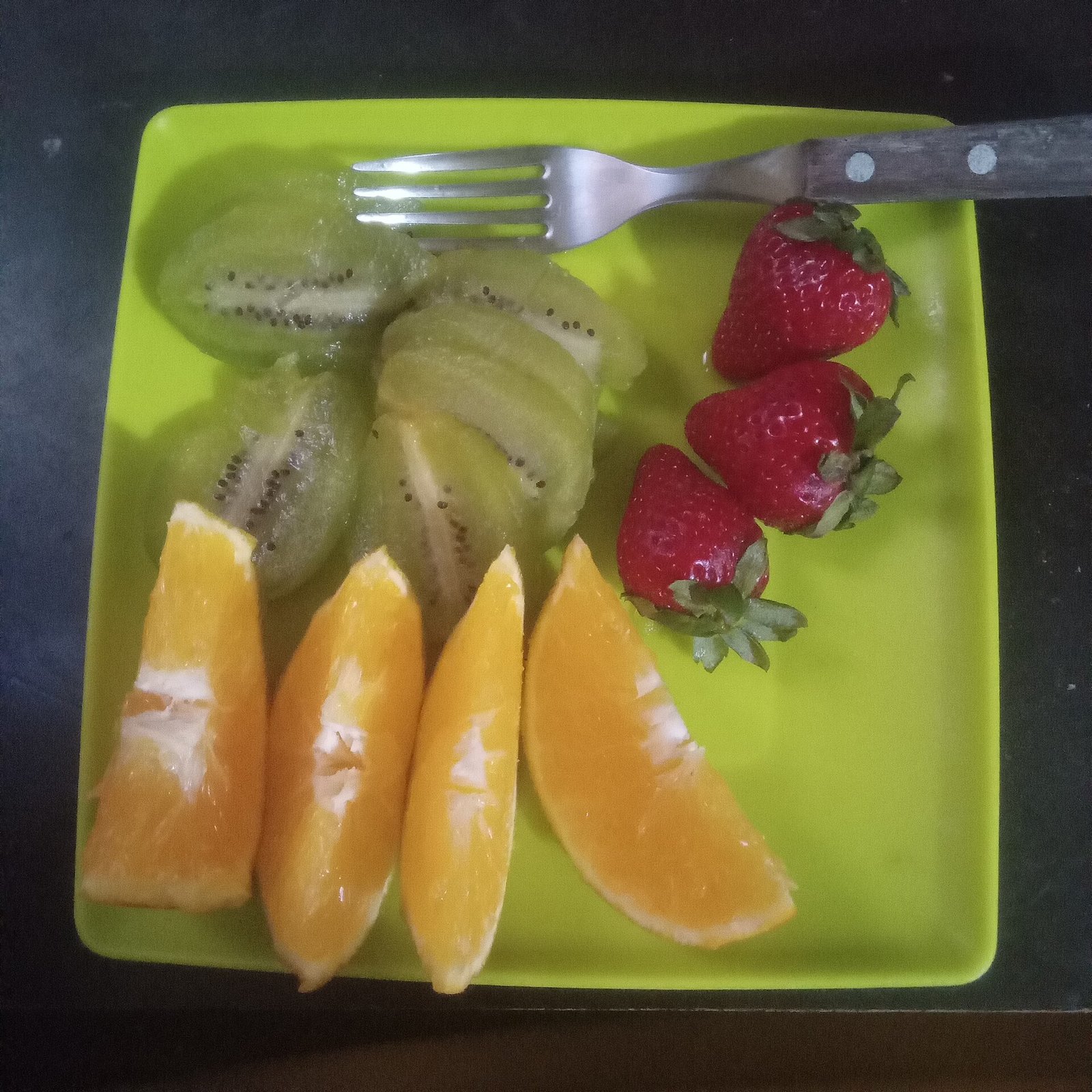
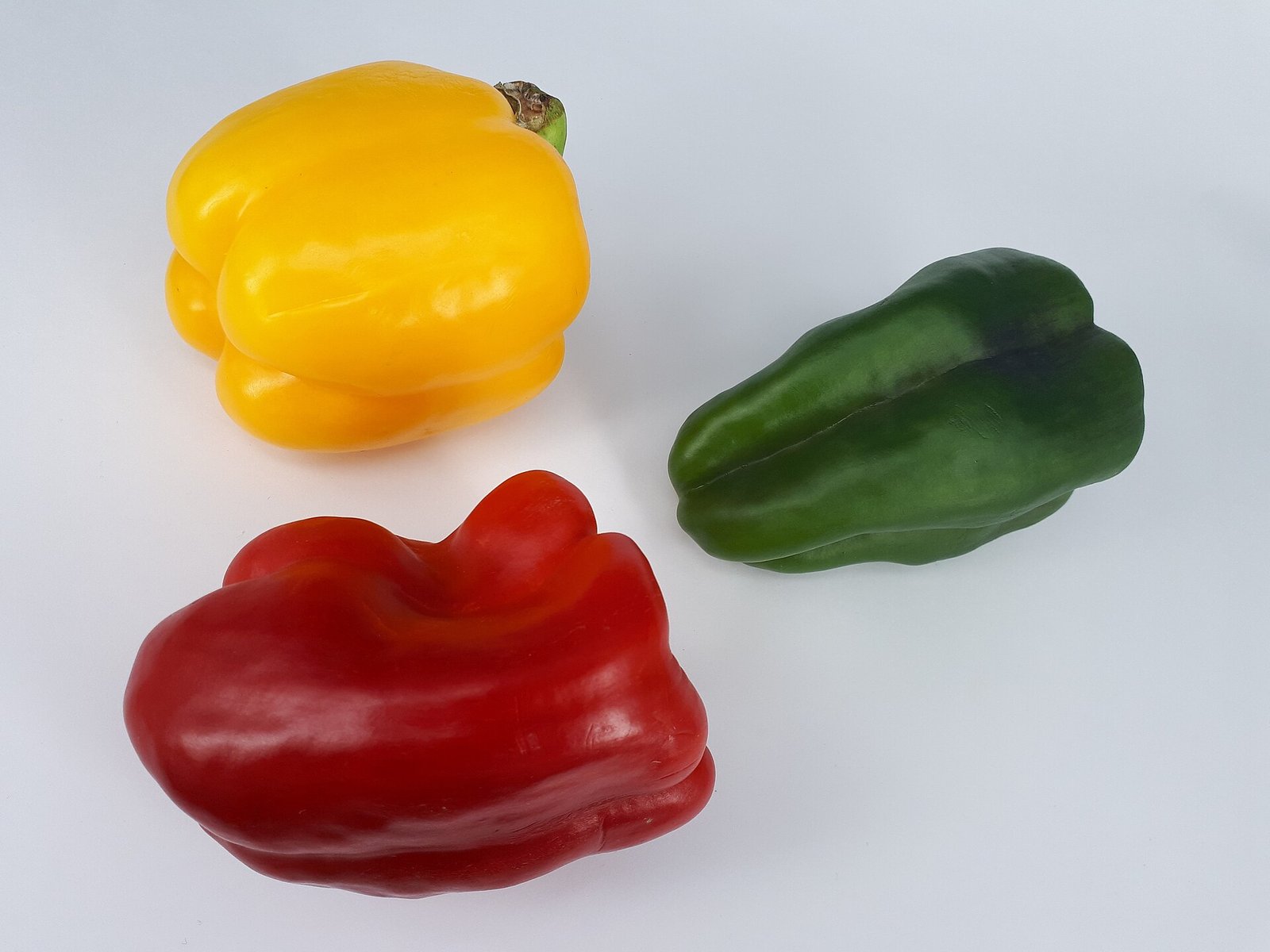
- – Highest-leaning options: citrus (oranges, grapefruit) and their juices; red and green peppers; kiwifruit
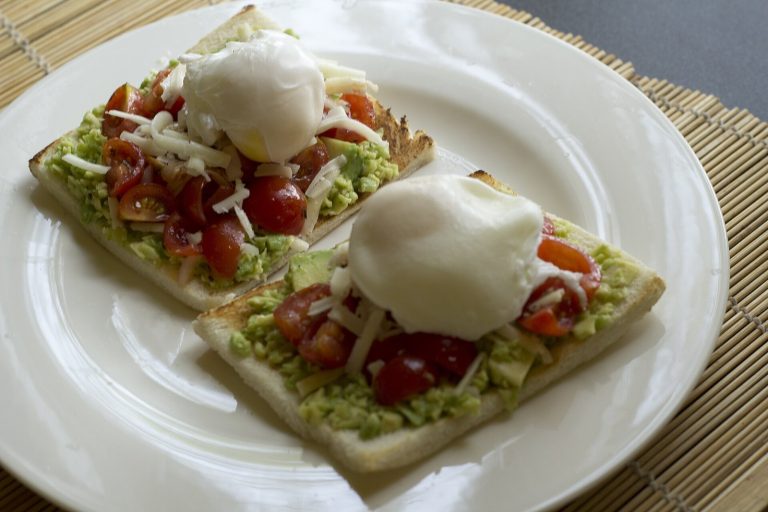
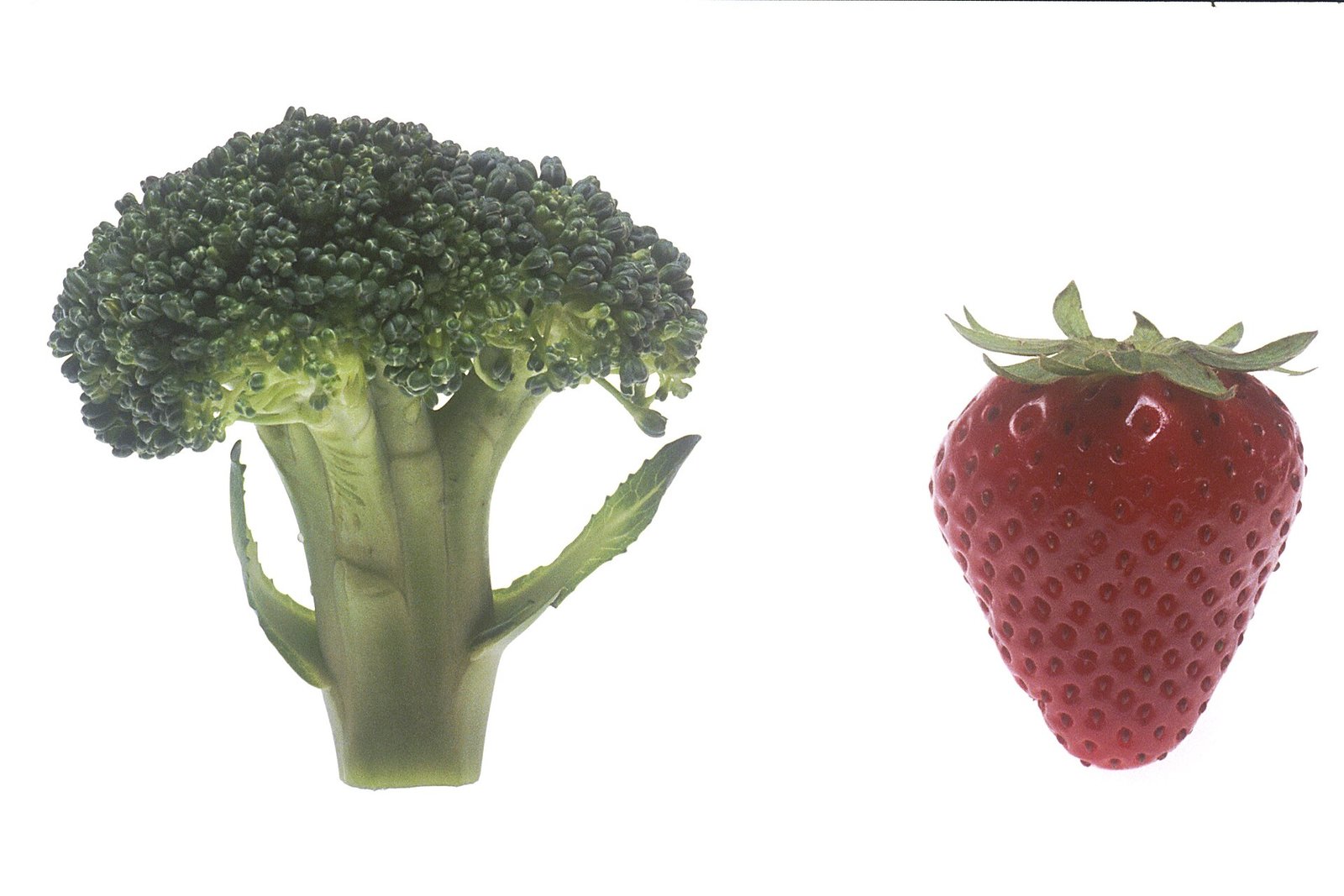
- – Also useful: broccoli, strawberries, cantaloupe, baked potatoes, tomatoes
- – Fortified foods/beverages: check labels when produce access is limited
Iron and wound-healing kitchen pairing
- – Vitamin C improves non-heme iron absorption—helpful alongside iron deficiency anemia diet guide food plans when iron deficiency coexists (unless you have iron overload).
- – Collagen-related wound healing needs adequate vitamin C—still coordinate surgical recovery diets with your care team.
Groups more likely to fall short (ODS)
- – People who smoke or have heavy secondhand smoke exposure
- – Infants fed evaporated/boiled cow’s milk (cow’s milk is not recommended under age 1; breast milk/formula usually adequate)
- – People with very limited food variety
- – Severe malabsorption, some cancers, or hemodialysis—clinical nutrition support may be needed
Practical produce habits
- – Eat some raw fruit or pepper slices daily when possible.
- – Steam or microwave vegetables rather than boiling for long periods when you rely on cooked produce.
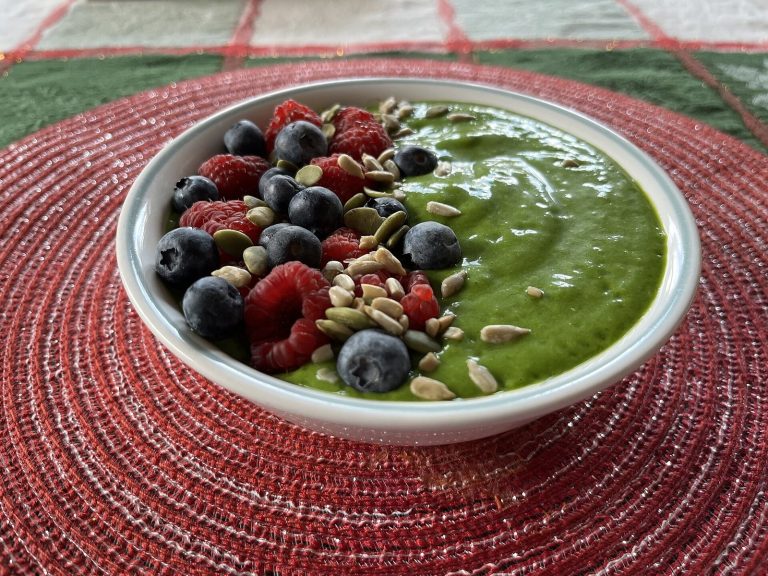
- – Rotate strawberries, kiwi, citrus, and peppers so intake stays consistent without juice-only sugar loads.
Foods and habits that often worsen vitamin C status or safety
- – Smoking and heavy secondhand smoke—raises vitamin C needs (ODS +35 mg) and harms overall health.
- – Ultra-restricted diets with almost no fruit or vegetables for weeks.
- – Relying only on long-boiled vegetables as your sole produce strategy without any raw sources.
- – Chronic megadose supplements above the UL causing GI distress—or high doses in hemochromatosis.
- – Starting huge antioxidant stacks during chemotherapy/radiation or with certain statin+niacin regimens without oncology/cardiology clearance—ODS interaction warnings apply.
- – Ignoring scurvy signs (bleeding gums, corkscrew hairs, poor healing) while self-experimenting.
“Limit” means limiting smoke exposure and unsafe megadoses—not limiting colorful produce when deficiency is the problem.
Practical kitchen protocol: a vitamin C repletion week (mild dietary shortfall)
1. Keep the medical spine first
If scurvy or very low labs are suspected, see a clinician—do not wait on salad alone for severe disease. Ask whether a short supervised supplement is appropriate while food habits rebuild.
2. Shopping list
Oranges, grapefruit, kiwi, strawberries, cantaloupe; red/green peppers; broccoli, tomatoes, potatoes; optional fortified juice with portion awareness; bell-pepper snack packs for work.
3. Default plate template
- – Include a vitamin-C-rich fruit or pepper/tomato serving at two meals minimum
- – Pair beans or tofu with peppers/tomato to support non-heme iron absorption when iron intake is a goal
- – Keep overall pattern aligned with vitamin D deficiency diet guide only if both deficiencies are being addressed—nutrients differ
4. Sample day (illustrative)
- – Breakfast: kiwi and strawberries with yogurt; water.
- – Lunch: large salad with red pepper strips, tomato, chickpeas, olive oil; citrus fruit.
- – Snack: orange or raw broccoli florets.
- – Dinner: baked potato, steamed broccoli, fish or beans; berries for dessert.
- – If you smoke: add the extra ~35 mg via food (easy with pepper/citrus) and use cessation resources—food does not cancel smoke harm.
5. Eating out
Order side salads with tomatoes/peppers; choose kiwi or citrus when fruit cups are offered; go easy on deep-fried-only menus that displace produce.
6. Storage tips
Buy produce you will eat within a few days; prolonged storage reduces vitamin C (ODS). Frozen berries can be practical backups.
Safety, interactions, and who should ask a clinician first
- – Adult upper limit 2,000 mg/day from all sources (ODS).
- – Hemochromatosis: high-dose vitamin C may worsen iron overload.
- – Cancer therapy: discuss any high-dose antioxidant with oncology.
- – Statin + niacin regimens: ODS notes one study where antioxidant combinations reduced certain lipid benefits—monitor with your clinician.
- – Kidney stone history: ask about high-dose ascorbic acid risk in your personal plan.
- – Pregnancy/breastfeeding: use ODS life-stage targets, not internet megadoses.
- – Children: ULs are lower—do not scale adult megadoses.
FAQ
Can oranges reverse scurvy without a doctor? Mild low intake often improves with food, but scurvy is a medical condition that can be fatal—get clinical care for clear scurvy signs.
Do I need 2,000 mg daily to be healthy? No. That figure is the adult upper limit, not a target. Most adults need 75–90 mg (more if smoking).
Will vitamin C stop me from catching colds? ODS: supplements do not clearly reduce cold risk for most people; regular use might slightly shorten or milden colds; starting after symptoms begin does not appear helpful.
Are supplements better than food for cancer prevention? ODS: fruit/vegetable patterns associate with lower risk of some cancers; vitamin C supplements have not shown the same protective effect.
Can I take vitamin C to absorb more iron if I have hemochromatosis? Ask your clinician—high doses can worsen iron overload. Iron-deficiency plans differ from overload plans.
How this differs from related OTCFood topics
This page is a vitamin C deficiency / low-intake diet guide grounded in ODS food lists, smoking adjustments, and UL safety. It is not an iron deficiency anemia diet guide full anemia protocol, not a hemochromatosis diet guide iron-restriction plan, and not a cold “cure” checklist—though peppers and citrus often appear on all three kitchen calendars for different reasons.
Medical disclaimer
Medical disclaimer: This article is for general information only. It is not medical advice, diagnosis, or a treatment plan. Vitamin C deficiency and scurvy depend on diet history, exam findings, and sometimes laboratory testing. Talk with a clinician or registered dietitian before starting, stopping, or changing any eating plan, supplement, or medicine. Seek prompt care for bleeding gums, non-healing wounds, severe fatigue with restricted diets, or signs of scurvy.