Overactive Bladder Diet: Foods That May Help and Foods to Limit
Medical note: This article discusses foods and researched botanicals. It does not claim to prevent, treat, or cure disease. Supplements are not a substitute for food, and studied amounts are not personal prescriptions.
People searching “overactive bladder diet foods that help or worsen” usually want practical fluid and caffeine rules that may reduce urgency and leaks—not a claim that food replaces bladder training, pelvic-floor care, or prescribed medicines. NIDDK explains bladder control problems (urinary incontinence) and notes self-care steps that may help, including fluid timing, limiting caffeine and alcohol, fiber for constipation, healthy weight, and quitting smoking. MedlinePlus and NHS cover overactive bladder and related incontinence patterns where urgency, frequency, and leaks disrupt daily life. Diet is supportive; diagnosis and red-flag evaluation belong with a clinician.
What this overactive bladder diet guide covers (and what it does not)
This guide is for adults with urgency, frequency, or urge-related leaks who want kitchen defaults while they pursue medical and behavioral care. Anchors: NIDDK — Treatments for Bladder Control Problems, MedlinePlus — Overactive bladder, and NHS — Urinary incontinence.
NIDDK: limiting caffeine (chocolate, tea, coffee, carbonated drinks) may help reduce leaks; alcoholic drinks can increase urine production. Stopping liquids a few hours before bed may limit nighttime trips only if your health professional suggests it—because fluid needs differ by person, medicines, and sweat. Painful urination, blood in urine, fever, or sudden inability to void needs medical care—not a tea cleanse.
Evidence snapshot: OAB diet claims vs public sources
| Claim people hope for | What public sources actually say | Confidence |
|---|---|---|
| “Cutting all fluids cures OAB” | NIDDK: fluid needs vary; extreme restriction can worsen constipation and overall health; bedtime limits only if advised | Strong against unsupervised dehydration |
| “Dropping caffeine reduces leaks” | NIDDK: limiting caffeine foods/drinks may help reduce leaks | Moderate for many people |
| “Alcohol does not matter” | NIDDK: alcoholic drinks can increase how much urine you make | Moderate to limit |
| “Weight loss always fixes urgency” | NIDDK: healthy weight and activity may reduce leaks; obesity raises UI risk; talk with a professional about weight plans | Moderate supportive |
| “Diet replaces bladder medicines or Botox” | NIDDK: if lifestyle changes are not enough, clinicians may prescribe medicines, devices, or other procedures | Strong: do not replace prescribed care |
Foods and patterns that may help with overactive bladder day-to-day comfort
“May help” means fewer dietary triggers and smarter fluid timing—not a promise of a dry bladder without behavioral or medical therapy.
Caffeine and alcohol awareness (NIDDK)
- – Limit coffee, tea, cola, energy drinks, and chocolate if they clearly worsen urgency for you.
- – Limit alcoholic drinks, which can increase urine volume.
- – Run a 3–7 day bladder-and-drink log before permanent bans so you keep non-trigger favorites.
Fluid timing without dehydration
- – Spread water intake through the day.
- – If nights are the main problem, ask whether stopping liquids a few hours before bedtime is appropriate for you—NIDDK ties this to clinician advice, not a universal rule.
- – Do not “run dry” all day; constipation from low fluid and low fiber can worsen pelvic floor strain (NIDDK links constipation management and fiber to UI care).
Fiber and bowel habits
- – Eat enough fiber (fruits, vegetables, beans, whole grains) and fluids so stools stay soft—straining and constipation can aggravate bladder symptoms.
- – If you use constipation-causing medicines, ask about fiber and fluid plans rather than stacking harsh laxatives.
Weight, activity, and smoking (NIDDK)
- – Physical activity (walking, swimming, biking, dancing) supports weight management and overall health; choose venues with nearby restrooms while you train urgency suppression.
- – Losing weight if you have overweight or obesity can help reduce leaks; avoiding weight gain may help prevent UI.
- – Stop smoking: smoking raises cough-related stress leaks and may irritate the bladder; quitting supports bladder and lung health (see also respiratory diet overlaps like chronic sinusitis diet guide only when relevant).
Common caffeine math (practical, not medical dosing)
- – A large coffee-shop drink can pack far more caffeine than a home mug—if urgency spikes after outings, compare sizes in your log.
- – Chocolate counts: baking chocolate and dark bars can add evening caffeine when you thought you “only skipped coffee.”
- – Decaf is lower, not always zero; test your own response.
Carbonated and acidic drinks
- – NIDDK lists carbonated beverages among caffeine-containing drinks to limit when they contribute to leaks; even caffeine-free fizzy drinks bother some people—individualize.
- – If citrus juices or tomato juices worsen urgency for you, swap to water or diluted options rather than cutting all fruit fiber.
Nighttime kitchen rules that pair with sleep
- – Move the largest water servings earlier; keep a small planned sip strategy if dry mouth from medicines is an issue—ask your clinician rather than improvising total bans.
- – Skip late alcohol “to help sleep”—it can increase overnight urine and fragment sleep, which makes next-day urgency harder to manage.
Pelvic-floor pairing (not food, but kitchen-adjacent)
NIDDK describes urgency suppression and pelvic-floor squeezes as behavioral tools. Food changes work best alongside those skills and any prescribed plan—not instead of them. For prostate-related urinary patterns in men, also see BPH diet guide.
Foods and habits that often worsen overactive bladder kitchen patterns
- – Large evening caffeine or alcohol loads before bed.
- – Very spicy meals or artificial sweeteners if your personal log shows flares (individual; not everyone reacts).
- – Chronic low-fiber eating that feeds constipation.
- – Extreme fluid restriction that leaves you dehydrated, headachy, and constipated.
- – Stopping prescribed OAB medicines for unproven “bladder detox teas.”
- – Ignoring UTI-like symptoms—pain, fever, blood in urine—while blaming diet; see also UTI diet guide for infection-adjacent kitchen notes after clinical diagnosis.
“Limit” means personal trigger caps and smarter timing—not shame about one cup of coffee.
Practical kitchen protocol: an overactive bladder diet week
1. Build a drink-and-void diary
Record time, drink type/amount, urgency rating, leaks, and bowel movements for one week.
2. Shopping list for quieter days
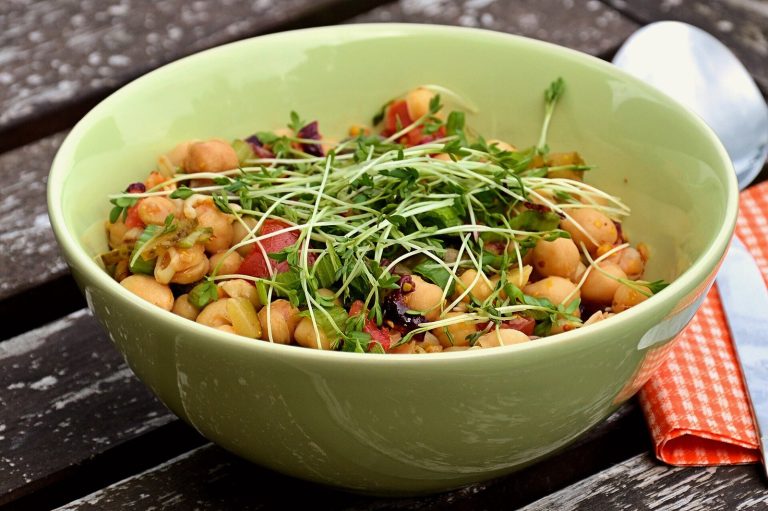
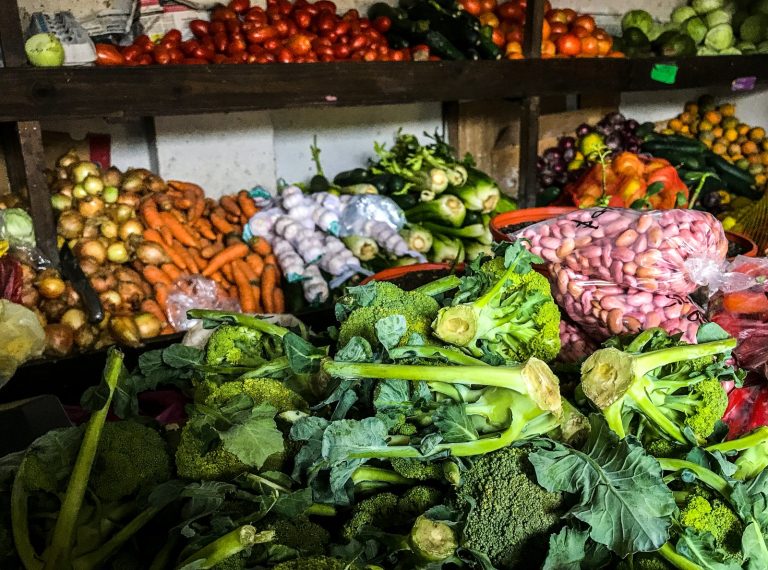
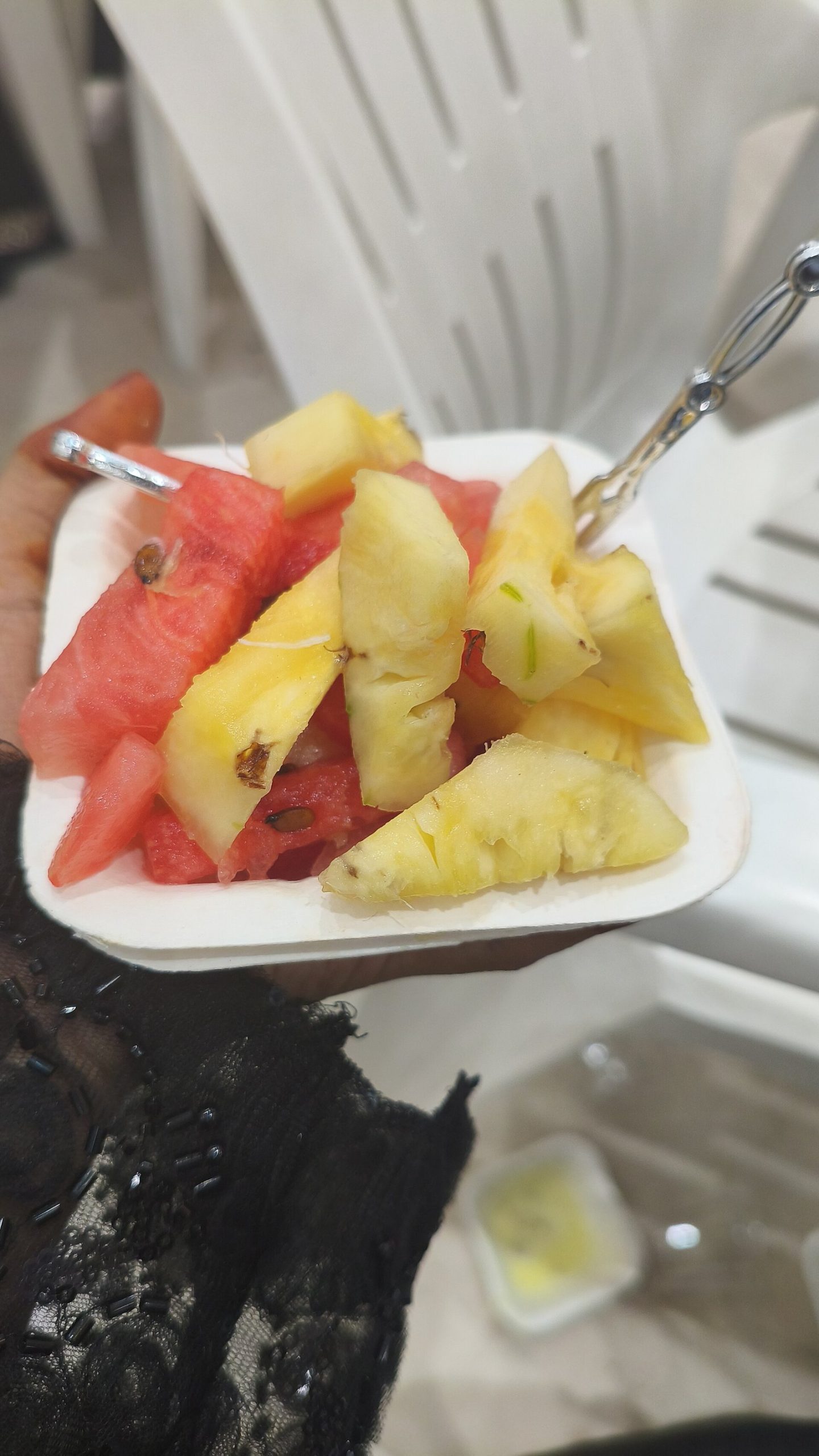
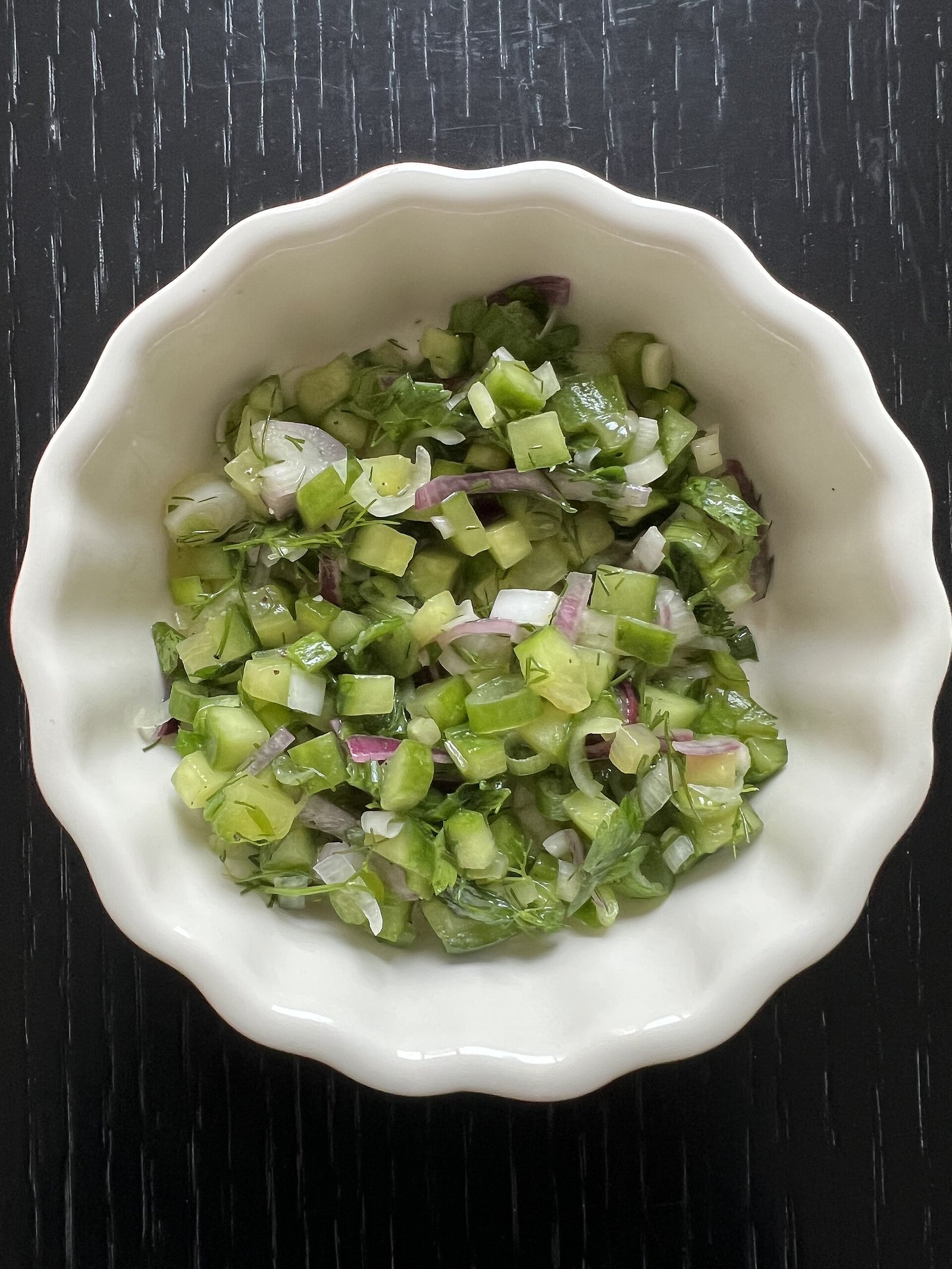
Water as default; herbal caffeine-free tea if tolerated; cucumbers, melon, oranges or berries for hydration-friendly snacks; oats, beans, pears, and leafy greens for fiber; yogurt if tolerated; limit bulk candy chocolate and energy drinks.
3. Default day template
- – Morning: water first; if you use caffeine, keep it earlier and smaller.
- – Midday: balanced plate with fiber + protein; steady water.
- – Afternoon: taper caffeine; continue water.
- – Evening: lighter fluids if clinician-approved; avoid alcohol nightcaps that drive nocturia.
4. Sample day (illustrative)
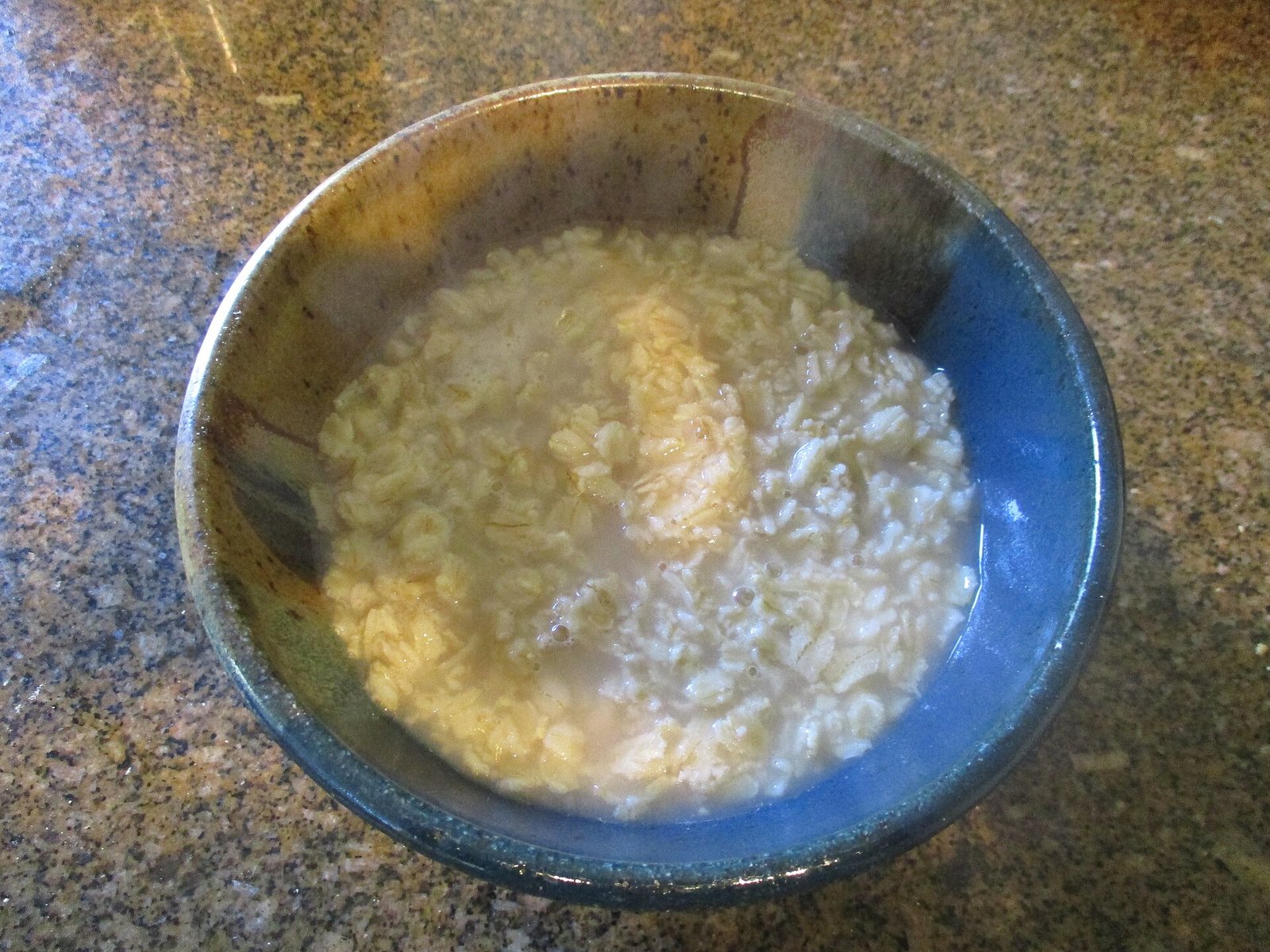
- – Breakfast: oatmeal with berries; small coffee only if your log allows; water.
- – Lunch: grain bowl with vegetables and chicken or beans; water or caffeine-free tea.
- – Snack: yogurt or cucumber sticks.
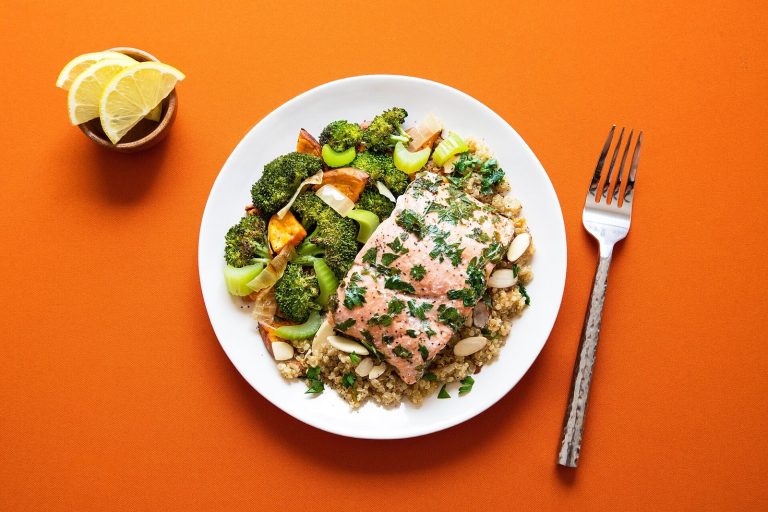
- – Dinner (earlier): baked fish or tofu, vegetables, potatoes; skip late cola.
- – Wind-down: last planned water per clinician advice; pelvic-floor practice if taught.
5. Eating out and social drinks
Ask for decaf or half-caf; alternate alcoholic drinks with water; locate restrooms on arrival without apology.
6. When constipation dominates
Prioritize fiber and fluid before adding more bladder irritant experiments—constipation management is part of NIDDK’s self-care list.
Safety, interactions, and who should ask a clinician first
- – New blood in urine, fever, flank pain, sudden retention, or neurologic symptoms: urgent evaluation.
- – Men with obstructive symptoms, women with pelvic organ prolapse concerns, or anyone with prior pelvic surgery: specialist input.
- – OAB medicines can have side effects (including constipation for some)—report changes rather than only cutting fluids.
- – Pregnancy, diabetes with neuropathy, or diuretic medicines change fluid rules—individualize.
- – Weight-loss plans should protect muscle and fiber intake, not crash diets that worsen constipation.
FAQ
Should I stop drinking water to stop peeing? No. NIDDK stresses individualized fluid needs; unsupervised restriction can harm health and constipation control.
Does cutting caffeine always help? It may help reduce leaks for many people. Use a log; keep non-trigger drinks.
Can weight loss replace pelvic-floor therapy? NIDDK says healthy weight may reduce leaks, but behavioral training and medical options remain important when lifestyle is not enough.
Is alcohol OK in small amounts? Alcohol can increase urine production. If nocturia or urgency flares, limit and track.
How this differs from related OTCFood topics
This page is an overactive bladder–bound diet guide focused on caffeine, alcohol, fluid timing, fiber, and weight. It is not a UTI diet guide infection protocol, not a BPH diet guide prostate enlargement guide, and not a kidney stones diet guide stone-prevention plan—though urinary symptoms can overlap and need proper diagnosis.
Medical disclaimer
Medical disclaimer: This article is for general information only. It is not medical advice, diagnosis, or a treatment plan. Overactive bladder and incontinence care depend on exam findings, urine tests, medicines, and pelvic-floor status. Talk with a clinician or registered dietitian before starting, stopping, or changing any eating plan, fluid restriction, supplement, or bladder medicine. Seek urgent care for fever with urinary symptoms, blood in urine, inability to urinate, or severe pain.