Shingles Recovery Diet: Foods That May Help and Foods to Limit
Medical note: This article discusses foods and researched botanicals. It does not claim to prevent, treat, or cure disease. Supplements are not a substitute for food, and studied amounts are not personal prescriptions.
People searching “shingles recovery diet foods that help or worsen” usually want kitchen habits after blisters crust—not a claim that meals clear varicella-zoster virus, rebuild nerves, or replace antivirals, pain medicines, or vaccines. MedlinePlus states there is no cure for shingles; antiviral medicines may help make an attack shorter and less severe and may help lower the chance of postherpetic neuralgia (PHN) when started early. CDC notes that the rash typically scabs over in 7 to 10 days and clears within about 2 to 4 weeks, while long-term nerve pain is the most common complication. Food may help keep fluids, protein, and sleep-friendly routines going alongside clinician care—not instead of it.
What this shingles recovery diet guide covers (and what it does not)
This guide is for adults in the crusting-to-early-recovery window who want practical plates while finishing medicines, protecting skin, and watching for lingering pain or eye/ear warning signs. Anchors: MedlinePlus — Shingles, MedlinePlus Medical Encyclopedia — Shingles, CDC — About shingles, CDC — Shingles symptoms and complications, and Mayo Clinic’s shingles diagnosis and treatment overview for clinician-directed options (Mayo Clinic — Shingles diagnosis and treatment).
MedlinePlus explains that shingles is reactivation of the same virus that causes chickenpox; risk rises with age and with weakened immunity. People with shingles cannot spread the virus before blisters appear or after the rash crusts, but blister fluid can cause chickenpox in someone never infected or vaccinated. CDC estimates about 1 in 3 people in the United States will have shingles in a lifetime. Related reading for the acute kitchen phase and nerve-pain patterns: shingles diet foods that may help or limit and peripheral neuropathy diet patterns.
Evidence snapshot: shingles recovery diet claims vs public sources
| Claim people hope for | What public sources actually say | Confidence |
|---|---|---|
| “A recovery diet cures shingles or erases PHN” | MedlinePlus: no cure; antivirals and pain care are clinical; PHN is the most common complication | Strong: food is supportive only |
| “Avoiding every ‘trigger food’ stops reactivation forever” | CDC centers vaccination and immune-risk factors—not a permanent kitchen ban list | Strong against folk cure lists |
| “Lysine stacks or detox teas replace antivirals” | MedlinePlus/CDC list antivirals (started early), pain relief, cool compresses, calamine, oatmeal baths—not unregulated “antiviral” foods | Strong |
| “Once crusted, skip fluids and protein because the rash is ‘done’” | CDC: rash clears over weeks; recovery still needs ordinary fueling while sleep and pain settle | Moderate–strong: support energy |
| “Diet replaces Shingrix for adults 50+” | CDC/MedlinePlus recommend recombinant zoster vaccine for healthy adults 50 and older (and other eligible groups per clinician)—separate from meals | Strong |
Foods and patterns that may help during shingles recovery
“May help” means supporting hydration, soft protein, bowel comfort if pain medicines slow you down, and steadier days while skin heals—not a promise that plates shorten shedding or prevent every PHN case.
Soft, easy protein when appetite is uneven
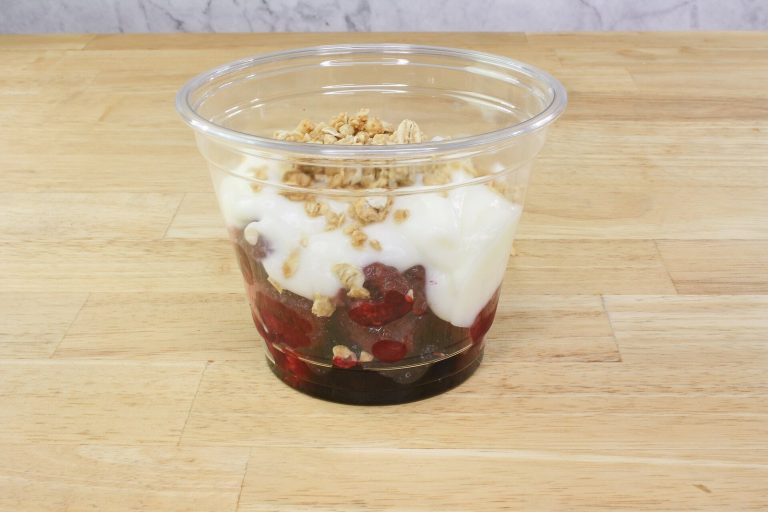
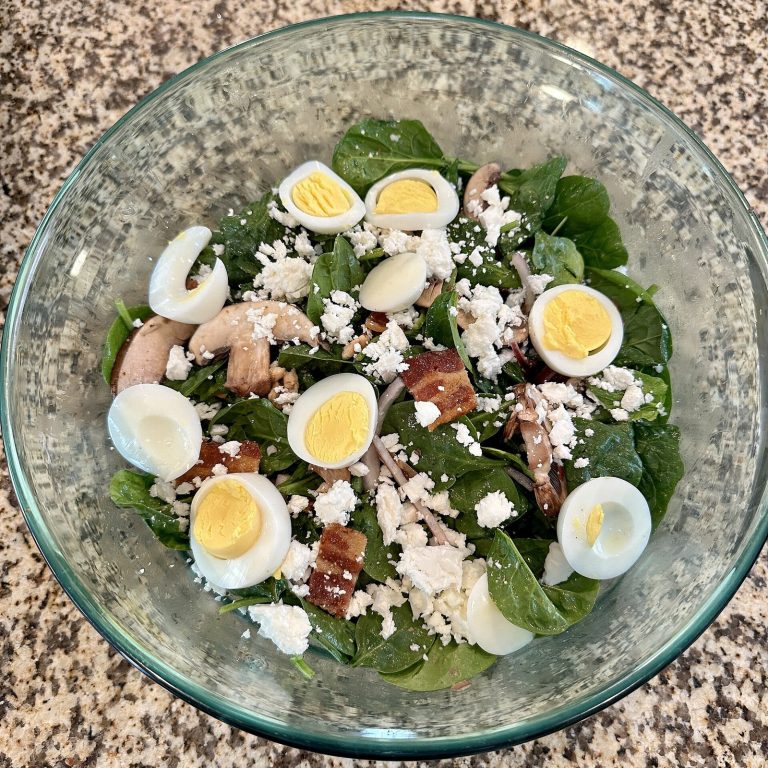
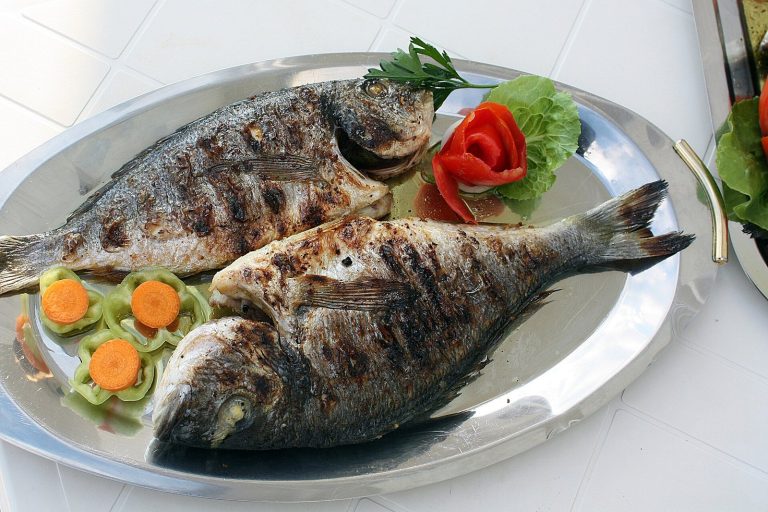
- – Pain and fragmented sleep often blunt appetite after the acute week. Small servings of eggs, yogurt, soft tofu, baked fish, shredded poultry in broth, or well-cooked beans may help meet protein without heavy chewing near tender skin.
- – MedlinePlus encyclopedia notes rest until fever settles and cool wet compresses for skin; keep meal prep short.
Fluids paired with meals (not alcohol)
- – Nonalcoholic fluids with and between meals may help if you have been under-drinking during the blister phase. Broth-based soups, water, diluted milk or fortified plant milks, and oral nutrition drinks only if a clinician suggested them for poor intake.
- – Alcohol can disrupt sleep and medicine judgment; skip it while recovering and while on prescribed pain or antiviral regimens unless your clinician says otherwise.
Gentle fiber for medicine-related constipation risk
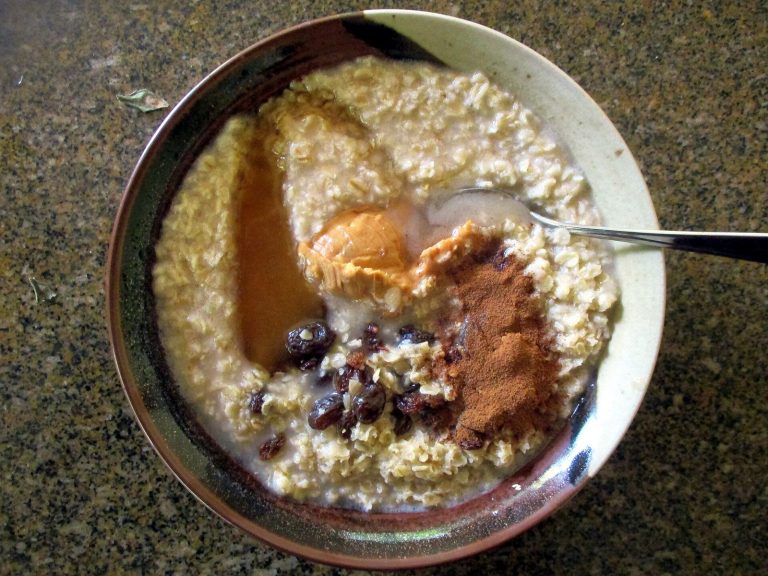
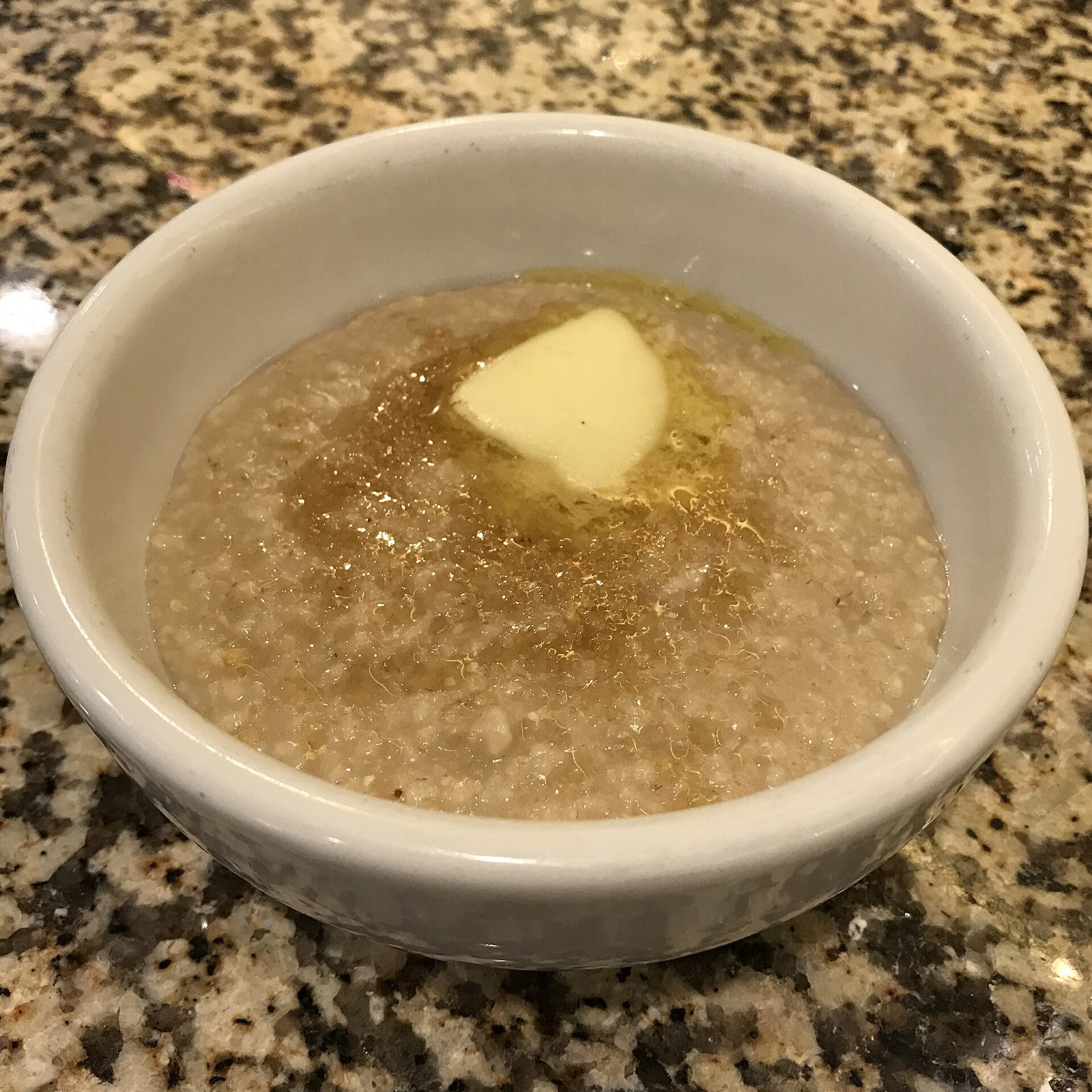
- – Pain medicines, less movement, and low fluids often harden stools. Soft oats, banana, stewed fruit, cooked vegetables, and adequate fluid may help—see constipation diet fiber and fluids for fiber–fluid pairing, not harsh laxative teas.
- – Increase fiber gradually; sudden bran megadoses can worsen gas.
Familiar carbohydrate anchors for energy
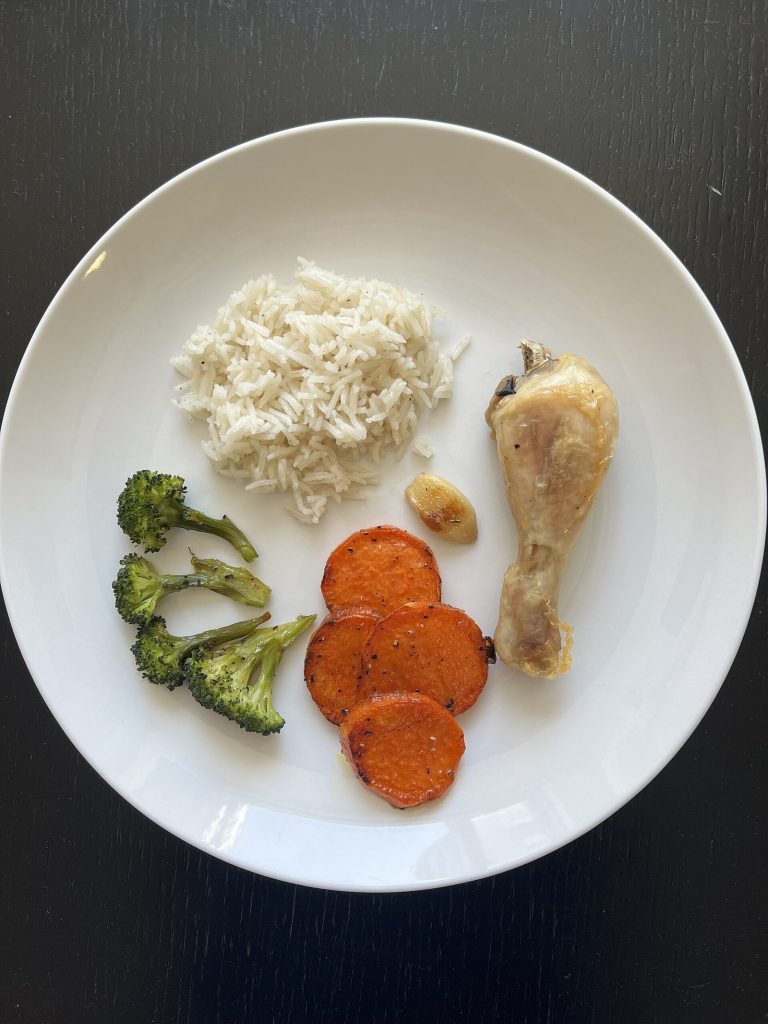
- – Soft rice, oatmeal, toast, potatoes, or noodles can be easier than fried plates when upset stomach lingered (CDC lists that among possible symptoms). Steady carbohydrate with protein may help limit crashes that tempt only sugary drinks.
Sleep-supportive evening patterns
- – Night pain often fragments sleep. Keep caffeine earlier if it worsens rest; prefer a light evening plate. For general sleep-food context (not a PHN protocol), see foods and botanicals for sleep and ask before combining botanicals with prescriptions.
Skin-care habits that sit beside the plate
- – MedlinePlus: cool washcloths, calamine, and oatmeal baths may help itching (skin care, not a raw-oats-only diet). Wash hands before food prep; avoid scratching crusts then handling utensils.
Foods and habits that often worsen shingles recovery kitchen patterns
- – Skipping prescribed antivirals or pain plans because a food blog promised faster clearance—MedlinePlus stresses early antivirals when indicated.
- – Alcohol-heavy evenings that displace fluids, worsen sleep, and complicate medicine side-effect monitoring.
- – Very spicy, greasy, or hard-to-chew meals when facial, oral, or torso pain makes eating miserable—comfort textures first; there is no CDC “forbidden food” list that replaces clinical advice.
- – Sugary beverage stacks as the only calories—short energy spikes with little protein or micronutrients when recovery fueling matters.
- – Unsupervised mega-supplement “immune stacks” marketed to kill herpes viruses—discuss any product with your clinician, especially with kidney disease, interactions, or polypharmacy.
- – Ignoring eye, ear, or severe neurologic warning signs while “dieting harder”—MedlinePlus encyclopedia notes possible face, eye, hearing, and vision problems with facial-nerve involvement; those need urgent care, not kitchen experiments.
- – Exposing never-infected or unvaccinated contacts to uncovered blister fluid before crusting—CDC/MedlinePlus rules are about chickenpox risk, not culinary cures.
“Limit” means reducing unsupported extremes and contagion mistakes—not blaming one tomato for lingering nerve zings.
Practical kitchen protocol: a shingles recovery diet week
1. Keep the medical spine first
Confirm antiviral and pain schedules, skin-care instructions, and whether eye or hearing symptoms need same-day care. CDC: blisters typically scab in 7–10 days; rash clears in about 2–4 weeks for many people—your timeline can differ. Ask about Shingrix timing after an episode when your clinician says you are eligible.
2. Shopping list for soft recovery plates
Oats or soft cereal; bananas; applesauce or soft fruit; eggs; yogurt; canned or leftover shredded chicken; broth; soft tofu; cooked greens or zucchini; potatoes or soft rice; whole-grain bread if chewing is comfortable; oral rehydration or electrolyte drinks only if advised; alcohol left off the list.
3. Default plate template
- – Soft carbohydrate base
- – Palm-sized easy protein
- – Soft fruit or cooked vegetable
- – Nonalcoholic fluid you will actually drink
- – Optional yogurt or milk product if tolerated
4. Sample day (illustrative—not an antiviral protocol)
- – Breakfast: oatmeal with banana; yogurt; water.
- – Mid-morning: soft fruit or applesauce if appetite returns.
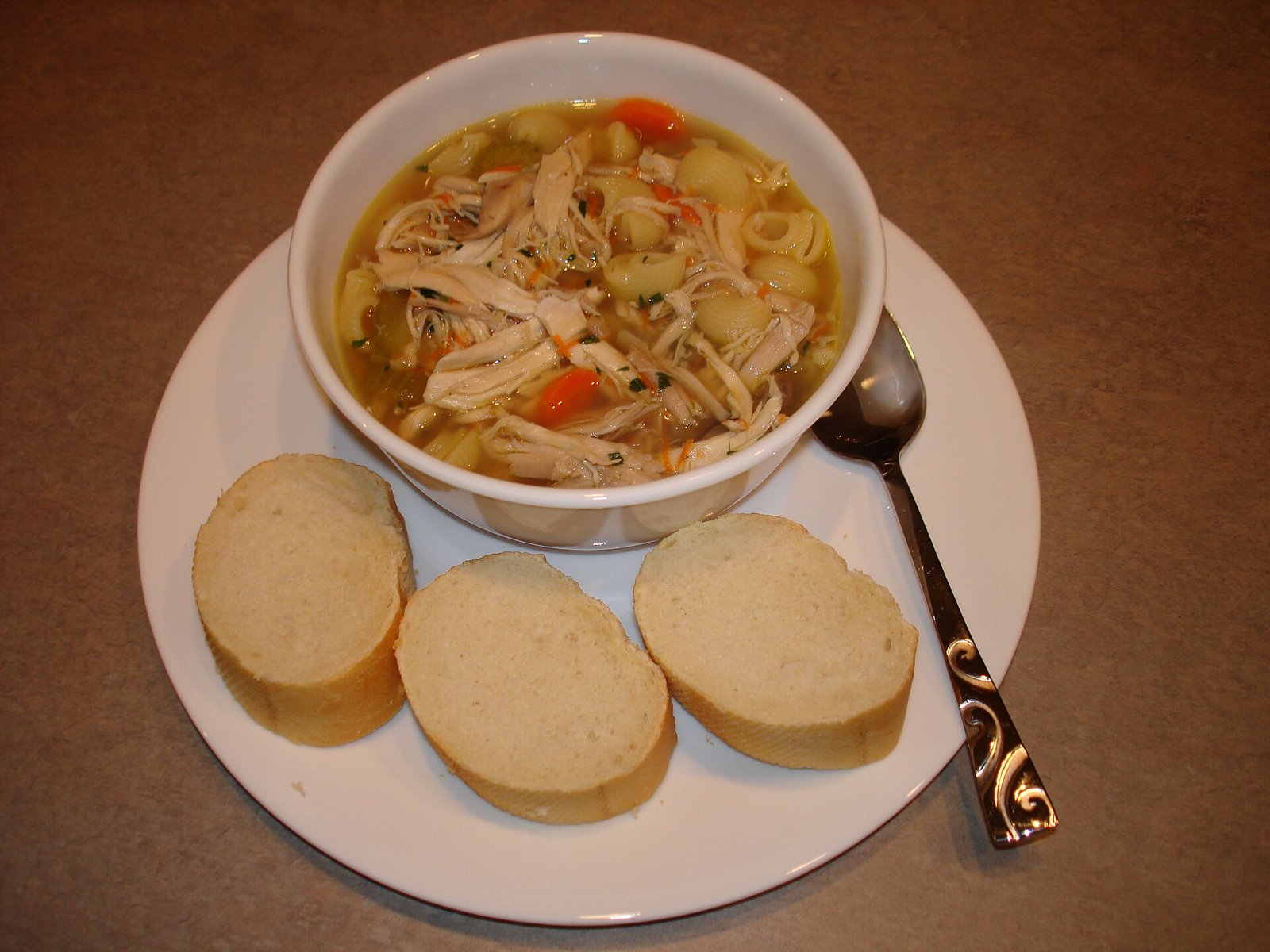
- – Lunch: chicken noodle or clear broth with shredded poultry and soft vegetables; toast if desired.
- – Snack: yogurt or cottage cheese; herbal tea if preferred and clinician-ok with your medicines.
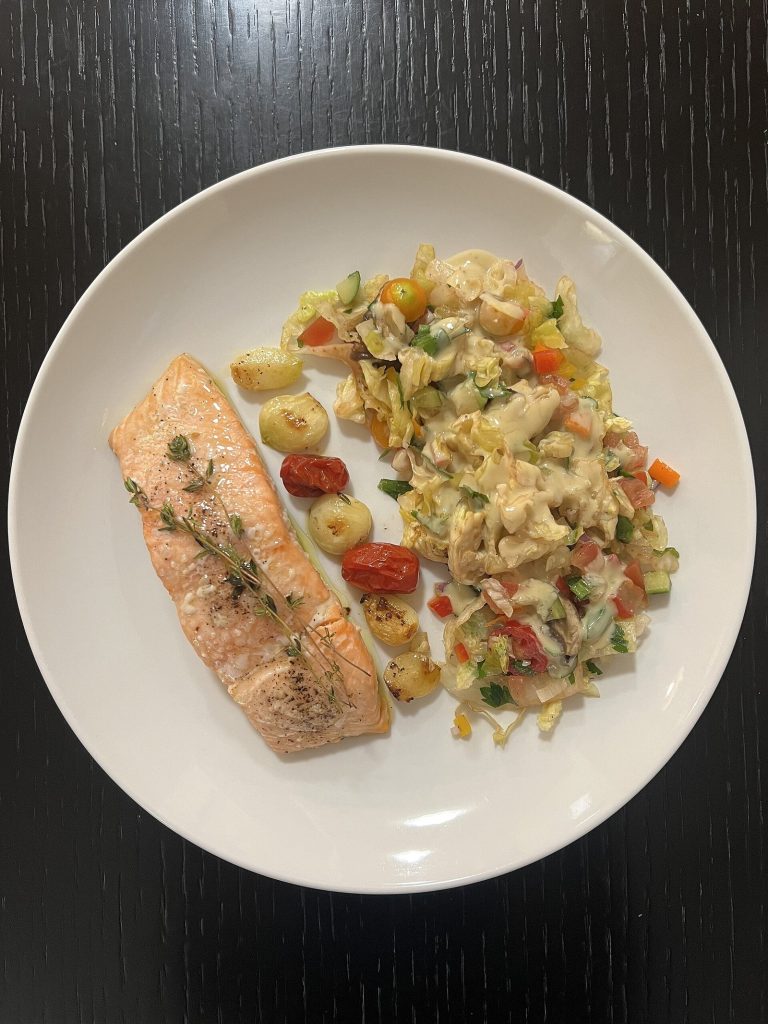
- – Dinner: baked fish or tofu, mashed or soft potato, cooked carrots; water.
- – Evening: light snack only if night medicines upset an empty stomach—follow label/clinician advice.
5. If diabetes or other chronic conditions coexist
Keep carbohydrate pacing consistent with your existing plan (type 2 diabetes plate patterns) rather than inventing a separate “shingles sugar ban” without clinician input.
6. Home setup tips
Batch broth and shredded protein once energy allows; keep cool compress supplies near the kitchen so skin care is not skipped for meal chores; wash hands before cooking; cover lingering uncrusted areas per clinician infection-control guidance when around high-risk contacts.
Safety, interactions, and who should ask a clinician first
- – Eye pain, vision changes, hearing changes, facial weakness, or severe headache: seek medical care promptly (MedlinePlus encyclopedia facial-nerve warning themes).
- – Immunocompromised status, cancer therapy, transplant medicines, or advanced age: individualized antiviral and isolation guidance—do not rely on grocery lists alone.
- – Pregnancy or breastfeeding: clinician-directed medicines and diet only.
- – Worsening pain after the rash improves, or pain lasting beyond the expected window: ask about PHN evaluation; kitchen changes do not replace nerve-pain care.
- – Do not stop prescribed antivirals, steroids if given, or pain medicines because a recovery-food chart looked complete.
- – Vaccine questions after recovery: CDC recommends Shingrix for eligible adults—ask timing relative to your episode.
FAQ
Can diet cure shingles or guarantee no PHN? No. MedlinePlus states there is no cure; PHN is the most common complication. Food supports comfort and fueling.
Is there an official CDC or NIH “shingles recovery diet”? No dedicated recovery menu. Public pages emphasize antivirals when indicated, pain and itch care, contagion timing around crusting, and vaccination for eligible adults.
When is the rash less likely to spread chickenpox to others? MedlinePlus: people with shingles cannot spread the virus before blisters appear or after the rash crusts; keep blisters covered and avoid high-risk contacts while oozing.
Do oatmeal baths mean I must eat only oats? No. MedlinePlus lists oatmeal baths for itch relief as skin care. Eating soft oatmeal is optional comfort food, not a virus protocol.
Should I take lysine, zinc, or vitamin C megadoses for recovery? Public MedlinePlus/CDC shingles pages do not present those as standard recovery protocols. Correct true nutrient deficiencies with clinician guidance (vitamin C deficiency diet guide, zinc deficiency diet guide); do not self-megadose to “finish” the virus.
Can food replace the shingles vaccine after I recover? No. CDC/MedlinePlus frame Shingrix as the main prevention tool for eligible adults; discuss timing with your clinician.
Medical disclaimer
This article is educational kitchen guidance for adults recovering after a shingles rash, grounded in public MedlinePlus and CDC patient information and linked Mayo Clinic treatment overview pages. It is not personal medical advice, diagnosis, or a substitute for antivirals, pain management, ophthalmology/ENT care, or vaccination counseling. Seek urgent care for eye, ear, neurologic, or severe systemic symptoms.