Pancreatitis Recovery Diet: Foods That May Help and Foods to Limit
Medical note: This article discusses foods and researched botanicals. It does not claim to prevent, treat, or cure disease. Supplements are not a substitute for food, and studied amounts are not personal prescriptions.
People searching “pancreatitis recovery diet foods that help or worsen” usually want post-hospital kitchen rules after an acute attack—or steady low-fat habits while chronic disease settles—not a claim that meals heal the pancreas or replace IV fluids, pain care, enzymes, or surgery. NIDDK defines pancreatitis as inflammation of the pancreas that can be short-term (acute) or long-lasting (chronic). MedlinePlus notes acute attacks often follow gallstones and may need hospital IV fluids, pain medicines, and sometimes antibiotics, while chronic disease commonly links to heavy alcohol use and can cause weight loss and oily stools. NIDDK’s eating page: once you may eat again, clinicians often prescribe a healthy, low-fat plan with small, frequent meals; drink plenty of fluids; limit caffeine; and do not drink any alcohol—even if pancreatitis was mild.
What this pancreatitis recovery diet guide covers (and what it does not)
This guide is for adults leaving the hospital after acute pancreatitis and for people rebuilding eating after flares of chronic disease, with clinician and dietitian oversight. Anchors: MedlinePlus — Pancreatitis, NIDDK — Pancreatitis, NIDDK — Eating, Diet, & Nutrition for Pancreatitis, and Mayo Clinic’s pancreatitis diagnosis/treatment overview for self-care themes such as stopping alcohol and smoking and choosing a balanced lower-fat pattern (Mayo Clinic — Pancreatitis diagnosis and treatment).
It is not a home protocol for a new severe attack. Upper abdominal pain radiating to the back with vomiting needs urgent care. During hospital treatment, NIDDK notes you may be told not to eat or drink for a while, or nutrition may come through a feeding tube—follow that team, then transition with their written diet instructions. Related reading: pancreatitis diet guide, chronic pancreatitis diet guide, EPI diet guide, and diet after pancreatectomy guide.
Evidence snapshot: pancreatitis recovery diet claims vs public sources
| Claim people hope for | What public sources actually say | Confidence |
|---|---|---|
| “A little alcohol is fine once pain stops” | NIDDK: strongly advise no alcohol, even if pancreatitis is mild; Mayo self-care: stop drinking while recovering | Strong |
| “Low-fat small meals help after eating resumes” | NIDDK: healthy low-fat plan with small, frequent meals once eating is allowed again | Strong for post-acute recovery |
| “High-fat, high-calorie eating is harmless” | NIDDK: can raise blood fat levels and raise pancreatitis risk | Moderate–strong prevention framing |
| “Caffeine is unlimited in recovery” | NIDDK: limit caffeine; drink plenty of fluids | Moderate practical guidance |
| “Shop enzymes replace prescribed PERT” | Chronic disease may need clinician-prescribed enzymes; do not self-substitute unregulated products | Strong: use prescribed enzymes only |
| “Smoking is unrelated once diet improves” | Mayo self-care lists quitting smoking; continuing tobacco worsens outcomes in clinical guidance | Strong to quit |
Foods and patterns that may help during pancreatitis recovery
“May help” means NIDDK/Mayo-aligned low-fat, small-meal, alcohol-free rebuilding—not a promise that plates reverse scarring or prevent every future attack.
Restart food only when your team says so
- – Mayo: you may begin eating again when you can do so without vomiting or pain; some people need a feeding tube first.
- – Advance from clear liquids to soft low-fat solids exactly as written in your discharge plan.
Small, frequent, lower-fat plates (NIDDK)
- – Aim for several modest meals rather than two large heavy ones.
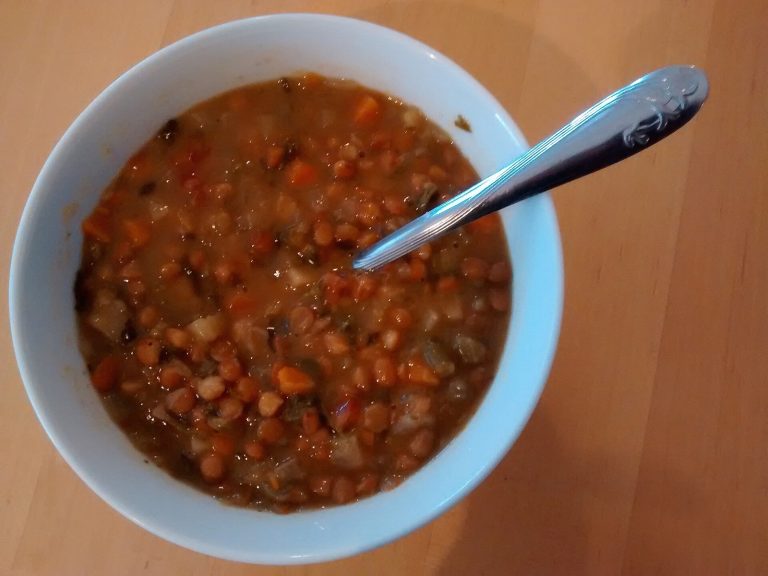
- – Choose lean proteins: skinless poultry, white fish, egg whites or whole eggs as tolerated, tofu, beans and lentils prepared with little added fat, low-fat yogurt.
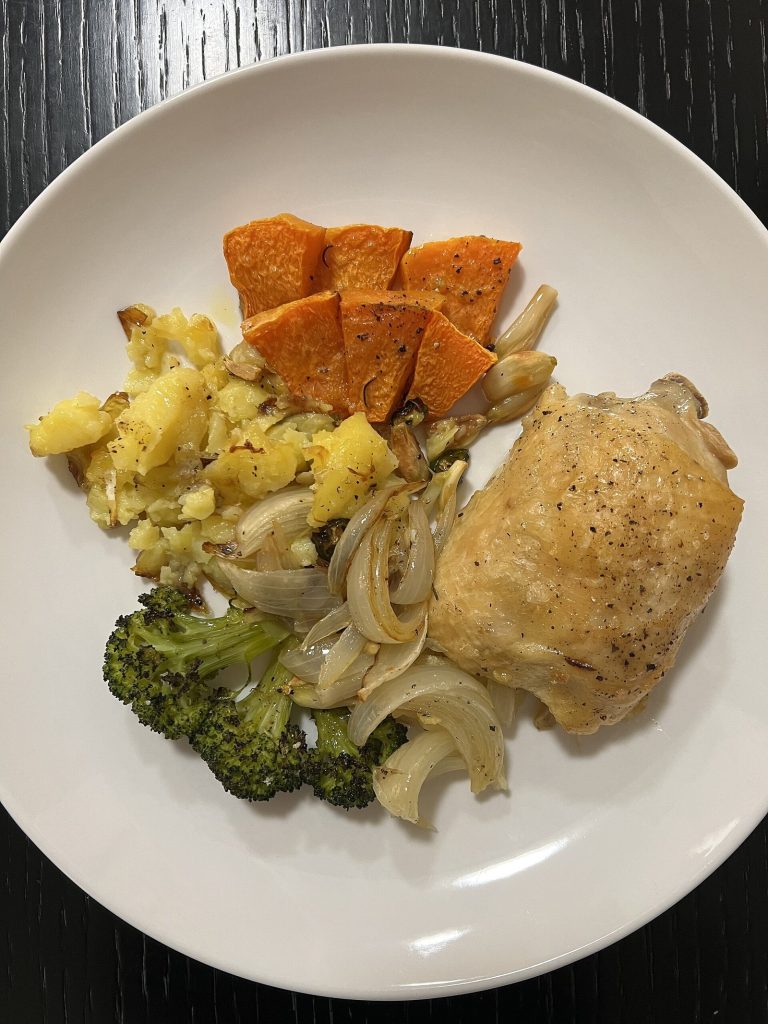
- – Cook by baking, grilling, steaming, poaching, or stewing—minimize frying and creamy sauces.
- – Fill the plate with vegetables, fruit, and grains your team allows; many people do well with rice, oats, potatoes, and soft cooked vegetables early on.
Fluids first, caffeine down
- – Keep water or other nonalcoholic fluids nearby; pancreatitis and poor intake can dehydrate you (Mayo: drink more fluids).
- – Limit coffee, energy drinks, and other high-caffeine products per NIDDK while you recover.
When chronic disease or EPI is part of the story
- – MedlinePlus: after hospitalization you may need enzymes and a special diet, and you should not smoke or drink alcohol.
- – Take prescribed pancreatic enzymes exactly with meals and snacks if ordered—see EPI diet guide.
- – If triglycerides were high, follow the lipid-lowering eating plan your clinician set; NIDDK links high blood fats with risk.
Gallstone-aware prevention after biliary pancreatitis
- – Maintain a healthy weight pattern as advised; NIDDK notes high-fat, high-calorie eating can raise blood fats and risk.
- – Do not crash-diet with very low-calorie liquid “cleanses” unless a clinician is supervising—rapid weight loss can affect gallstones for some people.
Foods and habits that often worsen pancreatitis recovery
- – Any alcohol—NIDDK’s strong advice applies even to “mild” cases.
- – Fried foods, fatty meats, heavy cream sauces, pastry-heavy snacks, and large fast-food meals while on a low-fat recovery plan.
- – High-caffeine patterns that replace water and disrupt sleep while healing.
- – Smoking or vaping nicotine, which Mayo flags as worsening pancreatitis recovery trajectories.
- – Restarting huge holiday meals the week you get home “to catch up” on calories.
- – Unregulated detox teas, gallbladder flushes, or megadose supplements marketed as pancreas cures.
- – Ignoring oily stools, ongoing weight loss, or new diabetes symptoms—those need medical review, not more DIY restriction.
“Limit” means protecting the recovery window and lowering recurrence risk—not shaming every gram of fat forever without a dietitian’s plan.
Practical kitchen protocol: a pancreatitis recovery week
1. Follow the written advance diet
Keep the hospital handout on the fridge. Do not skip ahead to fried takeout because appetite returned.
2. Shopping list for low-fat rebuilding
Skinless chicken; white fish; eggs; low-fat dairy or alternatives; oats; rice; potatoes; bananas and soft fruit; frozen vegetables; lentils; clear broth; olive oil measured in teaspoons if allowed; herbal caffeine-light drinks; plenty of bottled or filtered water.
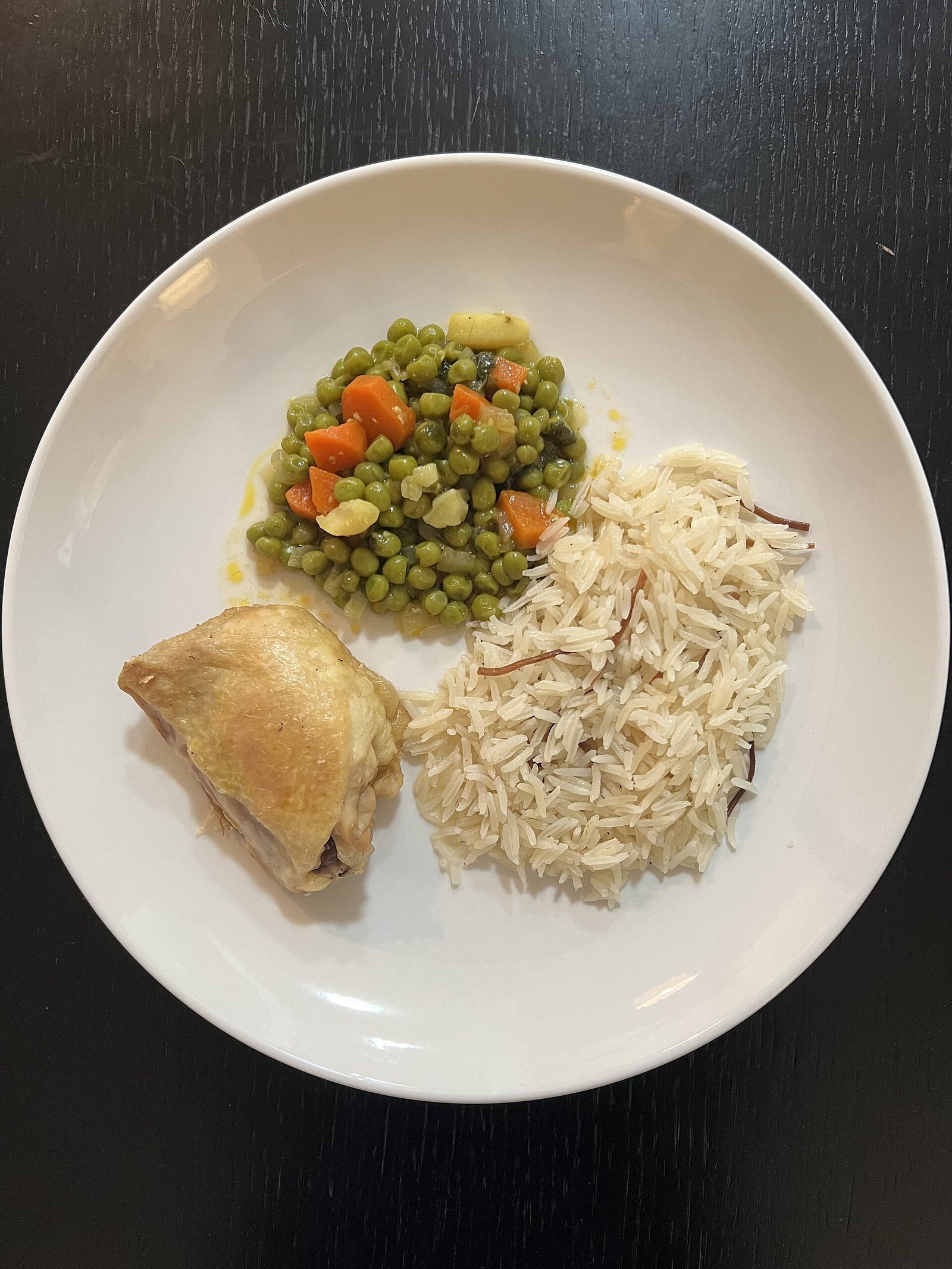
3. Default plate template (early recovery)
- – Large share of vegetables or soft fruit
- – Lean protein portion
- – Low-fat starch (rice, potato, oats)
- – Little or no added fat at the table
- – Fluid with every sitting
- – Enzyme capsules with the first bites if prescribed
4. Sample day (illustrative after solids are cleared)
- – Breakfast: oatmeal with banana; water.
- – Mid-morning: low-fat yogurt if tolerated.
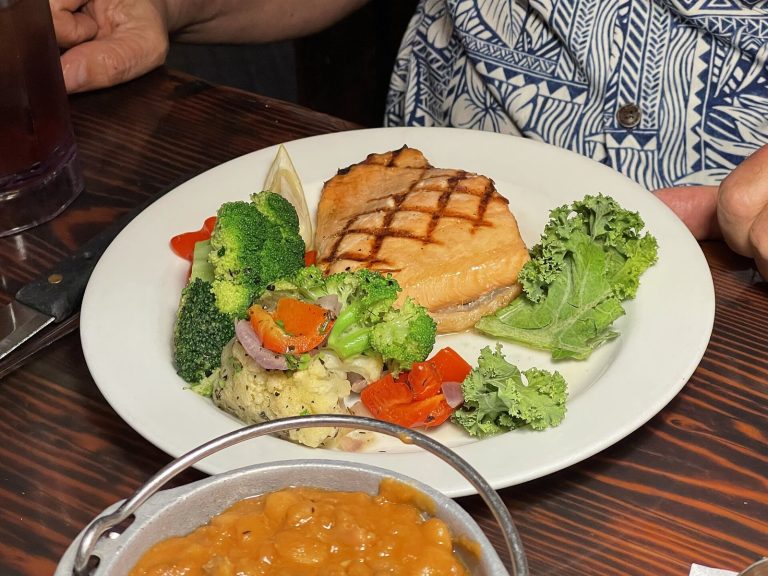
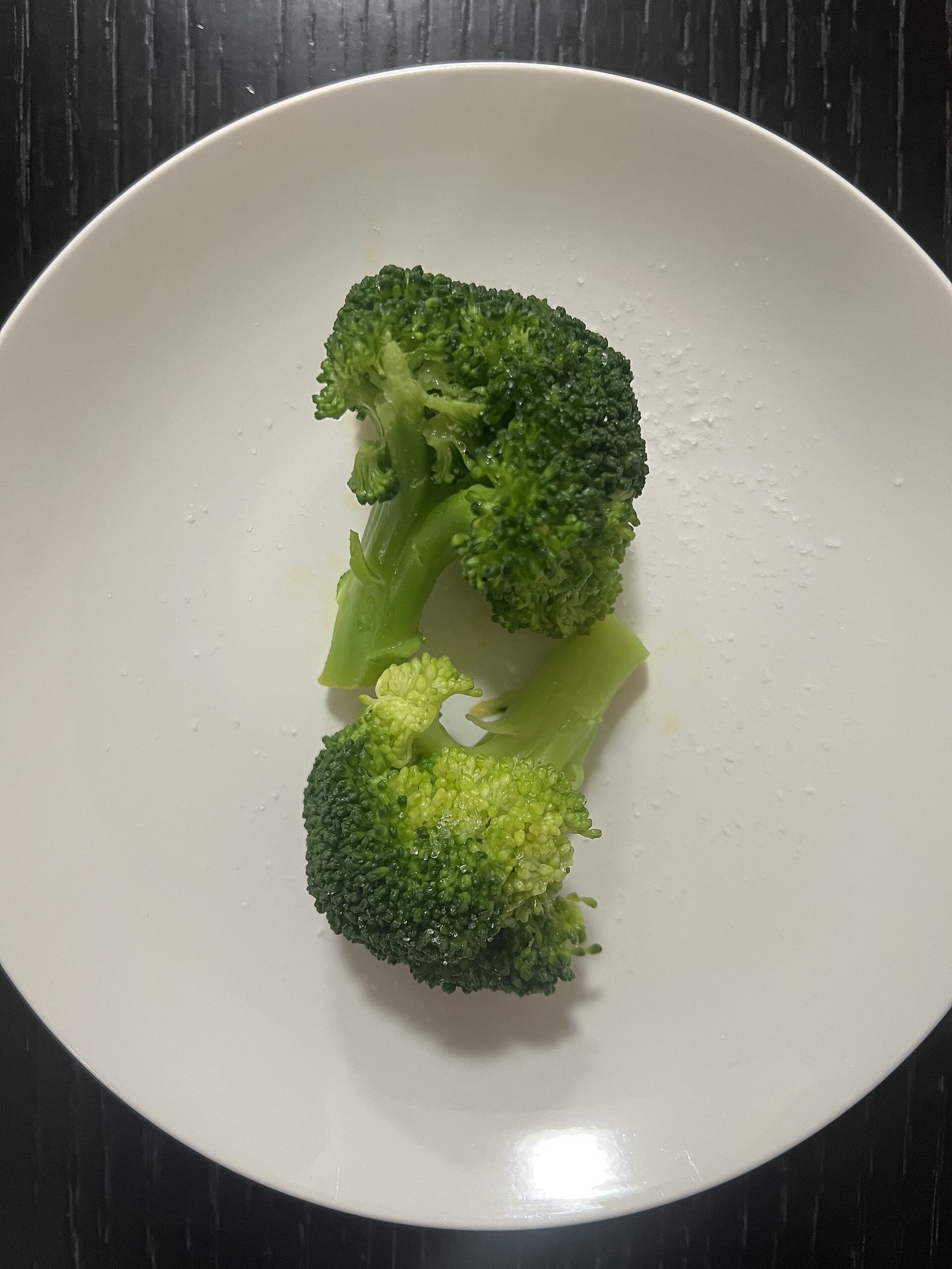
- – Lunch: grilled chicken, steamed broccoli, rice; water.
- – Afternoon: soft fruit or clear broth.
- – Dinner: baked white fish, carrots, potato; water.
- – Evening: no alcohol; early light snack only if your team suggested frequent feeds.
5. Eating out
Choose steamed or grilled menu items; ask for sauces off; skip fried appetizers; confirm no butter baths on vegetables; leave if only deep-fried options exist.
6. When pain or vomiting returns
Stop oral intake as previously instructed and seek care—do not push “just one more bite” through a new attack.
Safety, interactions, and who should ask a clinician first
- – Ongoing opioid pain medicines: ask about constipation prevention with soft fiber and fluids as tolerated.
- – Diabetes that appears after pancreatitis: coordinate carbohydrate distribution with endocrinology or your primary clinician.
- – High triglycerides, gallstones awaiting surgery, or post-ERCP diet rules: follow procedure-specific instructions.
- – Unintentional weight loss, greasy stools, or vitamin deficiencies: ask about enzymes and dietitian referral.
- – Inability to stop alcohol alone: ask for addiction treatment referral—kitchen advice is not enough.
FAQ
When can I eat normally again? Only when your care team clears each step. NIDDK describes a healthy low-fat plan with small frequent meals after oral intake resumes—not an instant return to prior high-fat habits.
Is zero alcohol forever? NIDDK strongly advises no alcohol for people with pancreatitis, including mild cases. Discuss personal risk and support programs with your clinician.
How is this different from the general pancreatitis diet page? This page centers the recovery window—discharge advance diets, alcohol/smoking cessation, caffeine limits, and rebuilding—while pancreatitis diet guide and chronic pancreatitis diet guide cover broader acute-versus-chronic nuances.
Do I need enzymes after every acute attack? Not always. Enzymes are more often discussed in chronic disease or malabsorption. Use them only if prescribed.
Can coffee stay if I cut alcohol? NIDDK still advises limiting caffeine and prioritizing fluids. Trial lower caffeine and watch sleep and reflux.
Will a low-fat diet prevent every future attack? It may help lower risk alongside treating gallstones, triglycerides, and alcohol use, but it is not a guarantee.
How this differs from related OTCFood topics
This page is a pancreatitis recovery–bound diet guide for the weeks after hospital care or flares. It is not an ERCP technique guide, not a full EPI dosing manual, and not a substitute for gastroenterology follow-up.
Medical disclaimer
Medical disclaimer: This article is for general information only. It is not medical advice, diagnosis, or a treatment plan. Pancreatitis care depends on cause, imaging, labs, alcohol use, triglycerides, gallstones, enzymes, and your clinician’s judgment. Talk with a clinician or registered dietitian before starting, stopping, or changing any eating plan, supplement, or medicine. Seek urgent care for severe abdominal pain, persistent vomiting, fever, jaundice, or signs of dehydration.