Eustachian Tube Dysfunction Diet: Foods That May Help and Foods to Limit
Medical note: This article discusses foods and researched botanicals. It does not claim to prevent, treat, or cure disease. Supplements are not a substitute for food, and studied amounts are not personal prescriptions.
People searching “eustachian tube dysfunction diet foods that help or worsen” usually want kitchen and hydration habits that support comfort when ears feel full or pressure-locked—not a claim that food opens the eustachian tube the way yawning, swallowing, treating congestion, or clinician care can. MedlinePlus explains that the eustachian tube connects the middle ear to the back of the nose and upper throat and helps equalize pressure on either side of the eardrum. When the tube is blocked—often with colds, allergies, altitude changes, or upper respiratory infections—pressure differences can cause ear fullness, discomfort, muffled hearing, or barotrauma. NIDCD educational pages on ear infections in children similarly emphasize how eustachian tube problems relate to fluid and infection risk, especially when congestion is present.
What this eustachian tube dysfunction diet guide covers (and what it does not)
This guide is for adults (and caregivers reading alongside pediatric advice) who want practical eating and drinking patterns during congested or pressure-sensitive ear episodes. Anchors: MedlinePlus — Eustachian tube patency, MedlinePlus — Ear barotrauma, MedlinePlus — Ear blocked at high altitudes, and NIDCD — Ear Infections in Children.
Food does not “cure” eustachian tube dysfunction. MedlinePlus self-care for pressure symptoms centers on chewing gum, yawning, sucking candy, gentle pressure-equalizing techniques, and treating nasal congestion when advised—not culinary therapies. This page is not a substitute for ENT evaluation when symptoms persist, and it is not a claim that diet clears middle-ear fluid. Related sinus and allergy kitchen contexts appear in allergic rhinitis diet guide and chronic sinusitis diet guide.
Evidence snapshot: ETD diet claims vs public sources
| Claim people hope for | What public sources actually say | Confidence |
|---|---|---|
| “Special foods open the eustachian tube” | MedlinePlus focuses on swallowing, yawning, gum, candy, and congestion care—not food cures | Strong: no culinary cure |
| “Dairy always blocks the ears” | Public NIH/MedlinePlus ear-pressure pages do not present dairy elimination as standard ETD therapy | Low for universal dairy bans |
| “Chewing and sipping can help equalize pressure” | MedlinePlus lists chewing gum, sucking candy, yawning, and sips/nursing for infants among equalization helps | Moderate–strong for mechanical comfort |
| “Diet replaces decongestants or ear tubes when needed” | MedlinePlus may include decongestants, steroids, antibiotics, myringotomy, or tubes in clinician plans | Strong: food is adjunct only |
| “Flying symptoms mean you failed a diet” | MedlinePlus: altitude changes commonly cause barotrauma, especially with congestion | Strong: physics + congestion, not diet failure |
Foods and patterns that may help with ETD day-to-day comfort
“May help” means supporting hydration, safe chewing/swallowing cues that encourage tube opening, and allergy/congestion self-care—not dissolving ear pressure with a superfood.
Hydration and warm fluids
- – Staying generally hydrated supports mucus membrane comfort during colds and allergies; dehydration can make secretions feel thicker for some people.
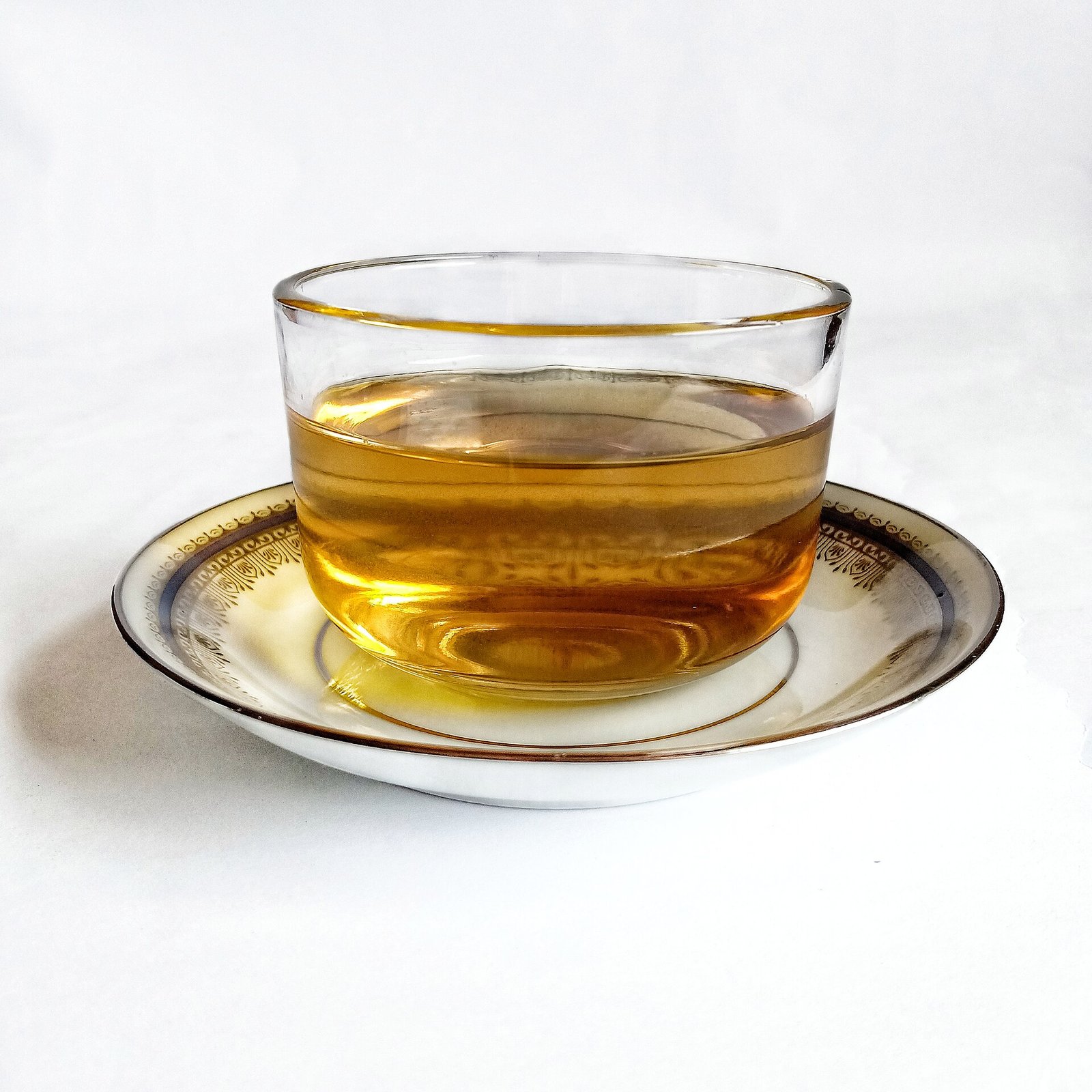
- – Warm non-alcoholic fluids may feel soothing with upper-respiratory congestion that often accompanies eustachian problems.
- – For infants and small children during altitude changes, MedlinePlus notes nursing or taking sips of a drink may help—follow pediatric guidance.
Chewing- and swallowing-friendly snacks (mechanical, not medicinal)
- – MedlinePlus lists chewing gum and sucking on candy among ways to open the tube and relieve pressure.
- – Sugar-free gum or sugar-free hard candy reduces dental risk if you use this trick often; spit out gum safely and supervise children (choking risk).
- – Crunchy snacks are optional comfort only—they are not disease-modifying therapy.
Congestion-aware kitchen patterns
- – If allergies drive your ear fullness, reducing personal allergic food triggers (only when confirmed) and supporting overall rhinitis care matters more than random eliminations—see allergic rhinitis diet guide.
- – During active colds, soft meals may be easier if sore throat coexists; focus on rest and fluids alongside ENT/primary-care advice.
- – Smoke-free air matters: irritants and cigarette smoke are linked with middle-ear fluid problems in NIDCD/MedlinePlus-related education on ear infections and otitis media with effusion.
Travel-day plate tips
- – On flight days, plan gum or sugar-free candy in your bag; stay awake during descent as MedlinePlus advises.
- – Avoid heavy alcohol that disrupts sleep and hydration before flying.
- – Eat normally enough to keep swallowing regularly—skipping all food is not an equalization strategy.
Foods and habits that often worsen ETD kitchen patterns
- – Expecting elimination diets to replace ENT care—persistent pressure, hearing loss, drainage, fever, or severe pain needs a clinician, not another cleanse.
- – Forceful Valsalva blowing—MedlinePlus warns that blowing too hard while equalizing can injure the eardrum or push bacteria; gentle techniques only.
- – Alcohol-heavy evenings plus smoking—irritate airways and undermine rest while congested.
- – Scuba diving or flying with significant congestion without clinician advice—MedlinePlus flags higher barotrauma risk; diet will not make unsafe diving safe.
- – Ignoring reflux or post-nasal drip contexts that your clinician flags—kitchen timing tips in GERD diet guide may matter for throat comfort for some people, without claiming GERD equals ETD.
- – Using sugary candy constantly for “ear popping”—mechanical help is fine; constant sugar raises dental risk—prefer sugar-free options.
“Limit” means reducing habits that worsen congestion, dehydration, or unsafe pressure tricks—not blaming pizza for ear physics.
Practical kitchen protocol: an ETD-aware week
1. Keep the medical spine first
If fullness lasts beyond brief altitude changes, worsens, or includes hearing loss, drainage, fever, or severe pain, contact a clinician. Ask whether allergies, sinus disease, or infection need treatment. Do not start leftover antibiotic “ear diets.”
2. Shopping list for pressure-season kitchens
Water; herbal tea; sugar-free gum or sugar-free hard candy; soft fruits; soups; yogurt if tolerated; nasal-saline supplies if your clinician recommends them (not food, but often paired with congestion care).
3. Default day template
- – Regular meals so you swallow often
- – Fluids between meals
- – Sugar-free gum after meals if pressure builds
- – Smoke-free home air
4. Sample day (illustrative)
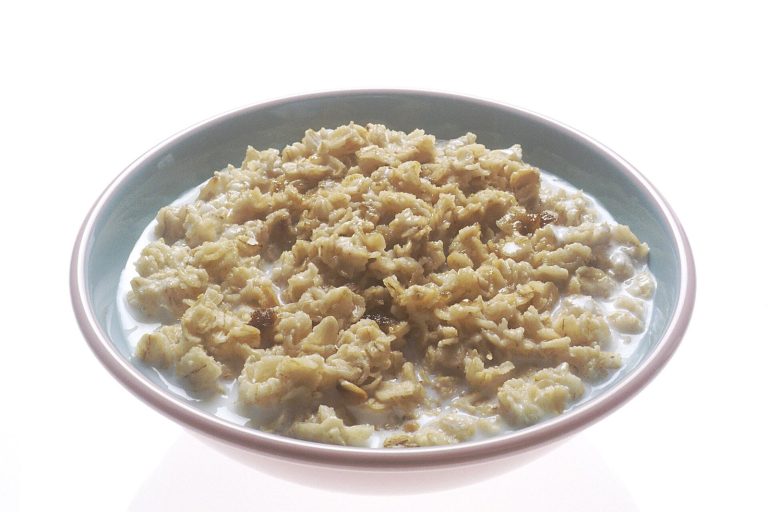
- – Breakfast: oatmeal and fruit; water or tea.
- – Mid-morning: sugar-free gum if ears feel full; water.
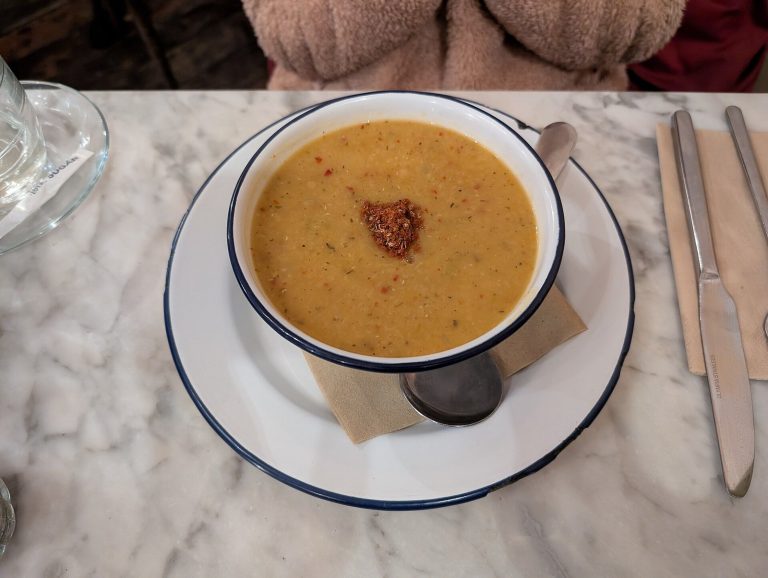
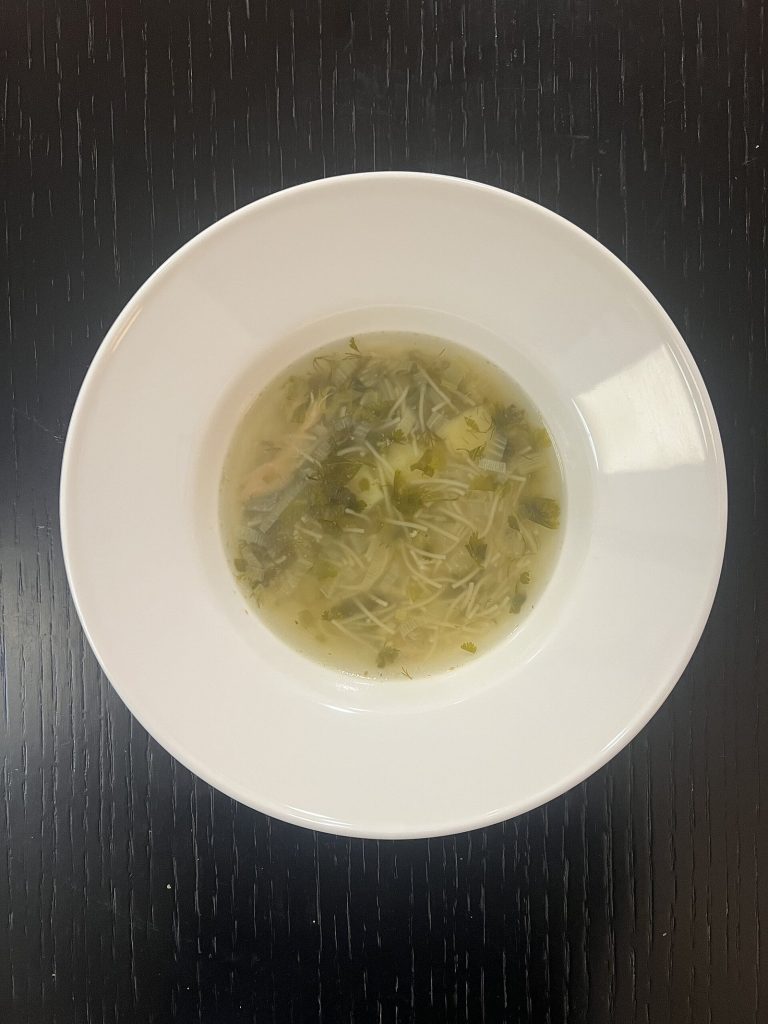
- – Lunch: vegetable soup and soft sandwich; yogurt.
- – Snack: apple or sugar-free candy before a known altitude change.
- – Dinner: rice, cooked vegetables, lean protein; limited alcohol.
- – Flight tip: stay awake on descent; chew and swallow deliberately.
5. Allergy and sinus overlap
Pair kitchen simplicity with medical allergy care when relevant—see acute sinusitis diet guide and chronic sinusitis diet guide for sinus-bound diet framing, remembering food does not drain sinuses or ears by magic.
6. When tinnitus or vertigo coexist
Ear-pressure problems can overlap with other ear symptoms; diet pages such as tinnitus diet guide or vertigo and Ménière’s diet guide are separate topics—get a proper ear exam rather than stacking unrelated eliminations.
Safety, interactions, and who should ask a clinician first
- – Infants, people with recent ear surgery, severe nasal polyps, or immunocompromise need personalized ENT advice.
- – Decongestant pills or sprays are medicines—ask about blood pressure, prostate, glaucoma, and rebound congestion risks before using them for flights.
- – Never put food, oils, or home remedies into the ear canal for ETD.
- – Sudden hearing loss, spinning vertigo with neurological signs, or bloody drainage is urgent.
FAQ
Can diet cure eustachian tube dysfunction? No. MedlinePlus centers on equalization techniques and treating congestion causes—not culinary cures.
Does chewing gum really help? MedlinePlus lists chewing gum among methods that can open the tube and relieve pressure for many people. It is a comfort technique, not disease-modifying therapy.
Should I stop all dairy? NIH/MedlinePlus ear-pressure pages do not mandate dairy elimination for ETD. Adjust only for personal intolerance or clinician advice.
What if my ears stay blocked after a flight? Try gentle MedlinePlus self-care first; contact a provider if discomfort does not ease after a few hours or if severe symptoms appear.
Are ear tubes a diet failure? No. Tubes or myringotomy are procedural options when clinician criteria are met—unrelated to whether you ate soup or salad.
How this differs from related OTCFood topics
This page is an eustachian-tube-dysfunction-bound guide focused on hydration, chewing/swallowing cues, congestion-aware habits, and realistic limits of food. It is not a sinus infection antibiotic plan, not an allergy immunotherapy guide, and not a claim that meals equalize middle-ear pressure on command.
Medical disclaimer
Medical disclaimer: This article is for general information only. It is not medical advice, diagnosis, or a treatment plan. Ear-pressure problems can involve infection, barotrauma, allergies, or other ENT conditions. Talk with a clinician before starting, stopping, or changing any eating plan, supplement, or medicine (including decongestants). Seek urgent care for severe ear pain, drainage or bleeding, high fever, sudden hearing loss, or neurological symptoms.