Shingles Diet: Foods That May Help and Foods to Limit
Medical note: This article discusses foods and researched botanicals. It does not claim to prevent, treat, or cure disease. Supplements are not a substitute for food, and studied amounts are not personal prescriptions.
No food, juice cleanse, or supplement treats the varicella-zoster virus that causes shingles. CDC explains that shingles is a painful rash from reactivation of the chickenpox virus, that about 1 in 3 people in the United States will have shingles in their lifetime, and that antiviral medicines work best when started as soon as the rash appears. NHS likewise directs people to get pharmacy or GP help quickly for antivirals. Diet’s realistic role is supporting appetite, hydration, and recovery comfort while medicines and wound care do the antiviral work—and vaccination remains the main prevention tool CDC recommends for eligible adults.
What this shingles diet guide covers (and what it does not)
This guide is for adults recovering from shingles who want practical eating tips when pain, fever, or mouth/face involvement makes chewing hard. It covers soft foods, fluids, gentle nutrition, and what not to claim. It does not replace antivirals, pain medicines, eye care, or the shingles vaccine.
Anchors: CDC — About Shingles, NHS — Shingles.
Evidence snapshot: shingles diet claims vs public sources
| Claim people hope for | What public sources actually say | Confidence |
|---|---|---|
| “Lysine foods cure shingles” | CDC/NHS focus on antivirals, pain relief, rash care, and vaccine—not lysine diets | Insufficient / not supported as treatment |
| “Diet shortens the rash” | CDC: antivirals shorten length/severity; start ASAP after rash | Strong for antivirals; diet not a substitute |
| “You can prevent shingles with food” | CDC: recombinant zoster vaccine (Shingrix) for eligible adults is the prevention tool | Strong for vaccine |
| “Soft foods and fluids help recovery” | Supportive common-sense care when appetite is poor; not a virus treatment | Practical / low disease-specific evidence |
| “Alcohol helps sleep through pain” | NHS low-blood-pressure and general illness pages advise caution with alcohol; alcohol can dehydrate and interact with medicines | Limit |
Foods and patterns that may help during shingles recovery
“May help” means comfort and nutrition while prescribed care works—not antiviral activity.
Easy-to-chew proteins and calories
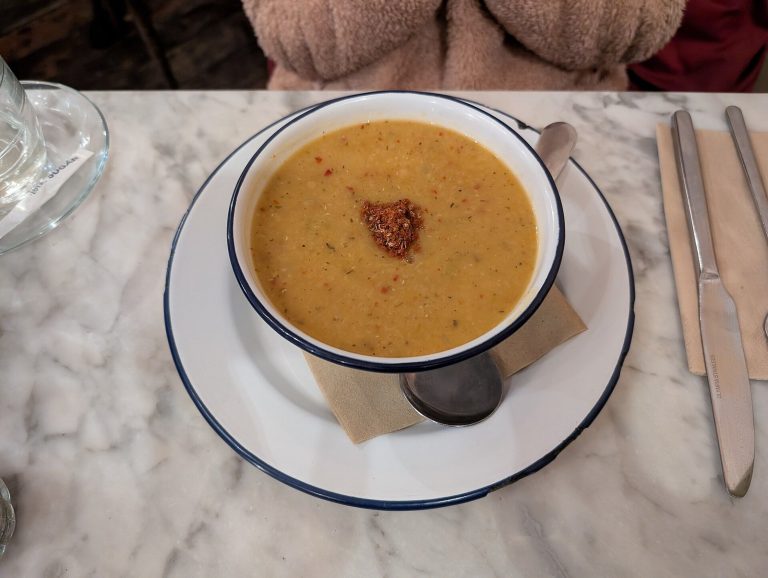
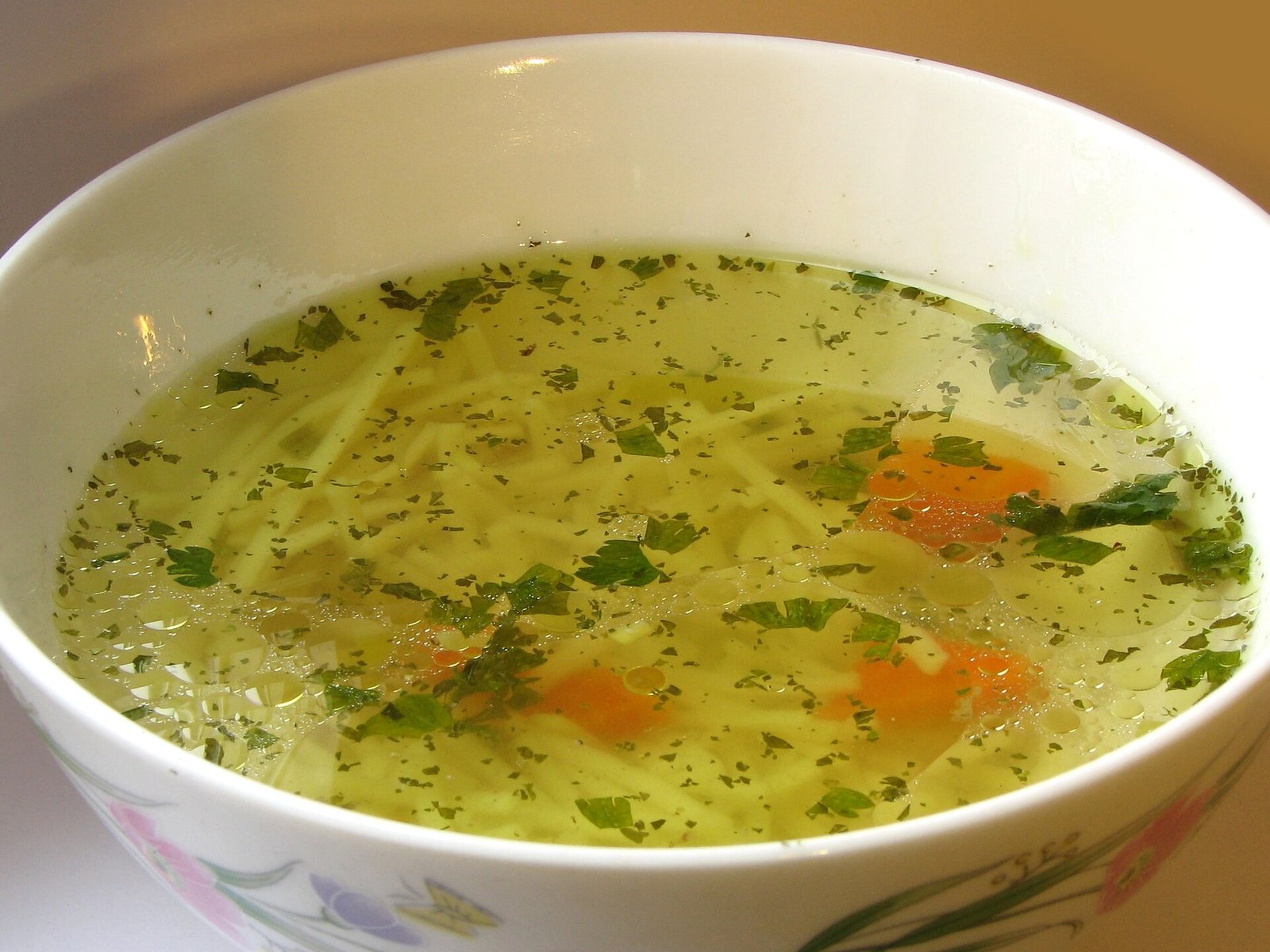
If facial, oral, or widespread pain reduces intake, try scrambled eggs, yogurt, cottage cheese, soft tofu, blended soups, mashed beans, and flaked fish. Protein and calories support general recovery when you are eating less.
Cool, soft textures if the mouth or throat hurts
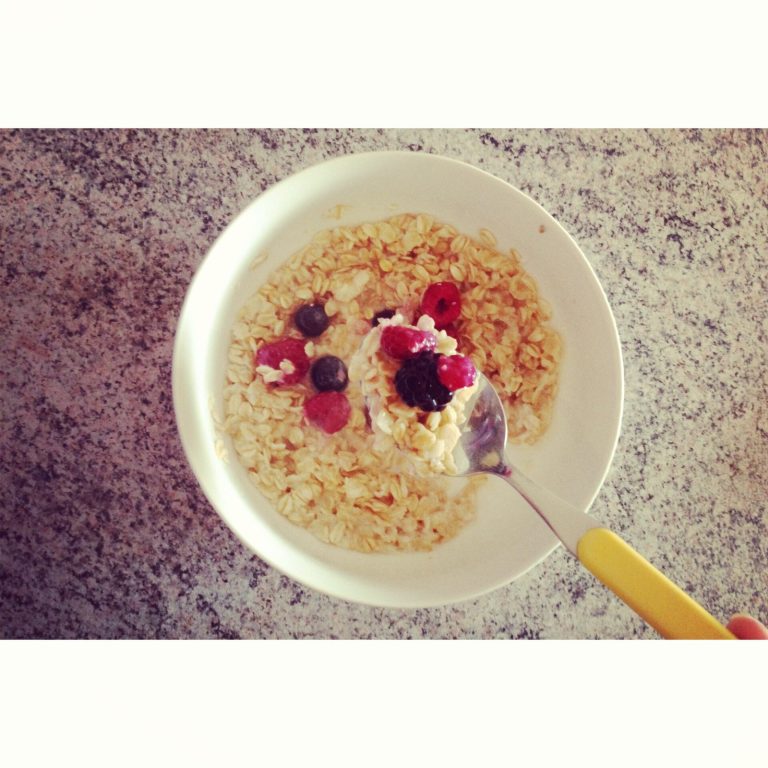
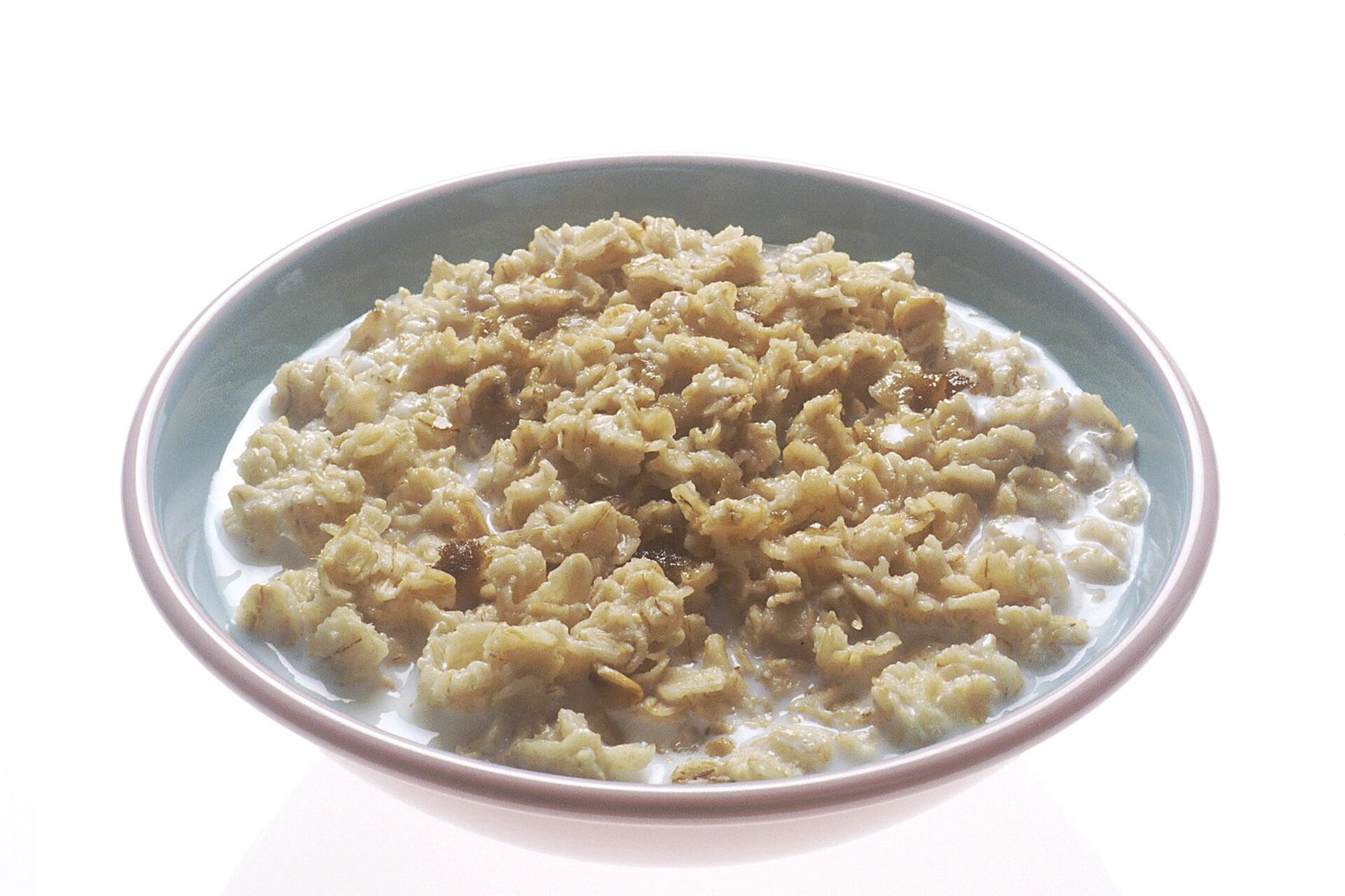
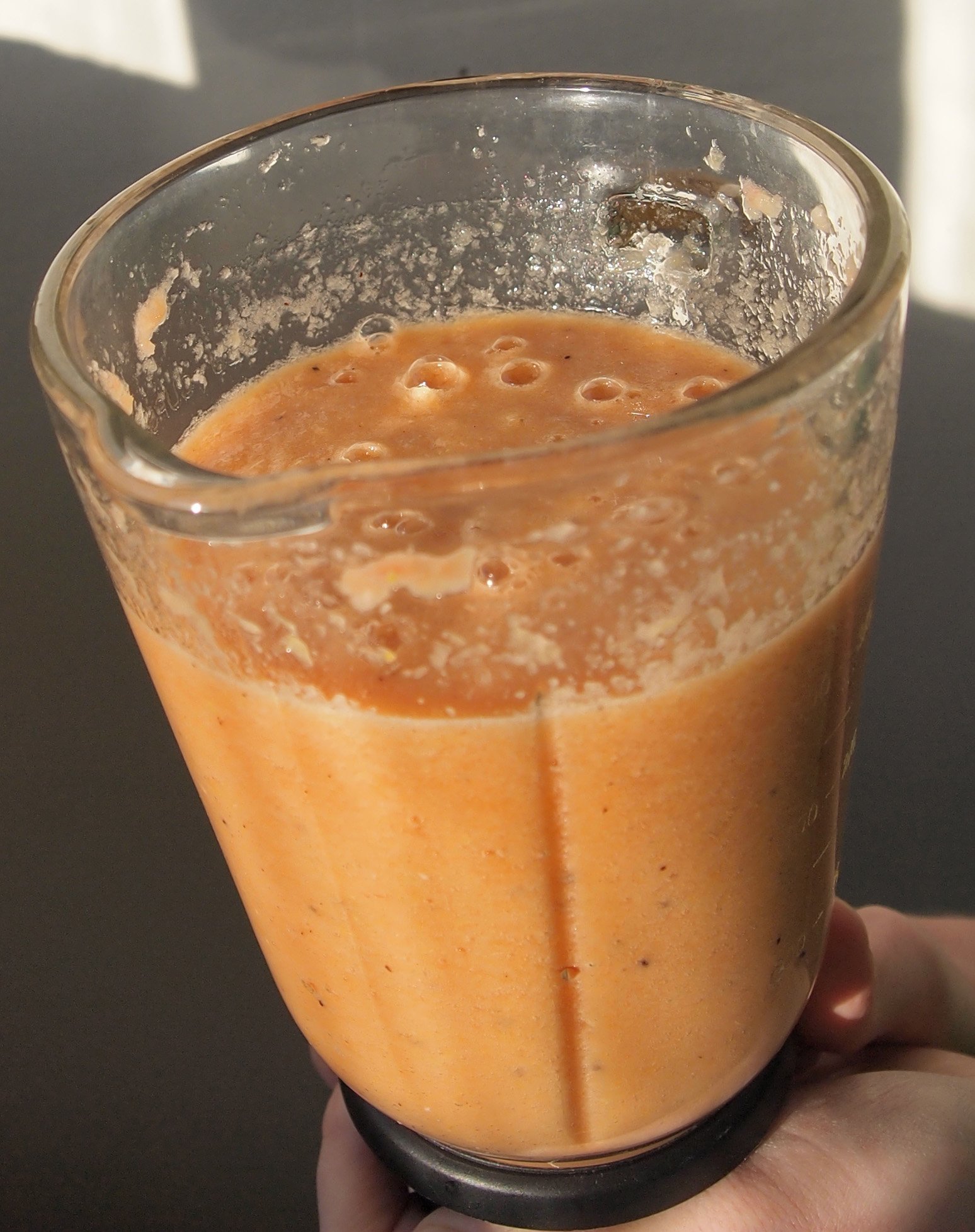
Smoothies with yogurt or fortified plant milk, applesauce, mashed banana, oatmeal, and ice pops (without excess sugar if diabetes is present). Avoid very hot soups if they sting.
Fluids for fever and reduced appetite
Water, oral rehydration solutions if advised, broths, and diluted juices. CDC notes wet compresses and oatmeal baths for itching—those are skin care, not diet—but staying hydrated still matters if fever is present.
Familiar anti-inflammatory plate pattern (supportive only)
Vegetables, fruit, whole grains, and fish fit general healthy eating while you recover. This is not a proven antiviral menu.
Medication-friendly meal timing
Take antivirals and pain medicines with food if the label or pharmacist says so, to reduce nausea.
Foods and drinks to limit while recovering
- – Alcohol, which can dehydrate, disturb sleep, and interact with pain medicines
- – Very spicy, acidic, or crunchy foods if facial or oral lesions make chewing painful
- – Large heavy meals if nausea from medicines is present—use smaller plates
- – Unverified megadose vitamin or “immune booster” stacks marketed to “kill shingles”; discuss any supplement with your clinician, especially if you take other medicines
Practical kitchen protocol: eating through a shingles flare
1. Prioritize antivirals and medical contact first
CDC: contact a doctor as soon as you think you have shingles. NHS: try to see a pharmacist within 3 days of the rash. Food planning comes after that call.
2. Batch soft foods for low-effort days
Cook a pot of mild soup, portion yogurt cups, keep bananas and eggs on hand, and freeze smoothie packs (fruit + yogurt).
3. Sample soft day (illustrative)
- – Breakfast: oatmeal with banana and yogurt
- – Lunch: blended vegetable soup with soft bread; scrambled eggs
- – Snack: applesauce or smoothie
- – Dinner: flaked salmon or tofu, mashed potatoes, cooked carrots
- – Drinks: water regularly; broth if appetite is poor
4. If one eye or the face is involved
Follow medical advice immediately—NHS notes eye involvement can affect sight. Choose foods that need little chewing so you can rest.
5. Contagion kitchen hygiene (CDC context)
People with shingles can spread VZV to others who never had chickenpox or the vaccine via contact with blister fluid. Cover the rash, avoid food prep for others if blisters are uncovered, and wash hands well.
6. After the acute phase
Return toward your usual balanced pattern. Ask about Shingrix timing with your clinician for future protection if you are eligible (CDC: adults 50+; also 19+ with weakened immune systems in specified cases).
Safety, interactions, and when to get help
- – Diet does not treat VZV. Delaying antivirals to try a food protocol is unsafe.
- – Seek urgent care for eye involvement, hearing changes, facial weakness, high fever, confusion, or severe pain not controlled by prescribed medicines.
- – Pregnant people, newborns, and immunocompromised contacts need clinician guidance about exposure.
- – Check pain-medicine and antiviral interactions with alcohol and supplements at the pharmacy.
Appetite first-aid rules of thumb
- 1. Eat something with protein three times a day even if portions are tiny.
- 2. Drink on a schedule (for example a glass of water each time you take medicine) because thirst cues fade when you feel miserable.
- 3. Stock the freezer before pain peaks if you notice a tingling prodrome and already have a clinical plan.
- 4. Ask a household member to handle knife work if arm or torso pain limits prep.
- 5. Resume fiber-rich plants gradually as appetite returns to avoid constipation from pain medicines—see also our constipation guide linked below.
Weekly prep for painful, low-motivation days
Before pain peaks—or as soon as antivirals start—ask someone to help you freeze soup portions, buy yogurt multipacks, and place water bottles in every room you rest in. Soft foods matter more than perfect macros for a few days: prioritize any calories you can keep down, then rebuild protein as chewing becomes easier. If facial shingles make toothbrushing painful, choose cooler foods and ask your clinician about oral care products. Keep a simple list of medicines and meal times on the counter so household helpers do not offer alcohol “to sleep” or untested mega-supplements marketed for viruses.
Pain medicines, constipation, and the plate
Opioid or constipating pain medicines sometimes enter shingles care. If that happens, ask about fiber and fluid targets so you are not stuck choosing between pain control and bowel discomfort—our constipation guide linked below can help with food ideas, but your clinician should clear fiber increases during acute illness. Prefer scheduled soft meals over grazing on sweets that leave you without protein.
Sample shopping list for soft recovery eating
Oatmeal, bananas, yogurt, eggs, broth, soft bread, frozen fruit for smoothies, and flaked fish or tofu. Skip alcohol and ultra-crunchy snacks until chewing and energy improve. Refill water cases before you are too sore to shop.
FAQ
Can any diet cure shingles? No. CDC treatment focus is antivirals, pain relief, and rash care; prevention relies on vaccination for eligible adults.
What should I eat if my face hurts? Soft, cool, nutrient-dense foods and fluids—eggs, yogurt, soups, smoothies—while you follow medical treatment. This is comfort care only.
Do I need lysine supplements? Public CDC/NHS pages do not present lysine diets as standard shingles treatment. Ask your clinician before supplements.
When should I get the shingles vaccine? CDC recommends 2 doses of recombinant zoster vaccine (Shingrix) for adults 50 years and older, and for adults 19+ with weakened immune systems as specified—ask your clinician about timing after an episode.
Can I prepare food for others while I have shingles? CDC notes the virus can spread from blister fluid to people who never had chickenpox or the vaccine. Cover the rash, wash hands, and avoid food prep for high-risk people until your clinician says the risk is controlled.
How this differs from related OTCFood topics
This page is recovery nutrition during a viral rash illness, not an antiviral diet. For immune-adjacent but different topics see vitamin D deficiency diet guide and iron deficiency anemia diet guide. Skin-barrier food myths also appear in eczema diet guide.
Medical disclaimer
Medical disclaimer: This article is educational only and is not medical advice. Shingles requires prompt clinical care. Antivirals, pain control, eye evaluation, and vaccination decisions belong with licensed clinicians. Do not use diet to delay treatment. Seek urgent care for eye symptoms, neurological changes, or severe illness.