Perimenopause Diet: Foods That May Help and Foods to Limit
Medical note: This article discusses foods and researched botanicals. It does not claim to prevent, treat, or cure disease. Supplements are not a substitute for food, and studied amounts are not personal prescriptions.
People searching “perimenopause diet foods that help or worsen” usually want kitchen habits that may ease hot flashes, support sleep, and protect bones and heart health during the menopausal transition—not a claim that food replaces hormone therapy, nonhormonal medicines, or clinician care. The National Institute on Aging (NIA) describes perimenopause (the menopausal transition) as the years when periods become irregular and estrogen and progesterone decline, often with hot flashes, night sweats, sleep trouble, mood changes, and easier weight gain. MedlinePlus notes menopause as a normal life stage, not a disease, and emphasizes healthy eating, activity, calcium, and vitamin D for bone health around this time.
What this perimenopause diet guide covers (and what it does not)
This guide is for adults in the menopausal transition who want practical eating patterns while they discuss symptoms with a clinician. Anchors: MedlinePlus — Menopause, NIA — What Is Menopause?, and NIA — Hot Flashes: What Can I Do?.
NIA explains that most women begin the transition between ages 45 and 55; average age of menopause in the United States is about 52; and menopause is confirmed after 12 months without a period. Smoking is linked with earlier menopause and more severe symptoms. Kitchen changes do not diagnose premature ovarian insufficiency, rule out thyroid disease, or replace FDA-approved options when lifestyle steps are not enough. Related reading: menopause diet guide, osteoporosis diet guide, and PMS diet guide.
Evidence snapshot: perimenopause diet claims vs public sources
| Claim people hope for | What public sources actually say | Confidence |
|---|---|---|
| “A special diet cures hot flashes for everyone” | NIA lists lifestyle steps (layers, fan, avoid alcohol/spicy foods/caffeine if they trigger you, healthy weight, quit smoking)—not a culinary cure; medicines exist when lifestyle is not enough | Strong: food is supportive and individual |
| “Soy or phytoestrogens replace hormone therapy” | Public patient pages focus on lifestyle and clinician-guided treatment; supplement “estrogen replacement” claims are not the same as prescribed hormone therapy | Strong: do not self-substitute hormones |
| “Skipping calcium after periods change is fine” | NIA stresses continuing a healthy diet, staying active, and getting enough calcium and vitamin D for bone health as risk of osteoporosis rises | Strong: bones need ongoing attention |
| “Detox teas fix night sweats” | NIA hot-flash guidance emphasizes triggers, sleep environment, and proven medicines when needed—not unregulated detox products | Strong: avoid DIY hormone “detox” |
| “Any weight gain in perimenopause is only diet failure” | NIA notes body fat distribution and energy use change during the transition; genetics, sleep, and activity also matter | Moderate: diet helps but is not the whole story |
Foods and patterns that may help during perimenopause day to day
“May help” means supporting symptom tracking, bone-aware plates, and steadier energy—not a promise that one food stops every hot flash.
Hot-flash trigger awareness (NIA)
- – NIA advises noting what triggers hot flashes and how much they bother you.
- – Lifestyle steps before medicines: dress in layers; carry a portable fan; avoid alcohol, spicy foods, and caffeine if they worsen symptoms; try to quit smoking; aim for a healthy weight.
- – For night sweats: cooler bedroom, small amounts of cold water before bed, layered bedding, and a fan.
Bone- and heart-aware defaults
- – NIA: continue a healthy diet, stay active, and get enough calcium and vitamin D for optimal bone health as menopause approaches and after.
- – Practical calcium-containing foods many people use: low-fat dairy or fortified alternatives if tolerated, canned fish with soft bones when appropriate, leafy greens, and fortified products—individualize with your clinician, especially if you use proton-pump inhibitors or have kidney stone history. See calcium deficiency diet guide, vitamin D deficiency diet guide, and osteoporosis diet guide.
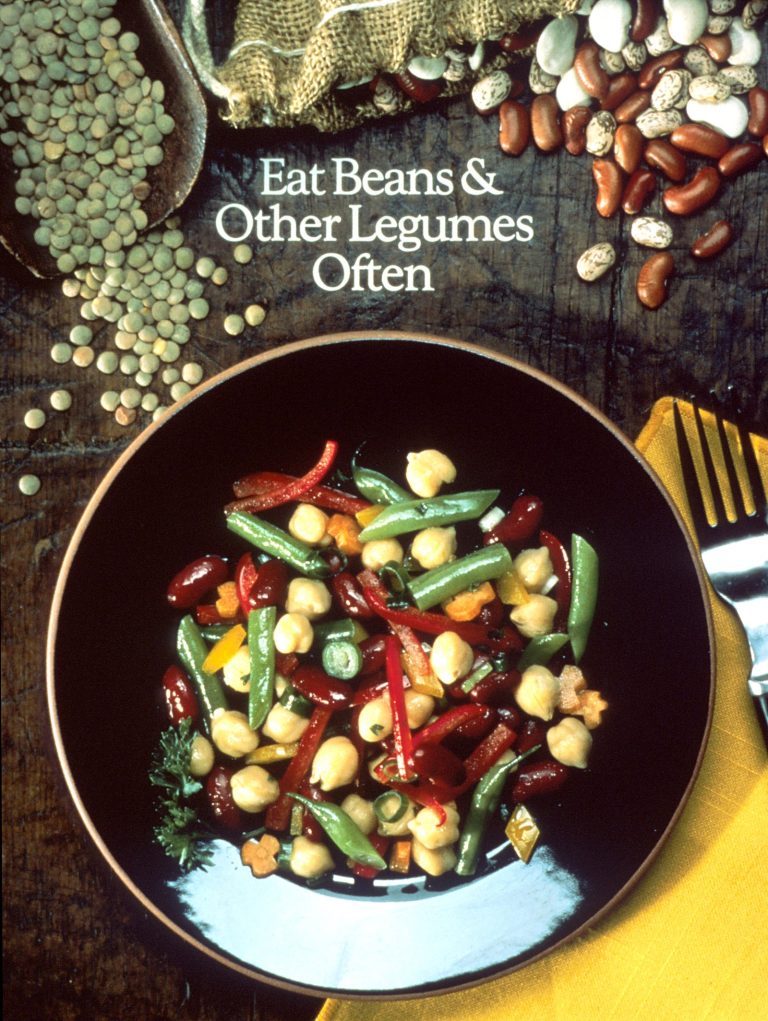
- – Heart-aware patterns overlap hypertension diet guide and Diet After a Heart Attack: Foods That May Help and Foods to Limit themes: more vegetables, fruit, whole grains, legumes, and unsaturated fats; less sodium-heavy ultra-processed food.
Sleep-friendly evening plates
- – Heavy late meals, excess alcohol, and large caffeine late in the day often worsen night sweats and sleep fragmentation for people who are sensitive.
- – Prefer earlier dinners, steady protein plus fiber, and a calm evening routine—pair with foods and botanicals for sleep guide only as general sleep-food reading, not as a menopause drug substitute.
Steady midlife energy
- – Build plates around vegetables, fruit, beans, whole grains, nuts, seeds, fish or other lean proteins, and olive oil-style unsaturated fats.
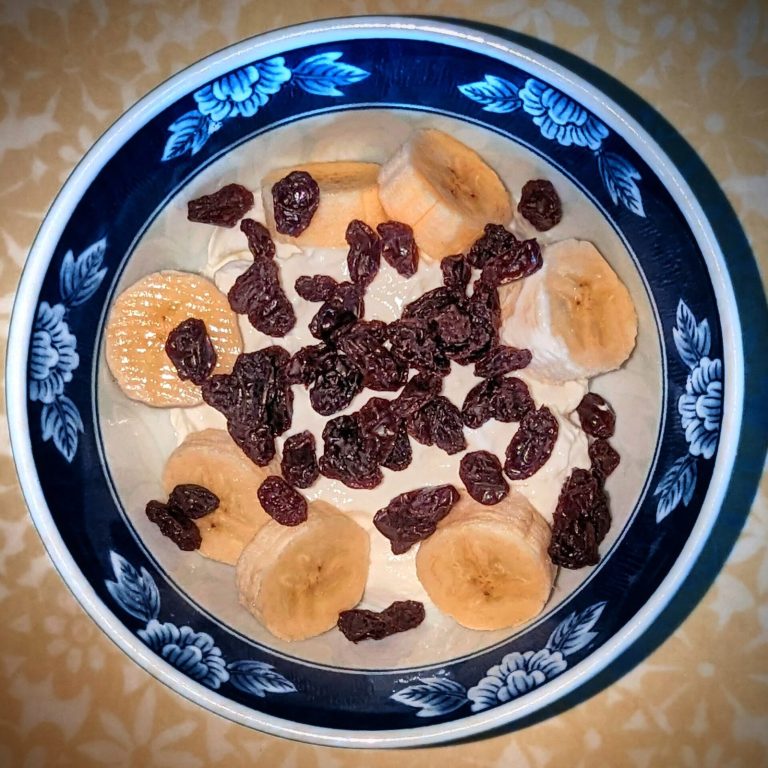
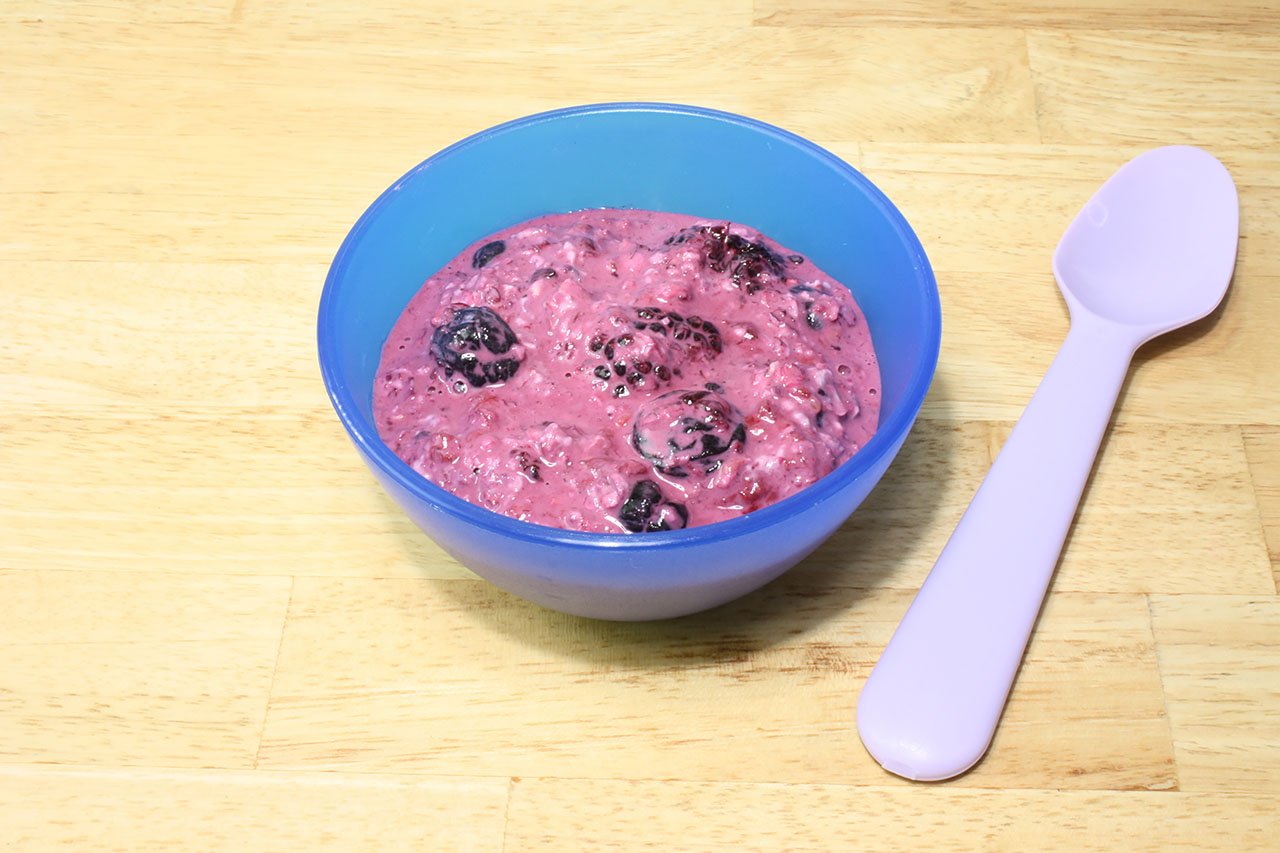
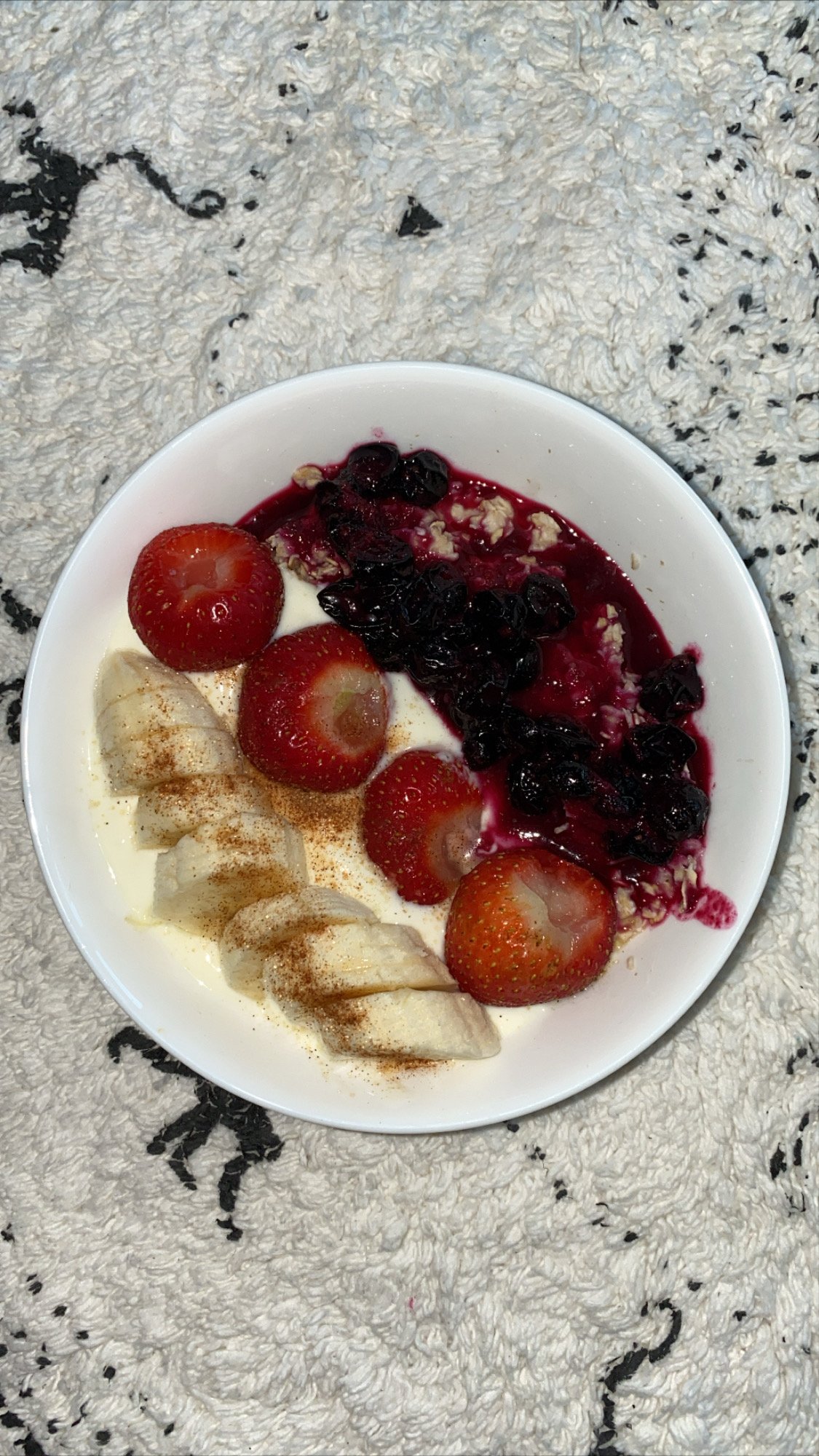
- – If appetite or cooking energy dips with poor sleep, keep ready options: yogurt and fruit, overnight oats, eggs, canned beans, frozen vegetables, and pre-washed greens.
Foods and habits that often worsen perimenopause kitchen patterns
- – Alcohol, spicy foods, and caffeine when they personally trigger hot flashes (NIA).
- – Smoking, linked with earlier menopause and more severe symptoms (NIA).
- – Very low-calcium, low-protein snack patterns that leave bones and muscle under-fueled while calories come from sweets and refined snacks.
- – All-day grazing on ultra-processed salty foods that make midlife blood-pressure and weight goals harder.
- – Unregulated “hormone-balancing” detox teas or megadose supplements marketed as menopause cures.
- – Expecting food alone to fix very heavy bleeding, sudden one-sided pelvic pain, chest pain, or severe depression—those need medical evaluation.
- – Ignoring sleep apnea or mood symptoms while chasing kitchen fixes only; see also obstructive sleep apnea diet guide if snoring and daytime sleepiness are issues.
“Limit” means reducing personal triggers and long-term bone/heart risk—not permanent bans on every favorite food.
Practical kitchen protocol: a perimenopause diet week
1. Run a two-week trigger and sleep log
Note time of hot flashes, beverages (coffee, tea, alcohol), spicy meals, bedroom temperature, and sleep quality. Share the log with your clinician when discussing treatment options.
2. Shopping list for bone- and comfort-aware plates
Leafy greens; colorful vegetables; berries and other fruit; oats and other whole grains; beans and lentils; nuts; yogurt or fortified dairy alternatives; eggs; fish; olive oil; calcium-fortified foods if needed; plain water and herbal caffeine-free options you enjoy.
3. Default plate template
- – Half non-starchy vegetables or salad
- – Quarter protein (fish, beans, eggs, poultry, tofu)
- – Quarter whole grains or starchy vegetables
- – Calcium source at least twice daily as advised
- – Fluid at meals; move caffeine earlier if nights are rough
4. Sample day (illustrative)
- – Breakfast: oatmeal with berries; yogurt on the side; water.
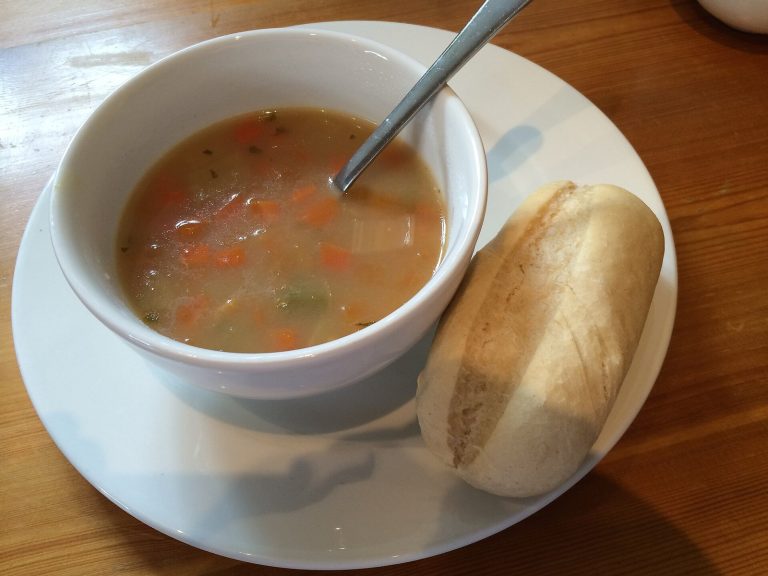
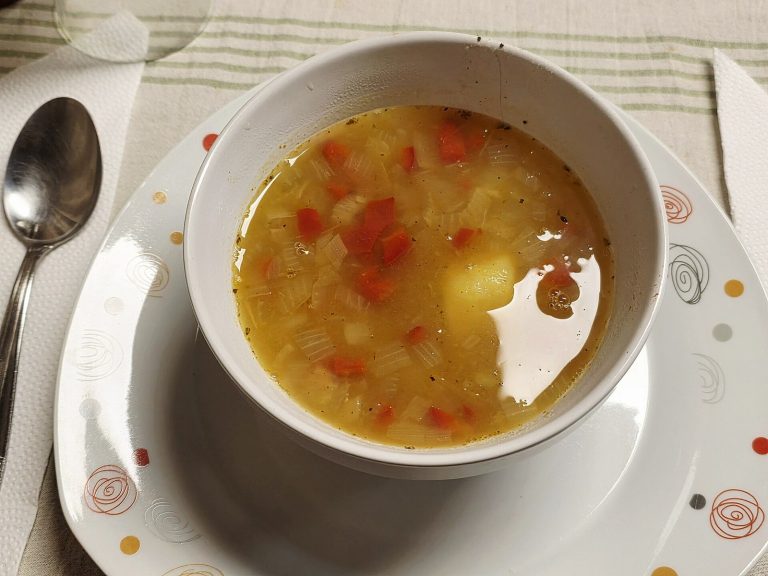
- – Lunch: Mediterranean-style vegetable salad with beans or tuna; fruit; water.
- – Snack: handful of nuts or carrot sticks with hummus if tolerated.
- – Dinner: grilled fish or tofu, roasted vegetables, whole grain; water.
- – Evening: cool bedroom setup; skip late alcohol if it worsens night sweats.
5. Eating out
Ask for sauces on the side; choose grilled proteins and vegetables; watch large sweet cocktails if alcohol is a trigger; request earlier seating if late dinners wreck sleep.
6. When hot flashes dominate
Follow NIA lifestyle steps first, then ask about nonhormonal or hormonal options if symptoms disrupt life—food tracking supports that conversation; it does not replace it.
Safety, interactions, and who should ask a clinician first
- – History of breast cancer, blood clots, liver disease, or unexplained vaginal bleeding: discuss any hormone-related product—including marketed “natural estrogen” supplements—with a clinician before use.
- – Kidney disease or history of calcium kidney stones: individualize calcium sources and doses.
- – Iron deficiency from heavy periods: ask before stacking iron supplements with calcium at the same moment (timing can matter).
- – Migraine, depression, or anxiety changes around perimenopause: diet helps energy, but mental-health care may be needed.
- – Sudden severe headache, chest pain, fainting, or soaking pads hourly: seek urgent care.
FAQ
Can diet stop perimenopause? No. Perimenopause is a normal hormone transition. Food may help comfort, bones, and heart-risk habits.
Should everyone avoid spicy food forever? Only if it triggers your hot flashes. NIA lists spicy foods as a common trigger to test—not a lifelong ban for every person.
Do I need a menopause detox? No public NIA/MedlinePlus patient page frames detox teas as standard care. Focus on triggers, sleep environment, bones, and clinician-guided treatment.
How is this different from a general menopause diet page? Overlap is large—see menopause diet guide—but this page centers the transition years (irregular cycles, early hot flashes, midlife weight and bone shifts) before periods stop for good.
What about soy foods? Whole soy foods can fit a healthy pattern for many people; they are not the same as prescribed hormone therapy. Ask your clinician if you have hormone-sensitive conditions.
Can I ignore calcium if I still have periods sometimes? NIA still emphasizes calcium, vitamin D, activity, and healthy eating during the transition because bone risk rises with declining estrogen.
How this differs from related OTCFood topics
This page is a perimenopause-bound diet guide focused on hot-flash triggers, sleep-aware evenings, and bone/heart-aware plates during the menopausal transition. It is not a hormone-therapy protocol, not a pregnancy guide, and not a substitute for gynecology or primary-care follow-up.
Medical disclaimer
Medical disclaimer: This article is for general information only. It is not medical advice, diagnosis, or a treatment plan. Care during perimenopause depends on bleeding patterns, cancer and clot risk, bone density, medicines, and your clinician’s judgment. Talk with a clinician or registered dietitian before starting, stopping, or changing any eating plan, supplement, or medicine. Seek urgent care for heavy uncontrolled bleeding, chest pain, severe headache, or thoughts of self-harm.