Atherosclerosis Diet: Foods That May Help and Foods to Limit
Medical note: This article discusses foods and researched botanicals. It does not claim to prevent, treat, or cure disease. Supplements are not a substitute for food, and studied amounts are not personal prescriptions.
People searching “atherosclerosis diet foods that help or worsen” usually want plate patterns that may support healthier arteries—not a claim that food dissolves plaque overnight or replaces prescribed cholesterol, blood-pressure, diabetes, or antiplatelet medicines. MedlinePlus defines atherosclerosis as plaque buildup inside the arteries. Plaque is a sticky mix of cholesterol, fat, blood cells, calcium, and other substances; over time it hardens, narrows arteries, and limits oxygen-rich blood flow. NHLBI notes that the condition develops slowly and that diseases linked to it are a leading cause of death in the United States and the world. Reduced blood flow can cause angina; if a plaque bursts, a clot can block flow to the heart, brain, kidneys, or limbs. Kitchen patterns may help blood pressure, cholesterol, weight, and blood-sugar goals; they do not replace clinical care.
What this atherosclerosis diet guide covers (and what it does not)
This guide is for adults with clinician-recognized atherosclerosis or related artery disease who want practical eating steps. Anchors: MedlinePlus — Atherosclerosis, NHLBI — Atherosclerosis (see also its treatment and living-with pages), CDC — About Heart Disease, NHLBI — Choose Heart-Healthy Foods, and the DASH eating plan. MedlinePlus notes that the same plaque process can affect heart arteries (coronary artery disease), arteries to the limbs (peripheral artery disease), and arteries to the brain. NHLBI lists high blood pressure, unhealthy cholesterol, smoking, diabetes, inactivity, overweight or obesity, and a diet high in saturated fat as important risk factors. Related reading: coronary artery disease diet guide, high cholesterol diet guide, hyperlipidemia diet guide, and high blood pressure diet guide.
Evidence snapshot: atherosclerosis diet claims vs public sources
| Claim people hope for | What public sources actually say | Confidence |
|---|---|---|
| “One special diet dissolves plaque by itself” | NHLBI: atherosclerosis is sometimes improved over time by a heart-healthy lifestyle and medicines; severe atherosclerosis may not be fully reversible with currently available treatments | Strong against food-as-sole-cure |
| “Heart-healthy or DASH-style eating may support blood pressure and LDL goals” | NHLBI: DASH has been shown to lower high blood pressure and “bad” LDL; treatment pages recommend produce and whole grains and limiting saturated fats, sodium, and added sugars | Moderate–strong as part of care |
| “Saturated fat does not matter if you eat some vegetables” | NHLBI: a lot of foods high in fat—especially saturated fat in meat and dairy (except nonfat dairy)—can raise cholesterol; CDC: lots of saturated fat and trans fat may contribute to heart disease | Strong caution |
| “A few pounds of weight change never help the heart” | NHLBI: losing just 3% to 5% of current weight can help manage some coronary risk factors, such as high blood cholesterol and diabetes, and can improve blood pressure | Moderate when weight loss is clinically appropriate |
| “Supplements can replace a statin after a heart attack or stroke” | NHLBI: talk with your provider about supplements; do not stop a statin on your own after a recent heart attack, stroke, or other complication, because that can raise the risk of a repeat event or death | Strong that medicines and lifestyle often work together |
Foods and patterns that may help with atherosclerosis
“May help” means supporting clinician goals for blood pressure, lipids, blood sugar, and weight—not a guarantee that every artery narrows less.
Heart-healthy patterns and foods NHLBI highlights
Choose fruits, vegetables, and whole grains as everyday defaults, along with fat-free or low-fat dairy, fish, poultry, beans, nuts, and unsaturated vegetable oils. A DASH-style pattern, when your clinician agrees, also limits fatty meats, full-fat dairy, tropical oils (coconut, palm kernel, and palm), sugar-sweetened drinks, and sweets, and prepares food with little or no salt. A 2,000-calorie DASH example includes about 4–5 vegetable and 4–5 fruit servings a day.
Practical foods from NHLBI’s heart-healthy list include:
- – Vegetables such as leafy greens, broccoli, and carrots, plus fruits such as apples, bananas, oranges, pears, grapes, and prunes
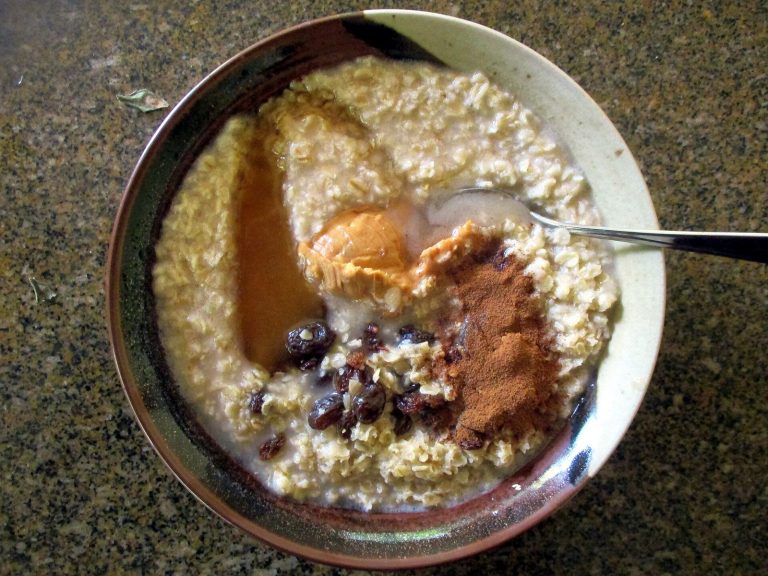
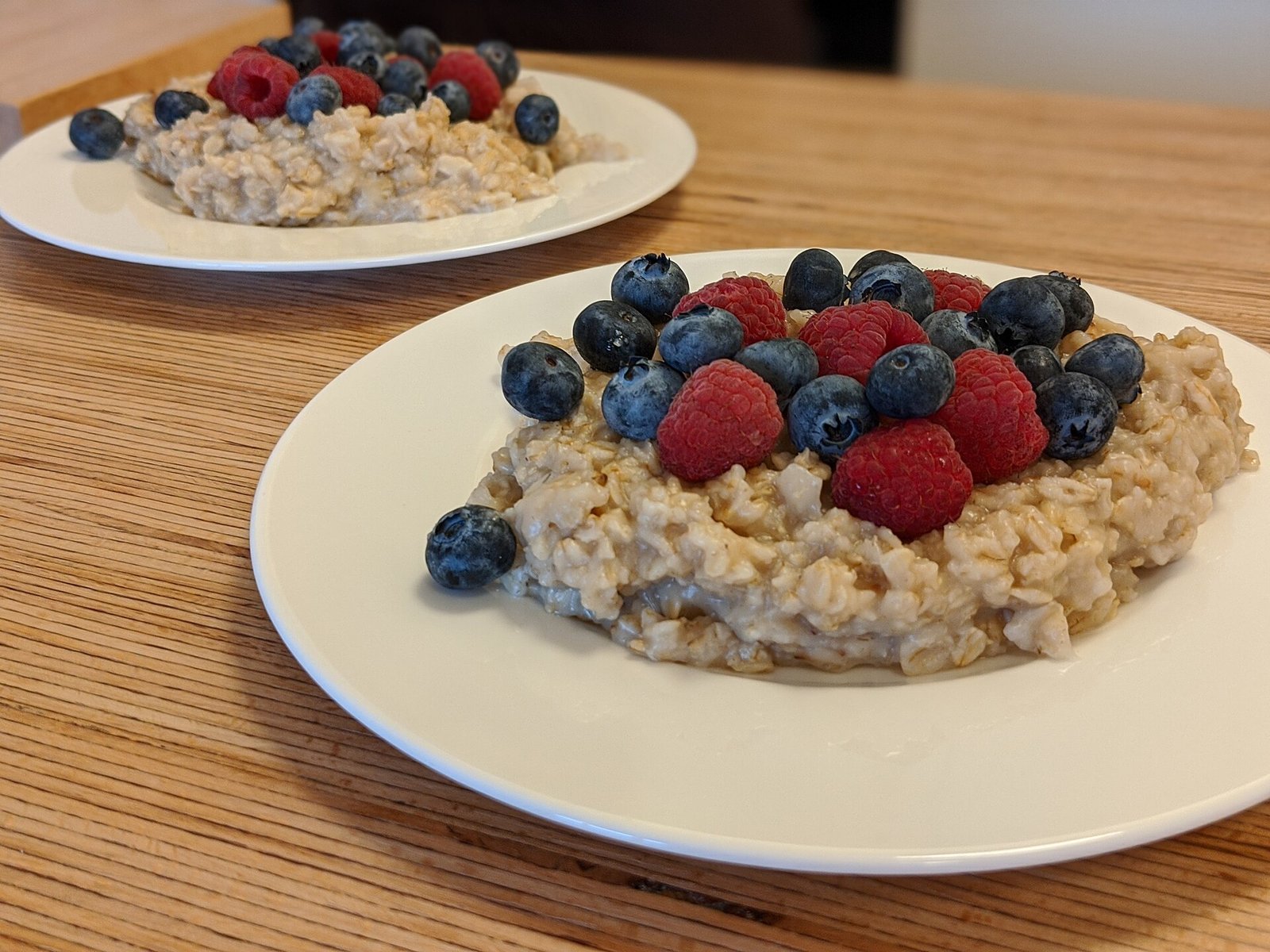
- – Whole grains such as plain oatmeal, brown rice, and whole-grain bread or tortillas
- – Fat-free or low-fat milk, cheese, or yogurt
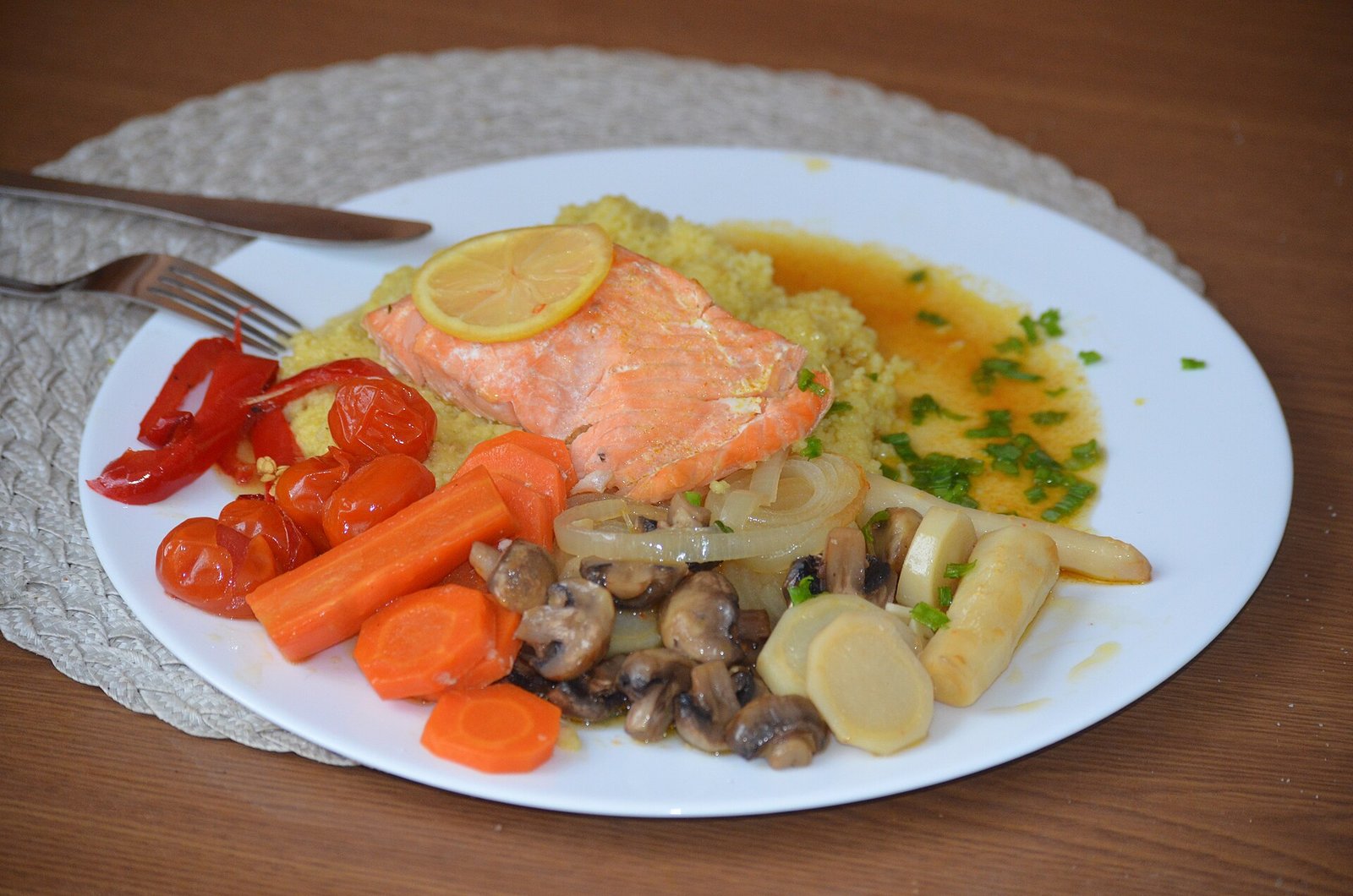
- – Fish higher in omega-3 fats such as salmon, tuna, and trout; lean meats or skinless poultry; eggs; nuts, seeds, tofu; and legumes such as beans, lentils, and chickpeas
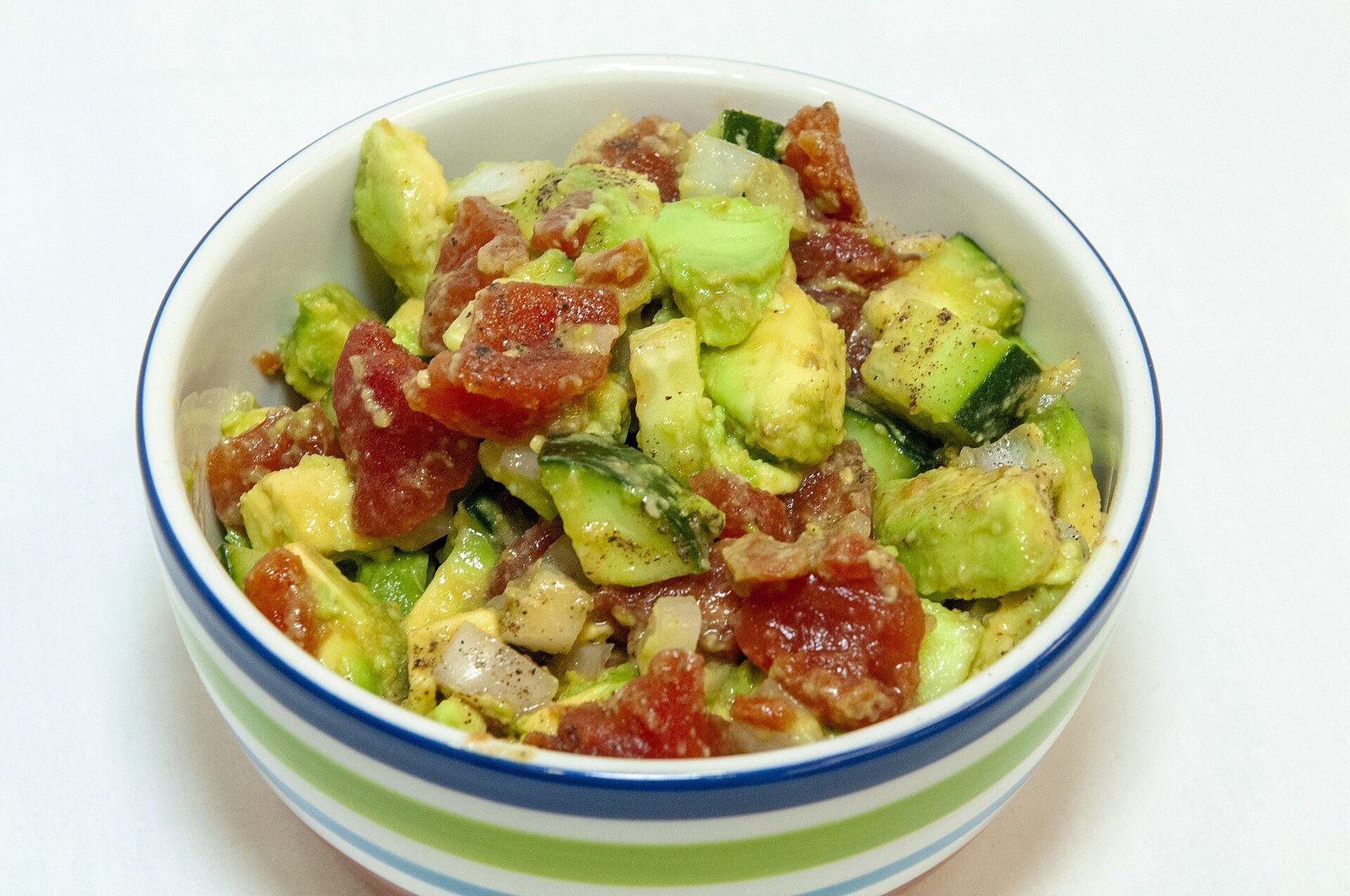
- – Unsaturated oils (olive, canola, and similar vegetable oils—not coconut or palm oil), avocados, and nut or seed butters
The NHLBI Therapeutic Lifestyle Changes (TLC) program also emphasizes cutting saturated fat and dietary cholesterol, adding plant stanols and sterols from foods such as whole grains, nuts, legumes, and olive or avocado oil, and increasing soluble fiber from fruits, beans, and oats. These are pattern tools—not single “superfoods.”
NHLBI notes that regular activity can help manage cholesterol, blood pressure, and weight. Adults should aim for 150 minutes or more of moderate activity a week—or 75 minutes of vigorous activity—after asking what level is safe.
Foods and habits that often worsen atherosclerotic risk
- – Frequent fatty meats, full-fat dairy desserts, butter, lard, and tropical oils high in saturated fat. NHLBI says saturated fats should make up less than 10% of daily calories.
- – High-sodium patterns. NHLBI: most people age 14 and older should eat less than 2,300 milligrams of sodium a day; 1,500 milligrams may lower blood pressure further, and people with hypertension may need a tighter limit. CDC also links less salt with lower blood pressure.
- – Added sugars in sweetened drinks, snacks, and desserts. NHLBI notes that sweetened drinks account for about half of added sugars consumed in the United States.
- – Too much alcohol or binge drinking, which NHLBI says can raise total cholesterol, blood pressure, and triglycerides and add calories. MedlinePlus lists limiting alcohol among prevention steps and notes that men should limit intake to 2 drinks or less in a day if they drink. If you do not drink, NHLBI says you should not start.
- – Smoking and secondhand smoke, which NHLBI links with a large share of coronary heart disease deaths, and physical inactivity, which it links with unhealthy cholesterol levels.
- – Stopping prescribed heart medicines because a salad week “felt healthy.” Lifestyle and medicines often work together (NHLBI).
“Limit” means shrinking saturated fat, excess sodium, added sugars, and heavy alcohol—not fearing every egg, nut, or celebration meal without individualized advice.
Practical kitchen protocol: an atherosclerosis-aware week
1. Know your numbers and medicine plan
Bring your latest blood pressure, lipid panel, and blood-sugar results to any diet change. NHLBI recommends working with your provider to control cholesterol, blood pressure, and blood sugar. Inherited lipid disorders such as familial hypercholesterolemia need medical management, not DIY diets alone. Related: type 2 diabetes diet guide.
2. Shopping list aligned with DASH and NHLBI heart-healthy cues
Leafy greens and other vegetables, fruit, oats, brown rice, beans, nuts, fish such as salmon or trout, skinless poultry, low-fat or fat-free dairy, olive or canola oil, herbs instead of salty sauces, and unsweetened drinks. Compare sodium on labels and prefer fresh, frozen, or no-salt-added foods.
3. Default plate template
- – Half vegetables and fruit
- – Quarter whole grains or beans
- – Quarter fish, legumes, or lean protein
- – Cook with unsaturated oils; drain visible fat from meats and remove poultry skin
- – Flavor with herbs and spices instead of extra salt
- – Stop at comfortable fullness if weight change is part of your plan
4. Sample day (illustrative)
- – Breakfast: plain oatmeal with banana or berries; fat-free or low-fat milk or a fortified alternative.
- – Lunch: a large vegetable salad with beans and a measured olive-oil dressing; whole-grain bread if desired.
- – Snack: fruit and a small handful of unsalted nuts.
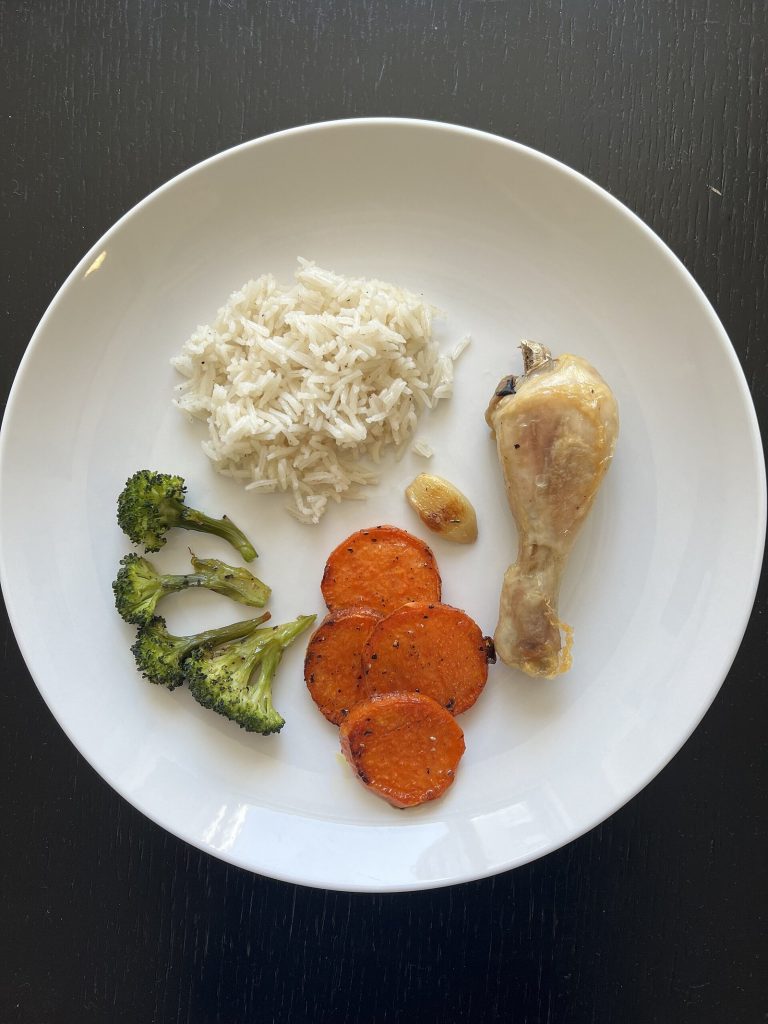
- – Dinner: baked salmon or skinless chicken, brown rice, and steamed vegetables cooked without extra salt-heavy sauces.
- – Dessert swap: fruit most nights instead of pastry or ice cream.
5. If blood pressure or a prior cardiac event is also in the picture
DASH was built to support blood-pressure goals and overlaps lipid-friendly eating; see high blood pressure diet guide. After a heart attack, stent, or bypass, follow cardiology diet orders first: diet after heart attack guide and diet after CABG bypass surgery guide.
6. Label-reading checklist
Compare saturated fat, sodium, and added sugars per serving, and watch premade sauces or instant cups. Keep a short meal-and-blood-pressure log if you home-monitor, then bring it to your appointment rather than hunting for one “artery-cleansing” food.
Safety, interactions, and who should ask a clinician first
- – If you think you or someone else has symptoms of a heart attack or stroke, NHLBI says to call 9-1-1 immediately. Every minute matters.
- – Do not stop a statin or other prescribed heart medicine on your own, especially after a recent heart attack, stroke, or related complication (NHLBI living-with page).
- – Ask your provider about foods, supplements, or medicines to avoid. NHLBI notes that grapefruit (fresh or as juice) affects how the liver breaks down some statins.
- – Talk with your clinician before starting any new exercise program, weight-loss medicine, or supplement, including red yeast rice products (FDA has issued a warning about some of these).
- – Pregnancy, kidney disease, heart failure, or a complex medicine list: review sodium, fluid, and supplement changes with the prescribing team rather than copying a generic internet menu.
- – CDC: take medicines for high cholesterol, high blood pressure, or diabetes as directed, and have those conditions checked on the schedule your care team recommends.
FAQ
Can diet reverse atherosclerosis by itself? Not as a stand-alone promise. NHLBI says it can sometimes improve with a heart-healthy lifestyle and medicines, and that severe disease may not be fully reversible.
Is the DASH eating plan the only pattern that counts? No. It is a flexible NHLBI pattern shown to lower blood pressure and LDL cholesterol. TLC-style changes that cut saturated fat and add soluble fiber are another public-source approach.
Do I have to give up all fat? No. NHLBI distinguishes saturated fats to limit from unsaturated fats in vegetable oils, nuts, seeds, fish, and avocados that are part of a heart-healthy pattern. Portion still matters because oils are calorie-dense.
Can I drink alcohol if I have atherosclerosis? Ask your clinician. NHLBI says alcohol can raise blood pressure and triglycerides and add calories. If you do not drink, do not start.
When is chest pain an emergency? New, worsening, or rest chest pain, pain spreading to the jaw, arm, neck, or back, sudden weakness or trouble speaking, or sudden severe headache are emergency signs—call 9-1-1 rather than waiting to “eat better first.”
Medical disclaimer
Medical disclaimer: This article is for general information only. It is not medical advice, diagnosis, or a treatment plan. Atherosclerosis care depends on which arteries are involved, your overall heart and stroke risk, other conditions, and your clinician’s judgment. Talk with a clinician or registered dietitian before starting, stopping, or changing any eating plan, supplement, or medicine. Seek emergency care for symptoms of heart attack or stroke.