Bronchiectasis Diet: Foods That May Help and Foods to Limit
Medical note: This article discusses foods and researched botanicals. It does not claim to prevent, treat, or cure disease. Supplements are not a substitute for food, and studied amounts are not personal prescriptions.
People searching “bronchiectasis diet foods that help or worsen” usually want nutrition habits that support hydration, energy, and infection resilience—not a claim that food repairs permanently widened airways. The National Heart, Lung, and Blood Institute (NHLBI) explains that bronchiectasis occurs when airway tubes are damaged, widen, and scar so mucus clears poorly. Mucus buildup invites repeated infections, which can damage airways further. NHLBI is clear: bronchiectasis currently has no cure, but most people can manage the condition with stepwise care—clearing lungs, medicines, vaccines, exercise, and healthy lifestyle steps that include food and fluids.
What this bronchiectasis diet guide covers (and what it does not)
This guide is for adults living with bronchiectasis who want kitchen patterns grounded in NHLBI living-with and treatment pages plus MedlinePlus disease basics. Anchors: NHLBI — Bronchiectasis, NHLBI — Living With Bronchiectasis, NHLBI — Treatment, and MedlinePlus — Bronchiectasis.
NHLBI notes bronchiectasis often travels with other conditions (for example cystic fibrosis in children, immune problems, severe COPD or asthma in some adults). Increasing cough with more sputum, color change, blood in sputum, fever, or worsening shortness of breath needs clinical review—not a juice cleanse. Antibiotics, airway clearance, mucolytics, and oxygen decisions belong with your pulmonary team. Diet supports hydration and overall nutrition only.
Evidence snapshot: bronchiectasis diet claims vs public sources
| Claim people hope for | What public sources actually say | Confidence |
|---|---|---|
| “A special diet cures bronchiectasis” | NHLBI: no cure; management clears mucus, treats infections, prevents complications | Strong: food is not airway repair |
| “Drinking water thins mucus” | NHLBI treatment/living pages: drinking plenty of fluids, especially water, helps keep airway mucus moist and easier to cough up | Moderate–strong for hydration support |
| “Healthy eating replaces antibiotics and chest PT” | NHLBI: antibiotics, airway clearance, expectorants/mucus thinners, and sometimes surgery are clinical tools | Strong: diet is adjunct only |
| “Smoking is fine if I eat clean” | NHLBI: quit smoking and avoid secondhand smoke and toxic fumes | Strong cessation message |
| “Supplements replace vaccines” | NHLBI/MedlinePlus emphasize vaccines (flu, pneumonia, COVID-19 as advised) and hand hygiene to lower infection risk | Strong: stay current on vaccines |
Foods and patterns that may help with bronchiectasis day-to-day health
“May help” means supporting mucus mobility through hydration and maintaining strength for airway-clearance work—not widening airways back to normal.
Hydration-first defaults (NHLBI)
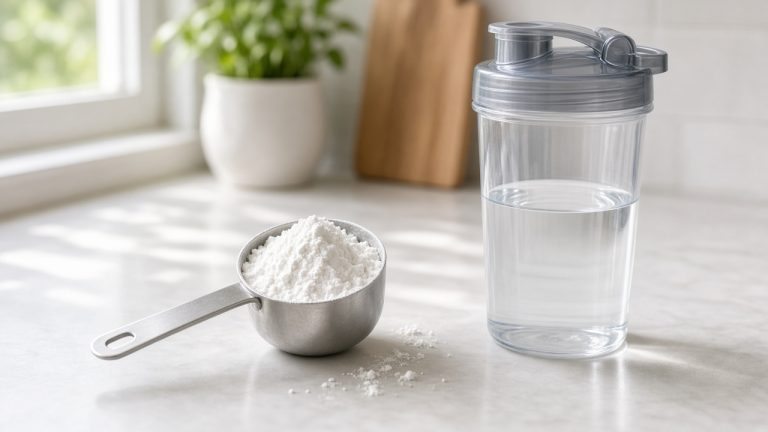
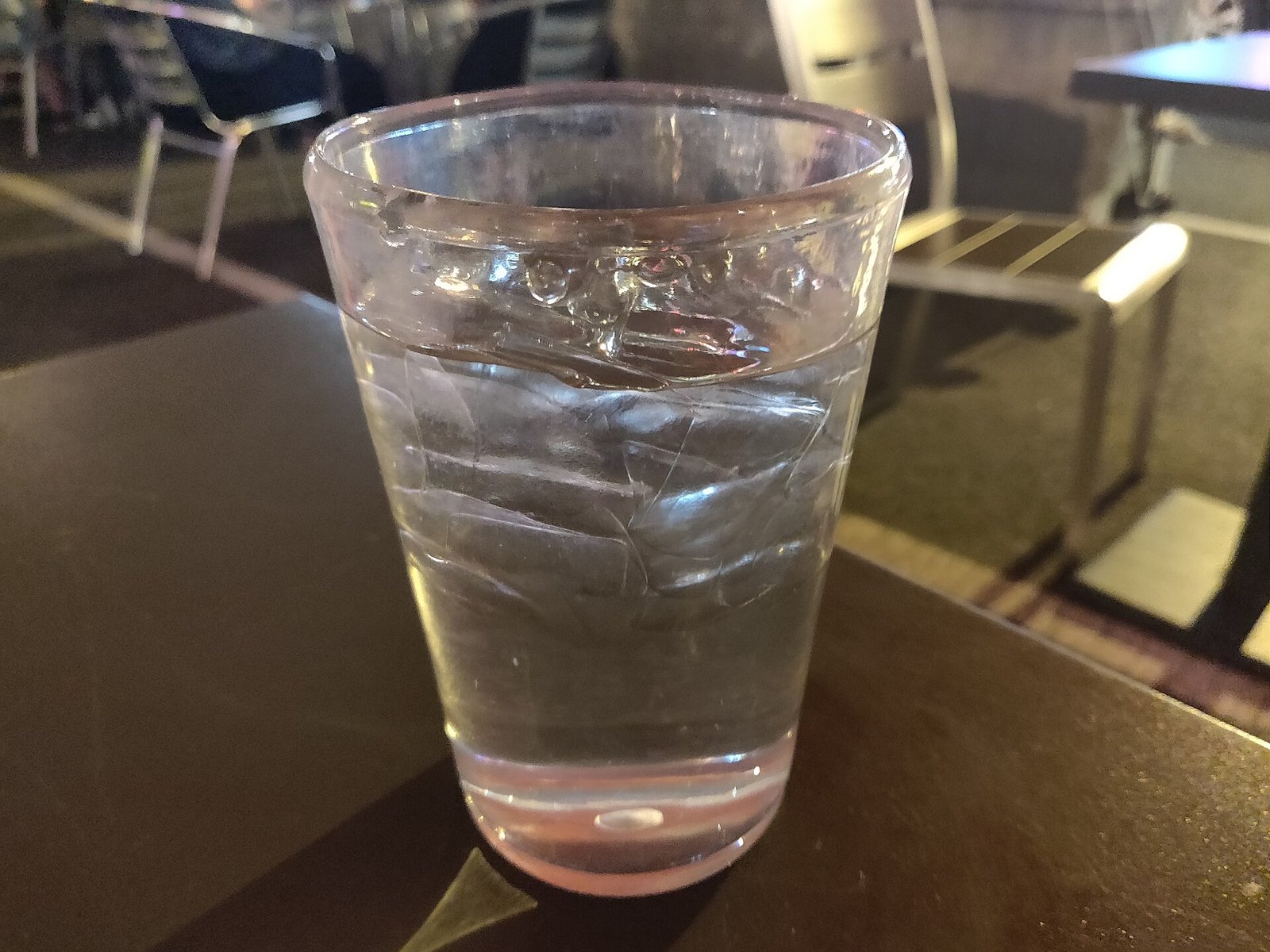
- – Make water the default drink across the day so mucus stays less thick and sticky.
- – Include water-rich foods (soups, fruit, vegetables) if plain water volume is hard to hit.
- – Ask your clinician about fluid goals if you also have heart failure or kidney limits—those change the “drink plenty” rule.
NHLBI healthy eating pattern
NHLBI’s living-with page describes a healthy diet with:
- – A variety of vegetables and fruits
- – Whole grains
- – Fat-free or low-fat dairy (if tolerated)
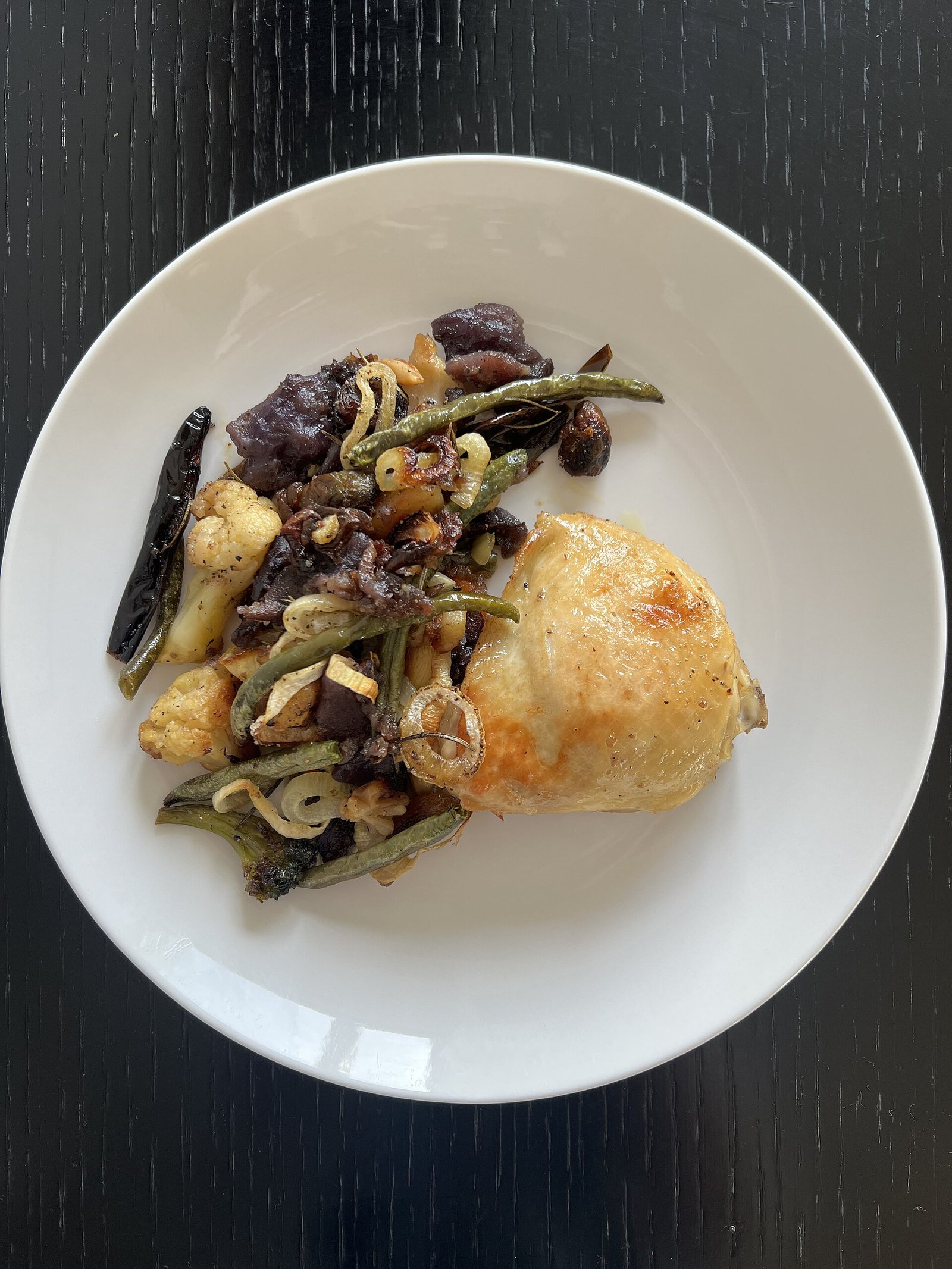
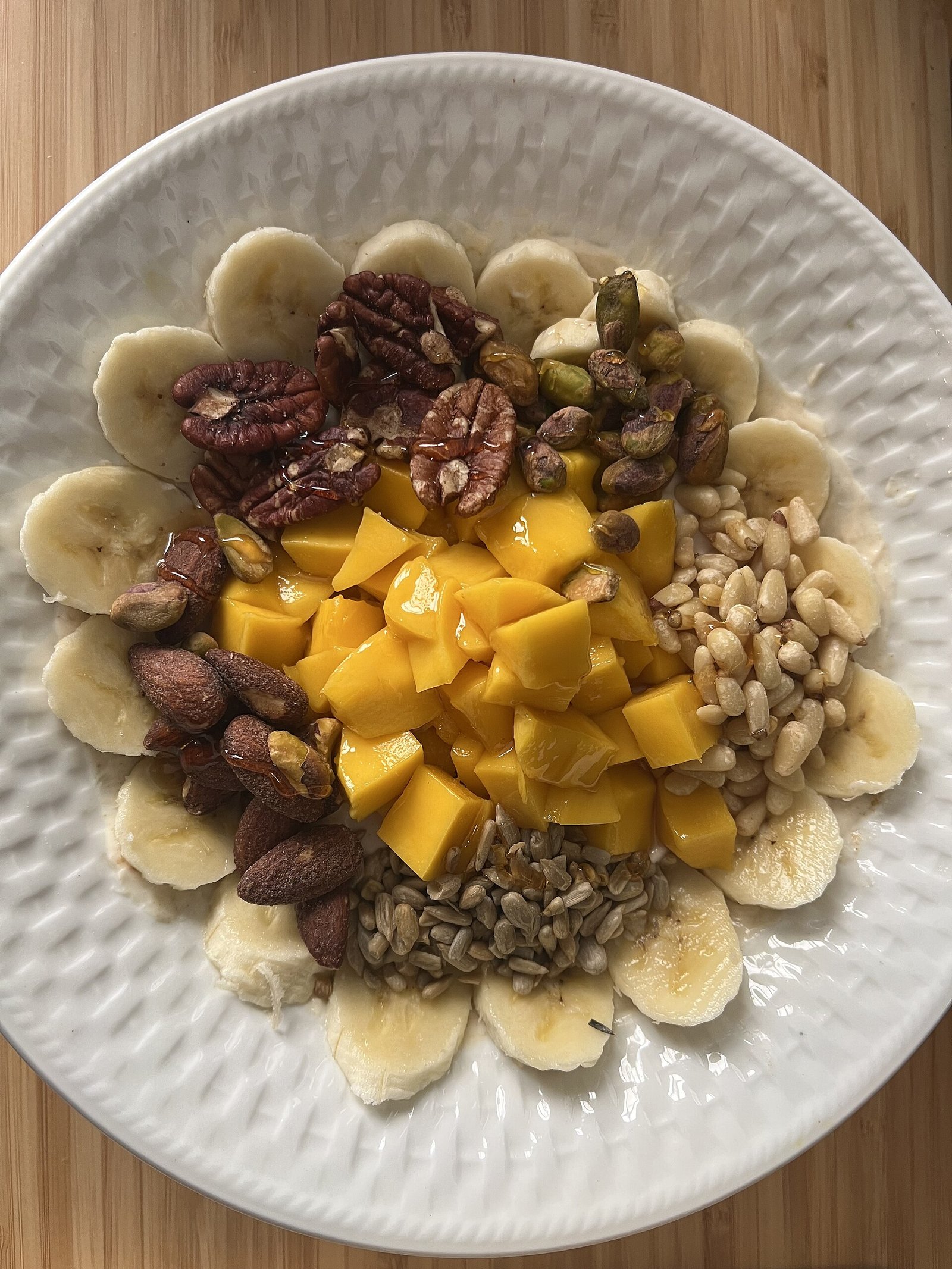
- – Protein foods such as lean meats, poultry without skin, seafood, soy products, nuts, seeds, beans, and peas
Energy and protein for a chronic lung workload
- – Recurrent infections and daily clearance routines raise energy needs for some people. Steady protein at meals may support recovery after flares—individualize with a dietitian if weight is falling.
- – If COPD overlaps, compare notes with our COPD diet guide guide; if asthma overlaps, see asthma diet guide—still without stopping inhalers or antibiotics.
Lifestyle partners that amplify food habits
- – Physical activity such as walking or swimming (when safe) can help loosen mucus—NHLBI living-with guidance.
- – Quit smoking and avoid secondhand smoke and toxic fumes.
- – Keep vaccines and handwashing as infection-prevention habits NHLBI highlights.
Foods and habits that often worsen bronchiectasis kitchen patterns
- – Chronic under-drinking that leaves mucus thicker and harder to clear.
- – Skipping meals during flares until weakness makes airway clearance harder—use smaller frequent meals if appetite drops, and ask about oral nutrition support when weight loss is ongoing.
- – Alcohol replacing water as the main evening fluid.
- – Continuing to smoke while focusing only on “lung superfoods.”
- – Unproven detox teas sold as antibiotic substitutes.
- – Ignoring sputum changes—MedlinePlus advises contacting a clinician if phlegm color/amount changes or becomes bloody.
“Limit” means reducing dehydration and infection-risk habits—not that one coffee ruins bronchiectasis care.
Practical kitchen protocol: a bronchiectasis diet week
1. Keep the medical spine first
Schedule airway clearance and prescribed nebulizers or inhalers around meals so coughing sessions are productive, not skipped for cooking.
2. Shopping list for hydration-and-energy plates
Water bottles you will actually use; broth-based soups; fruit (berries, citrus, melon); vegetables; oats and other whole grains; eggs; fish or poultry; beans; yogurt; nuts/seeds in portions that fit your calories.
3. Default plate template
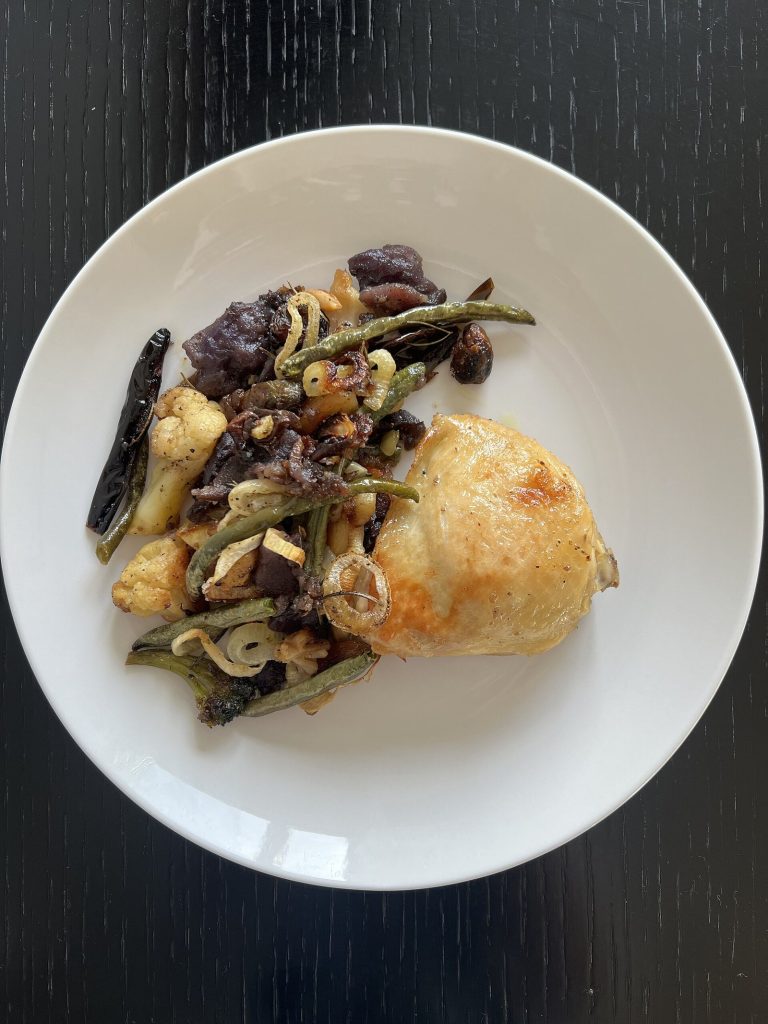
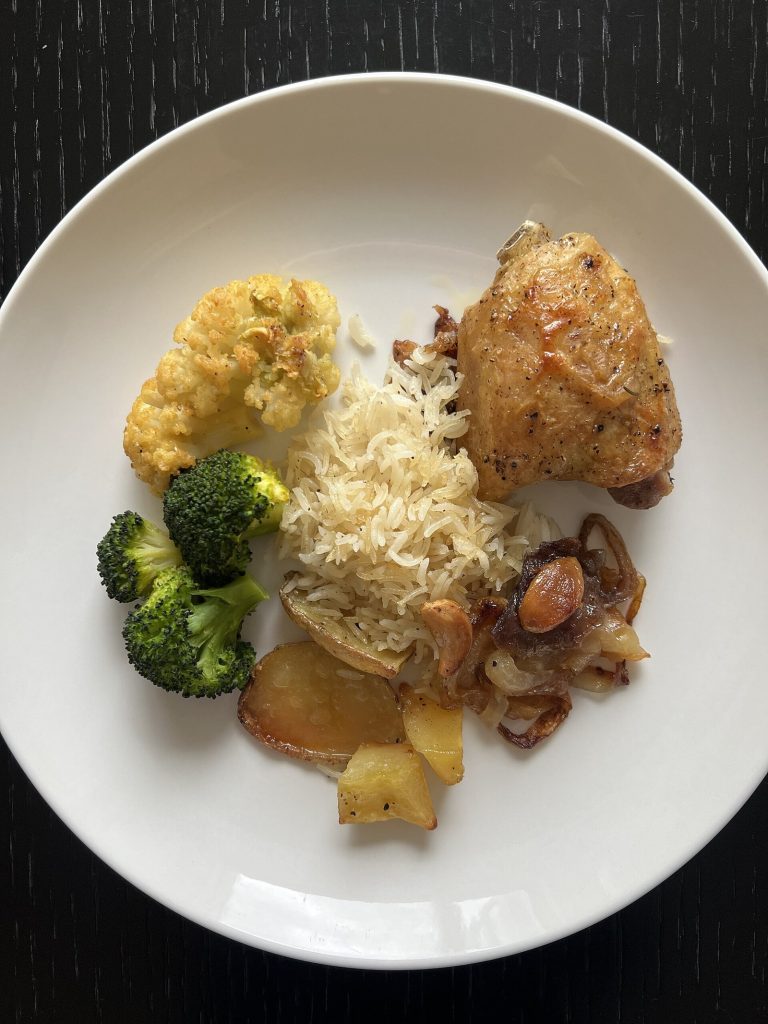
- – Half vegetables and fruit
- – Quarter whole grains or starchy vegetables
- – Quarter protein
- – Water glass with each meal and between meals
4. Sample day (illustrative)
- – Breakfast: oatmeal with fruit; large water.
- – Lunch: grilled chicken or bean bowl with vegetables; soup on the side; water.
- – Snack: yogurt and fruit; water.
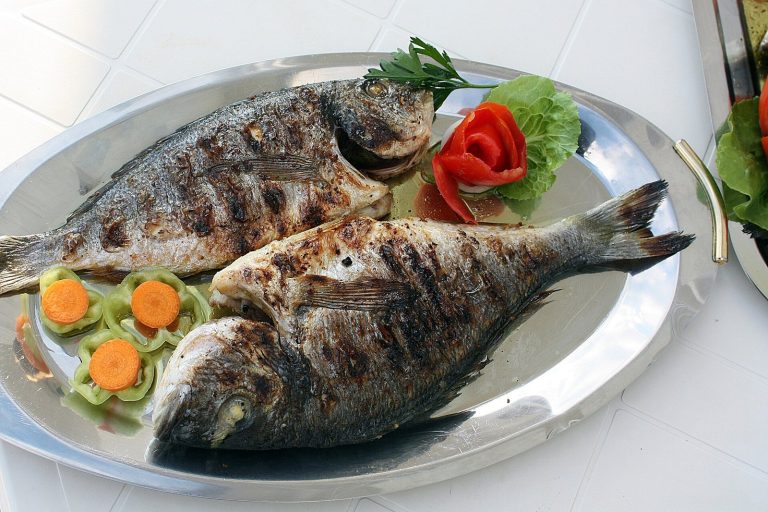
- – Dinner: baked fish, vegetables, whole grain; herbal tea or water.
- – Evening: complete airway clearance as taught; avoid going to bed dehydrated.
5. Eating out
Choose grilled proteins and vegetable sides; bring a water bottle; limit huge salty fried platters if they worsen bloating or blood pressure when those are also issues.
6. When weight or another lung label overlaps
Unintended weight loss deserves a dietitian referral. For chronic bronchitis overlap messaging, see chronic bronchitis diet guide—bronchiectasis still needs its own clearance and infection plan.
Salt, appetite, and flare weeks
- – During antibiotic courses, nausea can shrink intake. Prioritize easy calories and protein rather than forcing large salads you will not finish.
- – Very salty takeout every night may not fit if blood pressure or fluid retention is also monitored—use herbs, lemon, and broth diluted with extra water when you want savory fluids.
- – Keep a written list of foods that sit well when you are short of breath so caregivers can shop without guesswork.
Sample weekly rhythm (illustrative)
- – Most days: hydrate early, protein at each meal, fruit or vegetables at least twice, airway clearance after a light snack if that sequence works for you.
- – After a sick day: rebuild with soups, eggs, yogurt, and soft starches before jumping back to heavy fried meals.
- – Social meals: eat what you can, take leftovers home, and resume water goals afterward rather than abandoning the whole pattern.
Safety, interactions, and who should ask a clinician first
- – Bloody sputum, chest pain, sudden worse breathlessness, or high fever: urgent care.
- – Fluid loading is not automatic if you have heart failure, kidney disease, or fluid restrictions—NHLBI lists heart failure among serious complications of advanced disease; personalize fluids.
- – High-salt diets may matter if blood pressure or heart strain is present—ask before using salty broth as your only hydration strategy.
- – Depression and anxiety are more common with chronic lung disease (NHLBI); mental-health support is part of living well, not a diet failure.
- – Children with cystic fibrosis–related bronchiectasis need specialty nutrition—do not apply adult generic advice blindly.
FAQ
Can food reverse airway widening? No. NHLBI states there is currently no cure; treatment manages mucus, infections, and complications.
How much water should I drink? NHLBI emphasizes plenty of fluids, especially water, to keep mucus easier to clear. Ask your clinician for a volume that fits your heart and kidney status.
Do dairy foods always increase mucus? NHLBI’s healthy-pattern list still includes fat-free or low-fat dairy. If a specific food clearly bothers you, personalize with a dietitian rather than assuming a universal dairy ban.
Are “lung cleanse” juices a substitute for chest PT? No. Airway clearance techniques and prescribed medicines are core NHLBI treatment tools.
Should I exercise if I’m short of breath? Activity can help loosen mucus, but type and amount must be cleared by your provider.
How this differs from related OTCFood topics
This page is a bronchiectasis-bound hydration and healthy-pattern guide. It is not a stand-alone COPD diet guide rehab plan, not an asthma diet guide trigger list, and not a chronic bronchitis diet guide only page—though those airway problems can coexist.
Medical disclaimer
Medical disclaimer: This article is for general information only. It is not medical advice, diagnosis, or a treatment plan. Bronchiectasis care depends on imaging, sputum microbiology, airway clearance, and medicines. Talk with a clinician or registered dietitian before starting, stopping, or changing any eating plan, fluid goal, supplement, or lung medicine. Seek urgent care for coughing up blood, severe shortness of breath, or signs of serious infection.