Vitiligo Diet: Foods That May Help and Foods to Limit
Medical note: This article discusses foods and researched botanicals. It does not claim to prevent, treat, or cure disease. Supplements are not a substitute for food, and studied amounts are not personal prescriptions.
People searching “vitiligo diet foods that help or worsen” usually want honest kitchen patterns that support overall health while they follow dermatology care—not a claim that food restores pigment, stops every new patch, or replaces medicines, light therapy, or procedures. MedlinePlus describes vitiligo as white patches that appear when pigment-making skin cells are destroyed; NIAMS classifies it as a chronic autoimmune disorder and notes that although vitiligo is a long-term condition, clinician-directed options can be effective at stopping progression and restoring some color for some people. Kitchen habits do not stand in for sunscreen, camouflage cosmetics, or a dermatologist’s plan.
What this vitiligo diet guide covers (and what it does not)
This guide is for adults living with vitiligo who want practical eating patterns while they protect depigmented skin from sun injury and follow clinician-directed care. Anchors: MedlinePlus — Vitiligo, NIAMS — Vitiligo, and American Academy of Dermatology patient FAQs on vitiligo.
NIAMS explains that melanocytes are attacked and destroyed, leaving milky-white patches that often appear symmetrically; segmental vitiligo is less common and may progress for months then stabilize. People with vitiligo may be more likely to develop other autoimmune conditions such as thyroid disease, pernicious anemia, psoriasis, rheumatoid arthritis, lupus, Addison’s disease, and type 1 diabetes. MedlinePlus lists medicines, light therapy, and surgery among treatments and stresses that not every option fits every person. Related reading: Hashimoto’s thyroiditis diet guide and pernicious anemia diet guide.
Evidence snapshot: vitiligo diet claims vs public sources
| Claim people hope for | What public sources actually say | Confidence |
|---|---|---|
| “A special diet fully restores vitiligo pigment alone” | NIAMS/MedlinePlus/AAD center medical options and note diet is not listed as primary pigment therapy | Strong: food is supportive only |
| “Avoiding every ‘acidic’ fruit stops new patches” | Public NIH/MedlinePlus pages do not present an acidic-food vitiligo protocol | Strong against that folk rule |
| “Supplements replace narrowband UVB or prescribed topicals” | AAD: dermatologists individualize treatment; no kitchen stack replaces that plan | Strong |
| “Sunbathing without sunscreen ‘evens tone’” | MedlinePlus: sunscreen helps protect skin; depigmented areas burn more easily | Strong: protect, don’t bake |
| “Ignoring thyroid or B12 screening is fine if diet looks clean” | NIAMS lists related autoimmune diseases; clinicians may evaluate those separately | Moderate: ask your clinician |
Foods and patterns that may help with vitiligo day to day
“May help” means supporting nutrient-dense plates, steady energy, and care for coexisting autoimmune nutrition issues—not a promise that meals repigment skin.
Balanced plates while dermatology care continues
- – NIAMS and MedlinePlus emphasize medical options; eating patterns remain general healthy-pattern support.
- – Include vegetables, fruits, whole grains, legumes, nuts/seeds if tolerated, and protein foods (fish, poultry, eggs, dairy, tofu, beans) so calorie and micronutrient intake stay adequate during long treatment courses.
Nutrient attention when other autoimmune conditions coexist
- – Pernicious anemia and thyroid disease appear on NIAMS’s related-conditions list—see pernicious anemia diet guide and Hashimoto’s thyroiditis diet guide for clinician-guided B12 and thyroid-aware patterns, not DIY hormone diets.
- – Vitamin D status is often discussed in autoimmune contexts generally; use vitamin D deficiency diet guide as a separate nutrient page and confirm labs with a clinician before high-dose supplements.
Skin-protective lifestyle that sits beside the plate
- – MedlinePlus: sunscreen helps protect skin; cosmetics can cover patches.
- – AAD notes discomfort can stop with sunscreen use on sensitive depigmented areas—pack SPF with outdoor meals rather than skipping shade.
Phototherapy and procedure weeks
- – Light-therapy or procedure days can leave you tired or schedule-bound. Prep soft, ready proteins (eggs, yogurt, canned fish rinsed if high-sodium worries you for other reasons, leftover roasted chicken) so you are not relying on vending snacks.
- – Hydration still matters for comfort; pair water with meals rather than chugging only caffeine.
Label literacy without fear
- – Read supplement labels for megadoses marketed for “melanin.” Discuss any product with your dermatologist, especially if you use topicals or systemic medicines.
- – If you already follow a clinician-directed plan for thyroid medicine timing around meals, keep that timing consistent rather than inventing new fasting windows for skin.
Steady, nonrestrictive eating if stress or body-image pressure rises
- – NIAMS notes low self-esteem or poor self-image can affect quality of life. Extremely restrictive “vitiligo cleanses” can add stress without evidence of pigment benefit. Prefer sustainable grocery lists over elimination marathons.
Foods and habits that often worsen vitiligo kitchen patterns
- – Skipping sun protection while chasing outdoor “natural vitamin D” without clinician guidance—depigmented skin burns easily (MedlinePlus sunscreen emphasis).
- – Mega-supplement stacks marketed as pigment restorers—AAD stresses individualized medical plans; unregulated products can interact with medicines.
- – Ignoring bleeding, severe GI symptoms, or thyroid signs while “dieting harder”—related autoimmune conditions need clinical evaluation.
- – Crash diets that drop protein and produce during phototherapy or procedure weeks when recovery fueling matters.
- – Alcohol-heavy patterns that displace nutrient-dense meals and may worsen sleep or medicine tolerance—individualize with your clinician.
- – Expecting kitchen changes to erase uveitis symptoms or ear inflammation—NIAMS lists possible eye and ear inflammation; those need medical review.
“Limit” means reducing unsupported extremes and sun injury risk—not blaming one tomato for a new patch.
Practical kitchen protocol: a vitiligo-aware diet week
1. Keep the medical spine first
Confirm dermatology plan (topicals, light therapy schedule, procedures), sunscreen brand/SPF habits, and whether thyroid, B12, or other labs are due. Put phototherapy appointment reminders next to your grocery list.
2. Shopping list for supportive everyday plates
Leafy greens; colorful vegetables; berries and citrus if tolerated; oats or other whole grains; beans/lentils; eggs; yogurt or fortified dairy alternatives; fish; olive oil; unsalted nuts/seeds; sunscreen that you will actually reapply outdoors.
3. Default plate template
- – Produce half the plate when appetite allows
- – Lean or plant protein
- – Whole-grain carbohydrate
- – Fluid you will drink (water or other nonalcoholic choice)
4. Sample day (illustrative—not a pigment protocol)
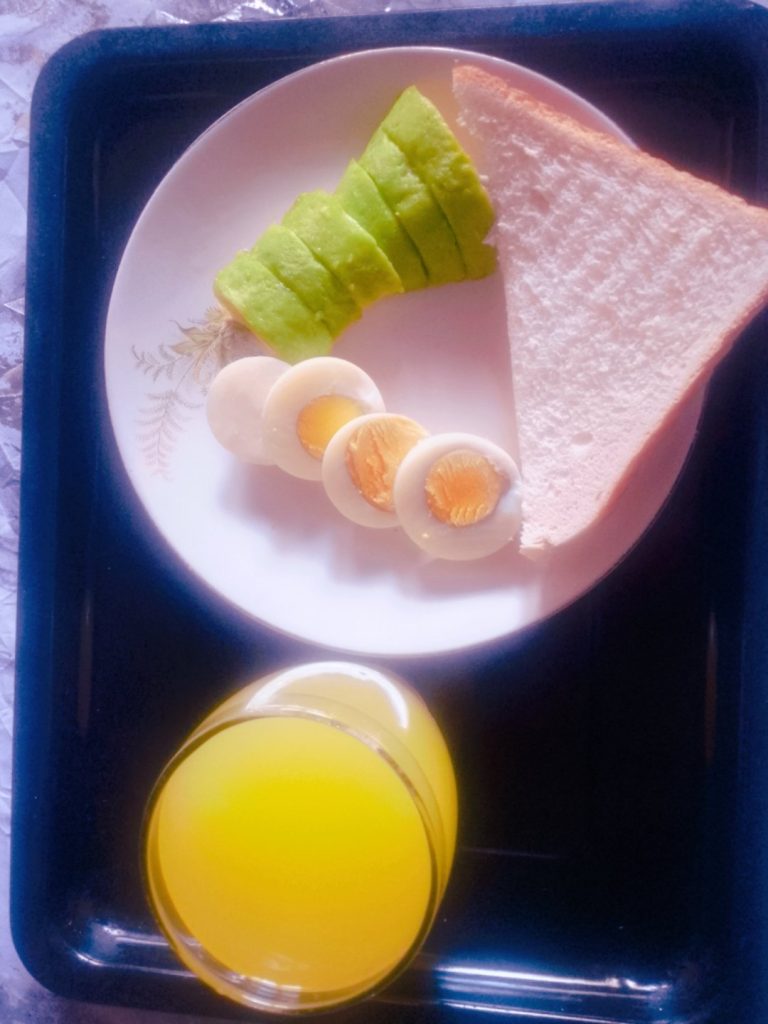
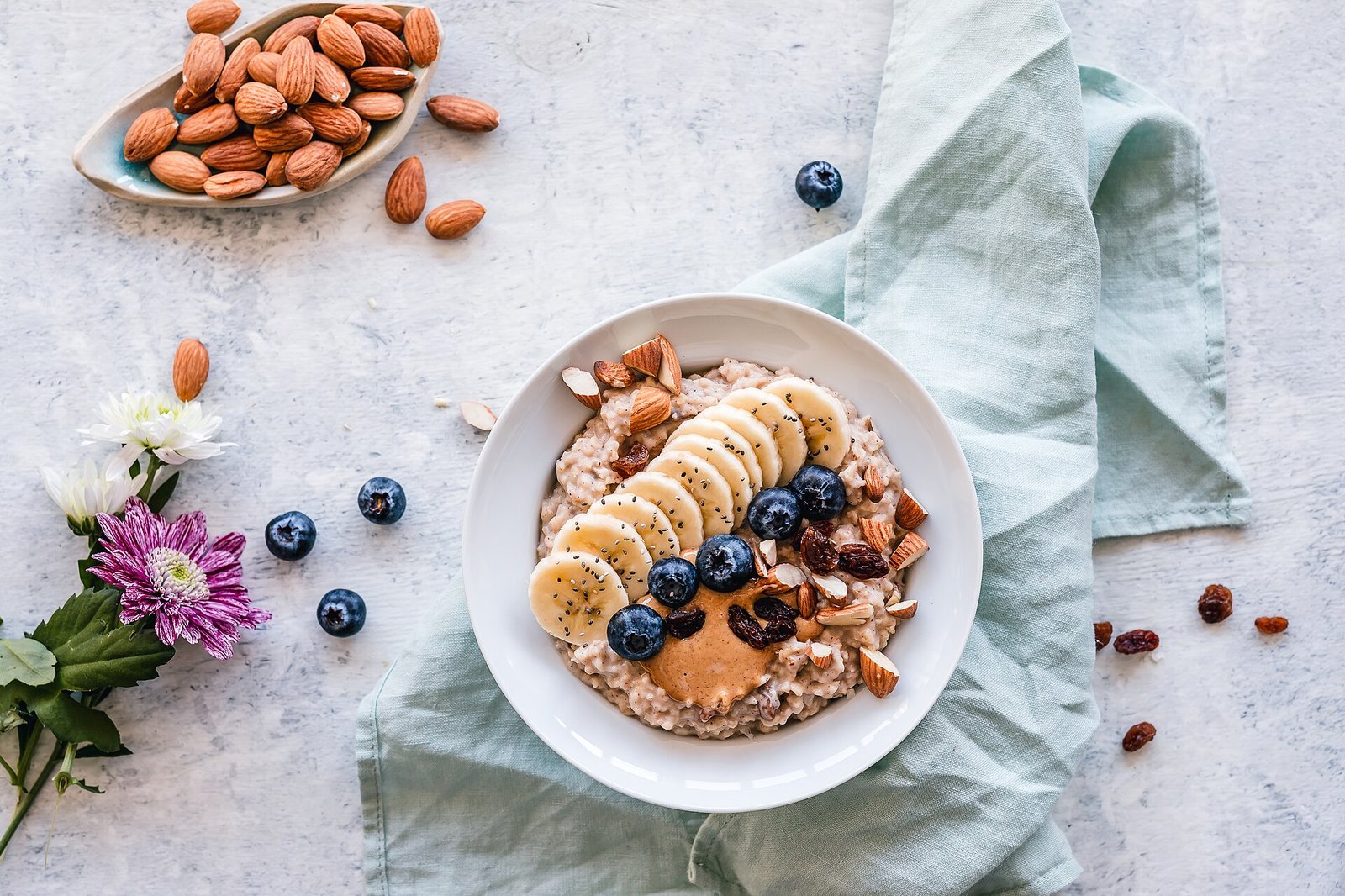
- – Breakfast: oatmeal with berries and yogurt; water.
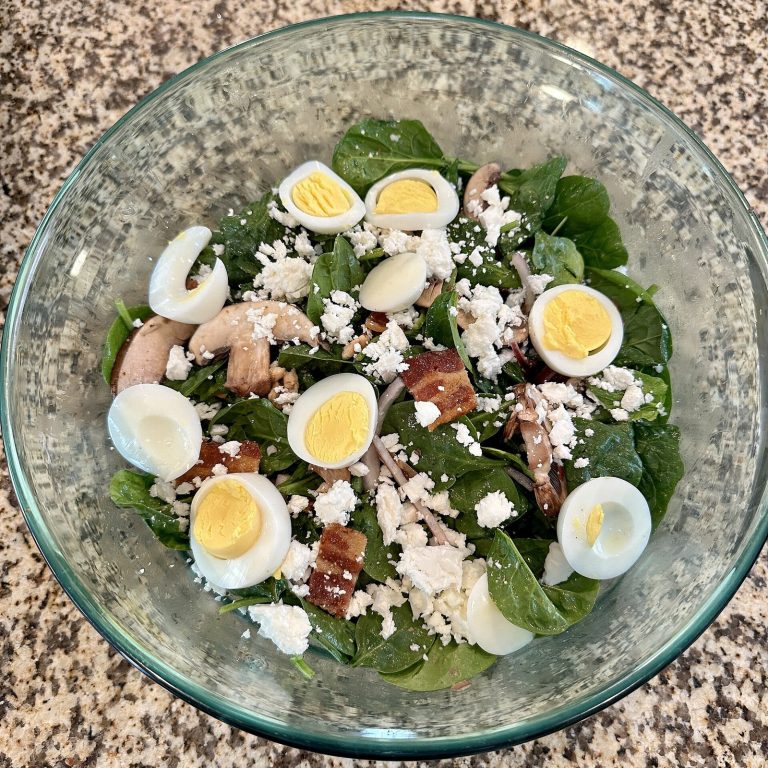
- – Lunch: grain bowl with beans, roasted vegetables, olive oil; fruit.
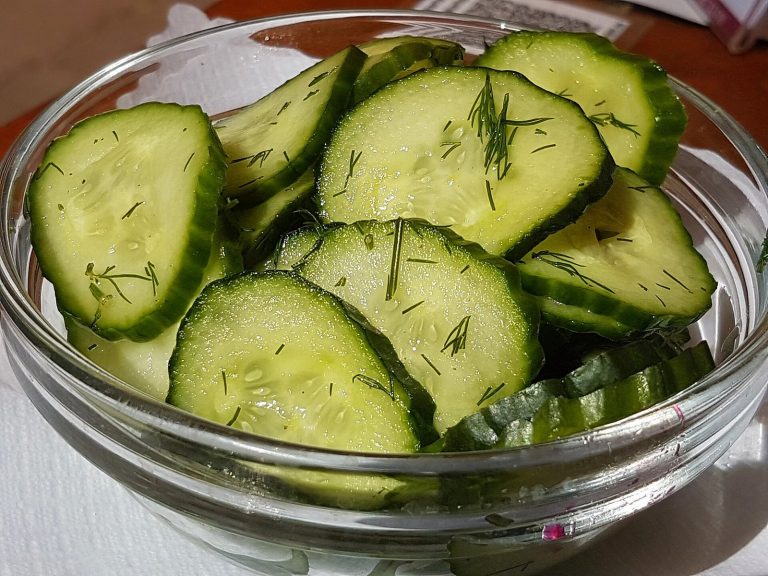
- – Snack: cottage cheese or hummus with cucumber.
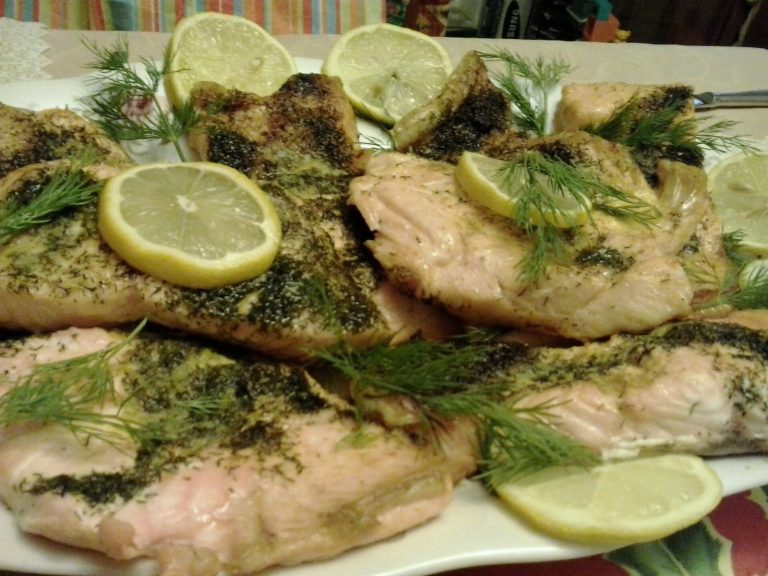
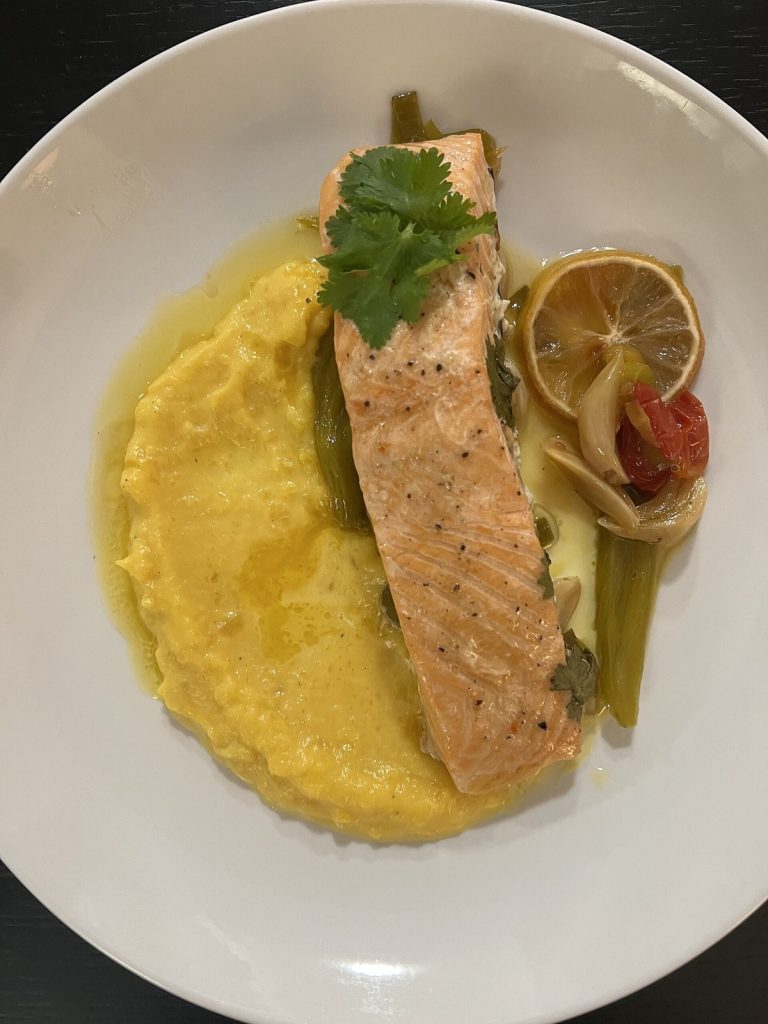
- – Dinner: baked fish or tofu, sweet potato, cooked greens.
- – Evening: herbal tea if desired; sunscreen restock check for tomorrow.
5. If psoriasis or other autoimmune overlap is present
Patterns may overlap psoriatic arthritis diet guide themes (steady produce, less ultra-processed defaults), but pigment decisions stay with dermatology.
6. Home setup tips
Keep SPF by the door; batch-cook proteins for phototherapy days when energy is low; avoid sharing “miracle detox” charts in family chat as medical advice.
Safety, interactions, and who should ask a clinician first
- – Pregnancy, breastfeeding, or pediatric vitiligo: individualized plans only.
- – Photosensitizing medicines plus outdoor time: clarify sun rules with your clinician.
- – Eye pain, vision changes, or hearing changes: seek medical care (NIAMS notes possible uveitis and ear inflammation).
- – Rapid spread of patches, genital or mucosal involvement concerns: dermatology follow-up.
- – Do not stop prescribed topicals or light therapy because a food blog promised faster results.
FAQ
Can diet fully restore vitiligo pigment on its own? No. NIAMS and AAD frame medical treatments for stopping progression and restoring some color; food supports general health.
Is there an official NIH “vitiligo diet”? Public NIAMS/MedlinePlus vitiligo pages emphasize diagnosis, autoimmune context, and medical therapies—not a named curative diet.
Should I avoid all dairy or gluten for vitiligo? Only if a clinician diagnoses a separate intolerances or disease (for example celiac). Do not invent lifelong bans from patch photos alone.
Does sunscreen matter more than supplements? MedlinePlus highlights sunscreen for skin protection; AAD emphasizes dermatologist-guided treatment. Supplements are not a sunscreen substitute.
How is this different from a thyroid or B12 diet page? Overlap appears when those conditions coexist—see linked guides—but this page stays vitiligo-bound and non-curative.
How this differs from related OTCFood topics
This page is a vitiligo-bound diet guide focused on supportive eating, sun-aware habits, and comorbid nutrition awareness. It is not a phototherapy protocol, not a surgical guide, and not a substitute for dermatology follow-up.
Medical disclaimer
Medical disclaimer: This article is for general information only. It is not medical advice, diagnosis, or a treatment plan. Vitiligo care depends on subtype, extent, other autoimmune conditions, and your clinician’s protocol. Talk with a clinician or registered dietitian before starting, stopping, or changing any eating plan, supplement, or medicine. Seek care for eye symptoms, rapid skin changes, infection signs after procedures, or severe distress about appearance.