Angina Diet: Foods That May Help and Foods to Limit
Medical note: This article discusses foods and researched botanicals. It does not claim to prevent, treat, or cure disease. Supplements are not a substitute for food, and studied amounts are not personal prescriptions.
People searching “angina diet foods that help or worsen” usually want meal patterns that may support the heart while chest discomfort is medically managed—not a claim that food stops every episode, unblocks arteries on its own, or replaces nitroglycerin, beta-blockers, statins, or procedures. MedlinePlus defines angina as chest pain or discomfort when there is not enough blood flow to the heart muscle. It may feel like pressure or squeezing in the chest, like indigestion, or like pain in the shoulders, arms, neck, jaw, or back. NHLBI says angina (angina pectoris) happens when part of the heart muscle does not get enough oxygen-rich blood and is a common symptom of coronary heart disease. It can warn of higher heart-attack risk; pain that does not go away needs emergency care. Kitchen patterns may help blood pressure, cholesterol, weight, and trigger management; they do not replace clinical care.
What this angina diet guide covers (and what it does not)
This guide is for adults with clinician-recognized angina—especially stable angina—who want practical eating steps, not an unstable-angina emergency protocol. Anchors: MedlinePlus — Angina, MedlinePlus — Stable angina, NHLBI — Angina (including causes, treatment, and living with), CDC — About Heart Disease, and NHLBI — Choose Heart-Healthy Foods.
MedlinePlus describes three types: stable angina, the most common, which follows a pattern and is usually helped by rest and medicines; unstable angina, which can happen without exertion and does not go away with rest or medicine—a warning you could have a heart attack soon; and rarer variant (vasospastic) angina, which can happen at rest. NHLBI notes that angina is a symptom of an underlying heart problem, not a disease by itself, and that an event does not cause permanent damage—though it can become a heart attack if heart cells go too long without oxygen. Related reading: coronary artery disease diet guide, diet after heart attack guide, high cholesterol diet guide, and high blood pressure diet guide.
Evidence snapshot: angina diet claims vs public sources
| Claim people hope for | What public sources actually say | Confidence |
|---|---|---|
| “The right foods can replace angina medicines or a stent” | NHLBI: stable angina may be managed with heart-healthy lifestyle changes and medicines; if those cannot manage symptoms, a procedure may be needed to improve blood flow | Strong that food is supportive, not a substitute |
| “Heart-healthy eating may help the risk factors behind angina” | NHLBI: a healthy eating plan, including limiting alcohol, can help prevent or lower high blood pressure and high blood cholesterol, help relieve angina symptoms, and support a healthy weight; DASH has been shown to lower blood pressure and “bad” LDL | Moderate–strong for lifestyle as part of care |
| “Large or rich meals never trigger chest pain” | NHLBI living-with page: avoid large meals and rich foods if heavy meals trigger your angina; eat smaller meals if large meals lead to chest pain. MedlinePlus lists large meals among things that can provoke an angina attack when the heart needs more oxygen | Moderate that meal size is an individual trigger |
| “Alcohol is always fine with angina” | NHLBI: if you have vasospastic angina, drinking alcohol can be a trigger; a healthy plan includes limiting alcohol. Lifestyle risk factors also include smoking, inactivity, stress, and unhealthy eating patterns | Moderate caution, stronger for vasospastic angina |
| “Diet makes calling 9-1-1 unnecessary” | Unstable angina is a medical emergency (NHLBI). MedlinePlus: get emergency help if pain is not better 5 minutes after nitroglycerin, does not go away after 3 doses, is getting worse, or returns after nitroglycerin first helped | Strong emergency caution |
Foods and patterns that may help with angina comfort and heart-risk control
“May help” means supporting clinician goals and reducing meal-related strain on the heart—not a guarantee of zero chest discomfort.
Heart-healthy defaults NHLBI and MedlinePlus emphasize
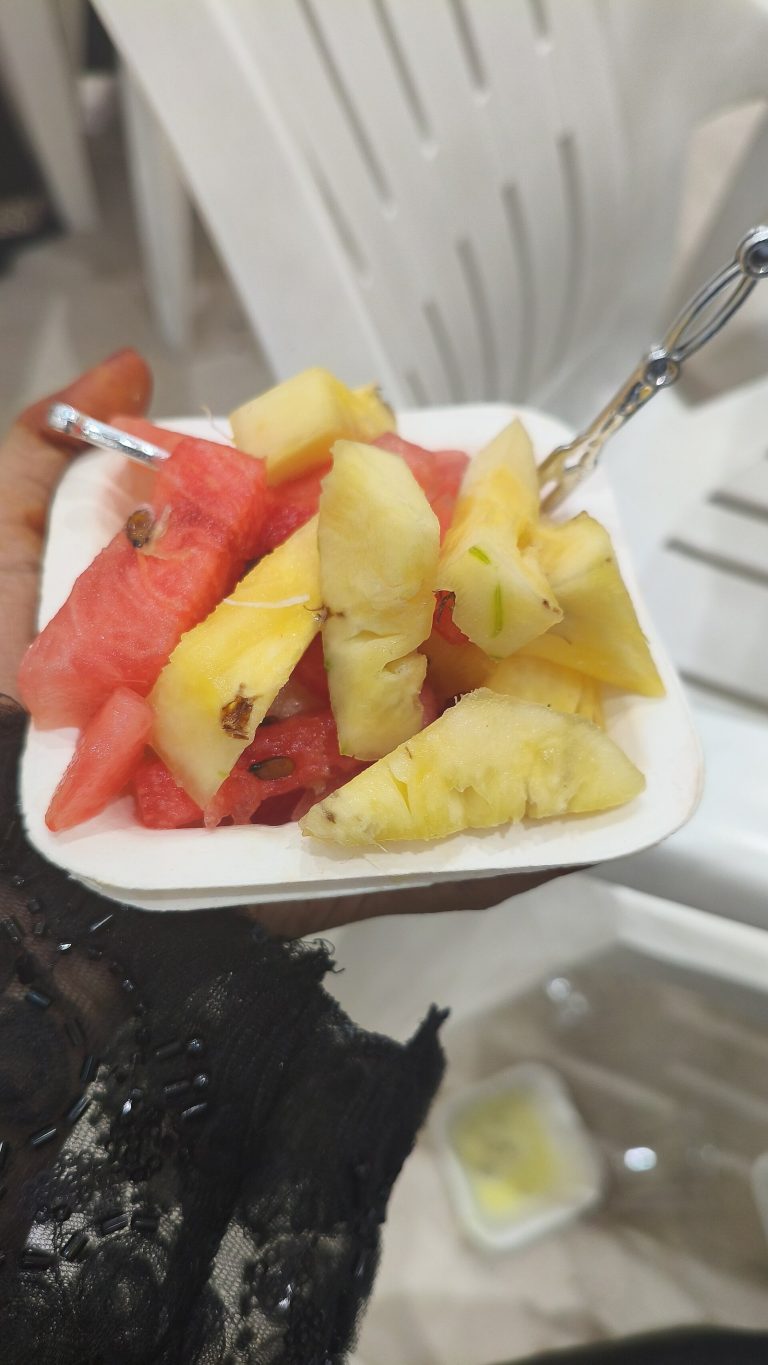
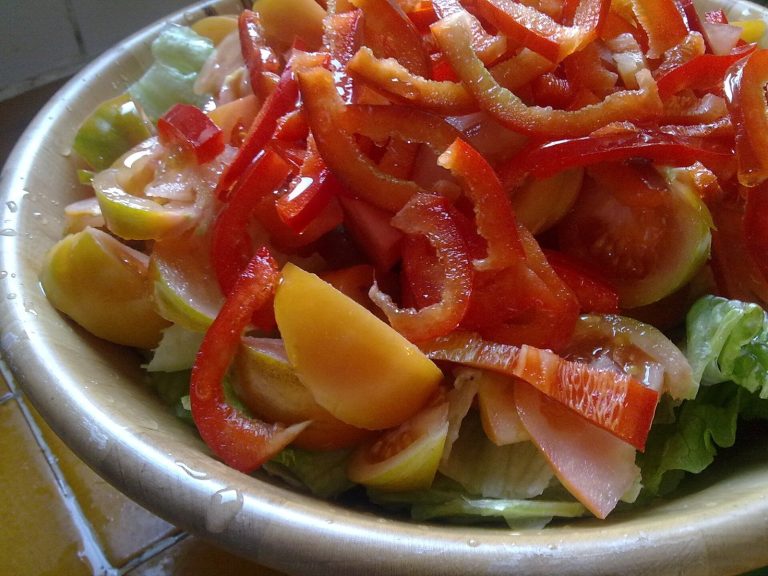
- – Fruits, vegetables, and whole grains as everyday foundations
- – Fat-free or low-fat dairy, fish, poultry, beans, nuts, and unsaturated vegetable oils
- – Fish higher in omega-3 fats such as salmon, tuna, and trout; lean meats or skinless poultry; eggs; legumes; tofu; and nuts or seeds
- – Unsaturated oils such as olive or canola oil rather than butter, lard, coconut oil, or palm oil
- – MedlinePlus stable-angina guidance: eat a healthy diet that is high in vegetables, fruits, whole grains, fish, and lean meats, and keep blood pressure, diabetes, and cholesterol under control
Because angina is so often a symptom of coronary heart disease, the same DASH-style template—vegetables, fruits, whole grains, low-fat dairy, fish, poultry, beans, nuts, and vegetable oils, with limits on saturated fat, sweets, and sugar-sweetened drinks—is a practical starting point when your clinician agrees.
Meal size and other lifestyle tools
NHLBI advises avoiding large meals and rich foods if heavy meals trigger angina, and eating smaller meals if large plates lead to chest pain. Spreading food across the day may keep the heart from working as hard after one oversized plate. Take prescribed nitrates exactly as directed. NHLBI’s broader lifestyle list includes activity after you ask what is safe, aiming for a healthy weight, quitting smoking, not misusing drugs, managing stress, and getting enough sleep. MedlinePlus also flags obesity, high LDL, low HDL, diabetes, high blood pressure, smoking, and a sedentary lifestyle as coronary-disease risk factors.
Foods and habits that often worsen angina symptoms
- – Very large or rich meals if they trigger your chest discomfort (NHLBI; MedlinePlus lists large meals as a possible angina trigger).
- – Frequent high-saturated-fat foods such as fatty meats, full-fat dairy desserts, butter, and tropical oils, which can work against cholesterol and weight goals (NHLBI heart-healthy eating). Saturated fats should make up less than 10% of daily calories on NHLBI’s heart-healthy page.
- – High-sodium and added-sugar patterns that make blood pressure or blood-sugar control harder. NHLBI’s usual sodium cue for most people age 14 and older is less than 2,300 milligrams a day, and less if you have high blood pressure.
- – Alcohol, especially as a trigger in vasospastic angina and as a source of extra calories, higher blood pressure, and higher triglycerides (NHLBI).
- – Smoking and secondhand smoke. NHLBI: smoking can damage and tighten blood vessels, make angina worse, and raise the risk of life-threatening complications.
- – Unplanned exertion, extreme temperatures, or intense stress if those are your usual triggers. NHLBI: avoid very hot or cold conditions; try to limit situations that cause anger, arguments, and worry if stress triggers angina.
- – Stopping heart medicines or mixing them with unreviewed supplements. NHLBI: some medicines, vitamins, and nutritional supplements can cause serious problems if taken with nitrates or other angina medicines. MedlinePlus: never stop heart medicines on your own.
“Limit” means reducing known meal and lifestyle triggers while medical therapy addresses blood flow—not a permanent fear of every flavorful food.
Practical kitchen protocol: an angina-aware week
1. Separate emergencies from grocery lists
Unstable angina—pain at rest, a changing pattern, or pain that does not ease with rest or usual medicine—is a medical emergency. Know your nitroglycerin instructions and when to call 9-1-1 before changing groceries.
2. Shopping list for heart-healthy, smaller plates
Vegetables, fruit, oats or other whole grains, beans, fish, skinless poultry, low-fat or fat-free dairy, olive or canola oil, unsalted nuts, herbs and spices, and unsweetened drinks. If restaurant meals tend to be heavy, stock easy home backups such as oatmeal, frozen vegetables, canned no-salt-added beans, and fish you can bake quickly.
3. Default plate template
- – Half vegetables or fruit
- – Quarter whole grains or beans
- – Quarter fish, legumes, or lean protein
- – A measured amount of unsaturated oil
- – A moderate portion rather than a very large restaurant-style plate if big meals trigger pain
4. Sample day (illustrative)
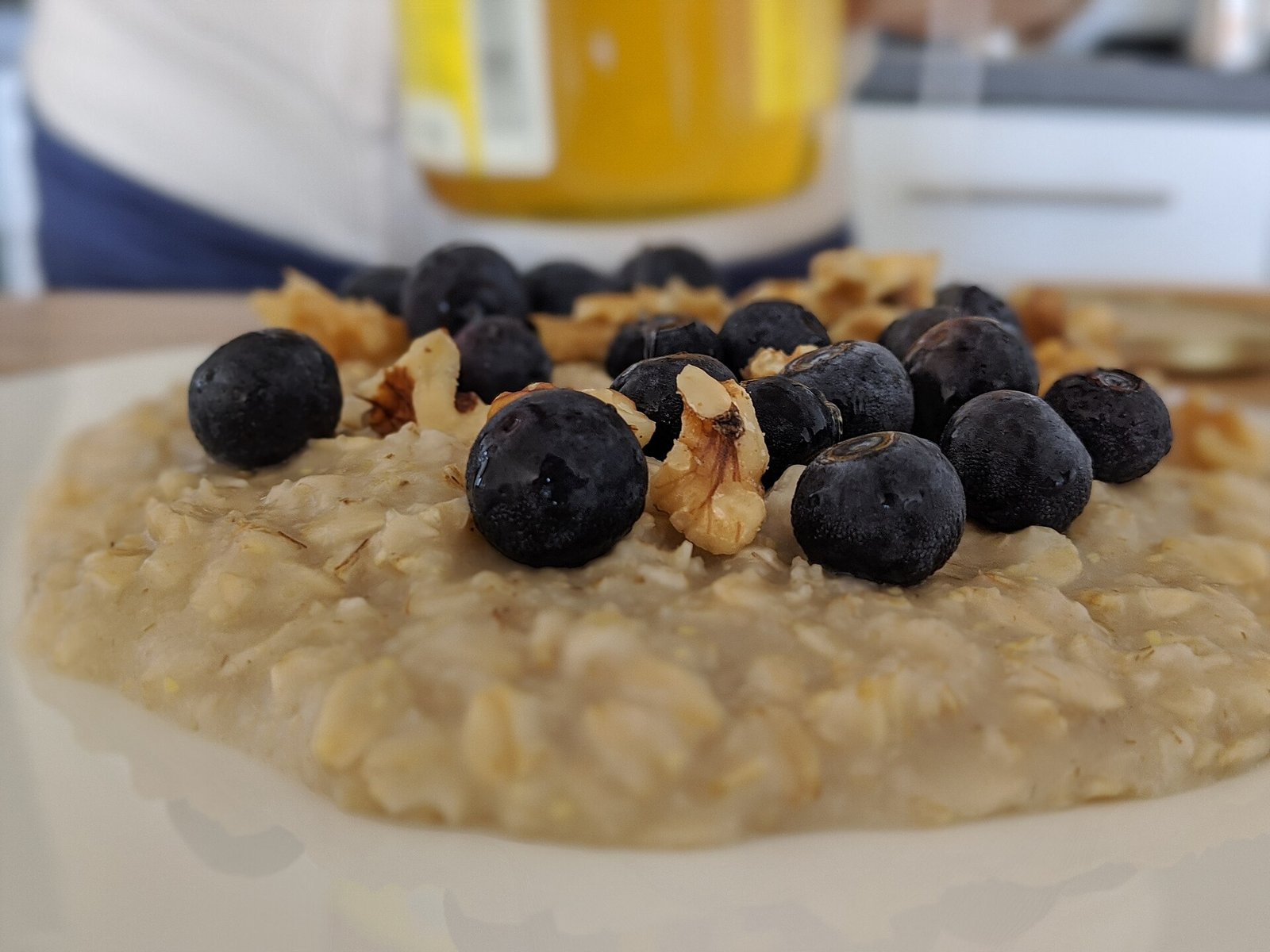
- – Breakfast: oatmeal with berries and low-fat milk or a fortified alternative.
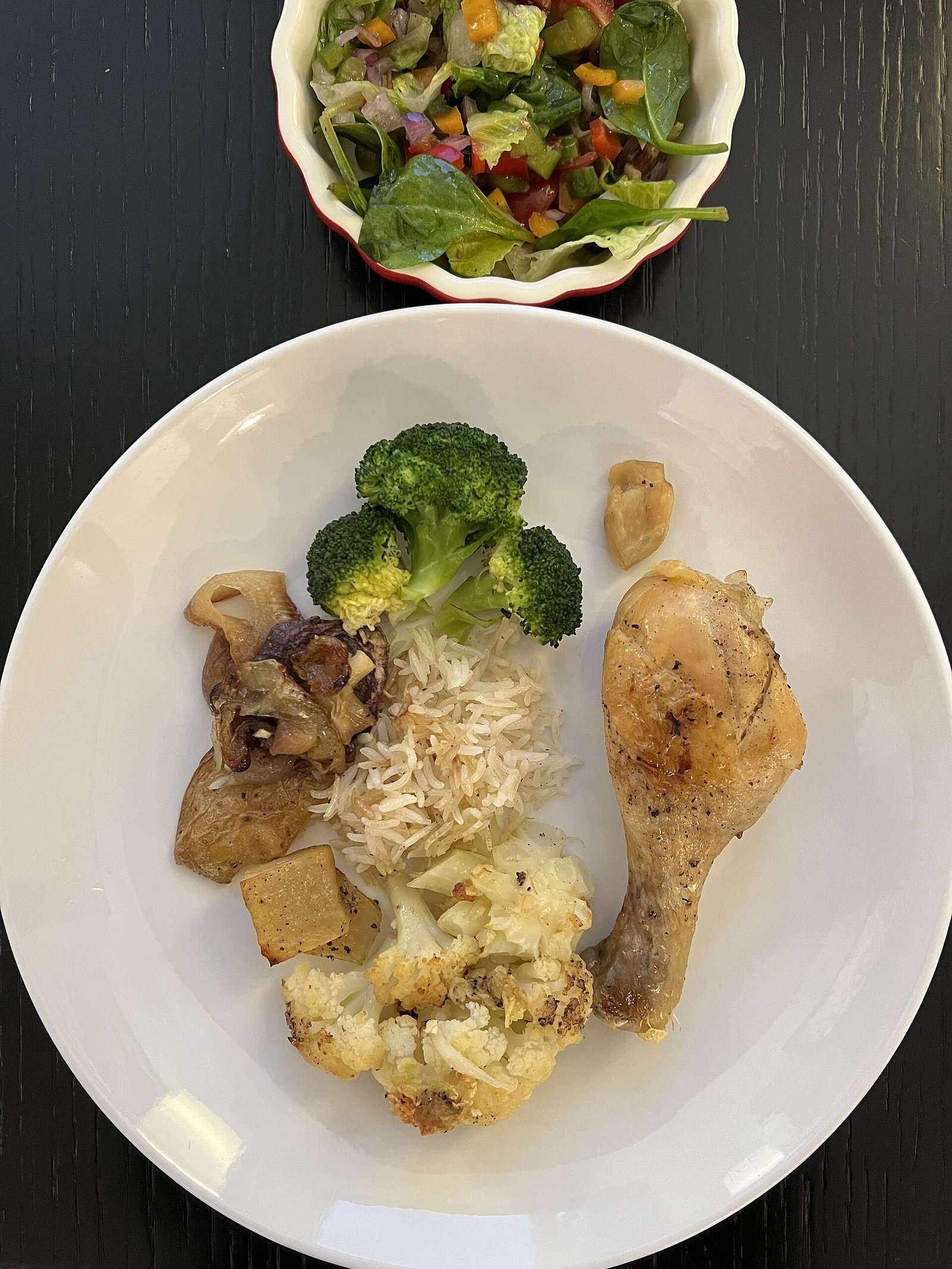
- – Lunch: grilled or roasted chicken with vegetables, potatoes or rice, and a side salad—stop before painful fullness.
- – Snack: fruit or yogurt if that sits well.
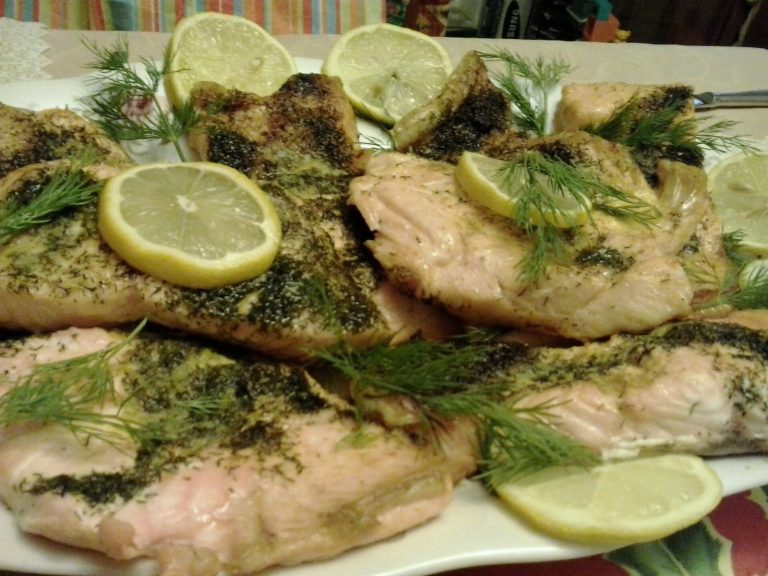
- – Dinner: baked fish, brown rice, and steamed vegetables with a small amount of olive oil.
- – Evening: skip alcohol if it is a trigger or if your clinician asked you to limit it; note any chest discomfort after unusually large or salty meals.
5. If you have had a stent, bypass, or heart attack
Follow cardiology diet orders first. Related reading: diet after angioplasty guide and diet after CABG bypass surgery guide. NHLBI’s coronary heart disease living-with page also discusses cardiac rehabilitation, which includes medically supervised activity and support for heart-healthy eating.
6. Keep an angina log
NHLBI recommends tracking the pattern of stable angina so your clinician can manage medicines and decide whether future treatments are needed. Include meal size, alcohol, temperature, activity, stress, and how quickly rest or nitroglycerin helped.
Safety, interactions, and who should ask a clinician first
- – Call 9-1-1 for chest pain that does not go away, is getting worse, occurs at rest, or does not follow your usual stable pattern (NHLBI; MedlinePlus nitroglycerin timing above).
- – Ask before sexual activity if angina is unstable or not well managed; NHLBI says people in that situation should wait until the heart condition and angina are stable.
- – Review all medicines, including erectile-dysfunction drugs, vitamins, and supplements, with your clinician because of nitrate interaction risks (NHLBI).
- – Ask what activity level is safe before starting an exercise program. Cold weather and sudden exertion can provoke angina in some people (MedlinePlus).
- – Keep follow-up visits; NHLBI mentions reviews every 4 to 6 months in the first year after diagnosis and every 6 to 12 months if the condition stays stable.
- – Do not ignore new fatigue, faintness, a very slow or very fast heartbeat, or more frequent angina—MedlinePlus says to contact your provider.
FAQ
Will a heart-healthy diet stop all angina? No. NHLBI says lifestyle changes and medicines may manage stable angina, but some people still need a procedure to improve blood flow. Food may support risk factors; it does not guarantee zero pain.
Why do large meals matter? After a heavy meal the heart may need more oxygen. MedlinePlus lists large meals among possible angina triggers, and NHLBI advises smaller meals if large or rich plates bring on pain.
Can I use alcohol to “relax” chest tightness? That is not a public-source strategy. Alcohol can trigger vasospastic angina and can raise blood pressure and triglycerides. Ask your clinician about personal limits.
Should I stop my statin or blood-pressure medicine if I eat better? No. MedlinePlus says never stop these medicines on your own. NHLBI notes that cholesterol-lowering statins are often part of long-term treatment, especially after a heart attack.
Medical disclaimer
Medical disclaimer: This article is for general information only. It is not medical advice, diagnosis, or a treatment plan. Angina care depends on the type of angina, your heart-disease severity, medicines, and your clinician’s judgment. Talk with a clinician or registered dietitian before starting, stopping, or changing any eating plan, supplement, or medicine. Seek emergency care for chest pain that is new, worsening, occurring at rest, or not relieved as your clinician instructed.