Type 1 Diabetes Diet: Foods That May Help and Foods to Limit
Medical note: This article discusses foods and researched botanicals. It does not claim to prevent, treat, or cure disease. Supplements are not a substitute for food, and studied amounts are not personal prescriptions.
People searching “type 1 diabetes diet foods that help or worsen” usually want carb-aware plates that fit insulin dosing—not a claim that food cures type 1 diabetes, replaces insulin, or prevents autoimmune loss of beta cells. MedlinePlus explains that with type 1 diabetes the body makes little or no insulin, so glucose from food and the body stays high in the blood without insulin therapy. CDC notes that people with type 1 diabetes need to take insulin every day and that the condition currently cannot be prevented, though it can be managed successfully with clinician-guided care, blood-sugar management, and healthy lifestyle habits. NIDDK’s healthy-living guidance for diabetes emphasizes meal planning, physical activity, sleep, and tobacco cessation as supports that may help keep glucose, blood pressure, and cholesterol in clinician-recommended ranges. Kitchen choices may help day-to-day control; they do not replace insulin or diabetes education.
What this type 1 diabetes diet guide covers (and what it does not)
This guide is for adults (and caregivers coordinating with clinicians) who already have clinician-recognized type 1 diabetes and want practical food patterns. Anchors: MedlinePlus — Diabetes Type 1, CDC — Type 1 Diabetes, NIDDK — Insulin, Medicines, & Other Diabetes Treatments, and NIDDK — Healthy Living with Diabetes.
NIDDK states that if you have type 1 diabetes you must take insulin because the pancreas does not make it, typically several times a day including when you eat and drink. CDC estimates type 1 is less common than type 2—about 5–10% of people with diabetes have type 1. Related reading: type 2 diabetes diet guide, gestational diabetes diet guide, insulin resistance diet guide, and prediabetes diet guide.
Evidence snapshot: type 1 diabetes diet claims vs public sources
| Claim people hope for | What public sources actually say | Confidence |
|---|---|---|
| “A special diet replaces insulin in type 1” | NIDDK: people with type 1 must take insulin; CDC: take insulin every day | Strong against food-as-insulin |
| “Carb-free eating cures type 1” | MedlinePlus/CDC describe autoimmune insulin deficiency; no public page lists food as a cure | Strong against cure claims |
| “Healthy meal planning may help glucose targets” | NIDDK: healthy foods/drinks can help keep glucose, blood pressure, and cholesterol in recommended ranges; plate method and carb counting are common planning tools | Moderate–strong for structured meal planning |
| “Alcohol is always fine with insulin” | NIDDK: alcohol can make glucose drop too low with insulin or certain diabetes medicines; eat food if you drink and check glucose afterward | Strong caution |
| “Supplements manage type 1 like medicine” | NIDDK: no clear proof that specific foods, herbs, spices, or supplements can help manage diabetes—ask a clinician before using them | Strong against DIY supplement “treatment” |
Foods and patterns that may help with type 1 diabetes meal planning
“May help” means supporting glucose, heart, and weight goals alongside insulin—not a guarantee of perfect numbers.
Build plates around NIDDK’s healthy meal-plan examples
- – Dairy or plant-based dairy alternatives
- – Fruits
- – Nonstarchy vegetables
- – Protein foods
- – Whole grains
- – Drinks with little or no added sugar (water, low-fat or non-fat milk, unsweetened tea/coffee/sparkling water)
Use planning tools your diabetes team teaches
- – Carb counting when you take insulin: NIDDK notes counting carbs can help you know how much insulin to take.
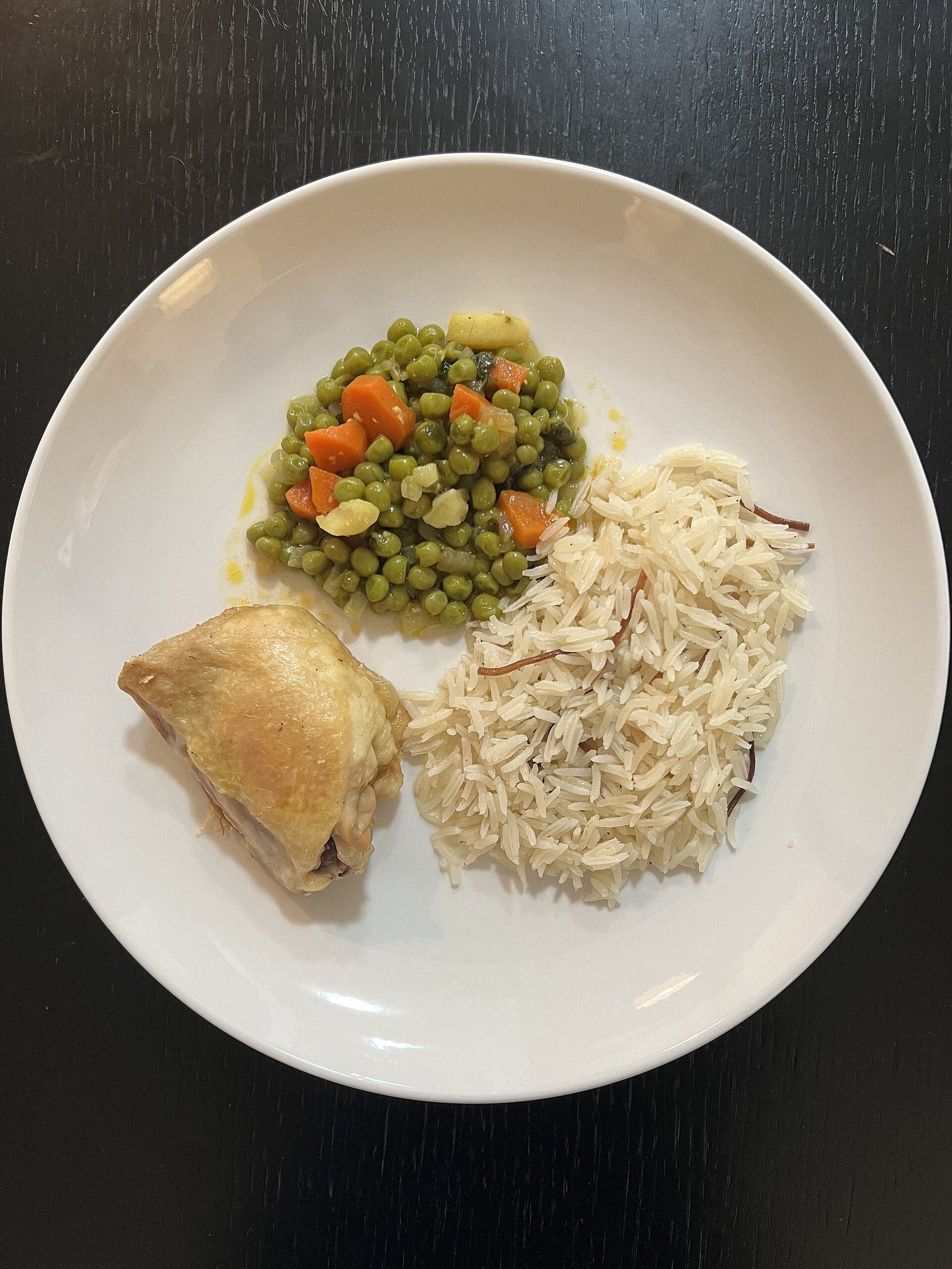
- – Plate method (9-inch plate): half nonstarchy vegetables; one-quarter higher-fiber carb foods (brown rice, whole grains, beans, or fruit); one-quarter protein (lean meats, fish, dairy, tofu/soy).
Pattern habits that support overall diabetes care
- – Fewer foods high in saturated fat and sodium
- – Fewer sugary foods and sweet drinks
- – Timing meals with insulin, activity, and work schedules as your team advises
- – Ask whether medical nutrition therapy with a registered dietitian is covered
Foods and habits that often worsen type 1 diabetes management
- – Skipping insulin or guessing doses instead of using an agreed carb-counting or pump algorithm—diet pages do not replace dosing education.
- – Large sugary drinks and dessert loads that spike glucose quickly (NIDDK flags soda, juice, flavored coffee, sports drinks, cookies, cakes).
- – Alcohol without food or without checking glucose—hypoglycemia risk with insulin (NIDDK).
- – Very high saturated-fat and high-sodium patterns that work against blood pressure and cholesterol goals NIDDK links to healthy living.
- – Unvetted “diabetes cure” herbs or megadoses—NIDDK: no clear proof supplements manage diabetes; review with your clinician.
- – Ignoring DKA warning signs—MedlinePlus: very high glucose without enough insulin can lead to diabetic ketoacidosis, a life-threatening emergency.
“Limit” means reducing chaos around carbs, alcohol, and ultra-sweet drinks while keeping insulin therapy central—not a lifelong ban on every enjoyable food.
Practical kitchen protocol: a type 1–aware week
1. Align food with insulin, not the reverse
Confirm with your diabetes team how carbs map to bolus insulin, correction factors, and activity. Do not invent ratios from blogs.
2. Shopping list that fits NIDDK patterns
Oats, brown rice, whole-wheat bread, beans, leafy greens, peppers, carrots, berries and other fruits you dose for, eggs, fish, skinless poultry, tofu, yogurt or fortified plant milks, olive oil in modest amounts, nuts in planned portions, and water or unsweetened drinks.
3. Default plate template
- – Half nonstarchy vegetables
- – Quarter lean protein
- – Quarter fiber-forward carb
- – Measure or estimate carbs the way your educator taught
- – Log glucose responses for a few days to refine, not to obsess
4. Sample day (illustrative—adjust insulin with your team)
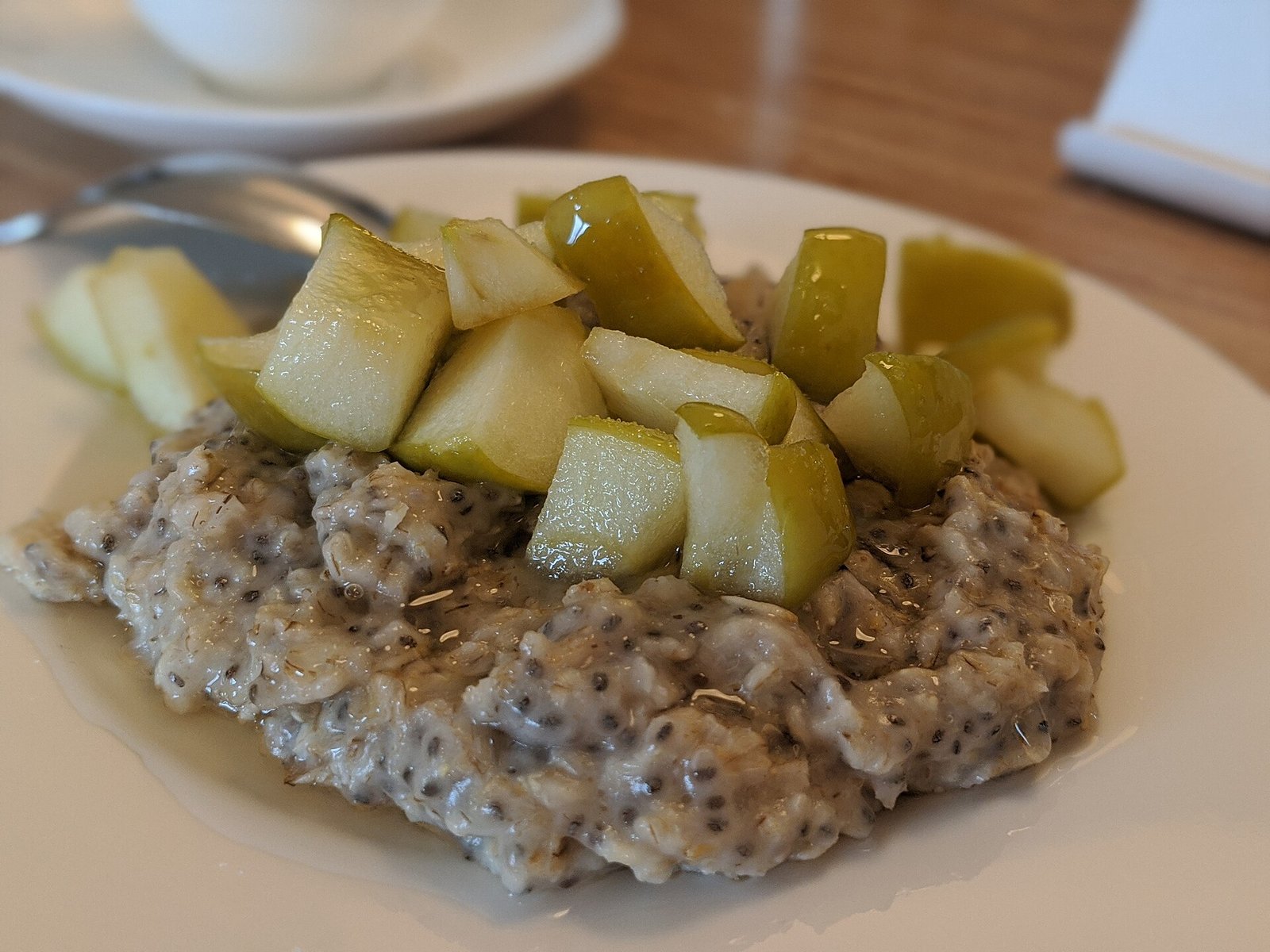
- – Breakfast: oatmeal with apple; dose for the carbs.
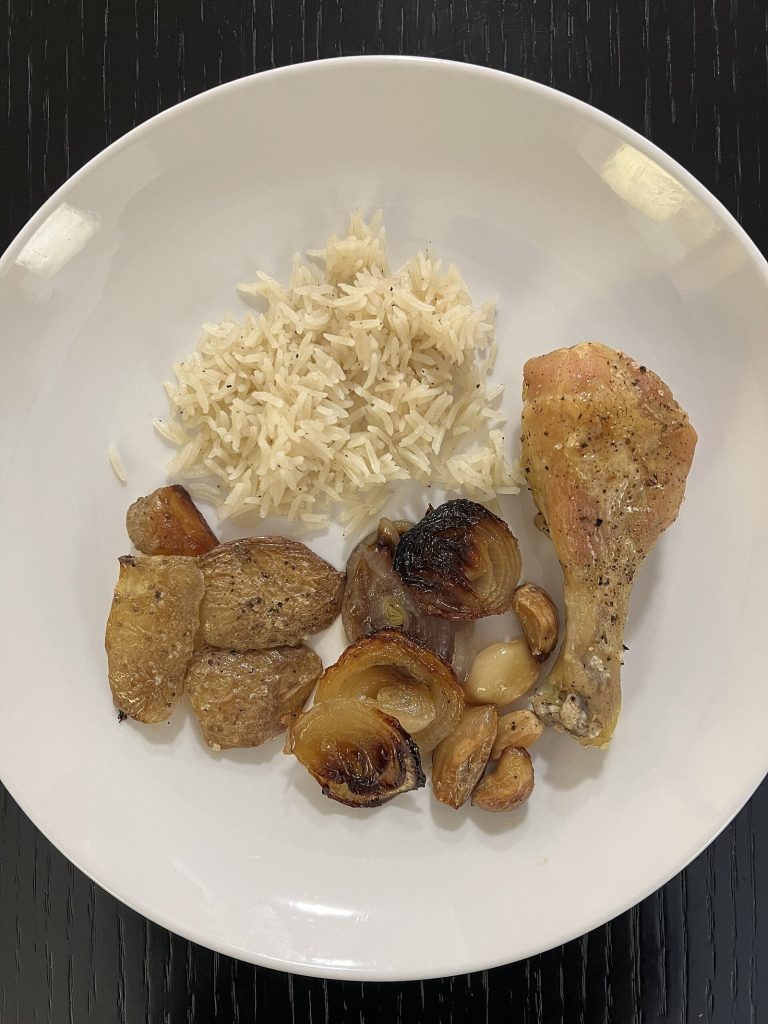
- – Lunch: grilled chicken, brown rice, large salad.
- – Snack: yogurt or fruit if your plan includes it.
- – Dinner: baked fish, quinoa or potatoes in a counted portion, cooked nonstarchy vegetables.
- – Evening: if alcohol is allowed by your clinician, pair with food and check glucose later.
5. Hypoglycemia readiness
Keep rapid carbs available for lows as instructed. Alcohol and delayed meals raise risk—plan ahead for exercise and late work nights.
6. Heart and kidney co-goals
Type 1 raises long-term risk to heart, eyes, kidneys, and nerves (MedlinePlus). Patterns that also support blood pressure and cholesterol matter; see high cholesterol diet guide and high blood pressure diet guide.
Safety, interactions, and who should ask a clinician first
- – Suspected DKA (vomiting, fruity breath, deep breathing, confusion, very high glucose/ketones): emergency care (MedlinePlus framing).
- – Pregnancy planning, gastroparesis, kidney disease, or steroid courses: meal and insulin plans often need specialist revision.
- – New dietary supplements, “keto cures,” or extreme fasting: discuss first—especially with pumps or automated delivery systems.
- – Children and teens: use pediatric diabetes team guidance; this adult-focused page is not a pediatric protocol.
- – Never stop insulin to “eat clean.”
FAQ
Can diet reverse type 1 diabetes? No. CDC and MedlinePlus describe missing insulin production; insulin therapy remains required.
Do I have to count every carb forever? Many people who take insulin use carb counting; NIDDK also describes the plate method. Your team individualizes the approach.
Is fruit banned? NIDDK includes fruit in healthy diabetes meal plans. Portion and insulin matching matter more than a blanket ban.
What about alcohol? Limit and pair with food; alcohol can cause hypoglycemia with insulin. Ask your care team for personal limits.
Will supplements lower my A1C like medicine? NIDDK: no clear proof specific supplements manage diabetes. Ask before buying.
How is this different from type 2 diet advice? Overlap exists in plate quality, but type 1 always requires insulin. See type 2 diabetes diet guide for type-2-specific medicine context.
How this differs from related OTCFood topics
This page is a type 1–bound diet guide focused on insulin-paired meal planning, carb tools, alcohol hypoglycemia caution, and rejecting cure claims. It is not a type 2 remission narrative, not an insulin dosing calculator, and not a substitute for diabetes self-management education.
Medical disclaimer
Medical disclaimer: This article is for general information only. It is not medical advice, diagnosis, or a treatment plan. Type 1 diabetes care depends on insulin regimens, devices, hypoglycemia risk, and your clinician’s judgment. Talk with a clinician or registered dietitian before changing eating plans, supplements, or medicines. Seek urgent care for suspected diabetic ketoacidosis or severe hypoglycemia you cannot treat as instructed.