Diet After Coronary Artery Bypass (CABG): Foods That May Help and Foods to Limit
Medical note: This article discusses foods and researched botanicals. It does not claim to prevent, treat, or cure disease. Supplements are not a substitute for food, and studied amounts are not personal prescriptions.
People searching “diet after coronary artery bypass CABG foods that help or worsen” usually want heart-healthy kitchen habits that support recovery—not a claim that food rebuilds bypass grafts the way surgery, medicines, and cardiac rehabilitation do. MedlinePlus explains that coronary artery bypass surgery creates a new path for blood to flow around blocked or narrowed coronary arteries. NHLBI describes CABG (also called heart bypass surgery) as a procedure that uses healthy blood vessels to bypass narrowed or blocked coronary arteries and may be recommended to lower heart-attack risk in coronary heart disease or, in emergencies, to treat a severe heart attack. CDC heart-disease pages emphasize that coronary artery disease is common and that prevention and risk-factor control matter across the lifespan. After CABG, NHLBI notes clinicians may recommend medicines and heart-healthy lifestyle changes to reduce symptoms, treat disease, and help prevent complications such as blood clots. Food choices may help that lifestyle plan; they never replace surgical follow-up or prescribed antiplatelet therapy.
What this after-CABG diet guide covers (and what it does not)
This guide is for adults recovering from CABG who need practical lower-sodium, heart-aware eating while wounds heal and activity rebuilds. Anchors: MedlinePlus — Coronary artery bypass surgery, NHLBI — Coronary Artery Bypass Grafting, and CDC — Heart Disease. Diet detail also draws on MedlinePlus heart bypass discharge instructions and low-salt/cholesterol lifestyle patient pages.
MedlinePlus discharge advice: full healing often takes 4 to 6 weeks; poor appetite for 2 to 4 weeks is common; follow a heart-healthy diet; continue heart, diabetes, and blood-pressure medicines; antiplatelet drugs such as aspirin or other agents may be recommended to help keep grafts open—do not stop medicines without talking with your provider. Related reading: diet after CABG guide, diet after coronary stent guide, diet after heart attack guide, coronary artery disease diet guide, hypertension diet guide, and high cholesterol diet guide.
Evidence snapshot: after-CABG diet claims vs public sources
| Claim people hope for | What public sources actually say | Confidence |
|---|---|---|
| “A special diet rebuilds bypass grafts” | NHLBI: surgery creates new routes for blood; recovery includes medicines and heart-healthy lifestyle—not culinary graft “healing” claims | Strong against food-as-surgery |
| “You can stop blood thinners if you eat clean” | MedlinePlus: continue antiplatelet or anticoagulant medicines as prescribed; stopping without advice is dangerous | Strong |
| “Appetite will be perfect right away” | MedlinePlus discharge: poor appetite for 2 to 4 weeks is normal for many people | Strong that early appetite dips are common |
| “Salt does not matter after the arteries are bypassed” | Heart-healthy and low-salt patterns remain standard for blood pressure and long-term coronary risk (MedlinePlus low-salt and cholesterol lifestyle themes) | Strong that sodium awareness continues |
| “Cardiac rehab is optional if diet is perfect” | Public CABG recovery materials emphasize activity progression and often cardiac rehabilitation alongside lifestyle—not diet alone | Strong that rehab/activity plans matter |
Foods and patterns that may help after CABG
“May help” means supporting blood pressure, cholesterol, blood sugar, and weight goals while you heal—not a promise that one salad prevents every future blockage.
Heart-healthy defaults (discharge + prevention themes)
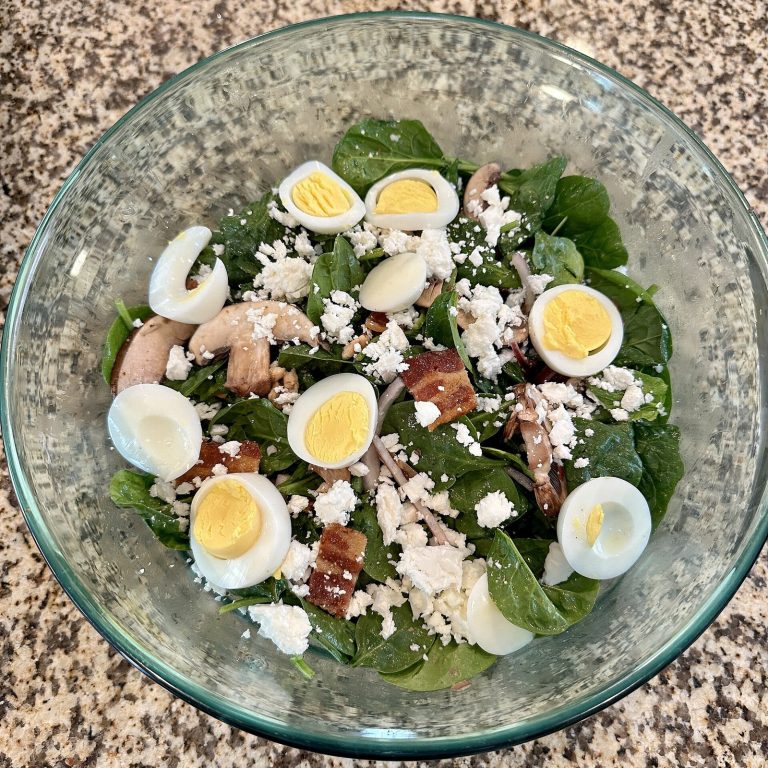
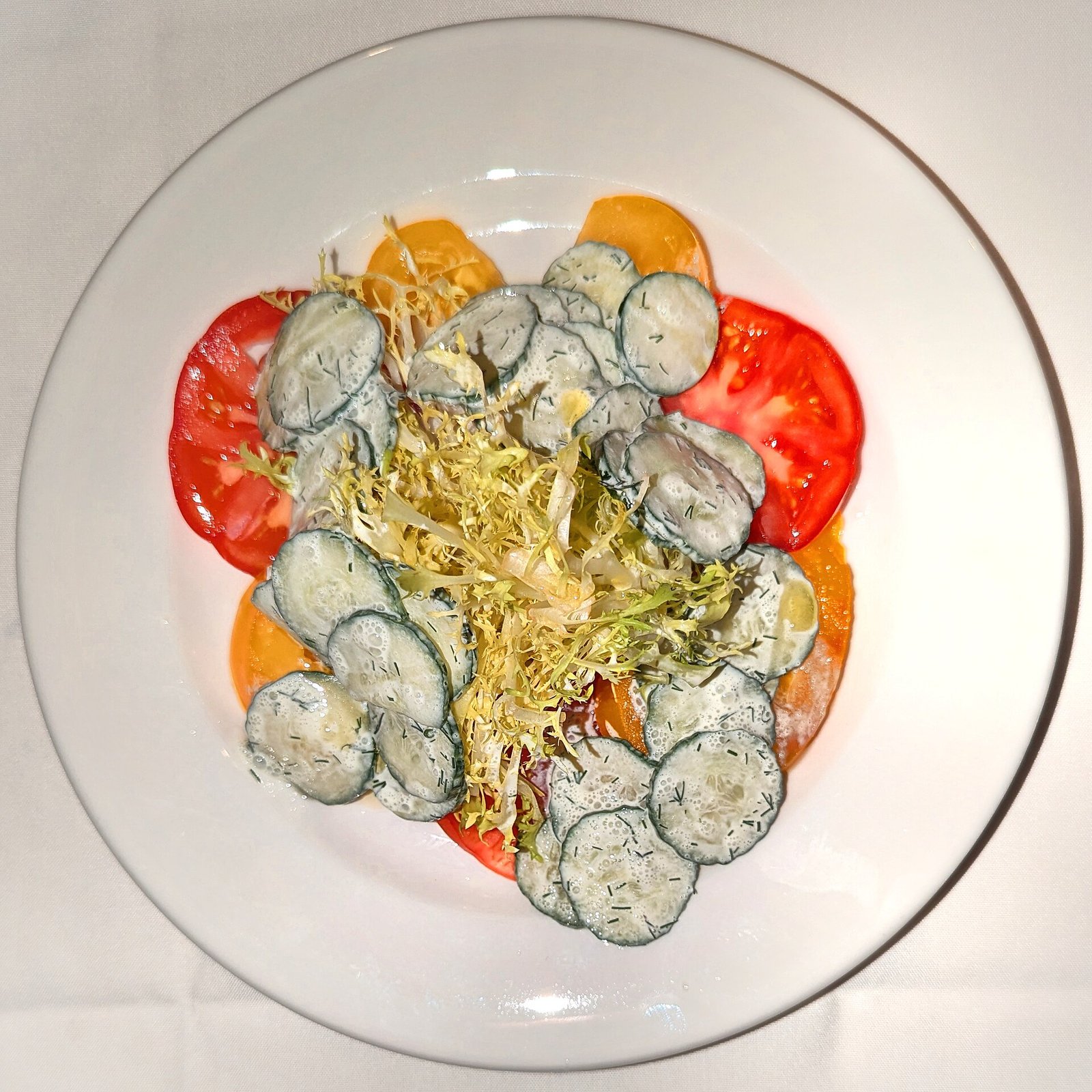
- – Vegetables and fruits as the colorful base of most plates
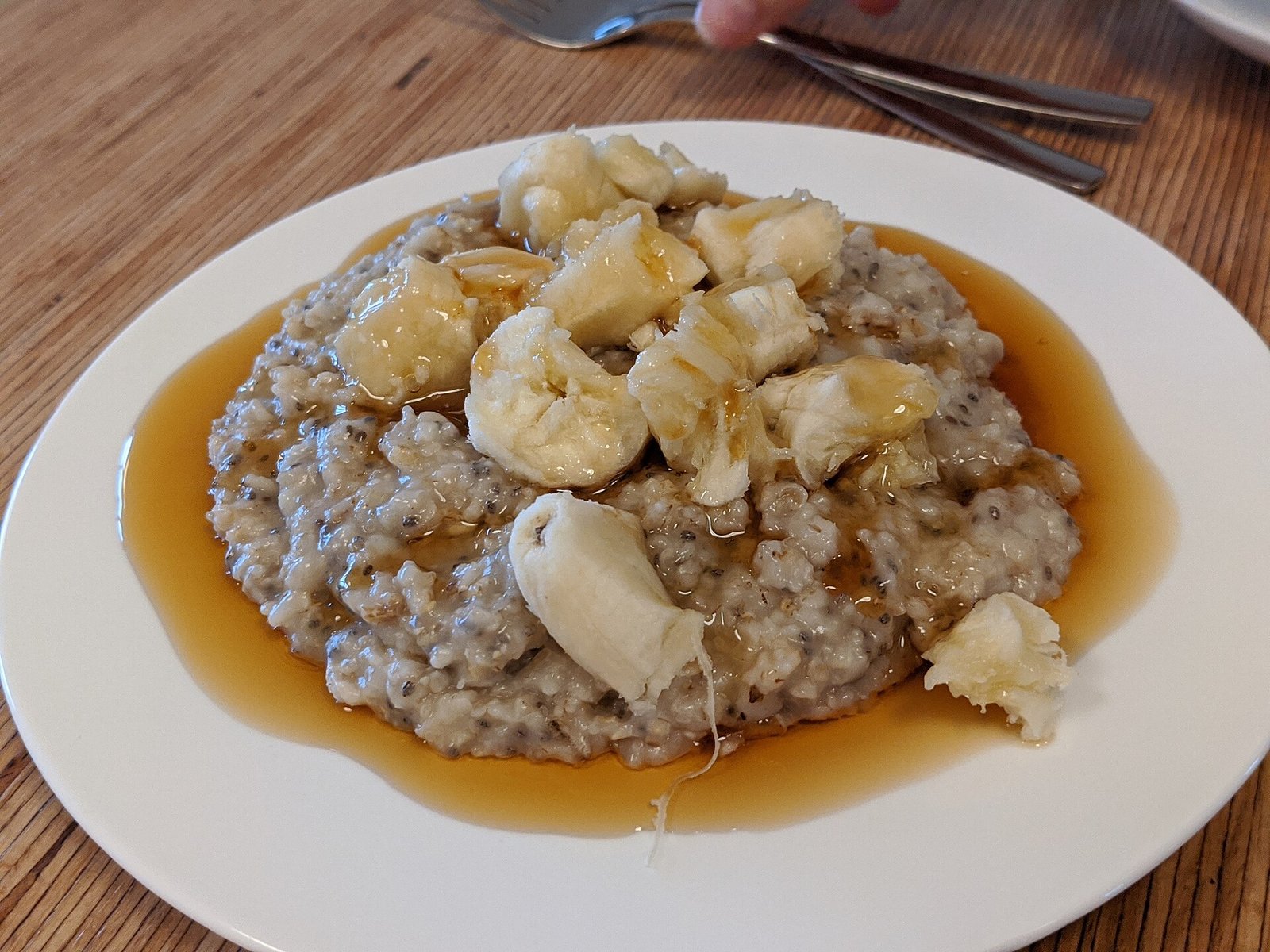
- – Whole grains as tolerated (oats, brown rice, whole-wheat bread)
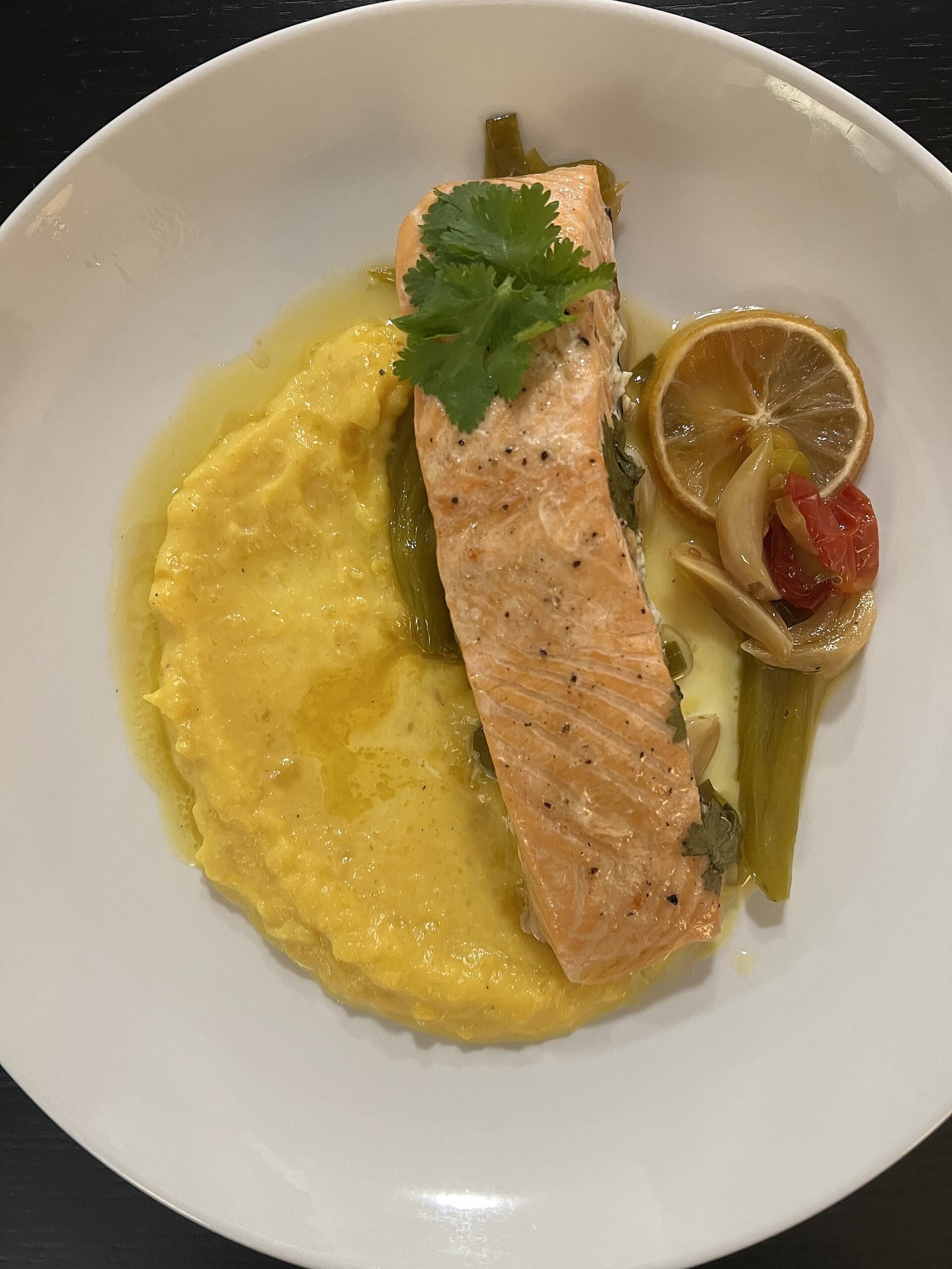
- – Fish, beans, lentils, skinless poultry, and other lean proteins
- – Unsaturated oils such as olive oil in modest amounts instead of piles of butter or tropical oils when your clinician agrees
- – Lower-sodium cooking: herbs, garlic, pepper, lemon instead of the salt shaker (MedlinePlus low-salt tips)
Early recovery practicalities (MedlinePlus discharge)
- – Expect smaller meals if appetite is poor for several weeks
- – Prioritize protein and produce you can finish
- – Stay hydrated as advised; constipation from pain medicines is common—ask about fiber, fluids, and stool plans
- – Keep taking prescribed medicines with food if your team says so
Long-term coronary risk pattern
Align with coronary artery disease diet guide and diet after heart attack guide: fewer ultra-processed salty foods, less sugary beverage habit, and attention to diabetes targets if you have type 2 diabetes diet guide overlapping needs.
Foods and habits that often worsen post-CABG kitchen patterns
- – Processed and cured meats, salty snacks, canned soups, and bottled sauces that push sodium far above heart-healthy goals (MedlinePlus low-salt “always high” lists).
- – Frequent fried fast food and heavy cream desserts that work against cholesterol and weight goals.
- – Alcohol beyond clinician limits, especially while on pain medicines or sedating drugs.
- – Stopping antiplatelet therapy because “diet is going well”—MedlinePlus warns not to stop medicines without provider advice.
- – Sitting all day with no walking plan—discharge advice encourages gradual walking; diet cannot replace activity progression.
- – Ignoring swelling, fever, wound drainage, chest pain like angina, or sudden shortness of breath while only adjusting recipes.
“Limit” means cutting the biggest long-term coronary risk drivers—not banning every celebration meal forever.
Practical kitchen protocol: the first months after CABG
1. Follow surgical and rehab instructions first
MedlinePlus: someone should stay with you 1 to 2 weeks; shower as allowed; no baths/hot tubs until incisions heal; walking is a core early exercise—go slowly. Ask about cardiac rehabilitation enrollment.
2. Shopping list for heart-aware recovery
Leafy greens and mixed vegetables; berries and other fruit; oats; beans; fish (including oily fish if tolerated); skinless chicken; unsalted nuts in portion-controlled amounts; olive oil; low-sodium spices; yogurt or other proteins that sit well with medicines.
3. Default plate template
- – Half non-starchy vegetables
- – Quarter lean protein
- – Quarter whole grains or starchy vegetables
- – Fruit on the side
- – Flavor with herbs/lemon; watch sodium labels (under ~140 mg/serving is a MedlinePlus “good” benchmark when choosing packaged foods)
4. Sample day once appetite returns (illustrative)
- – Breakfast: oatmeal with berries; water.
- – Lunch: large salad with beans or tuna (rinsed/no-salt-added as needed); fruit.
- – Snack: apple or unsalted yogurt if it fits the plan.
- – Dinner: baked fish, roasted vegetables, quinoa or potato; herb seasoning.
- – Evening: medicines on schedule; skip late salty snacks.
5. Eating out
Choose grilled or baked items; sauces on the side; skip cured-meat appetizers; ask for no added salt when possible.
6. If diabetes or kidney disease coexists
Coordinate carbohydrate and potassium/sodium rules with the same clinicians managing your heart medicines—do not run three conflicting “internet diets.”
Safety, interactions, and who should ask a clinician first
- – On warfarin or other anticoagulants: MedlinePlus notes extra blood tests may be needed; keep vitamin K intake consistent if instructed—ask before mega-kale cleanses.
- – Antiplatelet therapy (aspirin, clopidogrel, prasugrel, ticagrelor, etc.): bleeding and bruising risk; never stop for a diet experiment.
- – Poor appetite lasting beyond a few weeks, unintended major weight loss, or inability to take medicines with food: call the care team.
- – Angina-like chest pain, sudden leg swelling with breathlessness, fever, or wound problems: use your discharge “when to call” list or emergency care.
- – Depression and mood swings are noted as common after bypass (MedlinePlus)—ask for support; food alone is not mental-health care.
FAQ
Can diet replace CABG or stents later? No. Surgery and procedures fix blood-flow mechanics; diet supports long-term risk control afterward.
How soon will my appetite return? MedlinePlus: many people have a poor appetite for 2 to 4 weeks. Soft, smaller, nutrient-dense meals help bridge that stretch.
Do I still need a low-salt pattern if my blood pressure looks better in the hospital? Heart-healthy, sodium-aware eating usually remains part of long-term coronary care—confirm your personal mg/day target.
Is this different from the other OTCFood CABG page? Overlap is intentional for search variants; this slug emphasizes “after bypass surgery CABG” wording. Also see diet after CABG guide.
What about grapefruit with heart medicines? Some cardiac drugs interact with grapefruit—ask your pharmacist before daily grapefruit juice habits.
When can I exercise harder? Follow your surgeon and cardiac rehab plan. MedlinePlus encourages gradual increases over about the first three months—not sudden intense workouts.
How this differs from related OTCFood topics
This page is an after–coronary artery bypass (CABG) diet guide focused on heart-healthy, lower-sodium plates, early appetite realities, and medicine-safe habits. It is not a DIY surgical protocol, not a stent-only guide (diet after coronary stent guide), and not a substitute for cardiac rehabilitation.
Medical disclaimer
Medical disclaimer: This article is for general information only. It is not medical advice, diagnosis, or a treatment plan. Care after CABG depends on graft type, heart function, medicines, diabetes and kidney status, and your surgical and cardiology teams’ judgment. Talk with a clinician or registered dietitian before starting, stopping, or changing any eating plan, supplement, or medicine. Seek emergency care for severe chest pain, sudden shortness of breath, fainting, or other urgent symptoms on your discharge instructions.