Diet After Lumpectomy: Foods That May Help and Foods to Limit
Medical note: This article discusses foods and researched botanicals. It does not claim to prevent, treat, or cure disease. Supplements are not a substitute for food, and studied amounts are not personal prescriptions.
People searching “diet after lumpectomy foods that help or worsen” usually want protein-and-calorie-aware meals that fit fatigue, incision care, and possible upcoming radiation or systemic therapy—not a claim that food is anti-cancer treatment or replaces oncology follow-up. MedlinePlus describes breast lump removal (lumpectomy / breast-conserving surgery) as removing a lump and some surrounding tissue, often as outpatient surgery, with a short recovery for many people: skin healing over about a month, return to usual activities in about a week for many, and limits on heavy lifting or activities that pain the area for 1 to 2 weeks. Lumpectomy for cancer is often followed by radiation and sometimes other treatments. NCI nutrition-during-cancer guidance explains that good nutrition helps people stay strong, that needs may include extra protein and calories during treatment, and that a registered dietitian should individualize plans—including food-safety awareness when immunity is affected.
What this after-lumpectomy diet guide covers (and what it does not)
This guide is for adults recovering from lumpectomy / breast-conserving surgery who want practical kitchen patterns while they follow surgical and oncology instructions. Anchors: MedlinePlus — Breast lump removal, MedlinePlus — Mastectomy / lumpectomy topic overview, NCI — Breast Cancer Treatment (PDQ®)–Patient Version, and NCI — Nutrition During Cancer Treatment.
MedlinePlus notes risks such as bleeding, infection, poor healing, shape change, and possible need for more surgery if margins are not clear; drains are less common than after mastectomy but may be used. Kitchen changes do not treat cancer, do not replace radiation planning, and do not diagnose seroma or infection. Related reading: diet after mastectomy guide for more extensive surgery contrast, plus constipation diet guide if pain medicines slow the gut.
Evidence snapshot: after-lumpectomy diet claims vs public sources
| Claim people hope for | What public sources actually say | Confidence |
|---|---|---|
| “An anti-cancer diet replaces radiation after lumpectomy” | Forbidden framing; NCI/MedlinePlus center guideline oncology care—food supports strength | Strong: never a replacement |
| “Eat as little as possible to ‘starve’ residual cells” | NCI: extra protein/calories may be needed to maintain strength and limit malnutrition during cancer care | Strong against starvation diets |
| “All soy foods are forbidden after breast surgery” | Individual oncology advice varies; do not invent absolute bans from social media—ask your team | Low for blanket internet bans |
| “Food safety only matters during chemotherapy” | NCI stresses food-safety practices when treatment affects infection risk—follow your phase-specific teaching | Moderate–strong when immunocompromised |
| “Heavy grocery lifting is fine if the incision looks closed” | MedlinePlus: avoid heavy lifting/jogging/painful activity for about 1–2 weeks; confirm with surgeon, especially if nodes were sampled | Strong for early limits |
Foods and patterns that may help after lumpectomy day to day
“May help” means supporting wound-recovery fueling, steadier energy for appointments, and bowel comfort—not changing pathology results.
Protein and calorie adequacy when appetite dips
- – NCI: people with cancer may need more protein and calories than everyday “healthy eating” stereotypes suggest; meat, fish, eggs, dairy, fats, and plant proteins may be emphasized under dietitian guidance.
- – Easy options: eggs, yogurt, cottage cheese, smoothies, soups with soft protein, nut butters if tolerated, tofu.
Hydration and gentle fiber if opioids or reduced movement are in play
- – Fluids plus oats, fruit, and cooked vegetables can limit constipation—see constipation diet guide.
- – If radiation later causes fatigue, batch freezer meals early.
Food safety when systemic therapy is planned or ongoing
- – NCI nutrition pages discuss safer food handling during cancer treatment—reheat leftovers well, avoid high-risk exposures your team lists, and ask before raw-sprout or unpasteurized products.
Shoulder-range and one-arm kitchen tweaks if axillary nodes were involved
- – Some people need temporary lifting limits or PT for shoulder mobility after node procedures—keep frequently used foods at comfortable height; overlap practical themes with upper-body recovery pages without equating to diet after mastectomy guide drain-heavy courses.
Foods and habits that often worsen after-lumpectomy kitchen patterns
- – Alcohol that impairs healing judgment, hydration, and medicine safety—ask oncology for phase-specific limits.
- – Heavy lifting of grocery cases or cast-iron pans against MedlinePlus activity advice.
- – Unproven “miracle” supplement stacks marketed as cancer alternatives.
- – Skipping meals until dizziness at radiation simulation.
- – High-risk food-safety shortcuts (poorly refrigerated leftovers) if neutropenia risk rises later.
- – Comparing your plate guilt to mastectomy blogs—your operation and adjuvant plan are individualized.
“Limit” means reducing malnutrition risk, unsafe lifting, and bogus cure claims—not moralizing dessert during a hard week.
Practical kitchen protocol: an after-lumpectomy diet week
1. Keep the medical spine first
Confirm incision care, bra/support garment guidance (MedlinePlus often suggests a supportive bra), drain teaching if present, lifting limits, pathology follow-up timing, and whether radiation/systemic therapy is planned.
2. Shopping list for recovery weeks
Eggs; Greek yogurt; cottage cheese; soft fruits; oatmeal; soup; tender fish/poultry; bread; hummus; pre-washed greens if chewing/appetite OK; oral nutrition drinks only if your clinician/dietitian suggested them.
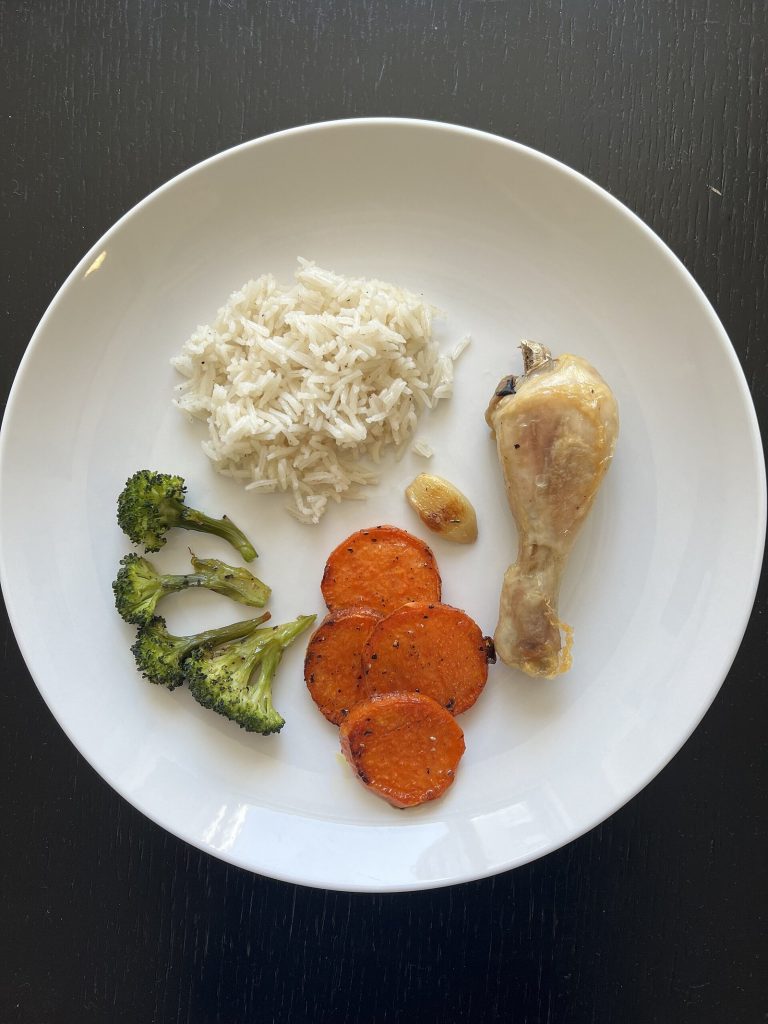
3. Default plate template
- – Protein at each meal
- – Easy carbohydrate
- – Fruit or vegetable
- – Fluid
4. Sample day (illustrative)
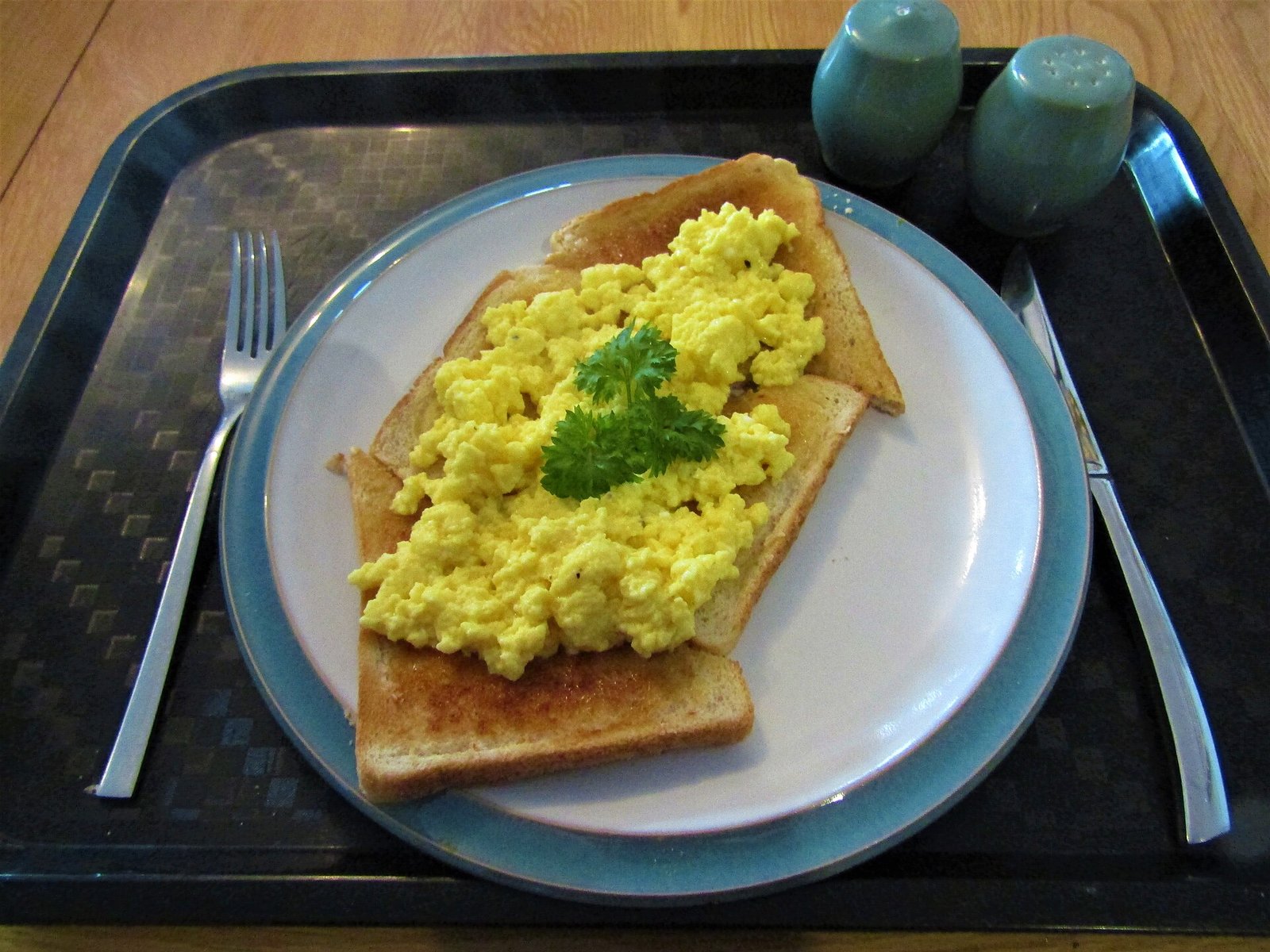
- – Breakfast: scrambled eggs on toast; fruit; water.
- – Lunch: lentil or chicken soup; yogurt.
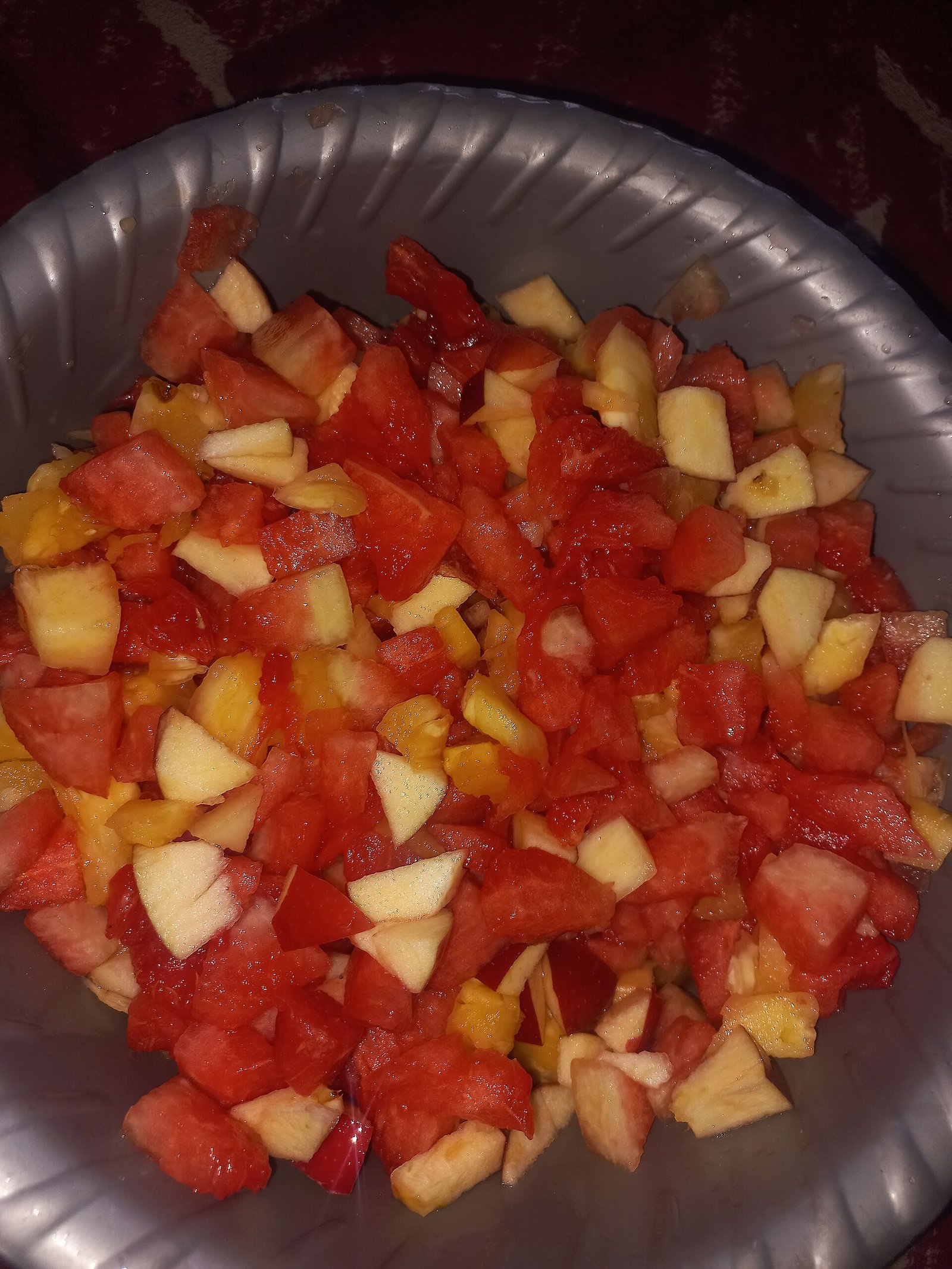
- – Snack: cottage cheese or fruit salad.
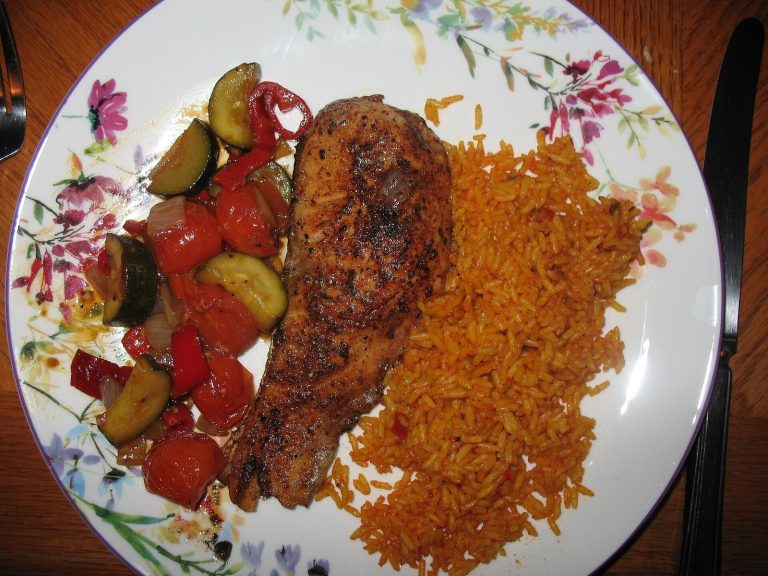
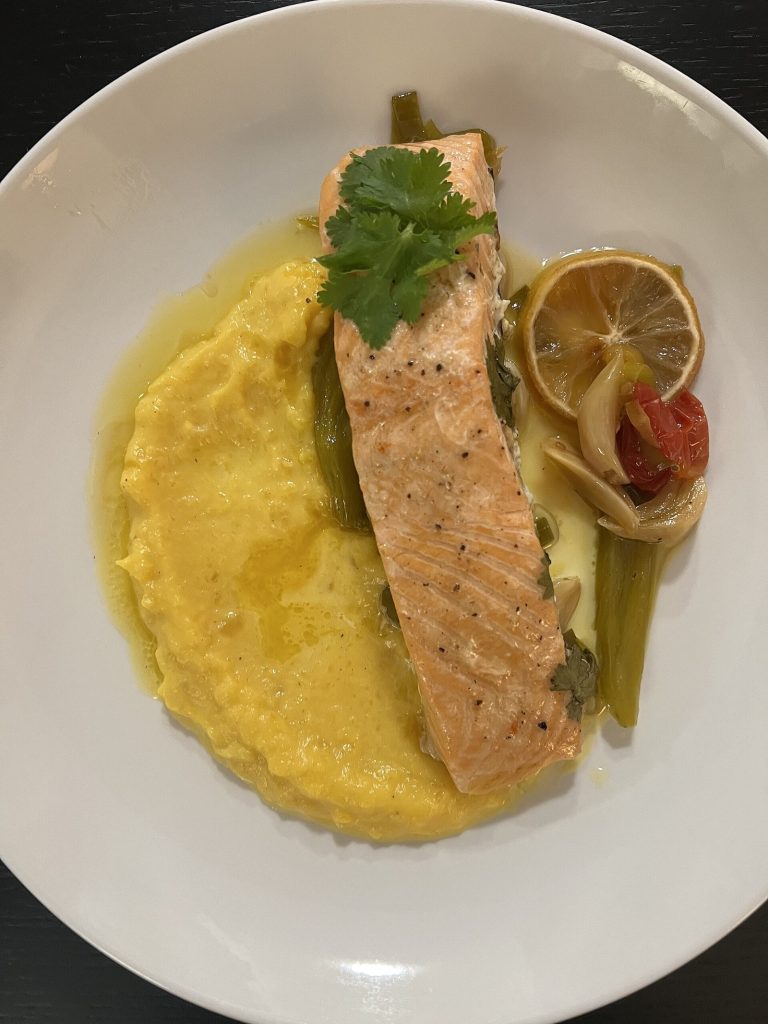
- – Dinner: baked fish, rice, cooked vegetables.
- – Evening: medicines/bowel plan; no heavy cleanup lifting.
5. Home setup tips
Stage dressings and a supportive bra away from the spice chaos; accept meal help the first week even if you “feel fine.”
6. If endocrine therapy or bone-health drugs come later
Longer-term calcium/vitamin D conversations may arise—see osteoporosis diet guide and vitamin D deficiency diet guide as education under oncology guidance, never as DIY cancer prevention.
Bridging to radiation or systemic therapy weeks
- – If radiation is planned, fatigue may rise later—batch-cook and freeze while energy is higher in the first postoperative days.
- – Taste changes and nausea are more common with some systemic therapies than with surgery alone; ask for dietitian anti-nausea food ideas early rather than waiting until weight drops.
- – Keep a simple intake note if clinicians ask about appetite at oncology visits.
Emotional eating vs under-eating after a cancer-related surgery
- – Some people lose appetite from stress; others graze continuously. Neither pattern is a moral failure—flag big swings to your team, especially if wound healing or adjuvant therapy is upcoming.
- – Supportive friends bringing casseroles helps; you can still ask for lower-lift containers and clear ingredient lists if food-safety rules tighten later.
Safety, interactions, and who should ask a clinician first
- – Fever, expanding redness, pus, sudden swelling, or shortness of breath: call the surgical/oncology team or urgent care.
- – Seroma symptoms: clinician assessment—not more caffeine.
- – Lymphedema risk education if nodes were removed—follow arm-care teaching; diet myths do not replace fitted sleeves when prescribed.
- – Diabetes: balance higher-protein recovery snacks with glucose plans (type 2 diabetes diet guide).
- – Pregnancy-associated breast cancer pathways need specialist teams only.
FAQ
Can diet stop breast cancer from coming back after lumpectomy? No diet replaces guideline oncology care. NCI frames nutrition as support for strength and treatment tolerance.
How soon can I eat normally? Many people resume usual eating quickly after outpatient lumpectomy; follow anesthesia and surgeon instructions the day of surgery.
Do I need a juice cleanse before radiation? No. Focus on adequate protein, calories, and hydration per oncology/dietitian advice.
Is this the same as a mastectomy diet page? No. Mastectomy recovery often involves longer drains, different reconstruction pathways, and sometimes broader activity limits—see diet after mastectomy guide.
What if chemotherapy starts soon? Shift toward NCI treatment-phase nutrition and food safety with your dietitian; appetite strategies may change week to week.
How this differs from related OTCFood topics
This page is an after-lumpectomy-bound diet guide focused on short surgical recovery fueling, lifting limits, and bridging to possible adjuvant therapy nutrition. It is not an anti-cancer protocol, not a mastectomy twin, and not a substitute for margin results or radiation scheduling.
Medical disclaimer
Medical disclaimer: This article is for general information only. It is not medical advice, diagnosis, or a treatment plan. Care after lumpectomy depends on pathology, lymph node procedures, reconstruction status, adjuvant therapy plans, and your surgical/oncology protocol. Talk with a clinician or registered dietitian before starting, stopping, or changing any eating plan, supplement, or medicine. Seek urgent care for fever, wound infection signs, chest pain, or sudden breathing problems.