Hyperlipidemia Diet: Foods That May Help and Foods to Limit
Medical note: This article discusses foods and researched botanicals. It does not claim to prevent, treat, or cure disease. Supplements are not a substitute for food, and studied amounts are not personal prescriptions.
People searching “hyperlipidemia diet foods that help or worsen” usually want shopping and plate patterns that may support healthier blood lipids—not a claim that food cures lipid disorders, dissolves arterial plaque overnight, or replaces prescribed lipid-lowering medicines when those are indicated. MedlinePlus lists hyperlipidemia and hypercholesterolemia among common medical terms for high blood cholesterol and notes that too much “bad” cholesterol can raise the chance of heart disease, stroke, and other problems. CDC states that blood cholesterol is made by the liver, that the body makes all it needs, and that a total cholesterol above 200 mg/dL may be considered high in adults and children—this condition is also called hyperlipidemia. NHLBI explains that treating unhealthy cholesterol may include heart-healthy lifestyle changes and medicines, chosen with your clinician based on overall heart-disease risk. Kitchen patterns may help LDL and triglyceride goals; they do not replace clinical care.
What this hyperlipidemia diet guide covers (and what it does not)
This guide is for adults with clinician-recognized high cholesterol, high triglycerides, or mixed hyperlipidemia who want practical eating steps. Anchors: MedlinePlus — Cholesterol, MedlinePlus — High blood cholesterol levels, NHLBI — Blood Cholesterol, NHLBI — Blood Cholesterol Treatment, CDC — About Cholesterol, and NHLBI — DASH Eating Plan.
MedlinePlus distinguishes HDL (“good”) cholesterol that helps carry cholesterol back to the liver, LDL (“bad”) cholesterol linked to plaque buildup, and VLDL that mainly carries triglycerides. Related reading: high cholesterol diet guide, coronary artery disease diet guide, high blood pressure diet guide, and diet after heart attack guide.
Evidence snapshot: hyperlipidemia diet claims vs public sources
| Claim people hope for | What public sources actually say | Confidence |
|---|---|---|
| “Diet alone always replaces cholesterol medicine” | NHLBI: providers may recommend lifestyle changes and prescribe medicines; plan is individualized | Strong that medicines remain appropriate for many people |
| “Heart-healthy eating may help lower LDL” | NHLBI treatment page: Therapeutic Lifestyle Changes and DASH-style plans can help lower “bad” LDL; limit saturated fats; emphasize whole grains, fruits, vegetables, nuts | Moderate–strong for lifestyle as part of care |
| “Losing a little weight never changes lipids” | NHLBI: adults with overweight/obesity can lower LDL and raise HDL by losing only 3% to 5% of weight | Moderate for modest weight loss benefit |
| “Dietary cholesterol is the only number that matters” | CDC: experts recommend eating as little dietary cholesterol as possible from animal foods, but blood lipids also reflect saturated fat, activity, weight, smoking, and genetics (MedlinePlus) | Moderate that multiple factors matter |
| “Stress and smoking are irrelevant to cholesterol” | NHLBI: chronic stress may sometimes raise LDL and lower HDL; quitting smoking is part of healthy change discussions | Moderate lifestyle cautions |
Foods and patterns that may help with hyperlipidemia
“May help” means supporting clinician lipid goals—not a guarantee every lab normalizes.
Heart-healthy patterns NHLBI highlights
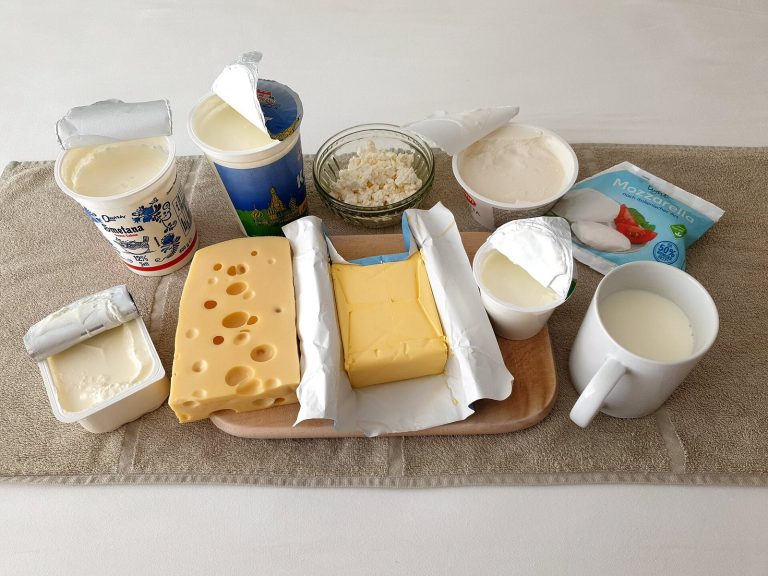
- – Limit saturated fats common in fatty meats, full-fat dairy, and many desserts
- – Choose whole grains, fruits, and vegetables rather than refined sweets and high-sugar foods
- – Include a variety of nuts (portion-aware)
- – Prepare foods with little or no salt
- – Consider DASH-style structure: vegetables, fruits, whole grains; fat-free/low-fat dairy; fish, poultry, beans, nuts, vegetable oils; limit sugar-sweetened beverages and sweets
Practical “often emphasized” foods
- – Oats, barley, beans, and other fiber-forward foods as part of overall pattern
- – Fatty fish in place of some higher-saturated-fat meats when your clinician agrees
- – Olive oil or other unsaturated oils instead of tropical oils high in saturated fat (DASH notes limiting coconut, palm kernel, and palm oils)
- – Produce at most meals to displace ultra-processed snacks
Activity and weight context (not food-only)
NHLBI notes physical activity can lower LDL and triglycerides and raise HDL for some people, and that modest weight loss may improve lipids—ask what activity level is safe for you.
Foods and habits that often worsen lipid patterns
- – Frequent fatty meats, full-fat dairy desserts, and fried foods high in saturated fat (NHLBI lifestyle guidance).
- – Refined carbohydrate and sugar-heavy patterns that DASH and NHLBI discourage relative to whole grains and produce.
- – Tropical oils used as everyday cooking fats when saturated-fat limits are a goal.
- – Smoking, which MedlinePlus notes can reduce HDL.
- – Very rapid crash diets without clinical guidance—coordinate weight change with your clinician, especially if you have familial lipid disorders.
- – Stopping prescribed statins or other lipid medicines because a salad week “felt healthy”—lifestyle and medicines often work together (NHLBI).
“Limit” means shrinking saturated fat, excess sweets, and inactivity—not fearing every egg or celebration meal forever without individualized advice.
Practical kitchen protocol: a lipid-aware week
1. Know your numbers and medicine plan
Bring your latest lipid panel and medicine list to any diet change. Familial hypercholesterolemia and other inherited disorders (MedlinePlus) need medical management, not DIY diets alone.
2. Shopping list aligned with DASH/NHLBI cues
Leafy greens, colorful vegetables, fruit, oats, brown rice, beans, lentils, nuts, seeds, fish, skinless poultry, low-fat or fat-free dairy or fortified alternatives, olive oil, herbs/spices instead of salty sauces, and water or unsweetened drinks.
3. Default plate template
- – Half vegetables/fruit
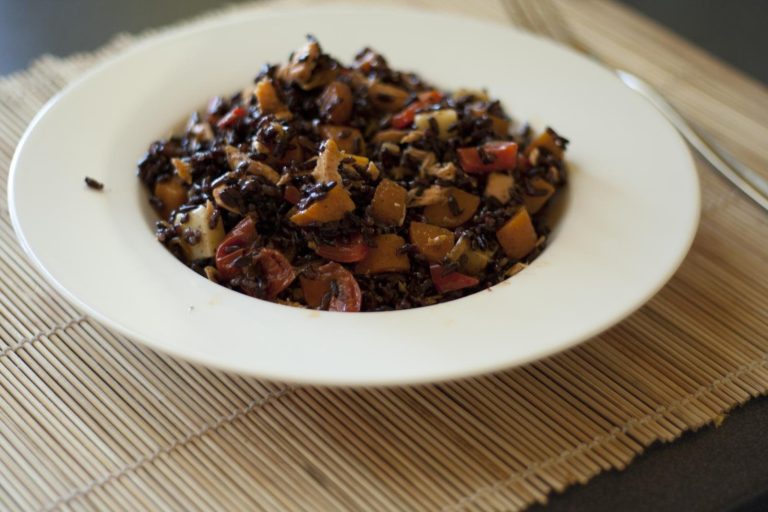
- – Quarter whole grains or beans
- – Quarter lean protein or fish
- – Cook with unsaturated oils; drain visible fat from meats
- – Read labels for saturated fat and sodium
4. Sample day (illustrative)
- – Breakfast: oatmeal with berries; low-fat milk or fortified alternative.
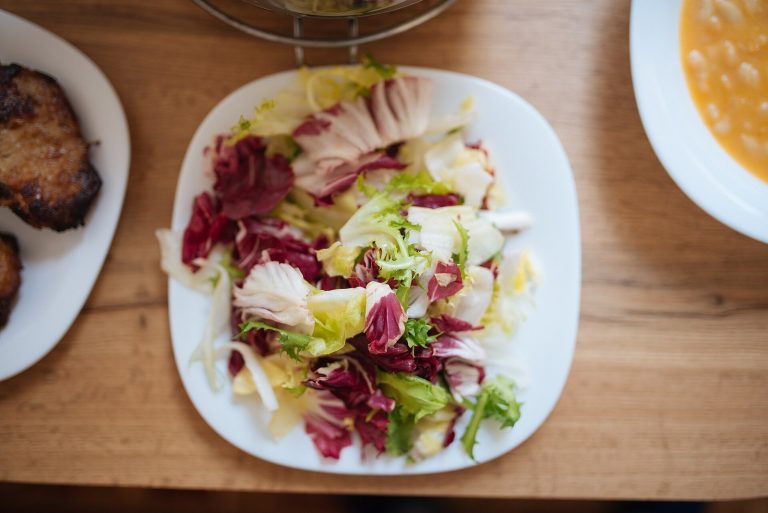
- – Lunch: large vegetable salad with beans and a measured olive-oil dressing; whole-grain bread if desired.
- – Snack: fruit and a small handful of nuts.
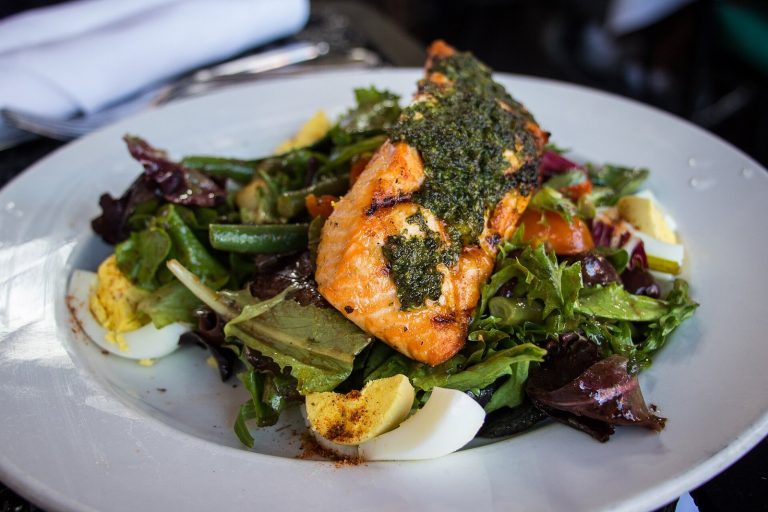
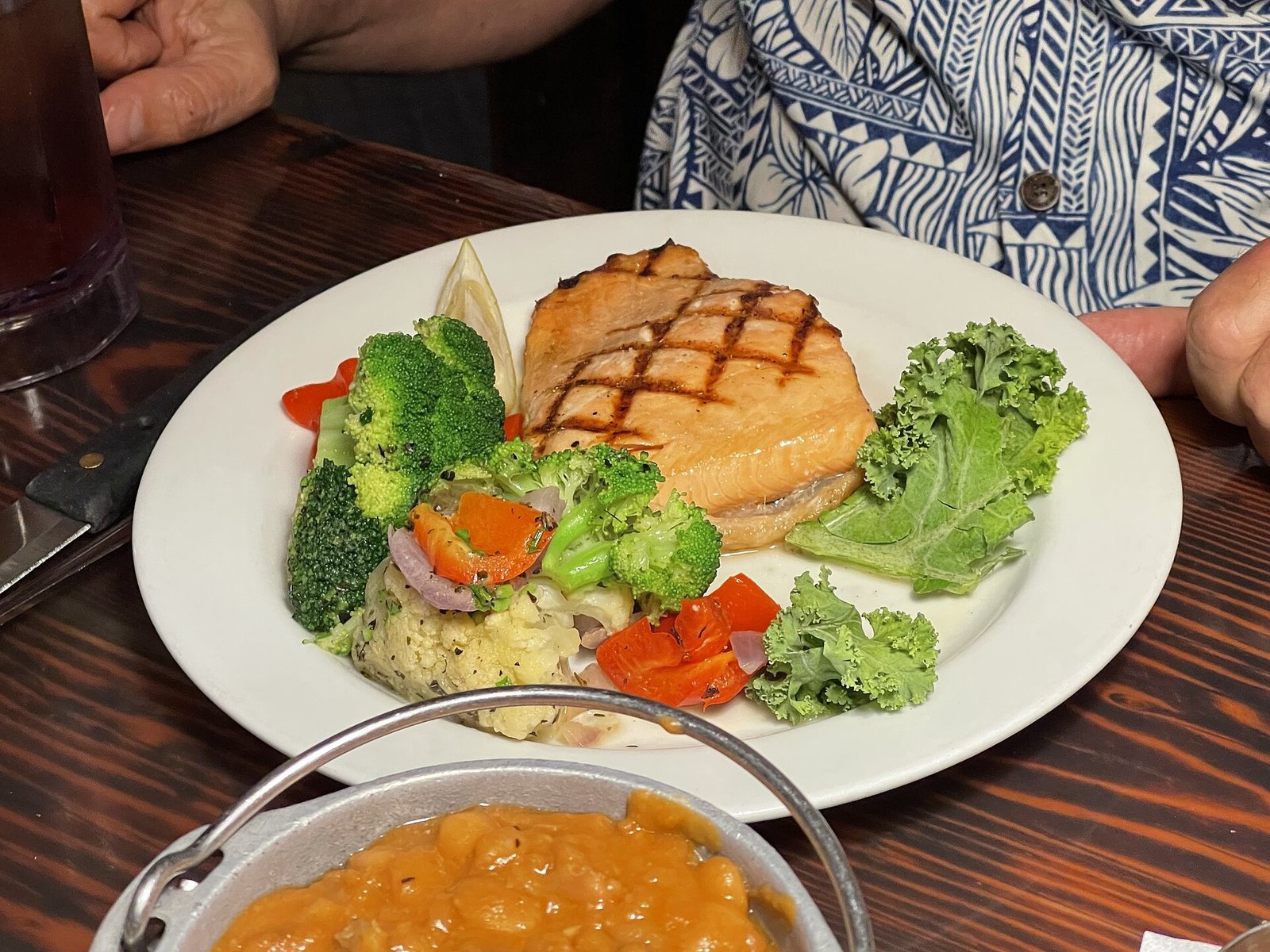
- – Dinner: grilled salmon or skinless chicken, brown rice, steamed vegetables.
- – Dessert swap: fruit most nights instead of pastry.
5. If blood pressure is also high
DASH was built for blood-pressure support and overlaps lipid-friendly eating; see hypertension diet guide and high blood pressure diet guide.
6. After a cardiac event or stent/CABG
Food still supports secondary prevention, but follow cardiology diet orders first—see diet after heart attack guide and diet after CABG bypass surgery guide.
Label-reading checklist for lipid-aware shopping
- – Compare saturated fat grams per serving and notice serving size games on snack bags.
- – Prefer products with higher fiber when choosing breads and cereals.
- – Watch sodium in soups, deli meats, and sauces—DASH-style eating keeps sodium mindful (NHLBI DASH targets discuss 2,300 mg daily, with 1,500 mg lowering blood pressure further for many people).
- – Scan ingredient lists for partially hydrogenated oils if still present; favor simpler ingredient lists when swapping desserts for fruit or yogurt.
Building a repeatable dinner rotation
Rotate fish, beans, and poultry across the week so saturated-fat meats become occasional rather than nightly. Keep a freezer bag of mixed vegetables and a pantry stash of canned beans (rinsed) for fast plates. If desserts are a trigger for excess saturated fat, pre-portion fruit or plain yogurt with cinnamon instead of buying pastry “just in case.”
Safety, interactions, and who should ask a clinician first
- – Chest pain, sudden weakness, or stroke signs: emergency care—not a diet experiment.
- – Pregnancy, breastfeeding, or very low-calorie plans: get individualized guidance.
- – Kidney disease, liver disease, or anticoagulation: some “heart-healthy” supplements and grapefruit–medicine issues need pharmacist/clinician review.
- – Children and teens with abnormal lipids: use pediatric lipid guidance; this page is adult-oriented.
- – Do not stop cholesterol medicines after a short diet trial without clinician agreement.
FAQ
Is hyperlipidemia the same as high cholesterol? CDC notes high total cholesterol may be called hyperlipidemia. Clinicians also look at LDL, HDL, and triglycerides separately (MedlinePlus/CDC).
Can food fix familial hypercholesterolemia alone? MedlinePlus lists inherited lipid disorders. Lifestyle still matters, but many people need medicines—ask a lipid-aware clinician.
How low should dietary cholesterol go? CDC: experts recommend eating as little dietary cholesterol as possible. Your clinician individualizes food and medicine targets.
Does losing 3–5% of body weight matter? NHLBI cites research that this modest loss can improve LDL and HDL for adults with overweight or obesity.
Are nuts unlimited? NHLBI encourages a variety of nuts within a heart-healthy pattern; portions still count for calories.
How is this different from a generic “high cholesterol” OTCFood page? This hyperlipidemia-bound guide stresses mixed lipid disorders, DASH/TLC framing, and medicine–lifestyle pairing; also see high cholesterol diet guide.
How this differs from related OTCFood topics
This page is a hyperlipidemia-bound diet guide focused on saturated-fat limits, DASH/TLC-style patterns, modest weight-loss lipid effects, and clear boundaries against medicine replacement. It is not a statin dosing guide and not a substitute for cardiac rehabilitation nutrition when prescribed.
Medical disclaimer
Medical disclaimer: This article is for general information only. It is not medical advice, diagnosis, or a treatment plan. Lipid care depends on your full risk profile, lab trends, medicines, and your clinician’s judgment. Talk with a clinician or registered dietitian before starting, stopping, or changing any eating plan, supplement, or medicine. Seek urgent care for chest pain, sudden neurologic symptoms, or severe unexplained shortness of breath.