Pulmonary Fibrosis Diet: Foods That May Help and Foods to Limit
Medical note: This article discusses foods and researched botanicals. It does not claim to prevent, treat, or cure disease. Supplements are not a substitute for food, and studied amounts are not personal prescriptions.
People searching “pulmonary fibrosis diet foods that help or worsen” usually want smaller meals that leave room to breathe, steadier weight, and heart-healthy patterns that fit pulmonary rehabilitation—not a claim that food reverses lung scarring or replaces antifibrotic medicines, oxygen therapy, or transplant evaluation. MedlinePlus describes pulmonary fibrosis as scarring and thickening of deep lung tissue that makes catching your breath harder and may reduce oxygen delivery to the blood. Causes can include environmental pollutants, some medicines, connective tissue diseases, and interstitial lung disease; when no cause is found it is called idiopathic pulmonary fibrosis (IPF).
What this pulmonary fibrosis diet guide covers (and what it does not)
This guide is for adults living with pulmonary fibrosis or IPF who want practical kitchen habits alongside pulmonology care. Anchors: MedlinePlus — Pulmonary fibrosis, NHLBI — What is idiopathic pulmonary fibrosis?, NHLBI — Living with IPF, and NHLBI — Treatment.
MedlinePlus lists shortness of breath, a dry hacking cough, fatigue, unintended weight loss, aching muscles and joints, and finger or toe clubbing among symptoms, and states there is no cure—treatments can help with symptoms and quality of life and may include medicines, oxygen therapy, pulmonary rehabilitation, or lung transplant. NHLBI notes IPF progresses differently from person to person, may include acute exacerbations, and that certain treatments may slow progression and help lungs work better. NHLBI living-with guidance highlights continuing your treatment plan, quitting smoking, aiming for a healthy weight, adopting a heart-healthy diet, and notes that eating smaller meals more often may relieve stomach fullness that can make breathing harder. Kitchen changes do not reverse fibrosis. Related reading: Idiopathic Pulmonary Fibrosis Diet, COPD Diet, and Pulmonary Hypertension Diet.
Evidence snapshot: pulmonary fibrosis diet claims vs public sources
| Claim people hope for | What public sources actually say | Confidence |
|---|---|---|
| “Anti-fibrosis foods reverse scar tissue” | MedlinePlus/NHLBI: no cure; treatments may help symptoms/quality of life or slow progression but do not reverse existing scarring as a kitchen claim | Strong: forbid anti-fibrosis food claims |
| “Diet replaces antifibrotic medicines or oxygen” | NHLBI treatment centers medicines, oxygen, pulmonary rehab, ventilatory support pathways, and transplant evaluation when appropriate | Strong: pulmonology remains primary |
| “Large calorie-dense dinners are always best if weight is falling” | NHLBI: smaller, more frequent meals may ease fullness that worsens breathing effort; still aim for a healthy weight | Moderate for meal-size strategy |
| “Unintended weight loss is ‘just getting healthier’” | MedlinePlus lists weight loss for no known reason as a symptom; NHLBI aims for healthy weight—not uncontrolled wasting | Strong: report unintended loss |
| “If cough continues, the diet failed” | Dry cough is a core disease symptom needing clinical plans, not a food scorecard | Strong: expectations |
Foods and patterns that may help with pulmonary fibrosis day to day
“May help” means supporting energy for pulmonary rehab, comfortable meal sizes, and nutrient density when appetite dips—not dissolving scar tissue.
Smaller, more frequent meals
- – Follow NHLBI’s practical note: smaller meals more often may reduce stomach fullness that competes with breathing.
- – Keep easy proteins ready (eggs, yogurt, fish, soft poultry, tofu, beans if tolerated) so fatigue after rehab does not skip nutrition.
- – Soft, moist foods can reduce mealtime breathlessness from prolonged chewing when you are short of breath—similar comfort ideas appear in COPD Diet.
Heart-healthy pattern language
- – Emphasize vegetables, fruit, whole grains as tolerated, fish, poultry, beans, and unsaturated oils in portions that support a healthy weight—aligned with NHLBI’s heart-healthy diet suggestion for living with IPF.
- – Limit patterns heavy in saturated fat, sodium, and added sugars if they conflict with coexisting heart or blood-pressure plans—see Hypertension Diet and Heart Failure Diet when those diagnoses apply.
- – Stay hydrated unless your clinician has fluid limits for another condition such as pulmonary hypertension with right-heart strain—coordinate rather than inventing fluid rules.
Weight stability and protein during unintended loss
- – If clothes loosen without trying, prioritize calorie-dense soft add-ins (olive oil, nut butters if safe to chew, oral nutrition drinks under dietitian advice) rather than aggressive “cleanse” restriction.
- – Protein across the day supports muscle during limited activity; ask about a registered dietitian referral if malnutrition risk is rising.
GERD-aware habits when reflux is treated
- – NHLBI notes antacids may help prevent stomach acid from getting into the lungs from reflux, which may make IPF worse; elevate the head of the bed and avoid huge late meals if reflux is active—related reading GERD Diet if that page is relevant to your symptoms.
- – Do not stop prescribed antifibrotic or acid-related medicines to “manage with food alone.”
Foods and habits that often worsen pulmonary fibrosis kitchen patterns
- – Very large, gas-producing feasts that leave you too full to breathe comfortably.
- – Crash dieting that accelerates muscle loss when MedlinePlus already flags unintended weight loss as a disease concern for some people.
- – Continued smoking or heavy secondhand smoke exposure—NHLBI living-with guidance says quit smoking and avoid lung irritants such as dust, chemicals, and secondhand smoke.
- – Heavy alcohol that impairs sleep, nutrition, and medicine routines.
- – Unvetted “lung detox,” bleach, or herbal antifibrotic products—unsafe and not supported as pulmonary fibrosis care on NIH pages.
- – Ignoring exacerbation signs—NHLBI: sudden much worse symptoms over days or weeks needs urgent clinical contact, not a new juice protocol.
- – Expecting kitchen changes to fix low oxygen saturation, blue lips, confusion, or inability to speak in full sentences—those need emergency care.
“Limit” means reducing mealtime breath competition and junk-food defaults—not that one dessert defines lung health.
Practical kitchen protocol: a pulmonary fibrosis diet week
1. Keep the medical spine first
Confirm oxygen prescriptions (including portable use during activity), pulmonary rehab schedule, medicine list, vaccination plan, and when to call for an exacerbation. Ask before starting any supplement that could interact with antifibrotic medicines or affect the liver—NHLBI notes liver function monitoring with some IPF medicines.
2. Shopping list for breath-friendlier plates
Eggs; yogurt; soft fish or poultry; tofu or beans if tolerated; oats and other soft whole grains; berries and soft fruit; cooked vegetables; olive oil; oral nutrition drinks only if your clinician or dietitian advised them; still water or other approved fluids.
3. Default plate template
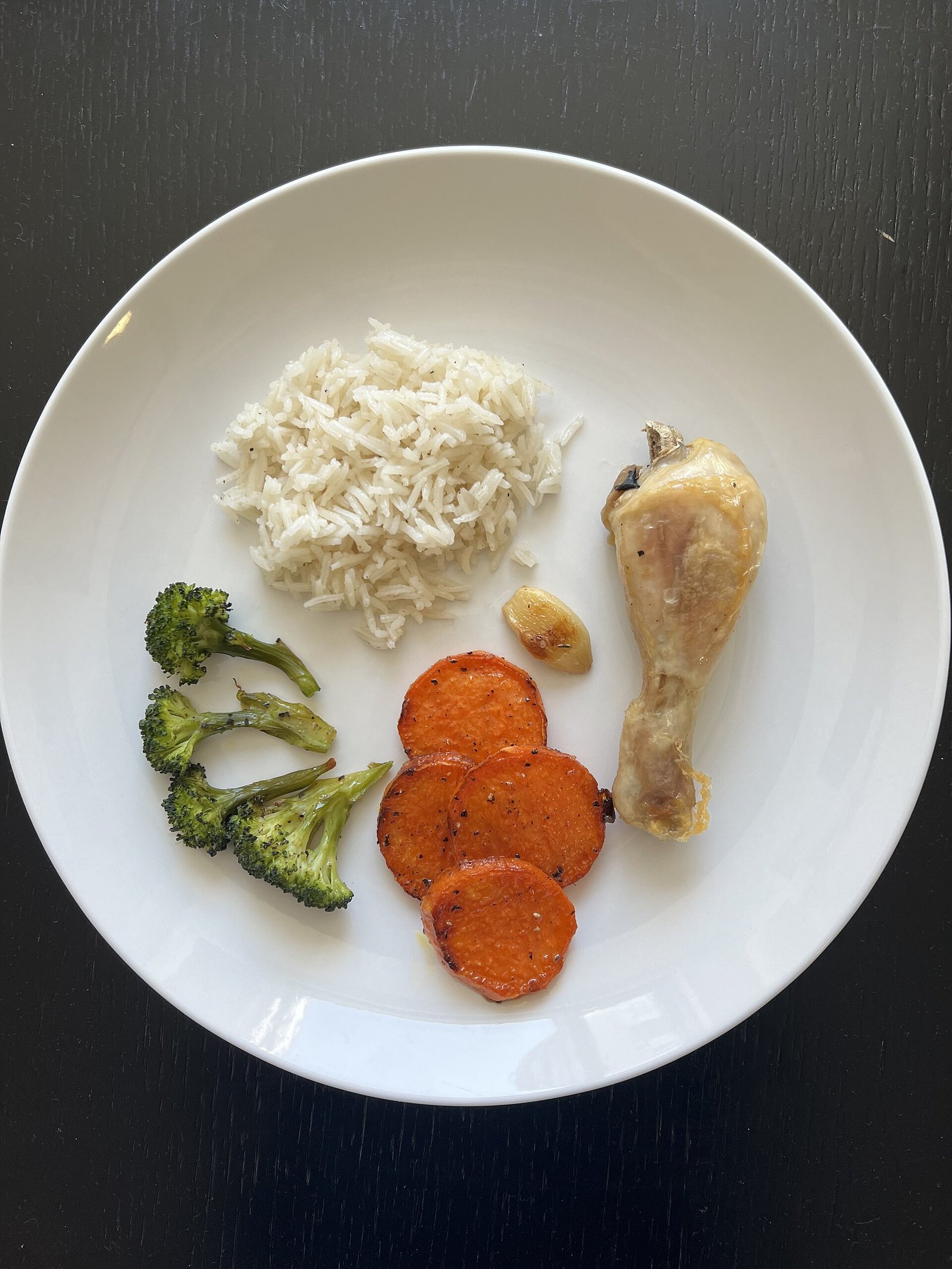
- – Modest protein portion that does not require long chewing
- – Soft carbohydrate (oats, rice, potato, toast)
- – Cooked vegetables or soft fruit
- – Smaller volume than a restaurant “challenge plate,” with a planned snack 2–3 hours later
4. Sample day (illustrative)
- – Breakfast: oatmeal with berries; water or unsweetened tea.
- – Mid-morning: yogurt if appetite allows.
- – Lunch: soft chicken or fish with rice and cooked vegetables—half the usual restaurant portion if fullness worsens breath.
- – Snack: banana or oral nutrition sip if prescribed for weight support.
- – Dinner: another smaller protein-and-vegetable plate; finish eating well before lying flat if reflux is active.
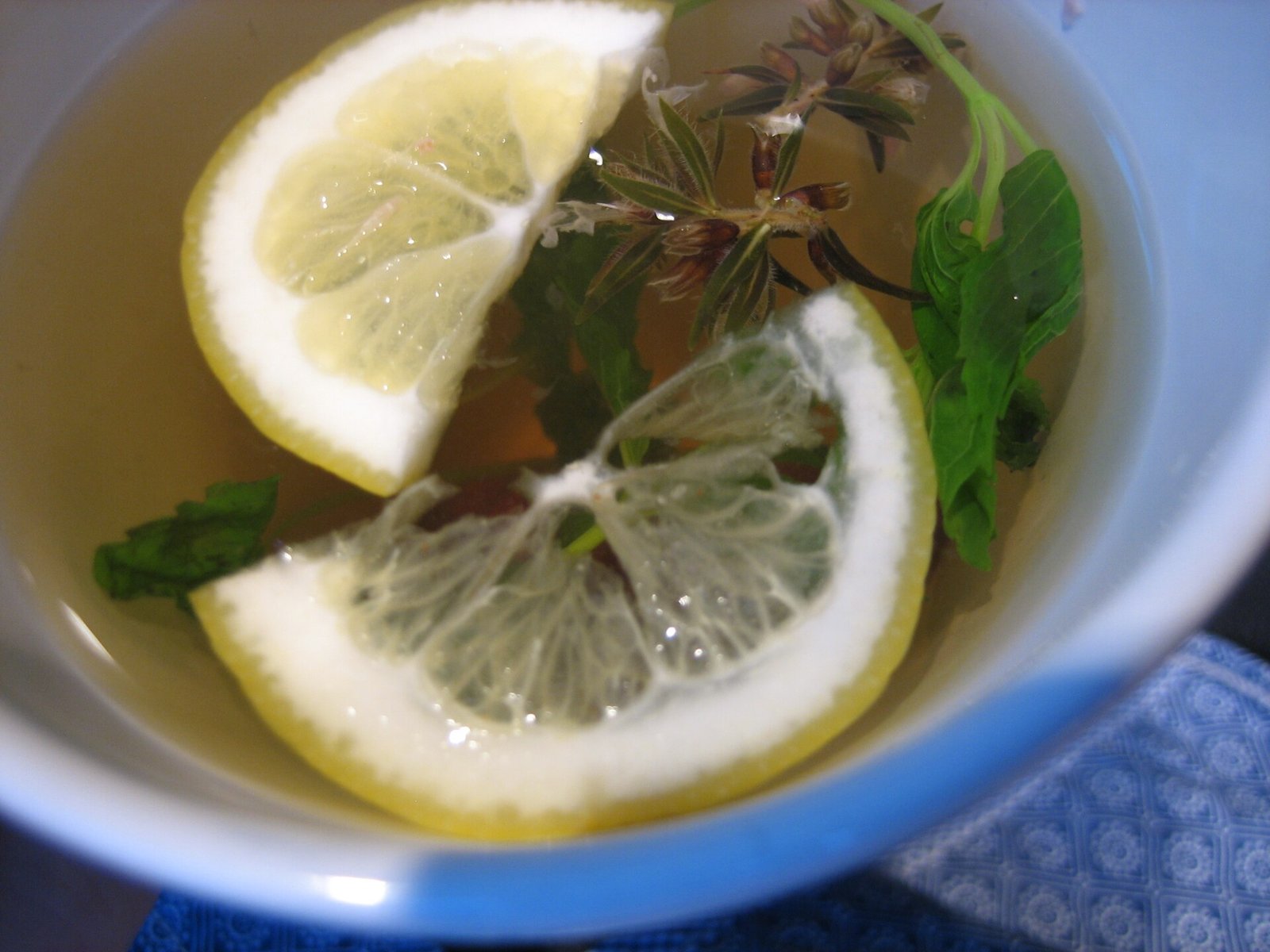
- – Evening: herbal tea or water—not a large late feast.
5. Cooking and energy-saving tactics
Batch-cook soft proteins on better-breath days; freeze single portions. Sit to prep food; use a cart rather than carrying heavy grocery bags if oxygen tubing or fatigue limits lifting. Ask helpers for chopping if joint aching or breathlessness makes knife work hard.
6. If pulmonary hypertension or heart failure is also diagnosed
Sodium and fluid targets may tighten—follow that specialty plan and see Pulmonary Hypertension Diet rather than stacking conflicting “lung detox” rules.
Safety, interactions, and who should ask a clinician first
- – Pregnancy, active evaluation for lung transplant, or rapid decline: individualized medical nutrition therapy.
- – Liver-test monitoring on antifibrotic medicines: disclose all herbals and over-the-counter products.
- – Diabetes medicines that can cause low blood sugar: adjust meal timing with your clinician when calories change.
- – Seek urgent care for sudden severe shortness of breath, chest pain, blue lips or fingertips, confusion, coughing up blood, or fever with rapidly worsening cough.
FAQ
Can diet cure pulmonary fibrosis? No. MedlinePlus and NHLBI state there is no cure; food supports comfort, weight, and rehab fueling while medical care addresses the disease.
Why smaller meals? NHLBI living-with guidance notes smaller, more frequent meals may relieve stomach fullness that can make breathing harder.
Should I lose weight if I feel short of breath? Only under clinician guidance. Unintended weight loss is already a listed symptom for some people; NHLBI aims for a healthy weight, not frailty.
Do I need a special “lung cleanse” supplement? NIH patient pages do not frame unvetted detox products as pulmonary fibrosis care. Ask your pulmonology team before any supplement.
How is this different from our IPF-specific page? Overlap is intentional with Idiopathic Pulmonary Fibrosis Diet; this article keeps the broader pulmonary fibrosis framing while staying bound to MedlinePlus and NHLBI living/treatment bullets.
How this differs from related OTCFood topics
This page is a pulmonary fibrosis–bound diet guide focused on smaller meals, heart-healthy patterns, smoking cessation context, and weight stability. It is not a COPD inhaler tutorial, not a pulmonary hypertension sodium protocol by itself, and not a substitute for oxygen or transplant evaluation.
Medical disclaimer
Medical disclaimer: This article is for general information only. It is not medical advice, diagnosis, or a treatment plan. Care for pulmonary fibrosis depends on cause, oxygen needs, medicines, rehab, comorbidities, and your clinician’s protocol. Talk with a clinician or registered dietitian before starting, stopping, or changing any eating plan, supplement, or medicine. Seek urgent care for sudden severe breathlessness, chest pain, confusion, or blue lips.