Vitamin B12 Deficiency Diet: Foods That May Help and Foods to Limit
Medical note: This article discusses foods and researched botanicals. It does not claim to prevent, treat, or cure disease. Supplements are not a substitute for food, and studied amounts are not personal prescriptions.
People searching “vitamin B12 deficiency diet foods that help or worsen” usually want clear food sources, who is at risk, and when food alone is not enough—not a claim that one smoothie replaces injections or prescribed high-dose therapy. NIH Office of Dietary Supplements (ODS) explains that vitamin B12 helps keep blood and nerve cells healthy and helps make DNA. It also helps prevent megaloblastic anemia, which can make people tired and weak. NHS notes that deficiency can cause extreme tiredness, pins and needles, a sore tongue, memory problems, and other issues—and some nerve problems can become irreversible if diagnosis is delayed.
What this vitamin B12 deficiency diet guide covers (and what it does not)
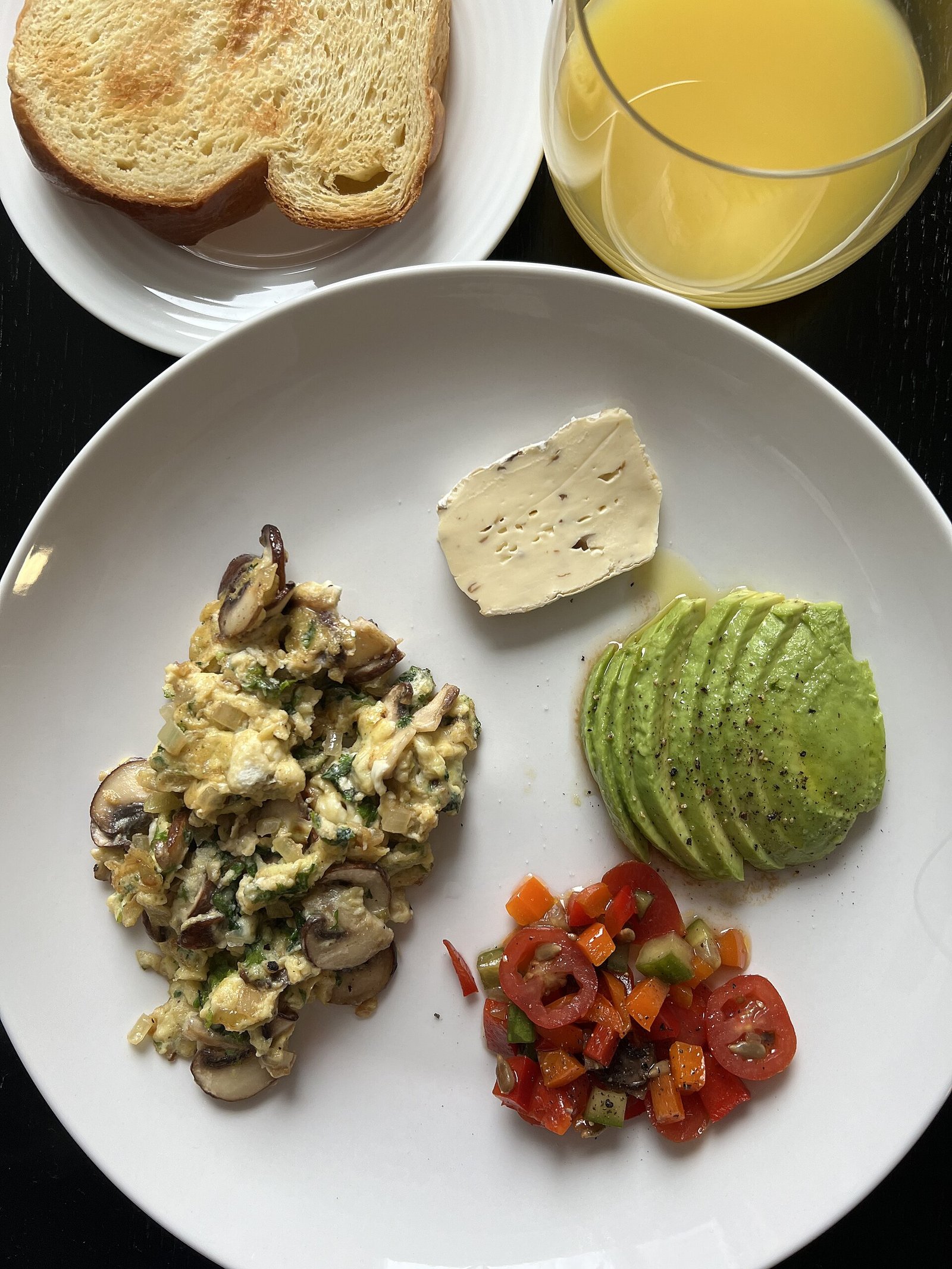
This guide is for adults who want food patterns that supply B12 or who already have low levels and need to understand food vs clinical treatment. Anchors: ODS — Vitamin B12 Consumer Fact Sheet, MedlinePlus — Vitamin B12 deficiency anemia, and NHS — Vitamin B12 or folate deficiency anaemia.
ODS adult RDA is 2.4 mcg/day (higher in pregnancy and breastfeeding). Plant foods have no natural B12 unless fortified. Pernicious anemia and some gut surgeries impair absorption—those situations often need medical B12 (shots or very high oral doses), not only diet upgrades. Neurological symptoms need prompt clinical care.
Evidence snapshot: B12 diet claims vs public sources
| Claim people hope for | What public sources actually say | Confidence |
|---|---|---|
| “Eating more meat always fixes B12 deficiency” | ODS: some people cannot absorb food B12 (low stomach acid, pernicious anemia, surgery). Food helps when intake is the issue; absorption problems need medical plans | Moderate for diet-cause; strong that absorption cases differ |
| “B12 pills give everyone more energy” | ODS: B12 does not boost energy, athletic performance, or endurance in people who already get enough | Strong against marketing claims |
| “Vegans can get B12 from plants alone” | ODS/NHS: only animal foods have natural B12; vegans need fortified foods or supplements | Strong |
| “Older adults should rely on steak for B12” | ODS: many adults over 50 absorb food B12 poorly; they should get most B12 from fortified foods or supplements | Strong |
| “Diet replaces B12 injections for pernicious anemia” | ODS: doctors usually treat pernicious anemia with B12 shots (very high oral doses may also work in some cases)—clinician decides | Strong: do not self-substitute |
Foods and patterns that may help raise or maintain B12 intake
“May help” means meeting needs when absorption is intact—or supporting intake while medical therapy addresses deficiency. It does not mean food reverses nerve damage already done.
Top food sources (ODS)
- – Clams, oysters, and beef liver are among the best sources.
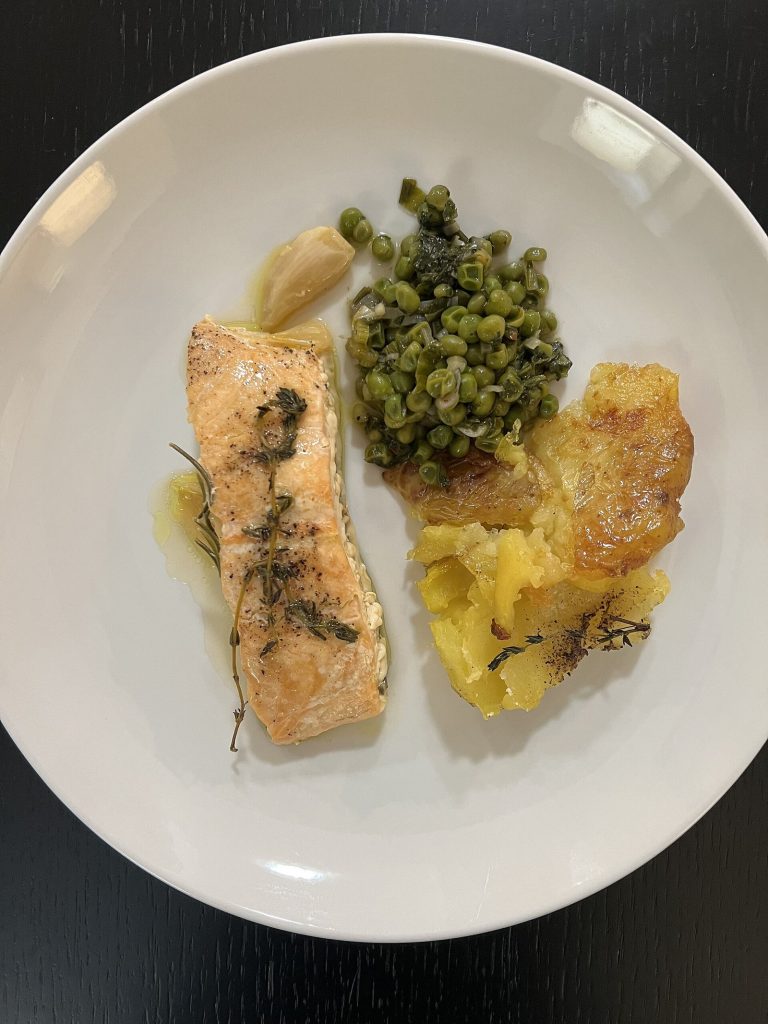
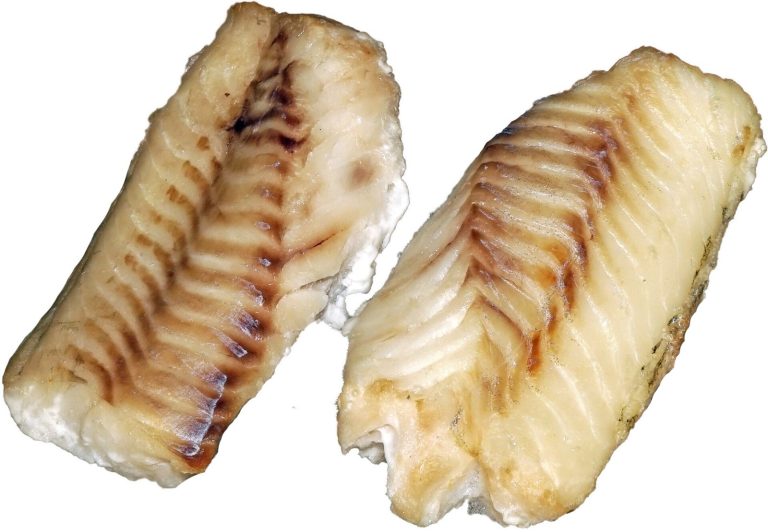
- – Fish, meat, poultry, eggs, milk, and other dairy provide B12.
- – Fortified breakfast cereals, nutritional yeasts, and other fortified products—check the Nutrition Facts label for added B12 (manufacturers are not required to list B12 if it is only naturally present).
Who needs fortified foods or supplements even with a “healthy” plate (ODS)
- – Adults over 50: get most B12 from fortified foods or supplements because low stomach acid often limits absorption of food-bound B12.
- – Vegans and many vegetarians: plant foods lack natural B12; use fortified foods and/or supplements, especially in pregnancy and breastfeeding so infants are not depleted.
- – People with atrophic gastritis, pernicious anemia, or stomach/intestinal surgery (including some weight-loss surgeries): follow clinician-directed B12 therapy; food alone is often insufficient.
- – People taking metformin or proton pump inhibitors (PPIs): ODS notes these may reduce B12 absorption or blood levels—ask about monitoring rather than guessing.
Kitchen pattern that supports steady intake
- – Include a B12-containing animal food or a fortified product at least once daily if you eat animal products.
- – If vegan: plan fortified plant milk, fortified cereal, or nutritional yeast plus a reliable supplement as your clinician or dietitian advises.
- – Pair B12 work with overall blood-health habits from guides like iron deficiency anemia diet guide when anemia workups find more than one gap—without self-diagnosing from fatigue alone.
Foods and habits that often worsen B12 kitchen patterns
- – Long-term vegan or near-vegan eating without fortified foods or supplements—NHS and ODS flag this as a classic diet-cause pathway.
- – Relying on unfortified plant milks, salads, and “energy” juices as B12 sources—plants do not naturally supply it.
- – Ignoring pin-and-needle, memory, or gait changes while “trying food first”—NHS: treat early; some problems can be irreversible.
- – Stopping prescribed B12 injections because a blog promised food healing—especially dangerous in pernicious anemia.
- – Assuming multivitamins always cover you—check the label dose and your absorption status with a clinician.
“Limit” means limiting gaps and unsafe self-substitution—not that one missed meat meal causes deficiency.
Practical kitchen protocol: a vitamin B12 deficiency diet week
1. Confirm the diagnosis path
If you suspect deficiency (fatigue, neuropathy symptoms, glossitis), see a GP for blood tests. Diet planning after labs beats guessing.
2. Shopping list by eating pattern
- – Omnivore: eggs, yogurt or milk, fish, poultry, occasional lean red meat or shellfish; fortified cereal as backup.
- – Vegetarian (includes dairy/eggs): eggs, milk, yogurt, cheese, fortified cereal; ask about supplements if intake is low.
- – Vegan: fortified plant milks and cereals, nutritional yeast labeled with B12, and a supplement plan—do not rely on spirulina myths not listed as reliable B12 in ODS consumer guidance.
3. Sample day (omnivore, illustrative)
- – Breakfast: fortified cereal with milk, or eggs with toast.
- – Lunch: tuna or chicken sandwich; yogurt.
- – Snack: cheese stick or fortified plant milk latte if dairy-free.
- – Dinner: fish or lean meat, vegetables, whole grains; optional small serving of fortified nutritional yeast on vegetables if you like it.
4. Sample day (vegan, illustrative)
- – Breakfast: fortified cereal with fortified soy milk.
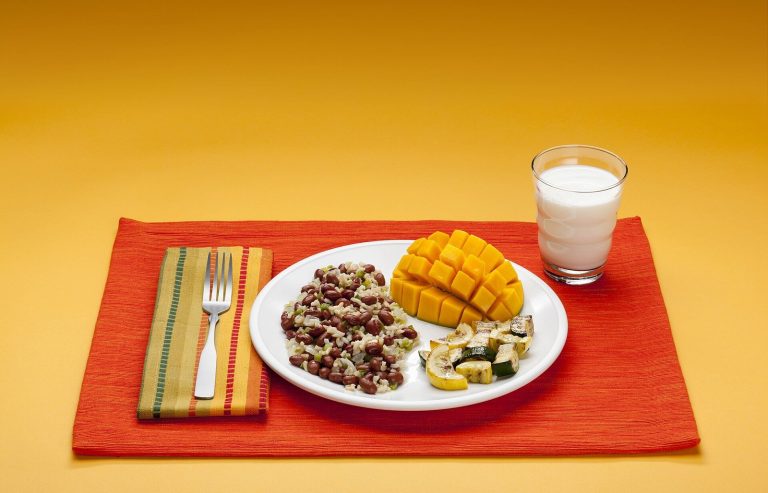
- – Lunch: bean bowl with vegetables; fortified nutritional yeast seasoning if labeled for B12.
- – Dinner: tofu stir-fry; fortified plant milk dessert.
- – Daily: take the B12 supplement form and schedule your clinician recommends (cyanocobalamin and other forms exist; ODS says research has not shown one supplemental form clearly better).
5. Label-reading checklist
Look for “vitamin B12” or “cobalamin” on fortified products; note mcg per serving; remember adults need about 2.4 mcg/day from total diet unless your clinician sets another target for treating deficiency (treatment doses are often much higher).
6. When fatigue is the main complaint
B12 deficiency is only one cause. Overlap with vitamin D deficiency diet guide, sleep issues, or chronic fatigue syndrome diet guide patterns still needs medical sorting—not stacked megadoses.
Safety, interactions, and who should ask a clinician first

- – ODS: vitamin B12 has not been shown harmful at usual supplemental intakes for people without deficiency, but treating deficiency is a medical decision—especially with neurologic symptoms.
- – Interactions: metformin and acid-reducing medicines may affect B12 status; tell clinicians about all supplements.
- – Pernicious anemia, post-bariatric surgery, Crohn’s disease, or celiac disease: coordinate with specialty care; see also disease-specific diet pages such as celiac disease diet guide when relevant.
- – Infants of vegan mothers: NHS/ODS warn about infant deficiency risk—seek prenatal and pediatric advice.
- – Do not use B12 supplements as a substitute for evaluating anemia, neuropathy, or cognitive change.
FAQ
Can diet alone fix B12 deficiency? Sometimes, when low intake is the cause and absorption works. ODS and NHS emphasize medical treatment when absorption fails or neurology is involved.
How much B12 do adults need? ODS: 2.4 mcg/day for most adults; 2.6 mcg in pregnancy and 2.8 mcg while breastfeeding. Treatment doses for deficiency are clinician-directed and often higher.
Do sublingual B12 tablets work better? ODS: research has not shown any supplemental form is better than the others.
Will extra B12 give me more energy if my levels are already normal? ODS: no meaningful energy or athletic benefit in people who already get enough.
How this differs from related OTCFood topics
This page is a vitamin B12 deficiency–bound diet guide focused on animal foods, fortification, and absorption risk groups. It is not a general iron deficiency anemia diet guide iron-loading protocol, not a vitamin D deficiency diet guide sun-and-salmon checklist, and not a marketing page for “energy shots.”
Medical disclaimer
Medical disclaimer: This article is for general information only. It is not medical advice, diagnosis, or a treatment plan. Vitamin B12 deficiency care depends on labs, cause (diet vs absorption), neurologic findings, and medicines. Talk with a clinician or registered dietitian before starting, stopping, or changing any eating plan, supplement, or B12 injection schedule. Seek prompt care for worsening numbness, gait problems, confusion, or severe anemia symptoms.