BPH Diet: Foods That May Help and Foods to Limit
Medical note: This article discusses foods and researched botanicals. It does not claim to prevent, treat, or cure disease. Supplements are not a substitute for food, and studied amounts are not personal prescriptions.
People searching “BPH diet foods that help or worsen” usually want fewer nighttime bathroom trips and less urgency—not a claim that food will shrink the prostate like medicine or surgery. NIDDK (NIH) states researchers have not found eating, diet, or nutrition to cause or prevent benign prostatic hyperplasia (BPH). The same NIDDK page notes that changes in eating, diet, and nutrition could help lessen some symptoms, mainly by limiting fluids before outings or bed and by avoiding or reducing alcohol and caffeine. NHS adds fiber for constipation prevention, a healthy weight, and the same caffeine/alcohol cutbacks. Medicines, procedures, and urology follow-up remain the medical core when symptoms persist.
What this BPH diet guide covers (and what it does not)
This guide is for adults with prostate enlargement symptoms (hesitancy, weak stream, nocturia, urgency), caregivers tracking fluid timing, and anyone sorting tomato/lycopene myths from NIDDK facts. Anchors: NIDDK — Enlarged Prostate (BPH), MedlinePlus — Enlarged Prostate (BPH), and NHS — Enlarged prostate.
NHS: blood in urine, pain when peeing, or inability to pee at all needs urgent care. Symptom overlap with prostate cancer means get checked—an enlarged prostate is not cancer and does not mean you have cancer, but only a clinician can sort causes.
Evidence snapshot: BPH diet claims vs public sources
| Claim people hope for | What public sources actually say | Confidence |
|---|---|---|
| “Special prostate foods prevent BPH” | NIDDK: eating/diet/nutrition not found to cause or prevent BPH | Strong against prevention claims |
| “Cutting caffeine and alcohol helps nocturia” | NIDDK + NHS: avoid/reduce alcohol and caffeine; limit fluids before bed/outings while drinking enough by day | Moderate for symptom lessening |
| “More fiber helps BPH” | NHS: enough fiber to prevent constipation, which can pressure the bladder | Moderate for constipation pathway |
| “Healthy weight improves symptoms” | NHS: being overweight can make symptoms worse; keep a healthy weight | Moderate as lifestyle support |
| “Tomato supplements shrink the prostate” | Not a NIDDK prevention claim; focus on fluid timing and caffeine/alcohol instead | Low for cure/shrink claims |
Foods and patterns that may help with BPH day-to-day comfort
“May help” means symptom-friendly fluid timing and constipation prevention—not prostate shrinkage.
Smart fluid timing (NIDDK + NHS)
- – Drink enough across the day so you do not raise UTI risk from under-drinking (NHS warning).
- – Reduce volume before bed or before long outings to cut nighttime and public urgency.
- – Prefer water and unsweetened drinks most of the day.
Fiber-forward plate to protect the bladder from constipation
- – Fruit, vegetables, oats, whole grains, and beans as NHS fiber sources.
- – Increase fiber gradually with enough water (MedlinePlus fiber guidance) to avoid gas flares.
Weight-aware, DASH-compatible defaults
NIDDK lists obesity and type 2 diabetes among factors linked with higher BPH likelihood. A pattern rich in vegetables, fruits, whole grains, fish/poultry/beans, and limited sugary drinks (NHLBI DASH outline) may help overall metabolic health while you manage urinary symptoms—without claiming it prevents BPH.
Meal timing that respects sleep
Finish large evening meals earlier when possible so late fluid intake for digestion does not stack on nocturia. If dry mouth from medicines is an issue, sip earlier in the evening rather than large glasses at bedtime—ask your clinician how to balance.
Foods and habits that often worsen BPH urinary patterns
- – Alcohol and caffeine (coffee, tea, cola, energy drinks)—NIDDK and NHS: they can make you pee more; cut down.
- – Large fluid loads right before bed or travel—worsens nocturia and outing urgency.
- – Cutting fluids too aggressively—NHS: can contribute to UTIs and other problems.
- – Low-fiber eating that causes constipation—extra pressure on the bladder (NHS).
- – Cold/allergy decongestants and some medicines—MedlinePlus/NIDDK note some OTC products can worsen symptoms; check with a pharmacist.
- – Assuming diet replaces evaluation—blood in urine or retention is not a kitchen problem.
“Limit” means timing and portion control of bladder irritants—not lifelong prohibition of every cup of tea without medical advice.
Practical kitchen protocol: a BPH diet week
1. Run a three-day pee-and-drink diary
NHS GPs often ask for a record of what you drink and how often you pee. Note caffeine/alcohol timing versus urgency. Share the diary at your appointment.
2. Daytime hydration, evening taper
- – Morning/afternoon: steady water intake.
- – After dinner: smaller sips only if thirsty; avoid “one more large coffee.”
- – Keep total daily fluids adequate—do not dehydrate to skip bathroom trips.
3. Fiber stack against constipation
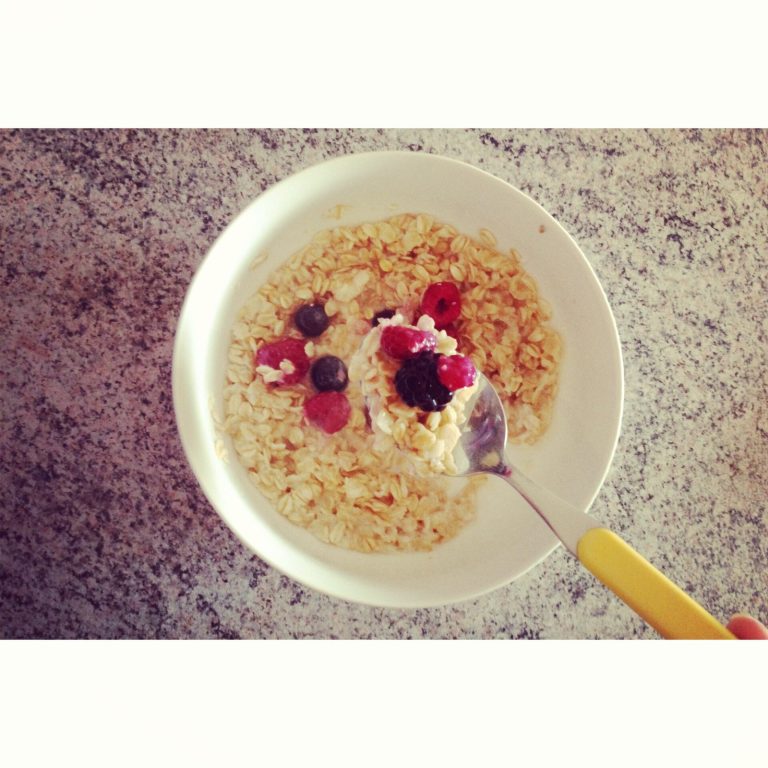
- – Breakfast: oatmeal with berries.
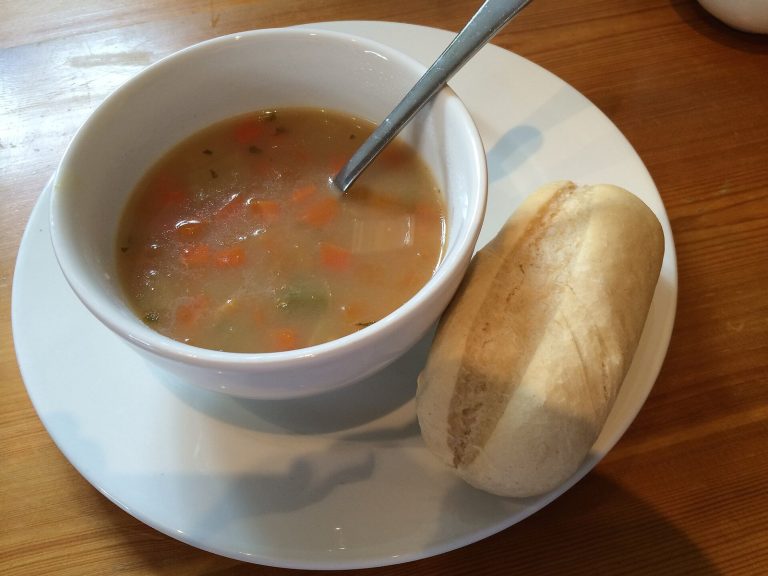
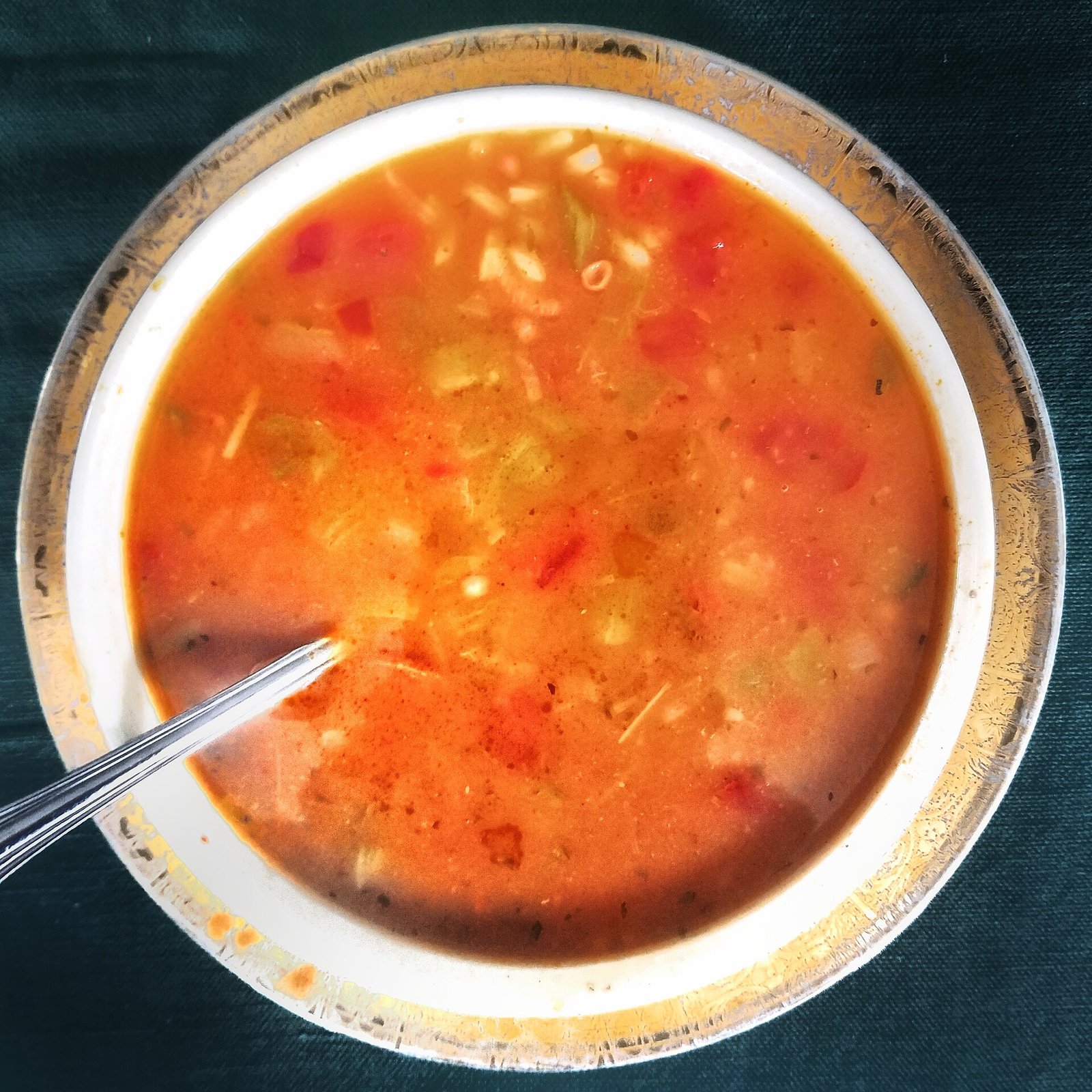
- – Lunch: vegetable-bean soup or salad with whole grain.
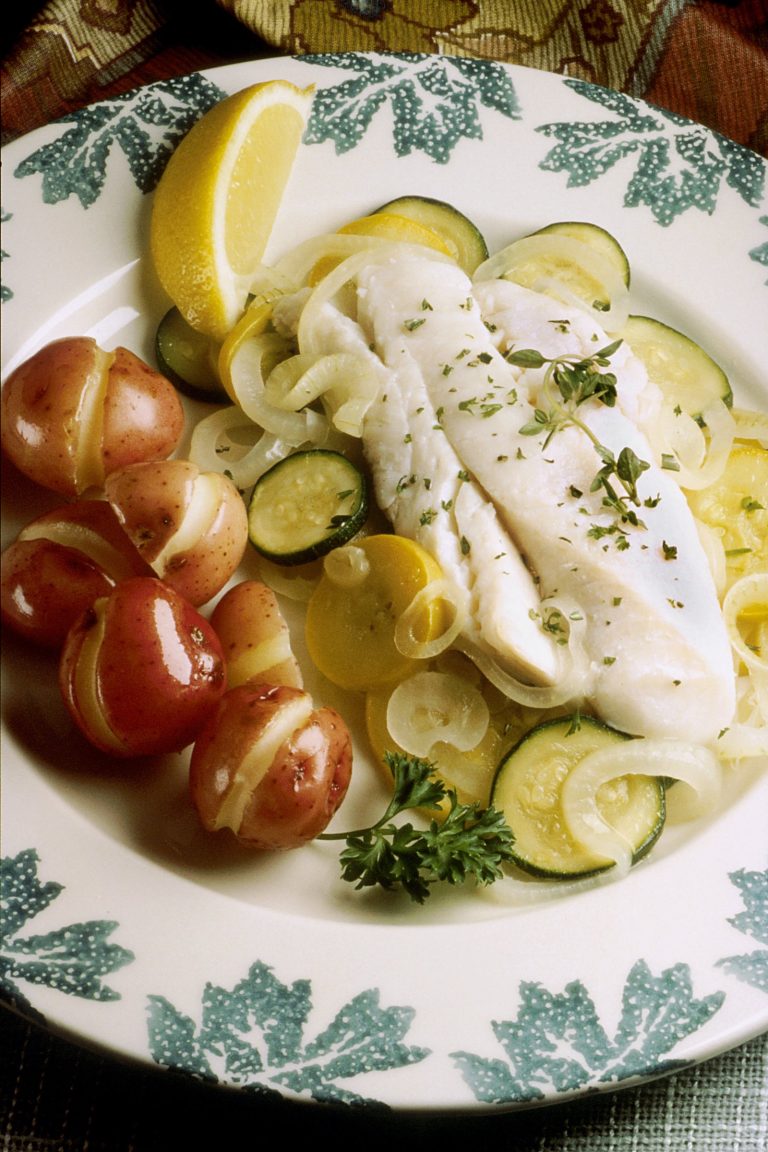
- – Dinner: grilled fish or chicken, vegetables, modest starch.
- – Snack: fruit or a small handful of nuts if weight goals allow.
4. Shopping list default
Oats, beans, leafy greens, mixed vegetables, fruit, tomatoes and cucumber for salads, fish/poultry, yogurt or other proteins, olive oil, and herbal caffeine-free evening drinks if you want a warm cup without late caffeine.
5. Sample day (illustrative)
- – Breakfast: oatmeal with berries; morning coffee if you tolerate it—then switch to water.
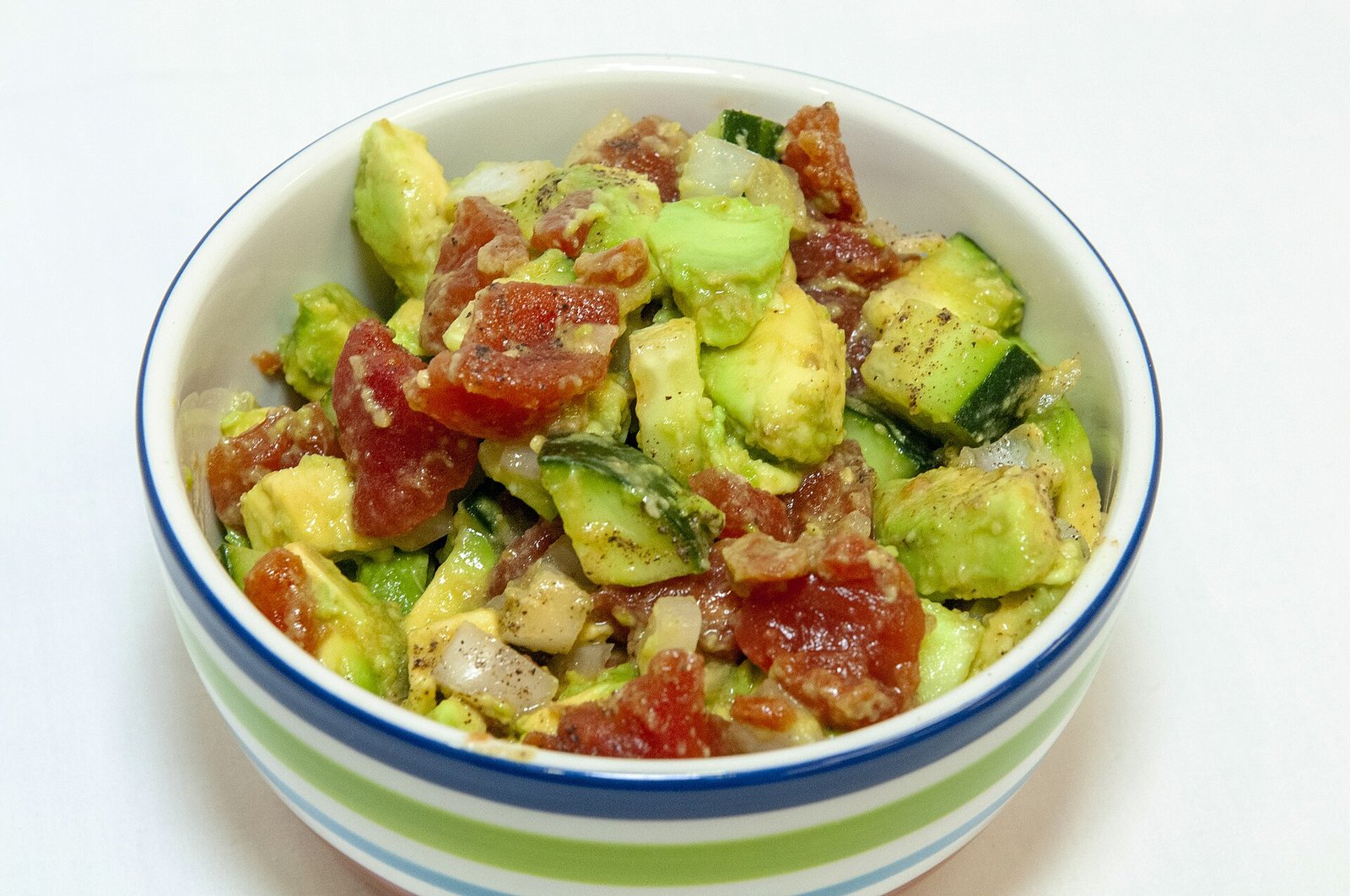
- – Lunch: vegetable-chicken soup; cucumber-tomato-avocado salad.
- – Afternoon: water; limit second coffee.
- – Dinner (earlier if nocturia is bad): baked fish, vegetables, brown rice; stop large drinks 2–3 hours before bed if your clinician agrees.
- – Evening: small water sip only as needed; no alcohol nightcap.
6. Social drinking and travel
Alternate alcoholic drinks with water; choose smaller servings. Before long trips, empty your bladder, taper caffeine, and plan aisle seats—diet timing plus behavior, not prostate “detox teas.”
7. Bladder-training days and meal spacing
MedlinePlus mentions bladder training and pelvic-floor exercises as part of BPH symptom care alongside medicine options. Pair training sessions with steady daytime fluids—not a large pre-session coffee. Space spicy, very salty restaurant meals away from evenings when nocturia is worst, because thirst afterward can undo your bedtime fluid taper.
8. What “limit alcohol and caffeine” looks like in practice
- – Swap a second afternoon coffee for water or herbal tea.
- – Keep alcohol to fewer days per week and smaller servings; never use beer as bedtime hydration.
- – Watch hidden caffeine in pre-workout drinks, chocolate desserts, and some soft drinks.
Track one change at a time for a week so you can tell what actually helps your urgency score.
Safety, interactions, and who should ask a clinician first
- – Cannot pee, severe pain, fever with urinary symptoms, or blood in urine: urgent NHS advice / emergency pathways.
- – New lower urinary tract symptoms: see a GP—important to rule out other conditions including cancer when indicated (NHS).
- – Review cold/allergy medicines and prescription drugs that can worsen retention (NIDDK/MedlinePlus).
- – Saw palmetto or other prostate supplements: not a substitute for diagnosis; discuss interactions and evidence limits with a clinician.
- – Heart failure, CKD, or fluid-restricted diets: do not change fluid rules without specialist guidance—BPH fluid tips must fit those plans.
FAQ
Can diet prevent BPH? NIDDK: researchers have not found diet to cause or prevent BPH. Lifestyle changes may lessen some urinary symptoms.
Should I stop all caffeine forever? Not necessarily. NHS/NIDDK advise cutting down because caffeine can increase peeing. Individual tolerance varies—use your diary.
Do tomatoes or lycopene cure enlarged prostate? NIDDK does not present diet as a cure or prevention. Enjoy vegetables as part of a balanced plate; do not delay medical care for supplement claims.
Why does fiber matter if the problem is my prostate? NHS: constipation can pressure the bladder and worsen the feel of urinary symptoms.
Is BPH the same as prostate cancer? No. NHS: enlarged prostate is not caused by prostate cancer and does not increase prostate-cancer risk, but symptoms overlap—get checked.
How this differs from related OTCFood topics
This page is a disease-bound BPH diet guide focused on caffeine/alcohol limits, fluid timing, fiber, and weight-aware eating. It is not a kidney stones diet guide stone protocol, not a interstitial cystitis diet guide bladder-irritant elimination plan, not a constipation diet guide general fiber article, and not a type 2 diabetes plate guide diabetes plate—though metabolic overlap exists.
Medical disclaimer
Medical disclaimer: This article is for general information only. It is not medical advice, diagnosis, or a treatment plan. BPH care depends on symptom scores, exam, and tests your clinician orders. Talk with a GP or urologist before starting, stopping, or changing any eating plan, supplement, or medication. Seek urgent care for inability to urinate, blood in urine, or severe pain with fever.