Hiatal Hernia Diet: Foods That May Help and Foods to Limit
Medical note: This article discusses foods and researched botanicals. It does not claim to prevent, treat, or cure disease. Supplements are not a substitute for food, and studied amounts are not personal prescriptions.
People searching “hiatal hernia diet foods that help or worsen” usually want reflux-aware meal timing and trigger lists—not a claim that food pulls the stomach back below the diaphragm. NHS describes a hiatus (hiatal) hernia as part of the stomach moving up into the chest; it is common over age 50 and often needs no treatment if it is not causing problems. Symptoms that do appear often overlap gastro-oesophageal reflux (heartburn, acid taste, bloating, nausea, swallowing discomfort). MedlinePlus notes pain and discomfort usually come from acid, air, or bile reflux rather than the hernia alone. Diet and lifestyle may help symptoms; medicines and procedures remain clinical tools when needed.
What this hiatal hernia diet guide covers (and what it does not)
This guide is for adults with known or suspected hiatal hernia who want kitchen habits that may ease reflux-type symptoms. Anchors: NHS — Hiatus hernia, MedlinePlus — Hiatal hernia, and NIDDK — Eating, Diet, & Nutrition for GER & GERD.
NHS self-care: eat smaller, more frequent meals; raise the head of the bed; try to lose weight if overweight; relax; avoid trigger foods/drinks; do not eat within 3–4 hours of bed; avoid tight waist clothing, smoking, and excess alcohol. Do not stop prescribed medicine without speaking to a doctor. Red flags (unintentional weight loss, difficulty swallowing, frequent vomiting, blood in vomit, severe upper abdominal pain) need urgent GP/NHS 111 pathways—not a new “hernia smoothie.”
Evidence snapshot: hiatal hernia diet claims vs public sources
| Claim people hope for | What public sources actually say | Confidence |
|---|---|---|
| “A diet cures hiatal hernia” | NHS: antacids/alginates ease symptoms short term but will not cure the problem; surgery is reserved for selected cases | Strong: food is symptom support |
| “Smaller meals help” | NHS and MedlinePlus: avoid large/heavy meals; smaller, more frequent meals | Moderate–strong for comfort |
| “Everyone must avoid tomatoes, citrus, chocolate, coffee, mint, spice, fat, alcohol” | NIDDK GERD diet page: these are commonly linked triggers for some people—trial reductions with your doctor | Moderate; individualized |
| “Never lie down after eating” | MedlinePlus/NHS: do not lie down or bend soon after meals; finish eating 3–4 hours before bed | Moderate–strong for night reflux |
| “Weight does not matter” | NHS/MedlinePlus/NIDDK: weight loss if overweight may reduce reflux symptoms; obesity raises hernia risk | Moderate supportive |
Foods and patterns that may help with hiatal hernia day-to-day comfort
“May help” means fewer reflux flares and better timing—not anatomical repair.
Meal size and timing (NHS + MedlinePlus)
- – Prefer smaller, more frequent meals over large heavy plates.
- – Finish food at least 3–4 hours before lying down or bedtime.
- – Avoid bending or reclining right after eating.
- – Raise the head of the bed about 10–20 cm (NHS) / 4–6 inches (MedlinePlus) so chest and head stay above the waist.
Trigger-aware pattern (NIDDK GERD list)
Commonly linked triggers to test (not automatic lifelong bans):
- – Acidic foods such as citrus and tomatoes
- – Alcohol
- – Chocolate
- – Coffee and other caffeine
- – High-fat foods
- – Mint
- – Spicy foods
Track two weeks of meals vs heartburn before cutting entire food groups. Keep tolerated foods even if they appear on generic lists.
Weight, smoking, clothing (NHS + MedlinePlus)
- – If you have overweight or obesity, a clinician-guided weight plan may reduce symptoms.
- – Do not smoke.
- – Avoid tight belts and waistbands that raise abdominal pressure after meals.
- – Stress reduction is on the NHS “do” list—mealtime rushing often worsens reflux perception.
Gentle plate defaults
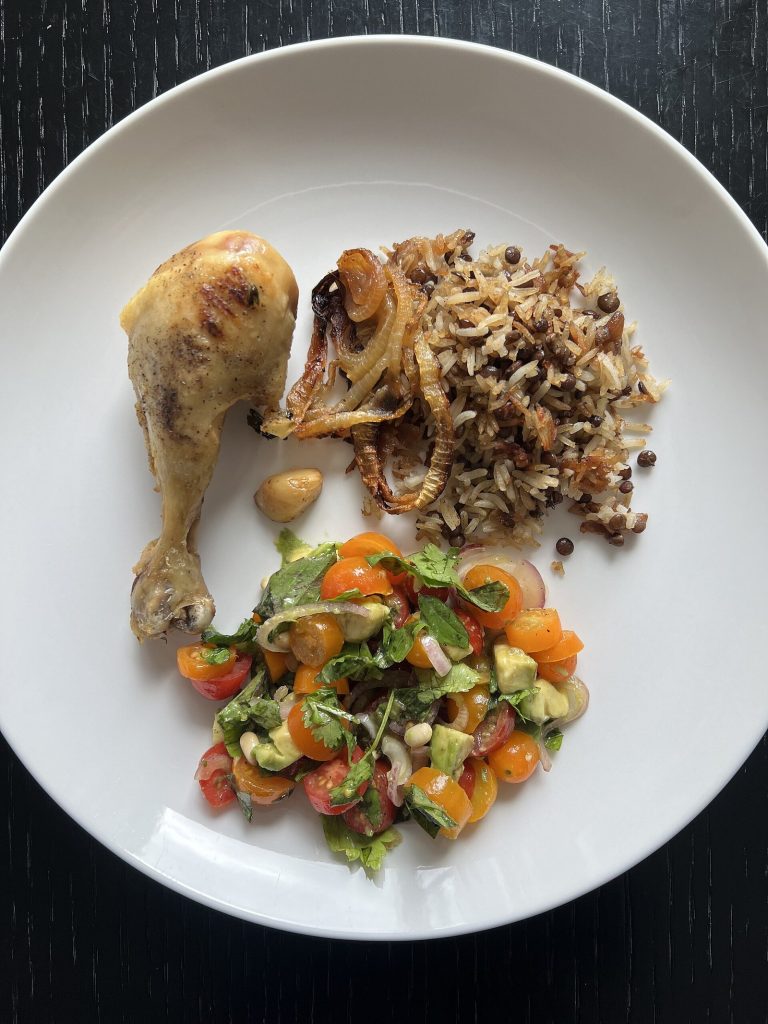
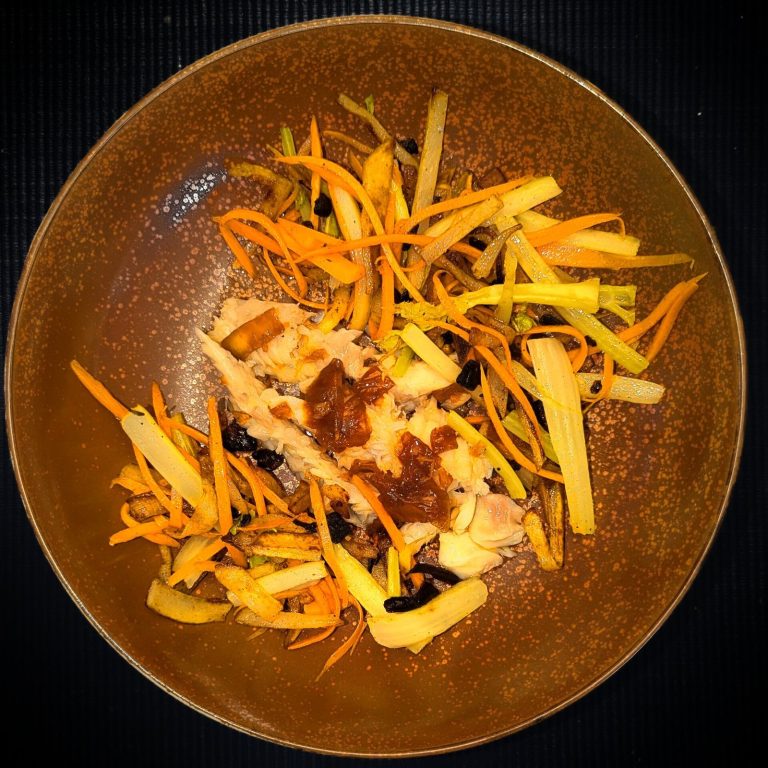
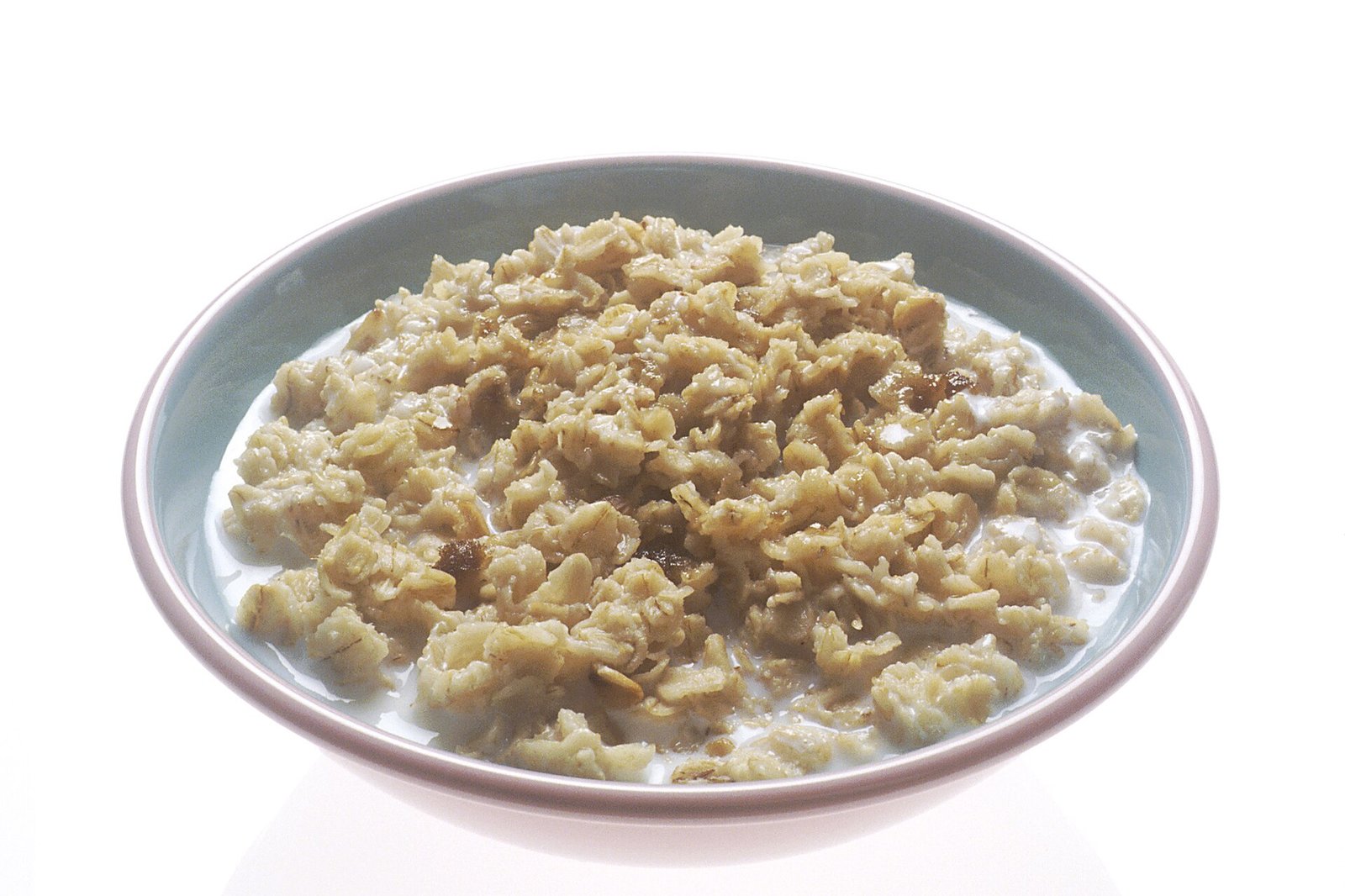
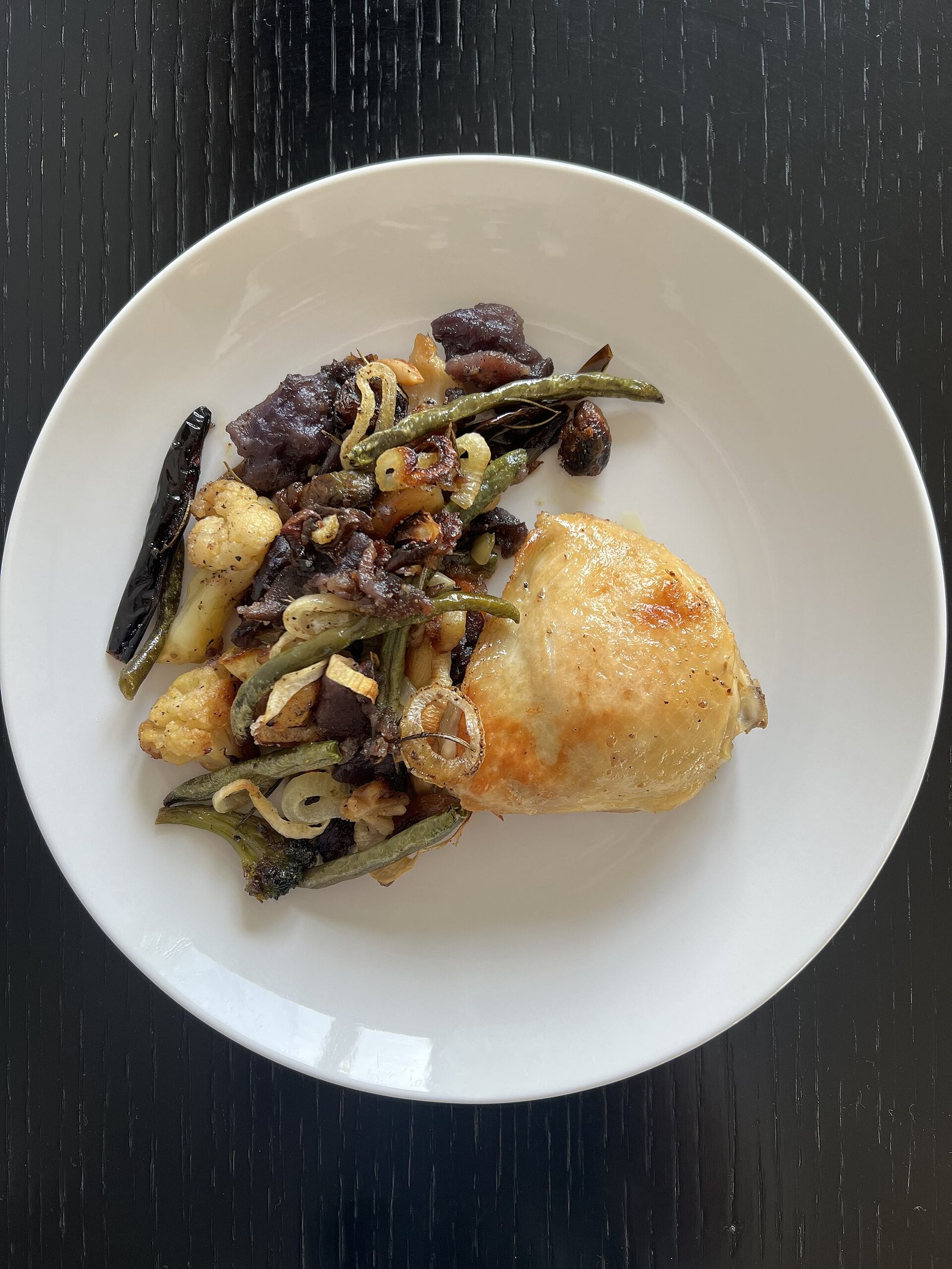
- – Lean proteins (fish, poultry, eggs, tofu), cooked vegetables that you tolerate, oatmeal or other soft whole grains, non-citrus fruit if acidic fruit bothers you, and lower-fat cooking methods (bake, grill, steam) often sit easier than fried takeout.
- – For broader reflux kitchen detail, pair with GERD diet guide without doubling acid-suppressing medicines on your own.
Foods and habits that often worsen hiatal hernia kitchen patterns
- – Large late dinners followed by immediate bed or sofa reclining.
- – Stacked triggers: fatty takeout + alcohol + chocolate dessert + mint tea in one evening.
- – Tight shapewear or belts at restaurant meals.
- – Smoking and heavy alcohol intake.
- – Stopping PPIs or other prescribed reflux medicines for an unproven “hernia cleanse.”
- – Ignoring dysphagia, bleeding, or weight loss—NHS urgent pathways exist for these red flags.
“Limit” means fewer flares via timing and personal triggers—not fear of every tomato forever.
Practical kitchen protocol: a hiatal hernia diet week
1. Two-week trigger and timing log
Note meal size, clock time to bed, reclining, alcohol, caffeine, spice, chocolate, mint, and symptom score.
2. Shopping list for quieter reflux days
Oats, bananas, melon or pears (if tolerated), lean poultry or fish, eggs, potatoes, green beans or carrots, rice, yogurt if tolerated, ginger tea only if it sits well for you (individual), olive oil in small amounts instead of deep frying.
3. Default plate template
- – Smaller volume than your previous largest meal
- – Emphasize lean protein + cooked vegetables + a moderate starch
- – Keep high-fat sauces on the side
- – Separate dessert chocolate trials from dinner if chocolate is a suspect
4. Sample day (illustrative)
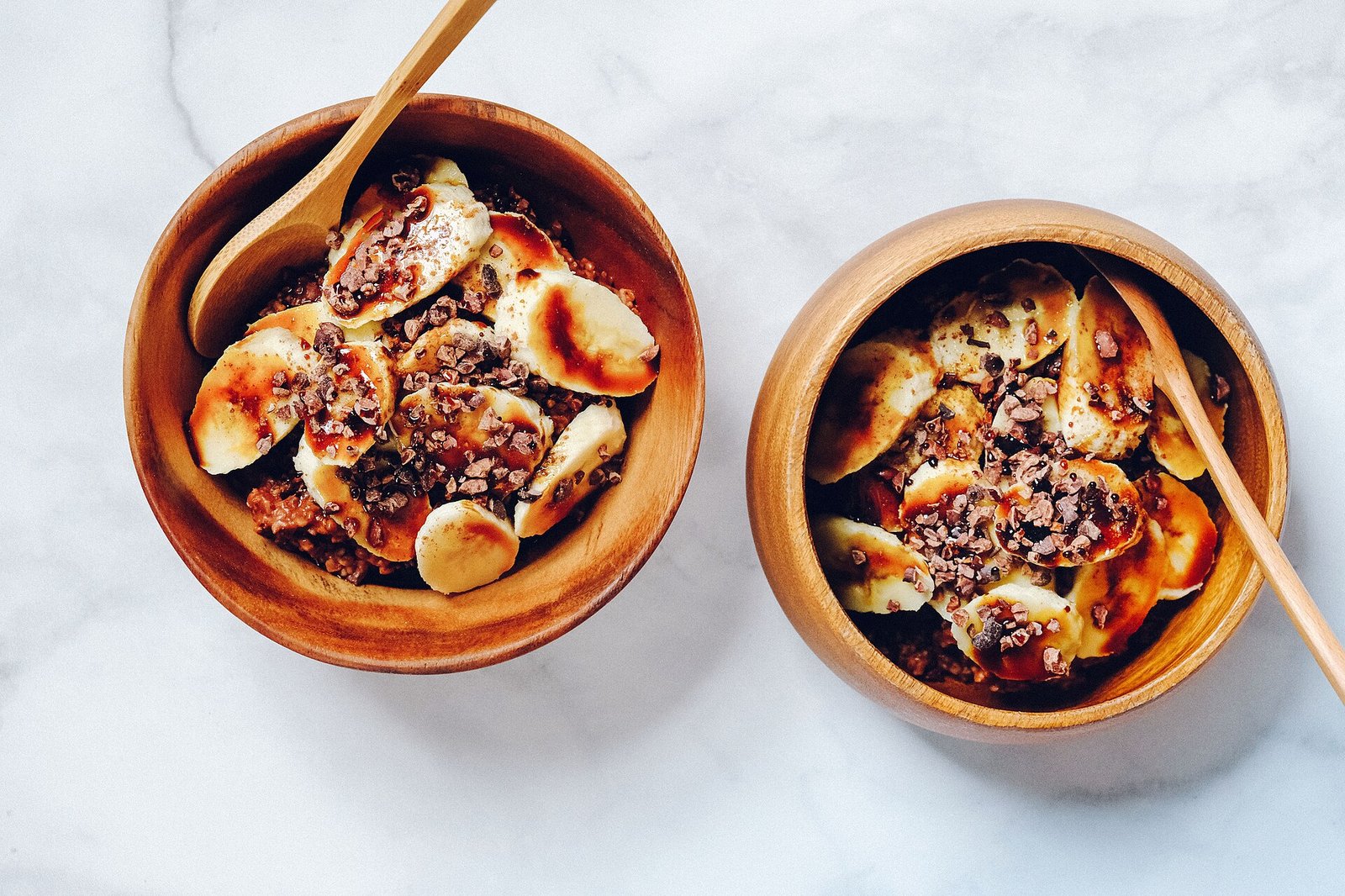
- – Breakfast: oatmeal with banana; coffee only if your log allows—and not on an empty rush out the door if that flares you.
- – Mid-morning: yogurt or a small handful of crackers if needed.
- – Lunch: grilled chicken, rice, cooked carrots; sit upright afterward.
- – Afternoon: water; avoid mint gum if mint triggers you.
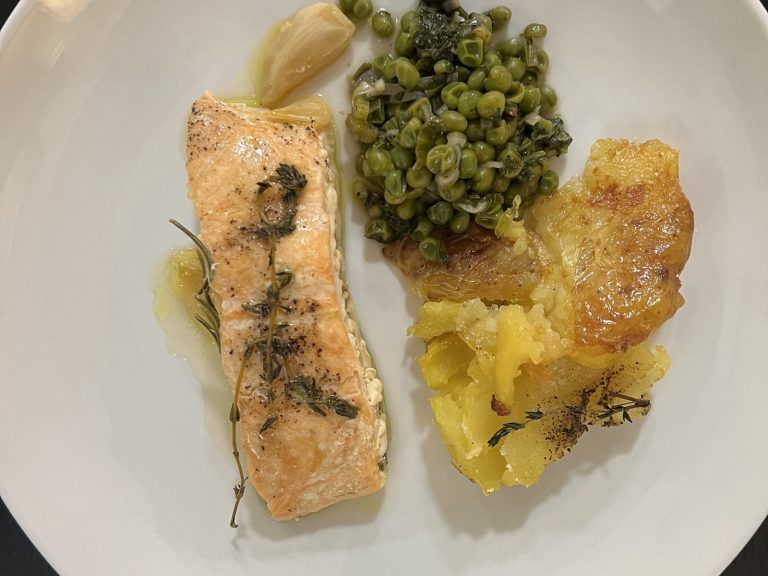
- – Dinner (early): baked fish, potatoes, green beans; no sofa lie-down for several hours.
- – Bed: head-of-bed elevation; last meal already finished 3–4 hours prior.
5. Eating out
Split large entrees; ask for grilled instead of fried; sauces on the side; skip late-night spicy appetizers; wear comfortable waistbands.
6. When peptic symptoms overlap
If ulcer disease is also in play, see peptic ulcer diet guide and keep clinician-directed H. pylori or acid therapy—food timing still helps comfort but does not replace those plans. After gallbladder surgery, meal-fat tolerance may differ—see gallbladder removal diet guide.
Safety, interactions, and who should ask a clinician first
- – NHS: see a GP if symptoms last beyond about 3 weeks, worsen, or pharmacy medicines do not help.
- – Urgent: unintentional weight loss, progressive swallowing trouble, frequent vomiting, blood in vomit, or severe upper tummy pain.
- – MedlinePlus complications can include aspiration, slow bleeding with iron deficiency anemia, or rare strangulation—new severe pain needs emergency evaluation.
- – Pregnancy changes reflux and medicine choices—ask a pharmacist/GP.
- – Do not combine multiple acid-lowering strategies and supplements without review if you have kidney disease or take interacting drugs.
FAQ
Will diet make a hiatal hernia go away? No. NHS notes common self-care eases symptoms; the anatomical hernia is not “cured” by food. Selected cases need procedures.
Do I have to give up coffee and tomatoes forever? Not necessarily. NIDDK lists them as common triggers for some people—use a personal trial.
Is bed elevation really part of a “diet”? It is a lifestyle measure NHS and MedlinePlus group with meal timing; it often matters as much as food swaps for night symptoms.
Can I stop my antacid if meals improve? Ask your doctor or pharmacist first—NHS advises not stopping prescribed medicine without advice.
How this differs from related OTCFood topics
This page is a hiatal hernia–bound diet guide focused on meal size, timing, bed elevation, and GERD-overlapping triggers. It is not a full GERD diet guide deep-dive alone, not a gastroparesis diet guide delayed-emptying protocol, and not a peptic ulcer diet guide ulcer-healing claim page.
Medical disclaimer
Medical disclaimer: This article is for general information only. It is not medical advice, diagnosis, or a treatment plan. Hiatal hernia and reflux care depend on symptom severity, endoscopy findings, bleeding risk, and medicines. Talk with a clinician or registered dietitian before starting, stopping, or changing any eating plan, supplement, or acid-reducing medicine. Seek urgent care for vomiting blood, black stools, sudden severe chest or abdominal pain, or inability to swallow liquids.