Kidney Stones Diet: Foods That May Help or Worsen Risk
Medical note: This article discusses foods and researched botanicals. It does not claim to prevent, treat, or cure disease. Supplements are not a substitute for food, and studied amounts are not personal prescriptions.
People searching “kidney stones diet foods that help or worsen” usually want a workable kitchen pattern tied to stone type—not a miracle cure list. For people who have had kidney stones, drinking enough fluid (mainly water) and adjusting sodium, animal protein, calcium, and oxalate may help lower the chance of another stone when guided by a clinician or dietitian. Food patterns do not replace prescribed stone-prevention medicines and do not “cure” kidney stone disease.
What this kidney stones diet guide covers (and what it does not)
This article summarizes eating approaches often recommended in public education from the NIH NIDDK kidney stones diet page, the NIDDK kidney stones overview, and MedlinePlus kidney-stone self-care instructions. It is general kitchen guidance—not a personal 24-hour urine plan, not a procedure decision, and not advice to stop medicines.
Kidney stones are hard mineral deposits that can form when urine is concentrated with certain substances. Calcium oxalate stones are most common; calcium phosphate, uric acid, struvite, and cystine stones also occur. NIDDK stresses that the type of stone you had should shape food choices. If you do not know your type, ask before locking in lifelong bans from social media.
Red flags needing prompt care: severe pain in the back, side, lower abdomen, or groin; blood in the urine; fever and chills with pain; vomiting; cloudy or foul-smelling urine; or burning with urination.
Evidence snapshot: kidney stone diet claims vs public sources
| Claim people hope for | What public sources actually say | Confidence |
|---|---|---|
| “Just drink more water and stones stop forever” | NIDDK: enough liquid, mainly water, is the most important lifestyle step many clinicians recommend (often discussed as about six to eight 8-ounce glasses a day unless you have kidney failure—confirm your target). MedlinePlus frames dilute, light-colored urine / about 2 liters of urine per day as a common self-care goal | Moderate for hydration as a core pattern |
| “Avoid all calcium because calcium stones contain calcium” | NIDDK: enough dietary calcium can block gut substances that may contribute to stones; unnecessarily limiting food calcium may raise risk | Moderate (food calcium; avoid unsupervised mega-supplements) |
| “Cut all oxalate foods forever for every stone” | NIDDK lists higher-oxalate foods (nuts/nut products, peanuts, rhubarb, spinach, wheat bran) mainly for calcium oxalate history—not a universal forever ban | Moderate for oxalate-stone guidance; low as a one-size rule |
| “DASH diet prevents all kidney stones” | NIDDK cites research associating DASH-style eating with lower kidney-stone risk; a pattern, not a guarantee | Moderate for risk association |
| “Animal protein does not matter” | NIDDK: limiting animal protein is often discussed for calcium oxalate, calcium phosphate, and uric acid stones; plant proteins are common swaps | Moderate when clinically advised |
Primary public anchors: NIDDK — Eating, Diet, & Nutrition for Kidney Stones, NIDDK — Kidney Stones, MedlinePlus — Kidney stones self-care.
Foods and patterns that may help with kidney stone risk
Kidney stone diet education usually puts fluids first, then stone-type adjustments.
- – Water and other liquids as the default: NIDDK calls adequate fluid, mainly water, the most important change for many people. MedlinePlus describes aiming for enough intake to produce roughly 2 quarts (about 2 liters) of urine daily and light-colored urine. Ask for a personalized volume if you have heart failure, advanced kidney disease, or fluid restrictions.
- – A DASH-style plate pattern: more vegetables, fruits, and whole grains with lower sodium—linked in research summaries NIDDK cites with reduced stone risk.
- – Enough calcium from food (when advised): for calcium oxalate and calcium phosphate stones, appropriate food calcium can bind oxalate in the gut. Prefer food sources discussed with a dietitian rather than random high-dose calcium pills.
- – Citrate-containing citrus patterns many people trial: MedlinePlus mentions lemons, oranges, or fresh lemonade because citrate may help discourage stone formation for some—still not a substitute for prescribed citrate when indicated.
- – Plant protein rotations when animal protein is limited: beans, dried peas, lentils, and (depending on stone type) soy foods or nuts—replace some meat while still meeting protein needs.
- – Steady weight management if overweight: NIDDK notes overweight raises stone risk; for uric acid stones, MedlinePlus warns that crash dieting may promote stones—prefer slow loss.
“May help” means a lower-risk kitchen default alongside medical care—not guaranteed stone-free results.
Foods and habits that often worsen kidney stone risk
- – Too little fluid: the highest-leverage everyday miss. MedlinePlus suggests limiting coffee, tea, and cola to about 1–2 cups/day in stone self-care guidance and replacing with water.
- – High sodium defaults: NIDDK links higher sodium with higher stone risk and notes adults should generally aim for less than 2,300 mg sodium/day. Packaged, canned, fast foods, lunch meats, and salty condiments are frequent drivers—especially relevant after calcium oxalate or calcium phosphate stones.
- – Large animal-protein loads: beef, pork, poultry (especially organ meats), eggs, fish/shellfish, and heavy dairy portions may raise risk for several stone types when overdone.
- – High-oxalate stacks for calcium oxalate history: nuts and nut products, peanuts, rhubarb, spinach, wheat bran (NIDDK); MedlinePlus also lists items such as beets, sweet potatoes, chocolate, and tea/instant coffee in some oxalate lists.
- – Unsupervised calcium or vitamin D megadoses: MedlinePlus advises against extra calcium or vitamin D unless your stone clinician recommends them.
- – Crash dieting / alcohol-heavy patterns for uric acid stones: rapid weight loss and alcohol appear in MedlinePlus uric-acid guidance as problems to avoid or limit.
“Limit” means reduce frequency and portion while you follow a clinical plan—not that one salty meal ruins a month.
Practical kitchen protocol: a kidney stones diet week
1. Start with a fluid schedule
Use a marked bottle morning and afternoon. Pair each coffee or tea with water. Check urine color midday—aim for pale unless your clinician said otherwise.
2. Cut sodium like a label reader
Cook from scratch more often. Choose low-sodium / no-salt-added products. Scan the Nutrition Facts % Daily Value for sodium—NIDDK notes 5% DV or less is low and 20% or more is high. Watch MSG, sodium nitrate/nitrite, baking soda (sodium bicarbonate), and disodium phosphate.
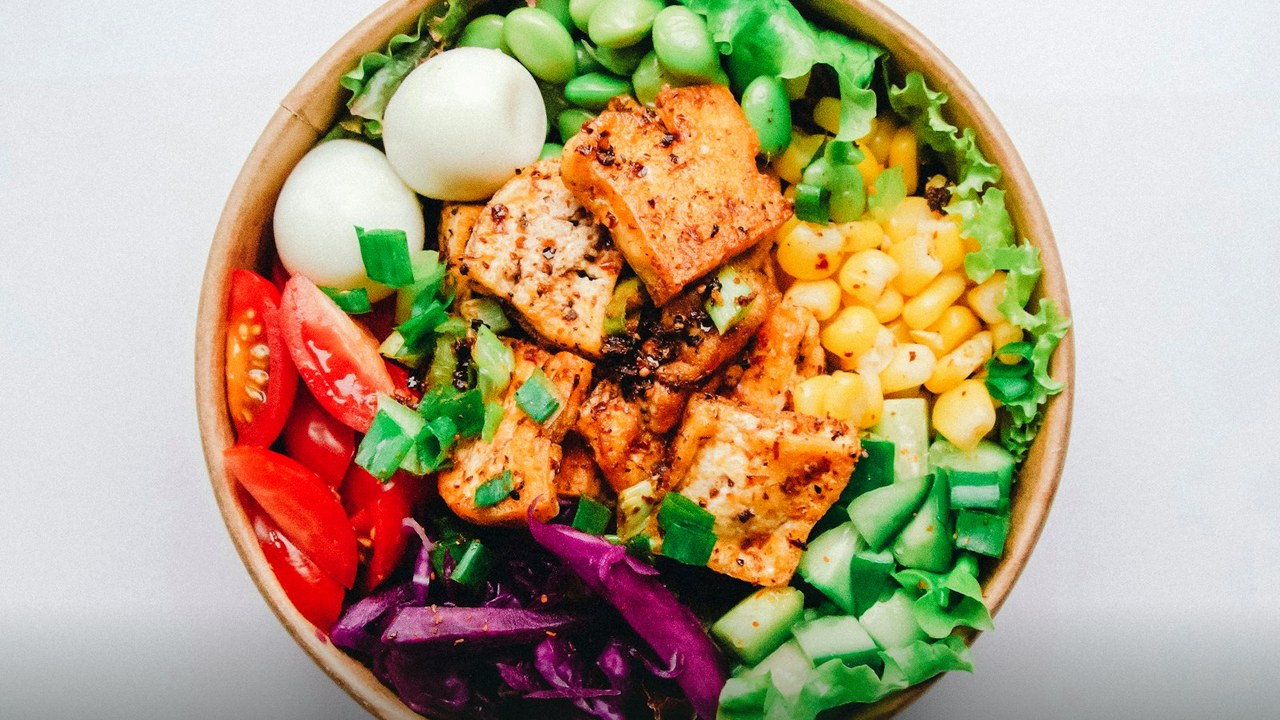
3. Build a stone-aware plate template (illustrative)
- – Fluids: water at the meal; citrus water if citrate foods fit your plan.
- – Protein: modest animal portions (MedlinePlus uric-acid notes sometimes discuss about 3 ounces / ~85 g meat per meal when limiting) or beans/lentils/tofu per stone type.
- – Produce: colorful vegetables and fruits you tolerate; rotate away from daily spinach/rhubarb stacks if you have calcium oxalate stones.
- – Calcium food: include a food-calcium source with meals when advised—do not zero out calcium.
- – Starch: whole grains in DASH-style amounts; be cautious with large wheat-bran loads for oxalate stones.
4. Three kitchen swaps
- – Deli sandwich + chips → bean or modest turkey wrap on low-sodium bread + fruit + water.
- – Daily spinach smoothie (oxalate stone history) → mixed lower-oxalate greens your dietitian prefers, with food calcium in the same meal if appropriate.
- – Salty restaurant stir-fry → sauce on the side, steamed vegetables + rice, season lightly at home.
5. Sample day (illustrative, not personalized)
- – Breakfast: oatmeal with milk or fortified alternative; berries; water.
- – Lunch: grain bowl with lentils or modest grilled fish, cucumber/carrot/tomato, lemon; large water.
- – Snack: yogurt or an orange; water. Limit large nut handfuls if oxalate stones are your type.
- – Dinner: vegetable-forward plate with palm-sized lean protein or tofu/beans; citrus water.
- – Evening: if night bathroom trips bother you, ask how to meet fluid goals earlier in the day.
6. Match habits to stone type
- – Calcium oxalate: fluids + less sodium + enough food calcium + oxalate awareness + animal-protein moderation.
- – Calcium phosphate: fluids + less sodium + animal-protein moderation + enough food calcium.
- – Uric acid: animal-protein moderation + weight management if needed + fluids; alcohol/high-purine caution.
- – Cystine: NIDDK highlights fluid (mainly water) as the key lifestyle change—confirm targets medically.
7. Eating out and travel
Carry a refillable bottle. Choose grilled or steamed items; request no added salt. Skip broth-heavy soups and cured meats as the weekday default.
Safety, interactions, and who should ask a clinician first
- – Know your stone type and labs before extreme oxalate or calcium changes—wrong restrictions can backfire.
- – Kidney disease, heart failure, or fluid limits: do not force “eight glasses” without clearance.
- – Pregnancy, children, or complex metabolic disease need individualized plans.
- – Vitamin C or fish oil megadoses: ask your stone clinician first (MedlinePlus caution).
- – Stone-prevention medicines are clinician decisions; diet should not silently replace them.
- – Infection-related (struvite) stones need medical treatment of the infection pathway.
- – Alarm symptoms—unrelenting pain, fever with flank pain, inability to keep fluids down, or inability to urinate—need urgent care.
FAQ
Is a kidney stones diet the same for everyone? No. Calcium oxalate, calcium phosphate, uric acid, and cystine stones share hydration as a foundation but differ on sodium, protein, oxalate, and calcium details.
Should I avoid all dairy if I had a calcium stone? Usually not by default. NIDDK explains adequate dietary calcium can help against calcium oxalate stone formation. Restricting food calcium without guidance may worsen risk.
Does the DASH diet replace medication after a kidney stone? No. DASH-style eating may help as a kitchen framework associated with lower risk in research NIDDK cites. It does not replace prescribed prevention therapy.
Can lemon water dissolve an existing kidney stone? Citrus foods with citrate appear in public self-care guidance as patterns that may help lower formation risk for some people. Passing or dissolving a current stone needs clinician care—not a lemonade protocol.
How this differs from related OTCFood topics
This page is a disease-bound kidney stones diet guide for foods that may help or worsen risk by stone type. It is not an IBS symptom-mapping diet (IBS diet: foods that may help or worsen), not a high-blood-pressure sodium deep dive (high blood pressure foods to eat or limit), and not a gout uric-acid food list (gout diet: foods to choose or avoid)—though sodium and animal-protein themes can overlap.
Medical disclaimer
Medical disclaimer: This article is for general information only. It is not medical advice, diagnosis, or a treatment plan. Dietary patterns for kidney stones depend on stone type, kidney function, medicines, and lab results and are not appropriate for everyone in the same way. Talk with a licensed clinician or registered dietitian before starting, stopping, or changing any eating plan or medication—especially if you are pregnant, nursing, have chronic kidney disease, heart failure, a single kidney, or take prescription drugs. Do not ignore emergency warning signs such as severe pain, fever with flank pain, or inability to urinate.