Pancreatitis Diet: Foods That May Help and Foods to Limit
Medical note: This article discusses foods and researched botanicals. It does not claim to prevent, treat, or cure disease. Supplements are not a substitute for food, and studied amounts are not personal prescriptions.
The most important pancreatitis diet rule is no alcohol at all—NIDDK says health care professionals strongly advise people with pancreatitis not to drink, even if the condition is mild. After an acute attack, NIDDK describes a healthy, low-fat eating plan with small, frequent meals, plenty of fluids, and limited caffeine. Chronic pancreatitis is different: UK specialist guidance says most people should eat a normal balanced diet with prescribed enzyme capsules, because unnecessary fat restriction can hide poor digestion. Pancreatitis is a serious condition managed by doctors; food choices support recovery and nutrition alongside medical care and are never a substitute for it.
What this pancreatitis diet guide covers (and what it does not)
This guide is for adults recovering from acute pancreatitis, people living with chronic pancreatitis, and the family members who cook for them. It draws on NIDDK — Eating, Diet, & Nutrition for Pancreatitis, NIDDK — Treatment for Pancreatitis, NIDDK — Symptoms & Causes, the NHS pages on acute pancreatitis and chronic pancreatitis, and Guts UK — Chronic Pancreatitis.
It is not a guide to managing an attack at home. The NHS says acute pancreatitis needs urgent hospital care, where people may receive fluids and nutrients through a vein, pain relief, and antibiotics if there is infection. NIDDK adds that during care your doctor may tell you not to eat or drink for a while, or may use a feeding tube. Follow the hospital team’s instructions on when and how to restart food.
Acute vs chronic pancreatitis: why the diet advice differs
- – Acute pancreatitis is sudden inflammation. NIDDK and the NHS name gallstones and heavy alcohol use as the most common causes. The NHS says most people start to improve within a week and leave hospital in 5 to 10 days, and that a healthy, low-fat diet, less or no alcohol, and not smoking may help stop it coming back.
- – Chronic pancreatitis is long-term inflammation and scarring. NIDDK and the NHS describe malabsorption (difficulty absorbing nutrients), weight loss, greasy foul-smelling stools, and a type of diabetes (type 3c). Guts UK notes that low-fat diets can mask pancreatic exocrine insufficiency symptoms and are not appropriate for most people with chronic pancreatitis; prescribed enzymes are what allow a normal diet.
Evidence snapshot: pancreatitis diet claims vs public sources
| Claim people hope for | What public sources actually say | Confidence |
|---|---|---|
| “A little alcohol is fine if my case was mild” | NIDDK: professionals strongly advise no alcohol, even if pancreatitis is mild; NHS (chronic): drinking can cause more damage even if alcohol was not the cause | Strong |
| “Low-fat eating helps after an attack” | NIDDK: once eating resumes, doctors prescribe a healthy, low-fat plan with small, frequent meals; NHS lists a healthy, low-fat diet among ways to help stop acute pancreatitis coming back | Strong for post-acute recovery |
| “Everyone with chronic pancreatitis must eat very low-fat” | Guts UK: most should eat a normal balanced diet; dietary restrictions can be harmful; prescribed enzymes are the correct approach | Strong caution against blanket restriction |
| “Health-store digestive enzymes work the same” | Guts UK: shop enzymes contain tiny amounts and are not likely to be effective; only prescribed enzymes are effective | Strong |
| “Weight doesn’t matter” | NIDDK: a healthy weight lowers the chance of gallstones, a leading cause, and helps avoid obesity and diabetes, both risk factors | Moderate |
| “High-fat, high-calorie eating is harmless” | NIDDK: it can raise blood fat levels, which raises pancreatitis risk | Moderate |
Foods and patterns that may help with pancreatitis recovery
“May help” means a supportive default your care team can adapt—especially if you have diabetes, enzyme insufficiency, or very high triglycerides.
After acute pancreatitis (as your doctor directs)
- – Small, frequent meals instead of large plates (NIDDK).
- – Lower-fat protein: skinless chicken or turkey, white fish, eggs, tofu, beans and lentils, plain yogurt.
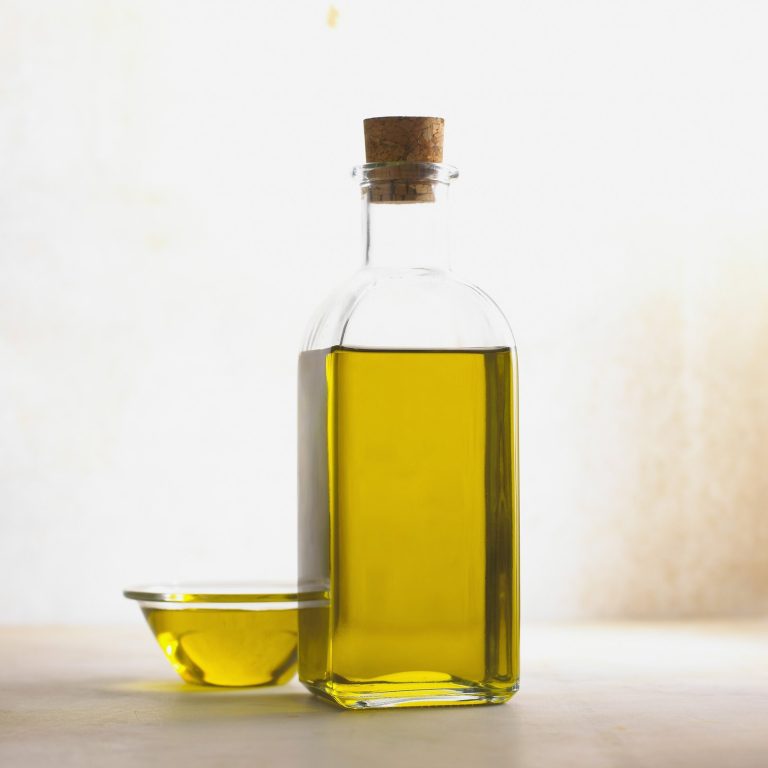
- – Cooking methods that need little added fat: steaming, poaching, baking, grilling.
- – Vegetables, fruits, and whole grains as the base of a healthy eating plan.
- – Plenty of fluids—water, clear broth, and other non-caffeinated drinks (NIDDK).
Living with chronic pancreatitis
- – A normal, balanced diet, with more, smaller meals if that is easier (Guts UK).
- – Prescribed enzymes (PERT) taken with food: Guts UK says they are spread through every meal and also taken with snacks containing fat and nutritious drinks such as milk.
- – Nutrient-dense choices to regain weight if you have lost it; your team may prescribe vitamins A, D, E, and K or vitamin B-12 if you have malabsorption (NIDDK).
- – A diabetes-aware plate if you have type 3c diabetes, built with your diabetes team (NIDDK).
Foods and habits to limit with pancreatitis
- – All alcohol—the clearest diet-related step in every source (NIDDK, NHS, Guts UK).
- – Smoking: NIDDK says smoking with acute pancreatitis, especially alcohol-related, greatly raises the chance it becomes chronic, and may raise pancreatic cancer risk.
- – Large, high-fat meals during acute recovery: fried foods, fatty cuts of meat, rich creamy sauces, and pastries are easy places to cut back.
- – Habitual high-fat, high-calorie eating that raises blood fat levels (NIDDK).
- – Too much caffeine (NIDDK advises limiting it).
- – Unsupervised restrictive diets in chronic pancreatitis: Guts UK warns restrictions can be harmful and can hide enzyme problems.
- – Non-prescribed “digestive enzyme” products in place of prescribed PERT (Guts UK).
Practical kitchen protocol: a pancreatitis diet week
1. Clarify which plan you are on
Before you shop, ask your team: “Am I on a post-acute low-fat plan, or a normal diet with enzymes?” The answer changes almost everything below. Write down any fat or calorie targets they give you.
2. Make alcohol-free the household default
Clear alcohol out of the kitchen, stock appealing alternatives (sparkling water with citrus, herbal teas), and plan what you’ll drink at social events. NIDDK suggests talking with your health care professional if you need help to stop drinking.
3. Build the post-acute small-meal plate
Five or six small meals instead of three large ones. Each: a palm-sized lean protein, a fist of soft-cooked vegetables or fruit, and a modest portion of rice, oats, potatoes, or bread. Season with herbs, lemon, ginger, and garlic rather than butter or cream.
4. Enzyme routine for chronic pancreatitis
If you are prescribed PERT, follow your team’s dosing exactly. Practical habits that fit Guts UK’s description: keep a small pill box in your bag, take enzymes with every meal and with fat-containing snacks or milky drinks, and tell your dietitian if you still have greasy stools, bloating, or weight loss so they can review your dose.
5. Hydration
Keep a water bottle visible and add broth-based soups, which also make it easy to include vegetables and lean protein.
6. Shopping list default (post-acute low-fat plan)
Skinless chicken breast, white fish fillets, eggs, tofu, canned lentils or beans, plain low-fat yogurt, oats, rice and wild rice, potatoes, whole-grain bread, frozen mixed vegetables, carrots, spinach, bananas, berries, apples, low-sodium broth, herbs and spices.
7. Sample day (illustrative, post-acute low-fat)
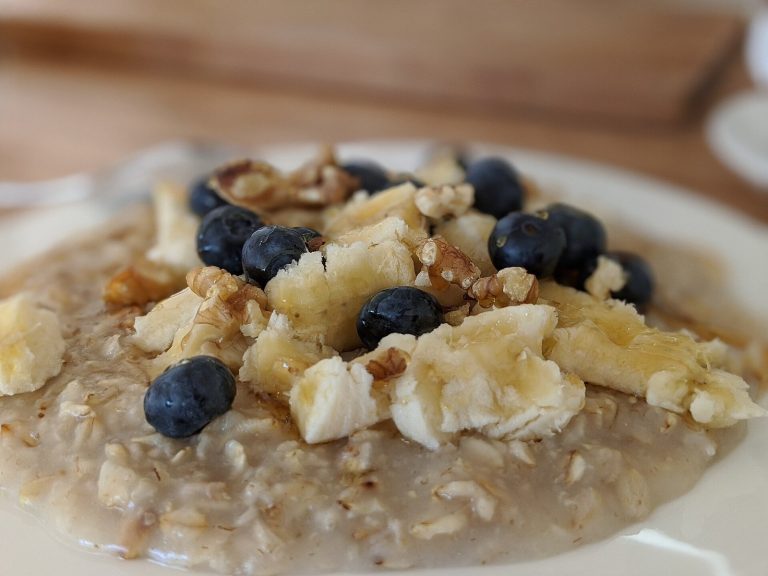
- – Breakfast: small bowl of oatmeal with banana slices.
- – Mid-morning: low-fat yogurt with berries.
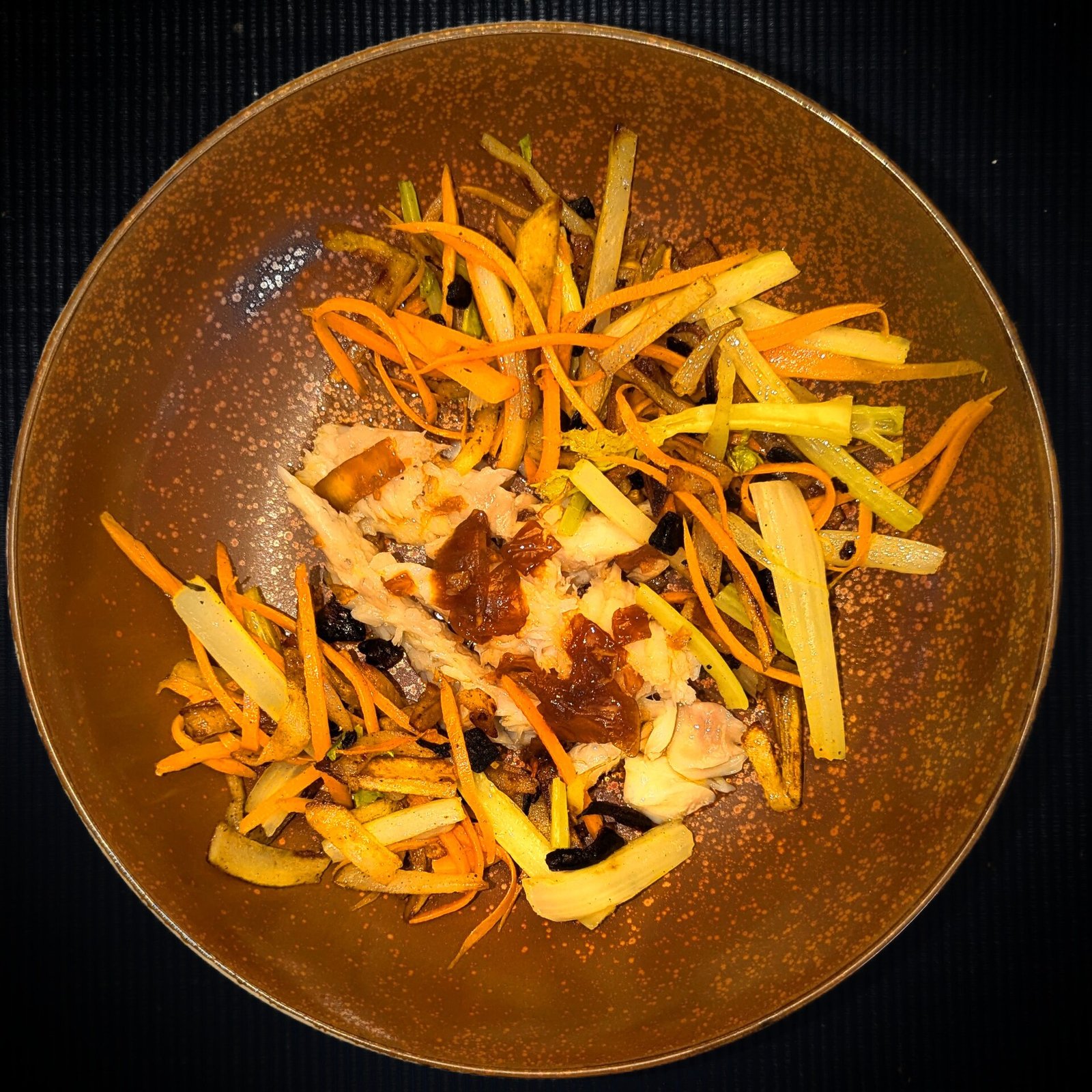
- – Lunch: steamed white fish with carrots and rice.
- – Afternoon: vegetable broth soup with a slice of whole-grain toast.
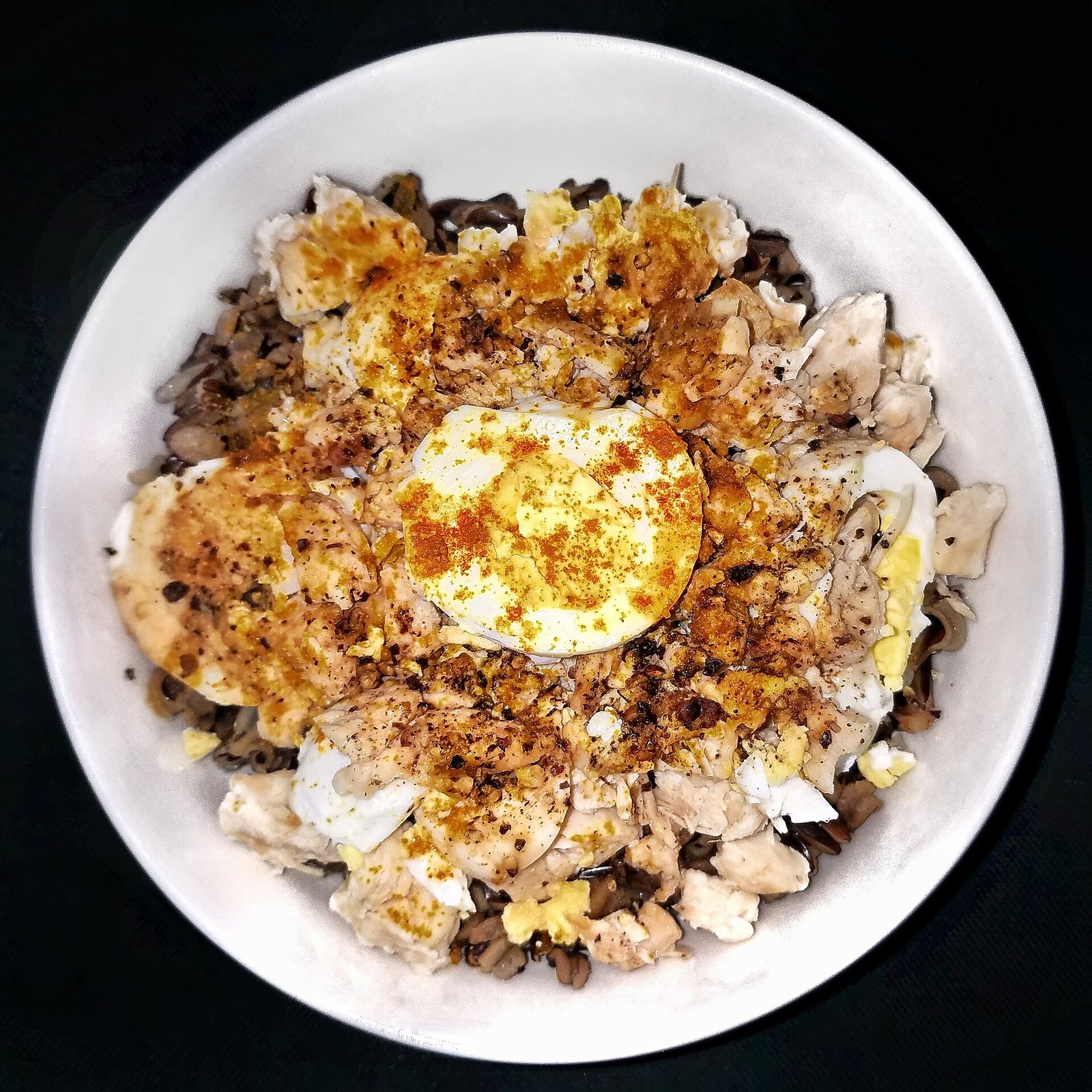
- – Dinner: chicken and wild-rice bowl with a boiled egg and steamed greens.
- – Evening: an apple or a small bowl of lentil soup.
For chronic pancreatitis with enzymes, your dietitian may advise more energy and fat than this example.
8. Eating out
Choose grilled, steamed, or baked dishes; ask for sauces and dressings on the side; skip alcohol; and bring your enzymes if they are prescribed.
Safety, red flags, and who should talk to a doctor first
Call emergency services or go to the emergency department (NHS, NIDDK) for sudden, severe tummy pain with any of these:
- – pain spreading to your back, or pain that is severe or getting worse;
- – nausea and vomiting, fever, or chills;
- – fast heartbeat, shortness of breath, or difficulty breathing;
- – bloating that does not go away;
- – yellow skin or whites of the eyes (jaundice);
- – blue or bruised-looking skin around the belly button, waist, or upper thigh.
NIDDK warns that these problems can be fatal if left without care. Do not drive yourself—ask someone to take you or call an ambulance, and bring your medicines.
Also talk with your care team:
- – Before changing fat intake if you have chronic pancreatitis or enzyme insufficiency.
- – If you have diabetes: Guts UK notes type 3c diabetes is often misdiagnosed as type 2.
- – If you have very high blood triglycerides or calcium, which NIDDK lists as causes of chronic pancreatitis; you may need a specialist plan.
- – About supplements: fat-soluble vitamins and B-12 should be prescribed and monitored; Guts UK advises seeing a specialist dietitian rather than unregulated “nutritional therapists.”
- – For monitoring: Guts UK cites NICE guidance that people with chronic pancreatitis be offered nutritional checks at least every 12 months.
FAQ
What can I eat after a pancreatitis attack? Follow your hospital team first. NIDDK says that once you can eat again, doctors usually prescribe a healthy, low-fat eating plan with small, frequent meals, plenty of fluids, and limited caffeine.
Can I ever drink alcohol again after pancreatitis? NIDDK says health care professionals strongly advise people with pancreatitis not to drink any alcohol, even if the pancreatitis is mild. The NHS says alcohol can cause more damage in chronic pancreatitis even if it was not the original cause.
Is a low-fat diet right for chronic pancreatitis? Not always. Guts UK says most people with chronic pancreatitis should eat a normal balanced diet with prescribed enzymes, and that low-fat diets can mask enzyme insufficiency. Ask your specialist dietitian.
Do over-the-counter digestive enzymes help pancreatitis? Guts UK says products from health-food shops contain tiny amounts of enzymes and are not likely to be effective; only prescribed enzymes are effective.
Can diet lower my chance of another attack? It can be part of the plan. The NHS suggests less or no alcohol, not smoking, and a healthy low-fat diet, and NIDDK notes a healthy weight lowers the chance of gallstones, a leading cause.
How this differs from related OTCFood topics
This page is a disease-bound pancreatitis diet guide focused on alcohol, fat, meal size, and enzymes. Because gallstones are a leading cause of acute pancreatitis, see our gallstones diet guide. For blood-sugar planning that may matter with type 3c diabetes, the type 2 diabetes plate guide offers a starting plate to adapt with your team, and the fatty liver diet basics covers weight and alcohol from a liver angle.
Medical disclaimer
Medical disclaimer: This article is for general information only and is not medical advice, diagnosis, or a care plan. Pancreatitis can be life-threatening and must be managed by a doctor. Diet is supportive only and does not substitute for hospital care, prescribed enzymes, diabetes medicines, or follow-up. Seek emergency care for sudden severe abdominal pain, vomiting, fever, fast heartbeat, breathing difficulty, or yellowing of the skin or eyes.