Primary Biliary Cholangitis Diet: Foods That May Help and Foods to Limit
Medical note: This article discusses foods and researched botanicals. It does not claim to prevent, treat, or cure disease. Supplements are not a substitute for food, and studied amounts are not personal prescriptions.
People searching “primary biliary cholangitis diet foods that help or worsen” usually want kitchen habits that support a balanced intake, reduce infection risk from undercooked foods, and fit a hepatologist’s medicine and vitamin plan—not a claim that food cures PBC, “detoxes” the liver, or replaces ursodiol or other prescribed therapies. NIDDK describes primary biliary cholangitis (formerly called primary biliary cirrhosis) as a chronic disease in which small bile ducts in the liver become injured and destroyed, allowing bile to build up and damage the liver. MedlinePlus notes it is an autoimmune condition that most often affects middle-aged women and may be linked with other autoimmune disorders.
What this PBC diet guide covers (and what it does not)
This guide is for adults living with PBC who want practical eating patterns while hepatology care remains primary. Anchors: NIDDK — Primary biliary cholangitis, NIDDK — Eating, diet, and nutrition for PBC, NIDDK — Treatment for PBC, and MedlinePlus — Primary biliary cholangitis.
NIDDK eating guidance: a healthy, well-balanced diet matters at all stages; clinicians may recommend calcium and vitamin D–aware eating or supplements to help with osteoporosis risk; fat-soluble vitamins A, D, E, or K are supplemented only if levels are low and the doctor directs type and dose; avoid raw/undercooked shellfish, fish, meat, and unpasteurized milk because infections can be severe in liver disease; quit smoking; stop or strictly limit alcohol (stop completely if cirrhosis is present). NIDDK also states ursodiol does not cure PBC but can slow liver damage for many people who respond. Related reading: primary sclerosing cholangitis diet guide, cirrhosis diet guide, NAFLD fatty liver diet guide, bile acid malabsorption diet guide, and autoimmune hepatitis diet guide.
Evidence snapshot: PBC diet claims vs public sources
| Claim people hope for | What public sources actually say | Confidence |
|---|---|---|
| “A liver detox tea cures PBC” | NIDDK: medicines such as ursodiol are used; ursodiol does not cure PBC; diet supports nutrition and complications—not cure | Strong against cure/detox claims |
| “Balanced calories and nutrients help the liver work and manage complications” | NIDDK eating pages emphasize well-balanced intake with clinician guidance | Moderate–strong for supportive nutrition |
| “Everyone with PBC must megadose vitamins A/D/E/K” | Supplement fat-soluble vitamins only if levels are low and the doctor specifies type/amount | Strong against unsupervised megadoses |
| “Raw oysters are a healthy zinc food in PBC” | NIDDK: avoid raw/undercooked shellfish, fish, meat, and unpasteurized milk | Strong avoid for infection risk |
| “Alcohol is fine in moderation with cirrhosis” | NIDDK: if you have PBC and cirrhosis, completely stop alcohol | Strong |
Foods and patterns that may help with PBC day to day
“May help” means supporting adequate nutrition, bone-aware habits when advised, and safer food handling—not a promise that food reverses bile-duct injury.
Well-balanced, calorie-adequate patterns
- – NIDDK: good nutrition helps the liver work properly and manage complications; your doctor can recommend a plan with enough calories and nutrients.
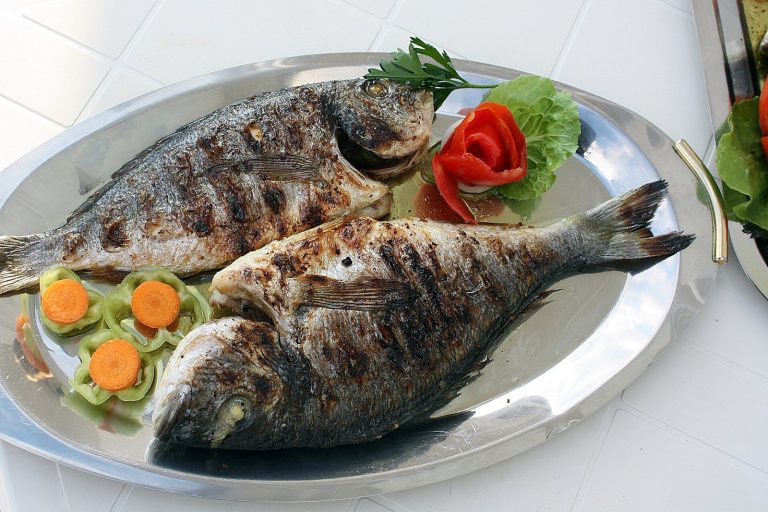
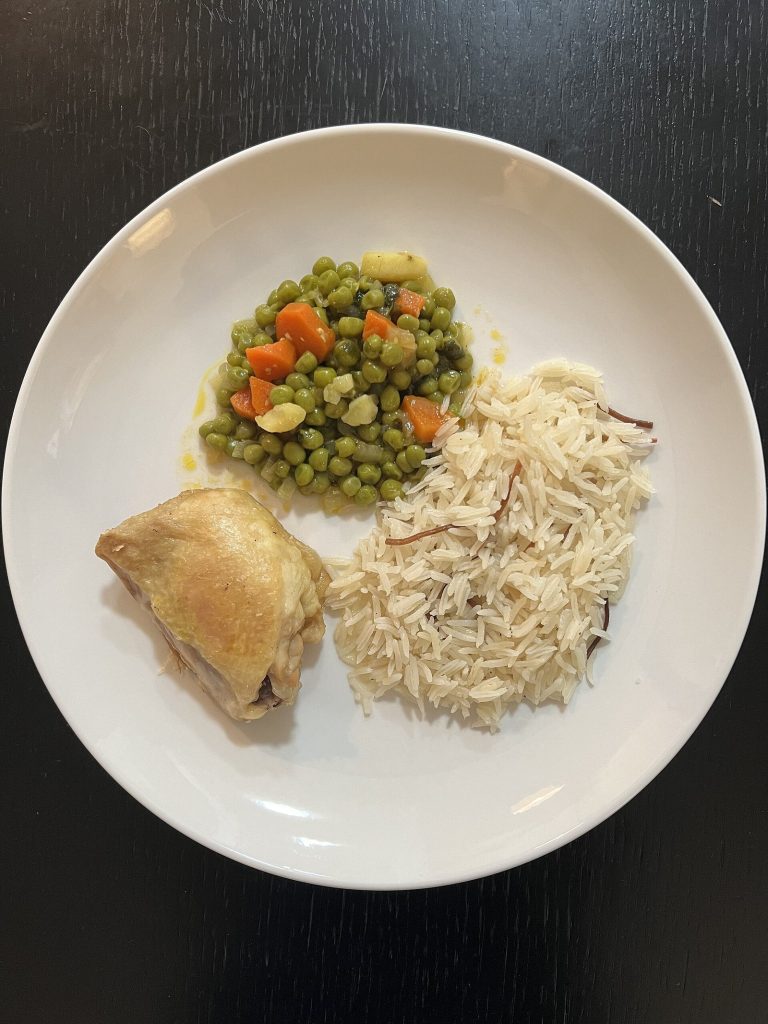
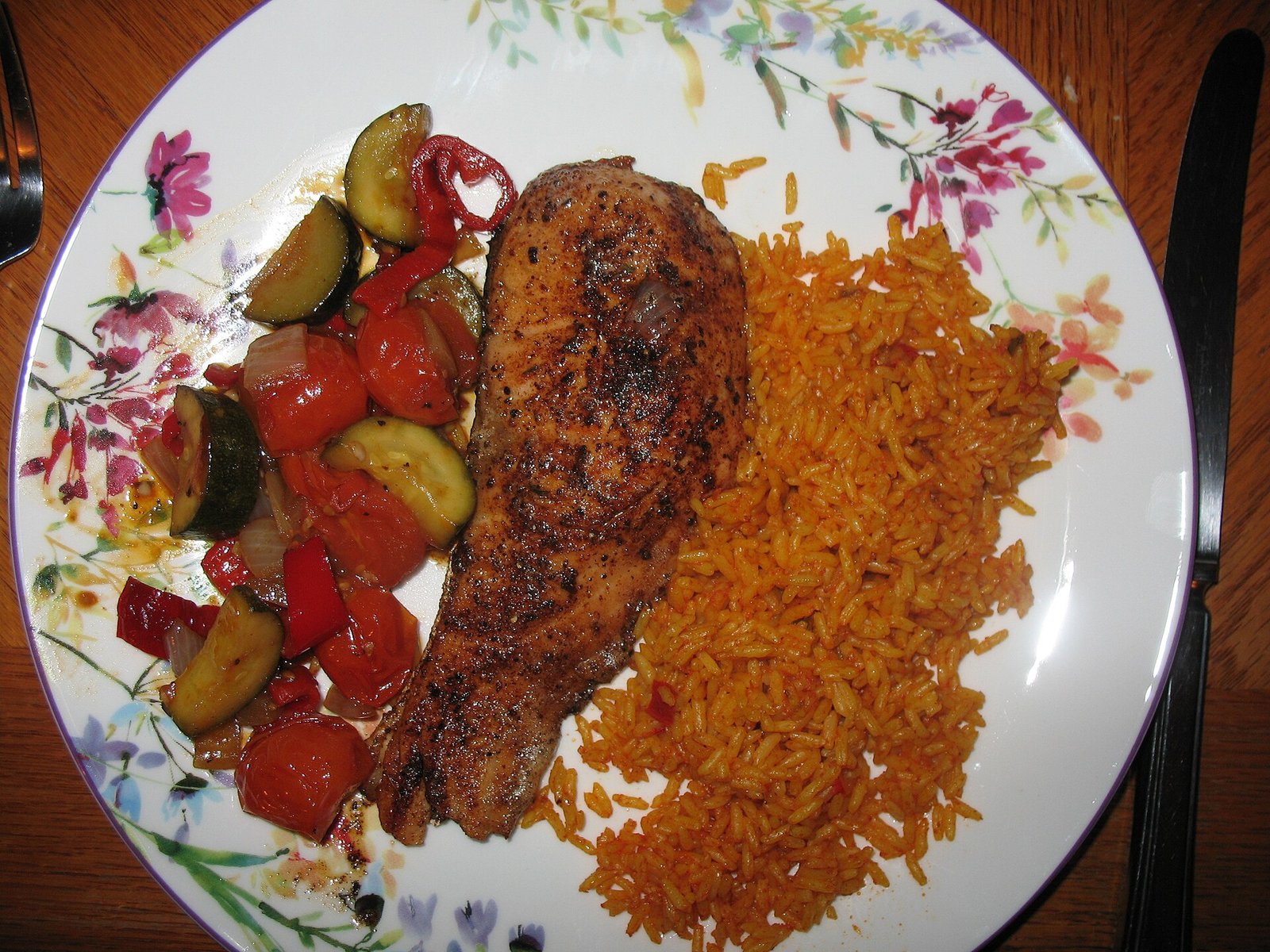
- – Practical plates: fully cooked fish or poultry, eggs, dairy if tolerated, tofu/beans, vegetables, fruits, whole grains as tolerated, and unsaturated oils.
- – If early fullness, itching, or fatigue cuts intake, smaller frequent meals may be easier—ask a dietitian experienced in liver disease.
- – See cirrhosis diet guide if advanced disease changes protein/sodium goals.
Calcium- and vitamin D–aware eating when bone risk is discussed
- – NIDDK: doctors may recommend foods high in calcium and vitamin D or supplements to help prevent osteoporosis; osteoporosis medicines may also be prescribed.
- – Food examples often include low-fat dairy or fortified alternatives, canned fish with soft bones if appropriate, and leafy greens—individualize with labs.
- – Related: osteoporosis diet guide and vitamin D deficiency diet guide.
Fully cooked proteins and pasteurized dairy
- – Prioritize thorough cooking of meats, fish, and shellfish; choose pasteurized milk and cheeses.
- – Leftovers: refrigerate promptly; reheat well.
Fat intake individualized—not a DIY “zero fat forever” rule
- – Some people with cholestasis notice fat intolerance or steatorrhea; others do not. Do not invent extreme fat elimination without hepatology/dietitian input, especially because fat-soluble vitamin absorption can already be an issue.
- – If fat-soluble vitamin levels are low, follow the clinician’s supplement plan—see also bile acid malabsorption diet guide for related fat-absorption themes without equating diagnoses.
Foods and habits that often worsen PBC kitchen patterns
- – Raw or undercooked shellfish, fish, meat, and unpasteurized milk (NIDDK infection caution).
- – Alcohol, especially any alcohol if cirrhosis is present.
- – Smoking, which NIDDK advises quitting.
- – Herbal “liver cleanses,” turmeric megadoses, or unmarked detox teas without hepatology clearance—liver patients can be harmed by supplement hepatotoxicity.
- – Unsupervised fat-soluble vitamin megadoses “just in case.”
- – Highly restrictive internet PBC cures that cause weight loss and nutrient gaps.
- – Expecting kitchen changes to fix jaundice progression, ascites, confusion, vomiting blood, or black stools—those are emergency/hepatology issues.
“Limit” means infection-safe cooking and avoiding hepatotoxic habits—not moralizing every gram of dietary fat without a clinician.
Practical kitchen protocol: a PBC-aware diet week
1. Keep the medical spine first
Take prescribed ursodiol or other liver medicines exactly as directed; keep lab and bone-density follow-ups; ask before any OTC medicine, supplement, or complementary product (NIDDK explicitly lists these as topics to discuss).
2. Shopping list for safer balanced eating
Pasteurized dairy or alternatives; eggs; tofu; beans; fruits and vegetables; whole grains as tolerated; olive oil; fully cookable fish/poultry; calcium-aware staples if advised; skip raw oyster bars and unpasteurized specialty milks.
3. Default plate template
- – Fully cooked lean protein
- – Vegetables/fruit
- – Carbohydrate your team endorses
- – Measured fats you tolerate
- – Calcium/vitamin D foods if recommended
4. Sample day (illustrative, without decompensated cirrhosis restrictions)
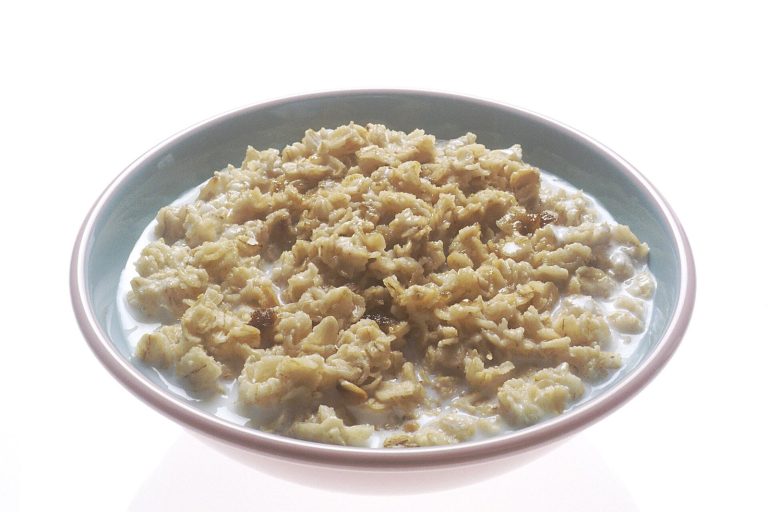
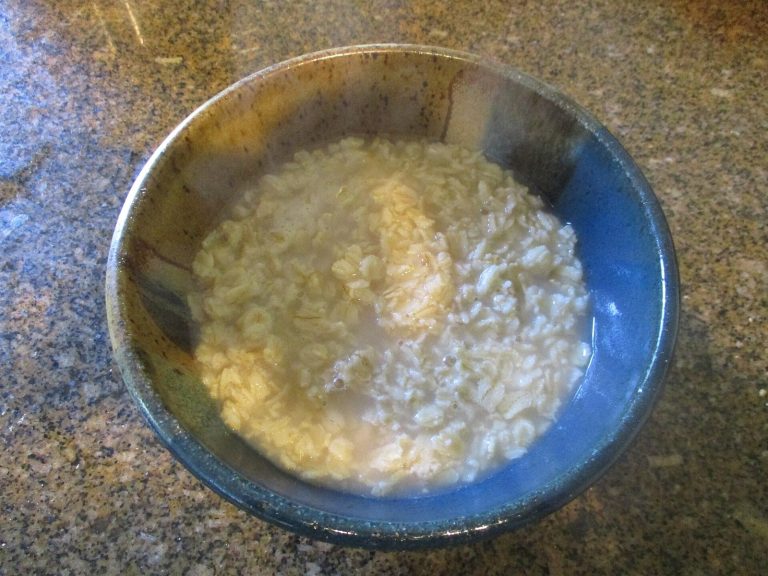
- – Breakfast: fortified oatmeal with pasteurized milk and fruit; water.
- – Lunch: lentil soup (thoroughly heated), soft vegetables, fruit; water.
- – Snack: yogurt; calcium-aware choice if advised.
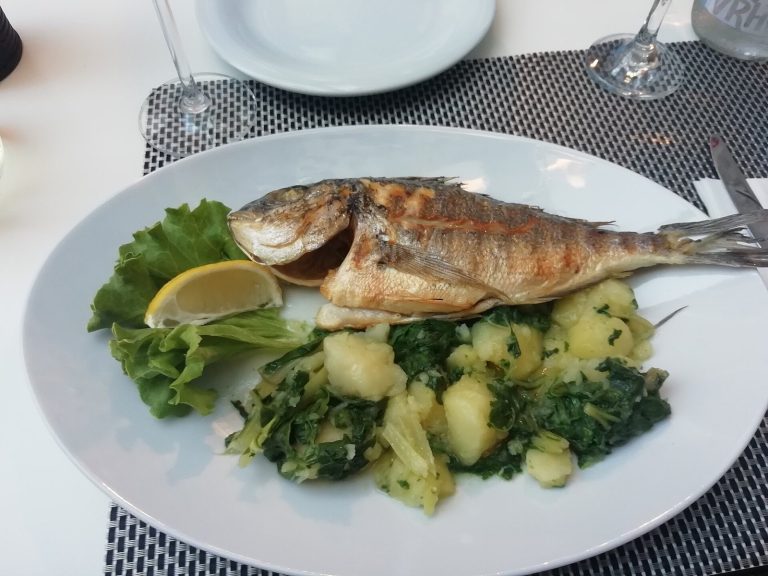
- – Dinner: fully cooked baked fish, potato, cooked greens; water.
- – Evening: pasteurized dairy or fortified alternative if it fits your plan—not alcohol.
5. Home setup tips
Use a food thermometer for meats/fish; keep a separate cutting board habit for raw proteins; store unpasteurized products out of the house if family members buy them; put medicine reminders next to breakfast dishes.
6. If PBC overlaps autoimmune hepatitis, PSC, or NAFLD labels in your record
Read sister pages such as autoimmune hepatitis diet guide, primary sclerosing cholangitis diet guide, and NAFLD fatty liver diet guide, but follow the hepatologist who knows your biopsy/imaging stage—do not blend conflicting internet rules.
Safety, interactions, and who should ask a clinician first
- – Cirrhosis, ascites, or encephalopathy history: sodium/protein/fluid rules may change—use the cirrhosis clinic plan.
- – High cholesterol: NIDDK notes statins and lifestyle may be used; do not stop prescribed lipid medicines for “natural” swaps without asking.
- – Itching, dry eyes/mouth (Sjögren overlap): medical symptom care plus dental/eye exams as advised—not spicy-food myths as primary therapy.
- – Contact hepatology or emergency care for confusion, vomiting blood, black stools, rapidly worsening jaundice, fever with abdominal pain, or fainting.
FAQ
Can diet cure primary biliary cholangitis? No. NIDDK states even ursodiol does not cure PBC; diet supports nutrition and complication management.
Should everyone take vitamins A, D, E, and K? Only if levels are low and your doctor specifies the type and amount.
Is alcohol ever OK? NIDDK advises stopping or limiting alcohol with PBC, and completely stopping if cirrhosis is present.
Why avoid raw shellfish if I feel well? Liver disease can make foodborne infections more dangerous; NIDDK specifically flags raw/undercooked animal foods and unpasteurized milk.
How is this different from a PSC diet page? Both are cholestatic liver diseases with overlapping food-safety themes, but they are distinct diagnoses—see primary sclerosing cholangitis diet guide and follow your own hepatology plan.
How this differs from related OTCFood topics
This page is a PBC-bound diet guide focused on balanced nutrition, food safety, bone-aware habits, and clinician-directed vitamins. It is not a herbal liver detox, not a cirrhosis-stage protocol for everyone, and not a substitute for hepatology.
Medical disclaimer
Medical disclaimer: This article is for general information only. It is not medical advice, diagnosis, or a treatment plan. Care for primary biliary cholangitis depends on disease stage, response to medicines, bone and vitamin status, and your hepatology team’s protocol. Talk with a clinician or registered dietitian before starting, stopping, or changing any eating plan, supplement, or medicine. Seek urgent care for confusion, bleeding, severe abdominal pain, or rapidly worsening jaundice.