Acne Diet: Foods That May Help and Foods to Limit
Medical note: This article discusses foods and researched botanicals. It does not claim to prevent, treat, or cure disease. Supplements are not a substitute for food, and studied amounts are not personal prescriptions.
Diet is not the main cause of acne, but two patterns show up repeatedly in the research summarized by the American Academy of Dermatology (AAD): high-glycemic foods that spike blood sugar (white bread, fries, sugary drinks) and, for some people, cow’s milk may be linked to more breakouts, while small studies suggest a low-glycemic diet may lead to fewer pimples. NIAMS (the NIH skin institute) puts it plainly: diet does not cause acne, but some studies show that certain foods may make it worse. Food changes support a skin plan built on gentle skincare and, when needed, proven acne medicines.
What this acne diet guide covers (and what it does not)
This guide is for teens and adults with mild to moderate acne who want to know which food changes are worth trying, and for parents shopping for a teenager. Anchors: AAD — Can the right diet get rid of acne?, NIAMS — Acne, and the NHS acne page.
NIAMS explains that acne happens when hair follicles become clogged with sebum (skin oil) and dead skin cells, letting bacteria grow and cause inflammation. Hormones (especially androgens at puberty), family history, and some medicines—such as those containing hormones, corticosteroids, and lithium—raise risk. Pressure from helmets or backpacks, humidity, picking, and harsh scrubbing can make it worse. This page does not cover prescription creams, antibiotics, hormonal therapy, or isotretinoin; talk with a GP or dermatologist about those.
Evidence snapshot: acne diet claims vs public sources
| Claim people hope for | What public sources actually say | Confidence |
|---|---|---|
| “Greasy food causes acne” | AAD: there may be a connection, but probably not for the reason you think—the stronger signal is foods that raise blood sugar quickly | Low for grease itself |
| “A low-glycemic diet clears skin” | AAD: small studies suggest a low-glycemic diet may reduce acne (e.g., 43 young men in Australia over 12 weeks; 32 patients in Korea over 10 weeks), but other studies found no link; more research needed | Low-to-moderate |
| “Milk causes breakouts” | AAD: some studies link cow’s milk (whole, low-fat, and skim) to acne—e.g., in a study of 47,355 women, those who drank 2+ glasses of skim milk daily were 44% more likely to have acne | Low-to-moderate (mostly observational) |
| “All dairy is the problem” | AAD: no studies have found that yogurt or cheese lead to more breakouts | Moderate that yogurt and cheese are not the main concern |
| “Diet alone keeps skin clear” | AAD: keeping skin clear requires more than a diet change; skincare and acne medication help stop new breakouts | Strong |
Foods that may help with acne
“May help” means a reasonable pattern to try for a few months while you keep your skincare routine—not a guarantee.
Low-glycemic staples (AAD examples)
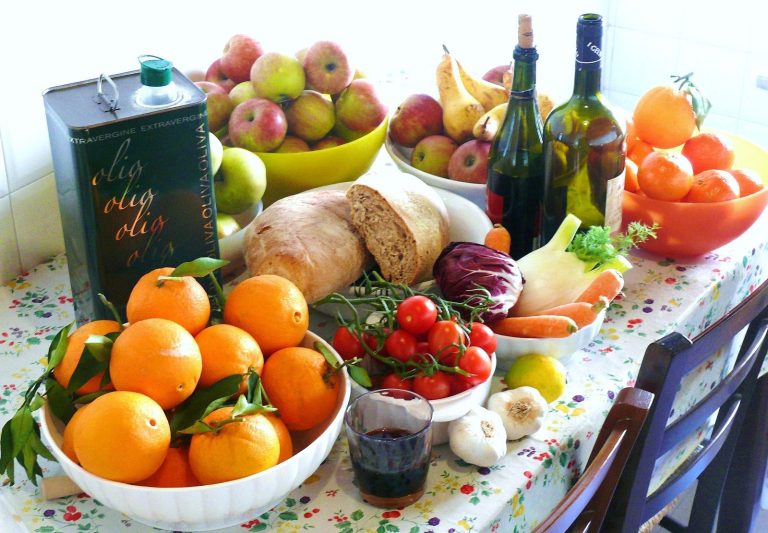
- – Most fresh vegetables—leafy greens, peppers, broccoli, green beans, tomatoes, cucumbers.
- – Some fresh fruits—choose whole fruit rather than juice or milkshakes.
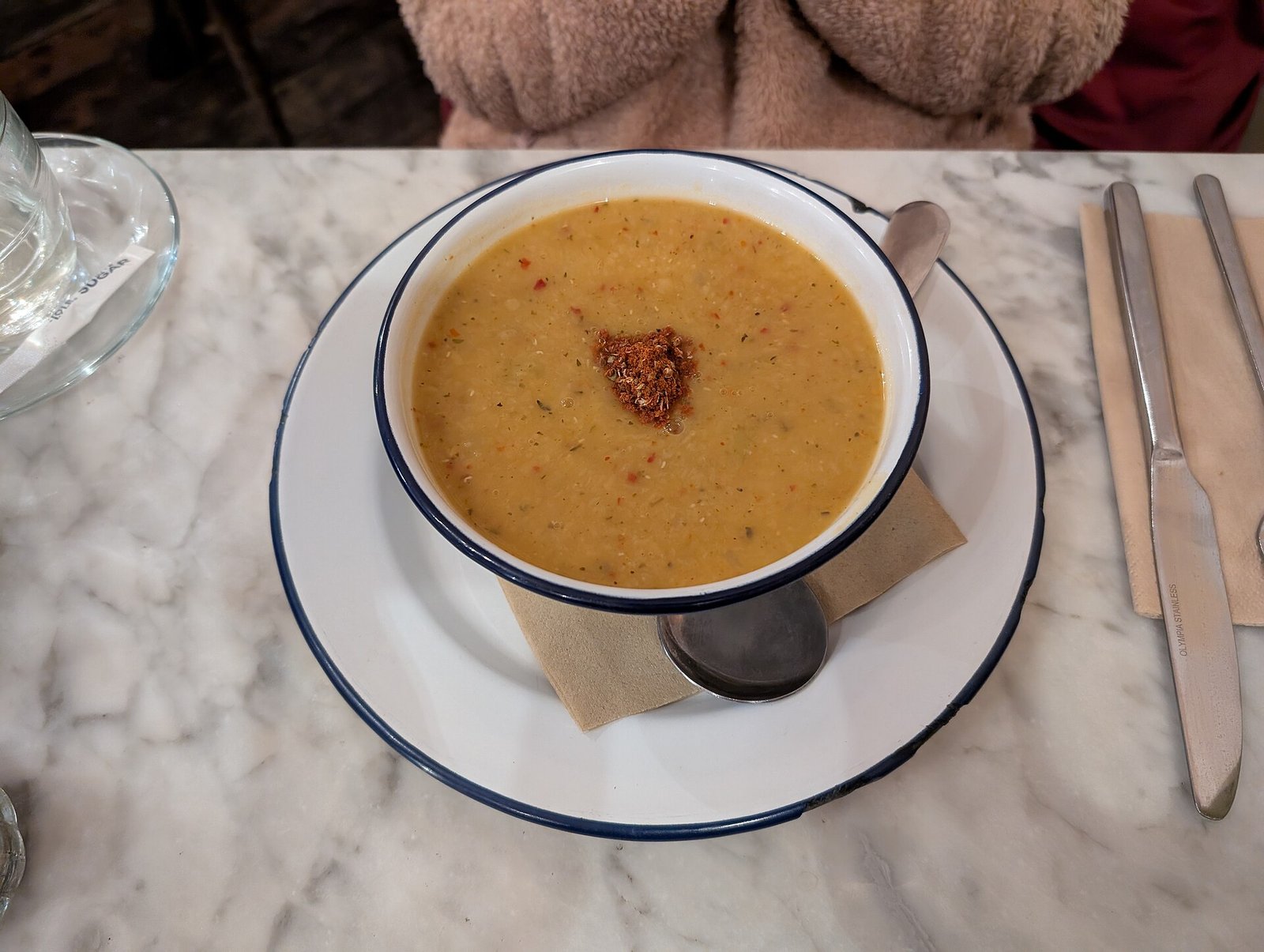
- – Beans and lentils—lentil soup, chickpea salads, black-bean bowls.
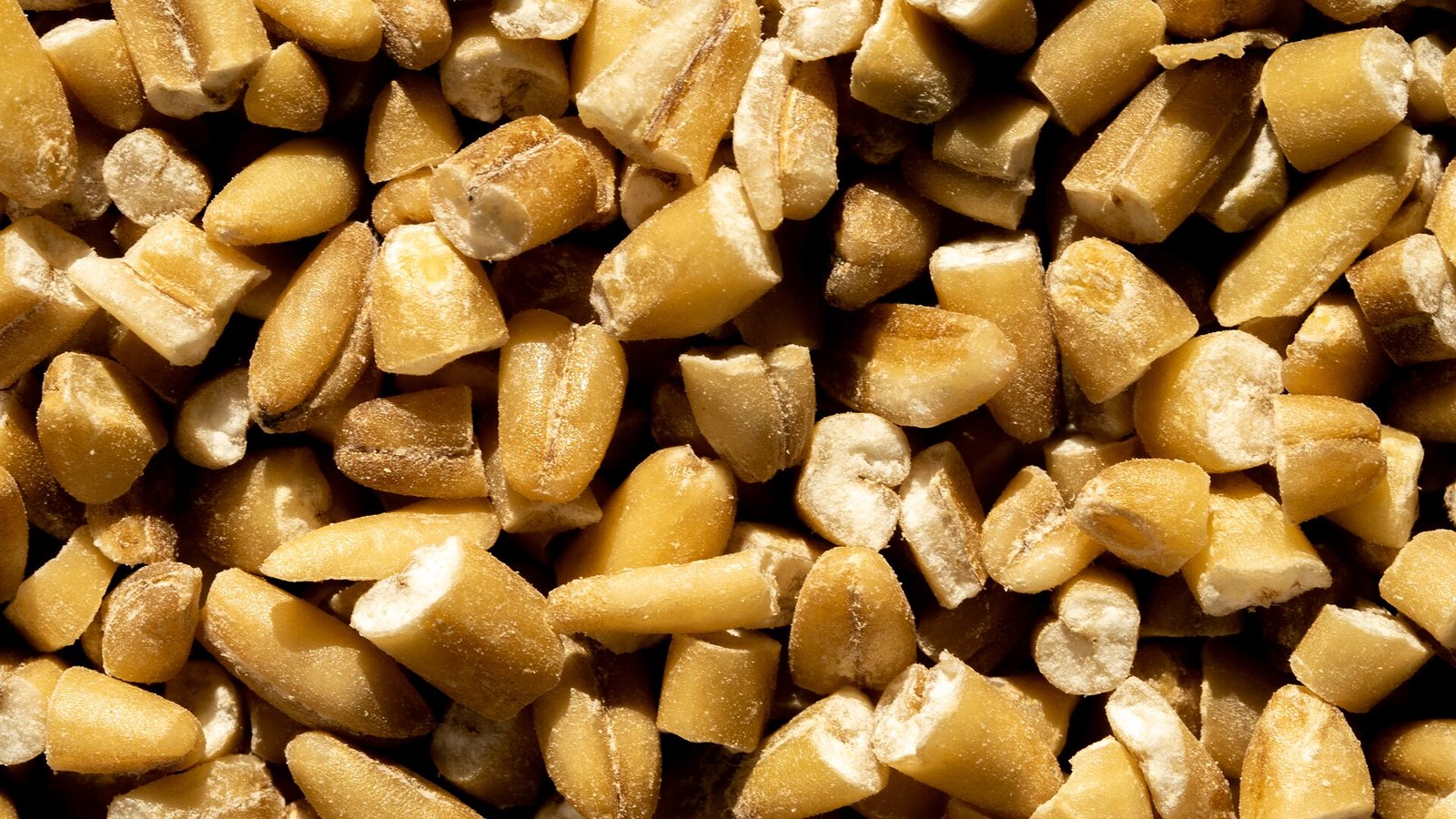
- – Steel-cut oats—a slower-digesting swap for corn flakes or puffed rice.
Smart dairy swaps if milk seems to bother you
Because AAD found no studies linking yogurt or cheese to breakouts, people who suspect milk is a trigger can often keep yogurt and cheese while cutting back on glasses of cow’s milk. If you drop milk, keep an eye on calcium by using yogurt, cheese, calcium-set tofu, or a fortified plant drink.
Balanced plates that slow blood-sugar spikes
Pair carbohydrates with protein and fiber: eggs with whole-grain toast, beans with brown rice, chicken with a big vegetable side. This mirrors AAD’s explanation that blood-sugar spikes may increase inflammation and sebum.
Foods and drinks to limit with acne
AAD lists these as high-glycemic examples many people eat often:
- – White bread, white rice, and white potatoes or fries.
- – Corn flakes and puffed rice cereals.
- – Potato chips.
- – Doughnuts and other pastries.
- – Sugary drinks, including milkshakes.
For some people, AAD research summaries also suggest limiting cow’s milk (all fat levels) to see whether skin changes. “Limit” means cut back and observe, not eliminate entire food groups forever.
Practical kitchen protocol: an acne diet experiment
1. Ask the dermatologist’s two questions
AAD suggests asking yourself: Does any food or drink seem to trigger a breakout or worsen existing acne? And if so, what happens when you skip it for a day, a week, or a month? Turn that into a simple log: meals, drinks, stress, sleep, menstrual cycle (if relevant), new skincare products, and breakouts.
2. Change one variable at a time
Pick either the glycemic swap or the milk reduction first, and keep it up for at least a month before judging. Changing everything at once makes it impossible to know what mattered.
3. Glycemic swap list
- – Corn flakes or puffed rice → steel-cut oats or plain oats with fruit.
- – White bread → whole-grain or seeded bread.
- – Fries or chips → roasted vegetables, a bean salad, or a small portion of new potatoes with skins.
- – White rice → brown rice, lentils, or a half-and-half mix.
- – Soda, sweet tea, or milkshakes → water, sparkling water, or unsweetened tea.
- – Pastries → fruit with yogurt, or a handful of nuts.
4. Milk experiment
If you drink two or more glasses of milk a day, try replacing most of it with water and getting calcium from yogurt, cheese, or a fortified plant drink for four to eight weeks. Watch your log for any change.
5. Shopping list default
Steel-cut or rolled oats, whole-grain bread, brown rice, dried or canned lentils and chickpeas, frozen vegetables, salad greens, peppers, broccoli, apples and berries, eggs, chicken, fish, tofu, plain yogurt, cheese, and unsweetened fortified soy drink.
6. Sample day (illustrative)
- – Breakfast: steel-cut oats with berries and a spoon of plain yogurt.
- – Lunch: lentil soup with a side salad and whole-grain bread.
- – Snack: apple slices with peanut butter.
- – Dinner: grilled chicken or tofu, a big plate of steamed vegetables, and brown rice.
- – Drinks: water or unsweetened tea through the day.
7. Teen and school-day tips
Pack a bean or chicken wrap on whole-grain bread instead of a pastry, keep a water bottle in the bag, and choose fruit over a milkshake at the snack bar. Keep skin habits simple: NHS advice is to wash twice a day with a gentle cleanser, use non-comedogenic products, avoid scrubbing, and not pick or squeeze spots.
Safety, interactions, and when to see a doctor

- – See a GP (NHS) if self-care isn’t working, if you have many spots or deep, painful spots that may scar, if there are signs of skin infection, or if acne is affecting your mental health.
- – Isotretinoin: MedlinePlus lists vitamin A supplements among products that may interact with isotretinoin—do not start them while on this medicine without discussing it with your prescriber. It also asks you to tell your doctor if you drink or have drunk large amounts of alcohol.
- – Zinc supplements: the NHS notes pharmacists may suggest zinc. ODS sets the adult upper limit at 40 mg/day from all sources and warns zinc can reduce absorption of tetracycline-family antibiotics (doxycycline and lymecycline, used for acne, belong to this group); ODS advises taking the antibiotic at least 2 hours before or 4–6 hours after zinc.
- – Extreme diets: cutting out whole food groups can leave gaps in calcium, protein, or iron, especially for growing teens. A registered dietitian can help.
- – Hormonal signs: acne with irregular periods or excess hair growth deserves a medical check (NIAMS links acne to androgen increases).
FAQ
Does chocolate cause acne? The public sources reviewed here do not single out chocolate. AAD’s evidence focuses on high-glycemic foods and cow’s milk, so sugary chocolate bars fit under the high-glycemic “limit” list rather than as a unique trigger.
Is dairy bad for acne? Some studies link cow’s milk—whole, low-fat, or skim—to acne, according to AAD. However, AAD says no studies have found that yogurt or cheese lead to more breakouts.
How long does it take for a diet change to affect acne? The low-glycemic trials AAD describes ran for 10 to 12 weeks, so give any change at least a couple of months and keep using your skincare routine.
What is the best diet for acne-prone skin? A low-glycemic pattern built on vegetables, beans, whole grains such as steel-cut oats, and whole fruits is the best-supported option in AAD’s summary, combined with gentle skincare and medicine when needed.
Can supplements help acne? The NHS notes pharmacists may suggest zinc, niacinamide, or vitamin A tablets. Check doses and interactions first—especially vitamin A with isotretinoin and zinc with tetracycline antibiotics.
How this differs from related OTCFood topics
This page is a disease-bound acne diet guide built around glycemic load and milk. Hormone-related acne can overlap with the insulin and weight topics in our PCOS diet guide, the low-glycemic plate logic is expanded in the type 2 diabetes plate guide, and for a different inflammatory skin condition see the eczema diet guide.
Medical disclaimer
Medical disclaimer: This article is for general information only and is not medical advice, diagnosis, or a care plan. Acne causes and severity vary, and some cases need prescription care. Talk with a GP, dermatologist, pharmacist, or registered dietitian before starting supplements or making major diet changes, especially for teens, during pregnancy, or while taking acne medicines.