Gastritis Diet: Foods That May Help and Foods to Limit
Medical note: This article discusses foods and researched botanicals. It does not claim to prevent, treat, or cure disease. Supplements are not a substitute for food, and studied amounts are not personal prescriptions.
People searching “gastritis diet foods that help or worsen” usually want gentler plates while the stomach lining is inflamed—not a claim that food cures gastritis, erases H. pylori, or replaces acid-reducing medicines or antibiotic regimens when those are prescribed. MedlinePlus defines gastritis as inflammation or swelling of the stomach lining that may be short-lived (acute) or last months to years (chronic). NIDDK’s gastritis and gastropathy pages explain that eating, diet, and nutrition do not play an important role in causing most cases, though alcohol in large amounts, food allergies, and—rarely—iron supplements may play a role in some people. Mayo Clinic notes gastritis is often linked to Helicobacter pylori infection, regular NSAID pain relievers, or drinking too much alcohol, and that for most people it improves with treatment. Kitchen changes may help comfort; they do not replace testing and treatment of the cause.
What this gastritis diet guide covers (and what it does not)
This guide is for adults with clinician-recognized gastritis or gastropathy who want practical meal pacing and trigger awareness. Anchors: MedlinePlus — Gastritis, NIDDK — Gastritis & Gastropathy (and its Eating, Diet, & Nutrition page), and Mayo Clinic — Gastritis.
MedlinePlus common causes include H. pylori, NSAIDs such as aspirin, ibuprofen, or naproxen, and heavy alcohol drinking; less common causes include autoimmune disorders (such as pernicious anemia), bile reflux, and other infections. Mayo Clinic lists symptoms that may include a gnawing or burning upper-belly ache, nausea, vomiting, and fullness after eating—though gastritis does not always cause symptoms. Related reading: GERD acid reflux diet guide, peptic ulcer diet guide, silent reflux LPR diet guide, and pernicious anemia diet guide.
Evidence snapshot: gastritis diet claims vs public sources
| Claim people hope for | What public sources actually say | Confidence |
|---|---|---|
| “One gastritis diet cures every case” | NIDDK: diet is not an important cause of most gastritis/gastropathy; treatment targets the cause (H. pylori, NSAIDs, alcohol, autoimmune disease, etc.) | Strong against food-as-cure |
| “You must stay on a lifelong bland diet” | Public pages emphasize treating causes; temporary gentler eating for comfort is practical, not a universal lifelong mandate | Moderate that comfort diets are individual |
| “Alcohol is fine if you only drink on weekends” | MedlinePlus lists heavy alcohol drinking as a common cause; Mayo Clinic: excessive alcohol can irritate and break down the stomach lining | Strong that heavy alcohol worsens risk |
| “NSAIDs never affect the stomach if taken with food” | Mayo Clinic: regular NSAID use can cause acute or chronic gastritis; MedlinePlus lists these medicines among common causes | Strong caution |
| “Gastritis never affects nutrition” | NIDDK: H. pylori gastritis can impair iron absorption; autoimmune gastritis can impair iron and vitamin B12 absorption | Strong that some types affect nutrients |
Foods and patterns that may help with gastritis comfort
“May help” means easier digestion while medical therapy addresses the cause—not a guarantee of zero pain.
Gentle defaults many people use while symptoms are active
- – Smaller, more frequent meals instead of one very large heavy plate
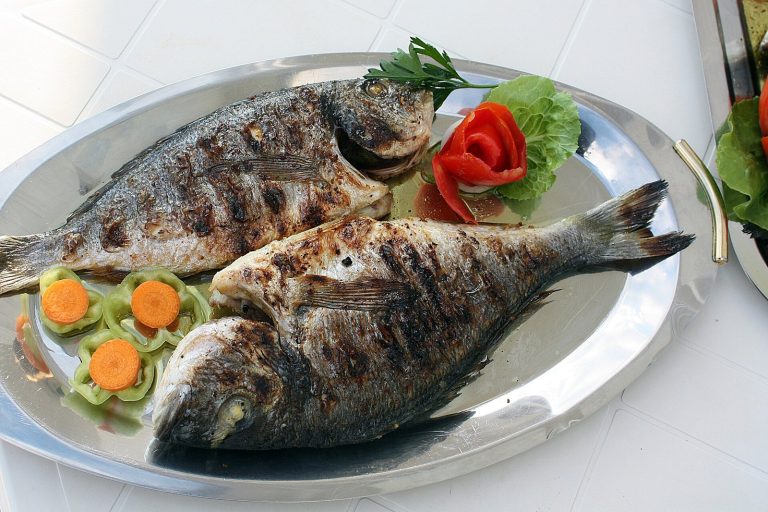
- – Soft, lower-fat proteins such as eggs, tender fish, or skinless poultry if tolerated
- – Cooked vegetables and ripe bananas or other mild fruits you personally tolerate
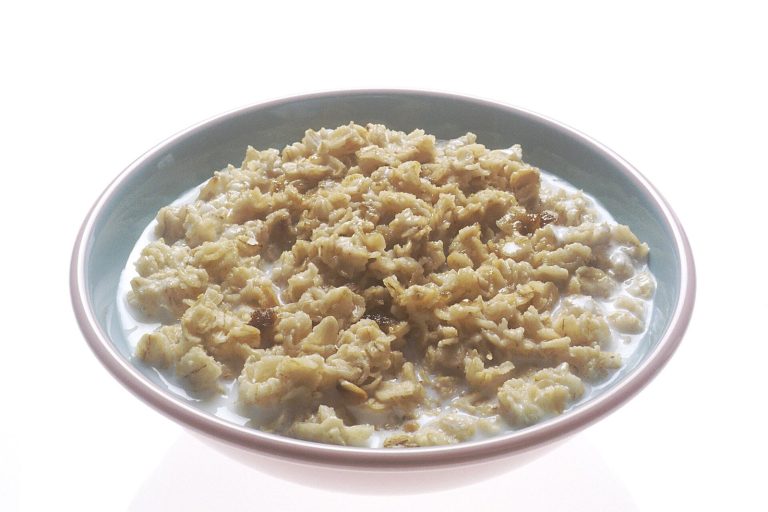
- – Oatmeal, rice, or toast-style starches if they sit well
- – Steady non-alcoholic fluids unless your clinician gave other instructions
Nutrition repair when absorption is affected
- – If H. pylori gastritis led to iron-deficiency anemia, NIDDK notes treating the infection and taking iron supplements can improve anemia—coordinate with your clinician; kitchen iron habits alone are not enough (see also pernicious anemia diet guide for B12-overlap patterns).
- – If autoimmune gastritis affects B12 or iron, NIDDK discusses clinician-directed iron, folic acid, and vitamin B12 (including injections for pernicious anemia)—do not self-inject or megadose.
Pattern that supports healing conversations
Keep a short food-and-symptom log for a week: meal size, alcohol, coffee, spicy foods, NSAID doses, and pain timing. Bring it to your appointment rather than assuming one “gastritis superfood.”
Foods and habits that often worsen gastritis symptoms
- – Heavy alcohol intake—MedlinePlus and Mayo Clinic both flag alcohol as a major irritant and cause pathway.
- – Regular NSAID pain relievers (ibuprofen, naproxen, aspirin patterns as advised against by your clinician)—ask about alternatives; do not stop prescribed heart aspirin without medical advice.
- – Very large, high-fat, fried meals when fullness and upper pain flare after eating (symptom-guided limit, not a universal law).
- – Personal triggers such as coffee, spicy foods, citrus, or tomato products if they clearly worsen your ache—test rather than permanently ban every item on someone else’s list.
- – Smoking, which Mayo Clinic links with lifestyle factors that may influence who develops problems with H. pylori.
- – Ignoring red flags—Mayo Clinic: seek care urgently for severe pain, vomiting you cannot keep down, lightheadedness, vomiting blood, or black stools.
- – Rare iron-supplement irritation—NIDDK notes iron supplements may rarely cause gastritis; report new pain after starting iron.
“Limit” means reducing irritants and meal size while causes are treated—not a permanent fear of every flavorful food.
Practical kitchen protocol: a gastritis-aware week
1. Treat the cause in parallel
Ask whether you need H. pylori testing, NSAID changes, alcohol counseling, or evaluation for autoimmune gastritis. Diet supports comfort; it does not replace those steps.
2. Shopping list for gentler plates
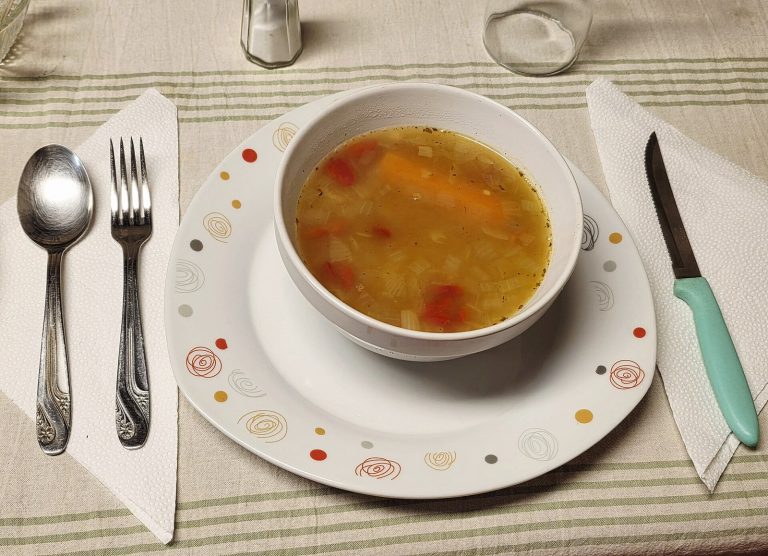
Oats, rice, bananas, eggs, yogurt if tolerated, tender fish or chicken, cooked carrots or green beans, potatoes, broth-based soups, herbal caffeine-free tea if it sits well, and olive oil in small amounts for cooking.
3. Default plate template during flares
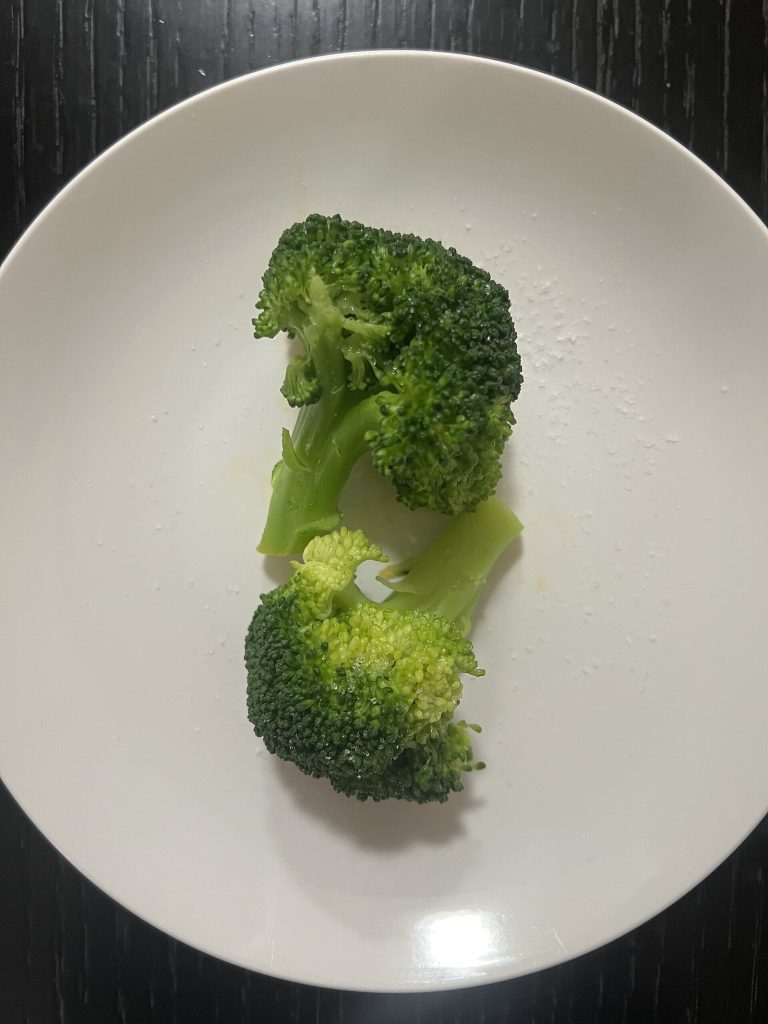
- – Half soft cooked vegetables or starch you tolerate
- – Quarter gentle protein
- – Quarter easy carbohydrate
- – Skip alcohol; move coffee earlier or pause if it burns
- – Stop eating before painful fullness
4. Sample day (illustrative)
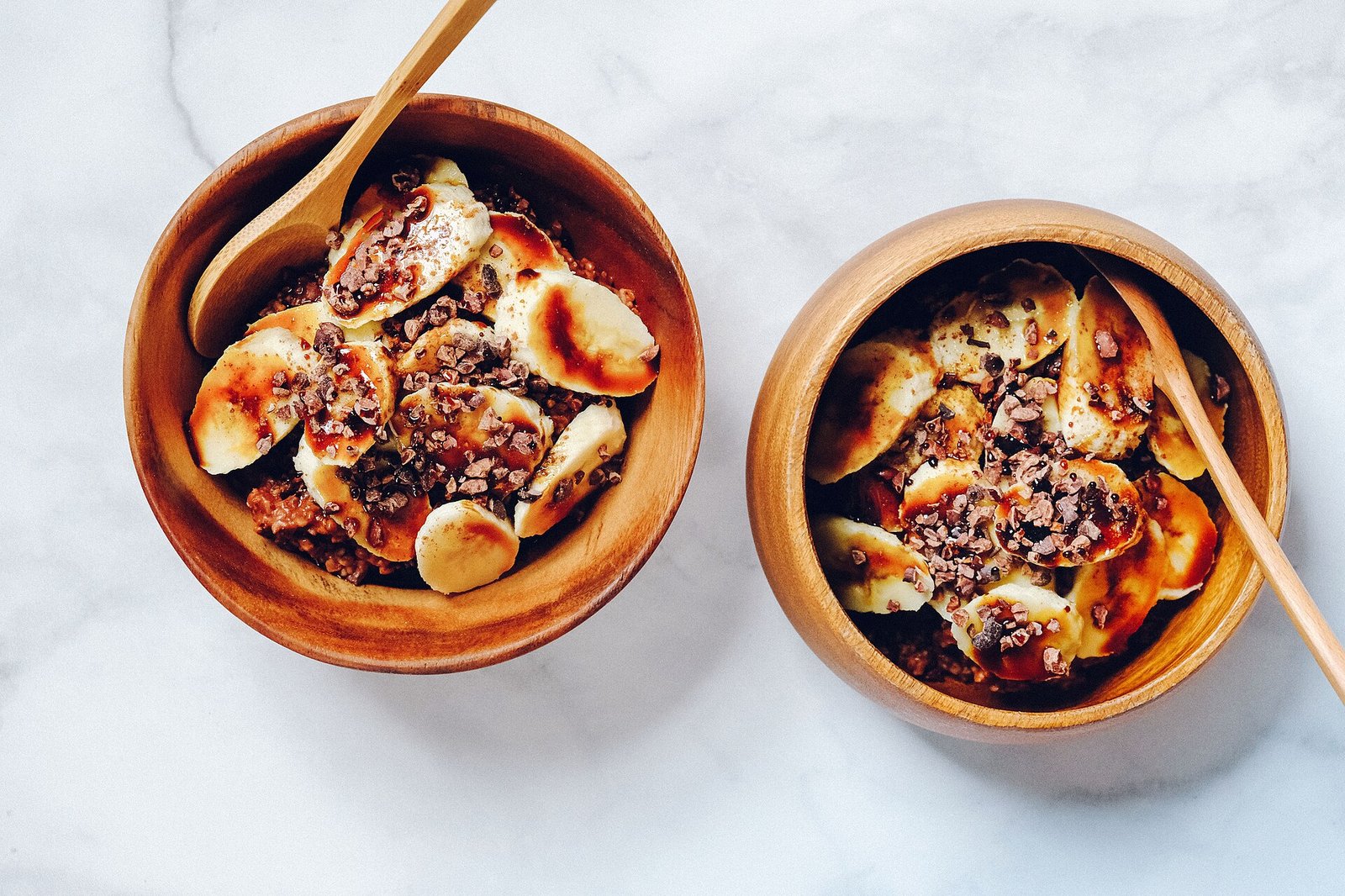
- – Breakfast: oatmeal with banana.
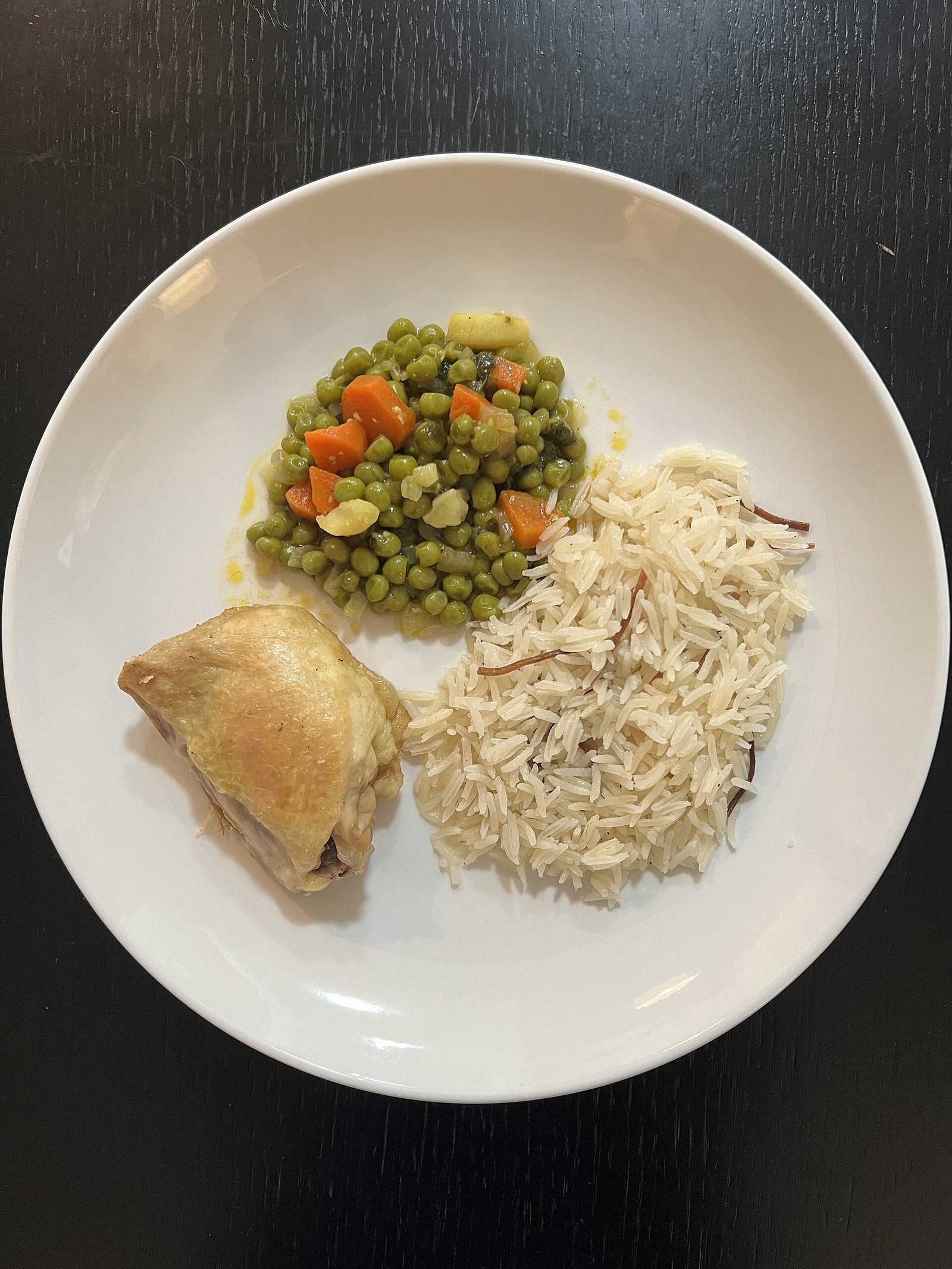
- – Lunch: baked potato with a small portion of chicken; cooked carrots.
- – Snack: yogurt or applesauce if tolerated.
- – Dinner: baked fish, rice, steamed zucchini.
- – Evening: no alcohol; note symptoms for your log.
5. If reflux overlaps
Gastritis and GERD can feel similar in the upper belly and chest. See GERD acid reflux diet guide and silent reflux LPR diet guide for reflux-specific patterns—still get the correct diagnosis.
6. After H. pylori treatment
Finish antibiotics and acid-reducing medicines exactly as prescribed. Gradually re-expand diet variety as pain settles; keep alcohol limited.
Safety, interactions, and who should ask a clinician first
- – Vomiting blood, black stools, severe persistent pain, dizziness, or inability to keep fluids down: urgent care (Mayo Clinic).
- – Long-term NSAID needs (arthritis, heart disease): ask about stomach protection strategies—never invent them from blogs.
- – Autoimmune disease, type 1 diabetes, or Hashimoto’s disease: Mayo Clinic notes higher autoimmune gastritis associations—ask about B12 monitoring.
- – Pregnancy, kidney disease, or complex medicine lists: review any new supplement, including iron, with a clinician.
- – Do not stop prescribed low-dose aspirin for heart disease without cardiology input even if your stomach is irritated—call the prescribing team.
FAQ
Will a bland diet cure gastritis? No. NIDDK says diet is not the main cause of most cases. Gentler eating may ease symptoms while medical treatment addresses infection, medicines, alcohol, or autoimmune disease.
Can I drink alcohol with gastritis? Heavy drinking is a listed cause and irritant. Many people need to avoid alcohol while healing; ask your clinician for personal limits.
Do I need to give up coffee forever? Only if it clearly worsens your symptoms. Public pages do not mandate a universal lifelong coffee ban for every gastritis case.
Why would my clinician check iron or B12? NIDDK: H. pylori gastritis can impair iron absorption; autoimmune gastritis can impair iron and B12 absorption, sometimes leading toward iron-deficiency or pernicious anemia.
Is gastritis the same as an ulcer? Related but not identical. Ulcers are sores in the lining; see peptic ulcer diet guide. Untreated gastritis can contribute to ulcer risk (Mayo Clinic).
When should I see a doctor? Mayo Clinic: symptoms lasting a week or longer, or any urgent bleeding/severe-pain signs above.
How this differs from related OTCFood topics
This page is a gastritis-bound diet guide focused on cause-aware comfort eating, alcohol/NSAID cautions, and nutrient issues tied to H. pylori or autoimmune gastritis. It is not an H. pylori antibiotic protocol, not a GERD-only page, and not a substitute for endoscopy when your clinician recommends one.
Medical disclaimer
Medical disclaimer: This article is for general information only. It is not medical advice, diagnosis, or a treatment plan. Gastritis care depends on the cause, bleeding risk, medicines, and your clinician’s judgment. Talk with a clinician or registered dietitian before starting, stopping, or changing any eating plan, supplement, or medicine. Seek urgent care for vomiting blood, black stools, severe abdominal pain, fainting, or persistent vomiting.