Gallstones Diet: Foods That May Help and Foods to Limit
Medical note: This article discusses foods and researched botanicals. It does not claim to prevent, treat, or cure disease. Supplements are not a substitute for food, and studied amounts are not personal prescriptions.
A gallstones diet centers on a few steady habits: more fiber, fewer refined carbohydrates and sugars, healthy fats in place of fried and dessert fats, and slow—not crash—weight loss. NIDDK (the NIH digestive diseases institute) says you can lower your risk of gallstones by following a healthy eating plan and getting regular physical activity to reach and keep a healthy weight. If you already have painful gallstones, the NHS notes you may be advised to eat a low-fat diet and avoid foods that set off symptoms while you wait for care; for gallstones that cause repeated attacks, surgery to remove the gallbladder is the main medical option. Food choices support comfort and lower risk; they do not dissolve stones that are already there.
What this gallstones diet guide covers (and what it does not)
This guide is for adults with diagnosed gallstones (including “silent” stones found on a scan), people at higher risk, and anyone planning weight loss. Anchors: NIDDK — Eating, Diet, & Nutrition for Gallstones, NIDDK — Dieting & Gallstones, NIDDK — Symptoms & Causes, NHS — Gallstones, and MedlinePlus — Gallstones.
It is not a plan for acute gallbladder inflammation, pancreatitis, or jaundice—those need urgent medical care. NIDDK explains most gallstones are made mainly of cholesterol (in some countries about 75 percent) and the rest of bilirubin (pigment stones). MedlinePlus adds that cholesterol gallstones are not related to your blood cholesterol level, so a cholesterol test does not tell you your gallstone risk.
Evidence snapshot: gallstones diet claims vs public sources
| Claim people hope for | What public sources actually say | Confidence |
|---|---|---|
| “Fiber matters for gallstones” | NIDDK: eat more high-fiber foods—fruits, vegetables, beans, peas, and whole grains such as brown rice, oats, and whole wheat bread | Moderate as part of an overall pattern |
| “All fat is bad for the gallbladder” | NIDDK: eat healthy fats such as fish oil and olive oil to help the gallbladder contract and empty regularly; avoid unhealthy fats often found in desserts and fried foods | Moderate |
| “Sugar is irrelevant” | NIDDK: eat fewer refined carbohydrates and less sugar | Moderate |
| “Fast weight loss is safest” | NIDDK: losing weight very quickly, very low-calorie diets, weight cycling, and weight-loss surgery can raise gallstone risk; aim for 5–10 percent of starting weight over 6 months | Strong |
| “Big meals are fine” | NIDDK: gallbladder attacks often follow heavy meals and usually occur in the evening or at night | Moderate (symptom pattern) |
| “A cleanse or flush removes stones” | No source reviewed supports gallbladder “flushes”; the NHS lists surgery and ERCP as the main approaches for symptomatic stones | Insufficient for flushes |
Foods that may help with gallstones
“May help” here means an everyday pattern linked with lower risk and fewer heavy, high-fat meals—not a stone-dissolving protocol.
High-fiber foods (NIDDK)
- – Vegetables and fruits at most meals.
- – Beans, peas, and lentils—in soups, salads, and stews.
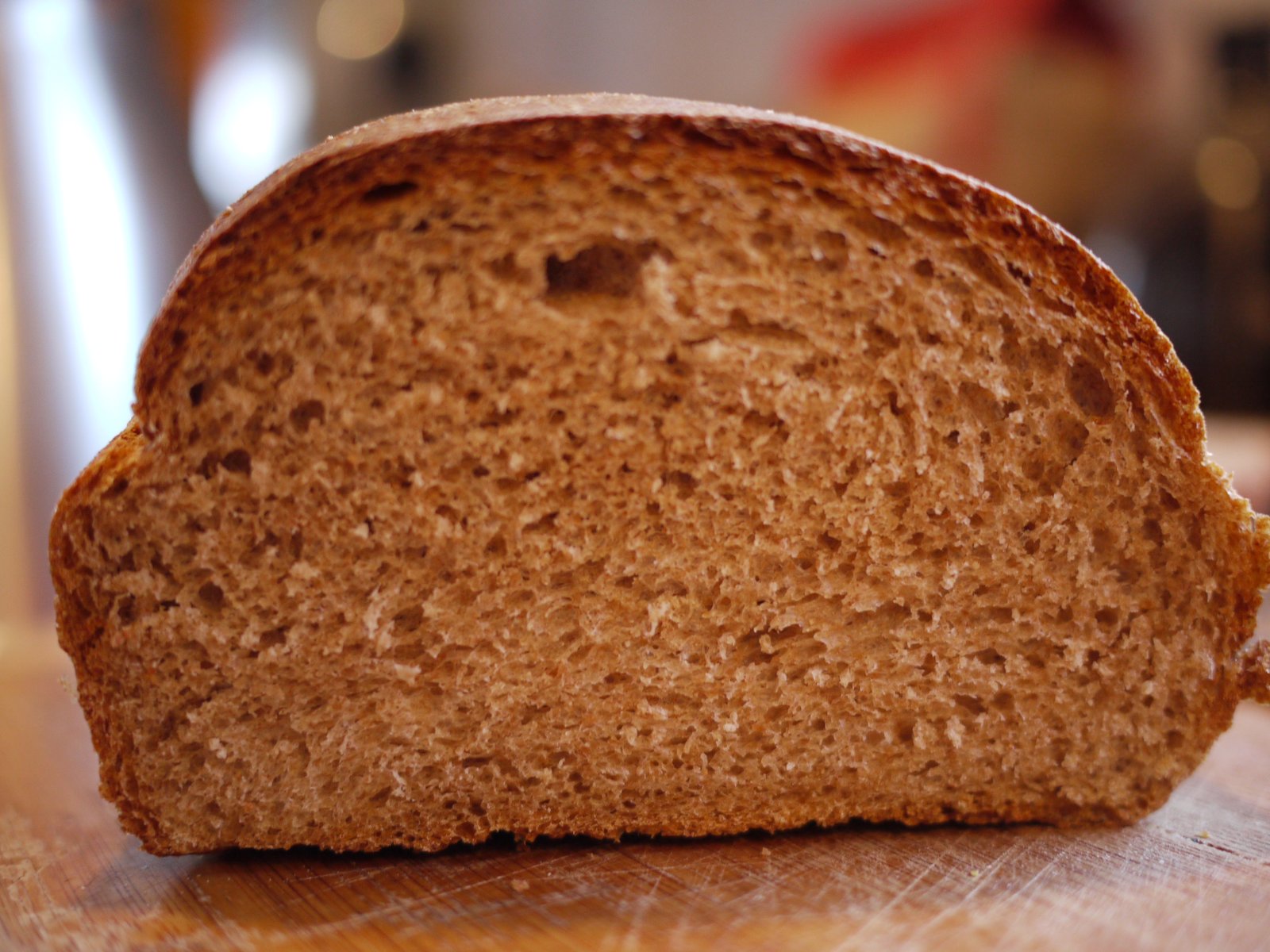
- – Whole grains: brown rice, oats, whole wheat bread, and other intact grains in place of refined white versions.
Healthy fats in moderate amounts (NIDDK)
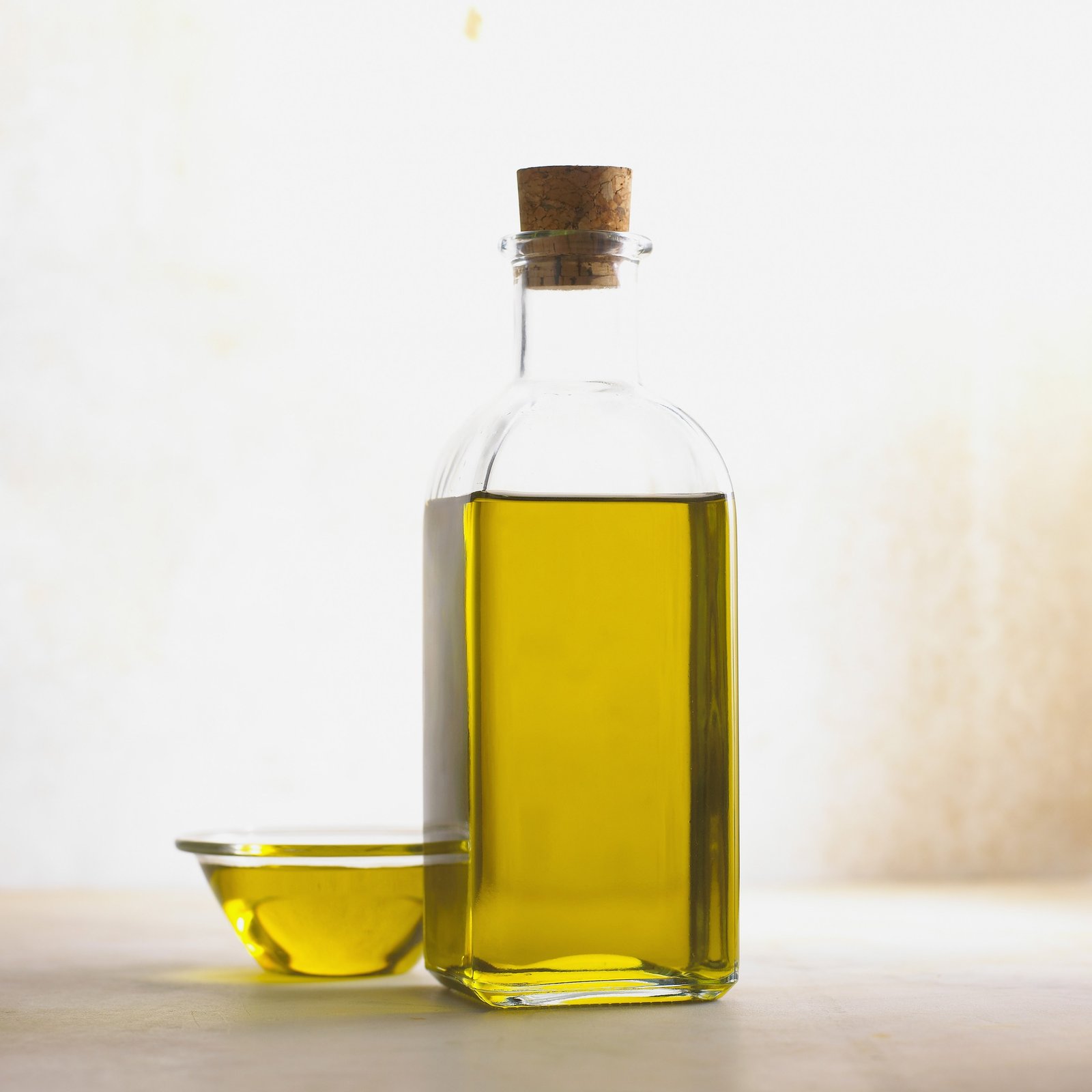
- – Olive oil for cooking and dressings.
- – Fish oil from fatty fish—salmon, sardines, mackerel—as a regular protein choice.
- – NIDDK’s reasoning: some healthy fat helps the gallbladder contract and empty on a regular basis, which is one reason very low-fat crash diets are not ideal for prevention.
Lean proteins and regular meals
Skinless poultry, fish, eggs, tofu, and beans keep meals satisfying without large amounts of saturated or fried fat. Regular meals matter too: NIDDK says that when you go a long time without eating or lose weight quickly, the liver releases extra cholesterol into bile.
Foods to limit with gallstones
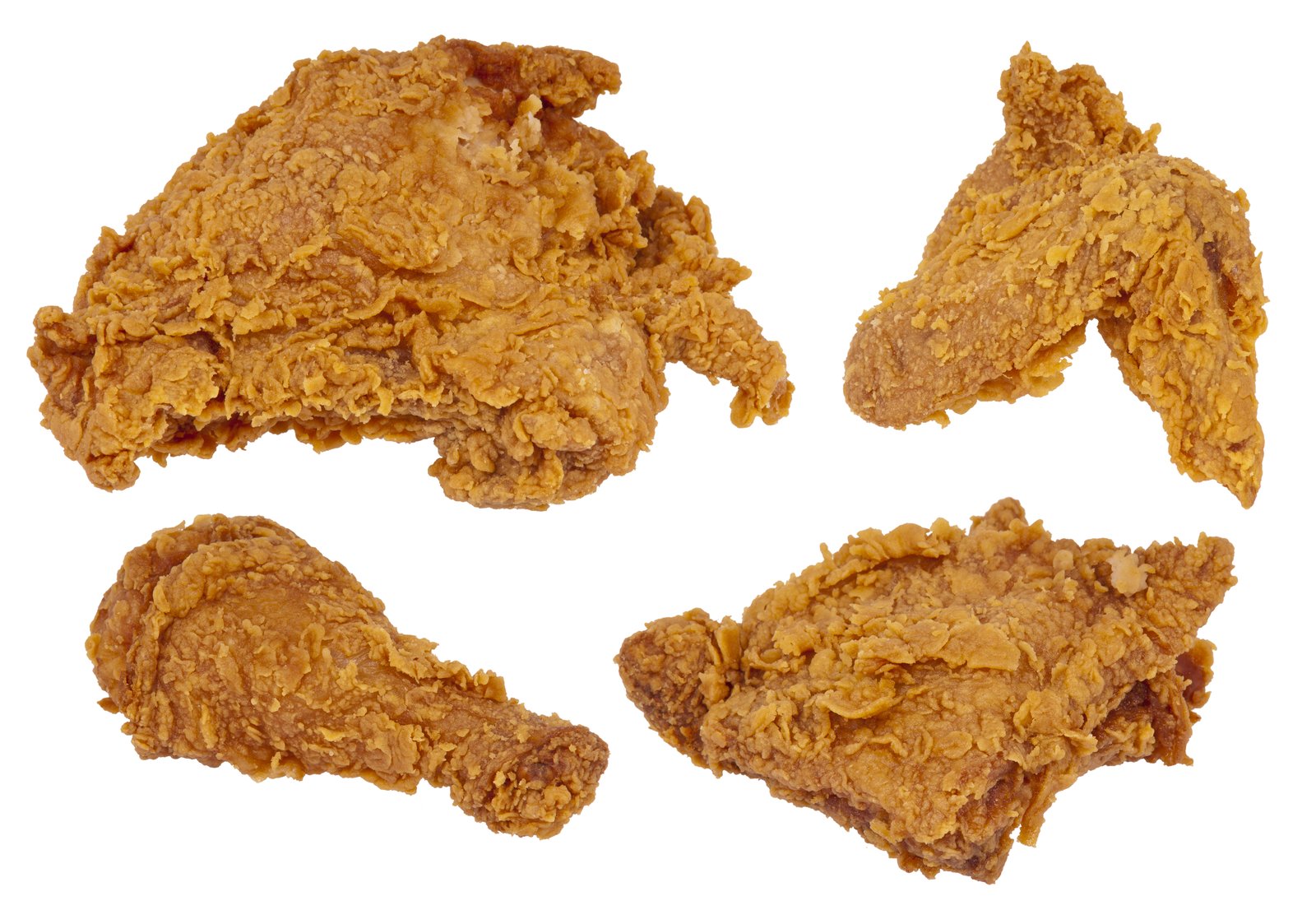
- – Fried foods and high-fat desserts—the “unhealthy fats” NIDDK names specifically.
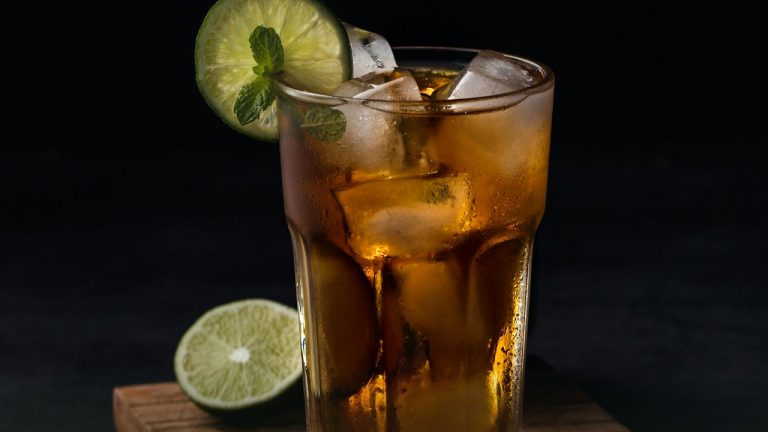
- – Refined carbohydrates and added sugars: white bread, pastries, sweets, sugary drinks.
- – Very large, heavy meals, especially late in the day, since NIDDK notes attacks often follow heavy meals in the evening or night.
- – Fatty meals while awaiting surgery: the NHS says you may be advised to eat a low-fat diet and to avoid foods that cause your symptoms.
- – A high-fat, low-fiber overall pattern, which the NHS lists as a gallstone risk factor.
“Limit” means smaller portions and less often; your doctor or dietitian can set stricter targets if you are having attacks.
Practical plate plan: a gallstones diet week
1. Swap the base of each meal
- – White bread → whole wheat bread.
- – White rice → brown rice, or half-and-half while you adjust.
- – Sugary cereal → oats with fruit.
- – Frying → baking, grilling, steaming, or a light sauté in olive oil.
2. Build a lower-fat, higher-fiber plate
- – Half: vegetables or salad with an olive-oil dressing.
- – A quarter: lean protein—fish, chicken, eggs, tofu, or beans.
- – A quarter: whole grains or starchy vegetables.
Keep portions moderate; spread food across three meals and, if needed, a small snack rather than one large evening meal.
3. Add beans and lentils three times a week
Lentil soup, bean chili, chickpea salad, or split-pea stew are easy, inexpensive fiber sources NIDDK lists by name. Increase slowly if beans cause gas.
4. If you need to lose weight, go slow
NIDDK recommends starting with a loss of 5 to 10 percent of your starting weight over 6 months, and avoiding crash diets and repeated loss-and-regain cycles. Aim for at least 150 minutes a week of moderate activity such as brisk walking, plus muscle-strengthening work 2 days a week. If you are starting a very low-calorie diet or weight-loss surgery, ask your doctor about ways to lower gallstone risk—NIDDK notes the medicine ursodiol can help prevent gallstones in people losing weight rapidly.
5. Shopping list default
Whole wheat bread, brown rice, rolled oats, canned beans and lentils, split peas, frozen mixed vegetables, salad greens, seasonal fruit, olive oil, canned salmon or sardines, skinless chicken, eggs, tofu, plain low-fat yogurt.
6. Sample day (illustrative)
- – Breakfast: oatmeal with berries and a spoon of plain yogurt.
- – Lunch: lentil and vegetable soup with a slice of whole wheat bread.
- – Snack: an apple or pear.
- – Dinner: baked salmon, brown rice, and steamed vegetables with a drizzle of olive oil—served earlier in the evening.
7. Eating out
Choose grilled, steamed, or baked dishes; ask for dressings on the side; skip deep-fried starters; and share or box half of a large portion. Fruit is an easy swap for a rich dessert.
Safety and who should talk to a doctor first
- – Seek care right away (NIDDK) for abdominal pain lasting several hours, nausea and vomiting, fever or chills, yellow skin or eyes (jaundice), or tea-colored urine and light-colored stools—these may signal infection or inflammation of the gallbladder, liver, or pancreas.
- – NHS emergency signs: sudden severe tummy pain, pain spreading to the back with vomiting, a very high temperature or shivering, or yellowing of the skin or eyes—call 999 or go to A&E.
- – Silent gallstones usually need no medical action (NIDDK), but tell your doctor before starting any weight-loss plan.
- – Higher-risk groups listed by MedlinePlus and the NHS—women, people over 40, people with obesity, diabetes, or Crohn’s disease, pregnancy, birth control pills, and rapid weight loss—should discuss diet changes with a clinician.
- – After gallbladder removal, the NHS says to eat a normal, healthy diet; small meals may be easier for the first few days.
FAQ
What foods should I avoid with gallstones? Limit fried foods, high-fat desserts, refined carbohydrates, and added sugars, as NIDDK advises, and avoid large heavy meals. If you are waiting for surgery, your care team may recommend a low-fat diet.
Can diet dissolve gallstones? None of the public sources reviewed say food dissolves existing stones. Diet and slow weight management may help lower the risk of new stones and reduce heavy-meal triggers.
Is olive oil good for gallstones? NIDDK lists olive oil and fish oil as healthy fats that help the gallbladder contract and empty regularly. Use moderate amounts in place of butter or frying fat.
Does rapid weight loss cause gallstones? It can raise the risk. NIDDK explains fast weight loss makes the liver release extra cholesterol into bile and can prevent the gallbladder from emptying properly; slow loss of 5–10 percent over 6 months is the recommended start.
How this differs from related OTCFood topics
This gallstones diet guide focuses on fiber, fat quality, meal size, and weight-loss pace. Gallstones share risk factors with fatty liver and weight gain, covered in our fatty liver diet guide. Despite the cholesterol connection, our high cholesterol diet guide is about blood cholesterol, which MedlinePlus says is not linked to cholesterol stones. Upper-abdominal discomfort after meals can also be reflux—see our GERD diet guide.
Medical disclaimer
Medical disclaimer: This article is for general education only and is not medical advice or a personal care plan. Gallstones should be diagnosed and managed with a doctor. Talk with your clinician or a registered dietitian before major diet or weight-loss changes, and seek urgent care for severe or lasting abdominal pain, fever, or yellowing of the skin or eyes.