Chronic Diarrhea Diet: Foods That May Help and Foods to Limit
Medical note: This article discusses foods and researched botanicals. It does not claim to prevent, treat, or cure disease. Supplements are not a substitute for food, and studied amounts are not personal prescriptions.
People searching “chronic diarrhea diet foods that help or worsen” usually want steadier stools and fewer kitchen triggers—not a claim that food cures every long-running bowel problem. MedlinePlus defines diarrhea as loose, watery stools three or more times in one day. Acute diarrhea typically lasts a short time—often about one or two days—and then goes away on its own. Chronic diarrhea lasts at least four weeks and can be a symptom of a chronic disease; symptoms may be continual or they may come and go. Kitchen changes may help comfort and hydration. They do not diagnose the cause or replace prescribed medicines.
What this chronic diarrhea diet guide covers (and what it does not)
This guide is for adults with clinician-recognized chronic diarrhea who want practical eating and fluid information from public sources. Anchors: MedlinePlus — Diarrhea, NIDDK — Diarrhea, NIDDK’s Eating, Diet, & Nutrition page, and MedlinePlus Medical Encyclopedia — When you have diarrhea. See also NIDDK’s definition and facts, symptoms and causes, and treatment pages.
NIDDK distinguishes three time frames: acute diarrhea typically lasts less than a week and often resolves on its own; persistent diarrhea lasts longer than 2 weeks and less than 4 weeks; chronic diarrhea lasts at least 4 weeks. That is different from a short stomach bug caused by a virus such as norovirus or rotavirus. This page is not a single “cure diet.” Related reading: chronic constipation diet guide, food allergy diet guide, Crohn’s disease diet guide, ulcerative colitis diet guide, IBS diet guide, celiac disease diet guide, lactose intolerance diet guide, and C. difficile recovery diet guide.
Evidence snapshot: chronic diarrhea diet claims vs public sources
| Claim people hope for | What public sources actually say | Confidence |
|---|---|---|
| “One bland diet cures every case” | NIDDK: chronic diarrhea has many causes (infections, food allergies and intolerances, digestive-tract diseases, surgery, medicines). Diet may be adjusted, but care targets the cause | Strong against food-as-cure |
| “Stay on a lifelong banana-rice-only diet” | NIDDK: most experts do not recommend a restricted diet beyond listed irritants, or fasting, for acute diarrhea; you can usually return to a normal diet when appetite returns. Chronic diarrhea may need clinician-guided changes, not a lifelong “BRAT-only” rule | Strong against one permanent ultra-restricted menu |
| “Probiotics always fix diarrhea” | NIDDK: researchers are still studying probiotics; many professional societies do not believe the evidence supports using them to treat or prevent diarrhea | Strong caution |
| “Milk is always fine after a stomach bug” | NIDDK: some people recovering from acute diarrhea have trouble digesting lactose for up to a month or more | Moderate that lactose is a common, not universal, trigger |
| “Chronic diarrhea is only a food problem” | MedlinePlus and NIDDK also list infections, antibiotics and other medicines, Crohn’s disease, IBS, celiac disease, surgery, and C. difficile after antibiotics | Strong that food is one piece |
Foods and patterns that may help with chronic diarrhea comfort
“May help” means supporting hydration, easier meals, and trigger-finding—not a guarantee of formed stools.
Fluids and electrolytes come first
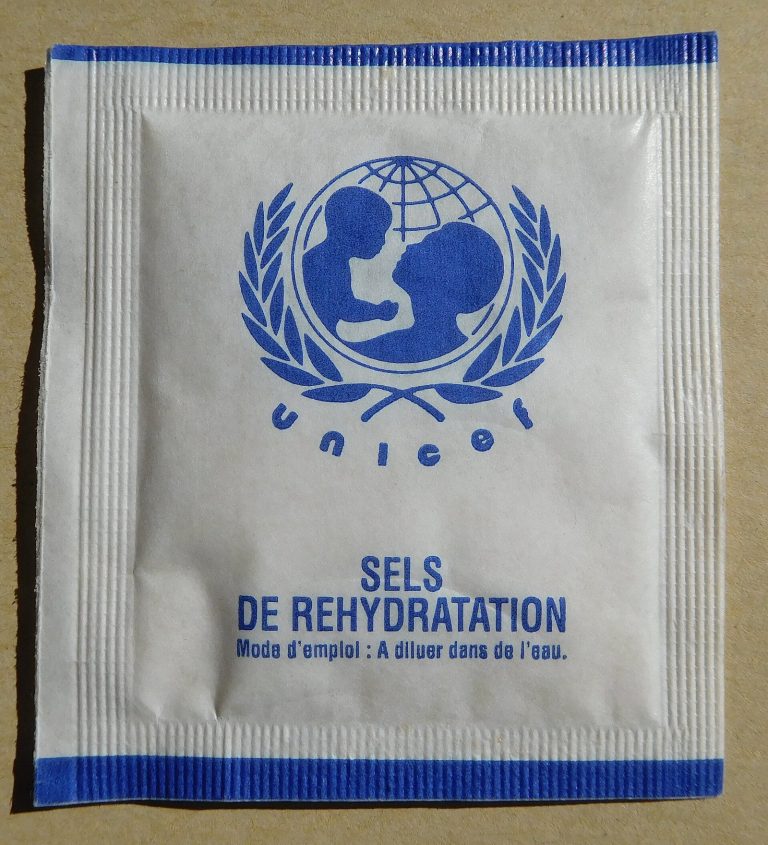
- – NIDDK: replace lost fluids and electrolytes with water and liquids that contain electrolytes, such as broths and sports drinks. Oral rehydration solutions are another option; older adults and people with a weak immune system, diabetes, or kidney disease should ask a doctor first.
- – MedlinePlus: adults can drink water, fruit juices, sports drinks, sodas without caffeine, and salty broths, then eat soft, bland food as symptoms improve.
- – MedlinePlus encyclopedia: drink 8 to 10 glasses of clear fluids a day (water is best) and at least 1 cup (240 milliliters) of liquid after each loose bowel movement.
Softer plates many people use while stools are loose
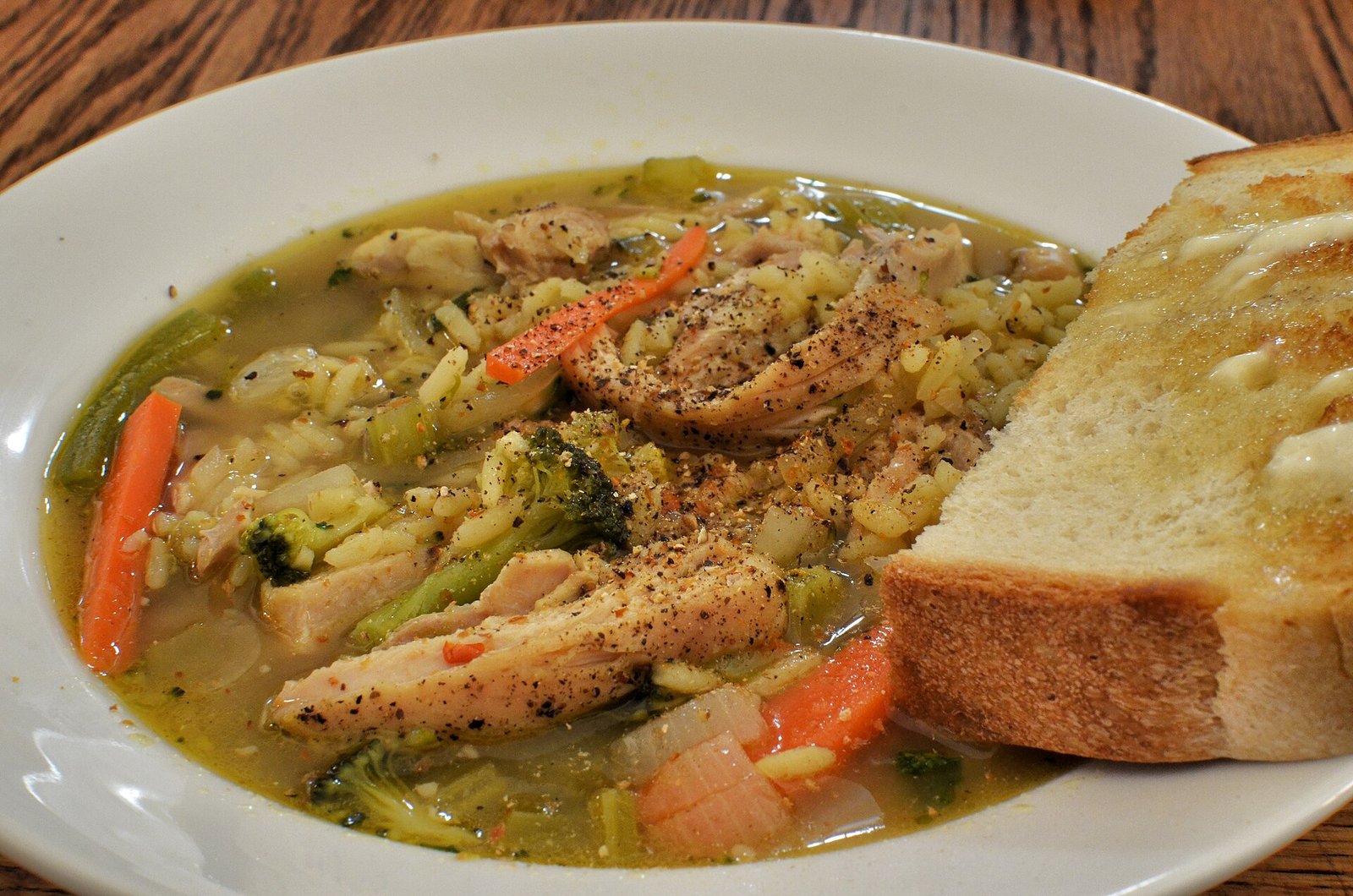
The MedlinePlus encyclopedia page lists cooked options that are often easier than large, greasy meals:
- – Baked or broiled chicken, fish, turkey, beef, or pork, plus cooked eggs
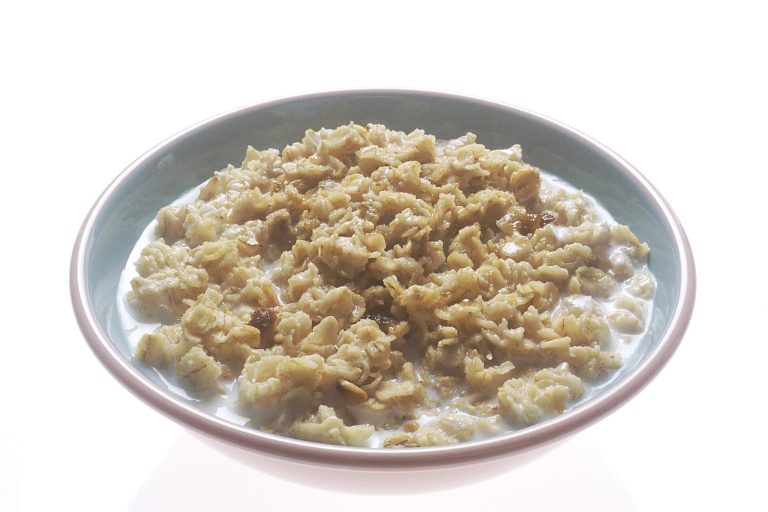
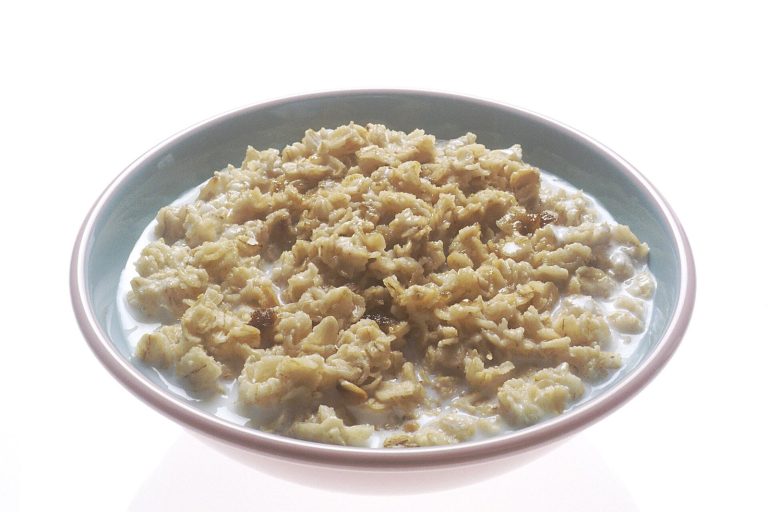
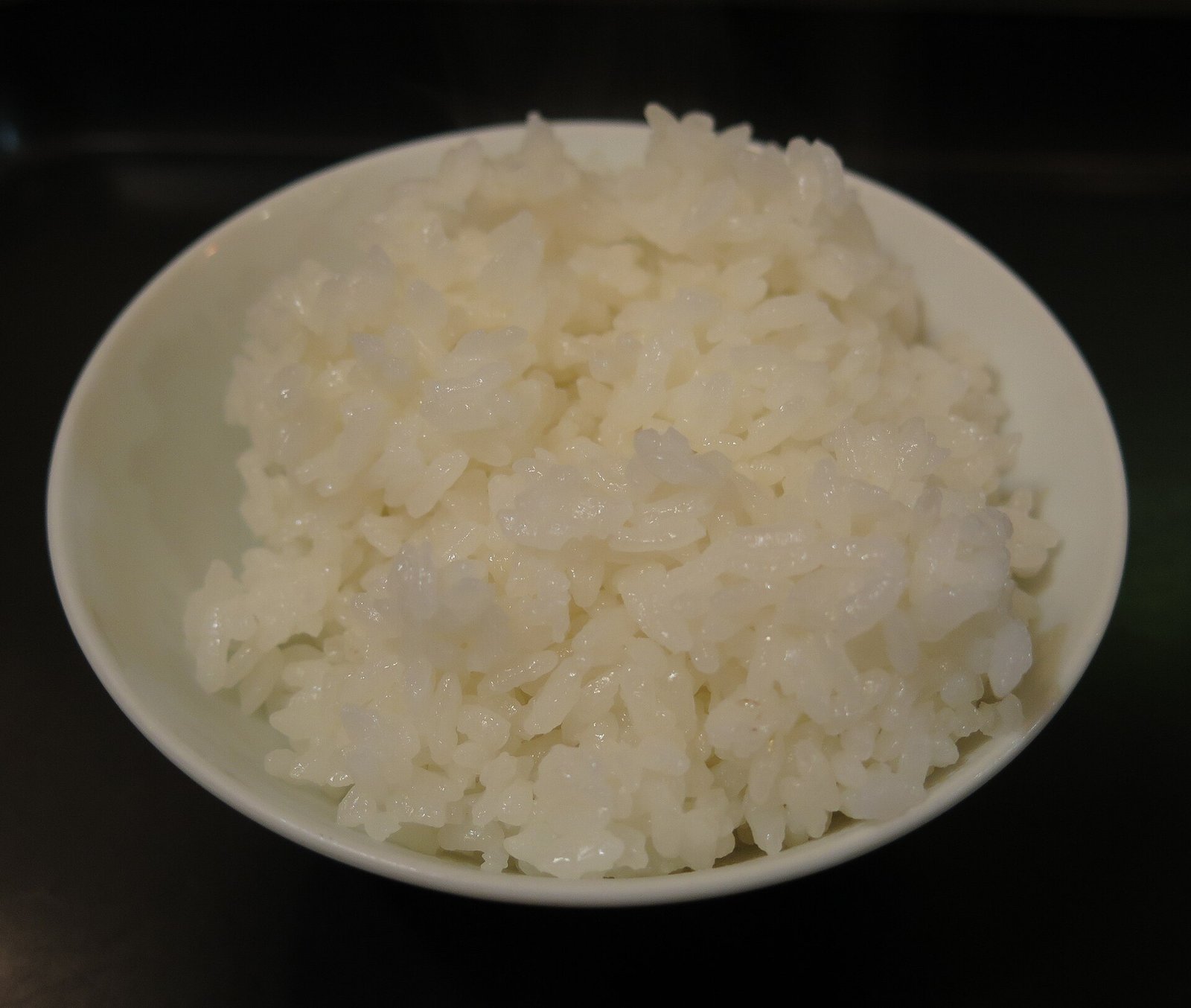
- – Refined white bread, pasta, white rice, and cereals such as cream of wheat, oatmeal, and cornflakes
- – Cooked carrots, green beans, mushrooms, beets, asparagus tips, acorn squash, and peeled zucchini; baked potatoes; seeds and skins generally removed
- – Salty foods such as pretzels, soup, and sports drinks
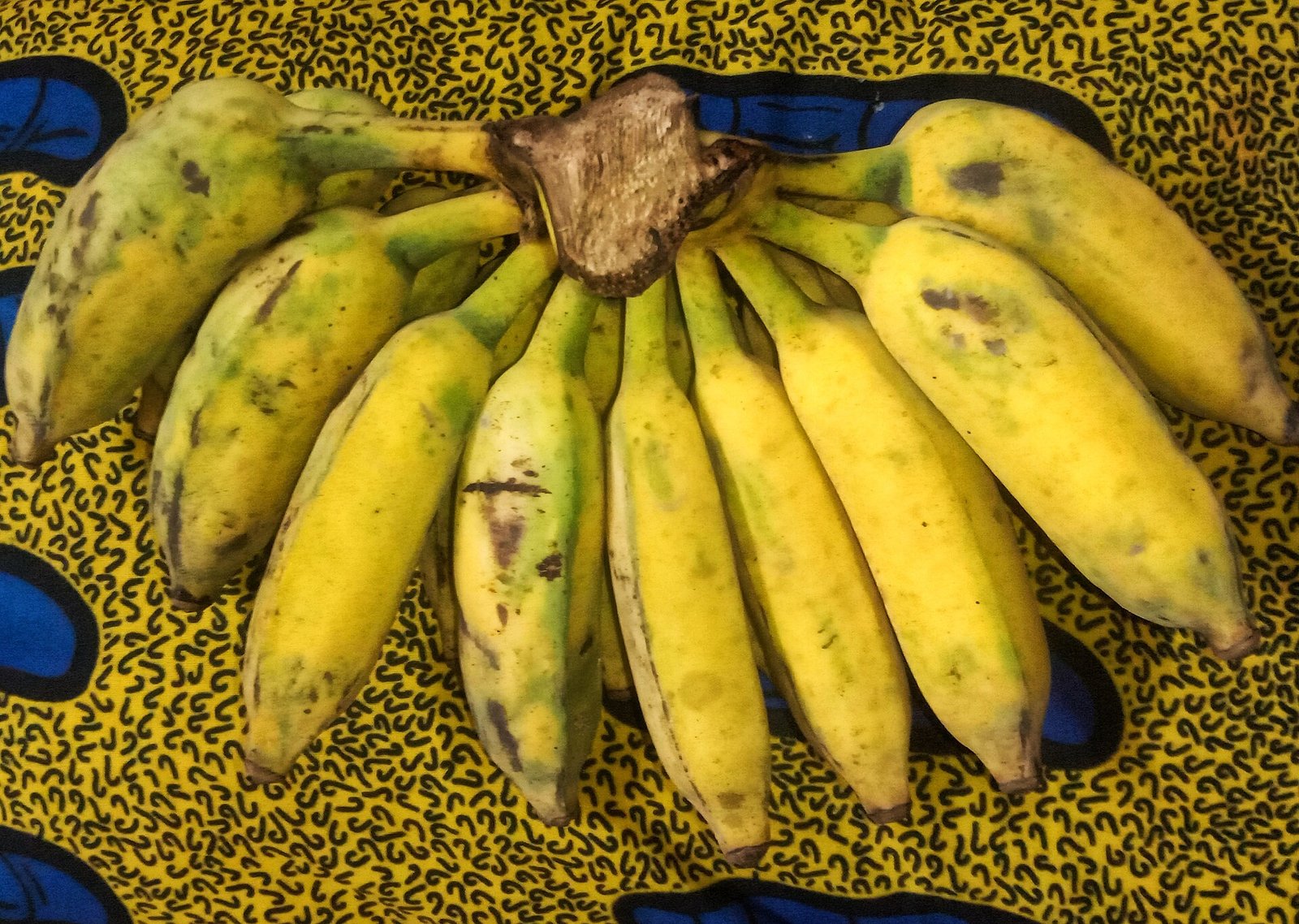
- – Higher-potassium foods such as bananas, potatoes, and fruit juices—unless a clinician has limited potassium because of significant chronic kidney disease
- – Smaller meals throughout the day instead of three very large ones
These are comfort defaults, not a reason to abandon every other food forever.
When chronic diarrhea needs a tailored plan
NIDDK’s nutrition page says that if you have acute diarrhea you may not feel like eating, and that in most cases you can return to your normal diet when appetite comes back. Children should keep their usual diet; infants should continue breast milk or formula. If you have chronic diarrhea, your doctor may recommend changing what you eat so symptoms improve while nutrition stays adequate. Chronic diarrhea can also cause malabsorption, so unintentional weight loss needs clinical review. NIDDK suggests a food journal: what you eat and drink, what symptoms you have, when they occur, and which items make symptoms worse. Related guides if those diagnoses are already being considered: food allergy diet guide, lactose intolerance diet guide, fructose malabsorption diet guide, and bile acid malabsorption diet guide.
Foods and habits that often worsen diarrhea
NIDDK’s eating page lists items to avoid when you have acute diarrhea because they can make diarrhea worse:
- – Alcoholic beverages
- – Drinks with caffeine, such as coffee, tea, and some soft drinks
- – Large amounts of simple sugars, such as fructose and lactose, often found in sweetened beverages, some fruit juices, candy, and packaged desserts
- – Sugar alcohols in sugarless gum and candies (NIDDK names sorbitol, mannitol, and xylitol)
- – High-fat foods, such as fried foods, pizza, and fast food
- – Milk and milk products that contain lactose, especially while recovering from acute diarrhea
The MedlinePlus encyclopedia page also flags fried foods, carbonated drinks, and gas-producing items such as broccoli, peppers, beans, peas, berries, prunes, chickpeas, leafy greens, and corn while stools are loose. If diarrhea is very severe, that page says you may need to stop dairy for a few days.
For chronic diarrhea, NIDDK says your doctor may suggest avoiding the foods or drinks that make your symptoms worse—not a one-size-fits-all ban. Cause-linked patterns include food allergies; trouble digesting lactose, fructose, or sucrose; celiac disease, Crohn’s disease, ulcerative colitis, SIBO, or pancreas problems; IBS; dumping syndrome after some surgeries; and C. difficile after antibiotics. Related guides: celiac disease diet guide, SIBO diet guide, microscopic colitis diet guide, dumping syndrome diet guide, and IBS diet guide.
“Limit” means reducing listed irritants and personal triggers while the cause is evaluated—not a permanent fear of every flavorful food.
Practical kitchen protocol: a diarrhea-aware week
1. Sort a short stomach bug from weeks-long diarrhea
A one- or two-day stomach bug is not the same as stools that last four weeks or more. MedlinePlus says diarrhea lasting more than a few days may signal a more serious problem, and NIDDK reports that research suggests up to 5% of people in the United States have chronic diarrhea. If loose stools have already lasted weeks, ask for a cause workup.
2. Hydrate and shop for gentler plates
Keep water, an oral rehydration solution if your clinician agrees, salty broth, or a suitable sports drink within reach. Shop for white rice, refined bread or oatmeal, bananas, potatoes, eggs, chicken or fish to bake or broil, broth, and lactose-free milk if lactose is a suspected trigger.
3. Default plate and sample day (illustrative)
A practical plate is a refined starch you tolerate, a modest portion of baked or broiled protein or cooked eggs, well-cooked peeled vegetables, and fluids.
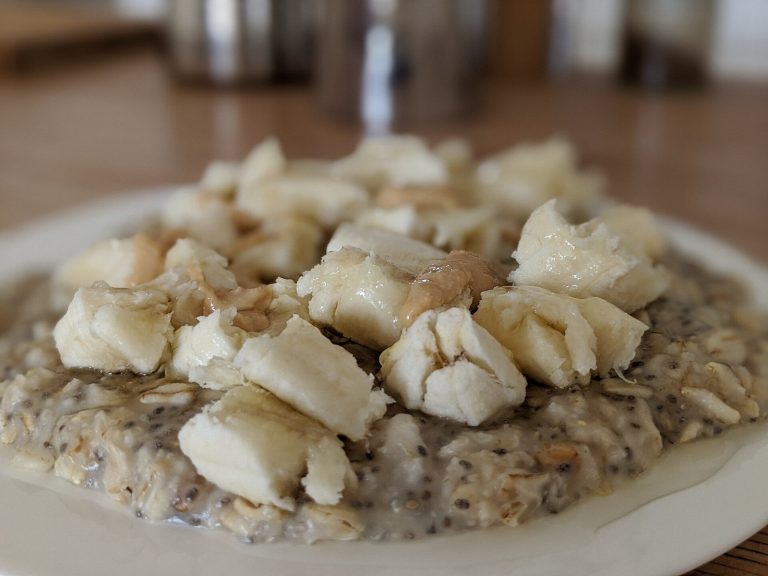
- – Breakfast: oatmeal or toast with a banana; water or an oral rehydration drink if advised
- – Lunch: baked chicken, white rice, and cooked carrots; broth on the side
- – Dinner: baked fish, rice or refined pasta, cooked green beans or peeled zucchini
- – Evening: no alcohol; note late caffeine, sugar-free gum, or greasy leftovers in your journal
4. Re-expand with a clinician, not by guesswork
NIDDK does not ask most people with short-lived diarrhea to stay on a highly restricted diet or to fast. After an acute episode, return toward your usual pattern as appetite comes back—watching lactose for up to a month if dairy suddenly bothers you. For chronic diarrhea, widen the menu after the cause is clearer. Opposite bowel trouble is covered in chronic constipation diet guide; do not copy a constipation high-fiber push onto active watery diarrhea without advice.
Safety, interactions, and who should ask a clinician first
- – MedlinePlus: contact a provider for signs of dehydration; diarrhea lasting more than 2 days in an adult (more than 24 hours in a child); severe pain in the abdomen or rectum; a fever of 102°F (38.9°C) or higher; or stools with blood, pus, or a black tarry appearance.
- – NIDDK adds a change in mental state, frequent vomiting, six or more loose stools a day in an adult, and dehydration signs such as extreme thirst, dry mouth, urinating less, or dizziness. Diarrhea is especially dangerous in newborns and infants.
- – Do not give over-the-counter antidiarrheals such as loperamide or bismuth subsalicylate to infants or children, or use them if you have bloody stools or fever, unless a clinician says otherwise (NIDDK). See a doctor if diarrhea gets worse or lasts more than 2 days while you are taking an over-the-counter medicine.
- – Do not start probiotic supplements as a self-cure; ask a doctor first (NIDDK). Do not stop a prescribed medicine—including an antibiotic—because of diarrhea without advice.
- – Check high-potassium foods if you have chronic kidney disease (MedlinePlus encyclopedia). Review oral rehydration products if you have diabetes, kidney disease, older age, or a weak immune system (NIDDK). Pregnant people, adults over 65, people taking antibiotics, and people with weak immune systems should stay in closer contact with a clinician (NIDDK).
FAQ
Is chronic diarrhea the same as a stomach bug? No. MedlinePlus describes acute diarrhea as a short problem that often lasts one or two days, while NIDDK defines chronic diarrhea as lasting at least four weeks.
Will a bland diet cure chronic diarrhea? No. NIDDK ties chronic diarrhea to many medical causes. Gentler eating and a food journal may ease symptoms while a clinician looks for the cause.
Can I drink coffee or alcohol? NIDDK lists alcoholic beverages and caffeinated drinks among items that can worsen acute diarrhea, so many people need to limit both until a clinician says otherwise.
Should I take probiotics? Not automatically. NIDDK reports that researchers are still studying probiotics for diarrhea and that many professional groups do not believe current evidence supports using them to treat or prevent it. Ask your clinician first.
Why would dairy suddenly bother me? NIDDK notes that some people recovering from acute diarrhea have trouble digesting lactose for up to a month or more, and that lactose intolerance itself can cause chronic diarrhea.
When is diarrhea an emergency? Seek care promptly for dehydration signs, high fever, blood or pus in the stool, black tarry stools, severe pain, repeated vomiting, or—per MedlinePlus—diarrhea lasting more than 2 days in an adult.
How this differs from related OTCFood topics
This page is a chronic-diarrhea-bound diet guide, not a Crohn’s, ulcerative colitis, celiac, or C. difficile treatment plan.
Medical disclaimer
Medical disclaimer: This article is for general information only. It is not medical advice, diagnosis, or a treatment plan. Talk with a clinician or registered dietitian before changing any eating plan, supplement, or medicine. Seek urgent care for severe dehydration, bloody or black stools, high fever, severe abdominal pain, fainting, or diarrhea in an infant that is not improving.