C. difficile Recovery Diet: Foods That May Help and Foods to Limit
Medical note: This article discusses foods and researched botanicals. It does not claim to prevent, treat, or cure disease. Supplements are not a substitute for food, and studied amounts are not personal prescriptions.
People searching “C. difficile recovery diet foods that help or worsen” usually want kitchen habits that support hydration and gentler eating while infection treatment and infection-control steps do the real work—not a claim that food clears Clostridioides difficile. CDC describes C. diff as a bacterium that causes diarrhea and colon inflammation; infection can be life-threatening. Most cases occur while taking antibiotics or soon afterward. CDC estimates almost half a million U.S. infections each year.
What this C. difficile recovery diet guide covers (and what it does not)
This guide is for adults recovering from clinician-diagnosed C. difficile infection who want practical eating and drinking patterns alongside prescribed antibiotics (such as vancomycin or fidaxomicin) and hygiene measures. Anchors: CDC — About C. diff, MedlinePlus — Clostridioides difficile Infections, and NIDDK — Eating, Diet, & Nutrition for Diarrhea.
CDC: treatment is usually specific antibiotics for at least 10 days; severe cases may need hospital fluids and isolation precautions. Reinfection can occur; some people need advanced options such as fecal microbiota transplant under specialty care. Kitchen changes do not replace those treatments or handwashing with soap and water. This page is recovery-focused and is not a general IBS protocol—see IBS diet guide only for unrelated long-term gut patterning after your clinician clears active infection issues.
Evidence snapshot: C. diff recovery diet claims vs public sources
| Claim people hope for | What public sources actually say | Confidence |
|---|---|---|
| “A probiotic yogurt plate cures C. diff” | CDC centers treatment on specific antibiotics, hydration, and infection control; reinfection pathways may include advanced microbiota therapies under clinicians—not DIY food cures | Strong: food is supportive only |
| “Stop all oral intake until diarrhea ends” | NIDDK: most experts don’t recommend fasting for acute diarrhea; return to a normal diet when you feel like eating; children should keep age-appropriate diets | Strong against prolonged fasting |
| “Avoid caffeine, alcohol, high-sugar drinks, high-fat meals, and lactose during acute diarrhea” | NIDDK lists these among items that could make acute diarrhea worse; lactose intolerance can linger up to a month or more after acute diarrhea | Moderate–strong for symptom comfort |
| “Hydration is optional if appetite is gone” | CDC lists dehydration among complications; hospital care may include IV fluids | Strong: prioritize fluids per clinician |
| “Bleach-free kitchens are fine if you feel better” | CDC stresses soap-and-water hand hygiene and cleaning/disinfecting surfaces and laundry to reduce spread | Strong for infection control |
Foods and patterns that may help with C. difficile recovery day-to-day comfort
“May help” means steadier hydration and tolerable meals while antibiotics work—not eradicating spores from the colon with spices.
Fluids first (CDC + NIDDK diarrhea nutrition)
- – CDC: dehydration is a common complication; severe illness may need hospital fluids.
- – Sip water, oral rehydration solutions if recommended, broths, and other clinician-approved fluids. NIDDK advises avoiding alcoholic beverages and many caffeinated drinks during acute diarrhea because they can worsen symptoms.
- – Watch urine color, dizziness, and dry mouth; seek care if you cannot keep fluids down.
Eat when ready—without heroic restriction (NIDDK)
- – NIDDK: if you have acute diarrhea you may not feel like eating; when appetite returns, you can usually eat your normal diet. Most experts do not recommend a highly restricted diet or fasting beyond avoiding the triggers below.
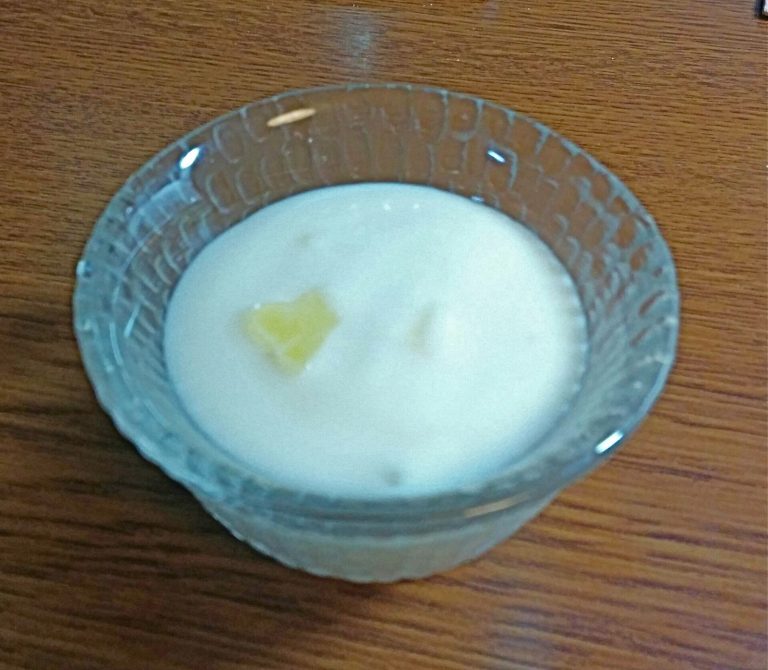
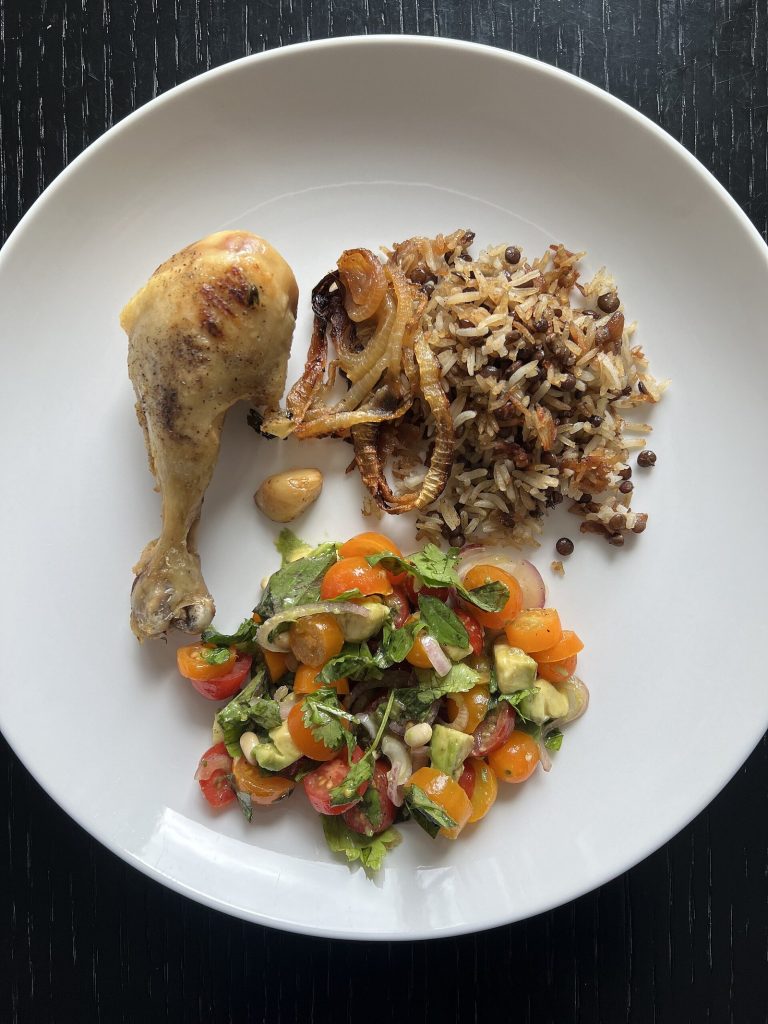
- – Soft, lower-fat options—rice, bananas, toast, eggs, boiled potatoes, plain chicken, yogurt if lactose is tolerated—are often easier than fried meals, but they are comfort patterns, not a mandated “C. diff cure menu.”
Temporary lactose awareness
- – NIDDK: some people recovering from acute diarrhea have trouble digesting lactose for up to a month or more. If milk worsens cramps or diarrhea, try lactose-free alternatives temporarily and reintroduce later with guidance.
Protein and potassium-containing foods as tolerated
- – After days of poor intake, gentle proteins and potassium-containing foods (banana, potato) may support recovery nutrition if labs and medicines allow—confirm with your clinician if you also have kidney disease.
Infection-control kitchen habits (CDC)
- – Wash hands with soap and water after bathroom use and before eating (alcohol gel is less reliable against spores in CDC education themes).
- – Clean surfaces and handle laundry carefully when someone has C. diff.
Foods and habits that often worsen C. difficile recovery kitchen patterns
- – Alcohol, heavy caffeine, sugary beverages, sugar alcohols, and high-fat fried foods during acute diarrhea (NIDDK avoidance list).
- – Large milk servings if lactose temporarily worsens symptoms.
- – Starting random high-dose probiotics or “kill C. diff” herbal megadoses without clinician approval—especially if immunocompromised.
- – Stopping prescribed C. diff antibiotics early because stools look better for a day.
- – Poor hand hygiene that spreads spores to household contacts.
- – Ignoring red flags—bloody stool surge, severe abdominal distention, high fever, confusion, or inability to hydrate needs urgent care (toxic megacolon and sepsis are listed rare CDC complications).
“Limit” means reducing gut irritants and infection spread—not lifelong food fear after recovery.
Practical kitchen protocol: a C. difficile recovery diet week
1. Keep the antibiotic and hygiene spine first
Finish the prescribed course; ask what to do if a non-C. diff antibiotic is still needed for another infection (CDC notes clinicians may stop or switch other antibiotics when safe).
2. Shopping list ideas (illustrative)
Oral rehydration solution if advised; water; broths; bananas; rice; potatoes; oatmeal; eggs; tender poultry; lactose-free milk or fortified alternatives; plain yogurt only if tolerated; ripe fruit; cooked vegetables; soap for handwashing (not only sanitizer).
3. Default plate template (when appetite returns)
- – Easy starch
- – Soft protein
- – Soft fruit or cooked vegetable
- – Fluid beside the plate
- – Keep fat and spice moderate until stools stabilize
4. Sample day (illustrative)
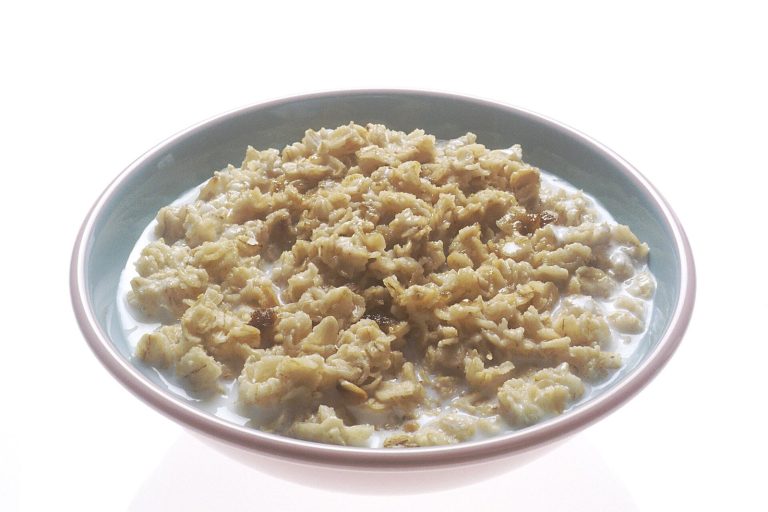
- – Breakfast: oatmeal with banana; water or ORS sip.
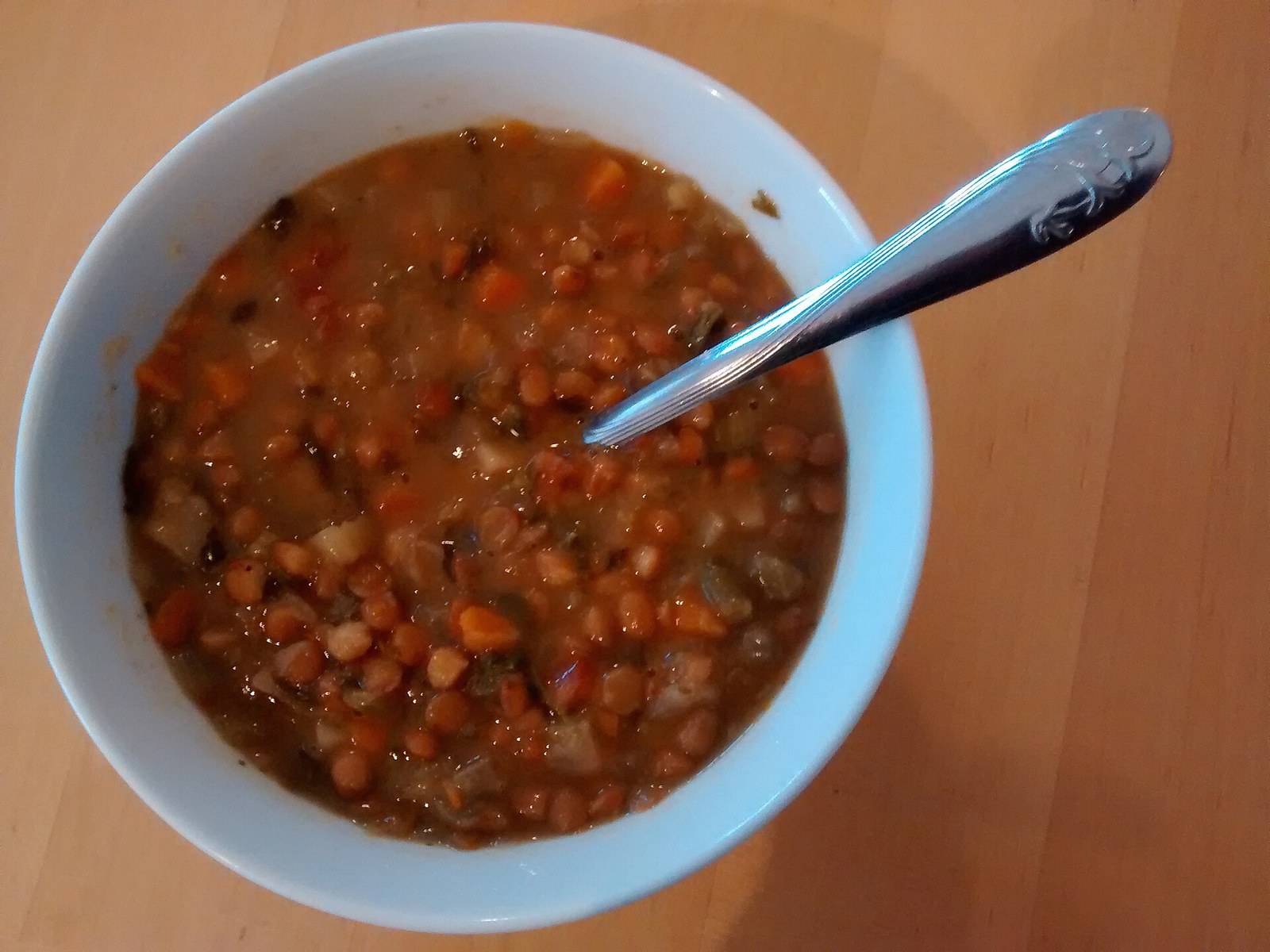
- – Lunch: chicken-rice soup; toast if tolerated.
- – Snack: lactose-free yogurt or applesauce.
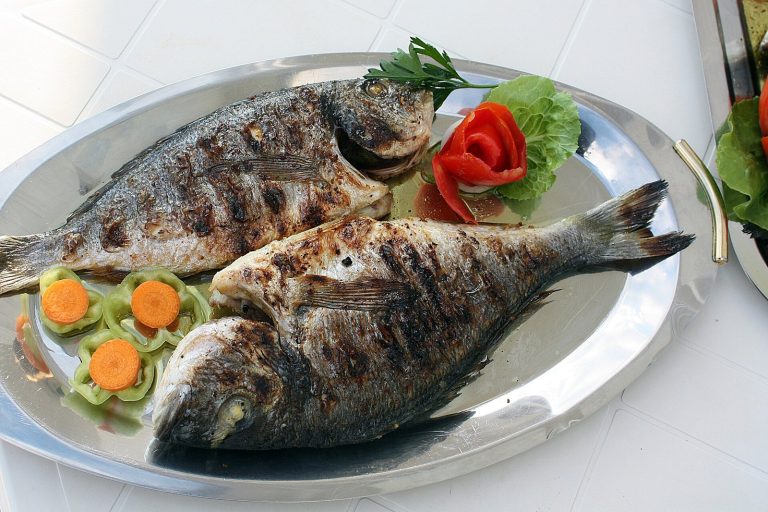
- – Dinner: baked potato, flaky fish or tofu, cooked carrots.
- – Night: fluids; avoid alcohol “to sleep.”
5. After diarrhea improves
Gradually return toward your usual balanced pattern. If diarrhea becomes chronic, NIDDK suggests a food journal and clinician review—see also ulcerative colitis diet guide or diverticulitis diet guide only if those diagnoses apply.
6. Related OTCFood context
General acute diarrhea kitchen tips overlap constipation diet guide only after recovery when stools swing the other way on some medicines—coordinate with your clinician.
Household recovery week checklist
- – Dedicate a bathroom if possible during active diarrhea; wipe high-touch surfaces with products your clinician or CDC cleaning guidance supports for C. diff.
- – Do not prepare food for others while symptomatic if your clinician advises isolation-style precautions at home.
- – Rebuild fiber slowly after stools stabilize; sudden bran megadoses during active colitis-range symptoms are often poorly tolerated—individualize with your clinician rather than copying IBS fiber blogs during acute C. diff.
- – If appetite stays near zero beyond a few days of treatment, call about nutrition support options instead of forcing large solid meals.
Safety, interactions, and who should ask a clinician first
- – Age 65+, recent hospitalization, weakened immunity, prior C. diff, or inflammatory bowel disease: lower threshold for calling about recurrent watery diarrhea after antibiotics.
- – Pregnant people and young children need tailored fluid plans.
- – Do not share bathrooms towels carelessly during active infection; follow CDC cleaning guidance.
- – Fecal microbiota therapy is a clinical procedure—not a supermarket stool product.
FAQ
Can diet replace vancomycin or fidaxomicin? No. CDC states C. diff is usually treated with specific antibiotics for at least 10 days.
Should I take probiotics during recovery? Only if your clinician agrees. Evidence and product choice vary; immunocompromised patients need extra caution.
Is the BRAT diet mandatory? NIDDK does not require prolonged restriction; avoid listed triggers and eat a normal diet when ready.
Why soap and water instead of only alcohol gel? CDC emphasizes soap-and-water handwashing to reduce C. diff spread; spores are hardy in the environment.
When are recurrent infections a special problem? CDC notes some people get C. diff multiple times and may need advanced therapies—return to specialty care rather than endless diet experiments.
How this differs from related OTCFood topics
This page is a C. difficile–recovery-bound diet guide focused on hydration, NIDDK diarrhea food triggers, antibiotic adherence, and infection control. It is not a chronic IBD protocol and not a claim that kitchen probiotics equal fecal microbiota transplantation.
Medical disclaimer
Medical disclaimer: This article is for general information only. It is not medical advice, diagnosis, or a treatment plan. C. difficile care depends on severity, recurrence history, and other illnesses. Talk with a clinician before changing antibiotics, probiotics, or eating plans. Seek urgent care for severe abdominal pain/distention, high fever, dizziness from dehydration, bloody stools, or confusion.