Lactose Intolerance Diet: Foods That May Help and Foods to Limit
Medical note: This article discusses foods and researched botanicals. It does not claim to prevent, treat, or cure disease. Supplements are not a substitute for food, and studied amounts are not personal prescriptions.
Lactose intolerance does not mean you must erase every dairy food overnight. NIDDK (the NIH digestive institute) says most people with lactose intolerance can have some lactose without symptoms, and that research suggests many people can handle about 12 grams of lactose—roughly the amount in 1 cup of milk—with no symptoms or only mild ones. The practical goal is to reduce lactose enough to feel better while still getting calcium and vitamin D. This page is about eating patterns and label reading, not a substitute for medical care or enzyme products your clinician recommends.
What this lactose intolerance diet guide covers (and what it does not)

This guide is for adults and families managing lactose intolerance who want clear food lists, calcium backups, and kitchen tactics. It covers milk products that are often easier to tolerate, lactose-free options, hidden lactose in packaged foods, and nutrient swaps. It does not diagnose lactose intolerance, milk allergy, or IBS, and it does not replace a doctor’s or dietitian’s plan for a child.
Anchors used here: NIDDK — Eating, Diet, & Nutrition for Lactose Intolerance, NIDDK — Lactose Intolerance, and related calcium/vitamin D context from public NIH nutrition pages.
Evidence snapshot: lactose intolerance diet claims vs public sources
| Claim people hope for | What public sources actually say | Confidence |
|---|---|---|
| “I must avoid all dairy forever” | NIDDK: you may not need to completely avoid milk products; most people can have some lactose | Strong |
| “One cup of milk is always too much” | NIDDK: many people can have ~12 g lactose (about 1 cup milk) with no or mild symptoms | Moderate |
| “Yogurt and hard cheese are better tolerated” | NIDDK: yogurt and hard cheeses (cheddar, Swiss) are lower in lactose than many other milk products | Moderate-to-strong |
| “Lactose-free milk is less healthy” | NIDDK: lactose-free and lactose-reduced milk products are just as healthy as regular milk products | Strong |
| “Cutting all dairy is fine for bones” | NIDDK: avoiding all milk products can mean less calcium and vitamin D than you need | Strong |
Foods and patterns that may help with lactose intolerance
“May help” means supporting comfort and nutrient intake next to your clinician’s advice—not curing enzyme deficiency.
Start with smaller amounts of milk with meals (NIDDK)
- – Drink small amounts of milk at a time and have it with meals.
- – Add milk and milk products back a little at a time and note how you feel.
- – This titration approach matches NIDDK’s advice that tolerance varies person to person.
Lower-lactose dairy choices that many people handle better
- – Yogurt (especially with live cultures as commonly sold).
- – Hard cheeses such as cheddar or Swiss, which NIDDK lists as lower in lactose.
- – Lactose-free or lactose-reduced milk and milk products from the grocery dairy case.
Lactase products when appropriate
- – NIDDK notes lactase products can help digest lactose in milk and milk products. Use them only as labeled or as your clinician directs.
Calcium-rich foods that do not rely on lactose (NIDDK examples)
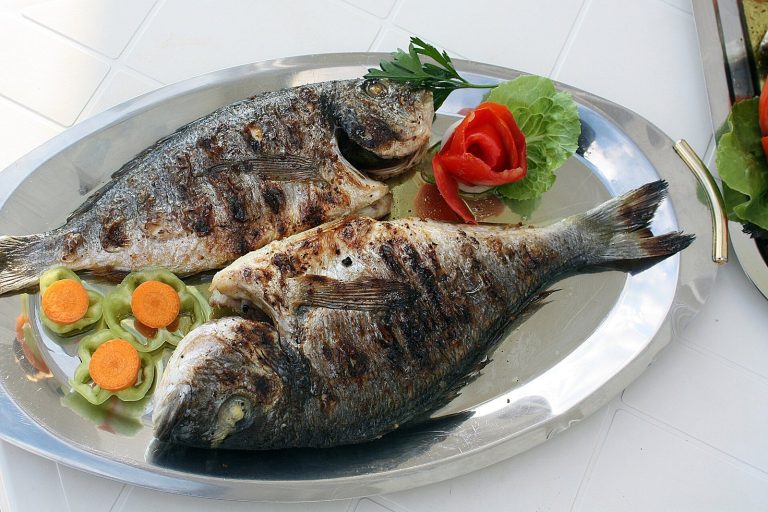
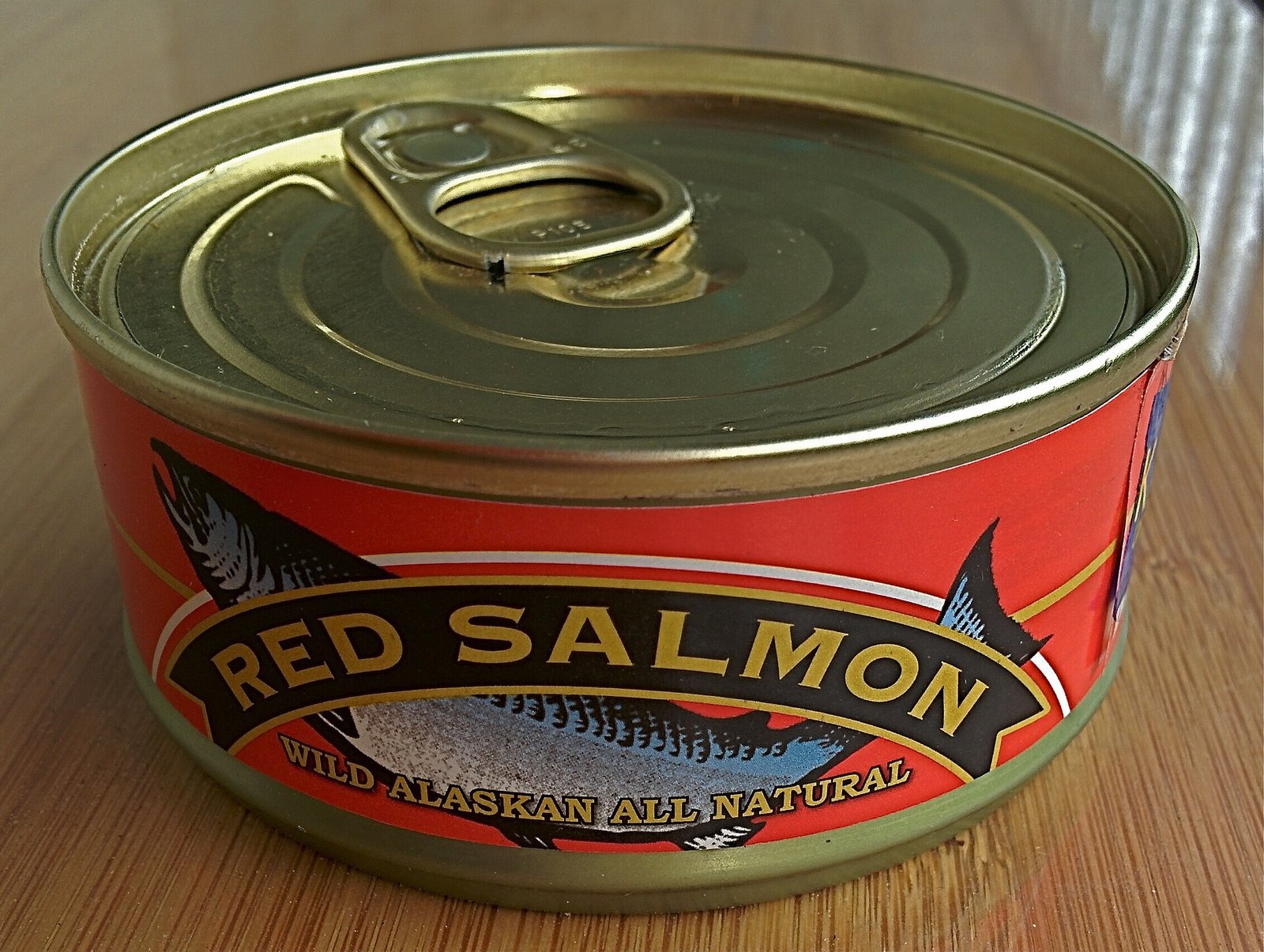
- – Fish with soft bones such as canned salmon or sardines
- – Broccoli and leafy green vegetables
- – Oranges
- – Almonds, Brazil nuts, and dried beans
- – Tofu
- – Fortified cereals, fruit juices, and soy milk with calcium on the label
Vitamin D partners for calcium absorption
- – NIDDK lists eggs and certain fish such as salmon, plus fortified cereals and orange juice, and notes sunlight helps the body make vitamin D—discuss sun safety with your clinician.
For children (NIDDK framing)
If your child has lactose intolerance, NIDDK advises helping them follow the dietary plan recommended by a doctor or dietitian rather than inventing a home elimination diet. Children still need calcium and vitamin D for growth; lactose-free milk and fortified alternatives are common tools when a clinician agrees.
Combining strategies
Some people do best with a mix: a little regular yogurt at lunch, lactose-free milk at breakfast, and lactase tablets only for restaurant meals. Track what actually reduces symptoms instead of stacking every strategy at once.
Foods and drinks that often worsen symptoms
- – Large volumes of regular milk drunk alone on an empty stomach
- – Soft cheeses, ice cream, cream, and other higher-lactose dairy if they reliably trigger you
- – Packaged foods with hidden lactose (NIDDK examples): breads and baked goods; breakfast cereals; instant potatoes; soups; margarine; salad dressings; flavored chips; processed meats such as bacon, sausage, hot dogs, and lunch meats; milk-based meal replacements, smoothies, and protein powders or bars; nondairy creamers and whipped toppings that still list milk ingredients
Label words that mean lactose may be present (NIDDK)
milk, lactose, whey, curds, milk by-products, dry milk solids, nonfat dry milk powder.
A small amount of lactose may also appear in some medicines—ask your pharmacist if even tiny amounts bother you.
“Limit” means reduce what your own tolerance diary shows is a problem, not eliminate every food that ever contained dairy.
Practical kitchen protocol: a lactose intolerance diet plan
1. Keep a 7-day lactose and symptom log
Note the food, approximate portion, timing (with or without a meal), and symptoms for 24 hours. Bring it to your doctor or dietitian.
2. Test your personal threshold, don’t guess forever
Many people start with ¼–½ cup milk with food, or a small serving of yogurt, then adjust. Remain within what feels safe; NIDDK’s ~12 g lactose figure is a population average, not a personal prescription.
3. Build a calcium backup plate every day
Aim for two to three calcium-containing choices that you tolerate: fortified soy milk, canned salmon with bones, tofu set with calcium, leafy greens, almonds, or fortified orange juice.
4. Sample day (illustrative, not medical advice)
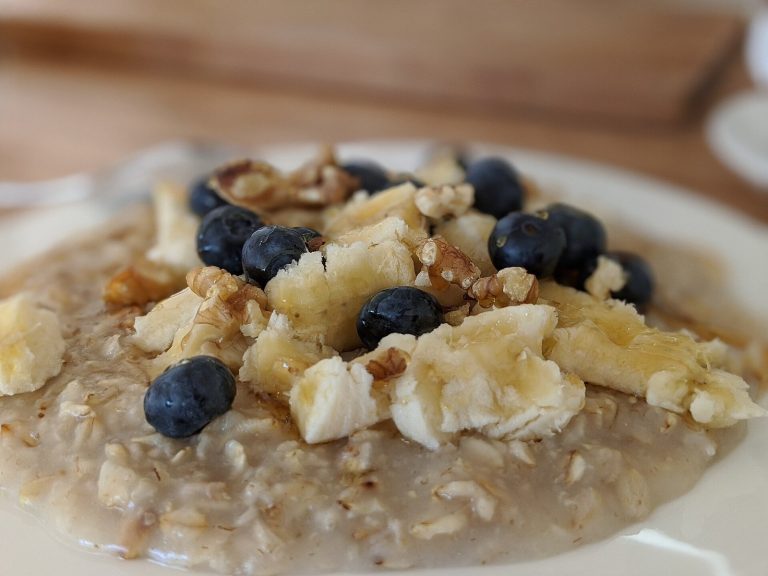
- – Breakfast: fortified oatmeal made with lactose-free milk; orange; hard-boiled egg
- – Lunch: salad with chickpeas, broccoli, almonds, and olive oil; lactose-free yogurt on the side
- – Snack: banana and a small handful of almonds
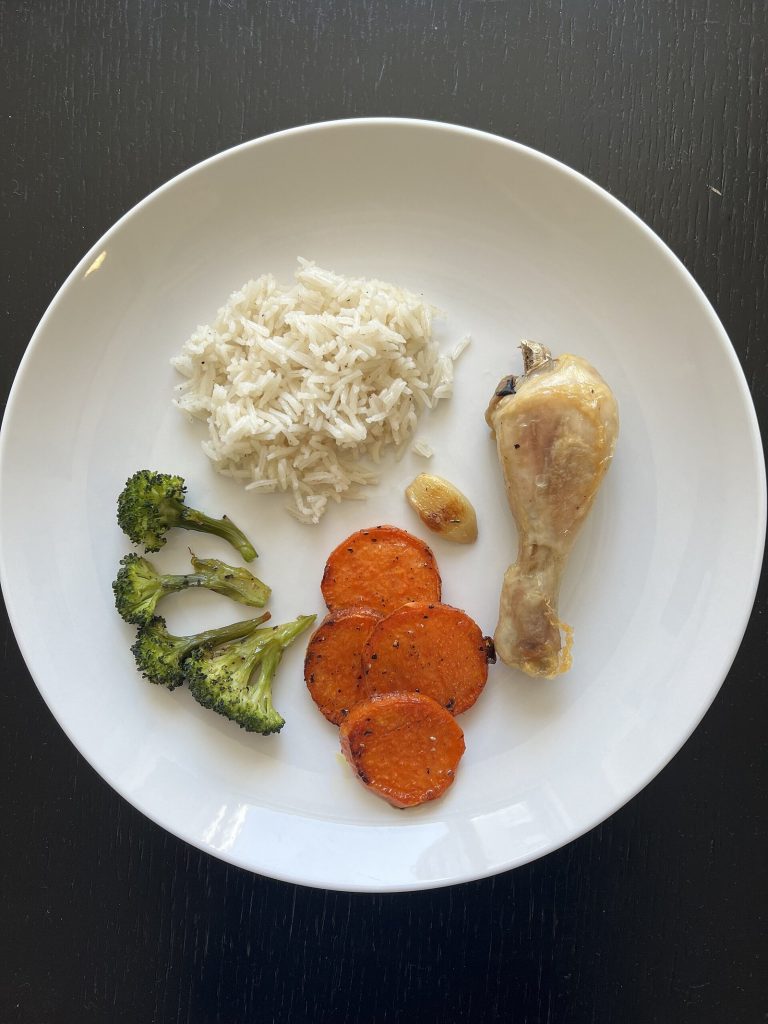
- – Dinner: baked salmon, brown rice, sautéed greens; cheddar if tolerated
- – Drinks: water, tea; lactose-free milk if you want a glass
5. Eating out
Ask whether sauces, soups, mashed potatoes, and baked goods contain milk, whey, or cream. Request lactose-free milk for coffee if available, or bring lactase tablets if your clinician agrees.
6. Shopping list staples
Lactose-free milk, plain yogurt, hard cheese, canned salmon, tofu, leafy greens, almonds, fortified cereal, eggs.
Safety, interactions, and when to get help
- – Talk with a doctor or registered dietitian before long-term dairy elimination, especially for children, older adults, and people with bone disease risk.
- – NIDDK advises talking with your doctor before dietary supplements or complementary products.
- – Milk allergy is different from lactose intolerance; allergy can be dangerous. If you have hives, swelling, wheezing, or anaphylaxis after milk, seek emergency care and allergy evaluation—do not treat that as lactose intolerance.
- – Persistent diarrhea, weight loss, blood in stool, or anemia symptoms need medical evaluation for other causes.
Weekly prep that keeps calcium high without guesswork
Batch-cook a pot of beans, wash greens once, portion almonds into 1-ounce bags, and keep canned salmon in the pantry. If you tolerate hard cheese, pre-slice a few days’ worth so you are not tempted by ice cream as the “easy dairy.” When baking, experiment with lactose-free milk cup-for-cup in pancakes and sauces. For coffee shop visits, request lactose-free milk or bring lactase if your clinician agrees. Revisit your symptom log every month; tolerance can change with gut infections, antibiotics, or aging, so yesterday’s safe latte may not stay safe forever without re-checking portions.
FAQ
Do I have to avoid all dairy if I am lactose intolerant? No. NIDDK says most people can have some lactose, and complete avoidance can cut calcium and vitamin D intake.
How much lactose can most people handle? Research summarized by NIDDK suggests many people can handle about 12 grams—about 1 cup of milk—with no or mild symptoms. Your personal limit may be lower or higher.
Are yogurt and hard cheese OK? Often yes. NIDDK lists yogurt and hard cheeses such as cheddar or Swiss as lower-lactose options many people tolerate better.
Is lactose-free milk less nutritious? NIDDK says lactose-free and lactose-reduced milk products are just as healthy as regular milk products.
How this differs from related OTCFood topics
This page focuses on lactose load, label reading, and calcium backups. For broader gut patterns see constipation diet guide and peptic ulcer diet guide. If bone health is a concern after limiting dairy, see osteoporosis diet guide and vitamin D deficiency diet guide.
Medical disclaimer
Medical disclaimer: This article is for general education only and is not medical advice, diagnosis, or a treatment plan. Lactose intolerance management depends on your tolerance, overall diet, medicines, and health history. Talk with your doctor, pharmacist, or a registered dietitian before major diet changes or supplements, and seek urgent care for severe allergic or dehydration symptoms.