SIBO Diet: Foods That May Help and Foods to Limit
Medical note: This article discusses foods and researched botanicals. It does not claim to prevent, treat, or cure disease. Supplements are not a substitute for food, and studied amounts are not personal prescriptions.
People searching “SIBO diet foods that help or worsen” usually want a short-term eating plan that calms bloating—without mistaking grocery changes for a stand-alone cure. Cleveland Clinic describes small intestinal bacterial overgrowth (SIBO) as too many—or the wrong kinds of—bacteria in the small intestine, causing gas, bloating, diarrhea or constipation, and possible nutrient malabsorption. MedlinePlus notes excess small-bowel bacteria can use up nutrients the body needs. Standard medical care often includes antibiotics plus treatment of the underlying cause; diet may help manage symptoms and limit fuels that feed overgrowth. Food plans support care; they do not replace diagnosis (often breath testing) or clinician-directed therapy.
What this SIBO diet guide covers (and what it does not)
This guide is for adults exploring clinician-supervised SIBO eating patterns, and for people whose bloating overlaps IBS-like symptoms. Anchors: Cleveland Clinic — SIBO, MedlinePlus — Small bowel bacterial overgrowth, and NIDDK — IBS eating, diet, and nutrition (FODMAP context often used when SIBO and IBS overlap).
Red flags: unintentional weight loss, bloody stool, black stool, high fever, severe dehydration, or nighttime symptoms that wake you with pain. Those patterns need medical evaluation beyond a DIY low-carb experiment.
Evidence snapshot: SIBO diet claims vs public sources
| Claim people hope for | What public sources actually say | Confidence |
|---|---|---|
| “Diet alone clears SIBO permanently” | Cleveland Clinic: antibiotics are standard for overgrowth; diet and probiotics are adjuncts with inconclusive study results; recurrence is common if the cause remains | Low for diet-as-cure |
| “Foods cause SIBO” | Cleveland Clinic: foods are not the original cause, but some carbohydrates encourage overgrowth once SIBO is present | Moderate |
| “Low FODMAP always fixes SIBO” | Cleveland Clinic lists low FODMAP and Specific Carbohydrate Diet among low-carb-style plans people try; NIDDK discusses low FODMAP mainly for IBS symptom trials | Low-to-moderate; time-limited and supervised |
| “Elemental diet is a casual cleanse” | Cleveland Clinic: elemental (pre-digested liquid) plans are clinician-prescribed short-term tools, not casual grocery swaps | Strong caution |
| “Probiotics always help after antibiotics” | Cleveland Clinic: evidence is inconclusive though some people use them while rebuilding gut balance | Insufficient |
Foods and patterns that may help with SIBO symptom management
“May help” means temporary strategies that reduce fermentable fuels or ease symptoms under medical guidance—not lifelong deprivation.
Clinician-guided carbohydrate awareness (Cleveland Clinic)
- – Short-term lower-carbohydrate patterns aimed at limiting easy fuels for small-intestine bacteria.
- – Structured trials of low FODMAP or other clinician-approved plans for a few weeks, then careful reintroduction—mirroring NIDDK’s IBS advice to trial low FODMAP and add foods back if symptoms improve.
- – Focusing on cooking methods and textures you tolerate (similar to other gut plans) while nutrient density stays high enough to avoid weight loss.
Meal spacing and motility-friendly habits
SIBO often links to slow clearance of bacteria from the small bowel. Many clinicians encourage not constant grazing if that worsens symptoms—ask your team whether 3–4 spaced meals fit your motility medicines and diabetes needs.
Nutrient-protection defaults during malabsorption risk
Cleveland Clinic notes fat malabsorption and risks to calcium and fat-soluble vitamins. Emphasize clinician-approved protein foods, and ask whether vitamin monitoring or temporary nutrition support is needed—especially with oily, floating stools.
Soft overlap with IBS fiber strategy (NIDDK)
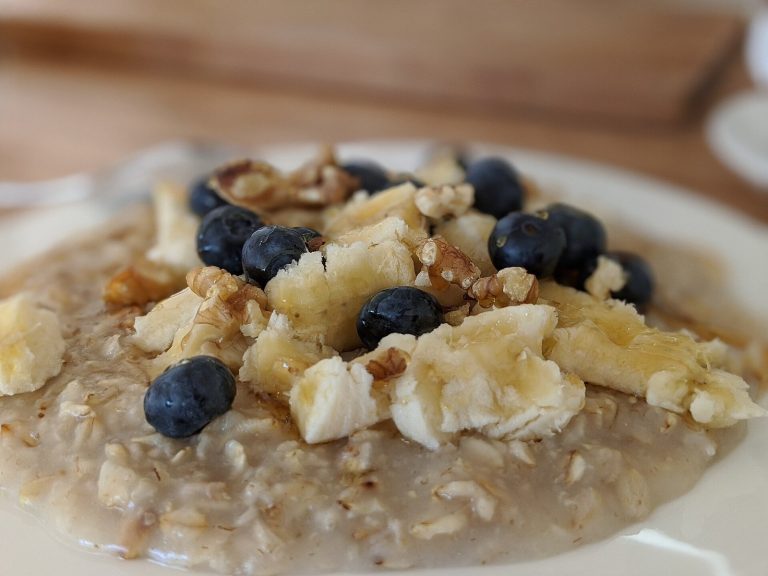
If your clinician diagnoses overlapping IBS, soluble fiber from oats, some fruits, and beans may help after the acute SIBO plan—added slowly by 2–3 grams/day. During an active low-FODMAP or low-carb SIBO phase, fiber type and dose should follow the written plan, not generic “eat more bran” advice.
Foods and habits that often worsen SIBO symptom patterns
- – Frequent high-FODMAP loads during a symptomatic phase—examples NIDDK lists for IBS-focused low FODMAP trials include honey, high-fructose corn syrup, and other fermentable carbs (your handout will be more specific).
- – Constant sipping of sugary drinks and large dessert portions that feed fermenting bacteria (Cleveland Clinic frame: favorite foods of problematic bacteria).
- – Starting an elemental diet from social media—Clinic describes it as a prescribed liquid formula approach.
- – Endless ultra-strict elimination without reintroduction—raises malnutrition risk and does not fix underlying motility or structural causes.
- – Ignoring antibiotic or prokinetic prescriptions while only “dieting harder.”
- – Alcohol binges and sugar alcohols that worsen gas for many people with overlapping IBS (individual triggers vary).
“Limit” during a trial means temporary reduction—not a forever ban stamped on every carbohydrate.
Practical kitchen protocol: a SIBO diet week
1. Confirm the diagnosis pathway before a long elimination
Ask whether breath testing, medication review (including acid-lowering drugs), and evaluation for motility or structural issues are planned. MedlinePlus stresses treating the cause of overgrowth. Diet is a supporting lever.
2. Use a time-boxed plan with an exit ramp
- – Agree on a start and review date (often a few weeks).
- – Keep a symptom-and-stool log (gas, bloating, bowel pattern, energy).
- – Schedule reintroduction so you learn personal triggers instead of fearing all carbs forever.
- – If weight drops, liberalize calories with allowed fats and proteins immediately and call your clinician.
3. Build plates that still look like meals
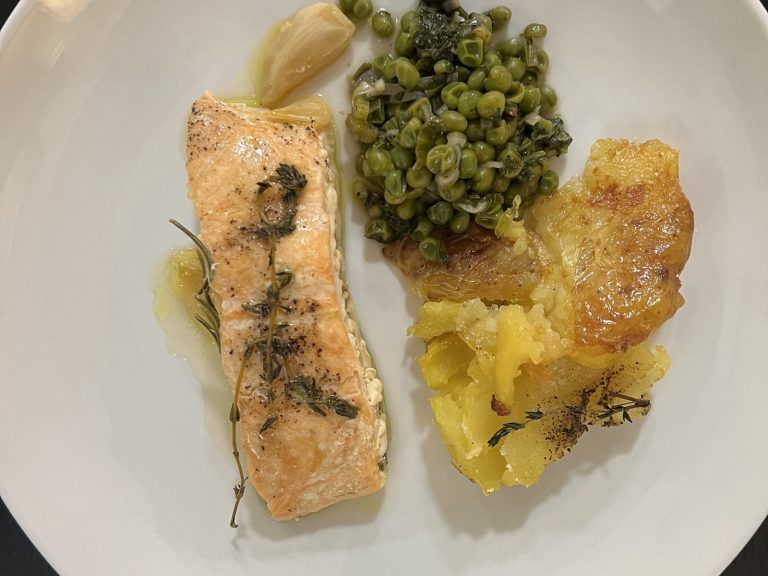
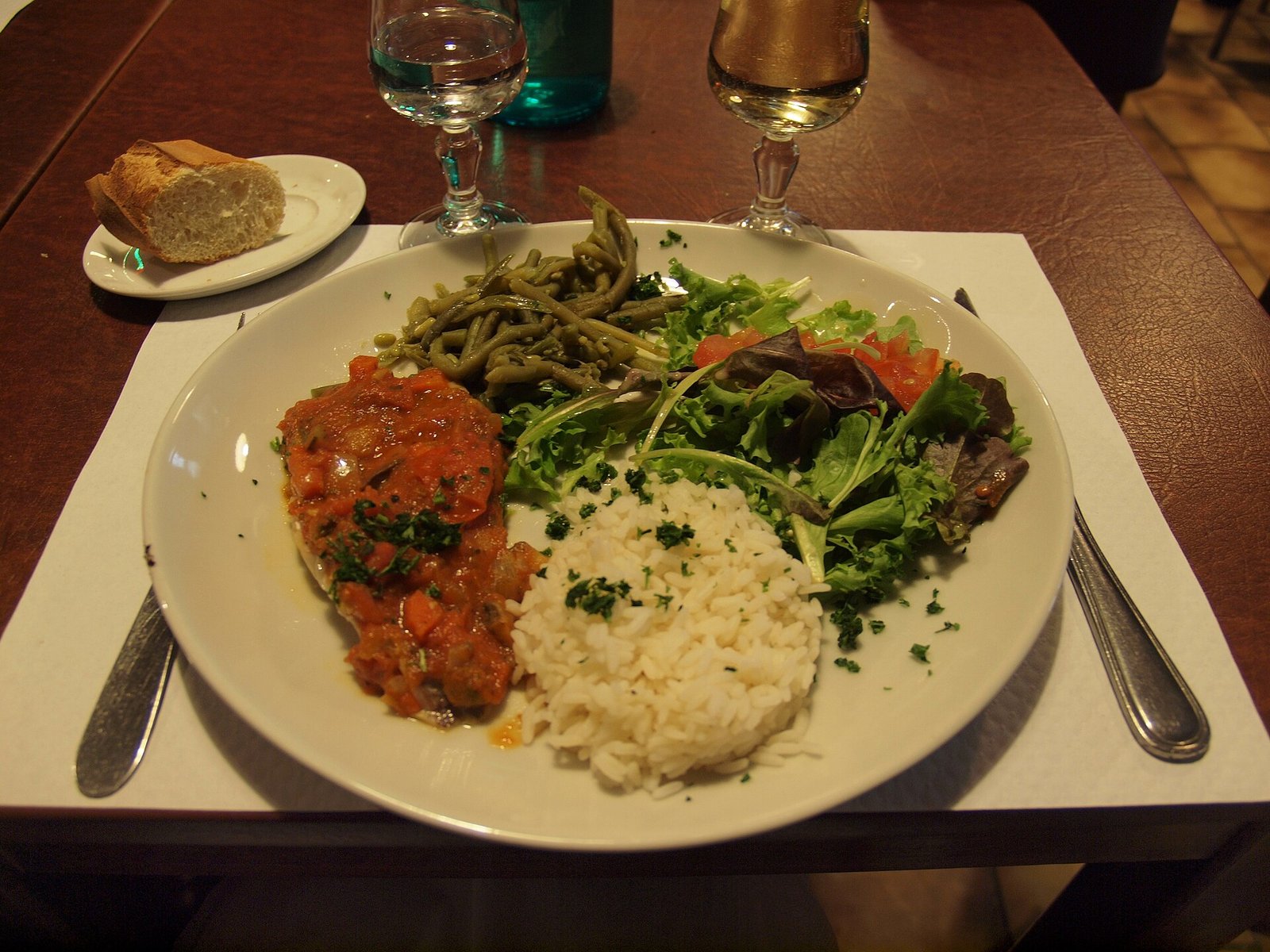
Example structure many supervised low-fermentable plans allow (verify against your sheet): eggs or fish or poultry; white rice or other approved starches; peeled, cooked carrots or zucchini if listed; olive oil; lactose-free dairy only if permitted. Restaurant strategy: simple grilled protein + plain rice + approved vegetables; skip onion-heavy sauces if onions are restricted on your list.
4. Shopping list default (must match your clinician sheet)
Plain proteins (eggs, chicken, fish), clinician-allowed starches, olive oil, approved vegetables, lactose-free milk if allowed, and herbal tea if tolerated. Leave high-FODMAP pantry staples sealed during the trial if that is your protocol.
5. Sample day (illustrative only)
- – Breakfast: scrambled eggs; allowed toast or rice porridge per plan.
- – Lunch: baked chicken, white rice, cooked carrots if allowed.
- – Snack: lactose-free yogurt only if permitted; otherwise a permitted fruit portion.
- – Dinner: white fish, boiled potato or rice, zucchini cooked soft if on the list.
6. After antibiotics
Cleveland Clinic notes symptoms often return months later if the driver remains. Ask about motility support, whether a maintenance eating pattern is recommended, and how to rebuild dietary variety. Do not self-repeat antibiotic courses.
7. Coordinate with sister gut guides
SIBO overlaps IBS diet guide symptomatically; it is not the same as celiac disease diet guide gluten rules or gastroparesis diet guide emptying mechanics—though gastroparesis and other motility disorders can predispose to SIBO.
Safety, interactions, and who should ask a clinician first
- – Malabsorption can deplete fat-soluble vitamins and affect bones—ask about labs if stools are oily or weight is falling (Cleveland Clinic).
- – Diabetes, pregnancy, eating-disorder history, or underweight status make strict low-carb or elemental plans higher risk.
- – Probiotics, herbal antimicrobials, and “biofilm” products lack clear public-consensus dosing—disclose them before combining with antibiotics.
- – Persistent vomiting, fever, blood in stool, or inability to keep fluids down: urgent care.
- – Do not stop prescribed medicines for reflux, motility, or autoimmunity because a SIBO diet blog told you to.
FAQ
Can a SIBO diet replace antibiotics? Cleveland Clinic lists antibiotics as standard treatment for bacterial overgrowth. Diet may help manage fuels and symptoms; it is not a guaranteed substitute.
Is SIBO the same as IBS? No. Clinic notes shared symptoms and possible coexistence; SIBO can sometimes be verified and treated, while IBS is diagnosed when other explanations are excluded.
How long should I stay low FODMAP for SIBO? NIDDK frames low FODMAP as a time-limited trial for IBS symptoms with planned reintroduction. For SIBO, follow your clinician’s duration—long unrestricted restriction raises nutrition risks.
What is an elemental diet? A clinician-directed liquid, pre-digested nutrition approach Cleveland Clinic describes for selected short-term cases—not a casual juice cleanse.
How this differs from related OTCFood topics
This page is SIBO-bound, focused on bacterial overgrowth, short-term fermentable-carb strategies, and antibiotic-era kitchen support. It is not a full IBS diet guide lifestyle guide, not a diverticulitis diet guide flare protocol, not a ulcerative colitis diet guide IBD plan, and not a probiotics evidence overview product review—though those topics often sit in the same search history.
Medical disclaimer
Medical disclaimer: This article is for general information only. It is not medical advice, diagnosis, or a treatment plan. SIBO care depends on breath-test results, underlying motility or structural disease, nutritional status, and medicines. Work with a gastroenterologist and registered dietitian before starting, stopping, or changing any elimination diet, elemental formula, probiotic, or antibiotic. Seek prompt care for bleeding, severe pain, fever, or rapid weight loss.