Chronic Constipation Diet: Foods That May Help and Foods to Limit
Medical note: This article discusses foods and researched botanicals. It does not claim to prevent, treat, or cure disease. Supplements are not a substitute for food, and studied amounts are not personal prescriptions.
People searching “chronic constipation diet foods that help or worsen” usually want more regular, comfortable bowel movements—not a claim that food cures every long-term bowel problem or replaces evaluation when red-flag symptoms appear. MedlinePlus defines constipation as having fewer than three bowel movements a week; stool can be hard and dry, and passing it can be painful. NIDDK adds that stools may be lumpy, difficult or painful to pass, or leave you feeling that not all stool has passed. When constipation is long-lasting or does not improve with self-care, NIDDK says to speak with a doctor. Kitchen changes may help many people; they do not replace care for blockage, bleeding, or an underlying disease.
What this chronic constipation diet guide covers (and what it does not)
This guide is for adults with ongoing constipation who want fiber, fluid, and bathroom-habit information from public sources. Anchors: MedlinePlus — Constipation, NIDDK — Constipation, and NIDDK’s Eating, Diet, & Nutrition, Treatment, and Symptoms & Causes pages.
NIDDK notes you can most often manage constipation at home by changing what you eat and drink, getting regular activity, trying bowel training, reviewing medicines, and—if a clinician agrees—using a short-term over-the-counter laxative. This page is not a diagnosis of IBS, hypothyroidism, or obstruction. Related reading: constipation diet guide, IBS diet guide, hemorrhoids diet guide, diverticulosis diet guide, celiac disease diet guide, and hypothyroidism diet guide.
Evidence snapshot: constipation diet claims vs public sources
| Claim people hope for | What public sources actually say | Confidence |
|---|---|---|
| “You must have a bowel movement every day or something is wrong” | MedlinePlus: it is not important that you have a bowel movement every day; check with your provider if bowel habits change | Strong against a universal daily-stool rule |
| “Fiber alone always fixes chronic constipation” | NIDDK: eat enough fiber and drink plenty of liquids to help the fiber work better; adults should get 22 to 34 grams of fiber a day depending on age and sex. Causes can also include medicines, pelvic floor problems, IBS, and other diseases | Moderate that fiber plus fluid helps many people |
| “Meat and low-fiber packaged foods are fine if you take a pill” | NIDDK lists chips, fast food, meat, some frozen meals and snack foods, and processed foods such as hot dogs or some microwavable dinners as low- or no-fiber foods to avoid when constipated | Strong that low-fiber patterns work against the public-source plan |
| “You can stay on stimulant laxatives indefinitely without advice” | NIDDK: use stimulants only if constipation is severe or other treatments have not worked; if you cannot have a bowel movement without long-term laxatives, talk with your doctor about slowly stopping | Strong caution |
| “Constipation is only about food” | NIDDK also lists medicines, ignoring the urge to go, low activity, dehydration, pregnancy, aging, travel, and conditions such as IBS, celiac disease, diabetes, and hypothyroidism | Strong that food is one piece |
Foods and patterns that may help chronic constipation
“May help” means supporting softer, easier-to-pass stools the way NIDDK and MedlinePlus describe—not a guarantee of daily comfort.
Fiber foods NIDDK names
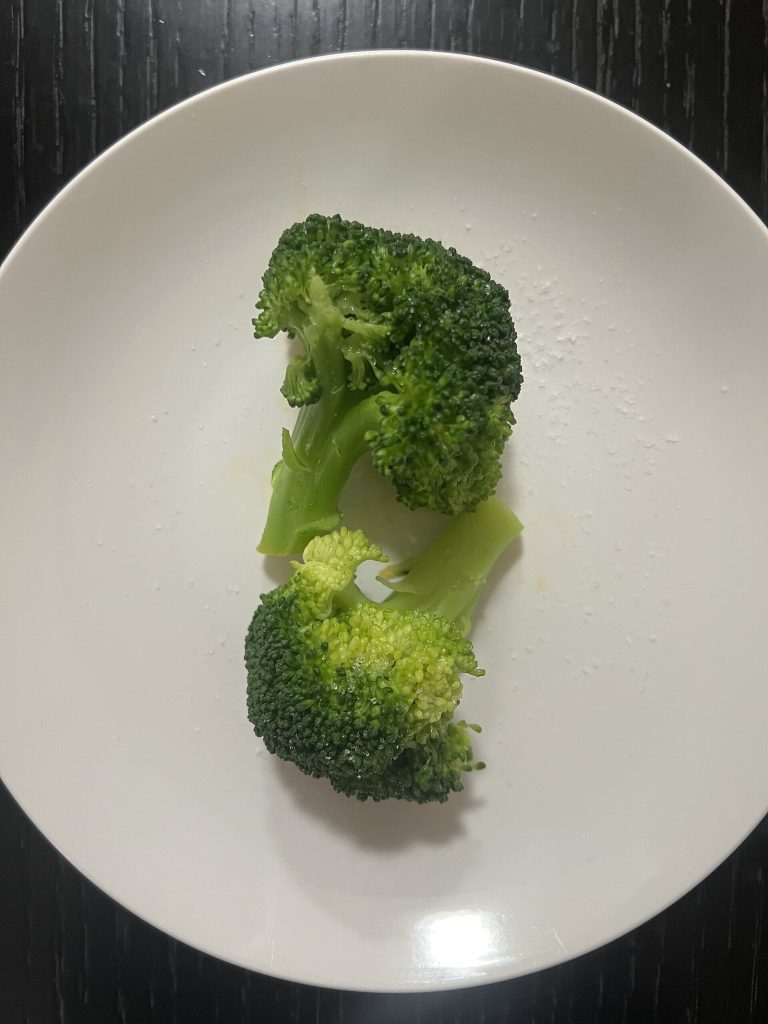
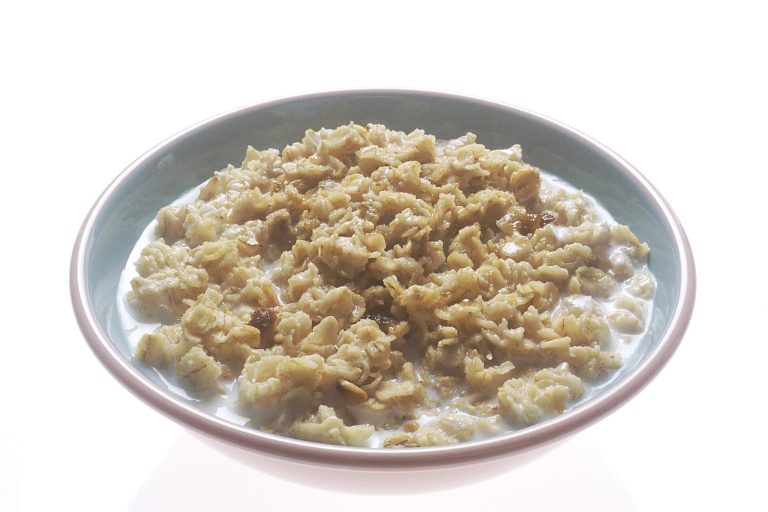
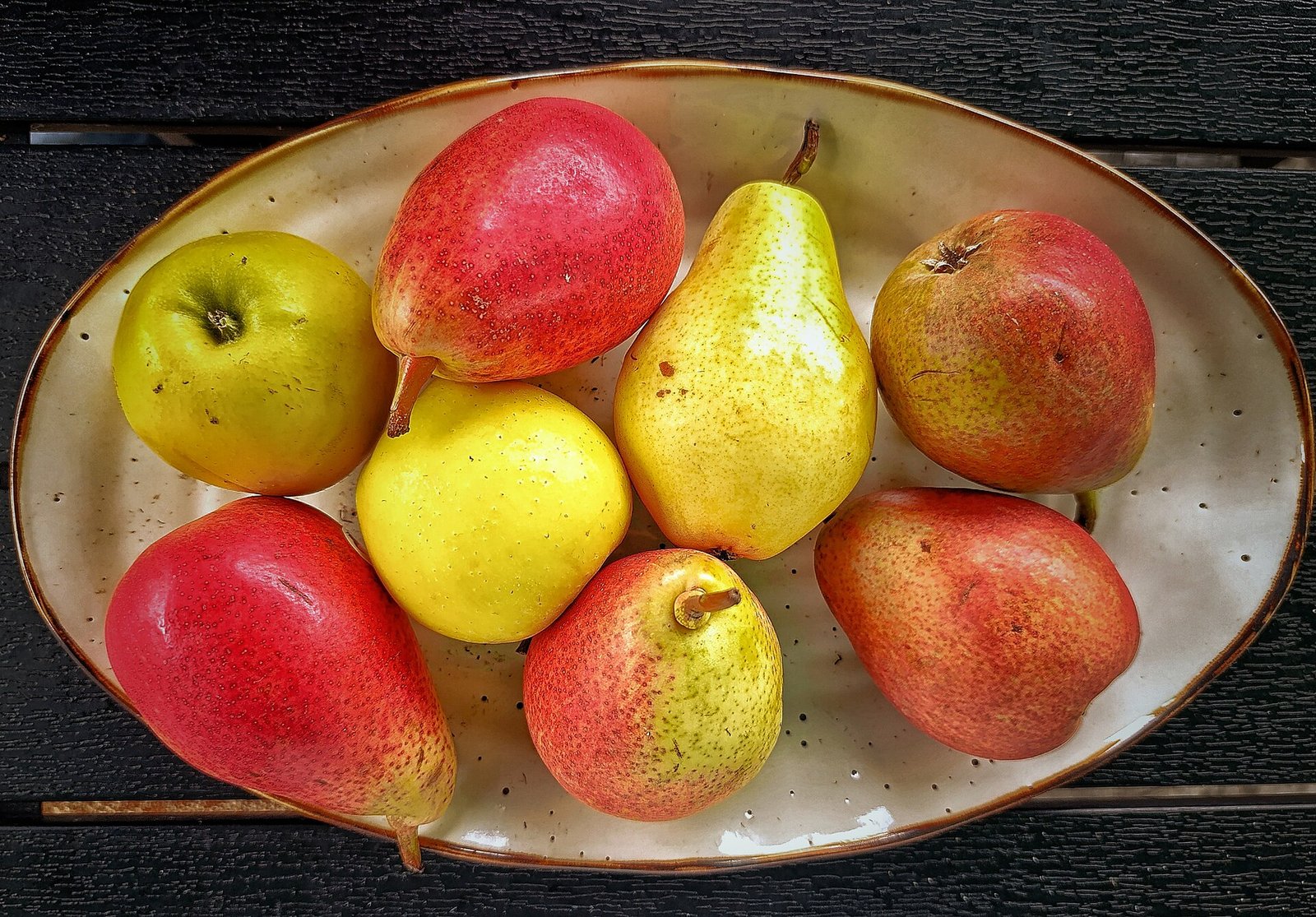
NIDDK’s constipation nutrition page lists good fiber sources: whole grains such as whole wheat bread and pasta, oatmeal, and bran flake cereals; legumes such as lentils, black beans, kidney beans, soybeans, and chickpeas; fruits such as berries, apples with the skin on, oranges, and pears; vegetables such as carrots, broccoli, green peas, and collard greens; and nuts such as almonds, peanuts, and pecans.
Adults should get 22 to 34 grams of fiber a day, depending on age and sex (NIDDK, citing the Dietary Guidelines). Add fiber gradually; a sudden jump can cause gas and cramping.
Fluids that help fiber work
NIDDK says to drink water and other liquids, such as some fruit or vegetable juices and clear soups, to help fiber work better and to avoid dehydration. Ask a clinician how much liquid is right if you have heart or kidney disease that limits fluids.
Habits that sit beside the plate
- – Regular physical activity, which NIDDK says may help relieve symptoms
- – Bowel training: trying to go at the same time each day, for example 15 to 45 minutes after breakfast, because eating helps the colon move stool
- – Using the bathroom as soon as you feel the need to go, and giving yourself enough time
- – Relaxing your muscles or putting your feet on a footstool
- – MedlinePlus: use laxatives only if your health care provider says you should
Foods and habits that often worsen constipation
- – Low-fiber patterns NIDDK tells people to avoid when constipated: chips, fast food, meat-heavy plates without plant sides, some frozen meals and snack foods, and processed foods such as hot dogs or some microwavable dinners.
- – Not drinking enough liquids while increasing fiber. Fiber without fluid can leave stool bulkier but still hard.
- – Ignoring the urge to go. NIDDK lists this among routine changes that lead to constipation; holding stool longer lets the colon absorb more water.
- – Very low physical activity. NIDDK includes not getting enough physical activity among nutrition- and lifestyle-related causes.
- – Medicines and supplements that slow the bowel, including iron, some antacids with aluminum or calcium, narcotic pain medicines, anticonvulsants, and some depression medicines (NIDDK). Do not stop a prescribed medicine without advice.
- – Long-term stimulant laxative use without a plan. NIDDK advises clinician guidance if you cannot stool without them.
- – Red-flag symptoms treated as “just constipation.” NIDDK says to see a doctor right away if constipation comes with bleeding from the rectum, blood in the stool, constant abdominal pain, inability to pass gas, vomiting, fever, lower back pain, or weight loss without trying.
“Limit” means reducing low-fiber, low-fluid, delay-the-bathroom patterns—not a ban on all meat or all convenience food forever.
Practical kitchen protocol: a constipation-aware week
1. Raise fiber gradually and pair it with fluids
Swap a low-fiber pastry for oatmeal or bran cereal, then add beans at lunch and an apple with the skin as a snack. Move toward the 22-to-34-gram range gradually, and keep water nearby.
2. Shopping list
Oats, bran cereal, whole-wheat bread and pasta, lentils, black beans, chickpeas, berries, apples, pears, oranges, carrots, broccoli, green peas, leafy greens, almonds or peanuts, and ingredients for clear soups. If you use a fiber supplement, ask which type fits you; NIDDK lists options such as Citrucel, FiberCon, and Metamucil among short-term clinician-guided choices.
3. Default plate template
- – Half vegetables and/or fruit (include skins on apples or pears when you tolerate them)
- – Quarter beans, lentils, or another protein
- – Quarter whole grains
- – A glass of water or another liquid with the meal
- – If a very high-fiber bean meal causes bloating, start with smaller portions and increase slowly
4. Sample day (illustrative)
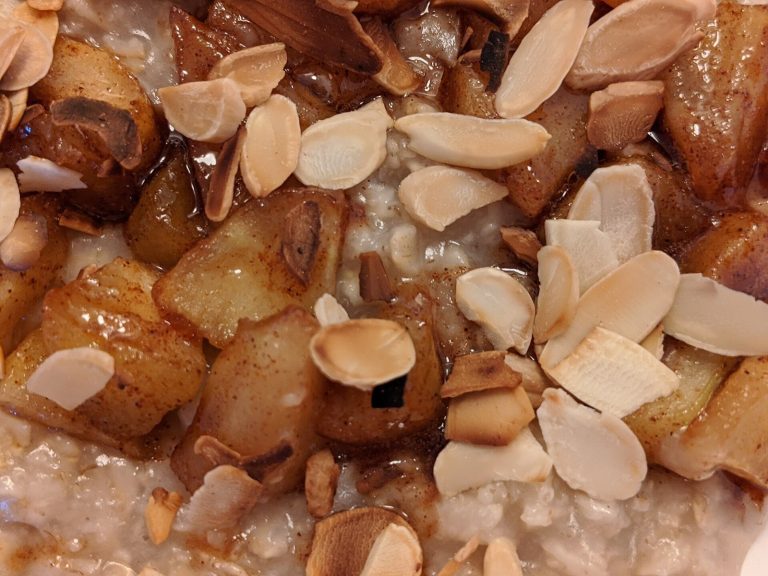
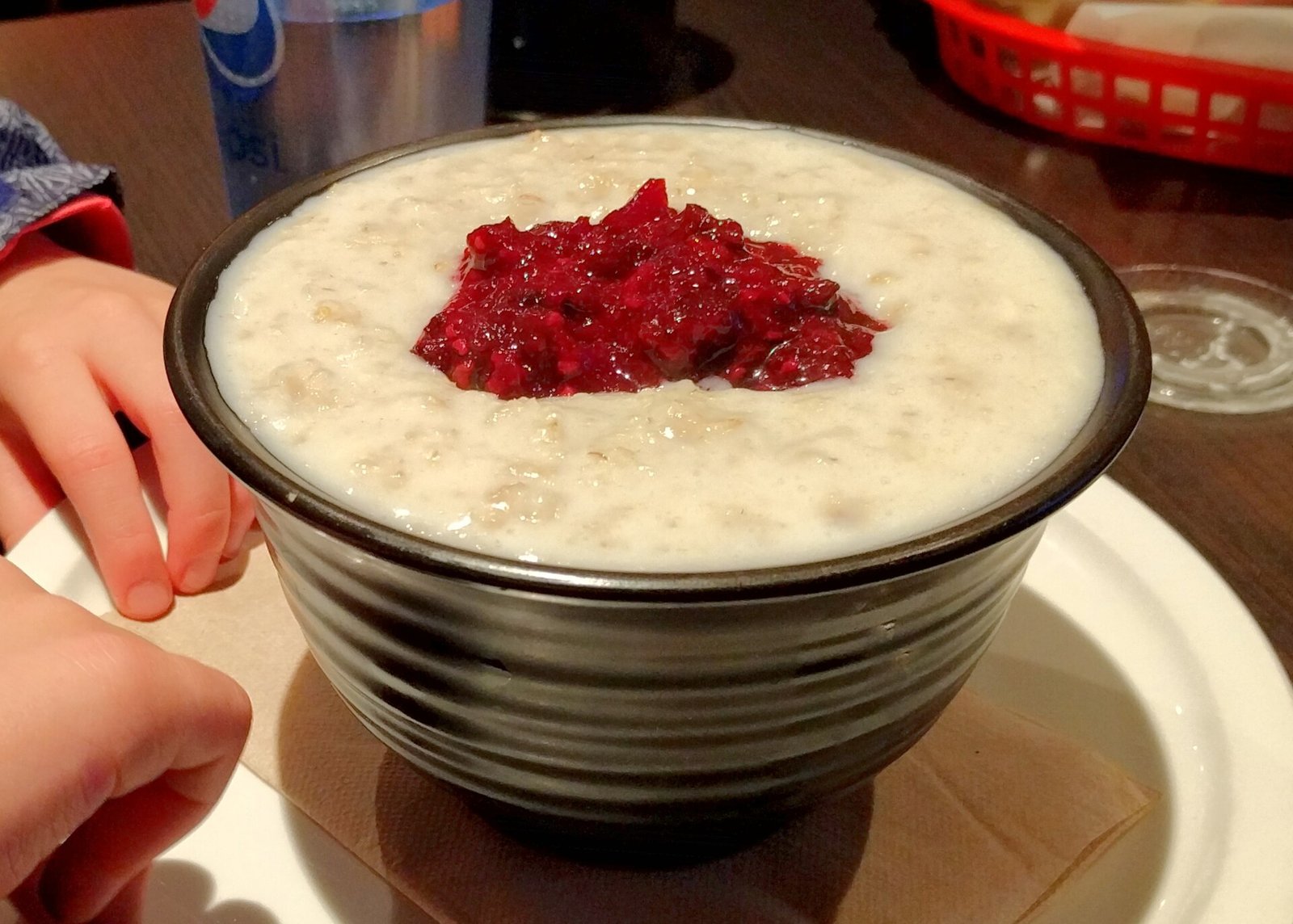
- – Breakfast: oatmeal with berries and a spoon of chopped almonds; water or another liquid; sit on the toilet 15 to 45 minutes later if that is your training window
- – Lunch: whole-wheat pita or rice bowl with black beans, vegetables, and an orange
- – Snack: pear or apple with the skin, plus water
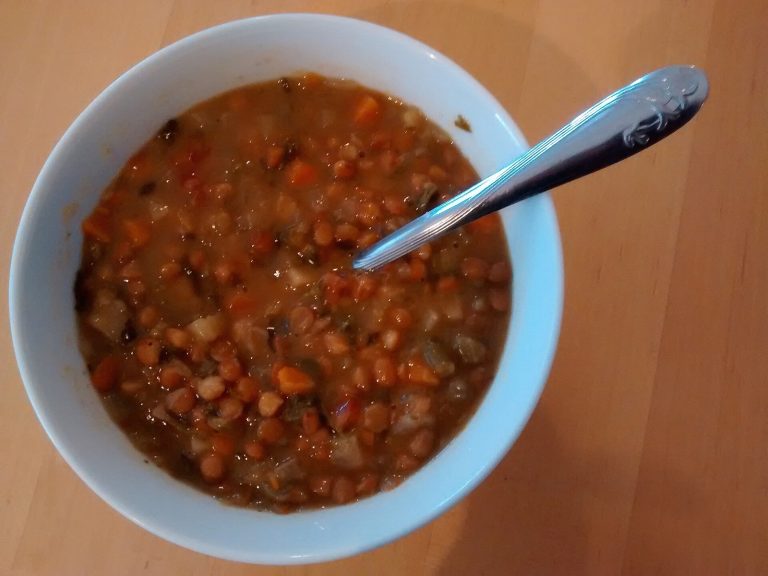
- – Dinner: lentil or vegetable soup, a side of broccoli or green peas, and whole-grain bread
- – Evening: herbal tea or water; do not ignore an evening urge because you are busy
5. If hemorrhoids, diverticulosis, or IBS overlap
See hemorrhoids diet guide, diverticulosis diet guide, and IBS diet guide if those issues overlap. New constipation plus blood or unintentional weight loss still needs a clinician.
6. When food is not enough
If food, fluids, activity, and short-term clinician-guided OTC medicines do not help, NIDDK describes prescription options, biofeedback for pelvic-floor problems, and, rarely, surgery. Those decisions belong in clinic.
Safety, interactions, and who should ask a clinician first
- – Rectal bleeding, black stool, constant abdominal pain, vomiting, fever, inability to pass gas, or unexplained weight loss: seek care (NIDDK). A family history of colon or rectal cancer is another reason to be seen.
- – Heart or kidney fluid limits: do not freely increase juices without advice.
- – Swallowing problems or prior bowel surgery: ask before bulky fiber supplements.
- – Pregnancy, new medicines, diabetes, celiac disease, or hypothyroidism: constipation may need more than bran.
- – If you cannot pass stool or gas, seek urgent care rather than waiting on a diet trial.
FAQ
How much fiber should I aim for? NIDDK says adults should get 22 to 34 grams a day, depending on age and sex, and that you should add fiber gradually and drink liquids to help it work.
Do I have to stop eating meat? NIDDK lists meat among low- or no-fiber foods to avoid when you are trying to relieve constipation. You do not have to become vegetarian; pair smaller meat portions with beans, whole grains, fruits, and vegetables so the plate is not fiber-free.
Can I just drink coffee instead of water? NIDDK’s constipation nutrition page emphasizes water and other liquids, including some juices and clear soups, to help fiber work and to avoid dehydration. Ask your clinician about total fluid goals; coffee is not a stand-alone plan.
Are laxatives part of diet care? They can be a short-term tool when a health professional recommends a type (fiber supplements, osmotics, stool softeners, lubricants, or—if needed—stimulants). MedlinePlus says to use laxatives only if your provider says you should.
Why would constipation last for months? NIDDK lists slow colon movement, pelvic floor disorders, IBS, medicines, low fiber or fluids, low activity, and other medical conditions. Chronic symptoms deserve a diagnosis.
When is constipation an emergency? Get care promptly for bleeding, black stools, vomiting, fever, inability to pass gas, or constant severe abdominal pain.
How this differs from related OTCFood topics
This page is a chronic-constipation-bound diet guide focused on the NIDDK fiber range, fluid pairing, low-fiber foods to limit, bowel training, and red flags. It is not an IBS-only tutorial, not a post-hemorrhoidectomy protocol, and not a substitute for colonoscopy or other testing when your clinician recommends it. A broader companion page is constipation diet guide.
Medical disclaimer
Medical disclaimer: This article is for general information only. It is not medical advice, diagnosis, or a treatment plan. Constipation care depends on duration, medicines, other conditions, and your clinician’s judgment. Talk with a clinician or registered dietitian before starting, stopping, or changing any eating plan, fiber supplement, laxative, or medicine. Seek urgent care for rectal bleeding, black stools, severe abdominal pain, vomiting, fever, or inability to pass stool or gas.