Food Allergy Diet: Foods That May Help and Foods to Limit
Medical note: This article discusses foods and researched botanicals. It does not claim to prevent, treat, or cure disease. Supplements are not a substitute for food, and studied amounts are not personal prescriptions.
People searching “food allergy diet foods that help or worsen” usually want a clear avoidance and label-reading plan—not a claim that a special diet cures food allergy or replaces epinephrine when anaphylaxis is a risk. MedlinePlus defines a food allergy as an abnormal immune system reaction to certain foods and states there is no cure; the only way to prevent a reaction is to avoid the food you are allergic to. Mayo Clinic estimates food allergy affects about 10% of the general population and about 8% of children. Kitchen skills may help you avoid allergens and keep meals balanced; they do not replace an allergist’s diagnosis or emergency medicines.
What this food allergy diet guide covers (and what it does not)
This guide is for people with a clinician-confirmed food allergy who want practical avoidance and labeling information. Anchors: MedlinePlus — Food Allergy, MedlinePlus Medical Encyclopedia — Food allergy, FDA — Food Allergies, and Mayo Clinic — Food allergy.
A food allergy is not the same as a food intolerance. MedlinePlus and Mayo Clinic both emphasize that intolerances typically cause digestive symptoms such as bloating and gas and are not immune-system reactions. See lactose intolerance diet guide and celiac disease diet guide if those diagnoses are the real issue. This page is not permission to reintroduce a known allergen at home. Related reading: eosinophilic esophagitis diet guide, eczema diet guide, asthma diet guide, allergic rhinitis diet guide, and alpha-gal syndrome diet guide.
Evidence snapshot: food allergy diet claims vs public sources
| Claim people hope for | What public sources actually say | Confidence |
|---|---|---|
| “A nutritious diet can cure a food allergy” | MedlinePlus: there is no cure; the only way to prevent a reaction is to avoid the food. FDA: food allergies currently cannot be cured | Strong against food-as-cure |
| “If a label does not shout the allergen, the food is safe” | FDA: packaged foods must name the food source of major allergens either in parentheses after an ingredient or in a “Contains” statement. Advisory phrases such as “may contain” are not required by law | Strong that labeled packaged foods help, with gaps |
| “Allergy and intolerance are the same, so I can self-diagnose by cutting dairy or gluten” | MedlinePlus encyclopedia: many people have intolerances; a true food allergy is much less common. Mayo Clinic: celiac disease is an immune reaction to gluten but is different from a typical food allergy and does not cause anaphylaxis | Strong that testing matters |
| “A tiny bite is always safe” | Mayo Clinic: even a tiny amount of an allergy-causing food can trigger symptoms. FDA: reactions range from hives and lip swelling to life-threatening anaphylaxis | Strong caution |
| “Children never outgrow food allergies” | MedlinePlus: some children will outgrow food allergies, and people can also develop them as adults. Mayo Clinic: children typically outgrow milk, soy, wheat, and egg allergies more often than peanut, tree nut, and shellfish allergies | Moderate that follow-up testing can change the plan |
Foods and patterns that may help people living with food allergy
“May help” means supporting safe, still-nutritious eating around a confirmed allergen—not a list of anti-allergy superfoods.
Know the major allergens public sources name
MedlinePlus says most food allergies are caused by cow’s milk, chicken eggs, Crustacean shellfish (such as shrimp, crab, lobster, and crayfish), fish, peanuts, sesame, soy, tree nuts (such as almonds, walnuts, and pecans), and wheat. FDA’s labeling list of major allergens is the same nine foods; sesame was added effective January 1, 2023, and older packages may not yet declare it. FDA also requires the type of tree nut and the species of fish or Crustacean shellfish to be named.
Build a balanced plate around safe substitutes
Avoidance should not mean an empty plate. Work with a registered dietitian if a major food group is removed. Milk allergy may call for fortified alternative drinks with added calcium and vitamin D if your clinician agrees. A wheat-free pattern is not automatically a celiac gluten-free diet. Never assume one nut or seed is a safe stand-in for another.
Label-reading skills FDA describes
On packaged foods, FDA says the allergen source must appear at least once either in parentheses after the ingredient (for example, “lecithin (soy),” “flour (wheat),” or “whey (milk)”) or in a statement such as “Contains wheat, milk, and soy.” Read every label every time. Treat “may contain” or “produced in a facility that also uses” wording as optional advisory language, not a legal guarantee. FDA has also highlighted undeclared milk in some dark chocolate products, so “dairy-free” marketing is not a substitute for the ingredient list.
Foods and habits that often worsen risk
- – Eating the known allergen, even in a hidden sauce, marinade, baked good, or shared fryer. Mayo Clinic notes that even a tiny amount can trigger symptoms.
- – Cross-contact on shared boards, toasters, oils, or scoops. FDA notes that made-to-order items placed in a wrapper after you order are not covered by the same packaged-food allergen labeling law.
- – Guessing about pollen-food (oral allergy) syndrome. Mayo Clinic and MedlinePlus describe mouth itching from raw fruits or vegetables that share proteins with pollens; cooking often removes the reaction, and severe reactions are uncommon, but your allergist should define your risk.
- – Exercising soon after a trigger food if you have food-dependent exercise-induced anaphylaxis. Mayo Clinic notes this most commonly after wheat or shellfish in susceptible people.
- – At-home challenges. MedlinePlus calls a supervised oral food challenge the most accurate test; do not experiment in the kitchen.
- – Leaving epinephrine behind. MedlinePlus: learn how to use a prescribed auto-injector and carry it at all times. A medical alert bracelet is also recommended.
- – Treating asthma or eczema as unrelated. Mayo Clinic notes the conditions often occur together and that symptoms may be more severe when they do. See asthma diet guide and eczema diet guide.
“Limit” in true food allergy usually means strict avoidance of your confirmed allergen—not a trendy restriction of foods you tolerate.
Practical kitchen protocol: a food-allergy-aware week
1. Confirm the diagnosis before you empty the pantry
MedlinePlus describes a history, exam, and testing that may include skin tests, blood tests, an elimination diet, and/or a supervised oral food challenge. Do not empty the pantry because a social-media list called a food “inflammatory.”
2. Shopping and label routine
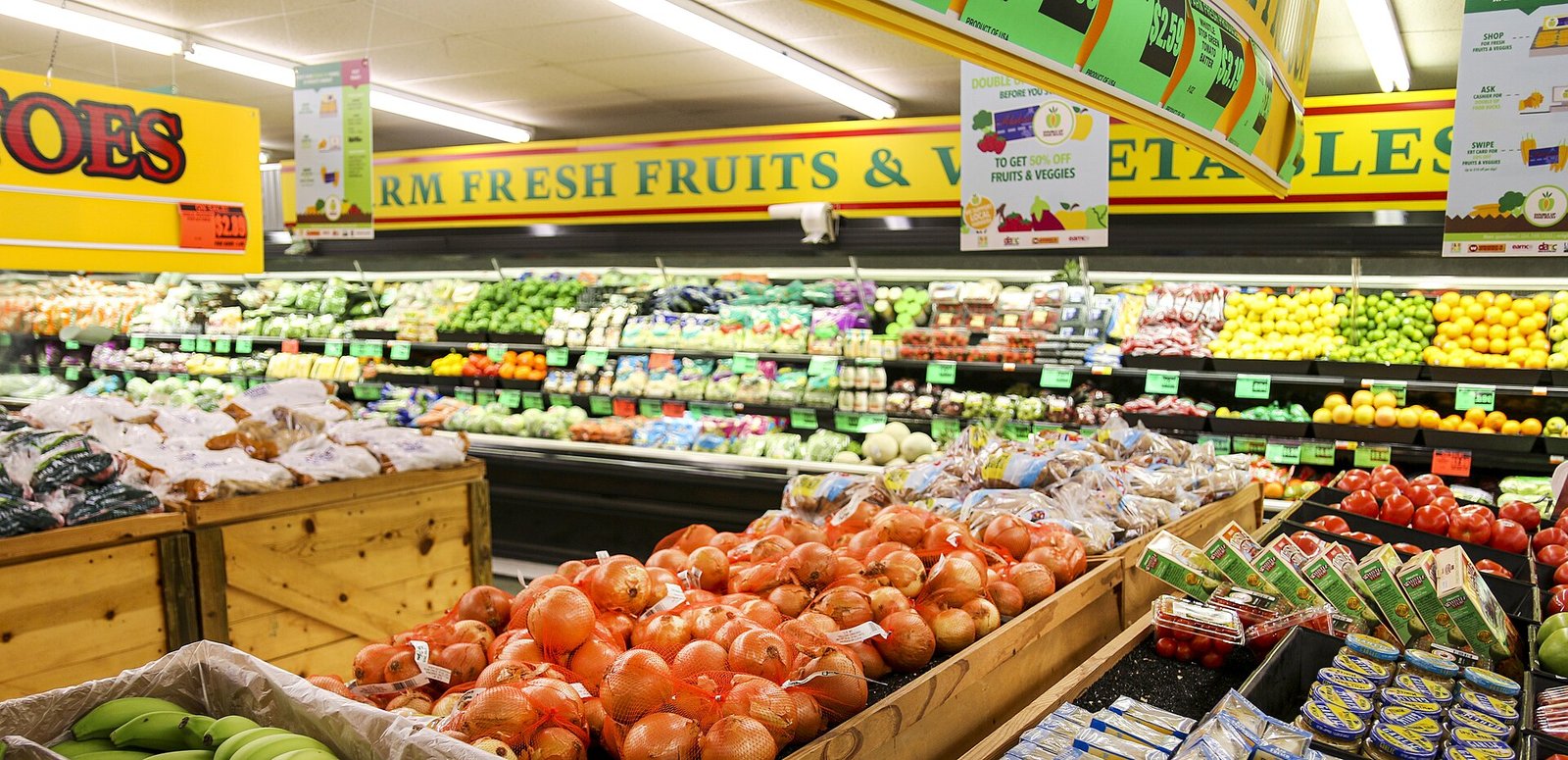
- – Read the ingredient list and any “Contains” statement every time, including the specific tree nut, fish, or shellfish name
- – If you must avoid sesame, remember older packages may not declare it
- – Be extra cautious with bakery items, snacks, candy, dairy products, and dressings; FDA has noted these categories appear often in undeclared-allergen recalls, with milk a frequent culprit
- – Carry safe snacks you have already vetted
3. Default plate template (once safe foods are identified)
- – Half vegetables and fruits you tolerate (cook them if oral allergy syndrome is part of your plan)
- – Quarter safe protein and quarter safe grains or starchy vegetables
- – Check sauces and oils; they are common hidden sources of soy, wheat, milk, peanut, or sesame
4. Sample day (illustrative for someone avoiding peanut and tree nuts only)
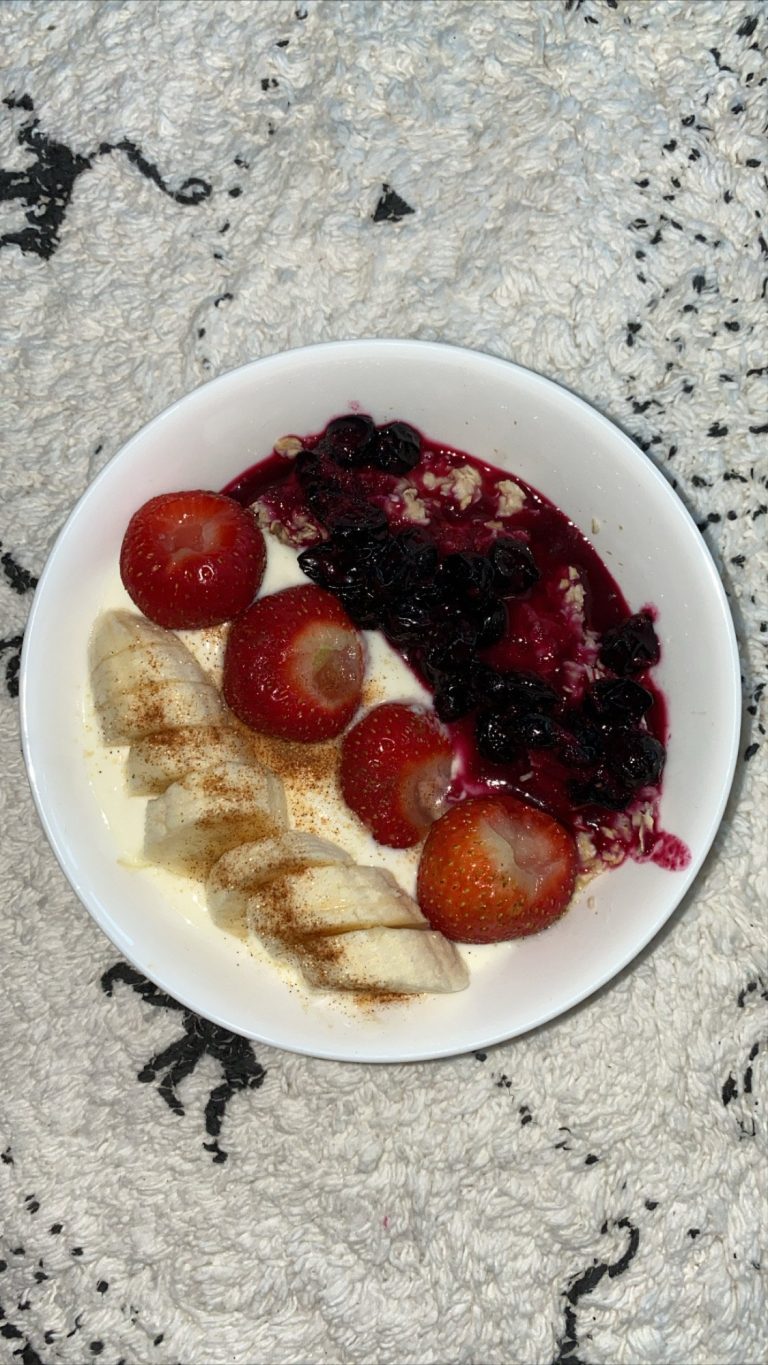
- – Breakfast: oatmeal with a tolerated milk or fortified alternative, topped with seeds your allergist has cleared
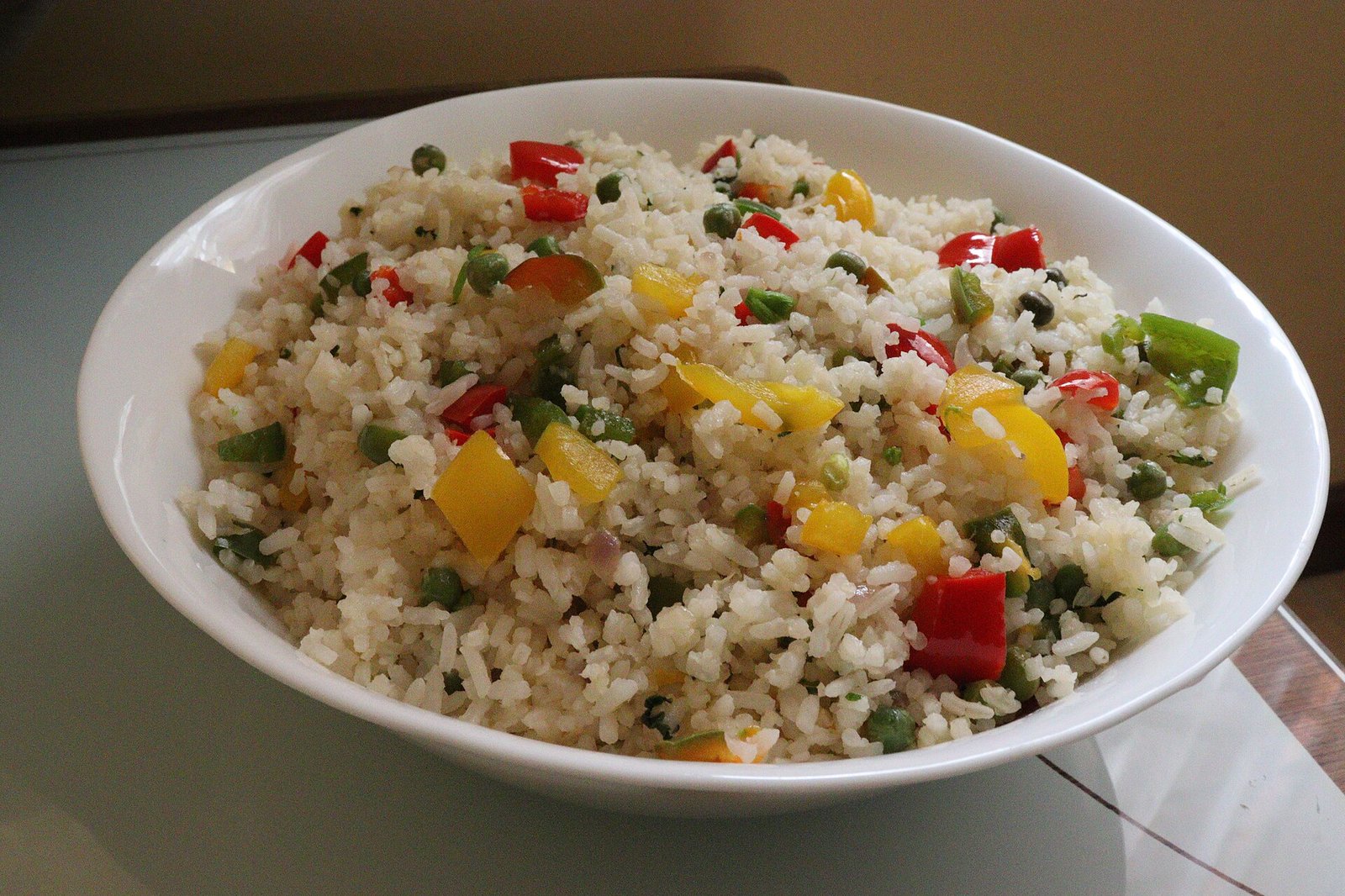
- – Lunch: rice bowl with chicken or lentils, roasted vegetables, and a homemade dressing
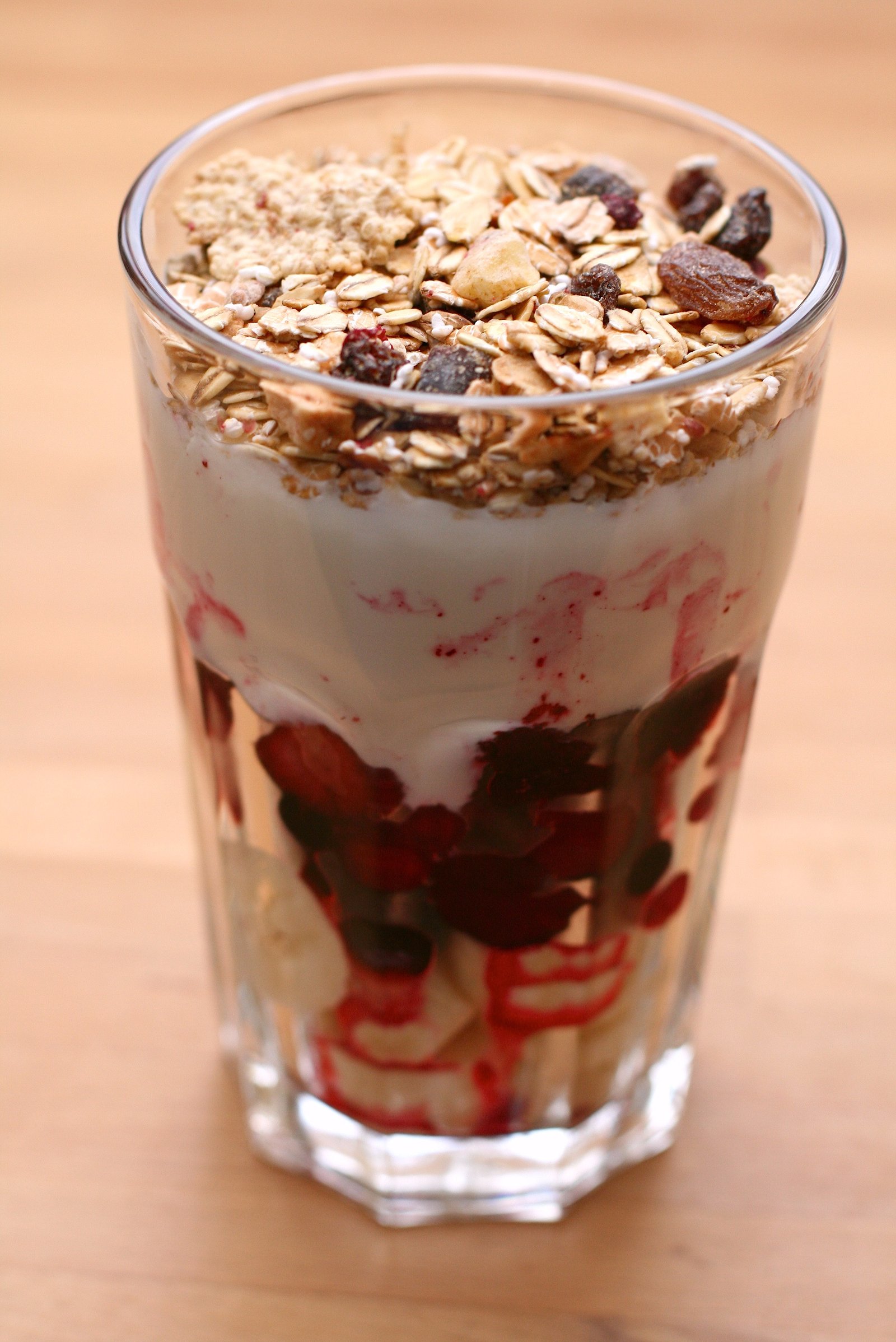
- – Snack: fruit or yogurt plus a packaged item whose label you read that day
- – Dinner: baked fish if safe, or tofu, with potatoes and cooked greens
- – Anytime: epinephrine auto-injector in reach, not left in the car
5. Dining out and travel
Name the allergen, ask about shared equipment, and do not rely on a vague answer. Carry safe backups and emergency medicine. Unpackaged restaurant and buffet foods are not labeled the same way as factory-packaged foods (FDA).
6. Infants and early introduction—ask first
Mayo Clinic notes that introducing peanut products and eggs at 4 to 11 months of age may lessen later peanut and egg allergy risk; studies of other common allergens have not shown the same result. Ask your child’s clinician first, especially if eczema or an existing food allergy is present.
Safety, interactions, and who should ask a clinician first
- – Anaphylaxis—trouble breathing, throat swelling, a drop in blood pressure, confusion, or loss of consciousness—needs emergency care. MedlinePlus: call 911.
- – Antihistamines are not a substitute for prescribed epinephrine in anaphylaxis.
- – Asthma plus food allergy warrants an especially clear emergency plan (Mayo Clinic).
- – Do not start immunotherapy or allergen powders except under specialist care.
- – Multiple-food restrictions, pregnancy, and infant feeding need dietetic support so key nutrients do not fall.
- – If symptoms begin during a meal, stop the food and seek care (Mayo Clinic, FDA).
FAQ
Is there a diet that treats food allergy? No. MedlinePlus and FDA state that food allergies are not cured by diet. Avoidance prevents reactions; medicines can reduce symptoms or treat anaphylaxis.
How is this different from lactose intolerance or celiac disease? Intolerance is generally not an immune reaction. Celiac disease is an immune reaction to gluten that damages the small intestine and does not cause anaphylaxis (Mayo Clinic).
What does a “Contains” statement mean? FDA requires the food source of major allergens to be named either in parentheses in the ingredient list or in a nearby “Contains” statement. It is a legal labeling tool, not a wellness slogan.
Are “may contain” warnings required? No. FDA says advisory statements are not required by law and are meant for unavoidable cross-contact after manufacturers have tried to control allergens.
Can my child outgrow a food allergy? Sometimes. MedlinePlus notes that some children outgrow food allergies. Mayo Clinic says milk, soy, wheat, and egg allergies are more often outgrown than peanut, tree nut, and shellfish allergies. Only a clinician should decide when a food can be retried.
When is a reaction an emergency? Trouble breathing, throat swelling, fainting, or rapidly worsening symptoms after an allergen are emergencies. Call 911 and use epinephrine if it was prescribed for this situation.
How this differs from related OTCFood topics
This page is a food-allergy-bound diet guide focused on confirmed-allergen avoidance, U.S. labeling rules, substitute-food balance, and emergency readiness. It is not a celiac, lactose-intolerance, or eosinophilic esophagitis protocol.
Medical disclaimer
Medical disclaimer: This article is for general information only. It is not medical advice, diagnosis, or a treatment plan. Food-allergy care depends on the specific allergen, reaction history, and your clinician’s judgment. Talk with an allergist or registered dietitian before changing an eating plan, trying a reintroduction, or changing a medicine. Seek emergency care for anaphylaxis or rapidly worsening breathing, swelling, or fainting after an allergen exposure.