Crohn’s Disease Diet: Foods That May Help and Foods to Limit
Medical note: This article discusses foods and researched botanicals. It does not claim to prevent, treat, or cure disease. Supplements are not a substitute for food, and studied amounts are not personal prescriptions.
There is no single Crohn’s disease diet that works for everyone. NIDDK (the NIH digestive diseases institute) says researchers have not found that specific foods cause or worsen Crohn’s disease symptoms, while the NHS says there is no clear evidence that a special diet or particular foods help. What public sources do support is a nutrient-dense, varied eating pattern, a food-and-symptom diary to spot personal triggers, texture changes during flares, and a plan built with your gastroenterology team or an IBD-focused dietitian. Food choices support comfort and nutrition; they sit alongside, never instead of, the medicines and monitoring your clinicians prescribe.
What this Crohn’s disease diet guide covers (and what it does not)
This guide is for adults living with Crohn’s disease, people newly diagnosed and trying to make sense of conflicting online lists, and the family cooks who shop for them. It draws on NIDDK — Eating, Diet, & Nutrition for Crohn’s Disease, NIDDK — Treatment for Crohn’s Disease, the NHS Crohn’s disease page, and the Crohn’s & Colitis Foundation — What Should I Eat?, which summarizes 2020 dietary guidance from the International Organization for the Study of Inflammatory Bowel Diseases (IOIBD).
It does not cover tube feeding, liquid-only “bowel rest,” or exclusive enteral nutrition. NIDDK notes that people in hospital with complications may need bowel rest with nutrient drinks, feeding tubes, or IV nutrition, and the NHS says some people—often children or those who cannot take steroids—may be offered a special liquid diet instead of medicines. Those are prescribed medical plans, not kitchen experiments.
Why nutrition matters so much in Crohn’s disease
NIDDK explains that Crohn’s disease can affect nutrition in several ways: symptoms can reduce appetite, inflammation in the small intestine may mean the body absorbs fewer nutrients, and some medicines and surgery can lower absorption too. Getting the right amount of nutrients may help lower the risk of complications such as malnutrition and, in children, problems with growth and development. Your doctor may suggest supplements if you are not absorbing enough—NIDDK also lists calcium and vitamin D supplements or medicines to slow bone loss—but asks that you talk with your doctor before using any supplement.
Evidence snapshot: Crohn’s disease diet claims vs public sources
| Claim people hope for | What public sources actually say | Confidence |
|---|---|---|
| “One food causes my Crohn’s flares” | NIDDK: researchers have not found that specific foods cause or worsen symptoms; a food diary can help identify personal triggers | Strong that triggers are individual |
| “A special Crohn’s diet will control the disease” | NHS: no clear evidence that a special diet or particular foods help; do not make big diet changes without your healthcare team | Low for any single named diet |
| “Fruits and vegetables are off-limits” | NIDDK: your doctor may recommend more fruits and vegetables; CCF: adjust type, texture, and amount rather than cutting them out | Moderate for including tolerated produce |
| “Red and processed meat don’t matter” | CCF (IOIBD guidance): frequent red meat, processed meat, coconut oil, dairy fat, and palm oil are associated with increased inflammation; moderation, not fear | Low-to-moderate |
| “Additives are proven harmful in Crohn’s” | CCF: emerging evidence only for certain emulsifiers and thickeners (e.g., carboxymethylcellulose, polysorbate-80, carrageenan) and some sweeteners; more research needed | Preliminary |
| “Restrictive elimination diets are safest” | CCF: self-imposed restrictive diets can lead to nutrient deficiencies, unplanned weight loss, and disordered eating | Strong caution |
Foods that may help with Crohn’s disease comfort and nutrition
“May help” here means a sensible kitchen default that supports nutrition while you and your care team manage the disease—not a guarantee of remission.
Foods the Crohn’s & Colitis Foundation suggests increasing
- – Gentle fruits: bananas, raspberries, applesauce, and blended fruit.
- – Soft-cooked vegetables: squashes, fork-tender cooked carrots, and green beans.
- – Omega-3-rich foods: fatty fish such as salmon, tuna, and mackerel; walnut butter; chia seeds; flaxseed oil and flaxseed meal.
- – Cooked and cooled (or reheated) starches: potatoes, sweet potatoes, rice, and oatmeal.
- – Leafy greens, cooked and cut small or blended into smoothies.
Protein through the day
CCF notes that protein needs rise during active disease. Spread protein across meals and snacks: chicken, turkey, fish, eggs, tofu, yogurt, beans, chia seeds, and nut butters.
Fluids
CCF suggests drinking enough to keep urine light yellow—water, broth, smoothies, an oral rehydration solution, or a prescribed nutrition drink—especially with frequent loose stools.
Foods and habits to limit with Crohn’s disease
Common trigger foods (individual—test, don’t assume)
CCF lists these as common triggers. A trigger causes unpleasant symptoms but does not necessarily cause inflammation:
- – High insoluble fiber: raw kale, apple skins, sunflower seeds.
- – Other high-fiber vegetables: Brussels sprouts, cabbage, cauliflower, asparagus.
- – High-lactose dairy: cow’s milk, cream, ice cream, custard.
- – Sugar alcohols and artificial sweeteners: sorbitol, mannitol, xylitol, sucralose, aspartame, saccharin.
- – Added sugars: cookies, pastries, honey, maple syrup, and sugar-sweetened drinks.
- – High-fat foods: butter, cheesy dishes, fried foods.
- – Spicy foods, alcohol, and caffeinated drinks.
Foods associated with inflammation when eaten often
CCF (citing IOIBD guidance) lists red meat, processed meat (deli meat, bacon, hot dogs, sausages), coconut oil, dairy fat, and palm oil. The advice is moderation and variety: if red meat appears daily, rotate in chicken, turkey, tofu, eggs, and fish.
If you have stricturing Crohn’s disease
For people with narrowed sections of bowel (strictures), CCF notes that some tougher foods may be a problem: mushrooms, popcorn, steak, dried meats or fruit, raw nuts, and salads. The NHS lists strictures as a complication that can cause a blockage. Ask your doctor whether you need a texture-modified plan.
Smoking
The NHS advises not smoking, as it can increase the risk of flare-ups.
Practical kitchen protocol: a Crohn’s disease diet week
1. Start a two-week food-and-symptom diary
NIDDK and the NHS both suggest a diary. Record meals, portion sizes, stool changes, pain, bloating, stress, and any medicine changes. Bring it to your next appointment rather than cutting foods on a hunch.
2. Think type, texture, and amount
CCF’s three-question approach is practical:
- – Type: soluble fiber (raspberries, oats, bananas) tends to be gentler than insoluble fiber (apple skins, raw kale).
- – Texture: blended kale behaves more like soluble fiber than raw kale; nut butter is easier than whole raw nuts.
- – Amount: add fruits and vegetables a little at a time instead of all at once.
3. Flare-week plate
During a flare, CCF suggests keeping the “foods to increase” list but softening textures, adding protein, and using small, frequent, nutrient-dense meals if appetite is low—for example, a banana with a tablespoon of peanut butter, hummus with crackers, yogurt with berries, a smoothie between meals, olive oil or a quarter to half an avocado added to meals.
4. Remission-week plate
In remission, CCF encourages reintroducing tougher-to-digest foods and keeping the diet as broad as possible, with plenty of tolerated plant foods—fruits, vegetables, nuts, seeds, herbs, and whole grains. If you have strictures, ask before reintroducing high-texture foods.
5. Cooking methods and batch prep
CCF suggests simple techniques—boil, grill, roast, steam, poach—and preparing meals in advance, plus a few quick meals for low-energy days. Cook a pot of rice or potatoes, chill it, and reheat portions through the week.
6. Shopping list default
Bananas, frozen raspberries, unsweetened applesauce, butternut squash, carrots, green beans, oats, potatoes and sweet potatoes, rice, eggs, chicken or turkey, salmon or canned tuna, tofu, plain yogurt (or lactose-free yogurt if dairy bothers you), smooth peanut or walnut butter, chia seeds, olive oil, low-sodium broth, and an oral rehydration solution for bad days.
7. Sample day (illustrative, adjust to tolerance)
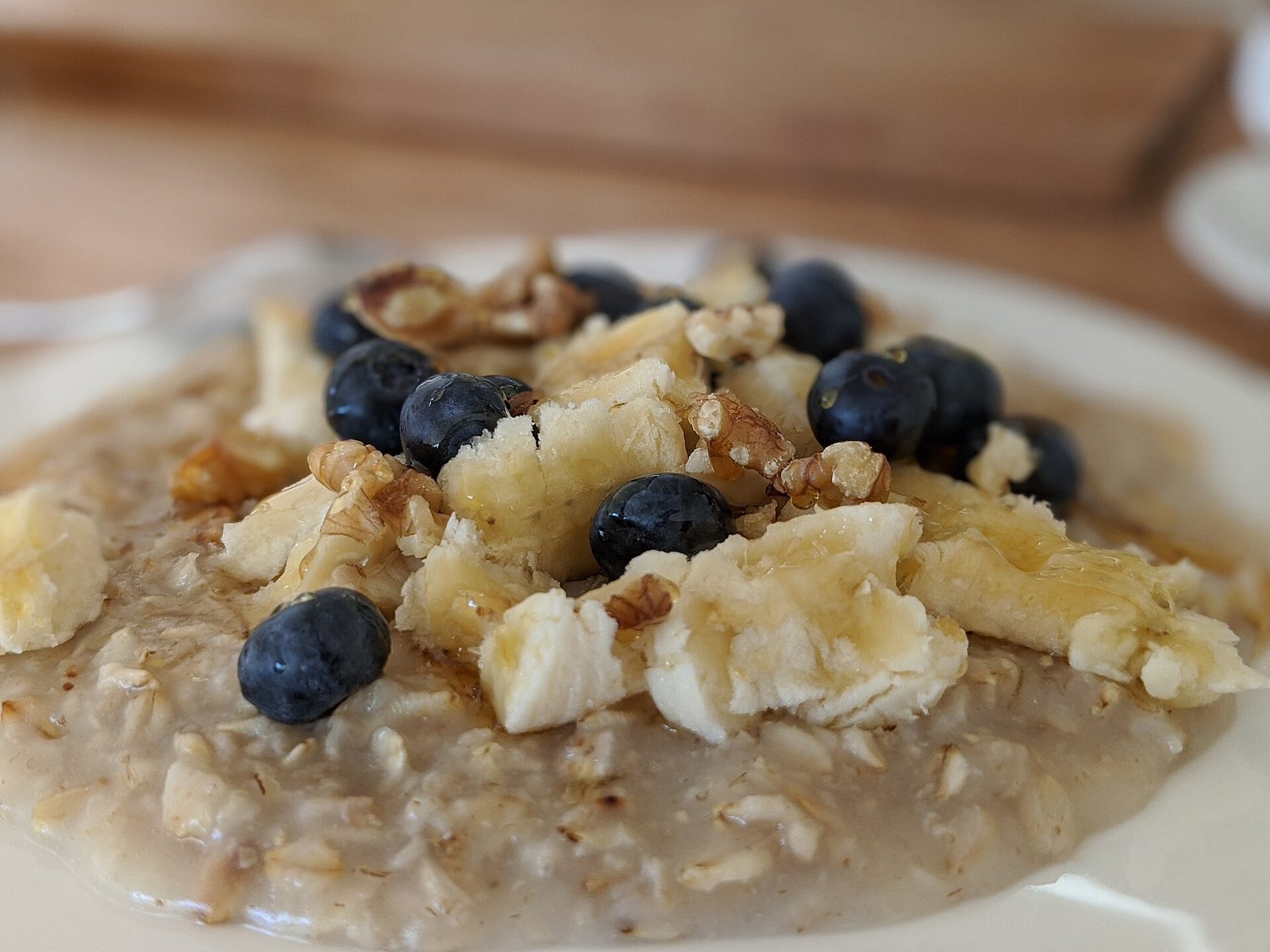
- – Breakfast: oatmeal cooked soft, topped with sliced banana and a spoon of smooth nut butter.
- – Snack: plain or lactose-free yogurt with raspberries.
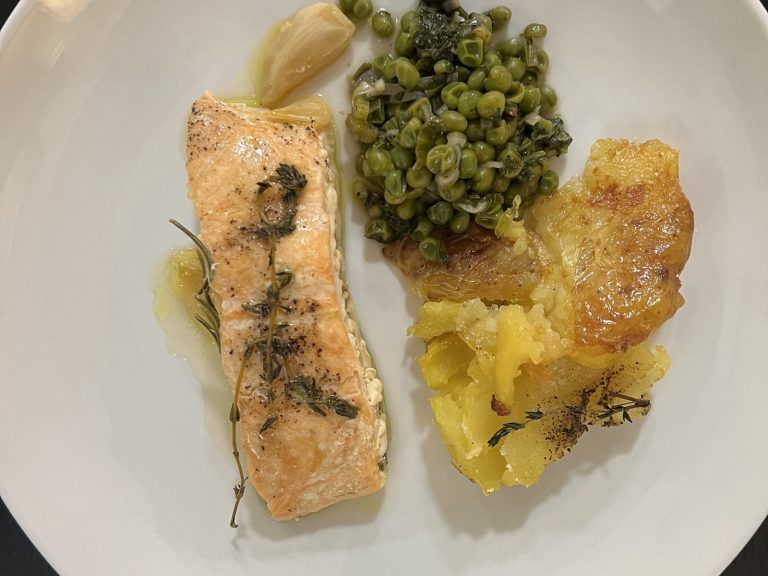
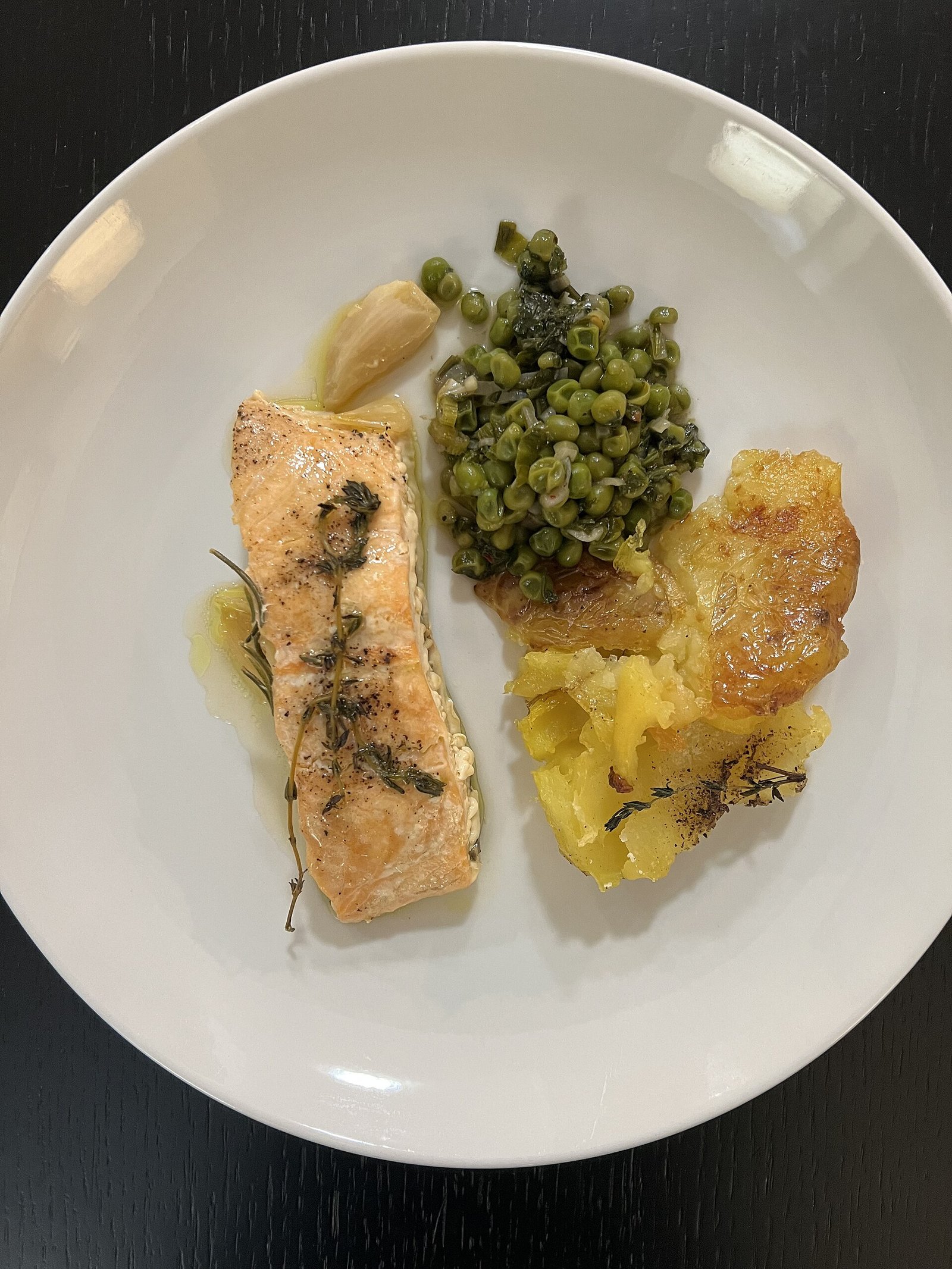
- – Lunch: baked salmon, reheated cooled potatoes, and fork-tender carrots.
- – Snack: blended fruit smoothie with chia seeds.
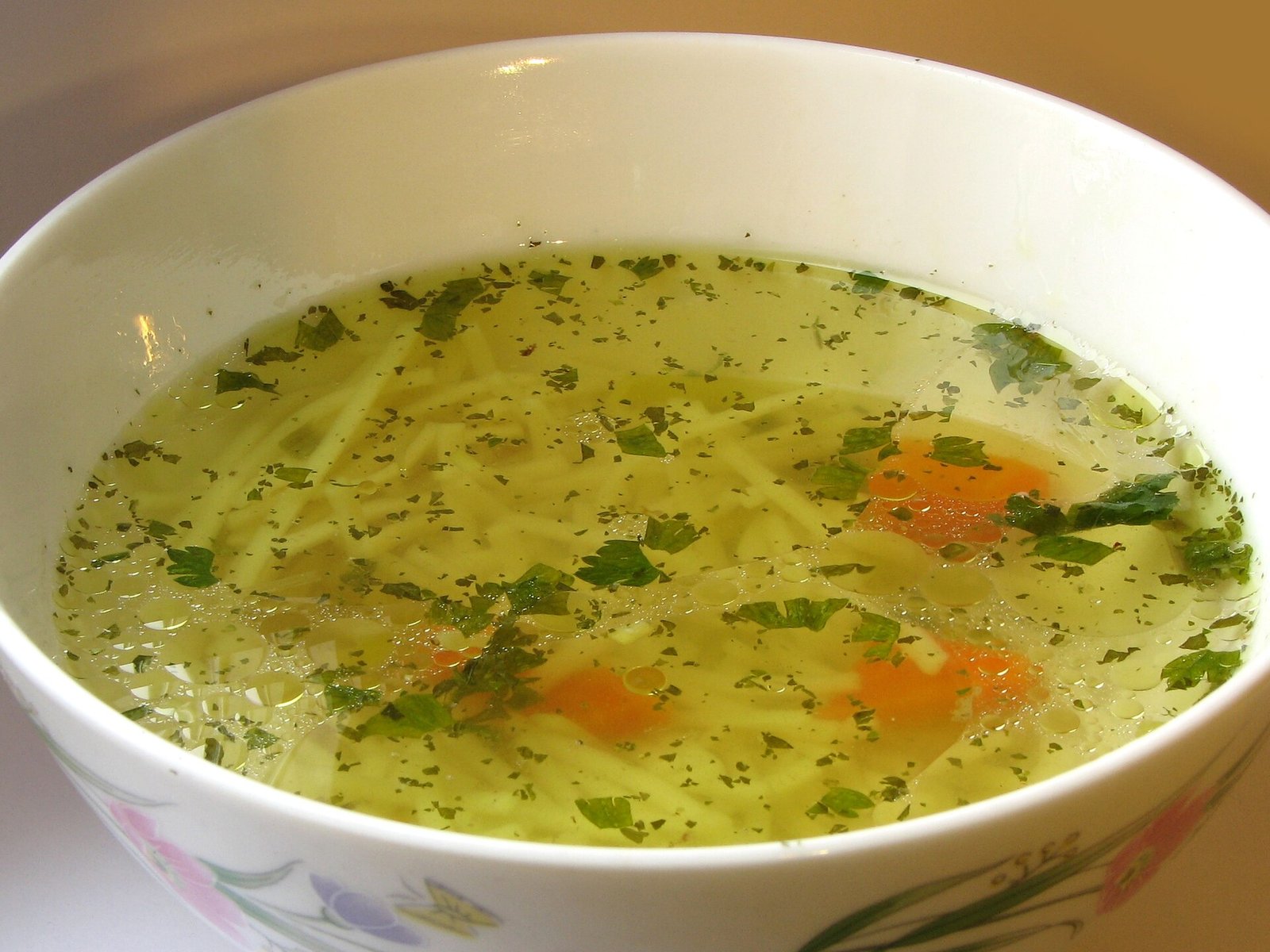
- – Dinner: chicken and rice soup with soft-cooked squash and green beans.
8. Eating out and gatherings
CCF suggests reviewing menus ahead of time, bringing your own dish to gatherings if needed, and adapting cultural recipes rather than abandoning them—for example, using a milder spice level or a smaller portion of a favorite dish.
Safety, red flags, and who should talk to a doctor first
- – Get urgent advice (NHS): black or dark red stool, or bloody diarrhea.
- – Do not overhaul your diet alone: the NHS advises against big diet changes without your healthcare team; CCF warns restrictive diets can cause deficiencies, unplanned weight loss, and disordered eating.
- – Supplements: NIDDK advises talking with your doctor before taking vitamins or complementary products; your team may check for deficiencies caused by malabsorption, medicines, or surgery.
- – Bone health: NIDDK lists calcium and vitamin D supplements or medicines to slow bone loss—ask whether you need monitoring.
- – Strictures, recent surgery, or an ostomy: these often need individualized texture and fiber guidance.
- – Children and teens: nutrition affects growth, so diet changes belong with the pediatric care team.
- – Unplanned weight loss or very low appetite: ask for a referral to an IBD-focused dietitian.
FAQ
What is the best diet for Crohn’s disease? No single diet is proven best. NIDDK and the NHS recommend a healthy, balanced diet planned with your care team, and the Crohn’s & Colitis Foundation suggests a varied pattern rich in tolerated fruits, vegetables, omega-3 foods, and protein, with texture changes during flares.
What foods commonly trigger Crohn’s symptoms? Common triggers listed by CCF include high-insoluble-fiber foods, high-lactose dairy, sugar alcohols and artificial sweeteners, high-fat and fried foods, spicy foods, alcohol, and caffeine. Triggers differ from person to person, which is why a food diary matters.
Should I eat low-fiber during a Crohn’s flare? Many people tolerate fiber better when its texture changes—blended, cooked soft, or added slowly—rather than removed entirely. If you have strictures, follow your doctor’s specific texture guidance.
Is a low-FODMAP diet good for Crohn’s disease? CCF says an IBD-focused dietitian may suggest a low-FODMAP diet if you are in remission but still have gut symptoms. It is a structured, short-term elimination plan best done with professional support.
Do I need supplements with Crohn’s disease? Possibly. NIDDK says your doctor may recommend supplements if your body does not absorb enough nutrients, but you should talk with your doctor before taking any vitamin or complementary product.
How this differs from related OTCFood topics
This page is a disease-bound Crohn’s disease diet guide focused on texture, triggers, protein, and nutrition gaps. For the other main form of IBD, see our ulcerative colitis diet guide. If your symptoms are bloating and altered bowel habits without inflammation, the IBS diet guide covers low-FODMAP basics, and the celiac disease diet guide explains strict gluten avoidance, which is a different condition with a different diet.
Medical disclaimer
Medical disclaimer: This article is for general information only and is not medical advice, diagnosis, or a care plan. Crohn’s disease management depends on disease location, activity, strictures, surgery history, labs, and medicines. Talk with your gastroenterologist or a registered dietitian before changing your eating plan or starting supplements, and seek prompt care for bloody or black stools, severe abdominal pain, persistent vomiting, or signs of dehydration.