Fecal Incontinence Diet: Foods That May Help and Foods to Limit
Medical note: This article discusses foods and researched botanicals. It does not claim to prevent, treat, or cure disease. Supplements are not a substitute for food, and studied amounts are not personal prescriptions.
People searching “fecal incontinence diet foods that help or worsen” usually want a practical, respectful eating pattern for accidental bowel leakage—not a claim that diet replaces pelvic-floor care, medicines, or other treatment. NIDDK defines fecal incontinence, also called accidental bowel leakage, as the accidental passing of bowel movements, including solid or liquid stool or mucus. Among adults not in hospitals or nursing homes, between 7 and 15 out of 100 have it, and it is more common in older adults. Kitchen patterns may help prevent or relieve symptoms depending on the cause; they do not replace pelvic-floor exercises, bowel training, medicines, or procedures.
What this fecal incontinence diet guide covers (and what it does not)
This guide is for adults who want food, fluid, and trigger-pattern habits NIDDK and MedlinePlus describe, used alongside medical care. Anchors: NIDDK — Bowel Control Problems (Fecal Incontinence), NIDDK — Eating, Diet, & Nutrition for Fecal Incontinence, NIDDK — Treatment, MedlinePlus — Bowel Incontinence, and MedlinePlus — Bowel incontinence (encyclopedia). Mayo Clinic pages were not reachable; this article uses these NIDDK and MedlinePlus pages instead.
NIDDK explains that diarrhea is the most common risk factor among people not living in institutions, and that constipation can also lead to leakage when hard stool stretches rectal muscles and liquid stool seeps around it. Related reading: chronic diarrhea diet guide, constipation diet guide, hemorrhoids diet guide, and IBS diet guide.
Evidence snapshot: fecal incontinence diet claims vs public sources
| Claim people hope for | What public sources actually say | Confidence |
|---|---|---|
| “Diet alone cures bowel leakage” | NIDDK: changing what you eat and drink can help prevent or relieve symptoms, depending on the cause. Simple treatments—diet changes, medicines, bowel training, and pelvic-floor exercises—can improve symptoms by about 60% and can stop fecal incontinence in 1 out of 5 people. That combined figure is not a diet-only cure rate | Strong that diet may help and does not replace other care |
| “More fiber and liquids help if constipation or hemorrhoids are involved” | NIDDK: eating more fiber and drinking more liquids can improve symptoms in that setting; ask a doctor or dietitian how much is right. MedlinePlus: adding bulk may thicken loose stool, suggests aiming for 30 grams of fiber a day, and mentions psyllium | Moderate to strong as a clinician-guided pattern in that setting |
| “The same ‘trigger foods’ bother everyone” | NIDDK lists foods to avoid if diarrhea is the problem and recommends a food diary because links are individual. MedlinePlus lists a similar set that may affect some people, including dairy in people who cannot digest lactose | Strong that triggers are personal |
| “Pelvic-floor care is optional if you change your menu” | NIDDK and MedlinePlus describe bowel retraining and pelvic-floor exercises as part of treatment. Diet is one tool in that plan | Strong that diet does not replace pelvic-floor or medical care |
| “This is too embarrassing to mention to a clinician” | MedlinePlus: many people feel embarrassed and may not tell their provider, but you should, because incontinence can be treated. NIDDK: see a doctor if leakage is frequent or severe, or if it affects quality of life or causes distress | Strong that care is appropriate and treatable |
Foods and patterns that may help with fecal incontinence
Everyday patterns often recommended
- – A healthy, well-balanced diet, which NIDDK says you should eat; a doctor or dietitian can recommend a plan that fits you.
- – More fiber and more liquids when constipation or hemorrhoids are contributing, after you confirm amounts with a clinician. MedlinePlus suggests increasing whole grains, aiming for about 30 grams of fiber a day, reading labels, and considering psyllium, which adds bulk to stools. Ask your clinician how to increase fiber gradually.
- – A food diary to find which foods and drinks make symptoms better or worse. NIDDK recommends tracking what and how much you eat, when you eat, symptoms, stool type, when leakage happens, and which items seem linked. Take the diary to your visit.
- – Regular meal timing that supports bowel training, if your clinician recommends trying to have a bowel movement at certain times of day.
NIDDK notes that wearing absorbent pads is the most frequently used treatment and can be combined with other treatments. Diet does not replace pads, skin care, or pelvic-floor therapy.
Foods and habits that often worsen symptoms
If diarrhea is driving leakage, NIDDK says to avoid foods and drinks that make diarrhea worse, such as:
- – Alcoholic beverages
- – Caffeinated drinks and foods
- – Dairy products such as milk, cheese, and ice cream
- – Fatty and greasy foods
- – Fructose-containing drinks and foods
- – Fruits such as apples, peaches, and pears
- – Spicy foods
- – Candy and gum with sweeteners ending in “–ol,” such as sorbitol, mannitol, xylitol, and maltitol
MedlinePlus adds cured or smoked meats to a similar list, and specifies dairy mainly in people who cannot digest lactose. See lactose intolerance diet guide if milk products are a consistent trigger.
Other habits that often work against control:
- – Long-term straining, which NIDDK lists among ways nerves can be damaged, and long-term laxative use without guidance, which MedlinePlus lists among causes.
- – Cutting all fiber because you fear “too much bulk,” when constipation is actually the problem—confirm the pattern first.
- – Avoiding the topic at a medical visit. Frequent, severe, or distressing leakage is a reason to seek care, not a reason to only rearrange the pantry.
Practical kitchen protocol: a fecal-incontinence-aware week
1. Keep medical and pelvic-floor care in parallel
NIDDK’s first step is to see a doctor. Diet changes sit beside medicines (antidiarrheals, or, when constipation is the issue, laxatives, stool softeners, or fiber supplements such as psyllium or methylcellulose only as recommended), bowel training, and pelvic-floor exercises. If inflammatory bowel disease may be involved, see ulcerative colitis diet guide or Crohn’s disease diet guide as related reading, not as self-diagnosis.
2. Shopping list that supports a diary-based plan
Water and other agreed fluids; fiber-containing foods if constipation is part of the picture (oats, other whole grains, beans if tolerated, vegetables, fruit as tolerated); a notebook for the food diary. If diarrhea is the issue, start with familiar, blander meals until the diary shows your triggers.
3. Default drink-and-meal template
- – Eat regular meals rather than long fasts followed by a very large meal, especially if you are practicing scheduled toileting after meals (MedlinePlus discusses toileting after meals and when the urge comes).
- – Drink liquids through the day if fiber is being increased.
- – Change one possible trigger at a time so the diary is readable.
- – If you use a fiber supplement, use only the product and dose your clinician recommended.
4. Sample day (illustrative; adjust to your cause)
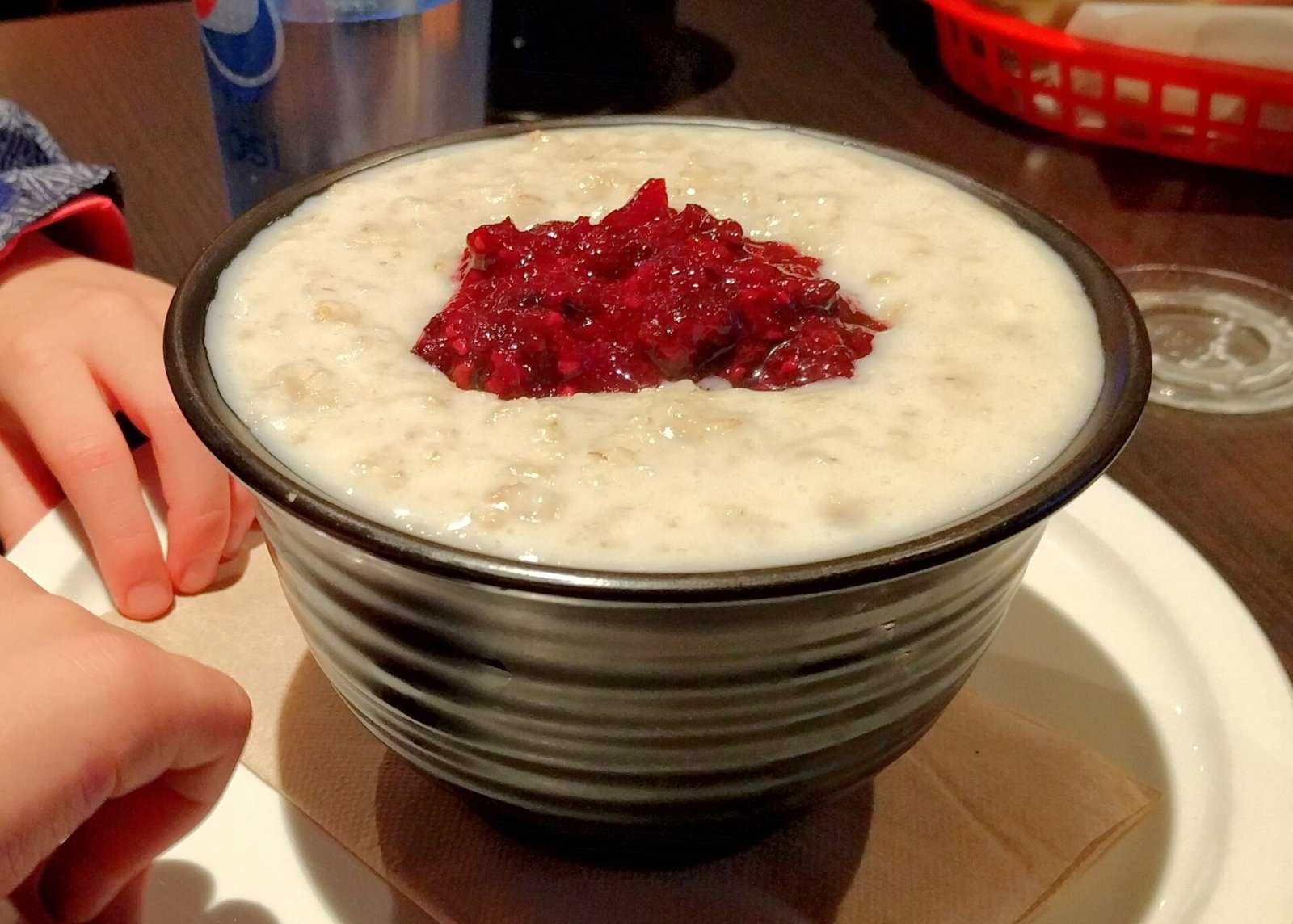
- – Breakfast: oatmeal or another whole grain if fiber is appropriate, with a protein food you tolerate; water or a non-caffeinated drink if caffeine is a trigger.
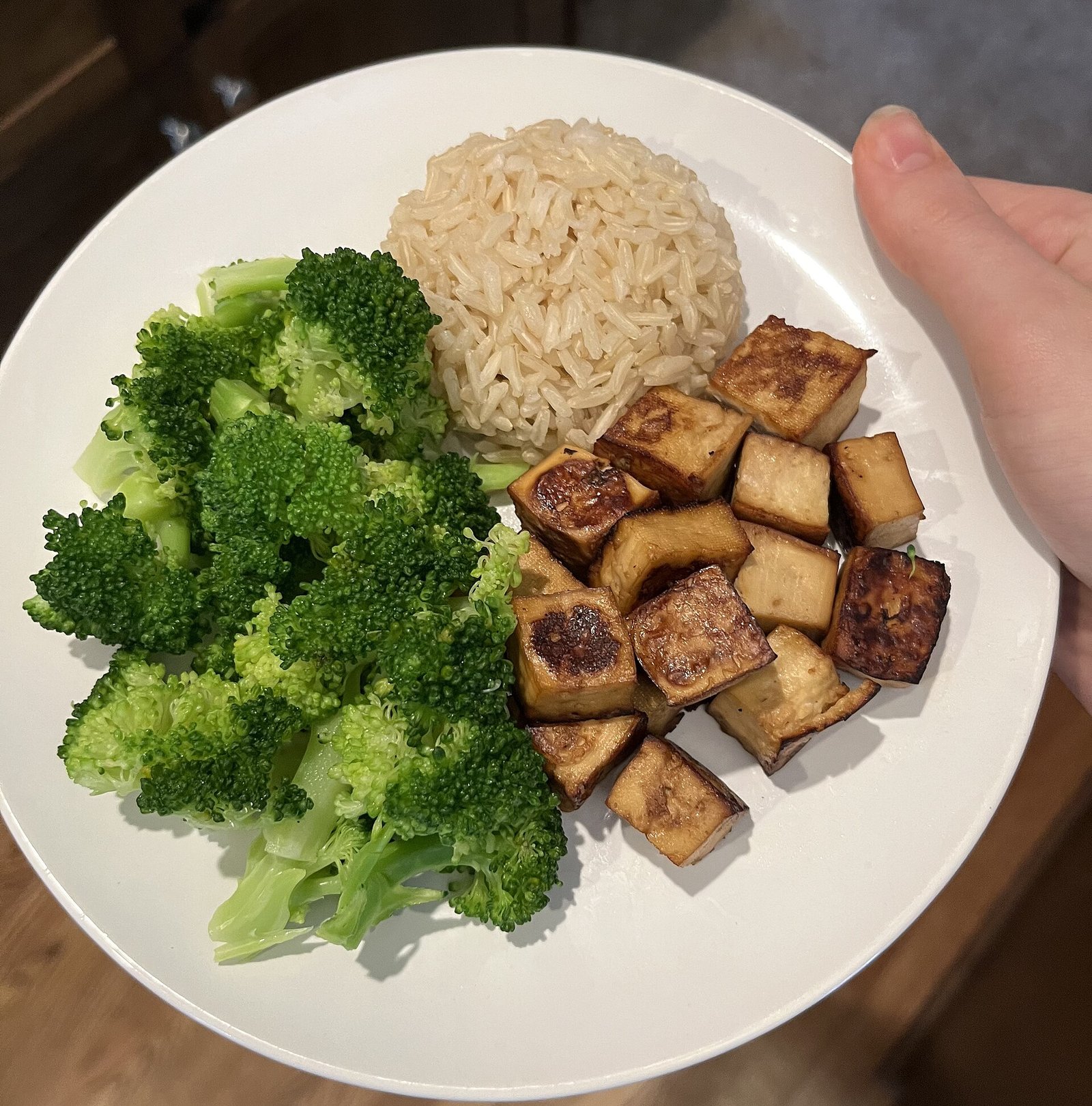
- – Lunch: a balanced plate (protein, a grain, cooked vegetables); skip spicy, greasy, or sugar-alcohol items if those have been problems.
- – Afternoon: a planned snack; note it in the diary.
- – Dinner: a familiar, moderate meal at a consistent time, with time afterward to use the toilet if that is part of bowel training.
- – Evening: limit alcohol and late caffeine if those worsen loose stools for you.
5. If both constipation and diarrhea show up, or when you leave home
A mix can happen when liquid stool leaks around hard stool, as NIDDK describes. Do not start an antidiarrheal and a strong laxative on your own. See chronic constipation diet guide and your clinician. Related reading: hemorrhoids diet guide and diet after hemorrhoidectomy guide. MedlinePlus notes that special pads or undergarments can help a person feel safer leaving home. Pair that step with a meal pattern you already know is safer—not with skipping meals all day.
Safety, interactions, and who should ask a clinician first
- – See a clinician if leakage is frequent or severe, affects daily life, or causes distress (NIDDK), or if a toilet-trained child has stool incontinence (MedlinePlus).
- – Contact a provider for skin irritation or sores from leakage, or for severe diarrhea (MedlinePlus).
- – Over-the-counter antidiarrheals, laxatives, and fiber supplements are not one-size-fits-all; NIDDK says use depends on the cause and should follow a doctor’s recommendation.
- – Urinary leakage is a different condition. See stress urinary incontinence diet guide only as related reading.
- – Do not use this page to delay evaluation of neurologic disease, rectal prolapse, IBD, or post-surgical problems NIDDK lists among causes.
FAQ
Can a high-fiber diet stop leakage for everyone? No. NIDDK ties extra fiber and liquids mainly to constipation- or hemorrhoid-related fecal incontinence. If diarrhea is the problem, some foods may worsen symptoms. Get the cause named first.
Should I give up all dairy, coffee, and fruit? Not automatically. NIDDK and MedlinePlus list those among items that may worsen diarrhea-related symptoms in some people. A food diary is the way to see whether they are your triggers.
Do pelvic-floor exercises still matter if I change my diet? Yes. NIDDK includes pelvic-floor exercises and bowel training with diet and medicines among simple treatments. Diet does not replace those methods.
Is accidental bowel leakage rare? NIDDK calls it a common problem and estimates that 7 to 15 out of 100 adults not in hospitals or nursing homes have it. It can be treated.
When should I see a clinician? If leakage is frequent, severe, or affecting your life, if skin is breaking down, if diarrhea is severe, or if a toilet-trained child starts leaking stool. Seek urgent care for heavy or black stool, high fever, severe abdominal pain, or dehydration.
How this differs from related OTCFood topics
This page is a fecal-incontinence-bound diet guide focused on fiber and fluids when constipation or hemorrhoids contribute, trigger foods when diarrhea contributes, and food diaries. It is not a generic constipation protocol and not a substitute for pelvic-floor or medical care.
Medical disclaimer
Medical disclaimer: This article is for general information only. It is not medical advice, diagnosis, or a treatment plan. Fecal incontinence care depends on the cause, stool pattern, muscle and nerve function, and your clinician’s judgment. Talk with a clinician before changing fiber, fluids, or over-the-counter bowel medicines. Seek urgent care for severe diarrhea or constipation with vomiting, a swollen painful abdomen, rectal bleeding, fainting, or sudden loss of bowel control with neurologic symptoms such as leg weakness or a numb saddle area.